Camping Gear
Budget vs Premium Backpacking Tents: NatureHike Vic and Nemo Dragonfly Osmo Compared
A $160 tent and a $500 tent can look similar in a product photo. Here is what actually changes when you move from a budget build to a premium one, and how to decide which side of the line you belong on.
Introduction
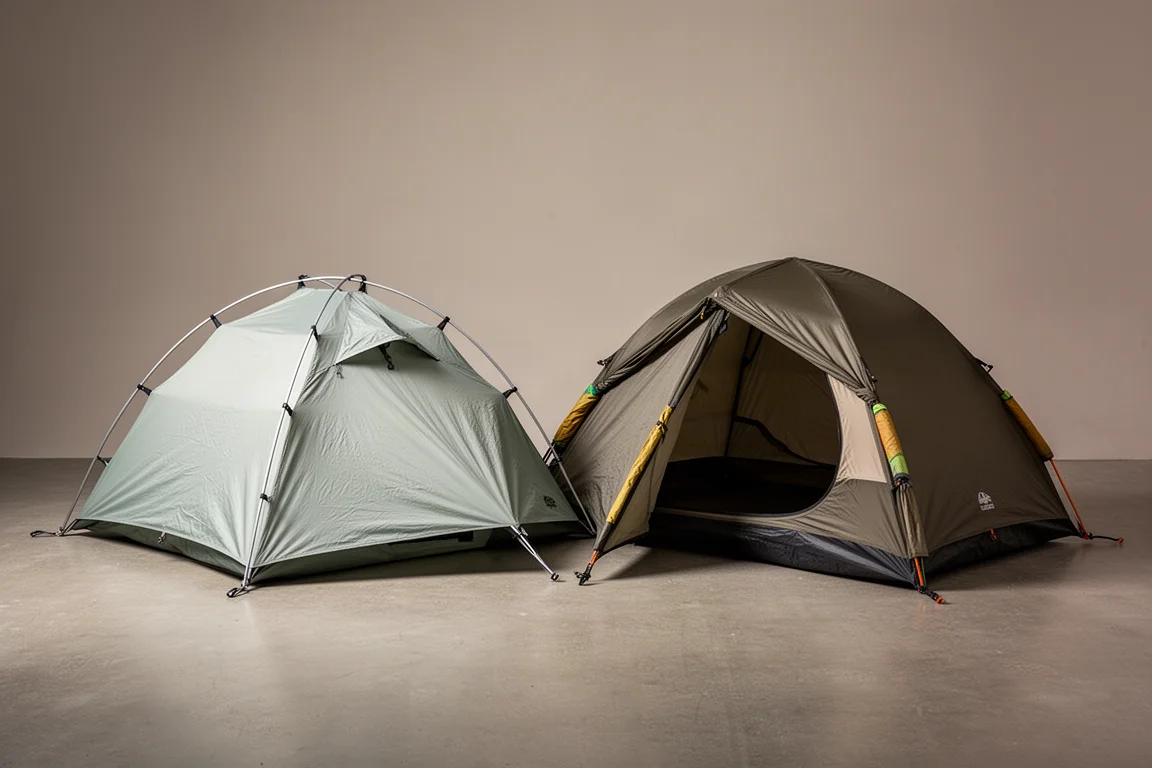
A budget backpacking tent and a premium backpacking tent can look remarkably similar in a product photo, and that similarity is exactly what makes the price gap confusing. The NatureHike Vic sits at roughly $160. The Nemo Dragonfly Osmo sits closer to $500. Both are lightweight shelters intended to keep weather off a backpacker, and neither number is arbitrary.
The price tag is not a quality score. It is a summary of hundreds of decisions made before the tent ever reached a shelf: who designed it, which components were specified, which factory built it, and how much testing happened along the way. Understanding those decisions is what turns a price comparison into a useful buying decision.
What Separates a Budget Tent From a Premium Tent
Budget tents tend to be built around generic designs and generic components. That is the core of how they reach a lower price. The NatureHike Vic is a clear example: its zippers are non-name-brand hardware rather than branded zippers, and its poles are generic rather than DAC poles. Because the design elements are widely available off-the-shelf items, overhead stays low and the tent can be sold at a reduced cost.
None of that automatically makes a budget tent junk. Origin alone tells you very little, since plenty of excellent gear is manufactured overseas. What matters is the specific factory, the quality control processes it runs, and the production cycle behind the product. A high-volume facility optimised for output may not apply the same quality control as a factory producing a more specialised tent.
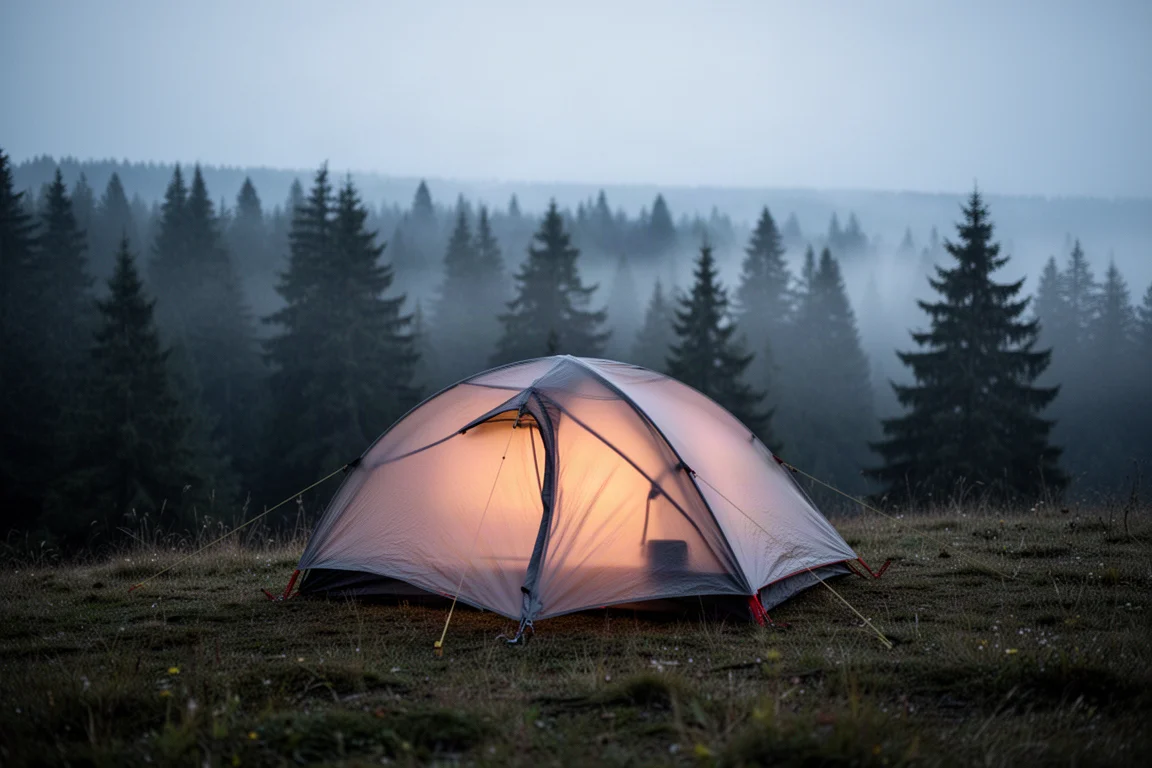
The premium side of the market works differently. Larger brands invest in design teams whose job is to solve specific problems: vestibule spaces that are bigger and more usable, pole structures developed with partners such as DAC for the lightest and strongest aluminium possible, and shapes that hold up when wind, snow load, and sustained weather push against them. That design work is not white label. It belongs to the brand, and it is field tested, reviewed, and revised before it reaches production.
NatureHike Vic: A Strong Value at the Budget End
The NatureHike Vic is the budget reference point in this comparison, and at around $160 it delivers real value for what it is. It is a lightweight backpacking shelter at a price that makes getting outdoors accessible, and for many trips that is genuinely enough.
The trade-offs are structural rather than accidental. Generic zippers and generic poles are what keep the cost down, and the design itself follows widely used patterns rather than a proprietary shape. In fair weather, on established routes, and on trips where the forecast is stable, those compromises rarely show themselves. In sustained wind or heavy snow load, a generic pole structure simply does not carry the same confidence as a pole built by a specialist manufacturer.
Nemo Dragonfly Osmo: Where the Extra Investment Goes
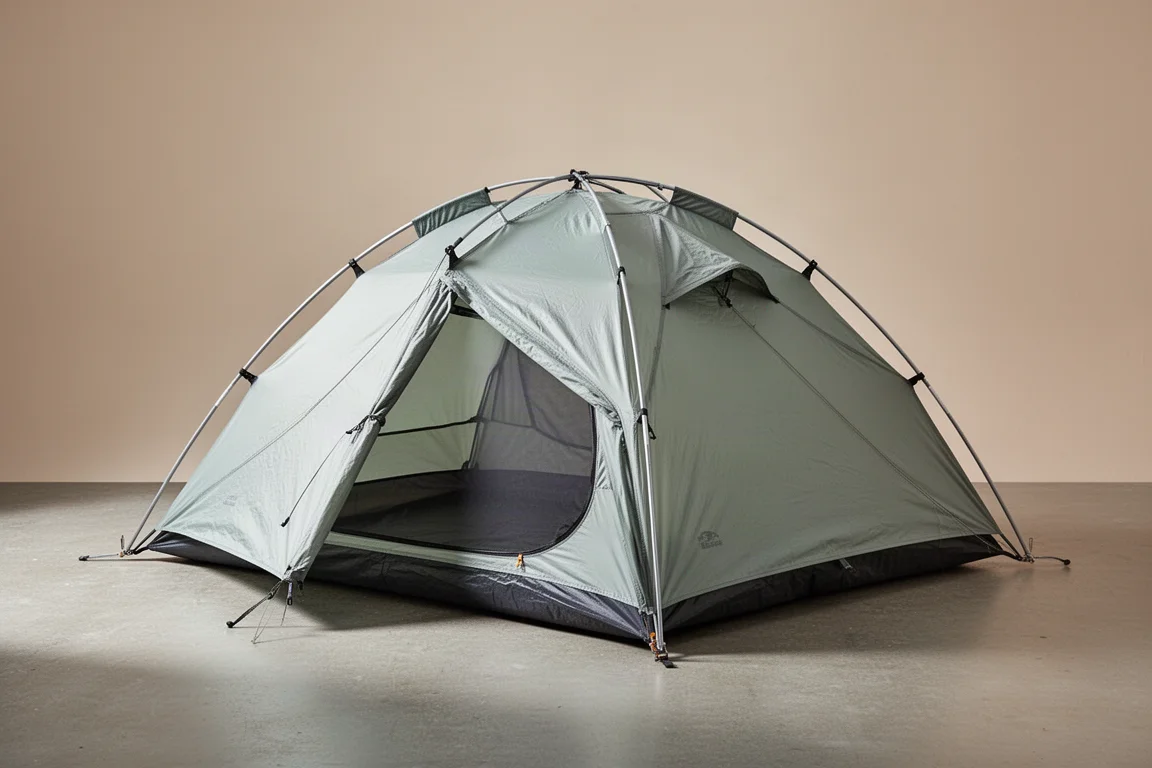
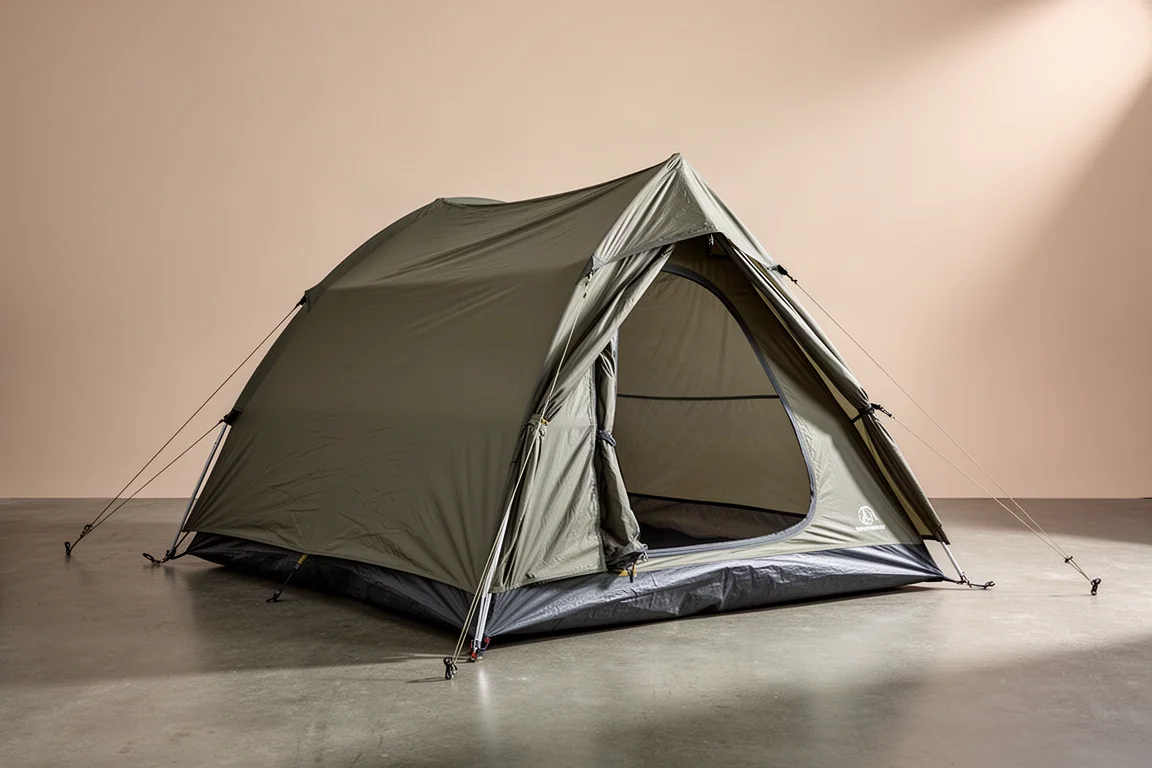
The Nemo Dragonfly Osmo is the other end of the spectrum, and the roughly $500 price reflects several distinct layers of cost. The first is design sophistication. The vestibule space is larger and more usable than what a budget shelter typically offers, and the overall shape has been developed specifically rather than borrowed from a generic template.
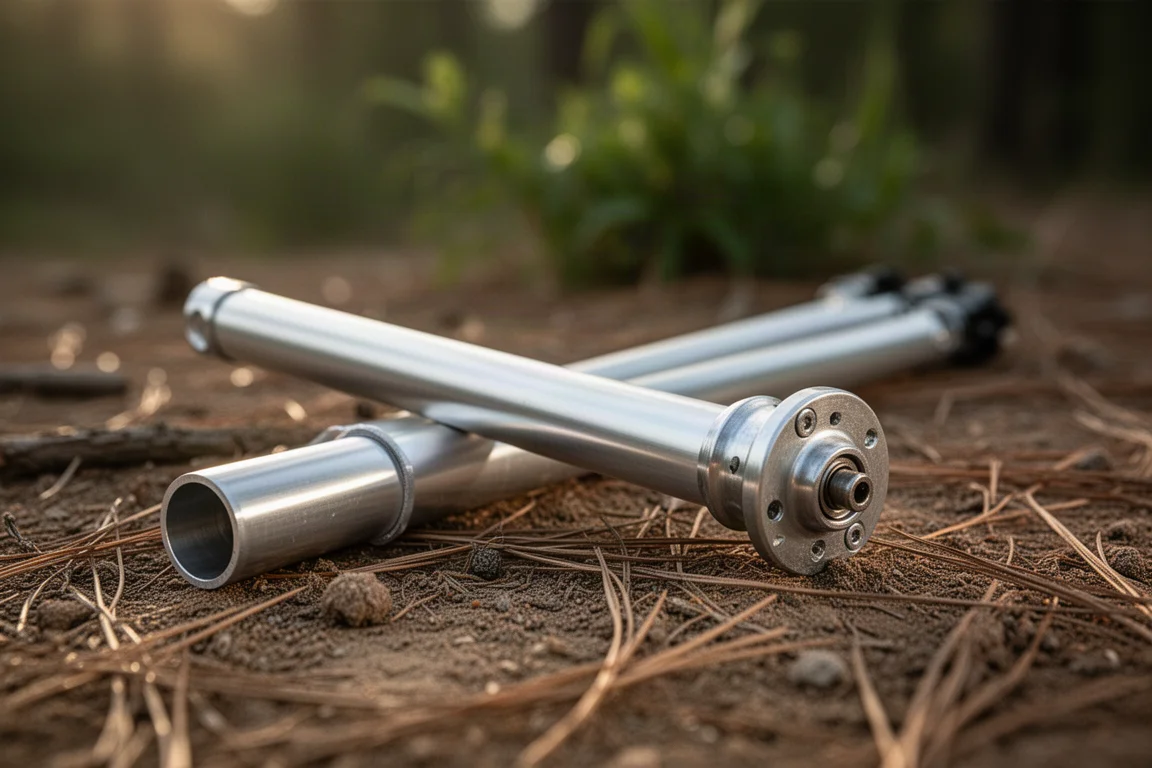
The second layer is componentry. The Dragonfly Osmo uses a pole structure built with DAC, which raises the price on its own. In exchange, DAC poles are lighter and use internal components that make them considerably stronger, which matters most when heavy wind or snow load is pressing down on the tent. That difference in confidence is difficult to replicate with a generic pole.
The third layer is the design team itself. A tent that is unique and specific to one brand carries the cost of the people who created it, field tested it, and returned to the drawing board to fix what did not work. It is also not a white label product, which is a meaningful distinction: many low-cost backpacking tents sold online share almost identical designs across a long list of brand names.
Osmo Fabric and In-House Design
Fabric development is one of the clearest places where premium pricing shows up. The Osmo fabric used on the Dragonfly Osmo is a nylon and polyester blend developed specifically for the purpose, and the logic behind it is easy to follow.
Nylon contributes light weight. Polyester contributes strength and absorbs less water, so the fabric does not stretch the way a 100 percent nylon fly can when it gets wet. The result is a stronger, more stable fabric overall, achieved without stepping up to the price point of a fabric such as DCF.
That kind of material development is not a marketing layer on top of an existing tent. It is ongoing design work aimed at improving how a backpacking shelter performs in the backcountry, and it is one of the reasons a premium tent costs what it does.
Matching the Tent to How You Actually Camp
Once the design and material differences are clear, the decision becomes personal rather than technical. Three questions tend to settle it.
The first is budget. What can you comfortably spend on a shelter, given everything else your kit needs? The second is weight. How much are you willing to carry, and does the weight difference between two tents actually matter for the distances you cover? The third is frequency and conditions. A tent that gets used once a year in fair weather does not need to survive a sustained storm. A tent that goes out repeatedly, in exposed terrain, does.
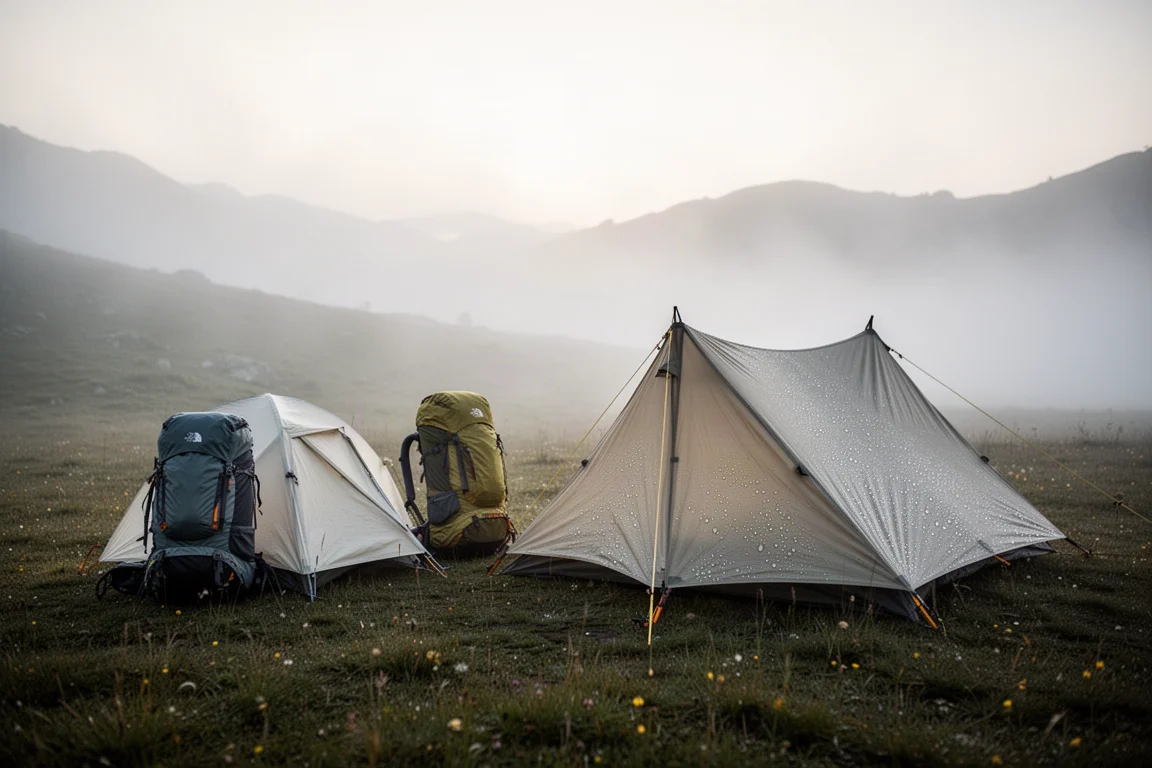
If your trips are reliably fair weather, with no expectation of severe wind, rain, or snow, a less expensive tent is a rational choice. Spending heavily on protection you will never test is not good value. If you are heading out often and spending long stretches in the backcountry, the calculation flips: the design and performance elements in a premium shelter are what produce a better experience over the life of the product.
Cost, Ethics, and Manufacturing Considerations
There is one more factor that sits outside performance entirely, and it is worth weighing honestly. Where a product is made, and under what conditions, matters to a lot of buyers.
Brands such as Nemo, Big Agnes, and MSR put their money into factories that provide fair trade opportunities for their workers. That commitment is part of the cost structure of a premium tent, and for some buyers it is a deciding consideration rather than a footnote. It does not make budget gear unethical by default, but it is a real difference in how the money behind a purchase is allocated.
Buying Advice
The honest answer is that both tents make sense, just not for the same buyer.
Choose the NatureHike Vic if you want a lightweight backpacking shelter at a genuinely accessible price, your trips are mostly fair weather, and you are comfortable with generic components and a widely used design. At around $160, it is a strong value proposition for that use case.
Choose the Nemo Dragonfly Osmo if you go out often, expect to encounter real weather, and want the design work, DAC pole structure, larger vestibule, and Osmo fabric that justify the higher cost. At around $500, you are paying for problem solving, field testing, and components built to hold up when conditions turn.
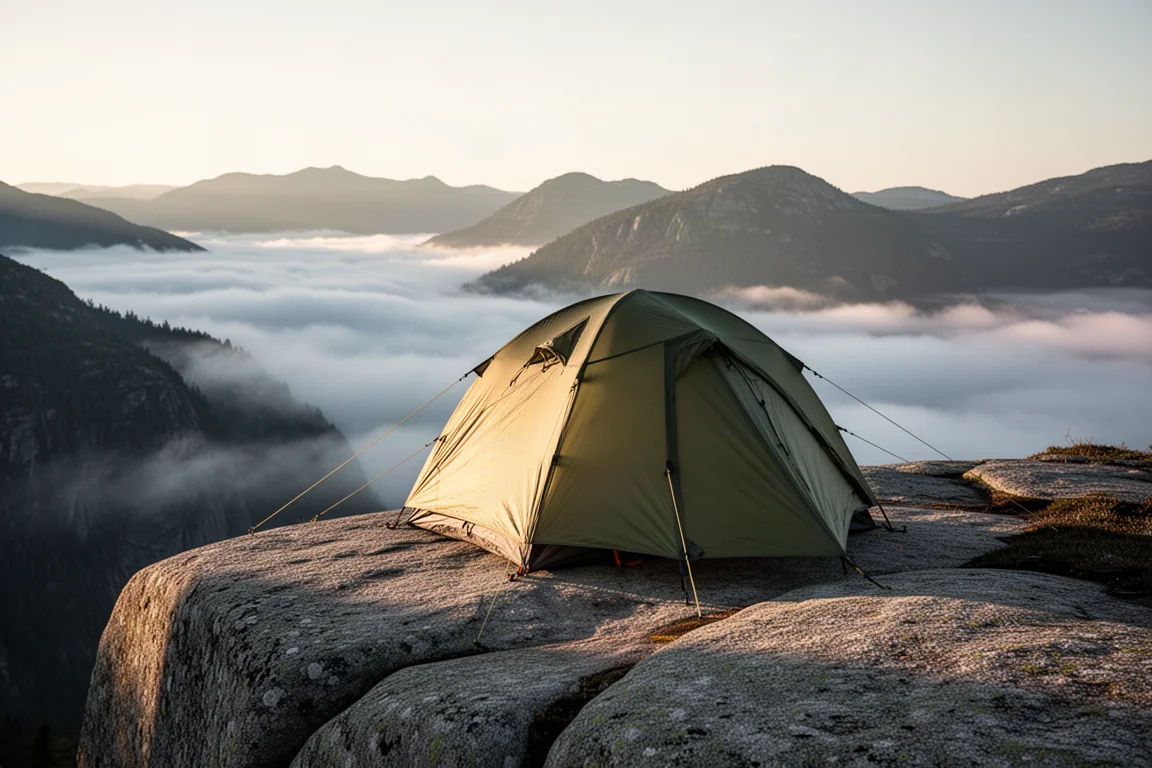
Neither choice is a mistake. The mistake is buying for a trip you never take, or buying for a trip you take constantly and then discovering the shelter was never built for it.
Conclusion
The gap between a $160 tent and a $500 tent is not a gap in honesty or in basic function. It is a gap in design ownership, component quality, material development, and manufacturing standards. Budget tents lower their cost by using generic designs and generic parts, and they can still be excellent value when the conditions are forgiving. Premium tents raise their cost by solving problems in-house, partnering with specialist component makers, and building in factories with stronger quality control.
Decide based on how often you go, what weather you realistically expect, how much weight you will carry, and what you are willing to spend. Answer those honestly and the right tent will be obvious.
Further reading
Related Reviews
Camping Gear
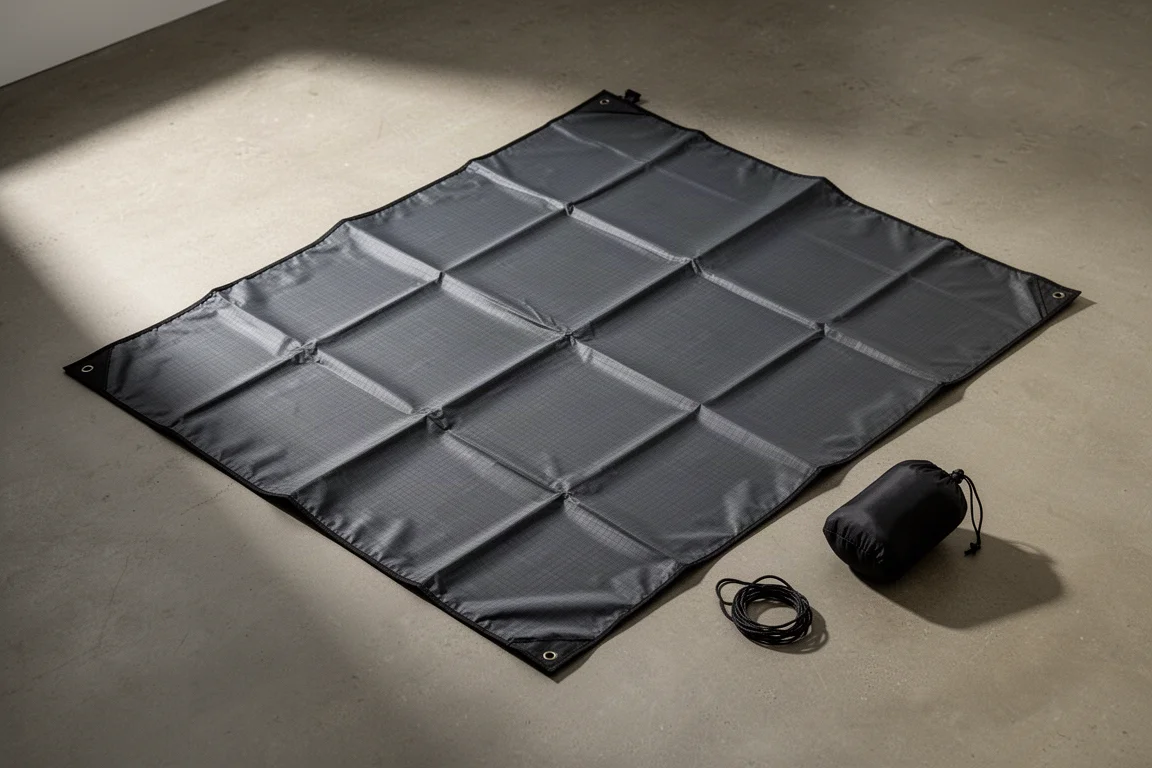
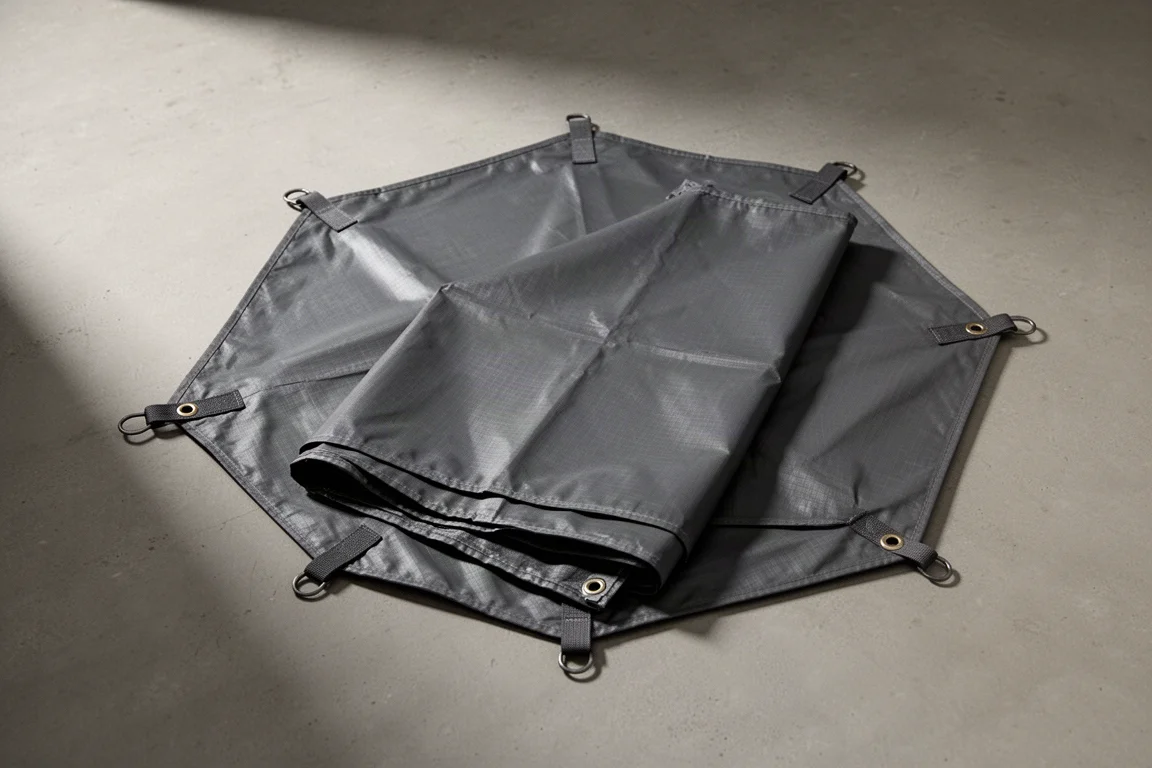
3FUL Ultralight Ground Sheet Review: A Two-Person Footprint Worth Packing
A 6.7 oz two-person ground sheet in ripstop silnylon, priced around $30. Here is what it protects, what it does not do, and who should pack it.
Camping Gear
Backcountry Light Dual-Function Tarp and Floor Review: A Footprint First
A dual-purpose tent floor and tarp that keeps falling rain off you, but cannot block wind. Here is where it works and where it does not.
Camping Gear
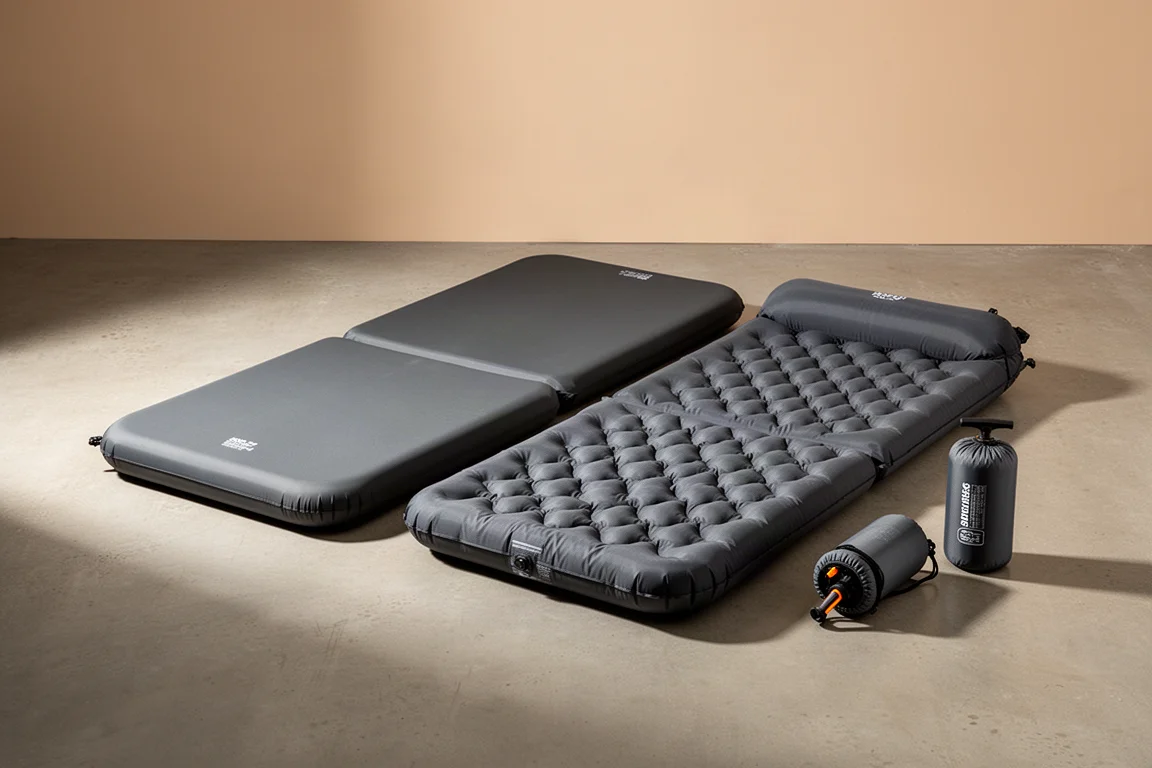
Best 2-Person Camping Mattresses for Couples: 10 Options Compared
A practical comparison of ten two-person camping mattresses, covering self-inflating pads, air pads and air mattresses for couples.