Multi-Tools
Budget Multi-Tools vs the Leatherman Wave: Six Tools Compared
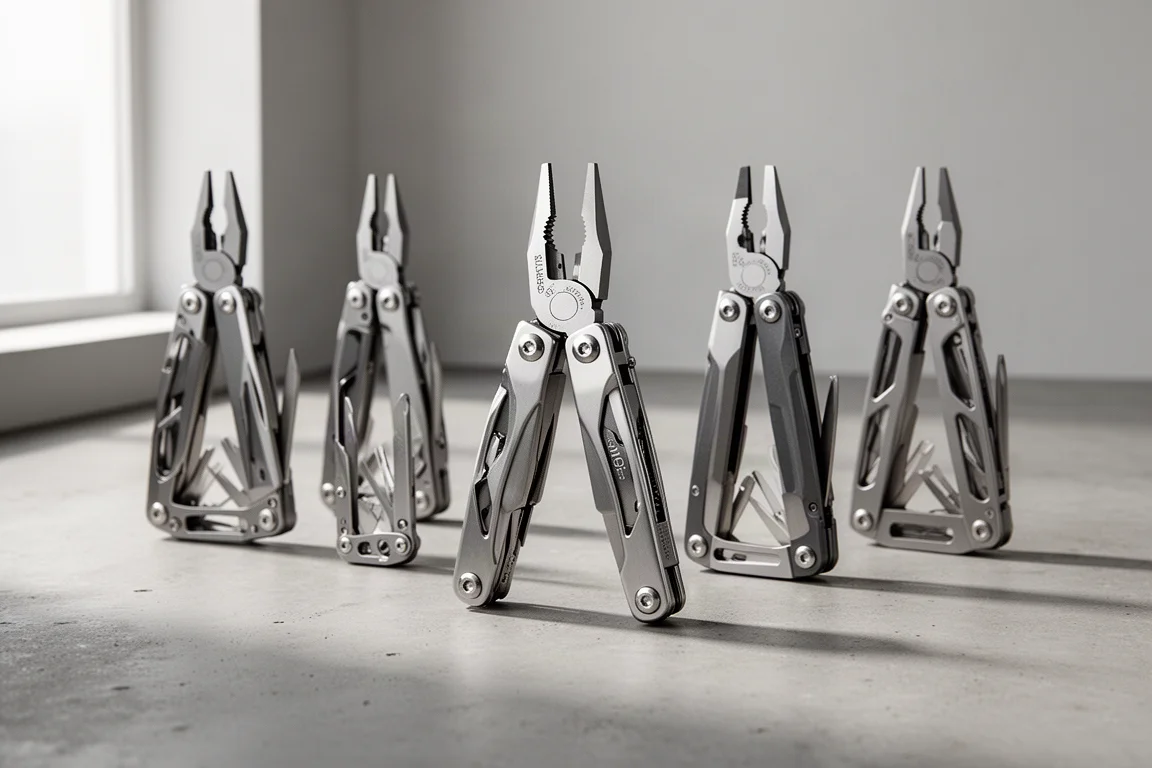
The Leatherman Wave still sets the standard, but a wave of $23 clones with quarter-inch bit drivers is getting dangerously close. Here is how six multi-tools stack up.
Introduction
For a couple of years, budget multi-tools have been chipping away at the Leatherman Wave’s territory, but the gap never felt serious. That has changed. Two current $23 clones now imitate the Wave far more closely than earlier efforts, and one of them even borrows ideas the Wave never offered. The question is no longer whether these tools are interesting, but whether they can genuinely compete with the real thing.
Evaluation Criteria
This comparison looks at weight, blade configuration, saw and file quality, scissor performance, plier build, internal tools, and bit driver design. Weight matters because the full-size bit driver requires a wider frame, and width adds ounces. The Leatherman Wave weighs about eight and a half ounces, while the clones land roughly an ounce heavier at just under nine and a half ounces. That is the trade for a wider plier head and a quarter-inch bit holder.
Leatherman Wave
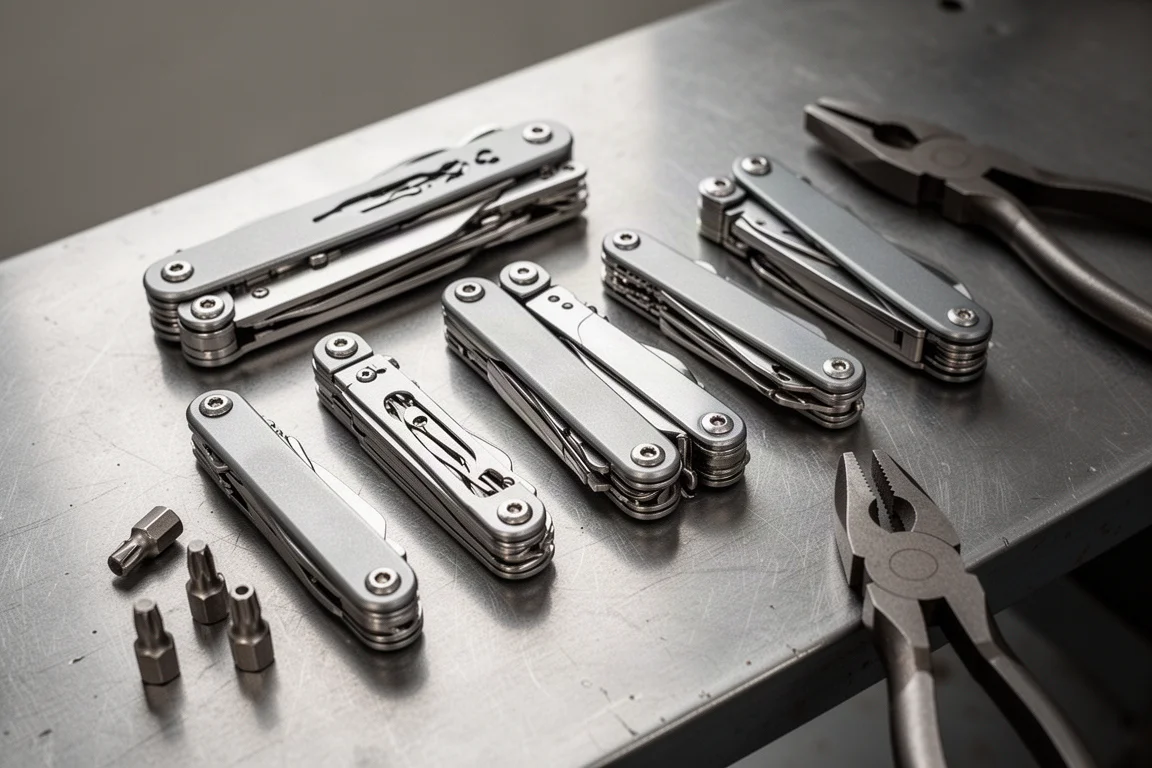
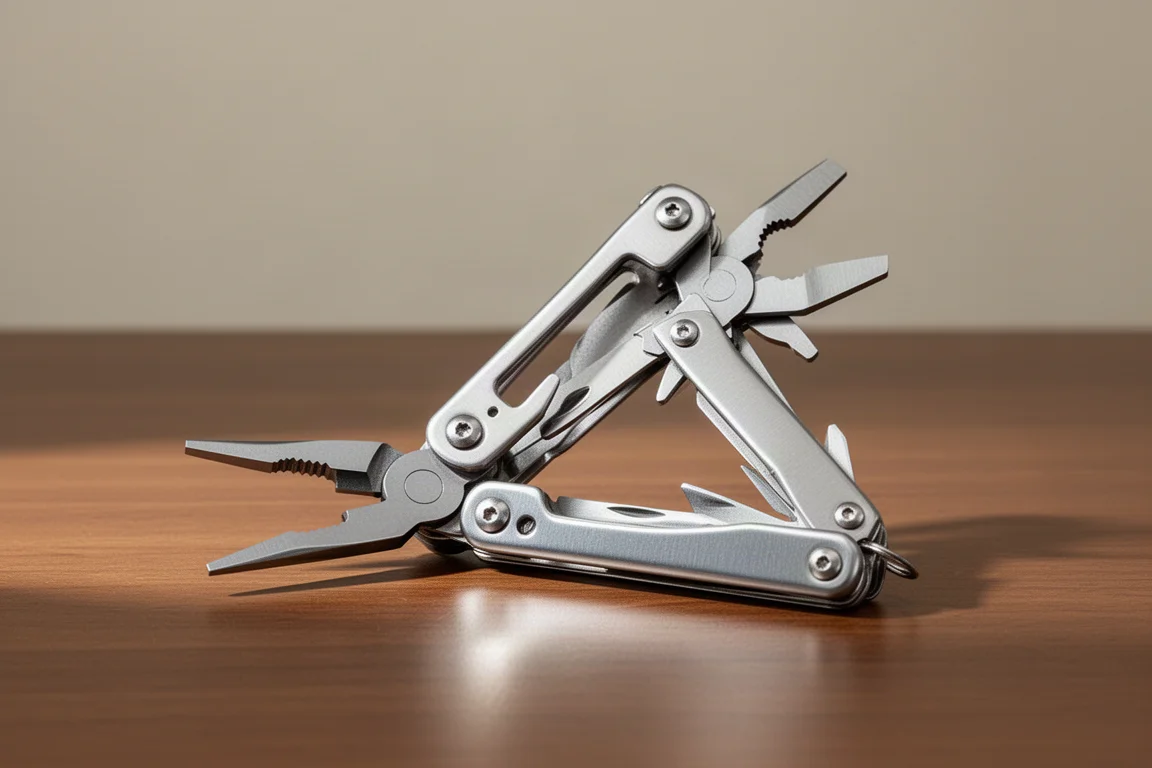
The Leatherman Wave remains the benchmark. Around $110, it carries a primary straight blade and a serrated blade, both one-hand openable with the right hand, plus a diamond file, a saw, and a proprietary bit system. The plier head has a firm, secure lock and a lifetime reputation: no one matches Leatherman on long-term durability and steel quality. Where it falls short is flexibility. Its proprietary bits are softer steel, occasionally out of stock, and can only be purchased directly from Leatherman. The V-shaped wire stripper also outclasses the smaller U-shaped openings found on the clones. It is not fair to say the clones beat the Wave, but the Wave is no longer untouchable.
Ozark Trail MultiForce
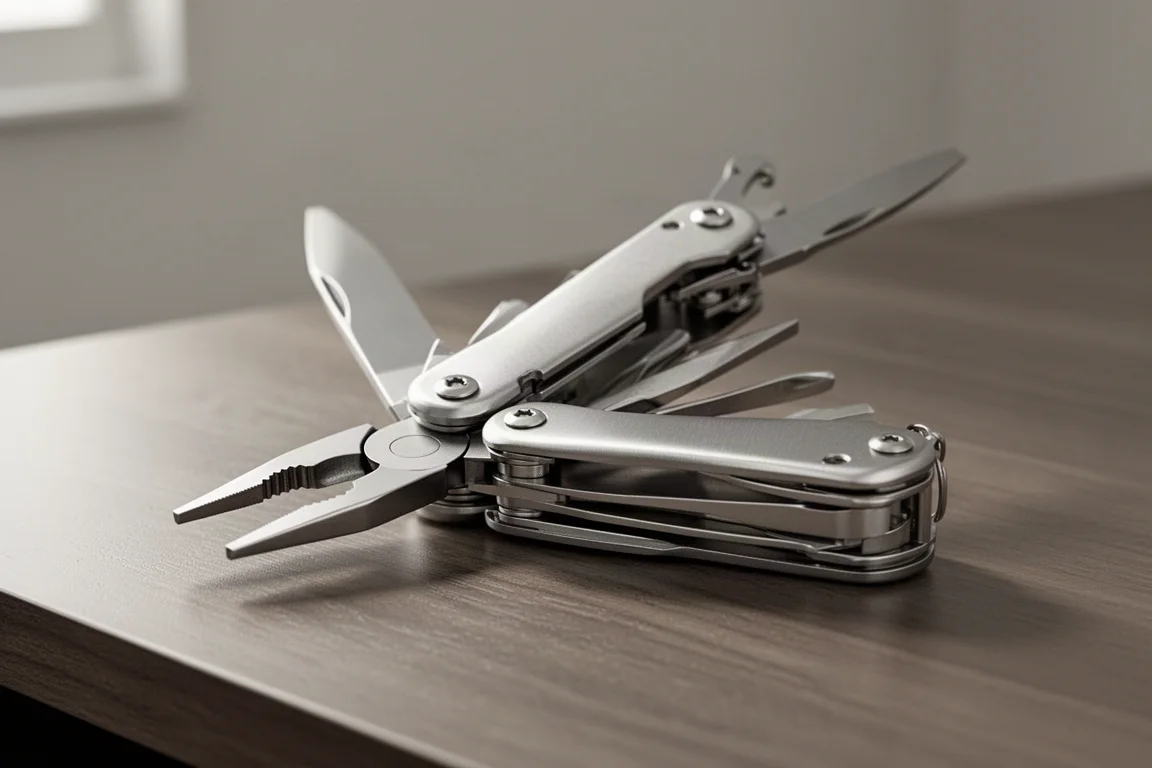
The Ozark Trail MultiForce is a Walmart-exclusive tool that was clearly inspired by the Wave but brought real improvements of its own. The blade sits on the opposite side from the pliers, it includes a full-size hex bit driver using double-sided ball-detent retention bits, and it ships with a pocket clip. It is slightly heavier than the Wave and its file was the weakest point of the design, with rounded corners and diamond coating that flaked off for some owners. Scissor performance, however, was strong enough to beat the Wave in a cutting test, at least in terms of cutting ability rather than edge longevity. It also comes with a bit extender usable with standard bits.
Biberry Multi-Tool
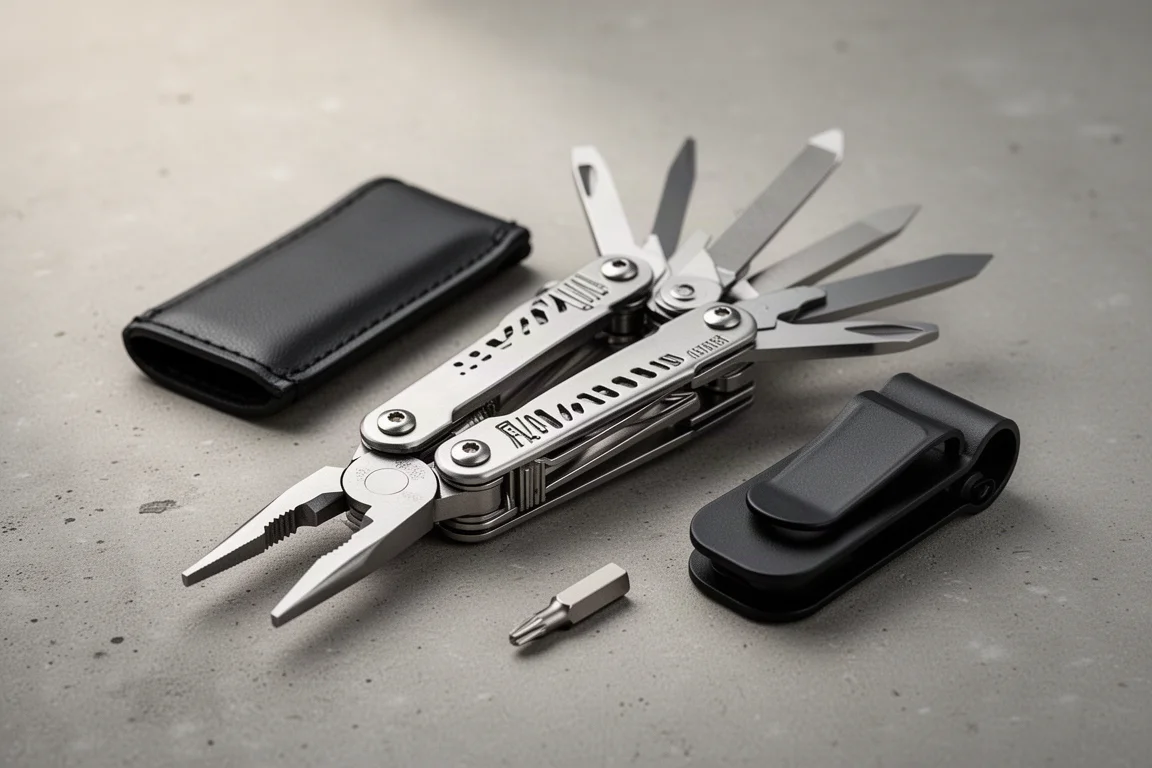
The Biberry Multi-Tool was a step closer to the Wave than the MultiForce, but not all the way there. It still uses basic pliers without replaceable cutters, and its scissor performance was not great. Its file improved on the MultiForce with a properly flat edge, though occasional reports of diamond coating peeling remained. As a mid-point in this timeline of improving clones, it shows how quickly these manufacturers iterate, but it is not the one that should worry Leatherman most.
Fleisa Multi-Tool
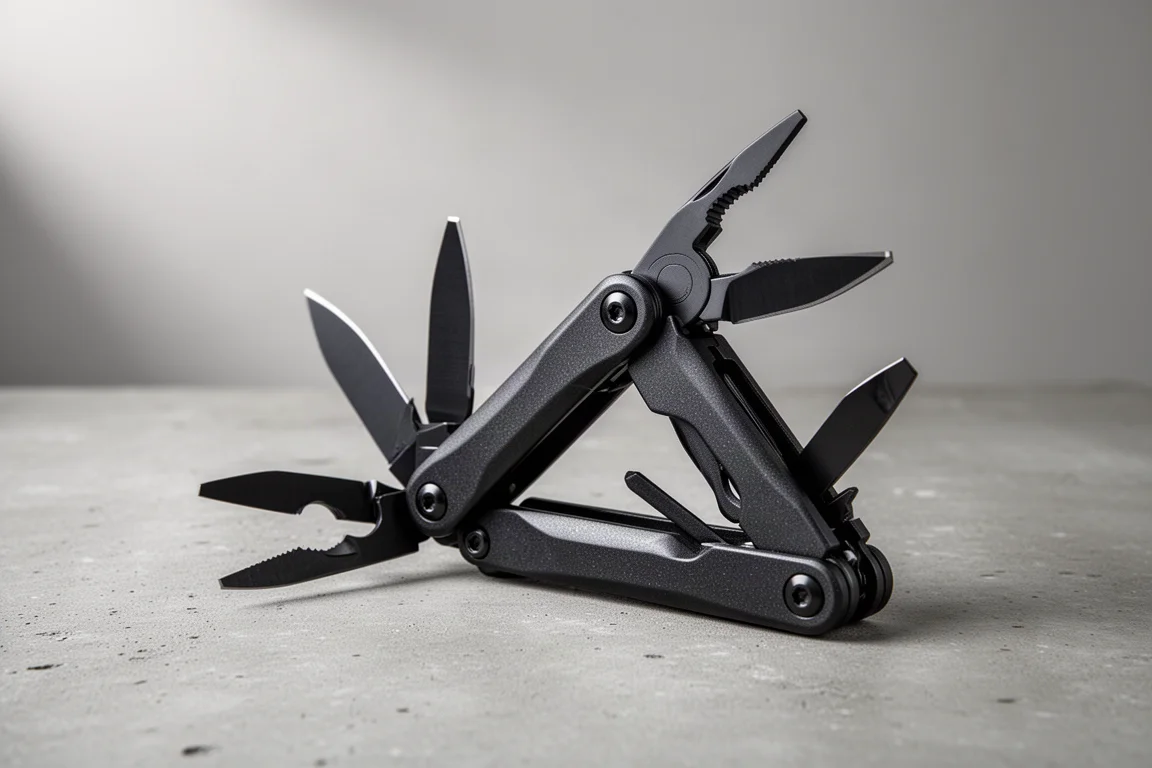
The Fleisa Multi-Tool, available in a black DLC-style coating and discovered during a sale for around $23, is the real deal in clone terms. It is made by the same manufacturer as the Biberry, essentially a rebrand from a mass manufacturer that will brand these tools however a distributor wants. It is a true Wave clone: matching serrated blade grind, a primary blade on the usual side, a file with an aggressive edge on the opposite side, and a saw with substantially longer, wider teeth that cuts faster but rips more. The saw spine is tapered to prevent binding, a thoughtful touch. Sample variation is real, though: one unit had a plier pivot that would not fully open, the kind of flaw that would mean an immediate return on a $110 tool.
Scissors: The Unexpected Standout
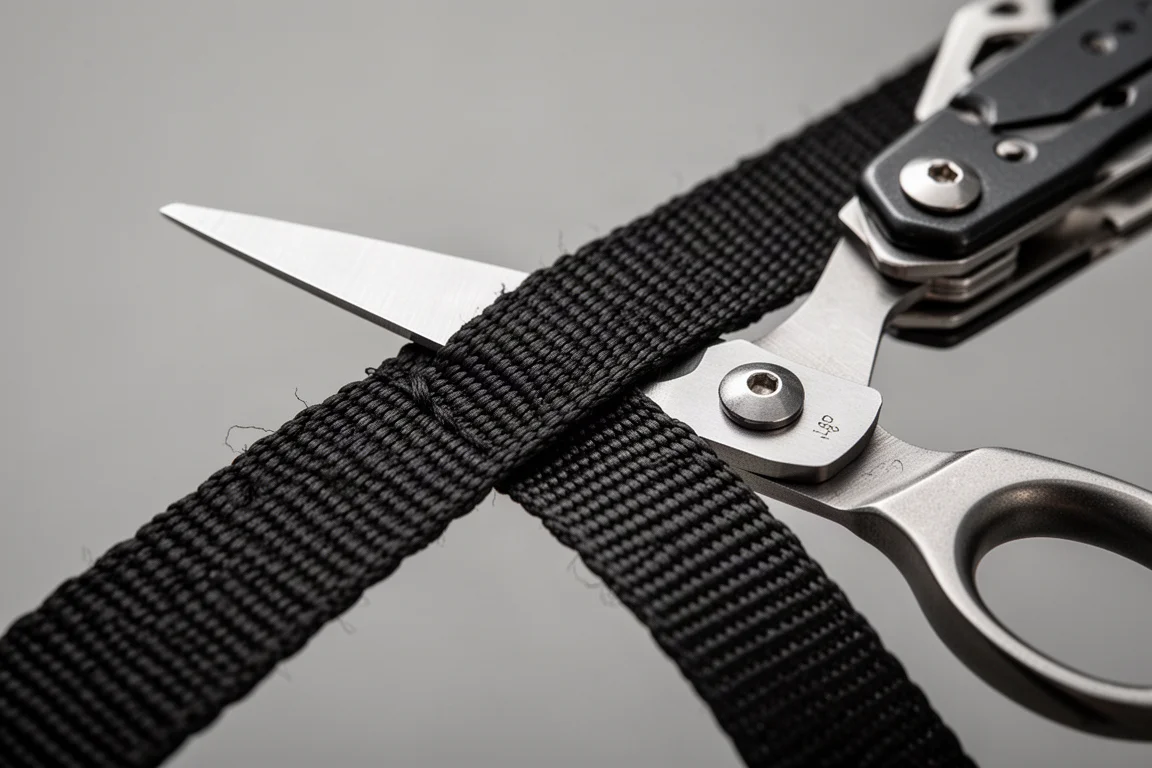
Scissor testing produced the biggest surprise of this comparison. The Fleisa’s scissors cut jersey knit, kevlar fabric, and dyneema line with clean passes, handled seatbelt webbing, and even worked through heavy trailer strapping. It failed only at precision tip cuts on fine stitching, which most scissors cannot do either. The manufacturer has also revised the scissor profile compared to the Biberry version, adding width to reduce flex and improve precision. Combined with the MultiForce’s earlier win over the Wave in scissor testing, this is one area where the budget tools now lead on pure cutting performance.
Bit Drivers: The Clone Advantage
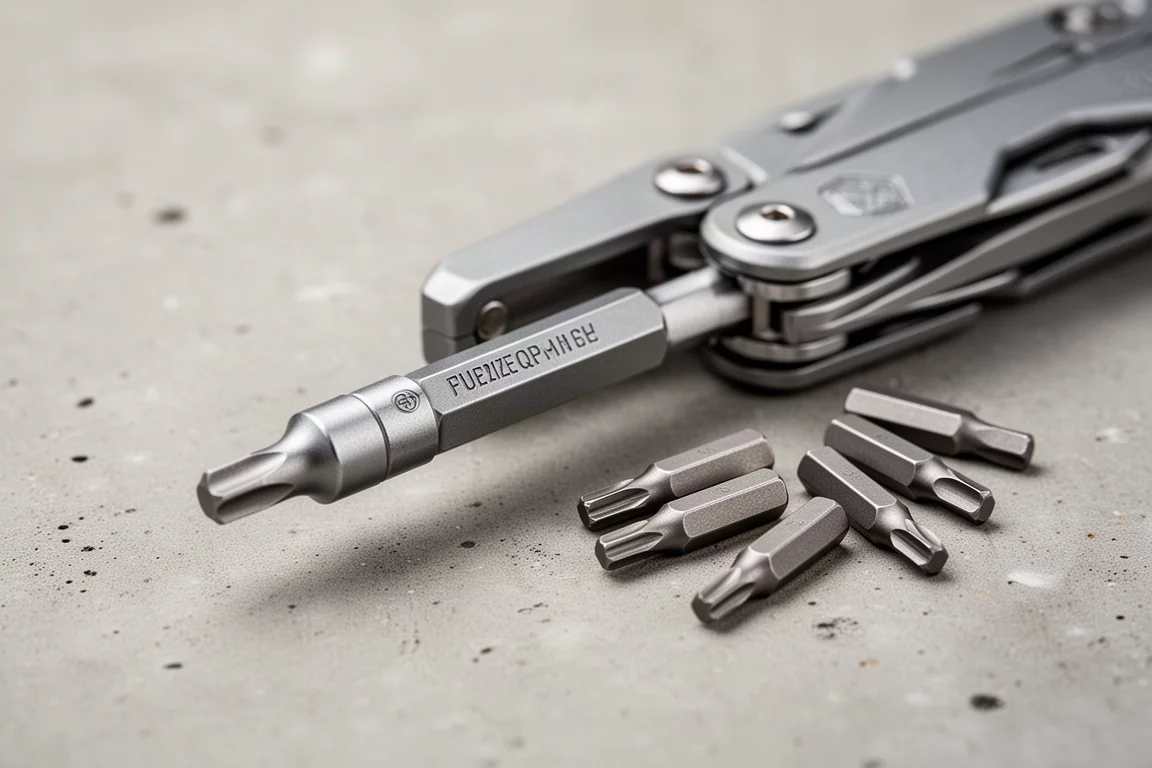
This is where the comparison turns uncomfortable for Leatherman. The clones offer a full-size quarter-inch hex bit driver that locks in place and works with any standard hex bit. Leatherman’s proprietary bit system, by contrast, has had stock problems, uses softer steel, and requires buying bits only from Leatherman. A standard bit kit simply works in the clones, especially once magnets are installed. For anyone who already owns quality bits, the advantage clearly goes to the clones, and Leatherman cannot afford to keep ignoring that demand.
Pliers and Internal Tools
The plier heads on the clones closely mirror the Wave, with smooth action and no play even on the flawed sample. The Fleisa’s replaceable cutters are an interesting gamble: one side carries a hard-wire cutter profile while the other has a full straight edge, an unusual asymmetric arrangement that may work with genuine Leatherman replacement cutters. Inside, the clones lack the Wave’s precision driver and instead condense everything onto one side, including a very small flathead that will likely snap under torque. The can and bottle opener combination differs slightly, and the Wave’s V-cutter remains clearly superior for stripping larger wire.
Longevity, Warranty, and Value
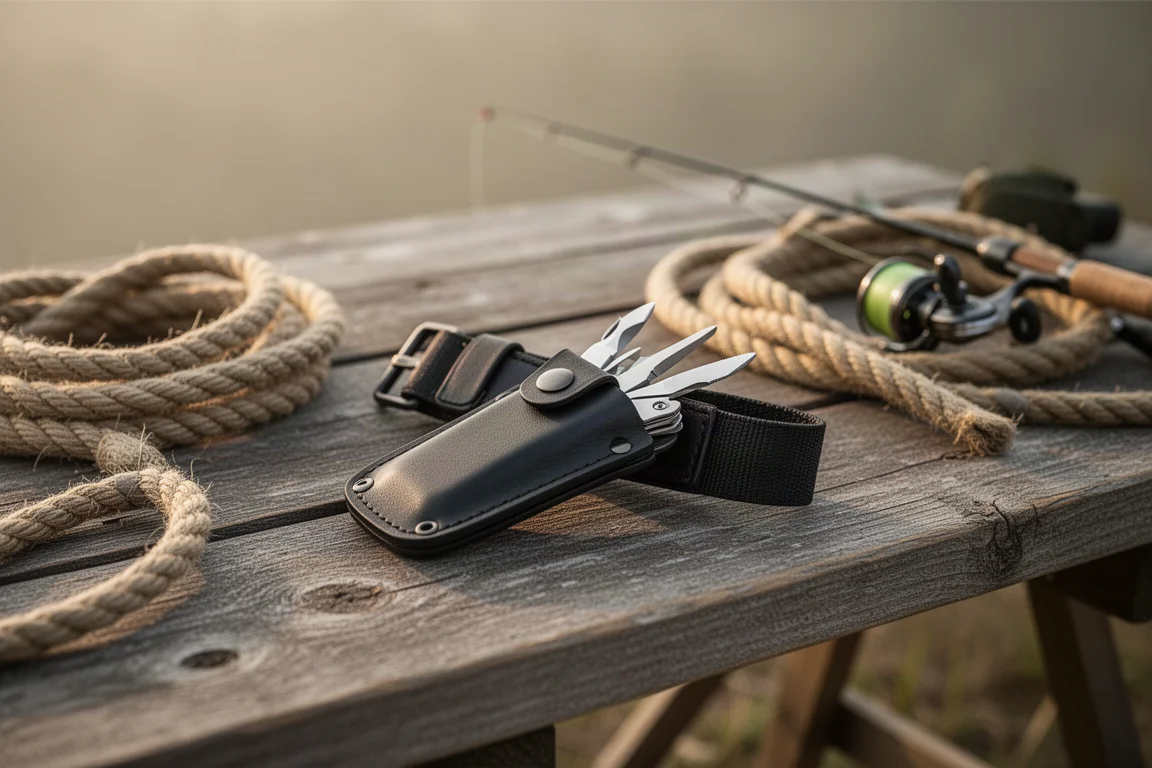
No one will match Leatherman on longevity; that is settled. But the clones have found a workaround. At around $27 with a coupon, buyers can add an extended Amazon warranty for roughly three to four years that replaces the tool with no questions asked, no misuse interrogation, just a replacement or equivalent credit. Even factoring in the value of Leatherman’s 25-year warranty, the $23 tool still lands in the running. Against Leatherman’s Wingman and Sidekick, now priced around $70 after once selling for $40, the clones are simply less than half the cost. As backups, gifts, loaners, or tools you expect to lose on a fishing trip, they make a strong case, and a replaceable-cutter plier head at this price could be a genuine bonus, provided long-term testing confirms it does not weaken the head.
Conclusion
The Leatherman Wave is still the tool to beat on build quality, steel, and long-term durability, and nothing here changes that. But the Fleisa and its siblings have closed the gap far enough that budget buyers deserve a serious conversation: a quarter-inch bit driver, improved scissors, replaceable cutters, and a cheap extended warranty at a fraction of the price. As a backup, a loaner, or a tool you can abuse guilt-free, the clones are tentatively worth checking out. Just buy the warranty.
Further reading
Related Reviews
Multi-Tools
Leatherman Wave Plus Review: A Pliers-First Multitool for Bike Trips
Why a pliers-first multitool earns permanent space in a touring kit, and what to weigh before paying for the Leatherman Wave Plus.
Multi-Tools
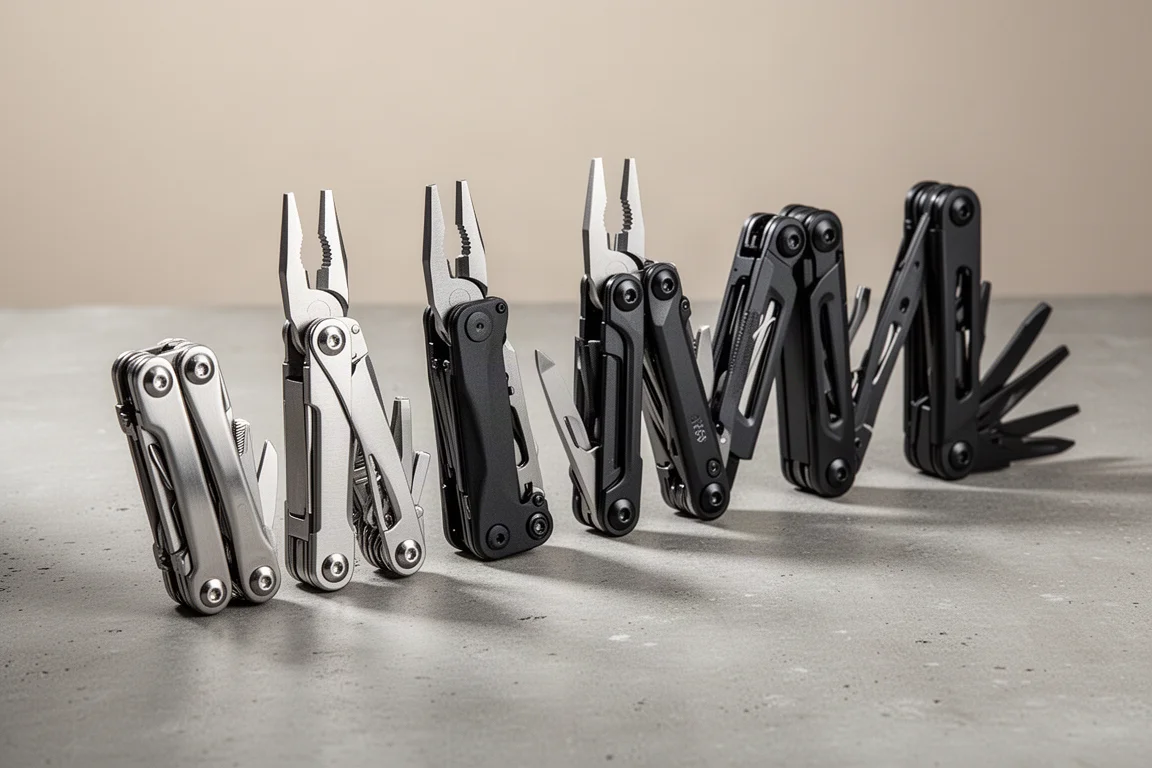
Best Budget Multi-Tools Under $50: Four Picks Worth Considering
A compact SOG original and three value-focused clones, with honest notes on which ones deliver real value and where to draw the price line.
Multi-Tools
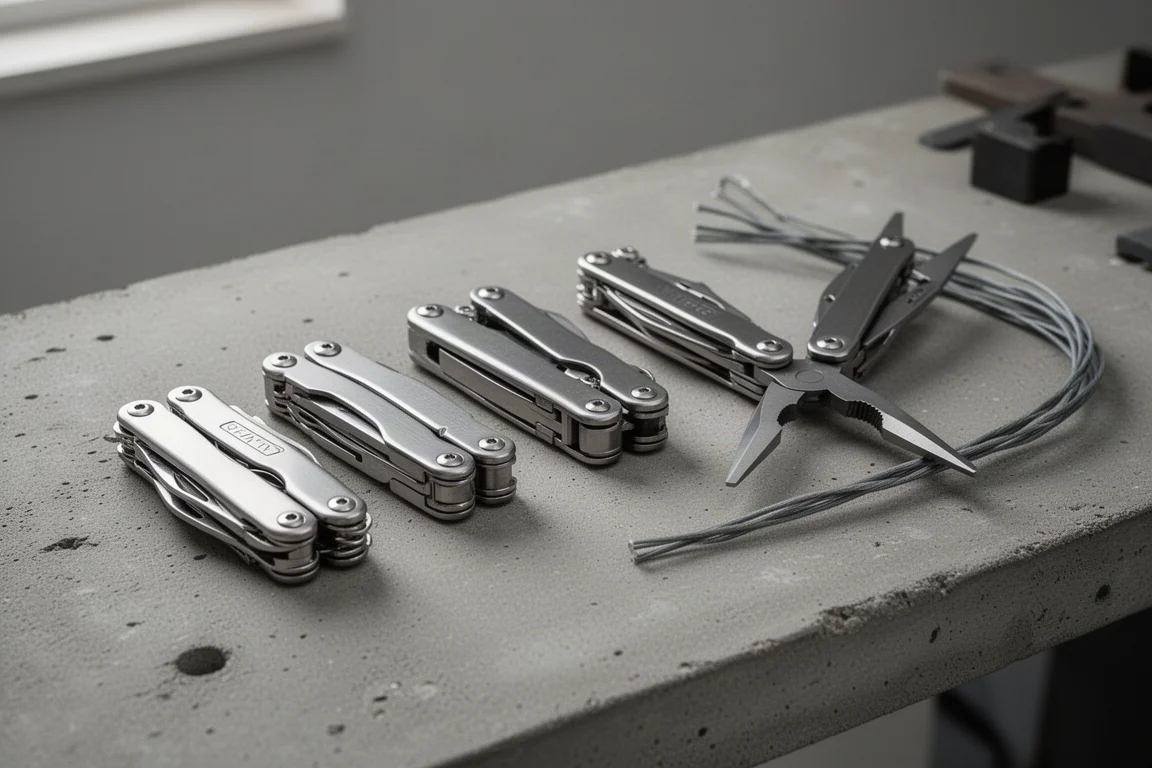
Best Multitools for Hard Wire Cutting: Which Pliers Actually Survive the Test
We put a lineup of classic and modern multitools up against a simple challenge: cutting coat hanger wire cleanly without damaging the cutters.