Multi-Tools
Mossy Oak 27-in-1 vs Leatherman Signal vs Gordon: Which Multi-Tool Makes Sense for You?
A close look at three multi-tools spanning $30 to $140, comparing the Mossy Oak 27-in-1, the Gordon, and the Leatherman Signal for everyday and backcountry use.
Introduction
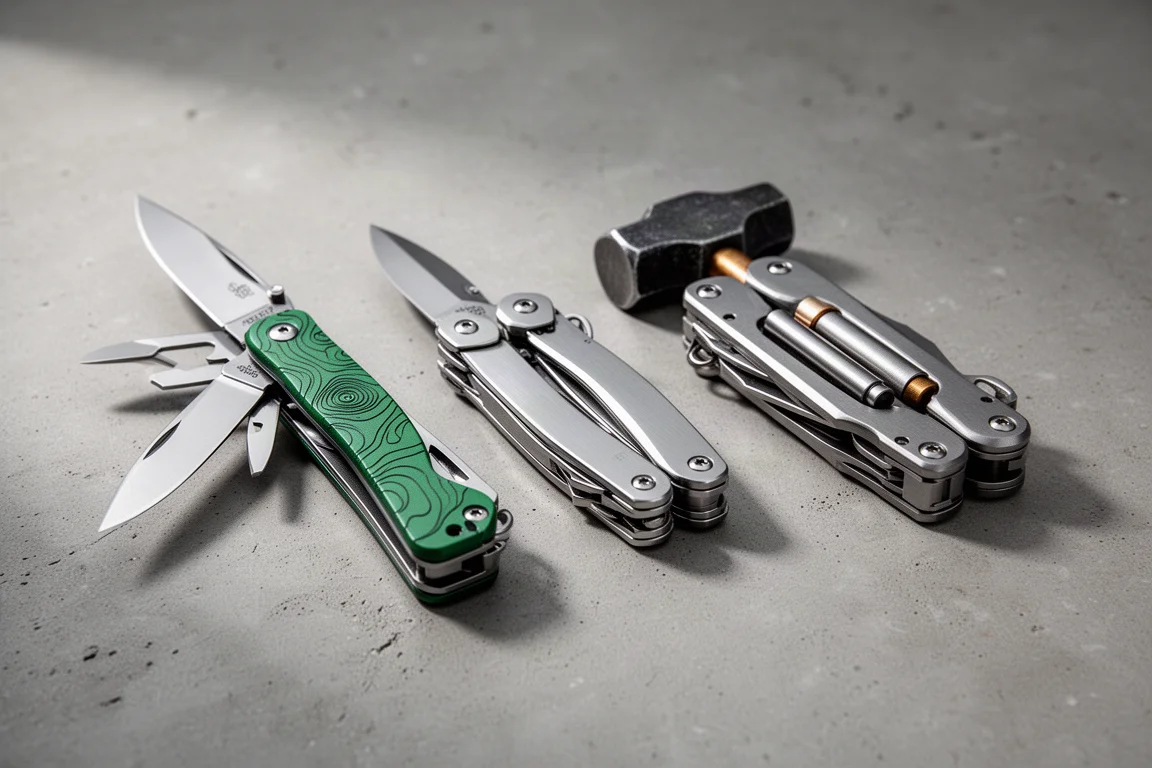
There is a long-running question in the multi-tool world: how close can a budget tool get to a premium one before the price difference stops making sense? A stainless Mossy Oak 27-in-1 multi-tool raises that question in an interesting way, because it clearly follows the general layout of the Leatherman Signal, a tool that sells for roughly four times as much. Sitting between them is the Gordon multi-tool, a Harbor Freight staple that trades price for a more conventional design.
This comparison looks at all three, what they do well, where they fall short, and who each one is actually for.
Three Multi-Tools, Three Price Points
The Leatherman Signal is a well-built, thoughtfully presented EDC and emergency-oriented tool, but at around $140 it sits out of reach for many buyers. The Mossy Oak sells on Amazon for about $30. The Gordon tops out at Harbor Freight pricing of around $50. All three are made in China, as are at least some Leatherman parts, so the country of origin alone does not separate them.
The real difference is in execution, finish, and how many genuinely useful functions each one delivers per dollar.
Mossy Oak 27-in-1: The Essentials Covered
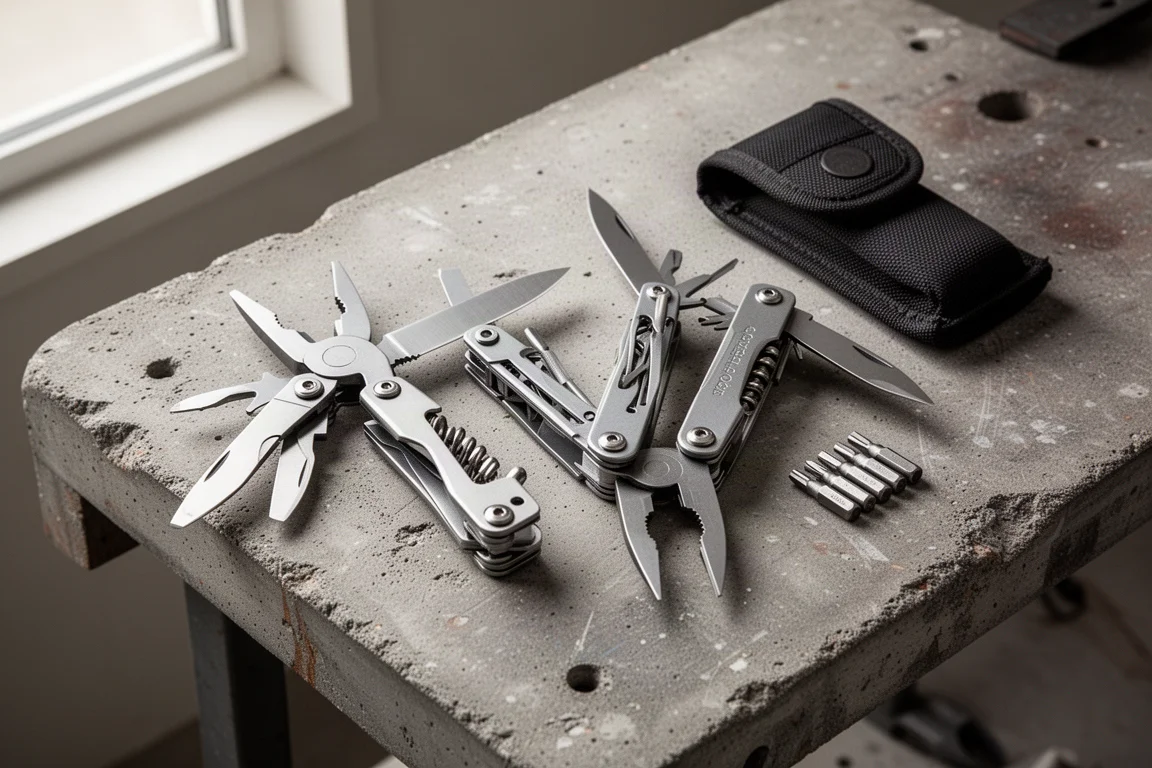
Mossy Oak is generally known as a budget, hunting-oriented clothing and gear brand, and this multi-tool reflects that positioning. The finish looks more painted than anodized, and the box notes Great Star Industrial as the manufacturer, so whether Mossy Oak contracted the tool out is not entirely clear. Either way, it sells for around $30 with a sheath included.
The headline number is 27 tools, and a common complaint is that not all 27 are genuinely useful. Counted honestly, the essentials dominate: pliers and a knife likely account for most real-world use, with everything else sharing the remainder.
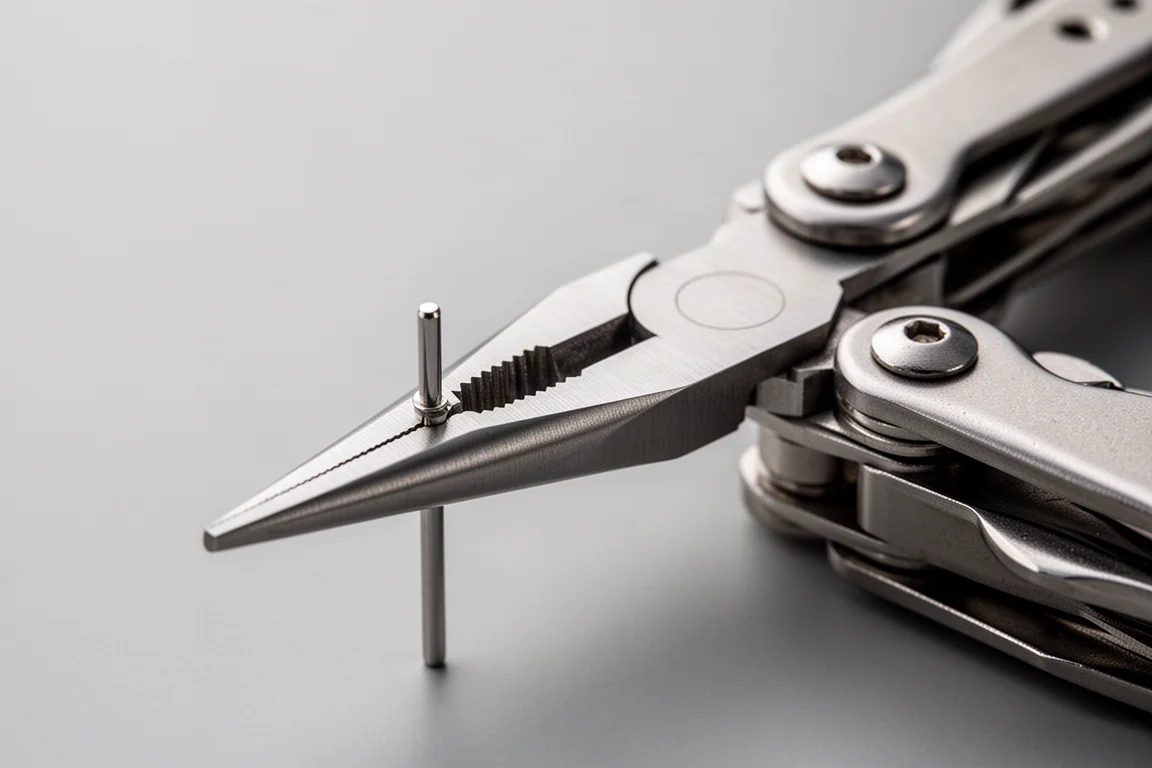
Where it does impress is the feel. The pliers fit the hand well and resemble a real pair of pliers more than most small multi-tools, with no noticeable play and a clean close. There are replaceable wire cutters that look close enough to Leatherman’s that spare parts might be sourced from Leatherman, though that is not confirmed. The pocket clip is decent, the out-of-box knife blade cuts surprisingly well, and the bit driver holds double-sided bits with a ball detent, centered so it turns more usefully than an edge-mounted setup.
Two caveats stand out. The integrated hammer face has a slight overhang that could potentially snap under heavy pounding, and there is a reason Leatherman does not build that way. The file is very coarse and does not feel like it can do much. But at $30, both are easy to forgive.
Gordon Multi-Tool: The Conventional Budget Pick
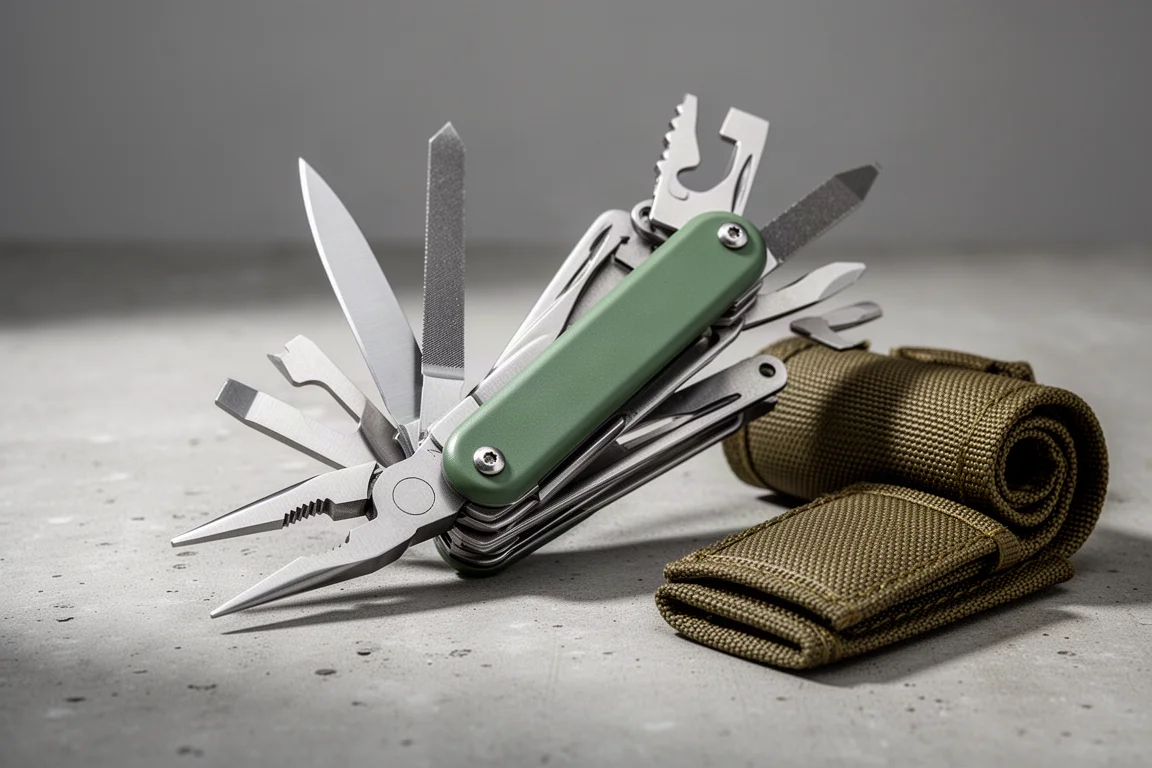
The Gordon is Harbor Freight’s answer to the premium multi-tool, selling for around $50, and the guess here is that it is essentially a second-generation Wave pattern. That matters because Wave designs have a proven layout: wide pliers, outside-accessible blades, and a familiar tool set.
Compared to the Mossy Oak, the Gordon has fewer features, but its design is proven and conventional. It is a solid choice for anyone who wants a straightforward, high-quality-budget multi-tool without extras they may never use.
Leatherman Signal: The Refined Original
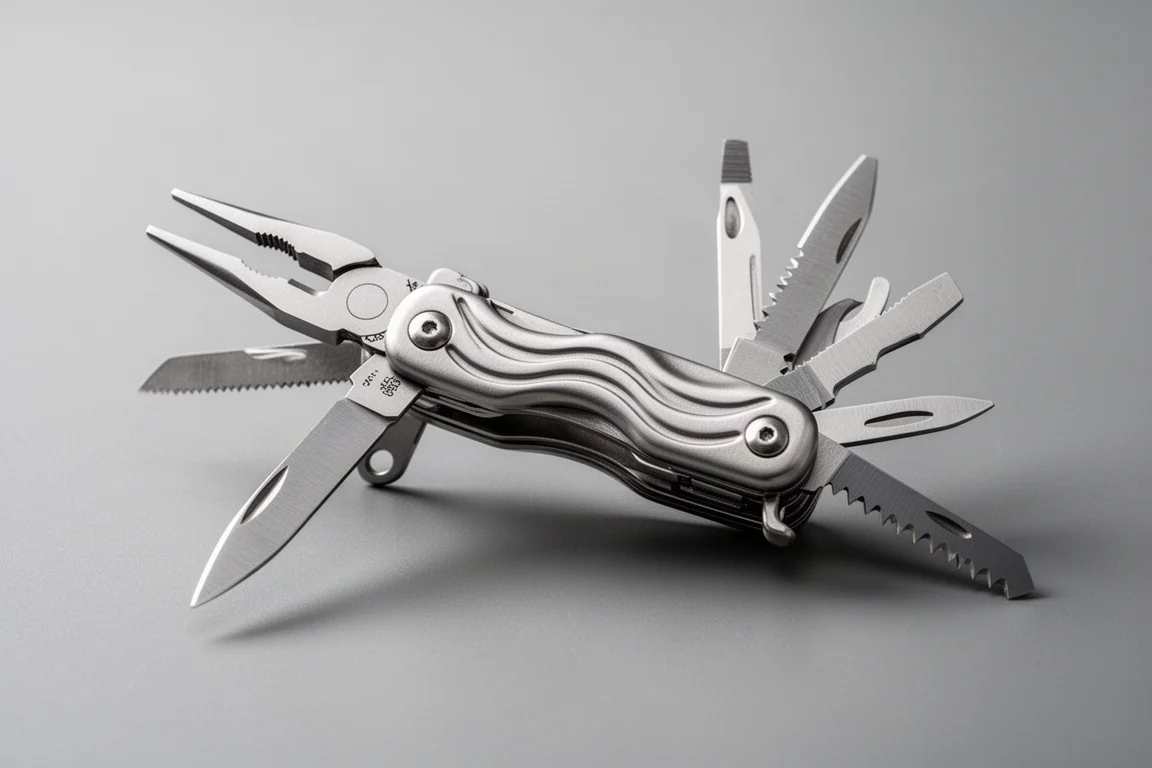
The Signal is the tool the Mossy Oak so clearly resembles. It feels noticeably more refined, includes a knife sharpener, and presents beautifully. The hammer-oriented design does require a bit of familiarization, since the tool cannot be opened in certain configurations to keep it from popping open while hammering, and someone handed the tool cold may need a small amount of guidance.
The honest critique is that the Signal is more marketing than function in some respects. It leans emergency-oriented, yet few people store a $140 multi-tool purely as an emergency kit item. The Wave line, meanwhile, has become wildly expensive, with Leatherman now charging prices that many buyers find hard to justify.

The Signal-Style Extras: Whistle and Fire Steel
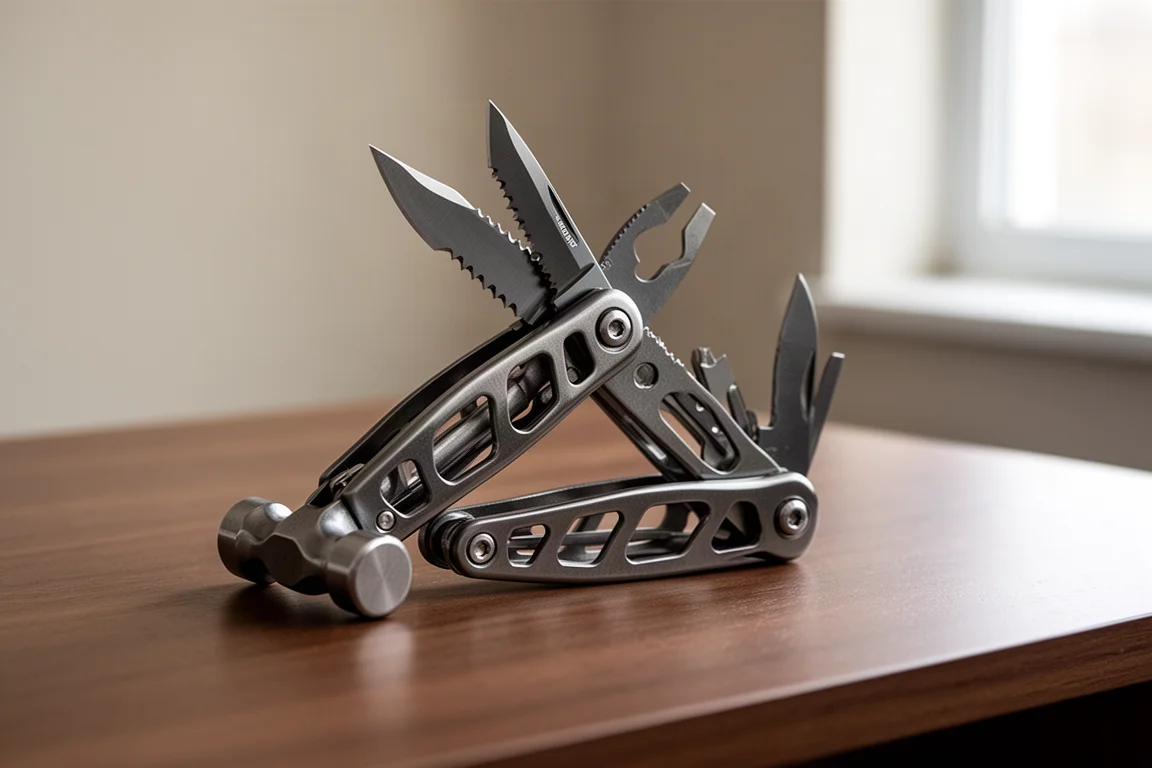
The most distinctive shared feature is the removable whistle-and-fire-steel assembly. On the Mossy Oak, the piece pops out and holds a small ferro rod plus a whistle. Tested straight out of the box, the fire steel throws usable sparks with a sharp tool edge; it is not dramatic, but it would help get a fire started once shavings are cut down. These small steels wear down thin quickly and can break, so supplementing with a higher-quality standalone fire steel is a sensible upgrade.
The whistle is very high pitched but a little weak. For a genuine emergency, a titanium whistle would carry further, and there is a practical problem: in a real whistle emergency, extracting the piece from a multi-tool pinned to a jacket collar is awkward. Skiers in tree-well country often wear dedicated whistles they can reach with their mouth. As a bonus feature on a $30 tool, though, it checks out.
Buying Advice
For most people, the honest pie chart of multi-tool use looks like this: roughly 60% knife, 35% pliers, and everything else sharing the last 5%. That framing makes the budget options more defensible than the tool count suggests.
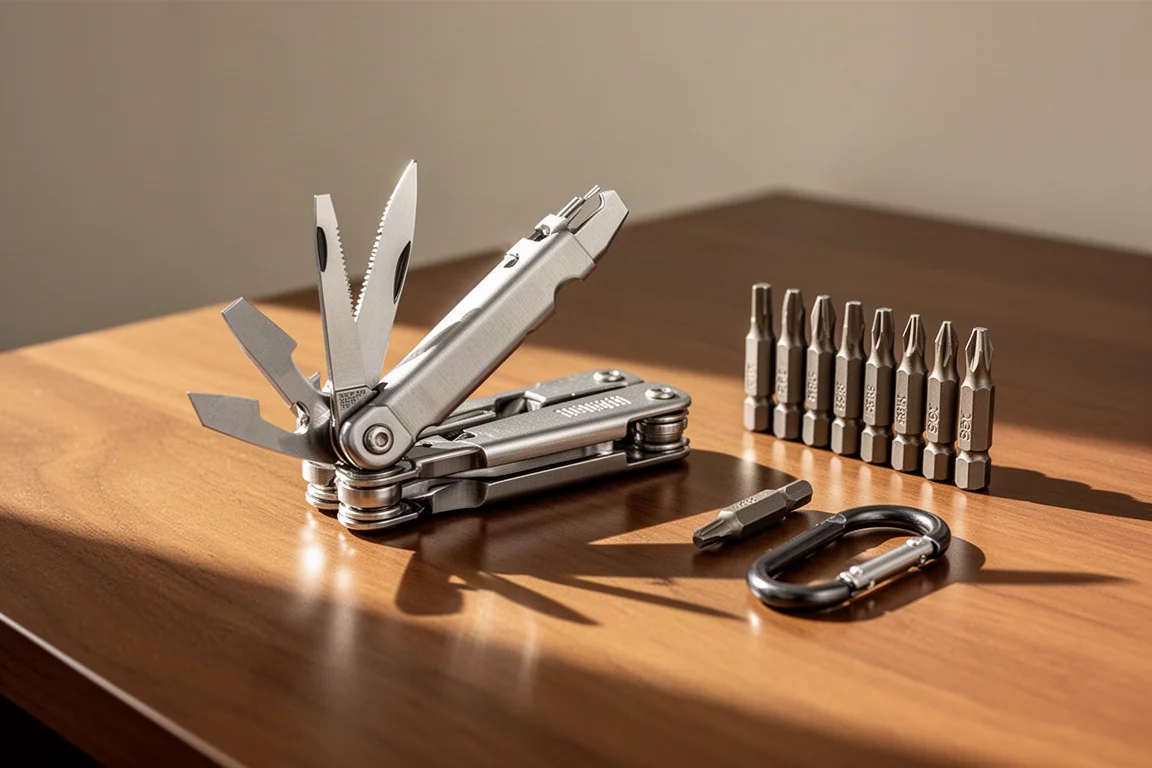
The Mossy Oak 27-in-1 makes sense as a low-risk way to try this style of tool. If you are unsure whether you will actually use a Signal-style multi-tool, spending $30 instead of $140 gets you most of the way there, and if you love it, you can upgrade later with confidence. The Gordon suits buyers who want a conventional Wave-style tool at Harbor Freight pricing. The Leatherman Signal remains the most refined of the three and rewards buyers who value finish and thoughtful design, as long as the price does not give them pause.
Conclusion
The Mossy Oak 27-in-1 covers the essentials, feels good in the hand, and delivers an impressive amount of function for $30. The Gordon offers a proven conventional layout for a modest step up in price. The Leatherman Signal is the premium original with the best overall feel, but its $140 price tag asks a lot for a tool most people will use for a knife blade and a pair of pliers. Match the tool to how you will actually use it, and any of the three can be the right answer.
Further reading
Related Reviews
Multi-Tools
Leatherman Wave Plus Review: A Pliers-First Multitool for Bike Trips
Why a pliers-first multitool earns permanent space in a touring kit, and what to weigh before paying for the Leatherman Wave Plus.
Multi-Tools
Best Budget Multi-Tools Under $50: Four Picks Worth Considering
A compact SOG original and three value-focused clones, with honest notes on which ones deliver real value and where to draw the price line.
Multi-Tools
Best Multitools for Hard Wire Cutting: Which Pliers Actually Survive the Test
We put a lineup of classic and modern multitools up against a simple challenge: cutting coat hanger wire cleanly without damaging the cutters.