Camping Gear
Budget Modular Sleep System for Winter Camping: Four-Season Warmth Under £250
A practical budget sleep system combining a foldable mat, sleeping bag liner, ultralight down bag, and emergency bivvy to keep you warm through winter nights without expensive gear.
Introduction
Winter camping does not require expensive gear. A modular sleep system built from budget components can keep you warm through freezing nights at a fraction of the cost of premium equipment. This approach combines proven military-developed layering principles with affordable outdoor gear to create a reliable four-season sleep setup.
What Is a Modular Sleep System?
A modular sleep system, or MSS, originated in military applications but has been widely adopted by outdoor enthusiasts. The concept is straightforward: instead of relying on a single expensive sleeping bag, you layer multiple components that work together to trap and retain body heat.
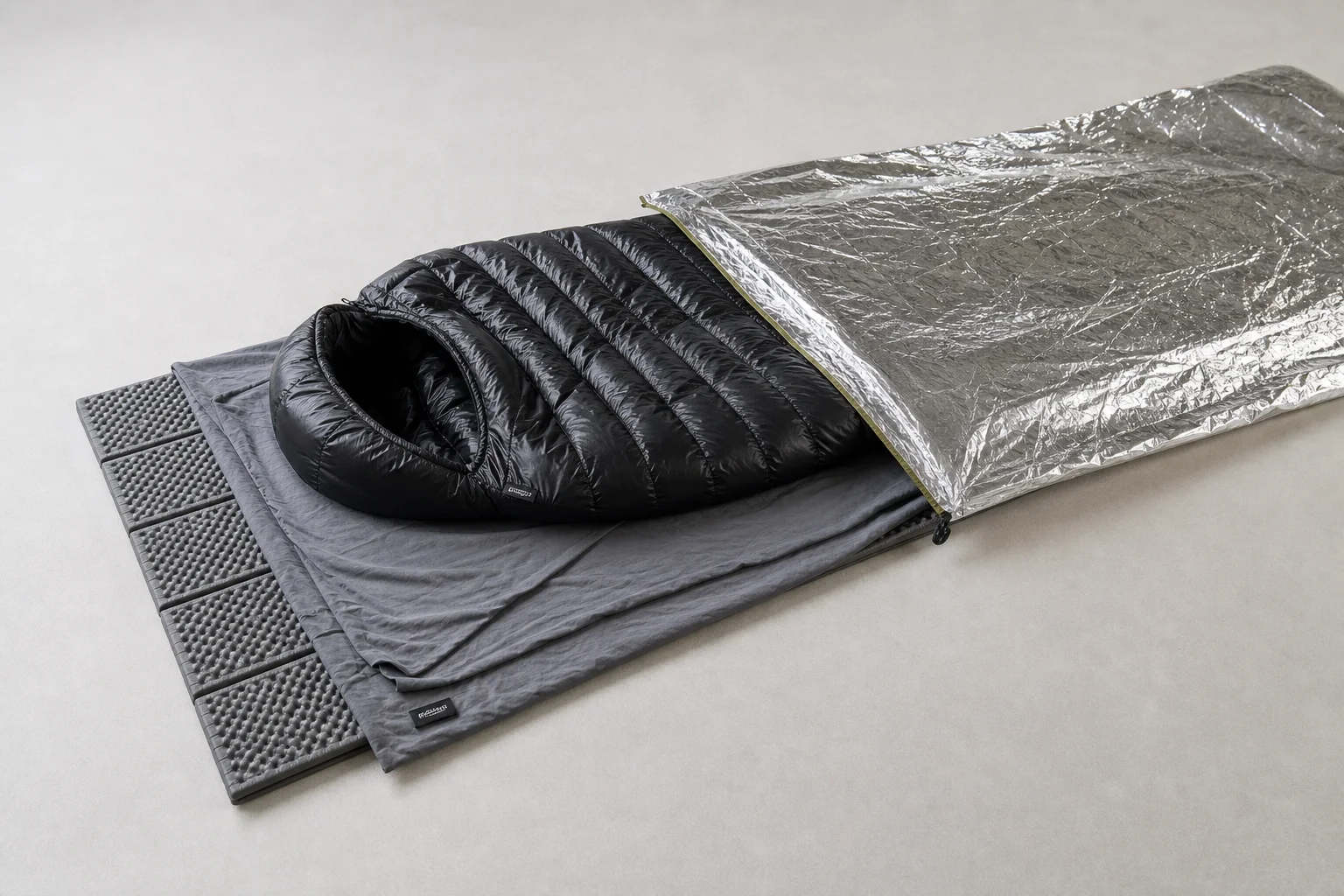
A complete modular sleep system typically consists of three core elements. First, a ground mat or pad provides insulation between your body and the cold earth. Second, a sleeping bag or quilt serves as your primary insulation layer. Third, depending on temperature and comfort needs, you add an insulation liner or outer shell. The beauty of this approach is flexibility: you use the same gear year-round by adding or removing layers based on weather conditions.
Ground Insulation: 3F Ultra Light Gear Sleeping Mat
The foundation of any sleep system is ground insulation. The 3F Ultra Light Gear sleeping mat is a foldable foam design that prioritizes durability and value over the inflatable alternatives many campers prefer.
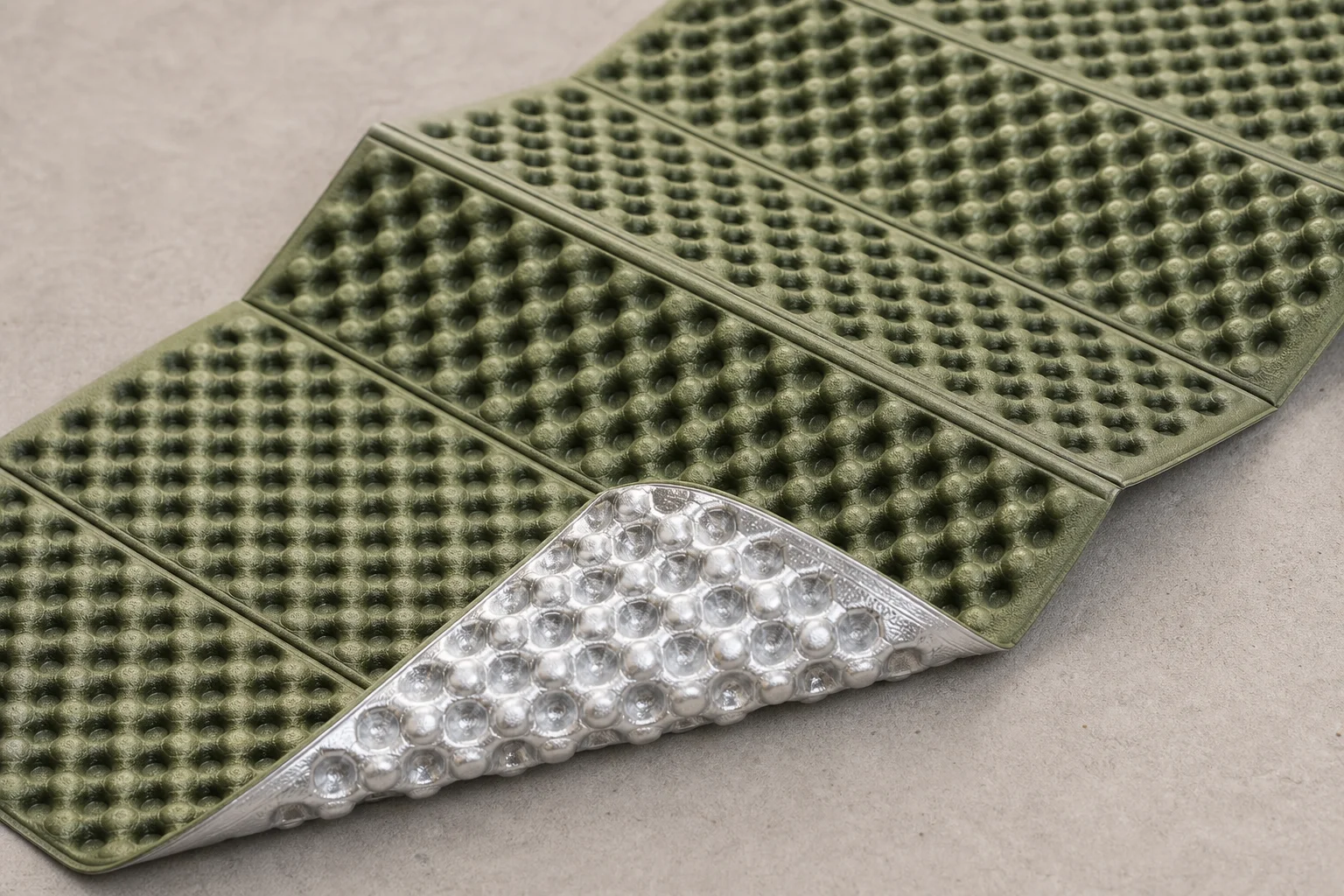
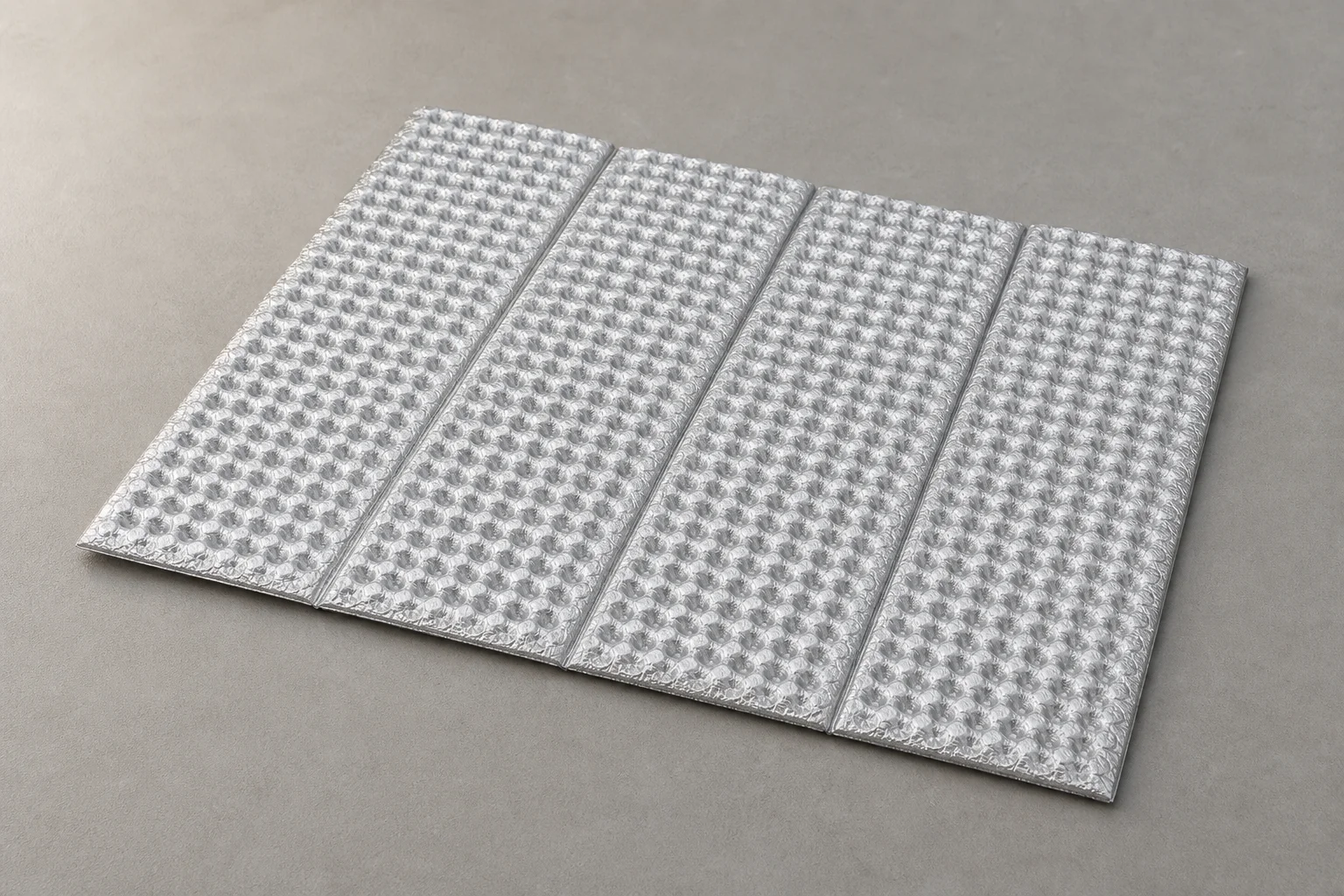
This mat measures 183 centimeters long and 56 centimeters wide, with a 2-centimeter thickness. The key advantage over comparable foam mats is the double-sided construction: both surfaces feature shiny aluminium foil that creates additional reflective insulation from the ground. This dual-layer design earns it a four-season rating, whereas single-layer foam mats are typically rated for three seasons only. The mat weighs approximately 600 grams and packs down compactly. At around £25, and sometimes available on sale for £15, it costs roughly half the price of established alternatives. The trade-off is ordering from international retailers, which requires patience for shipping.
Insulation Layer: Sea To Summit Thermolite Reactor Extreme
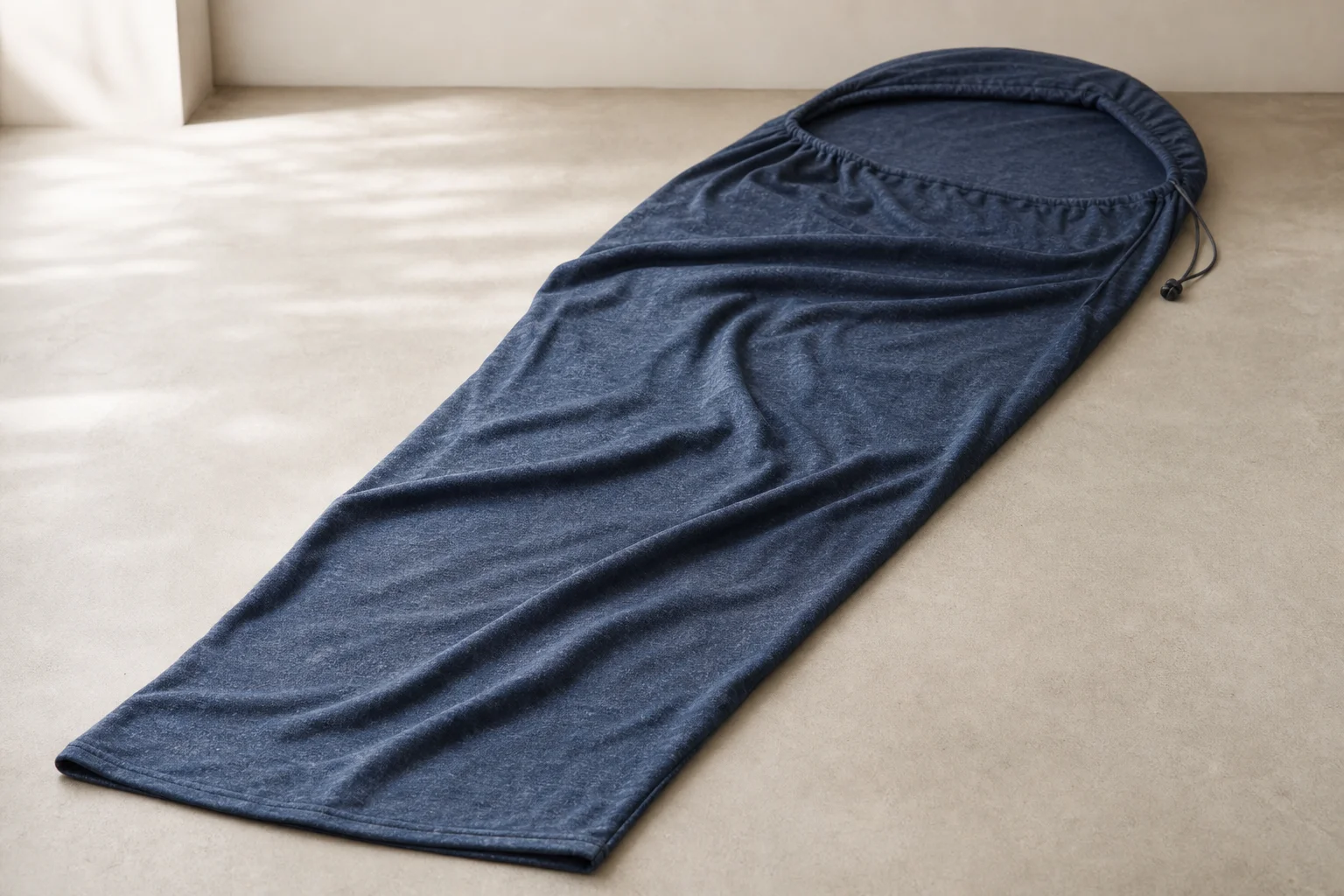
The second layer is the Sea To Summit Thermolite Reactor Extreme, a sleeping bag liner that sits inside your main sleeping bag. While its primary function is keeping the interior of your sleeping bag clean, the 110-gram hollow-core Thermolite fabric provides genuine insulating properties.
The liner is slightly tapered, features a draw cord hood that cinches down, and stretches comfortably to accommodate movement. At 378 grams, it packs down remarkably small. The fabric feels soft against skin, almost like cotton. Sea To Summit claims the liner can improve sleeping bag performance by up to 15 degrees Celsius, though real-world gains are typically more modest. Current pricing ranges from £50 to £70.
Primary Insulation: Aegismax Ultralight Sleeping Bag
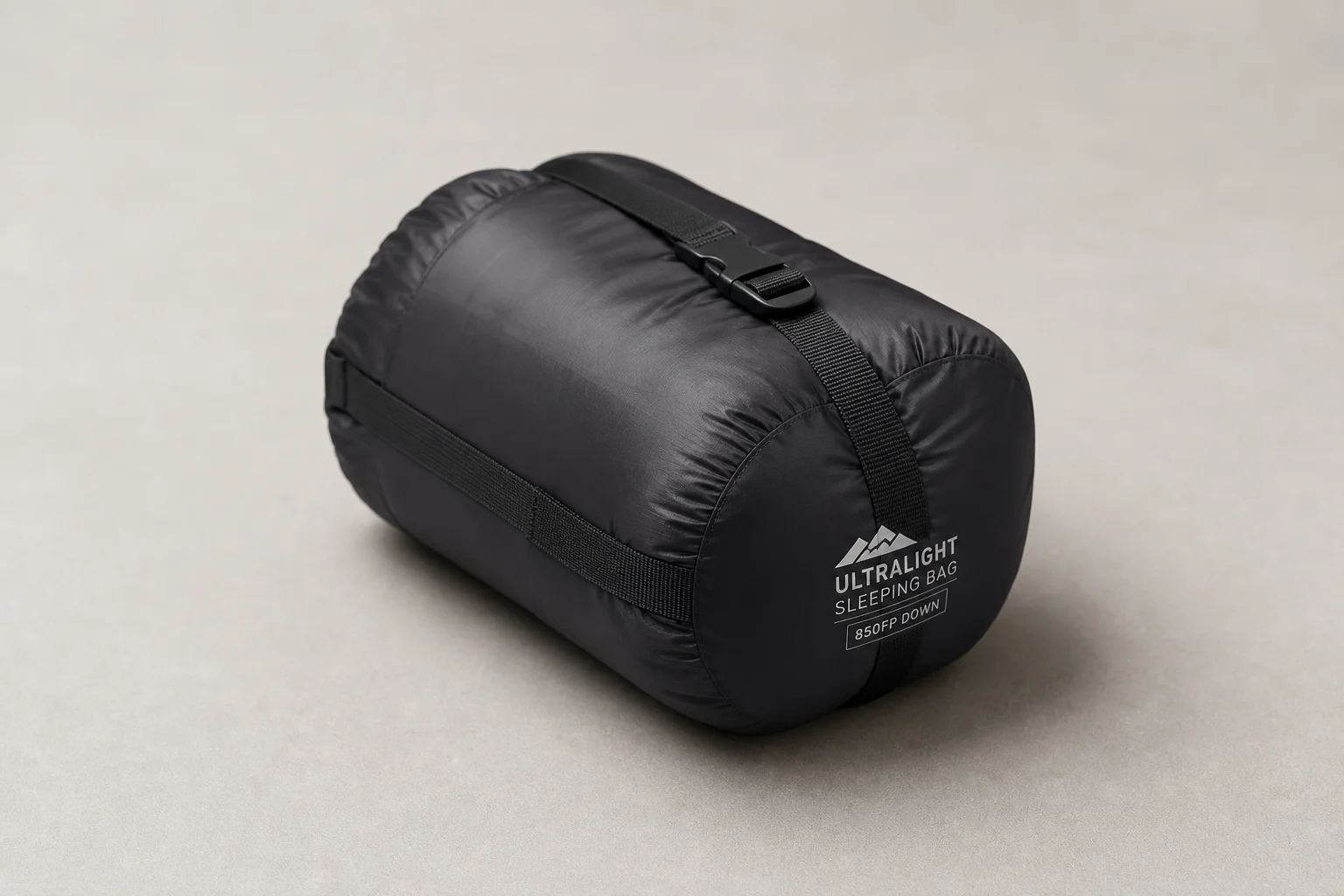
The sleeping bag is the core of the system. The Aegismax Ultralight is a three-season bag constructed from 20D silnylon waterproof material and filled with 800-fill goose down. At just 544 grams, it is remarkably light for its temperature rating and compresses to a tiny packed size.
The bag comes in two versions: with and without a hood. The hooded version costs approximately £20 more but is worth the investment for the additional head coverage and draw cord adjustment. The Aegismax brand is rebranding to NEWDOAR, but the product remains identical. Prices currently range from £70 to £90. The black version offers a more refined appearance than the standard lime option.
Outer Shell: SOL Escape Bivvy
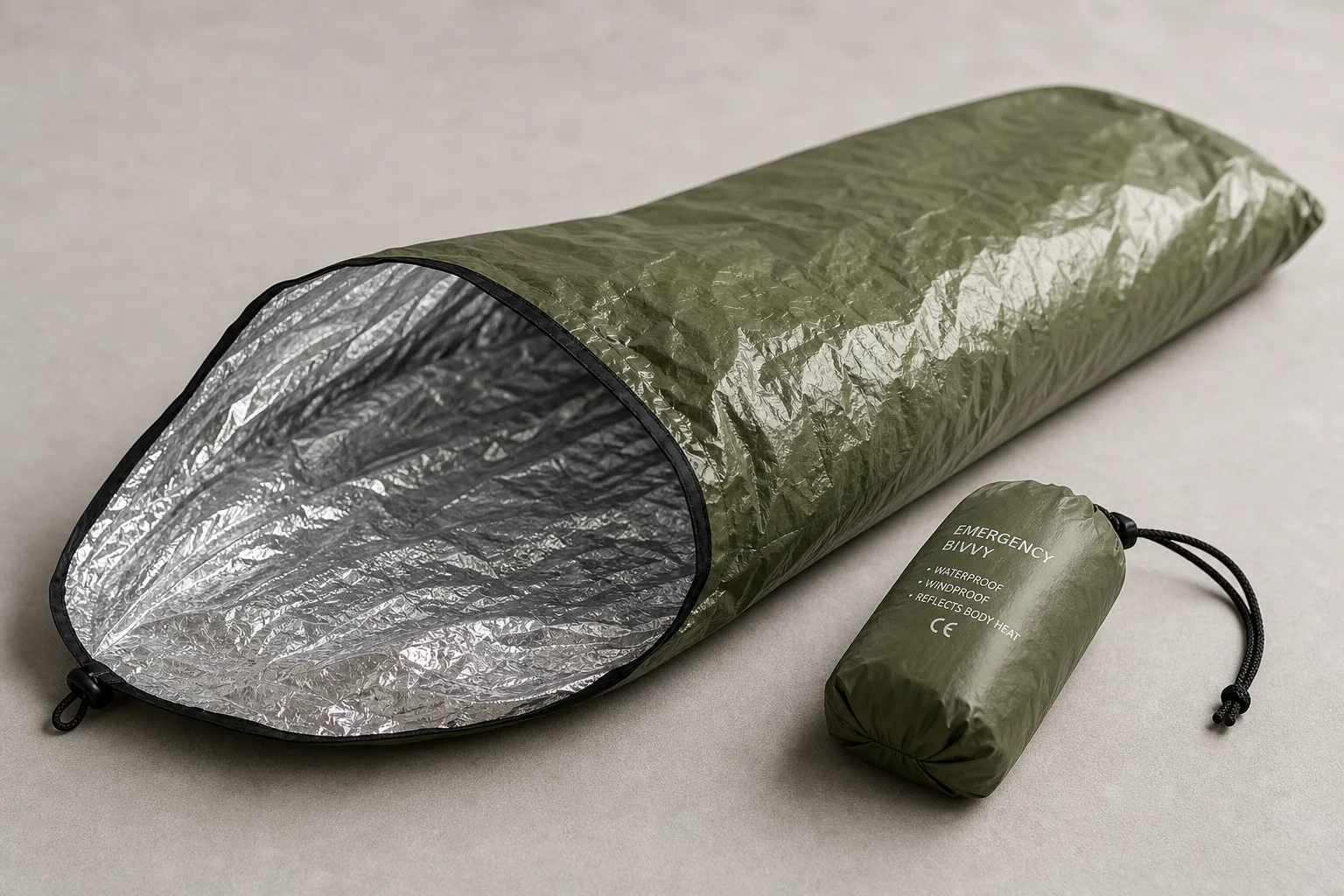
The final component is the SOL Escape Bivvy, an emergency foil blanket that serves as the outer shell of the sleep system. While technically a survival tool, its reflective inner coating effectively traps body heat when used as a sleep system outer layer. The bivvy weighs just 246 grams and packs down small enough to carry in any pack.
Even if you never use it for its intended emergency purpose, carrying one is sensible practice for any outdoor activity. At £45 to £55, it is an affordable addition that adds genuine thermal benefit.
Testing the System in Winter Conditions
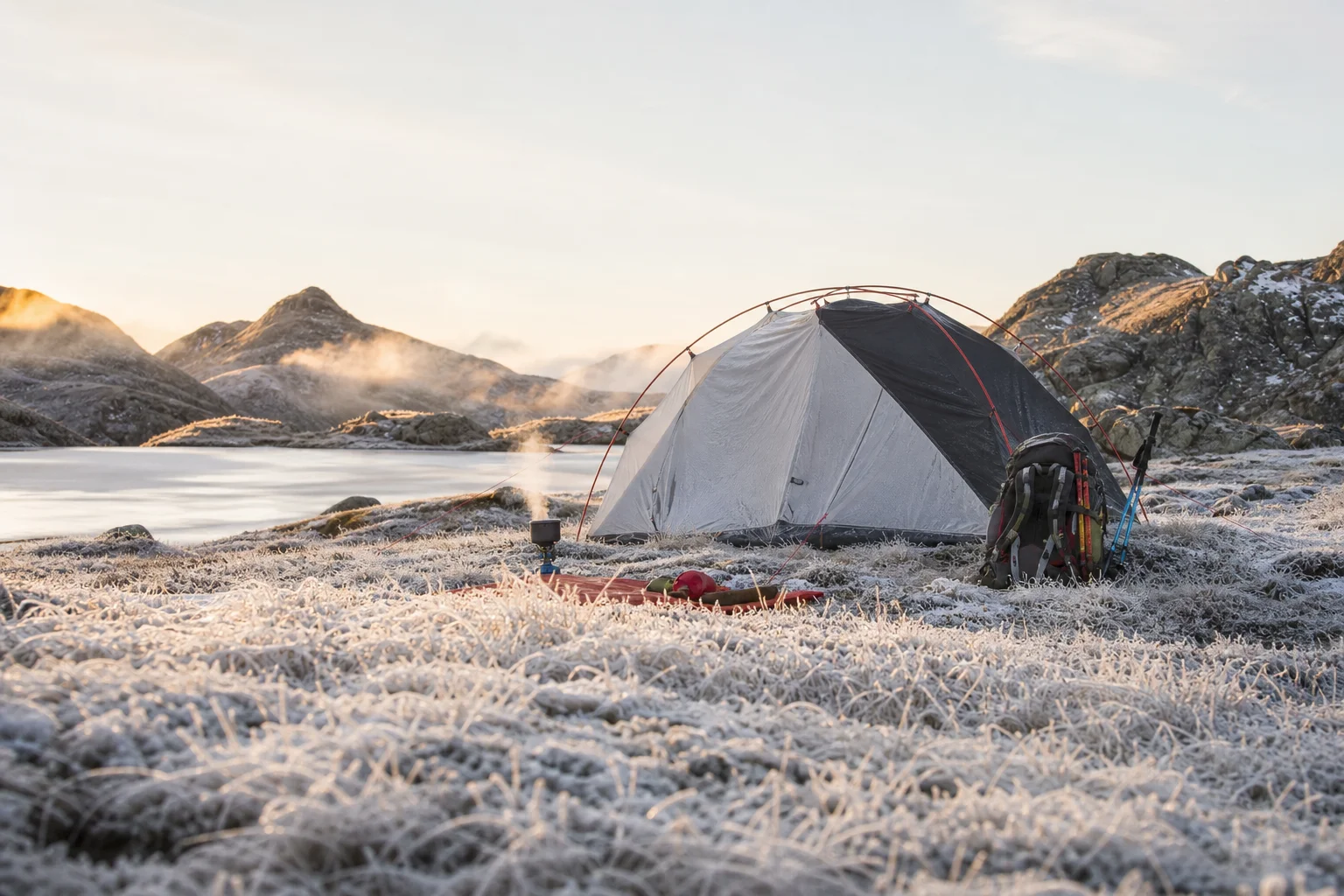
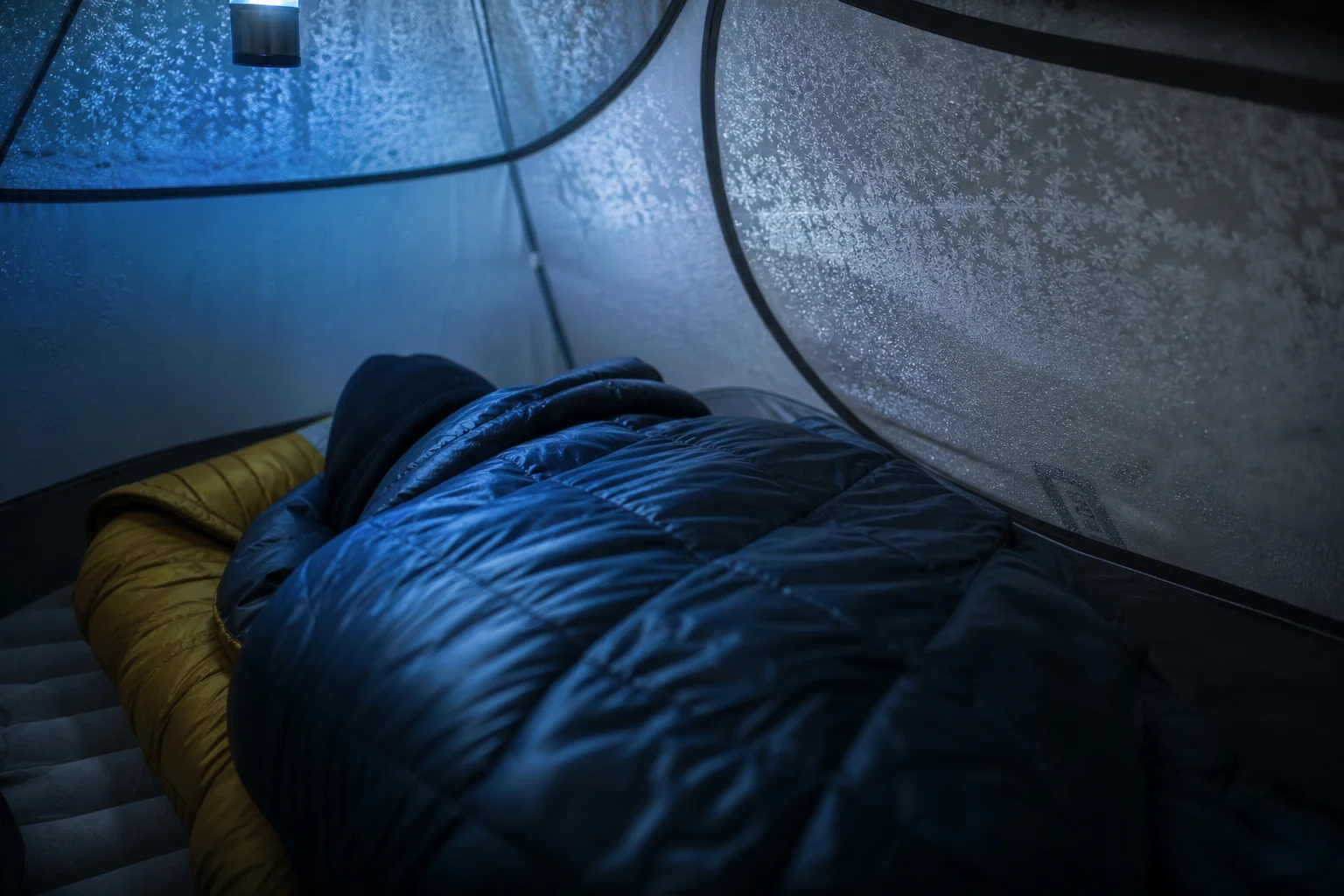
To validate the system’s effectiveness, a practical test was conducted in genuine winter conditions. The setup was tested in a Vango Banshee tent during a night when temperatures dropped to minus nine degrees Celsius.
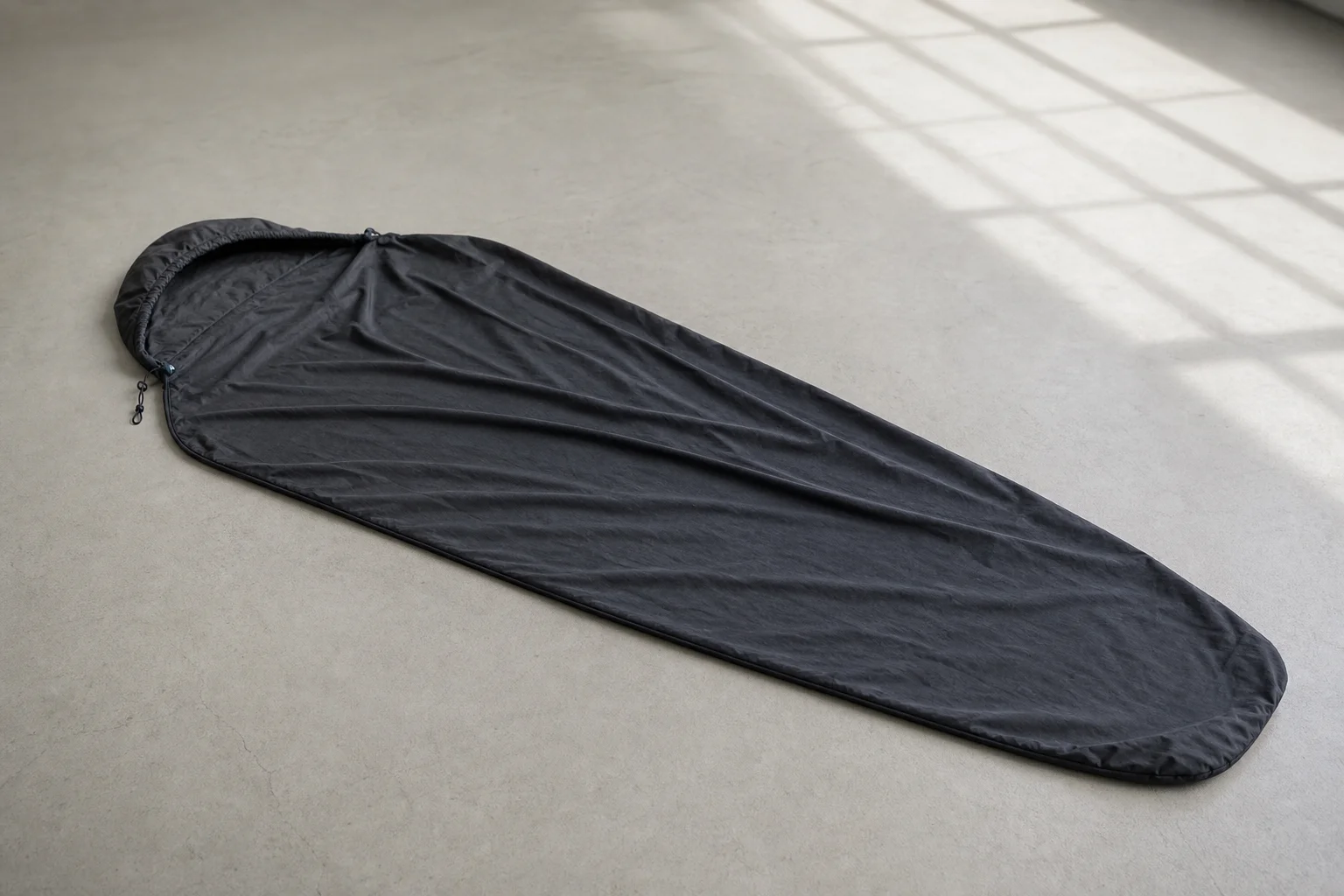
The layering sequence from bottom to top was: foldable foam mat, sleeping bag liner, ultralight down bag, and emergency bivvy. Despite the extreme cold and frozen ground, the system performed reliably. Sleep was continuous except for one brief waking when facial exposure caused discomfort. By morning, the system had successfully maintained core warmth throughout the night.
Practical Considerations and Trade-Offs
The modular sleep system delivers genuine warmth at a total cost under £250, but several trade-offs warrant consideration. The multiple layers create a restrictive cocoon effect that may feel claustrophobic for some sleepers. The emergency bivvy material generates noise during movement, which can disturb light sleepers. Most importantly, layering all components together reduces breathability: while each component is individually breathable, stacking them traps moisture. Overheating during sleep can result in waking soaked in sweat, which is dangerous in cold weather. Careful attention to your sleeping temperature is essential.
These are minor drawbacks for a system that reliably handles temperatures well below freezing without premium pricing. For camping below minus ten degrees Celsius, specialist four-season equipment designed for extreme cold is advisable. For typical winter camping, this modular approach provides proven warmth and flexibility.
Conclusion
A budget modular sleep system proves that effective winter camping gear does not require expensive equipment. By layering affordable, lightweight components, you gain a flexible four-season setup that adapts to changing conditions throughout the year. The total investment under £250 delivers genuine warmth, proven reliability, and the confidence to camp comfortably when temperatures drop.
Further reading
Related Reviews
Camping Gear
3FUL Ultralight Ground Sheet Review: A Two-Person Footprint Worth Packing
A 6.7 oz two-person ground sheet in ripstop silnylon, priced around $30. Here is what it protects, what it does not do, and who should pack it.
Camping Gear
Backcountry Light Dual-Function Tarp and Floor Review: A Footprint First
A dual-purpose tent floor and tarp that keeps falling rain off you, but cannot block wind. Here is where it works and where it does not.
Camping Gear
Best 2-Person Camping Mattresses for Couples: 10 Options Compared
A practical comparison of ten two-person camping mattresses, covering self-inflating pads, air pads and air mattresses for couples.