Ski Gear
Budget Intermediate Ski Setup: A Complete Gear Build for Around $1,200
A practical intermediate ski kit built around value picks, covering skis, boots, jacket, mittens, goggles, helmet and socks for roughly $1,200 all in.
Introduction
Building a ski kit from scratch is where most budgets go sideways. A single pair of skis can absorb an entire season of savings, and the small items that keep you warm and safe are easy to forget until the first cold morning on the mountain.
This build is aimed at intermediate skiers and above who want gear that will hold up for several seasons rather than one. Every item is chosen around value: solid performance at last-season pricing, with a realistic all-in figure of about $1,200 including a mounting allowance.
How This Build Comes Together
The logic behind this kit is straightforward. Spend where performance and safety are genuinely non-negotiable, and save where the technology is mature enough that last year’s version does the same job as this year’s.
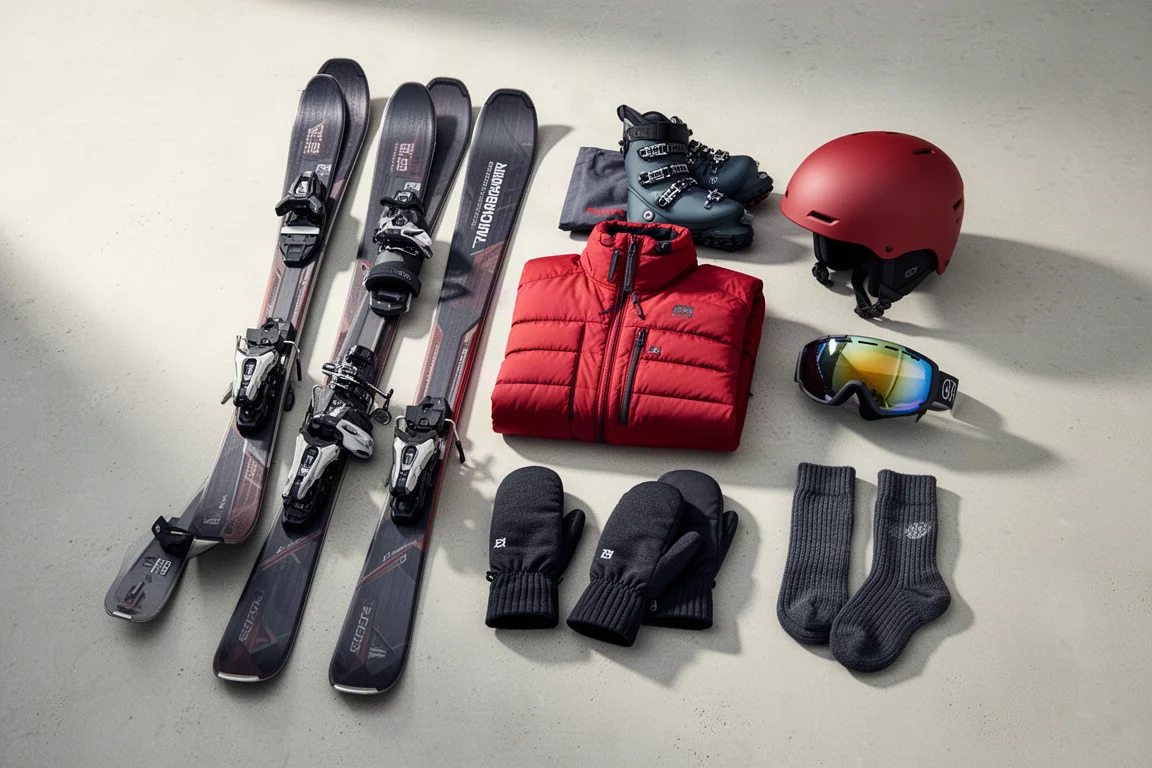
Skis and boots take the largest share of the budget. Outerwear, mittens, goggles, a helmet and socks fill out the rest, and each of those pieces should serve you for three to five seasons of regular use rather than a single winter.
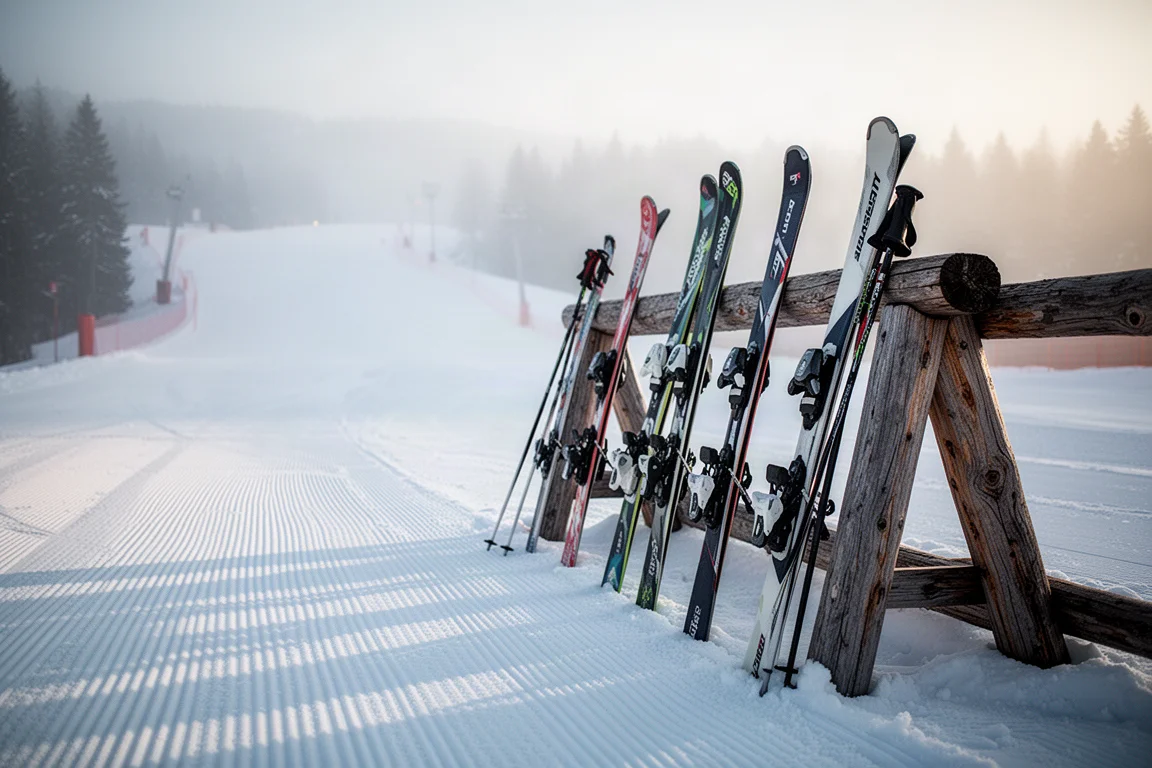
One pattern is worth remembering across every category: last season’s model is usually the best value on the wall. Ski and boot designs change slowly, so a previous-year boot often fits and skis almost identically to the current version at a fraction of the price.
Skis: Rossignol Experience 86 Basalt
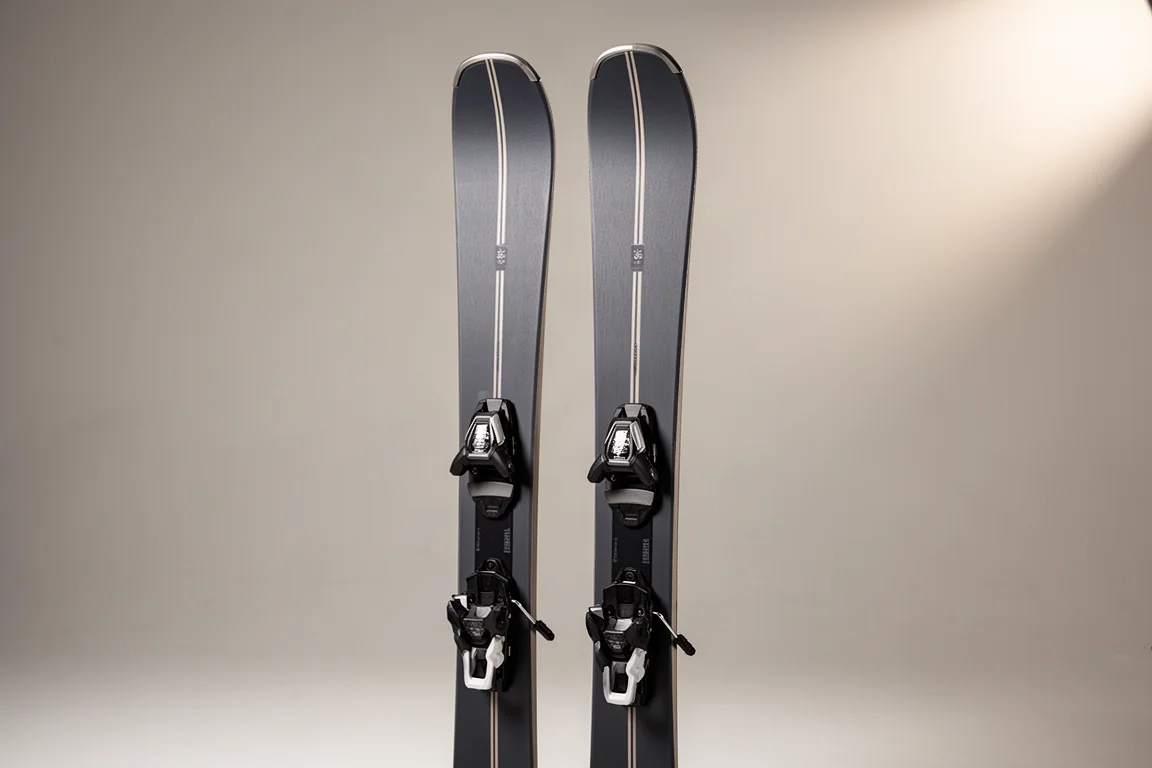
The core of this build is the Rossignol Experience 86 Basalt, sold as a package with Marker Griffin 13 bindings at around $521.96.
The 86mm waist places it squarely in all-mountain territory. It carves well on groomed runs, which matters for an intermediate still building edge control, and it stays comfortable when you take it off trail. For a skier who wants one pair to cover most days on the mountain, that balance is the whole point.
A 176cm length with bindings is a realistic fit for a mid-weight intermediate, and the binding is included in the package price, so there is no separate purchase to budget for.
View more details for Rossignol Experience 86 Basalt
Ski Alternatives: Salomon QST 92
If you want a second value option, the Salomon QST 92 at $439.96 is the one that keeps coming up. It is available in both men’s and women’s versions and across a wide spread of sizes.
Its appeal is the same all-mountain brief: confident on groomers, with enough shape and float to head off trail when the snow softens. It costs less than the Rossignol package, but bindings are not included, so the gap narrows once you add a pair.
Ski Alternatives: Blizzard Rustler 11
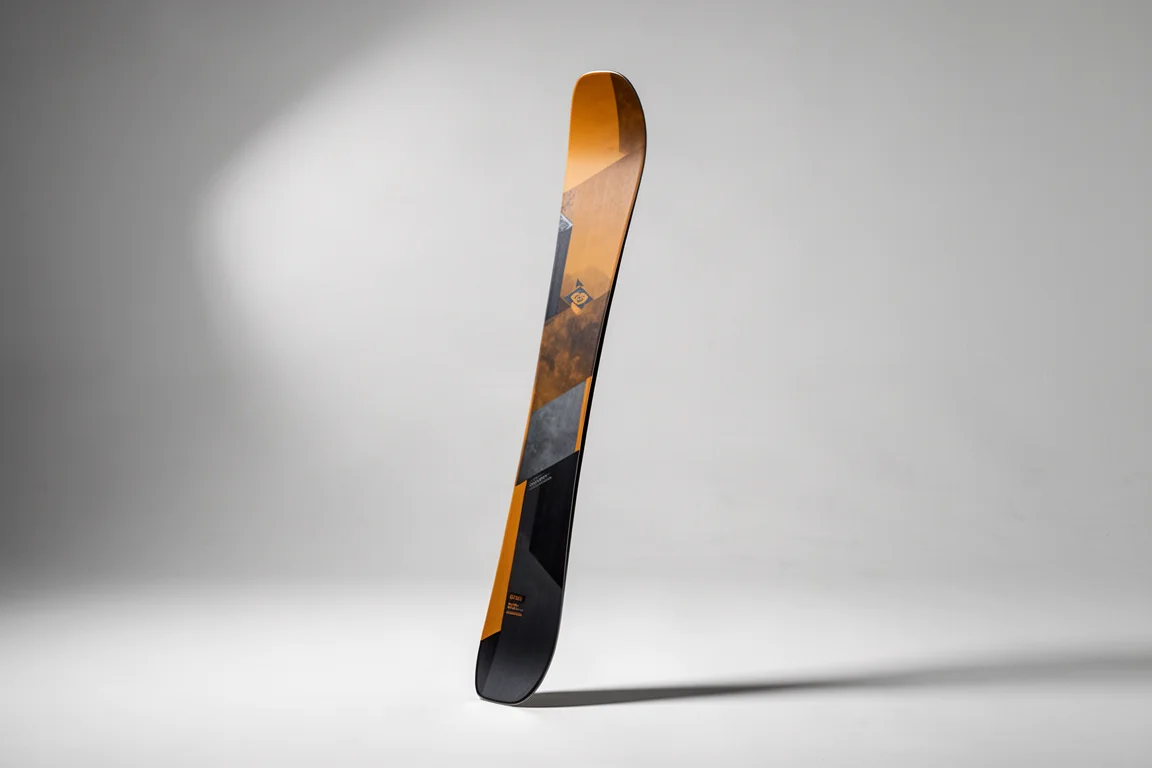
For anyone whose season revolves around storm days, the Blizzard Rustler 11 at $384.99 is a dedicated powder ski at a price that is hard to argue with.
It is not a one-ski quiver. A wide powder shape gives up edge-to-edge quickness on hardpack, so treat it as an addition for deep days rather than a replacement for an all-mountain ski.
That said, if you already own a narrower ski for groomed runs and want something for the days that make a season memorable, this is the most affordable route into a proper powder ski in this build.
Ski Alternatives: Atomic Maverick 83
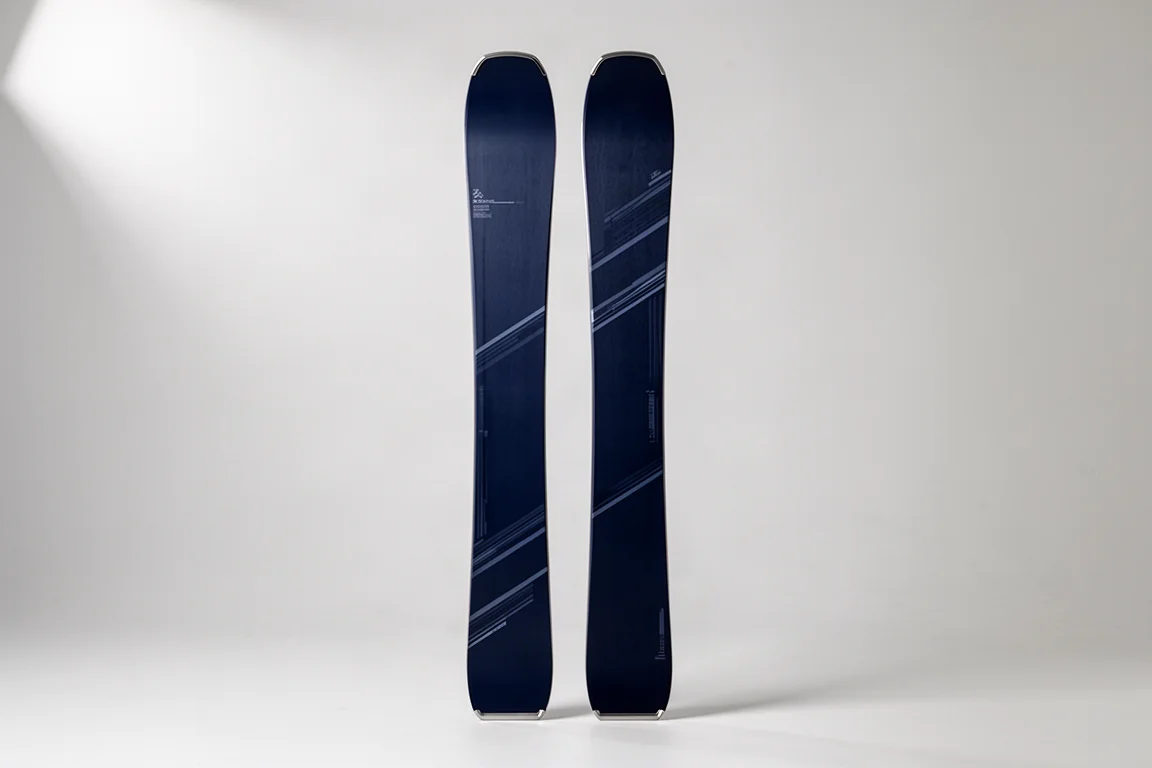
The Atomic Maverick 83 bundle is the other value headline: an 83mm ski with bindings for $439.96, which is a lot of ski for the money and a sensible step up for an intermediate.
Narrower than the other options here, it leans toward groomed terrain and firmer snow. If most of your days are on piste and you want to keep the initial outlay low, it is worth a look alongside the Rossignol package.
Boots: Atomic Hawk Prime XTD 110
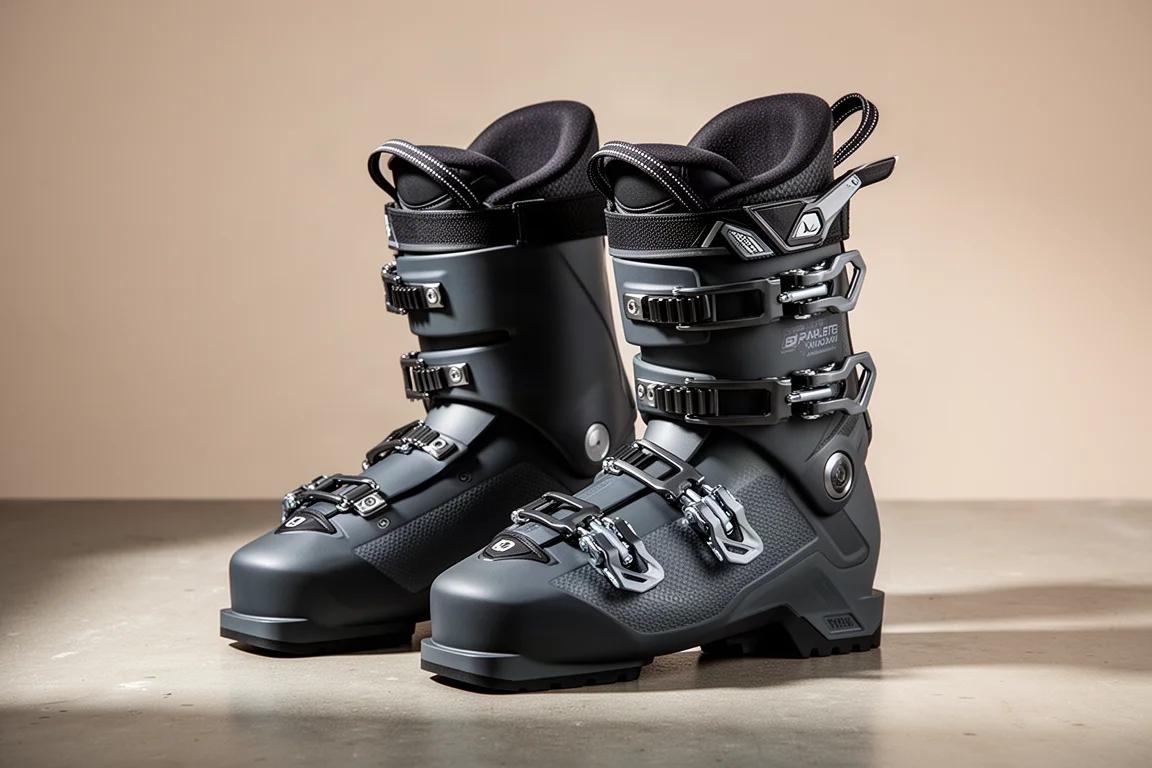
Boots are the one place where saving money on fit is a false economy, and they are also where patience pays off. The Atomic Hawk Prime XTD 110 is listed at $284.99.
It is a touring boot, which is worth flagging clearly. A touring boot only makes sense for an intermediate if it fits well and you genuinely expect to use the walk mode. If you do not plan to tour, a standard alpine boot is the more natural choice. Where this one fits, the price is strong.
Size availability is limited, so check the size chart before committing. The broader lesson applies to every boot: buy last year’s model as far back as is reasonable, because boot designs change slowly and the discounts are substantial.
Jacket: Patagonia Powder Town Jacket
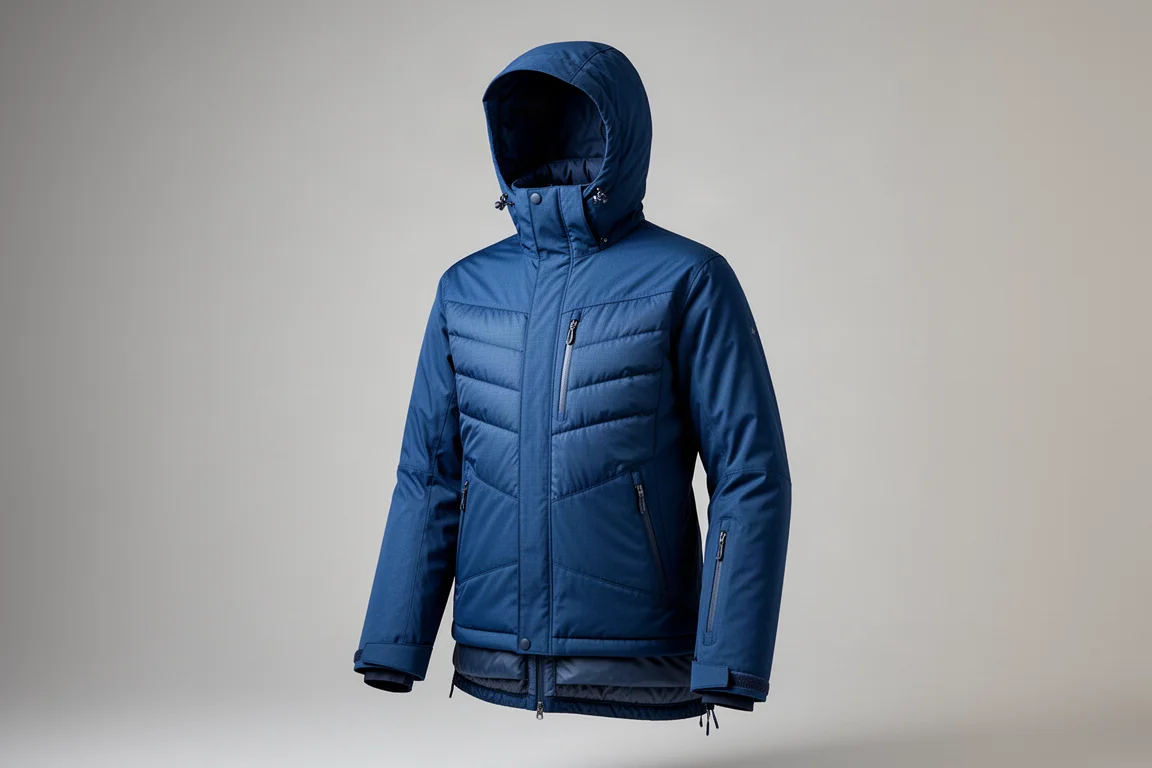
The Patagonia Powder Town is an insulated ski jacket listed at $139 in red. It is not the cheapest shell you will find, but it is the kind of purchase that pays for itself over several seasons.
Two practical notes. It runs a little small, so size up if you plan to layer a midlayer underneath, and the jacket can be sent back for repair, which extends its working life well beyond the first winter.
Mittens: Burton Profile Mittens
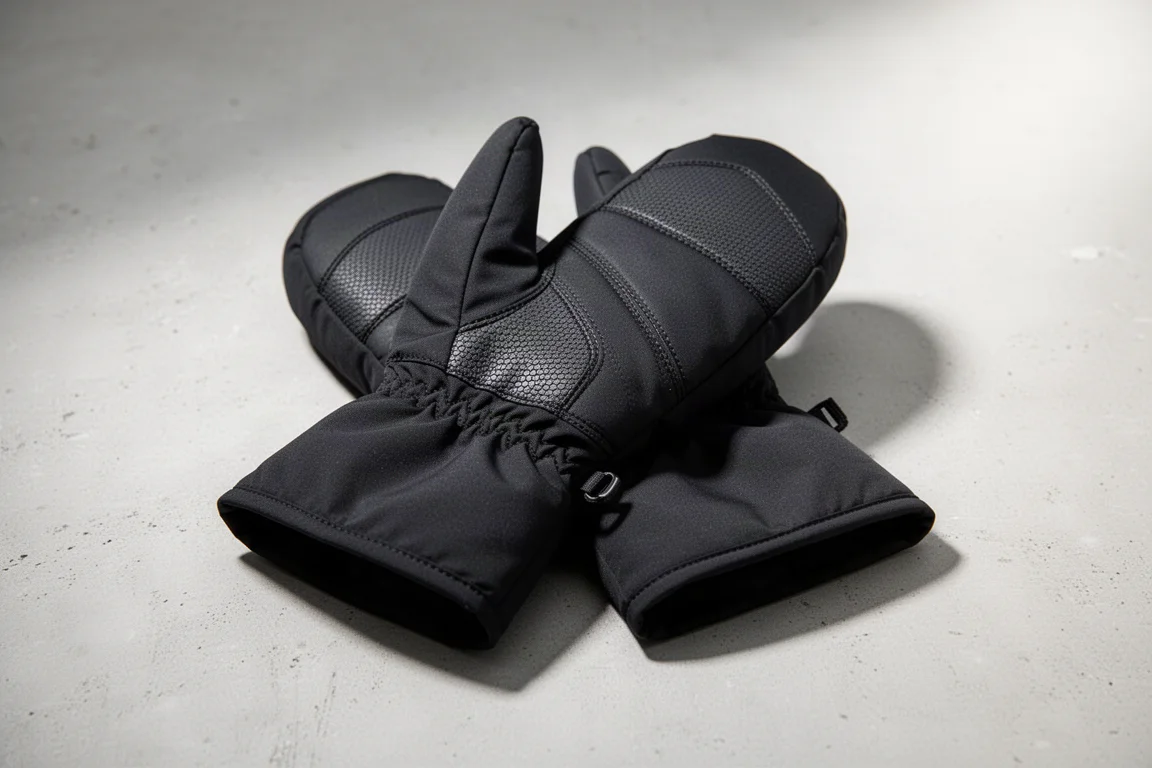
Mittens beat gloves for warmth because your fingers share heat instead of isolating it, and the Burton Profile Mittens at $34.96 are the pick here. They come in several colours.
The details that matter: enough room inside for hand warmers, a warm lining, and a cuff skirt that pulls over the jacket sleeve to keep snow out of your wrists. That last one is the difference between a comfortable day and a wet one.
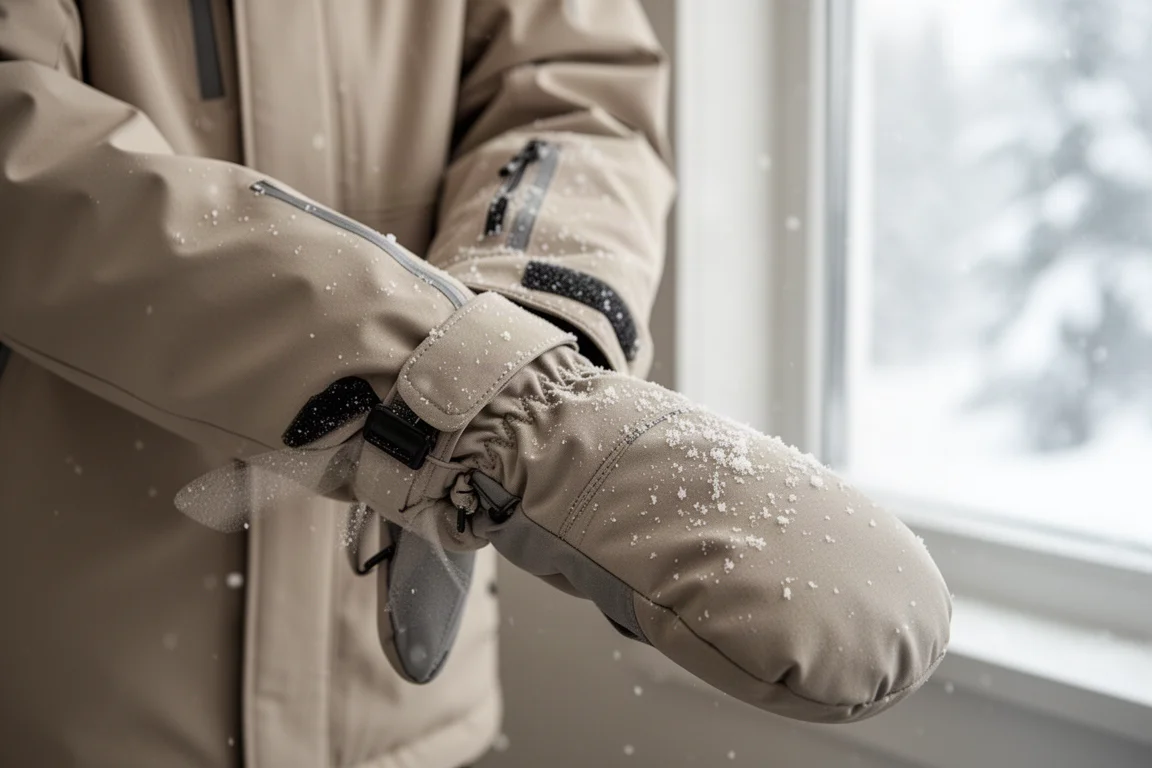
If you run cold, mittens are the cheapest meaningful warmth upgrade in this build, and they are also the easiest item to replace if one goes missing on a chairlift.
Goggles: Dragon X2 Evo OTG Goggles
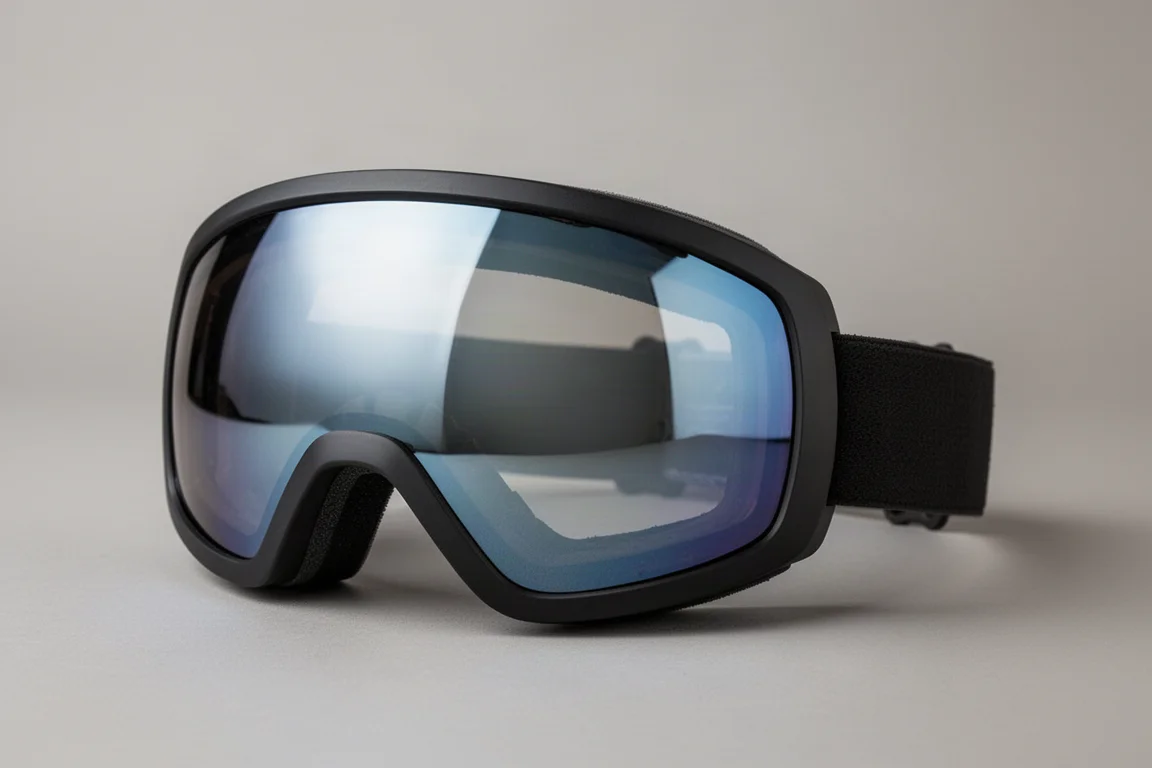
Goggles are a category where it is easy to spend hours and hundreds of dollars, so it helps to know where the floor is. The Dragon X2 Evo OTG goggles at $33.99 are the value pick here.
They use a mirrored lens and an over-the-glasses fit, which is useful for anyone who skis in prescription eyewear. Dragon is an established name in the category, and at this price the goggles undercut many lesser-known alternatives.
Helmet: POC Fornix MIPS Helmet
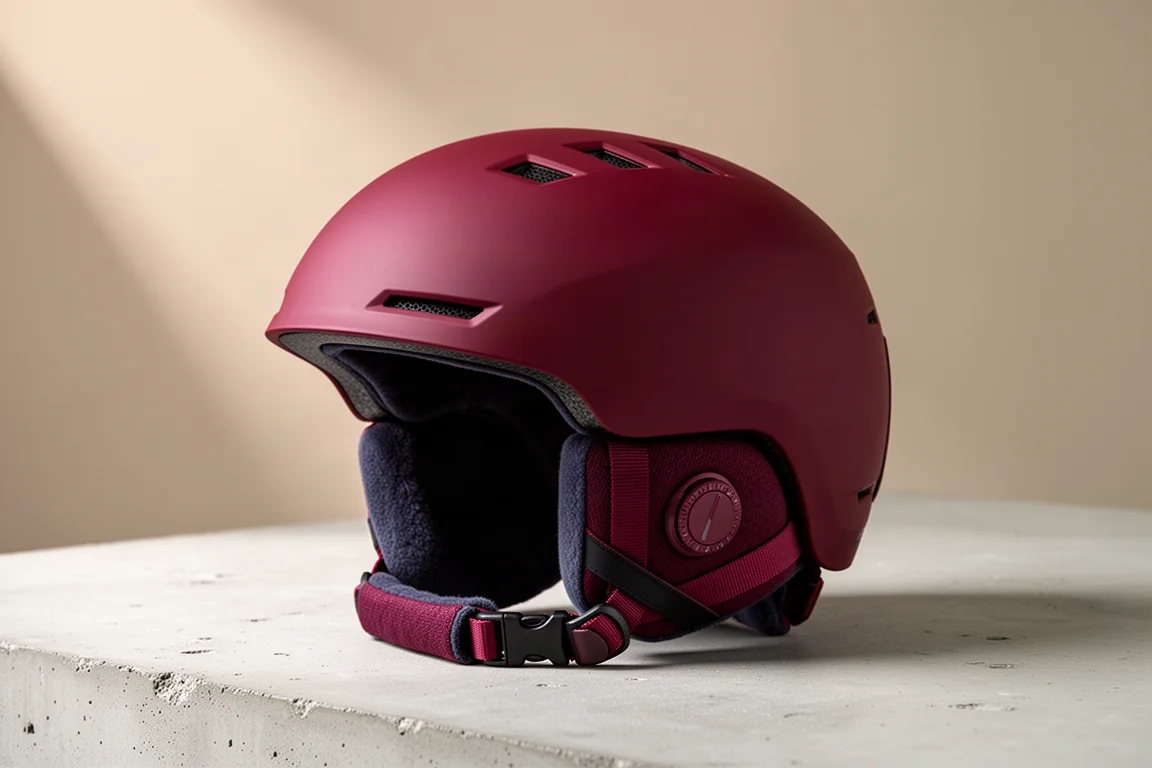
The helmet is the one item in this build where cutting corners makes no sense. The POC Fornix MIPS is listed at $100.99, roughly half off, and it uses MIPS, a system designed to reduce rotational forces on the brain during an angled impact.
It is available in XS/S and XL/XXL, and the matte garnet red finish pairs neatly with the jacket above. If the size range covers your head, this is the piece to buy first and think about least.
Socks: Smartwool PhD Backcountry Socks
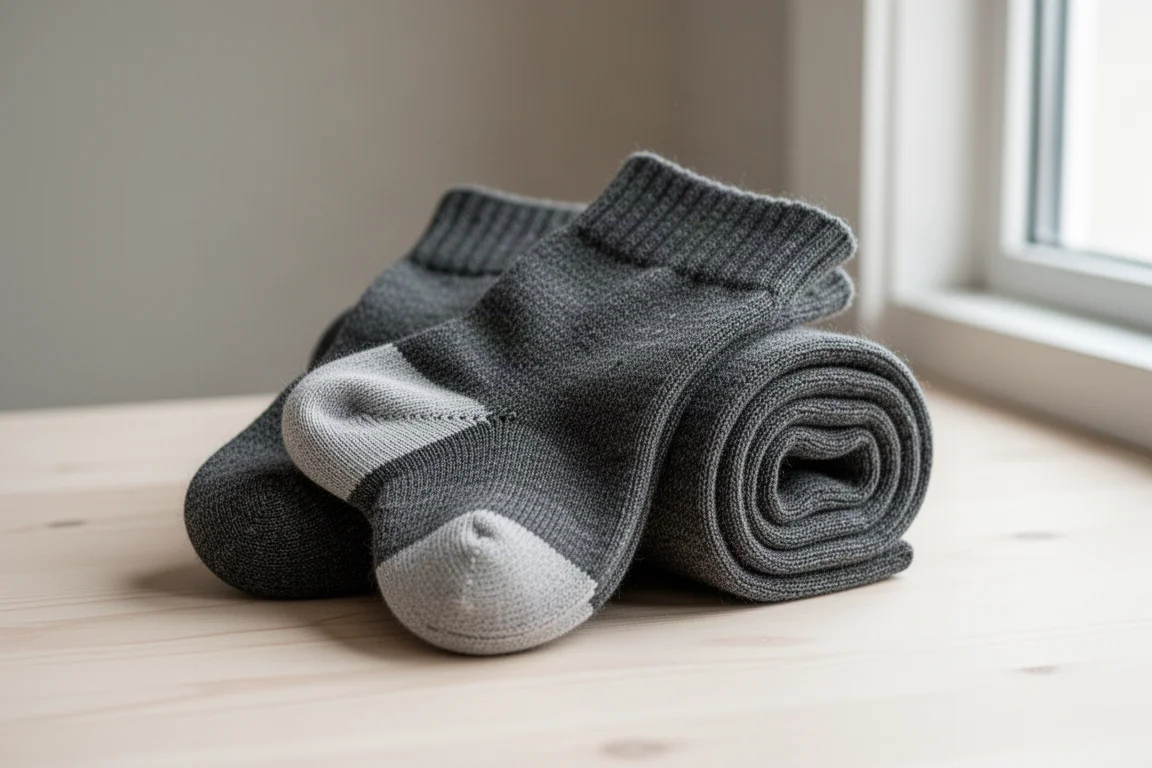
Socks are the last item on most lists and the first thing you regret forgetting. The Smartwool PhD Backcountry socks at $17.99 are a full-cushion merino option, and the size chart lets you convert between men’s and women’s sizing.
A thicker cushioned sock keeps feet warmer on cold days, though if you are chasing maximum responsiveness in a race-fit boot, a thinner sock is the better call. For everything else, merino is hard to beat for warmth and odour control across a multi-day trip.
Buying Advice
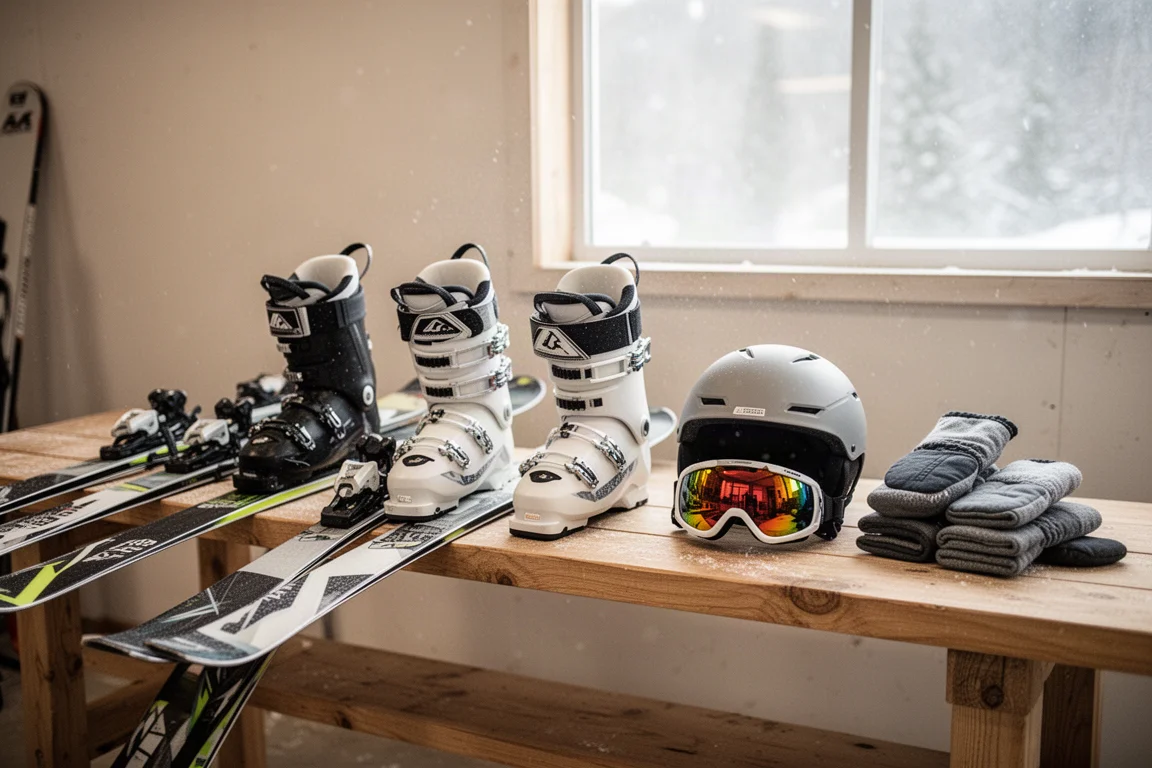
Start with the pieces that protect you. A MIPS helmet and a warm pair of mittens cost very little relative to the rest of the kit and they are the items you notice most on a cold, windy day. Budget for them before you stretch the ski budget any further.
Buy bindings as part of a package wherever you can. The Rossignol Experience 86 Basalt package includes Marker Griffin 13 bindings, which removes a separate purchase and simplifies mounting.
Finally, set aside roughly $60 for mounting at a local shop. Adding the seven main items together comes to about $1,134, and with a mounting allowance the build lands just under $1,200.
Conclusion
This is not the absolute cheapest way onto the mountain, and it is not meant to be. The point is a kit that an intermediate skier can use for three to five seasons without replacing anything, which makes the effective cost per winter far lower than a bargain setup that falls apart in one.
If you want the shortest path to a complete setup, buy the Rossignol Experience 86 Basalt with bindings, the Atomic Hawk Prime XTD 110 if it fits, the Patagonia Powder Town jacket, the Burton Profile Mittens, the Dragon X2 Evo OTG goggles, the POC Fornix MIPS helmet and a pair of Smartwool socks. That is a full intermediate kit, out the door, for around $1,200.
Further reading
Related Reviews

Ski Gear
2023 Blizzard Hustle vs Rustler: Six Freeride Skis Compared
Blizzard's 2023 Hustle collection rebuilds the Rustler shape with a lighter core and no metal. Here is how all six skis differ, and which one suits your riding.

Ski Gear
2023 Skis of the Year: Atomic Maverick 88 TI, Salomon QST 106, and Look SPX 12 Pro
Three standout ski picks for all-mountain carving, powder days, and reliable binding performance, with practical buying notes for 2023 models.

Ski Gear
2025 Nordica Enforcer 104 Review: A Directional Charger Replaces the 104 Free
The 2025 Nordica Enforcer 104 drops the Free name and the twin-tip personality, gaining weight, stiffness and composure in rough snow. Here is what changed and who it suits.