Coffee Equipment
Budget Espresso Setup Under £250: Building a Home Espresso System on a Tight Budget
A practical guide to assembling a capable espresso setup from secondhand equipment for under £250, including machine selection, grinder choice, and essential accessories.
Introduction
Building a capable espresso setup at home typically requires a significant investment, but with patience and a willingness to buy secondhand, it is possible to assemble a functional system that produces genuinely good coffee for under £250. This guide walks through the process of sourcing, restoring, and optimizing budget espresso equipment, including the specific machines and accessories that offer the best value for money.
The Gaggia Classic: Finding and Restoring a Secondhand Machine
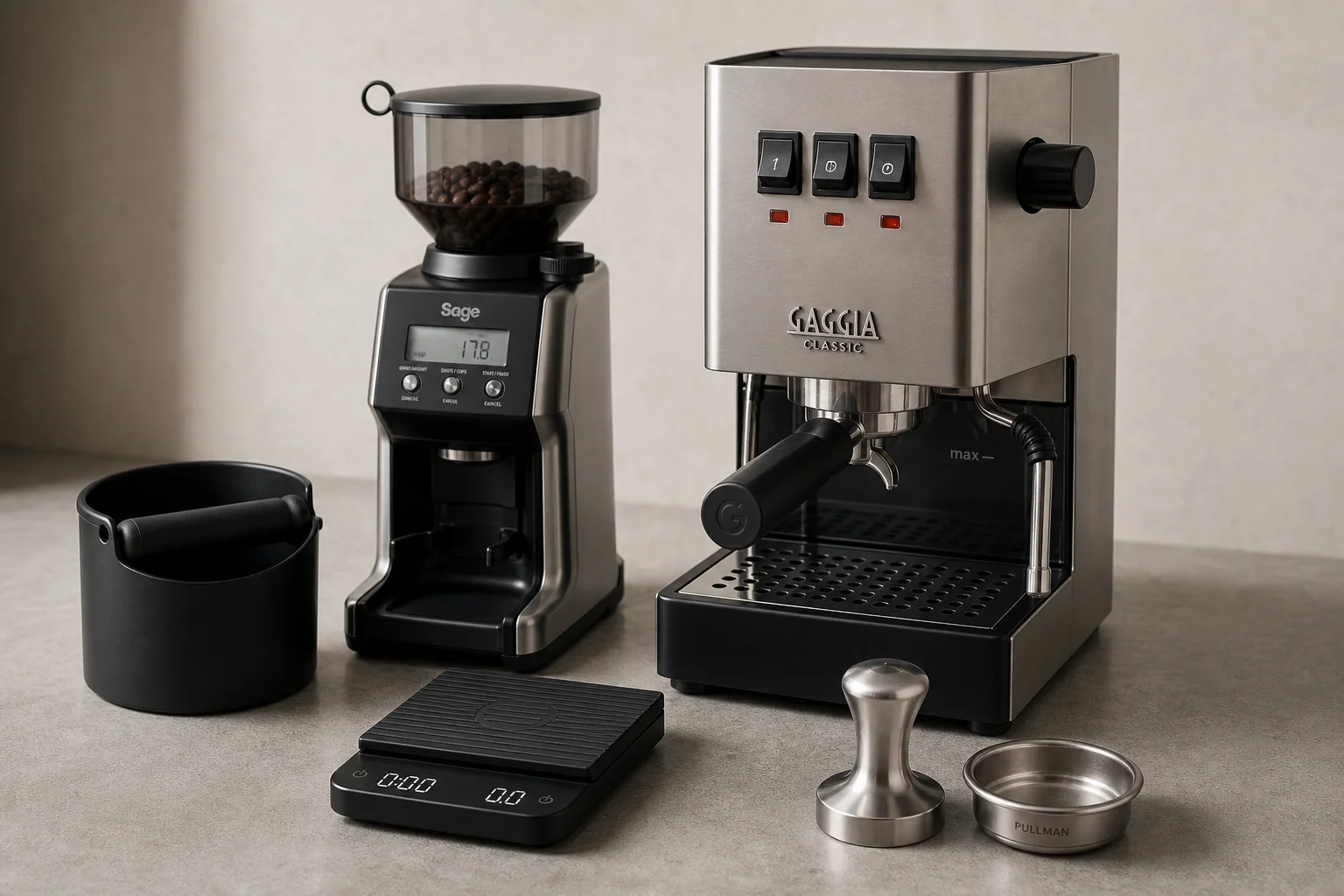
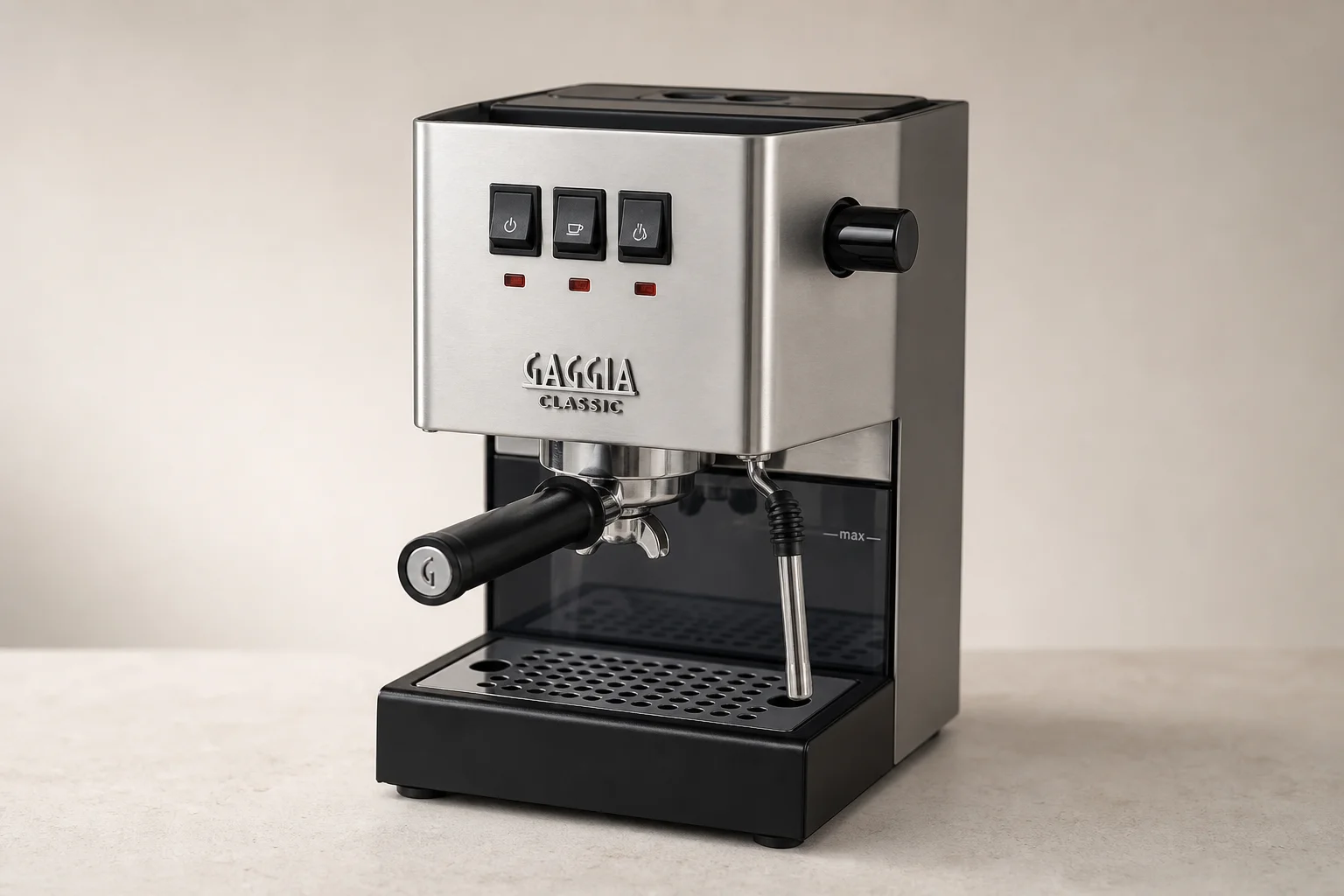
The Gaggia Classic is an ideal choice for a budget espresso build. It is widely available on the secondhand market because many casual buyers purchase them from department stores and online retailers, then later decide espresso is not for them. This high turnover means patient bidding on auction sites can yield significant savings, often bringing the price down to £100-£130 delivered.
Beyond availability, the Gaggia Classic has several practical advantages. It is relatively straightforward to modify in ways that improve output, and spare parts are readily available due to its popularity and long production history. The machine features a 58mm portafilter, which is the standard size used by many aftermarket baskets and accessories, making upgrades accessible.
When purchasing secondhand, expect to invest time in inspection and cleaning. The unit acquired for this build cost £104.99 and required descaling with a 5% citric acid solution to remove internal scale buildup. The group head gasket was in reasonable condition, and the internal components were relatively simple and accessible for maintenance.
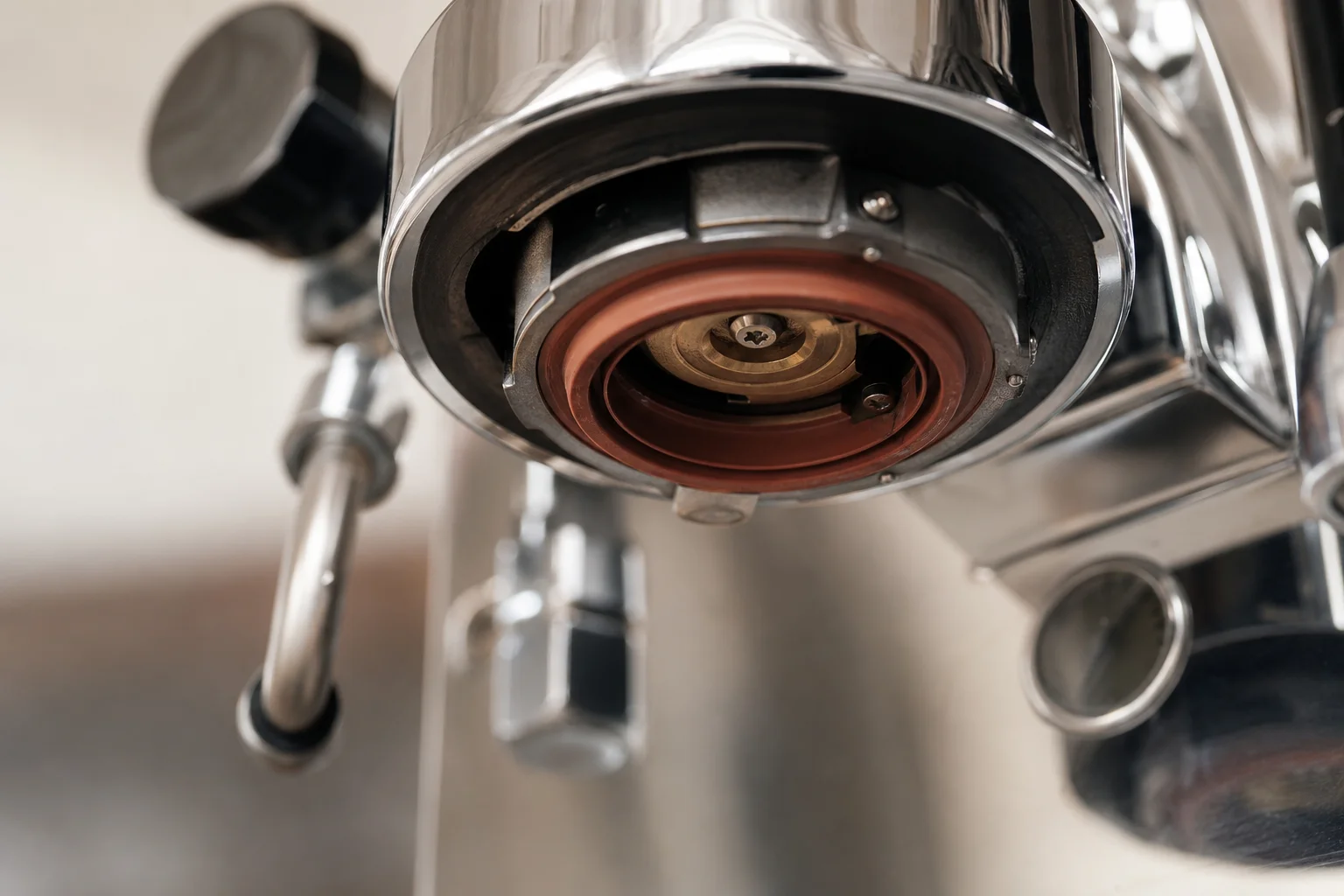
One valuable modification available for the Gaggia Classic is adjusting the over-pressure valve (OPV). The machine’s vibration pump produces up to 15 bars of pressure, but a spring kit (available for approximately £18) allows you to reduce this to 6 or 9 bars, improving extraction quality. This is a straightforward modification that requires removing a single component and swapping the spring inside.
Expect minor issues when buying secondhand. The unit in this build had a loose internal connector that affected the brew button indicator light, and a small hose leak that required tightening. These are manageable problems if you are comfortable working inside the machine, but they highlight the importance of being prepared for repairs.
Choosing the Right Grinder: Iberital MC2 vs Sage
Grinder selection is critical for espresso quality, and finding an affordable grinder that performs well is challenging. Two models stand out for budget-conscious buyers: the Sage (or Breville) espresso grinder and the Iberital MC2.
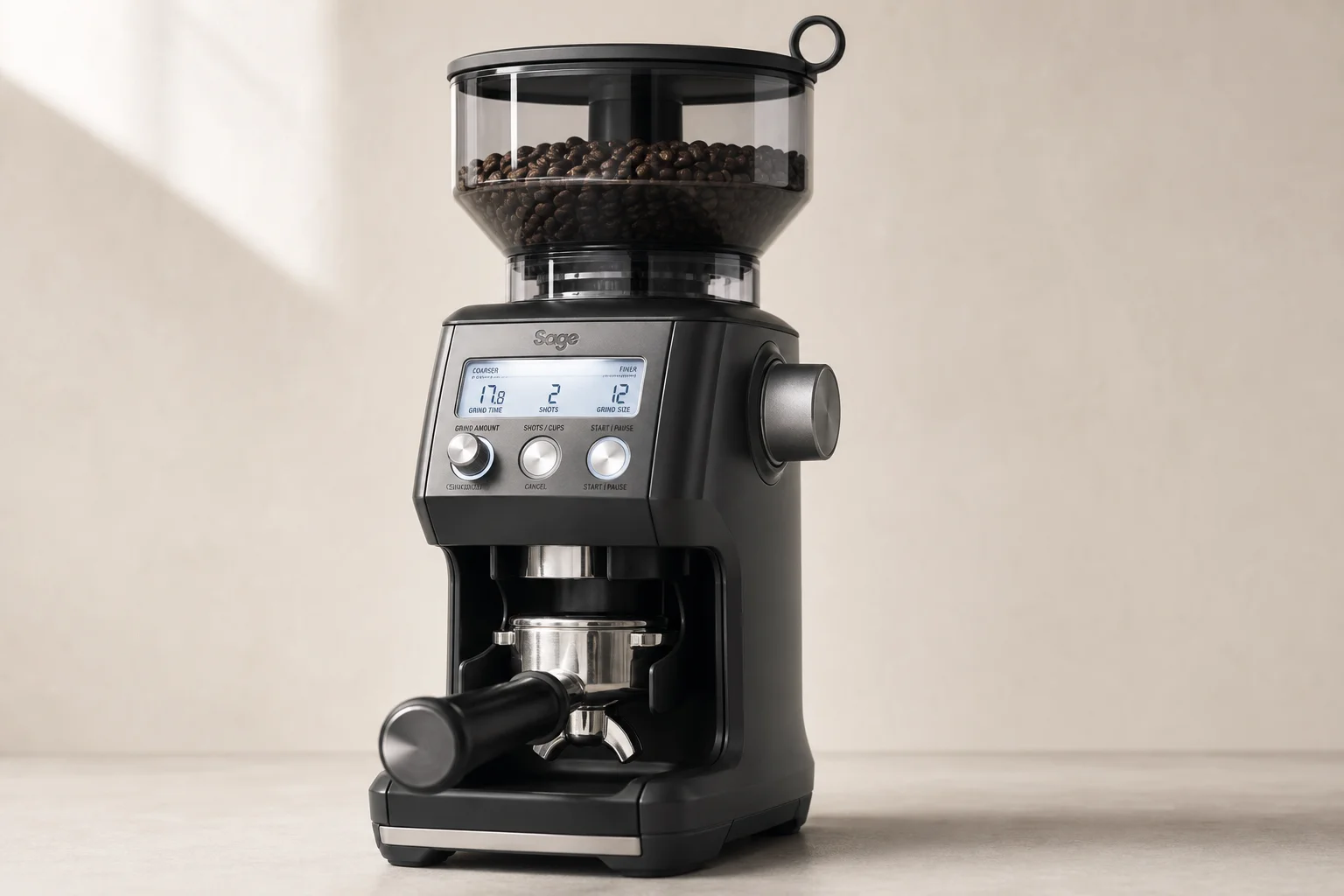
The Sage grinder is widely available secondhand because it is a popular entry-level model. New models retail for approximately £200, but secondhand units can often be found for less. The grinder features conical burrs and is relatively intuitive to use, making it a solid all-around choice for both espresso and filter coffee.
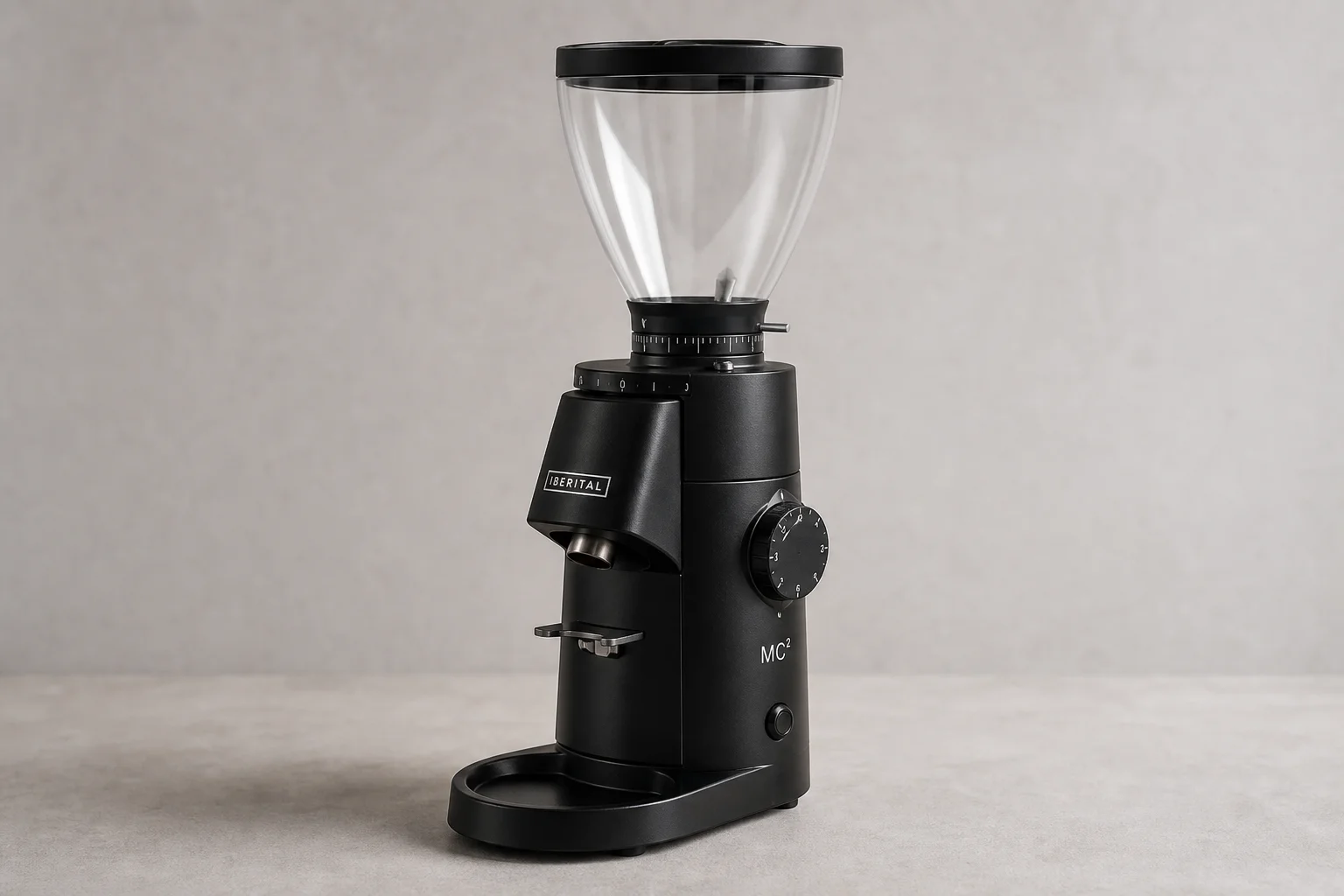
The Iberital MC2 is particularly attractive in the UK market, where it can be purchased new for under £150. This grinder also uses conical burrs and features a stepless grind adjustment, giving you fine control over particle size. It is a simple, no-frills machine designed specifically for espresso grinding.
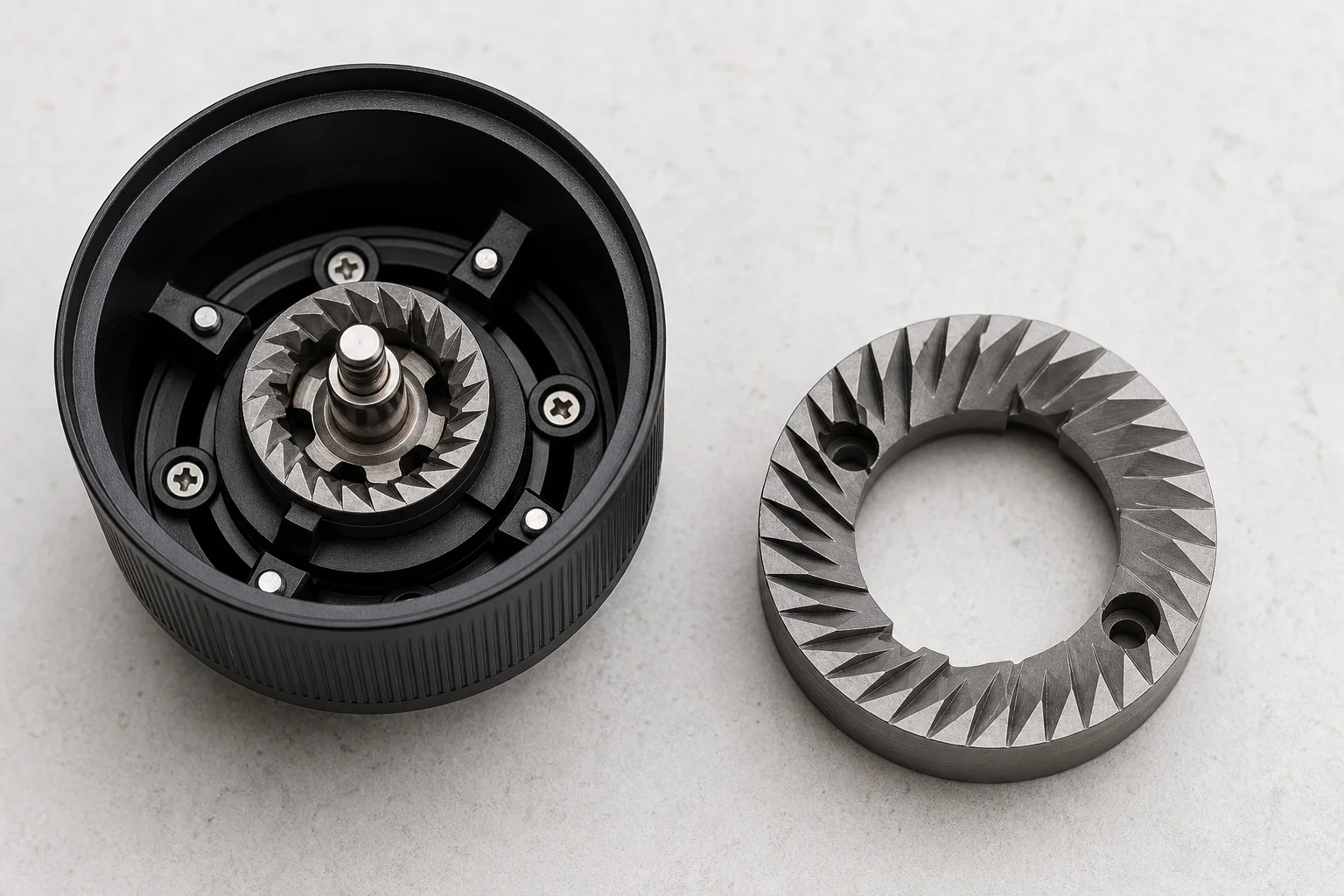
When inspecting a secondhand grinder, remove and clean the burr set thoroughly. Coffee oils accumulate on burrs over time, and a good cleaning can noticeably improve grind quality. The Iberital MC2 in this build had some minor cosmetic damage to the hopper but ground coffee effectively once cleaned and reassembled.
One practical consideration: the Iberital MC2 produces more clumping than higher-end grinders, requiring additional work to break up clumps before tamping. A simple paperclip or distribution tool can address this issue. The grinder also retains more ground coffee internally than some alternatives, which affects workflow but not final cup quality.
For the budget-conscious buyer, the Iberital MC2 offers impressive capability at its price point. The Sage grinder, if found at a reasonable secondhand price, provides slightly better usability and versatility across different brewing methods.
Essential Accessories and Budget Allocation
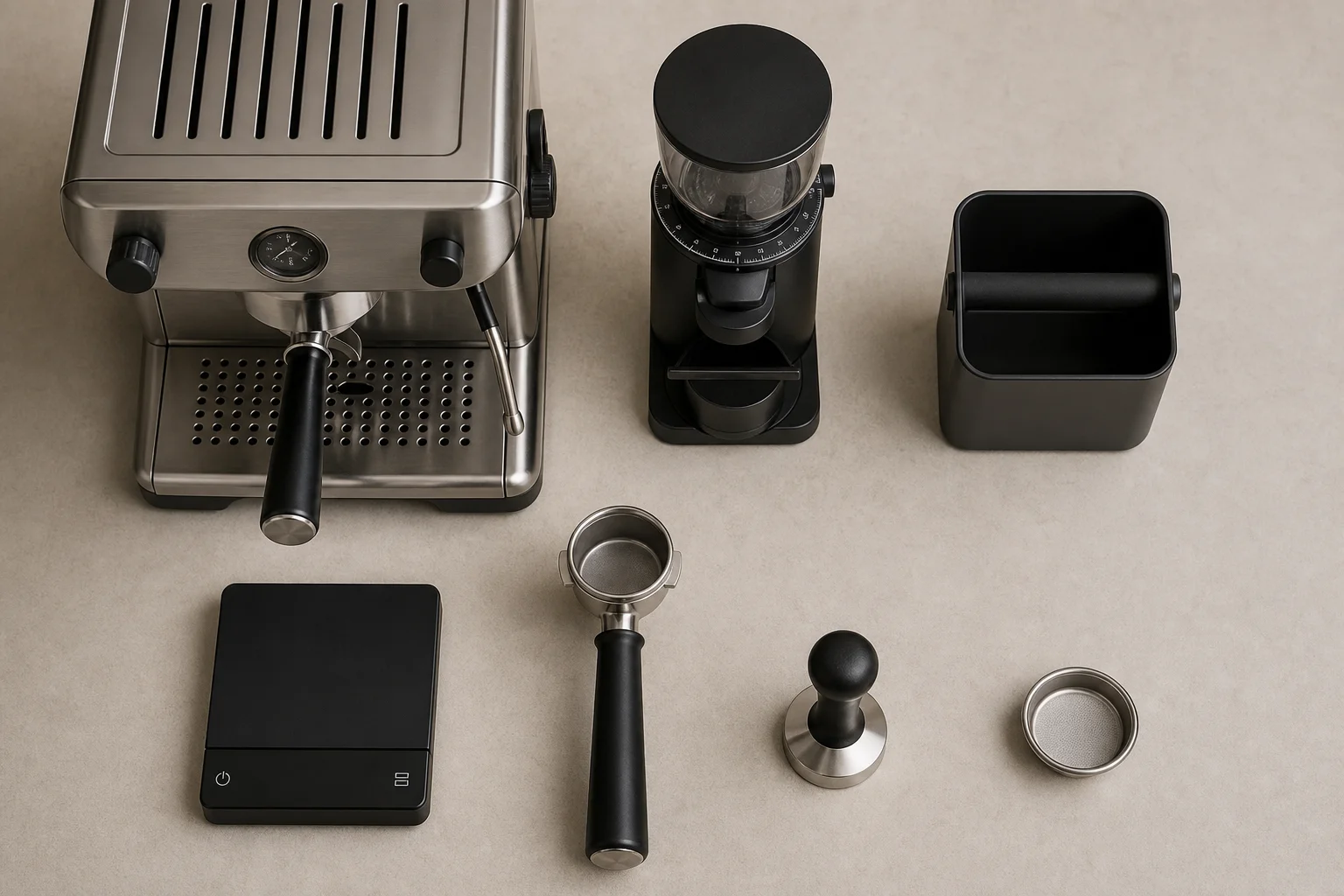
Beyond the machine and grinder, several accessories are necessary to complete a functional espresso setup. A digital scale with timer function is essential for consistency, and quality models can be found for £15. A proper espresso basket (17-19 grams for the Gaggia’s smaller doses) costs £20-£28 depending on brand. A stainless steel tamper, surprisingly, can be sourced for under £6 if you are patient on auction sites.
A knock box for spent puck disposal is a practical addition at £13-£15 secondhand. While not strictly necessary, it keeps your workspace cleaner and is worth the modest investment.
The Sage grinder, if purchased as a backup or upgrade option, typically costs £135 secondhand, which exceeds the strict budget but offers improved usability and consistency compared to the Iberital MC2. The decision between the two depends on your comfort level with the Iberital’s quirks and your willingness to spend slightly more for a more refined experience.
Pulling Your First Shot: Dialing In and Tasting
Once the machine is cleaned, the OPV spring is installed, and the grinder is prepared, the moment of truth arrives: pulling your first shot. The Gaggia Classic’s design makes it challenging to place a scale directly under the portafilter due to the drip tray design, but removing the drain box allows for weight-based dosing if you are comfortable with minor mess.
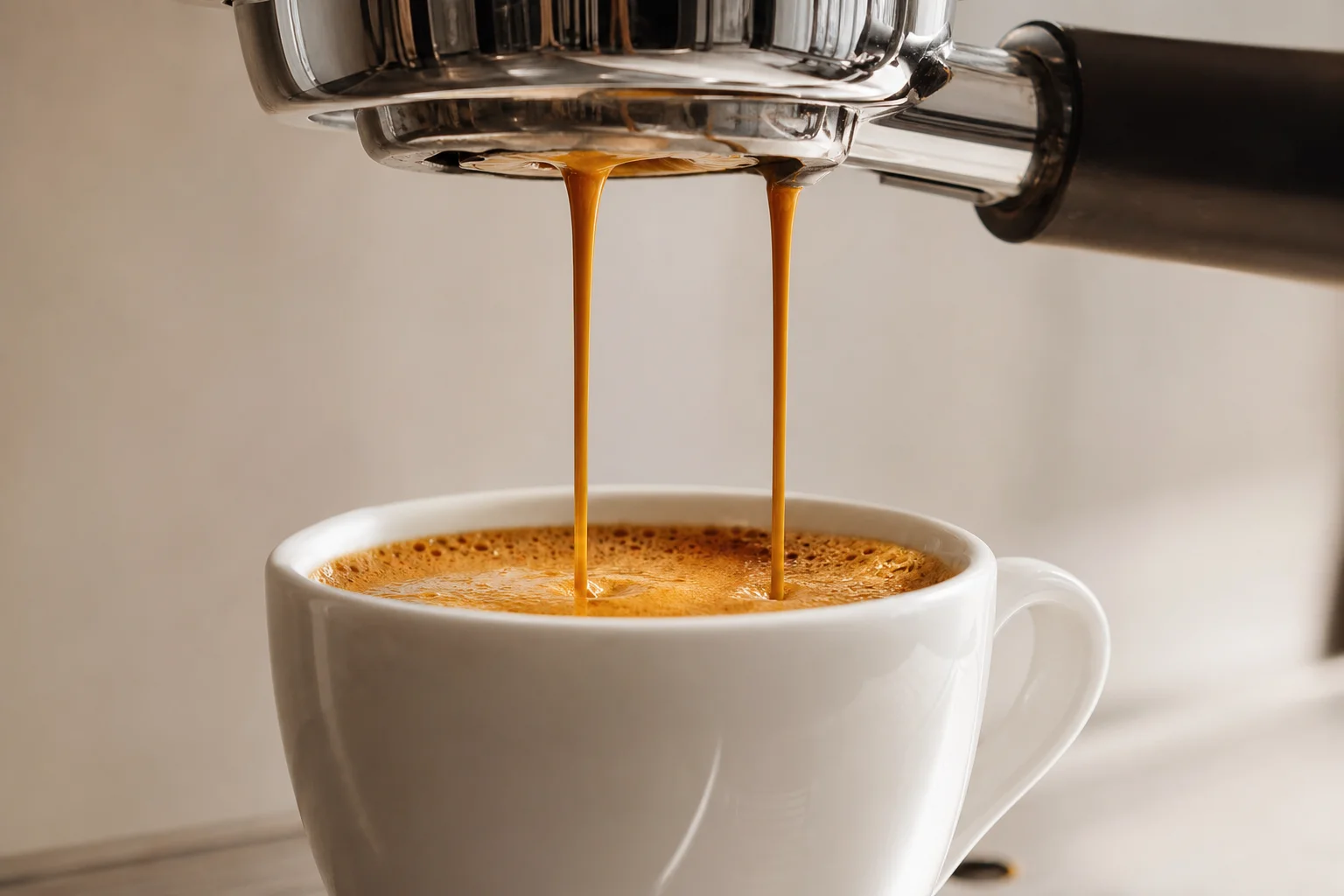
The Gaggia produces good espresso when dialed in correctly. The shot will be sweet, complex, and well-extracted, though temperature control is limited without the brew button indicator light working. The machine’s three-way solenoid valve (if present) prevents portafilter sneeze, a pressure release that occurs when removing the portafilter immediately after brewing.
The espresso produced from this budget setup is genuinely good. While it could be improved with better temperature control and more consistent grind distribution, the fundamentals are sound: appropriate grind fineness, a quality basket ensuring even extraction, correct pressure, and proper temperature. These are the elements that matter most for espresso quality.
Final Budget Breakdown and Recommendations
The complete setup cost approximately £272, slightly over the £250 target. The overage came primarily from the espresso basket (£20) and knock box (£13.70), both of which significantly improve the user experience and cup quality. The OPV spring modification (£18) is also essential for achieving good extraction.
Breaking down the costs:
- Gaggia Classic (secondhand): £104.99
- Iberital MC2 (secondhand): £100
- Digital scales: £14.99
- Espresso basket: £20
- Tamper: £5.95
- Knock box: £13.70
- OPV spring kit: £18
This allocation prioritizes the fundamentals: a capable machine, a grinder that can achieve fine espresso grinds, and accessories that ensure consistent extraction. Spending more money would provide better temperature control, more consistent grind distribution, and improved user experience, but the core quality of espresso would not improve dramatically.
If you are comfortable with the risks inherent in buying secondhand equipment, this approach offers exceptional value. Secondhand machines may have problems requiring diagnosis and repair, but if you are willing to work inside the machine and understand basic troubleshooting, the savings are substantial. If you prefer the security of a warranty and manufacturer support, buying new equipment from a reputable retailer is the safer choice, though it will cost significantly more.
For grinder selection, the Iberital MC2 is impressive for the money but has usability quirks. If you can find a Sage grinder secondhand at a reasonable price, it is worth the modest additional investment for improved consistency and ease of use.
Conclusion
Building a budget espresso setup under £250 is achievable with patience, research, and a willingness to buy secondhand. The Gaggia Classic and Iberital MC2 represent the best value in their respective categories, and with proper cleaning, minor repairs, and thoughtful accessory selection, they produce genuinely good espresso. Success depends on your comfort level with equipment restoration and your ability to troubleshoot minor issues, but the reward is a capable home espresso system at a fraction of the cost of new equipment.
Further reading
Related Reviews
Coffee Equipment
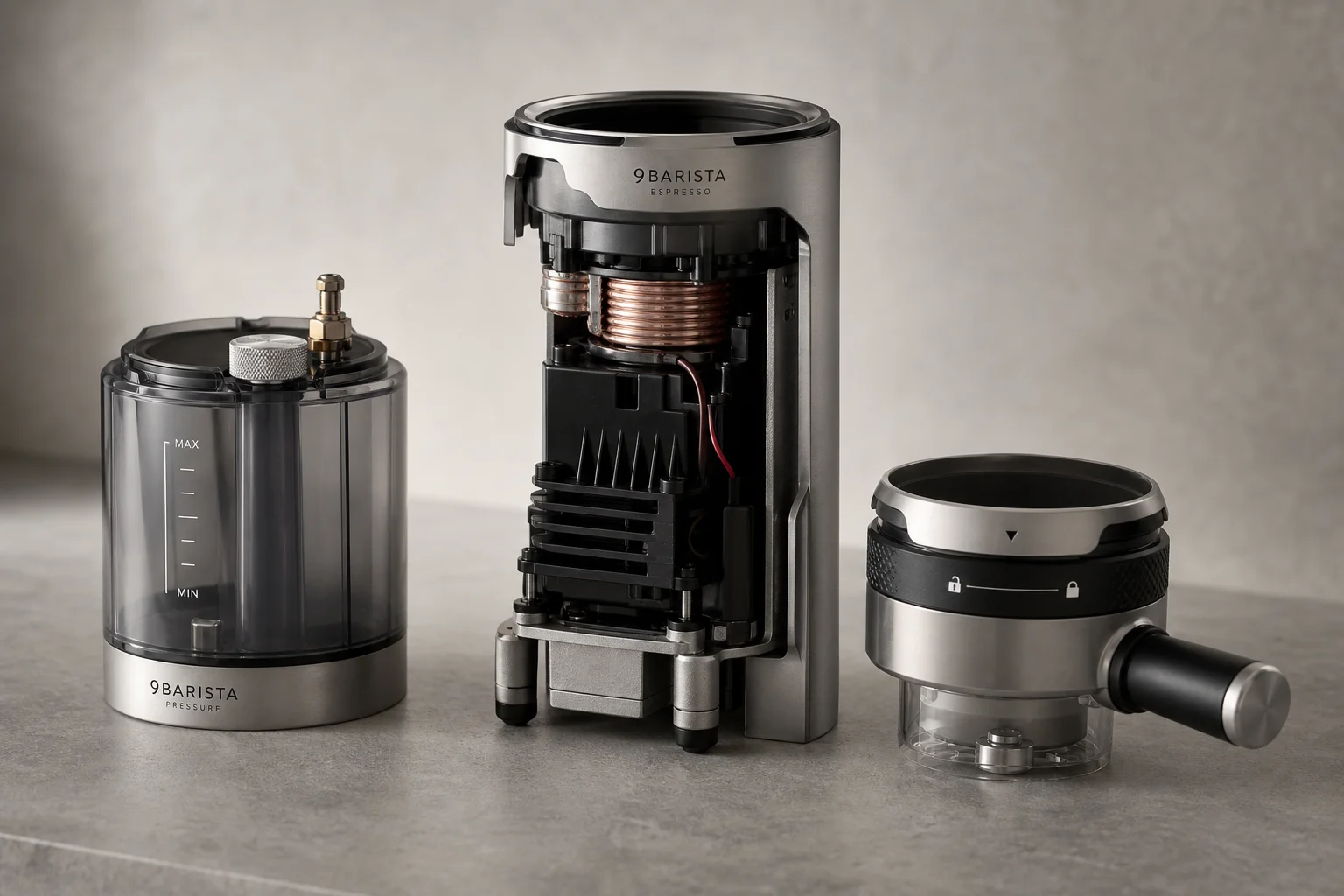
9Barista Espresso Machine Review: Stovetop Espresso for Single-Cup Enthusiasts
A cleverly engineered stovetop espresso maker that generates nine bars of pressure without electricity. Excellent coffee quality, but requires patience and suits solo drinkers only.
Coffee Equipment
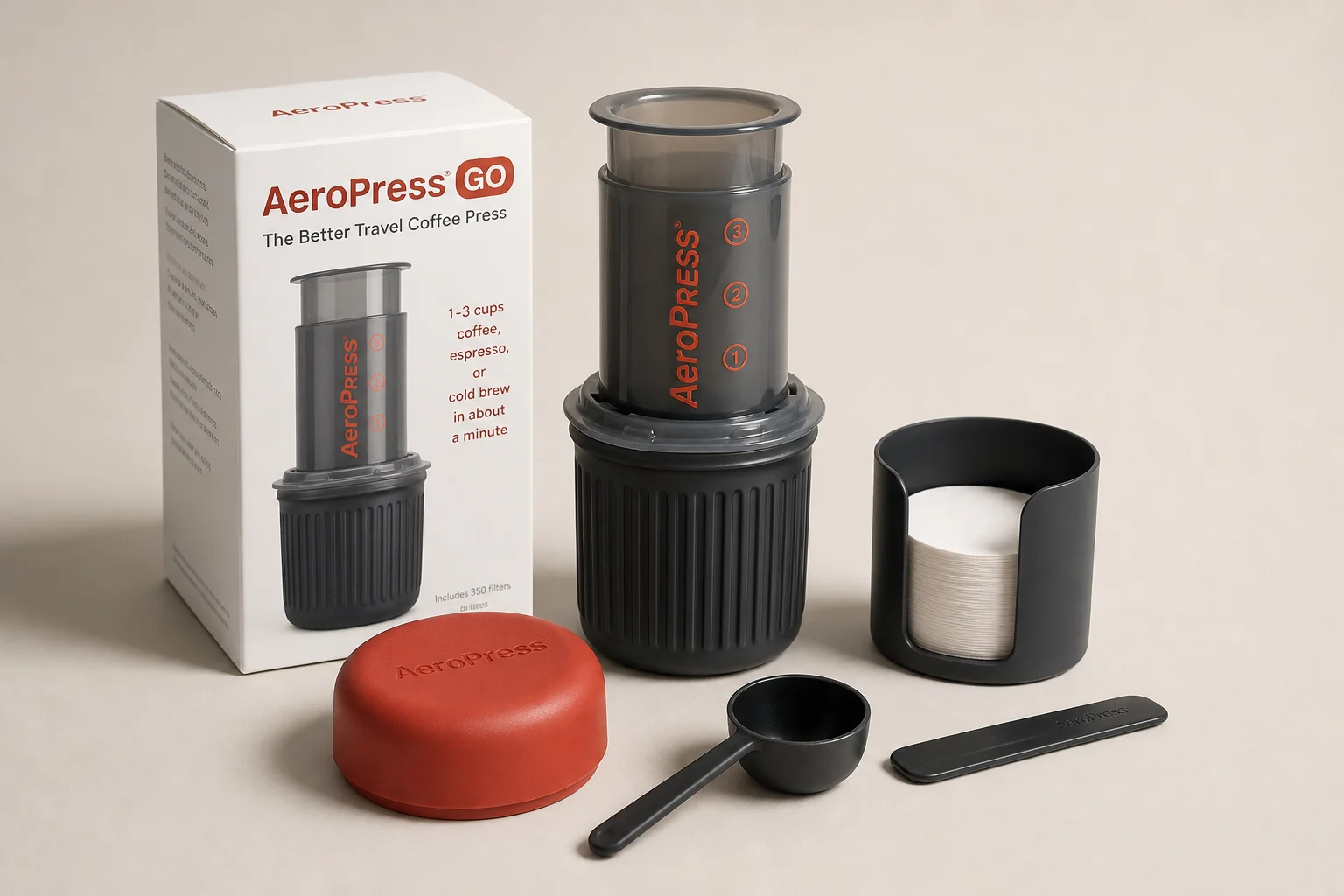
Aeropress Go Review: A Compact Travel Brewer That Solves One Specific Problem
The Aeropress Go shrinks the original design and adds an integrated cup, but it may not address the travel challenges most coffee enthusiasts actually face.
Coffee Equipment
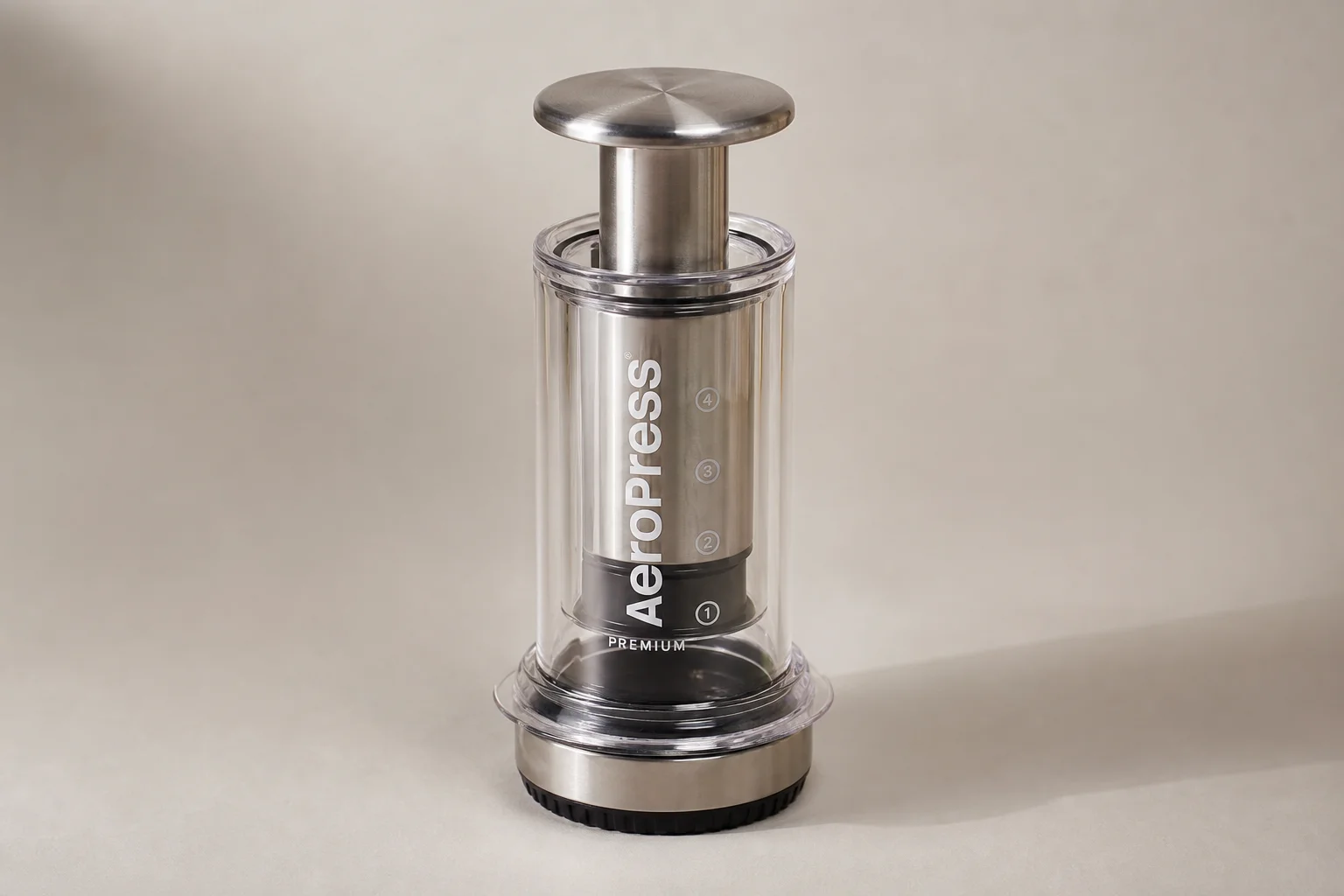
AeroPress Premium Review: Premium Materials, Practical Trade-offs
The AeroPress Premium brings glass and metal construction to a beloved brewer, but trades portability and durability for a more refined feel. Here's what changes in the cup and what matters before you buy.