E-Bikes
Budget E-Bikes Compared: Oraimo Scrambler 100 vs Velowave Ranger
Two budget-friendly e-bikes with very different characters. Here is what to expect, what to adjust, and who each one suits.
Introduction
Budget e-bikes bought through online marketplaces have become a popular way to get into electric riding without spending thousands of dollars. But they come with clear trade-offs, and knowing them before you buy makes a big difference.
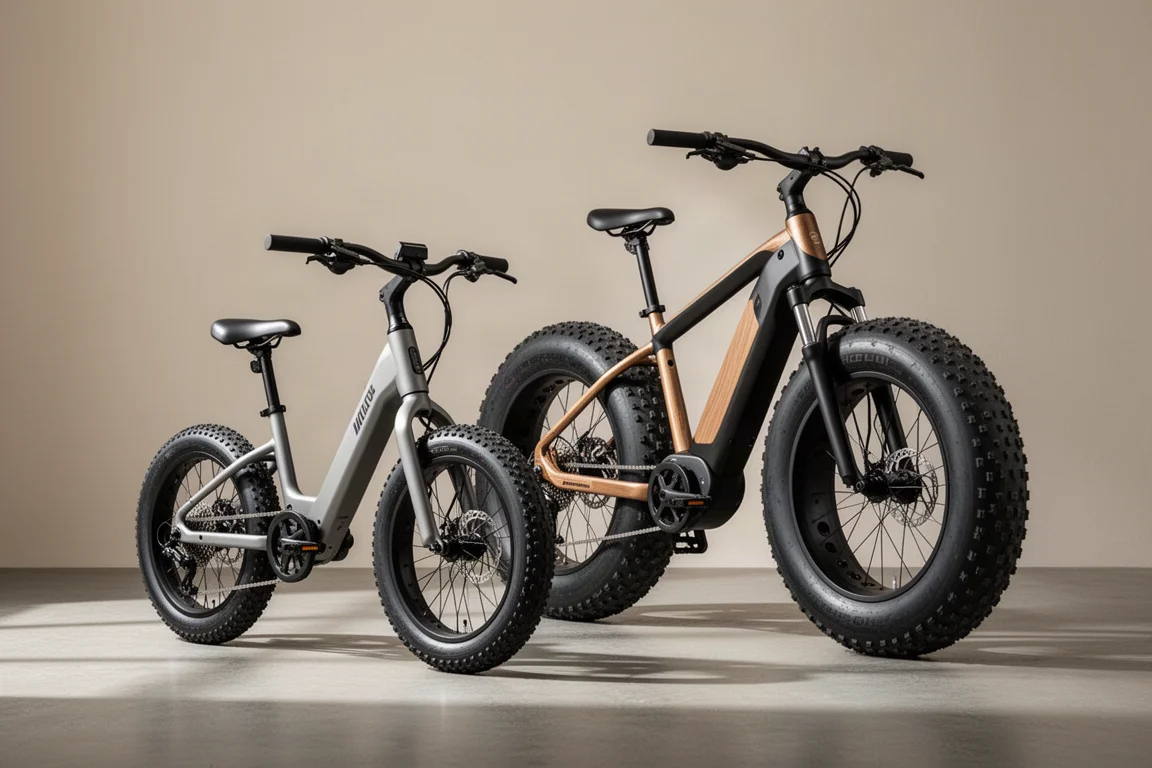
This comparison covers two bikes from that world: the Oraimo Scrambler 100 at around $700 and the Velowave Ranger at around $1,400. Both are heavy, both are fun, and both require more hands-on attention than most people expect. Neither is pretending to be a premium machine, and that is exactly the mindset you should bring.
What Budget E-Bikes Are Actually Good At
These are not bikes for exercise riding. They are 70 lb-plus machines that are not fun to pedal without battery power, and not fun to jump. Their real purpose is cruising: riding to a friend’s house, exploring scenic trails at 30 mph or less, and enjoying the ride in a relaxed way.
All three common characteristics of this class apply here. Throttle and pedal assist are standard, top speed with throttle sits at 20 mph on both bikes, and range is rated at roughly 40 miles with pedal assist. The Velowave reaches up to 27 mph with pedal assist, while the Oraimo stays at 20 mph in either mode.

One thing to understand: battery capacity in watt-hours is the number that tells you how far a bike will realistically go. If you are comparing bikes in this class, look there first rather than at motor wattage alone.
Oraimo Scrambler 100: The Affordable Cruiser
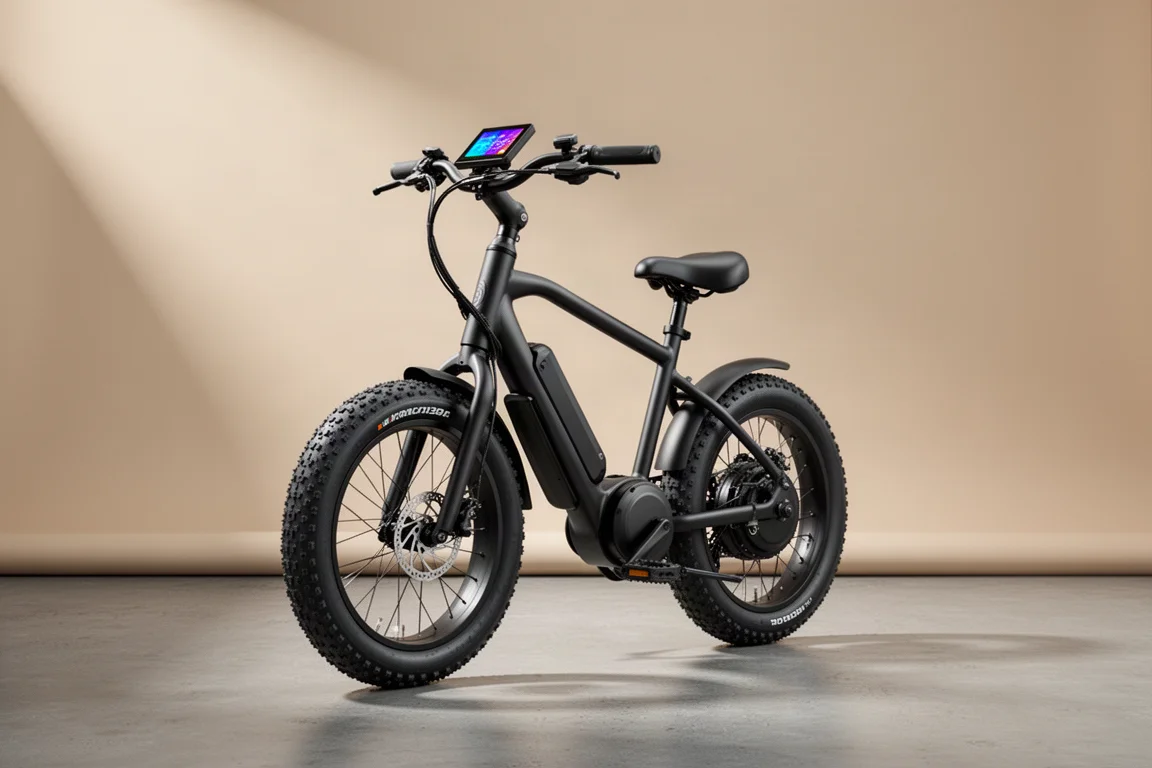
The Oraimo Scrambler 100 runs a 750W motor and is the smallest, least powerful-feeling bike of the pair. That limited pep is arguably a feature for teenagers or anyone who does not need a bike capable of 30 mph, but it comes with quirks worth knowing.
Its pedal assist is noticeably jerky: in even the lowest assist level, it will try to pull you from zero to about 14 mph almost immediately, which can feel unsettling when cornering. You get used to the timing, but the first few rides take adjustment. The throttle is also on-or-off in feel rather than smooth, so holding a steady speed requires blipping it.
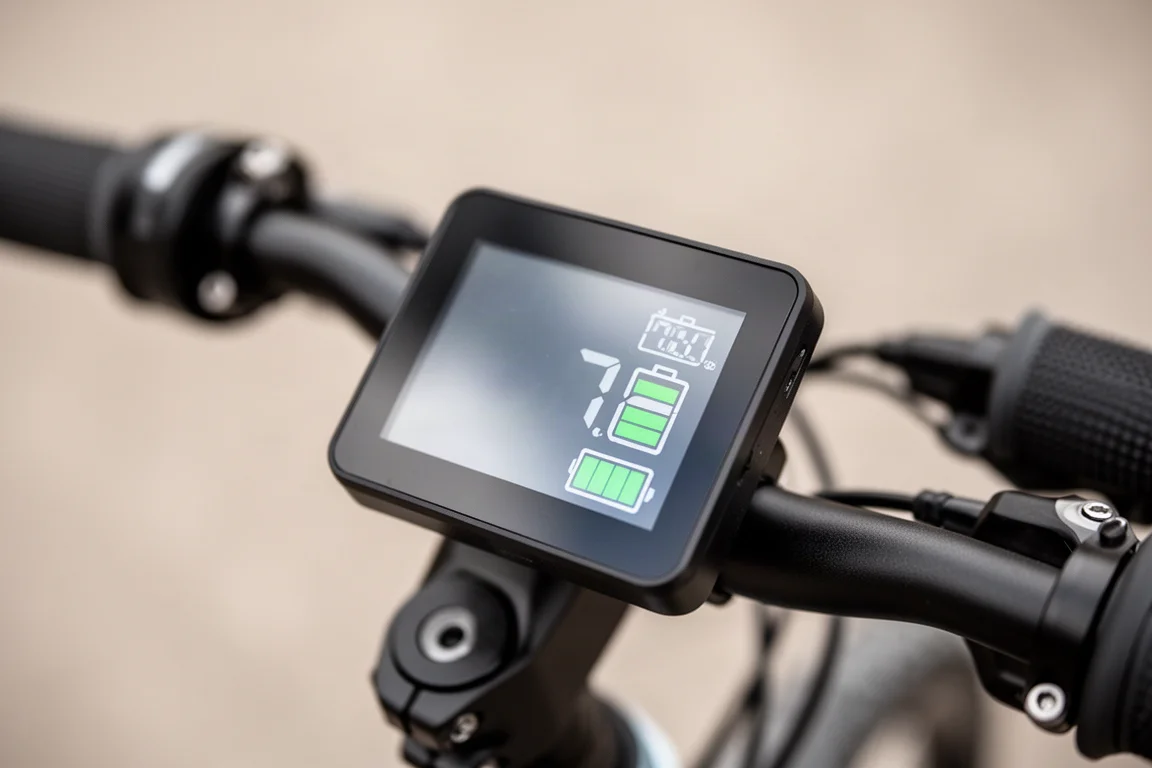
The upside is the display. It is a color screen and genuinely the nicest of the bunch, with trip data, odometer, battery fuel meter, and five assist levels. It uses a Shimano seven-speed shifter, cable disc brakes that stop well but squeak, and small tires that make the bike feel lower to the ground and easier for lighter or younger riders to handle. It is a solid pick for a smaller rider who wants a cheap, simple machine for short relaxed trips.
Velowave Ranger: The Bigger, Better-Equipped Option
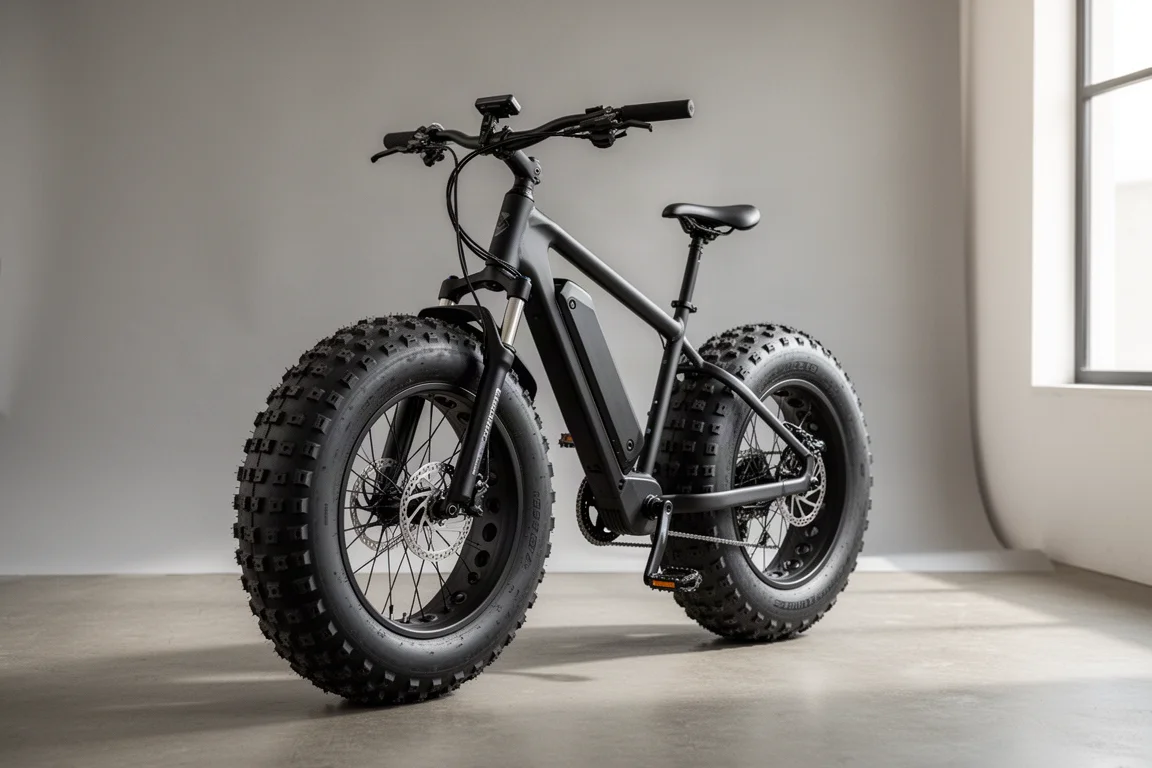
The Velowave Ranger is the favorite for larger riders. It has large fat tires that make it very comfortable, adjustable front suspension, hydraulic disc brakes with mineral oil that feel great at the lever, a built-in light, and a slightly better shifter.
The trade-off is weight and bulk. This is roughly an 80 lb bike with a heavy rear hub motor, and lighter or smaller riders, including teenagers, find it harder to handle simply because everything is higher and heavier. The rear motor in these designs is very heavy, and smaller-tire bikes are simply easier for kids to manage.
There is also an honest question about value here. The styling is what riders are used to, but some of the parts quality feels subpar, meaning you are paying a meaningful amount of the price for the style and the big tires rather than the componentry. The brakes, while much nicer than cable discs, do not stop quite as sharply as you might expect from more expensive bikes. It still delivers the most comfortable ride of the pair, and for bigger riders that comfort matters most.
Displays, Controls, and Throttle Feel
The Velowave has a smaller but in some ways nicer monochrome display with clear assist-level control, while the Oraimo wins on screen quality with its color panel. Neither display is a reason to buy, but both are easy to read and operate.
Both bikes use a Shimano seven-speed shifter, and in practice the shifting matters less than you would think. Most riders keep the bike in a high gear, use the throttle to take off, and let the motor do the work. The throttle on the Oraimo in particular is blunt, closer to an on-off switch than a motorcycle twist grip, so expect to blip it rather than modulate it smoothly.
One safety nuance: with pedal assist active, the motor will re-engage quickly once it detects pedaling, sometimes within a quarter of a crank rotation. On the Oraimo especially, starting a turn in level one can push you from zero to around 14 mph very fast. Learn that behavior before riding in traffic or tight spaces.
Maintenance and Safety Checks
Budget bikes need regular adjustment. In practice, that means going over the bike before nearly every ride: checking bolts, bearings, and wheels. On the Velowave, the stem needed tightening repeatedly and the front wheel bearing preload needed adjustment on a regular basis.
Quick-release adjusters work, but they need to be genuinely tight before riding. Loose clamps can let the handlebars drop mid-ride, which is dangerous at 20 mph or more.
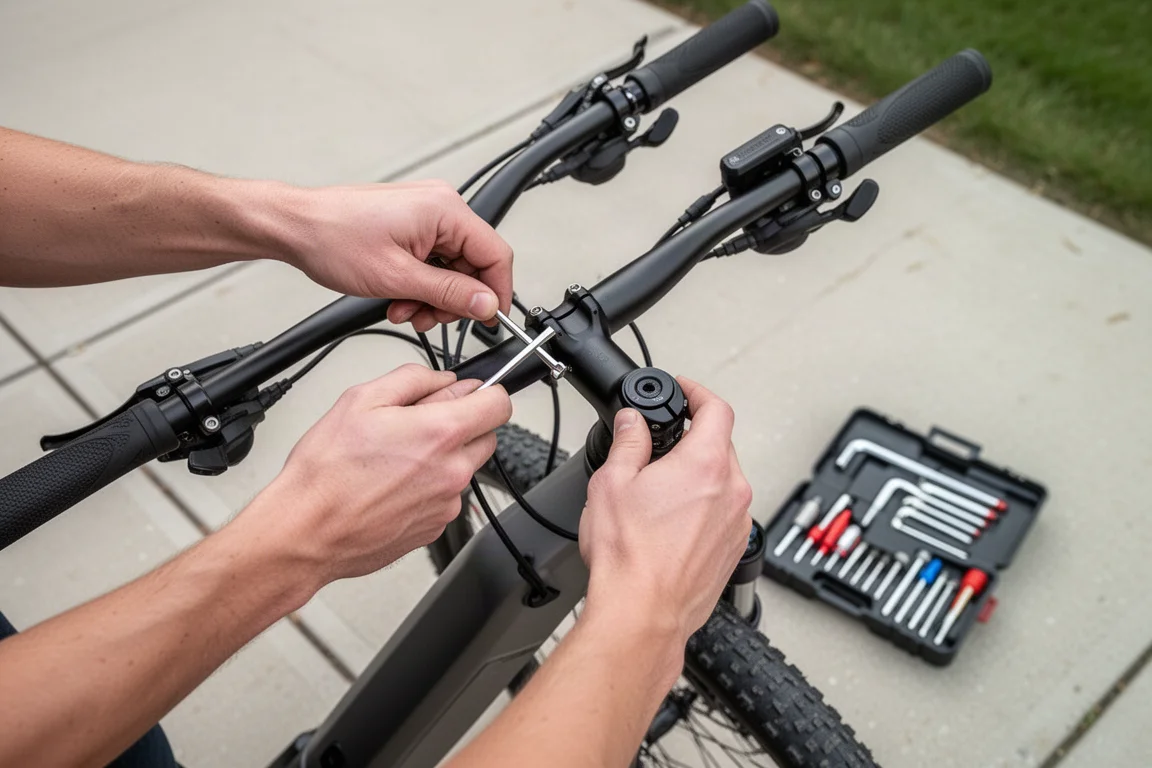
If you are not comfortable with wrenches, take the bike to a local shop for periodic checks. At these speeds, on bikes at this quality level, a loose component can turn a small problem into a serious one.
Charging and Battery Expectations
Charging from empty to full should take roughly two to three hours. In practice, most riders plug in after a ride and never time it, but shorter rides barely dent the charge for lighter riders.
Rider weight makes a dramatic difference. On a paired ride of about 10 miles, a lighter rider came back with the battery at 98 percent while a heavier rider on the same distance was down to 60 percent. Part of that is riding style, part is the physics of moving more mass, and part may be differences in battery capacity between bikes.
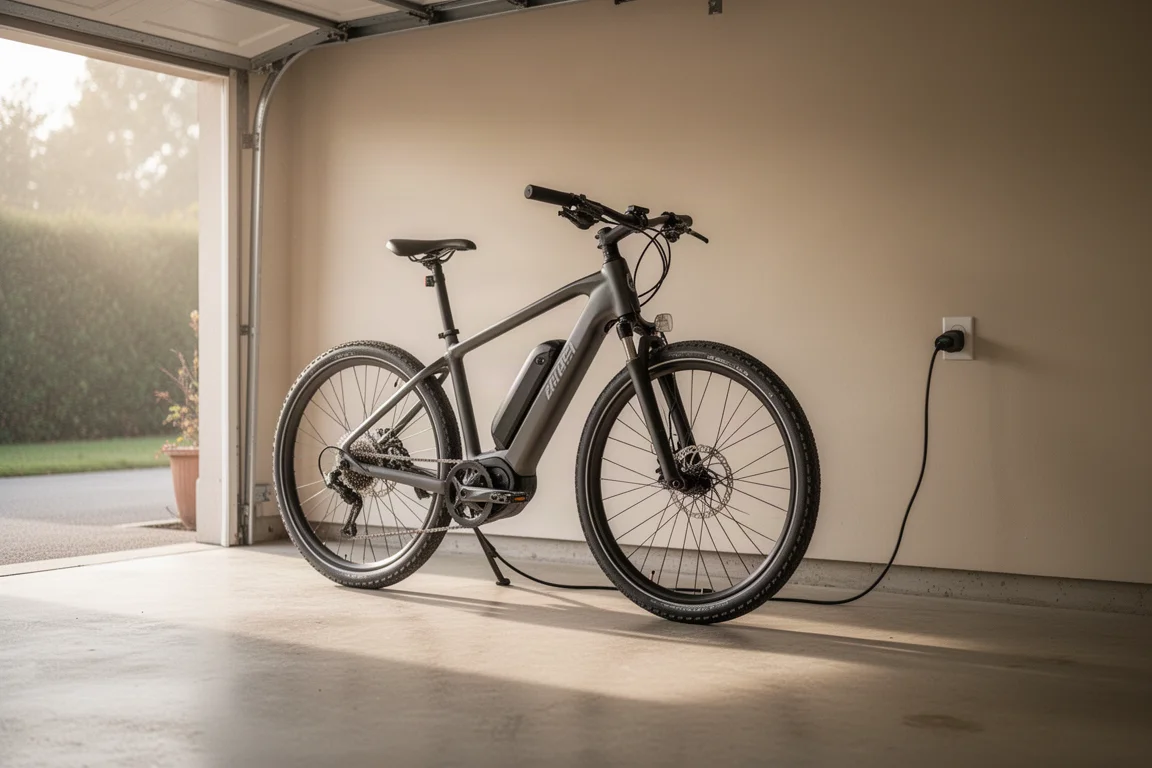
Plan range expectations around your own weight rather than the manufacturer’s advertised number, and you will be much less disappointed.
Overall Buying Advice
If you are a smaller rider, a teenager, or buying for someone who will mostly do short flat rides, the Oraimo Scrambler 100 is the easier, cheaper, and more approachable choice, with the caveat that its assist engagement is jerky until you learn it.
If you are a larger rider who values comfort and better brakes and can live with a heavy bike, the Velowave Ranger justifies its higher price, with the honest caveat that part quality does not fully match the styling and the larger tires.
Either way, treat these bikes the way you would treat an inexpensive camper: enjoy them for what they are, inspect them often, and do not expect premium build quality at this price. And if the battery ever dies far from home, do not plan on pedaling one back. These are heavy, geared-for-motor bikes, and pushing one home is not fun.
Conclusion
Budget e-bikes are genuinely enjoyable for relaxed cruising, short trips, and scenic trails, as long as you accept regular maintenance and manage your range expectations. Match the bike to your size and riding style, and both of these can be a lot of fun for the money.
Further reading
Related Reviews

E-Bikes
Best Folding E-Bikes 2026: Five Picks for Every Budget and Riding Style
From budget-friendly commuters to high-tech performance machines, these five folding e-bikes cover the full spectrum of needs and price points.
E-Bikes
Best Raleigh E-Bikes: Trace, Motus, Centros and Modem Compared
A practical comparison of four Raleigh e-bikes, covering battery range, motor placement, gearing and the kind of riding each model suits best.
E-Bikes
Best Rally E-Bikes Compared: Trace, Motus, Grand Tour, Centros and Modem
A practical look at five Rally e-bikes, from the lightweight Trace city bike to the cargo-ready Modem, with range, motor position and pricing explained.