Camping Gear
Best Budget Camping Gear: Walmart vs Amazon Kits Compared
Five budget camping products compared side by side, from a $32 one-person backpacking tent to a $26 warm-weather sleeping bag, and what each one does well.
Introduction
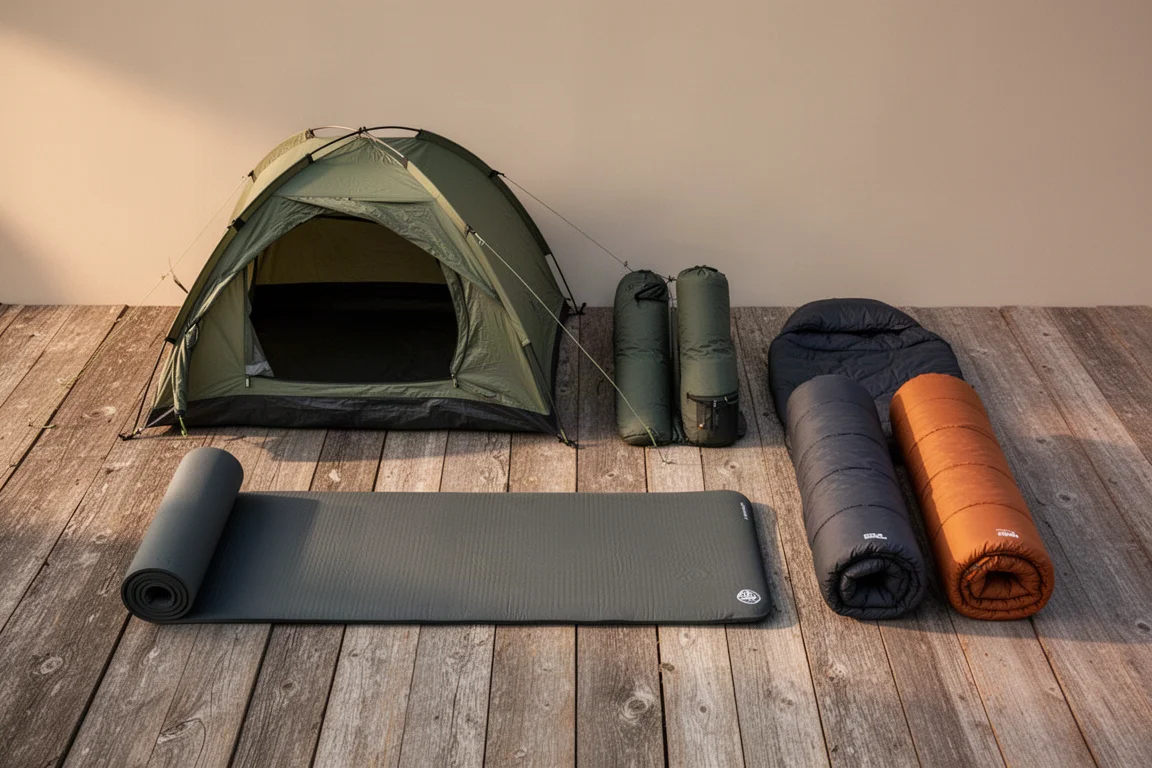
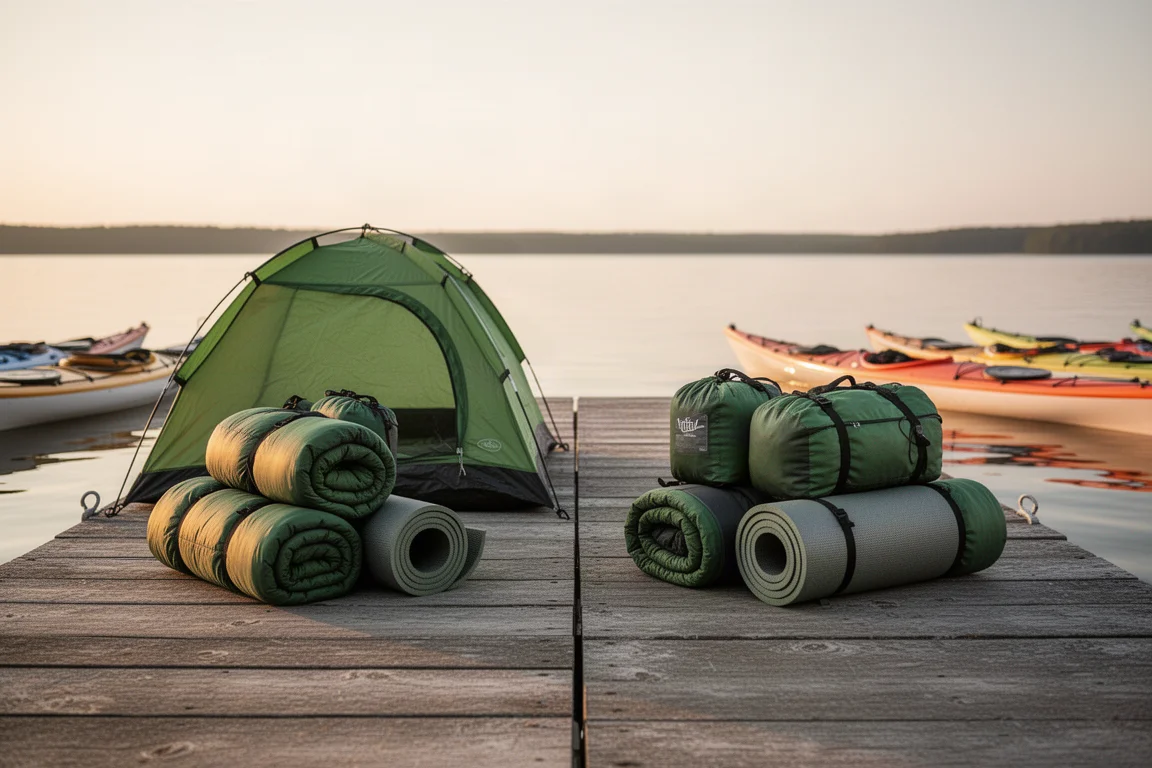
Budget camping gear rarely gets a fair comparison. Two kits, one assembled from Walmart and one from Amazon, were packed for the same overnight kayak camping trip to answer a practical question: how much shelter, insulation, and comfort does a small budget actually buy?
Both kits covered the same three essentials, a tent, a sleeping pad, and a sleeping bag, and both landed in a similar spending range, roughly $129 for the Walmart kit and $140 for the Amazon kit. What came out of it was a set of five products with clear strengths and equally clear compromises: a featherweight one-person tent, a feature-rich two-person tent, a long-wide sleeping pad, and two warm-weather sleeping bags at very different prices.
This guide covers each one, what it does well, and where the money was saved.
How the Two Kits Were Compared
The comparison was deliberately narrow. Both kits were assembled against the same approximate budget and then used for a single night outdoors in warm weather, which is the condition most of this gear is designed for. Each item was judged on the job it was bought to do: keep the weather out, keep the sleeper off the ground, and keep the sleeper warm without overheating.
Three of the items were used exactly as they would be on a normal trip. The sleeping bags were rated for warm weather, which turned out to matter, because on a mild night a 35°F-rated bag is warmer than most people want zipped up around them.
Price was tracked alongside performance, since the point was to find out what the cheapest workable version of each item looks like. The short answer is cheaper than expected, with a few visible trade-offs in materials and finish.
Best Backpacking Tent: Ozark Trail 1-Person Backpacking Tent
The Ozark Trail 1-Person Backpacking Tent was the least expensive shelter in the group at around $32, and it also packed down the smallest, which is exactly what matters for kayak camping and backpacking where volume counts as much as weight.
Setup is quick. The poles are colour-coded, one red and one grey, and the tent body clips onto them instead of threading through sleeves. The floor measures about 7 feet by 4 feet, which is unusually generous for a one-person tent and close to the footprint of some two-person models. A flat section at the top of the dome adds a little usable headroom.
What it does not offer is a vestibule or a second door, so gear stays inside the tent or under the fly. The materials feel basic compared with premium tents, as expected at this price. There are accounts of this tent being used repeatedly in rough conditions, which is encouraging for a shelter in this bracket.
For a solo camper who wants the lightest and most compact option here, this is the pick.
Best Two-Person Tent: Ozark Trail 2-Person Hiker Tent
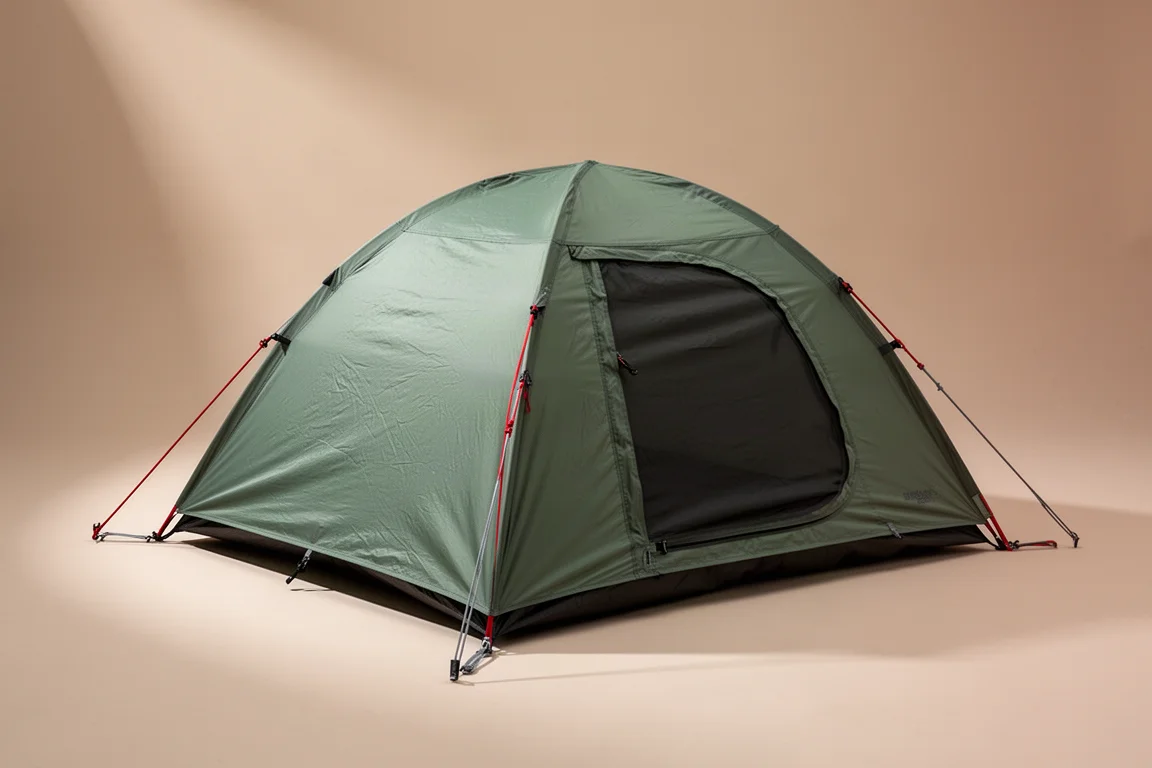
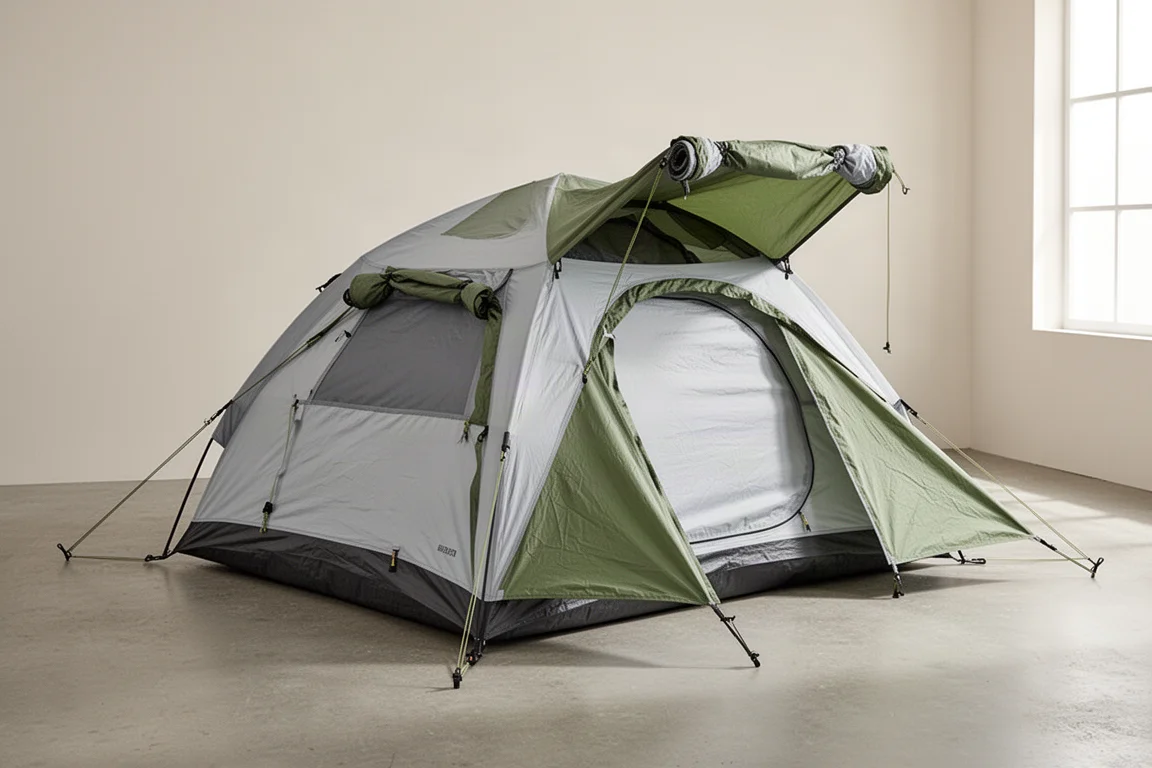
The Ozark Trail 2-Person Hiker Tent steps up in features for around $50. It uses a roll-back stargazer rainfly that opens the roof to the sky, and it has two vestibules for stashing packs and wet gear outside the sleeping area.
On paper the floor is only about six inches wider than the one-person backpacking tent, but in practice it feels generous enough for two people, or one person and a dog, with enough interior height to move around comfortably. The trade-offs show up in the details: the door zippers tend to pucker and leave a gap when closing, the floor material feels like a tarp and is noticeably crinkly, and the tent is bulkier to carry.
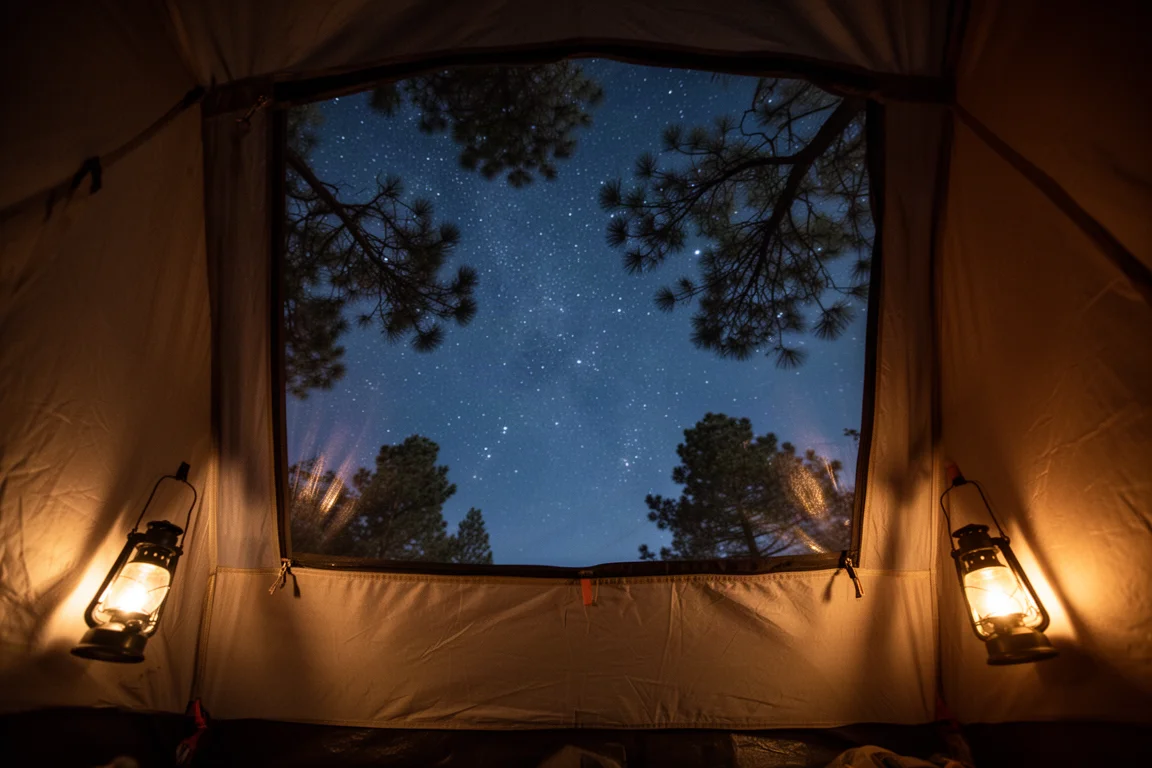
For two people who want a roomier shelter with more features and do not mind the packed size, this is the stronger buy of the two Ozark Trail tents.
Best Sleeping Pad: Ozark Trail Deluxe Camp Pad
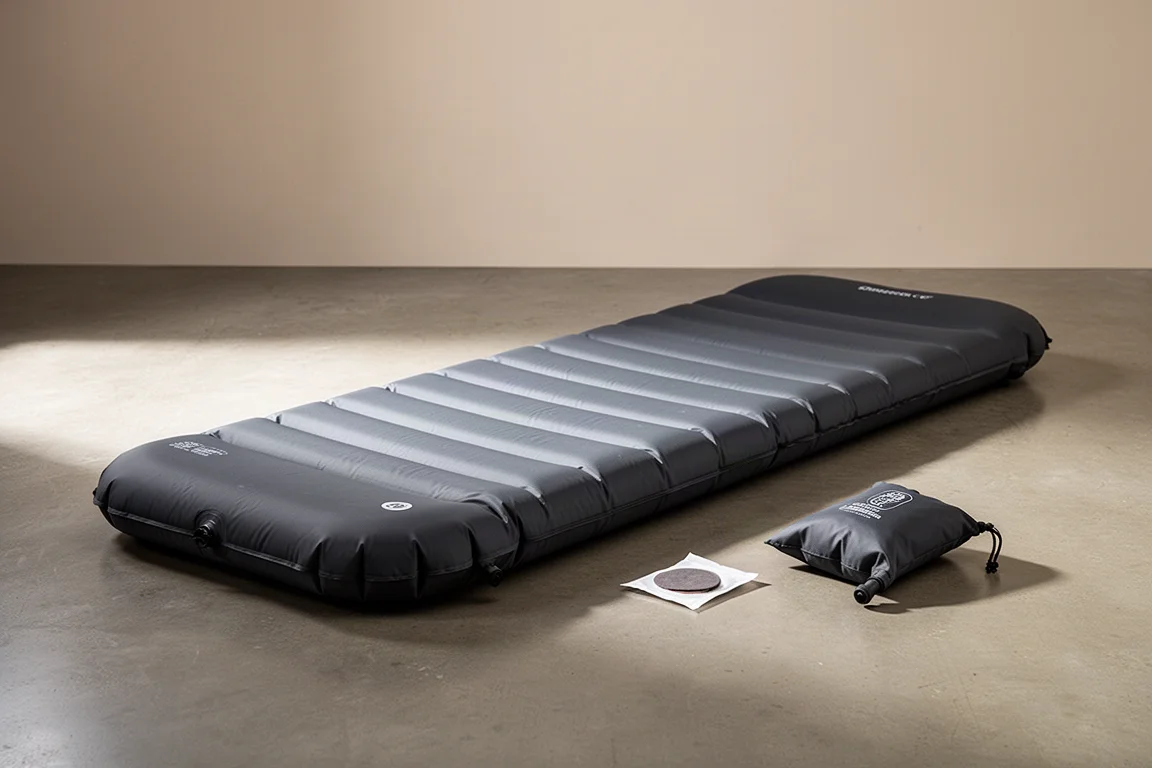
At $30.88, the Ozark Trail Deluxe Camp Pad measures 25 inches by 78 inches, which is the long-wide size most adults actually want. It inflates with a built-in pump and ships with a patch kit for repairs.
The thickness is what stands out. It feels substantial under a sleeping bag rather than like a thin layer over hard ground, and it stayed comfortable through the night. The 1.5 R value is the number worth paying attention to: that is a warm-weather rating and it will not carry you into cold conditions. It is also not the quietest pad, and the long-wide dimensions make it bulky to carry any real distance, so this is a car camping and kayak camping pad rather than a backpacking one.
For cheap, comfortable sleeping on mild trips, it is a strong choice.
Best Warm-Weather Sleeping Bag: Climate Bozeman 35° Sleeping Bag
The Climate Bozeman 35° Sleeping Bag was the most expensive item in the Walmart kit at around $65, and it is rated for 35°F, which is warmer than a summer trip needs. On a mild night it works better as a blanket laid over the top than as a zipped-up bag.
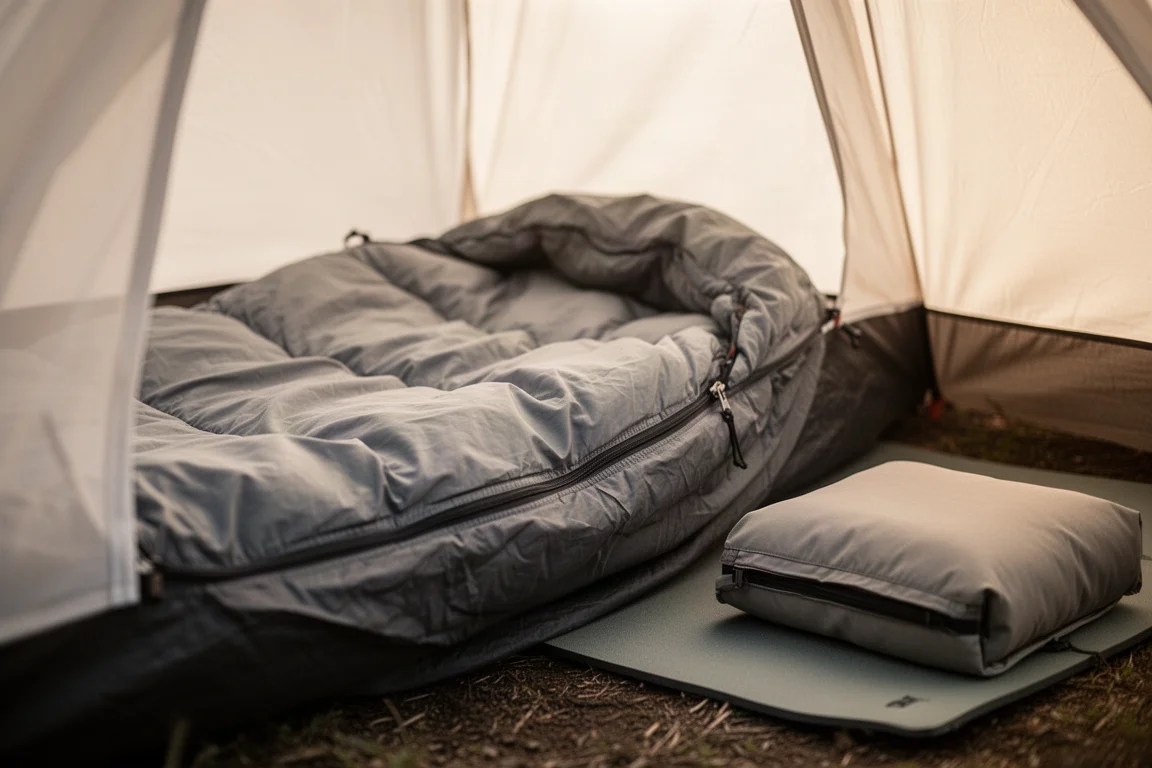
The details are thoughtful for the price. The zipper is backed by a draft tube that keeps cold air from leaking through, and the interior lining feels soft against the skin. As a car camping bag or a sleepover bag, it is comfortable and easy to live with.
For backpacking, the price and the packed size make it a harder case, especially since there are more options in this range.
Best Value Sleeping Bag: Boru Sleeping Bag
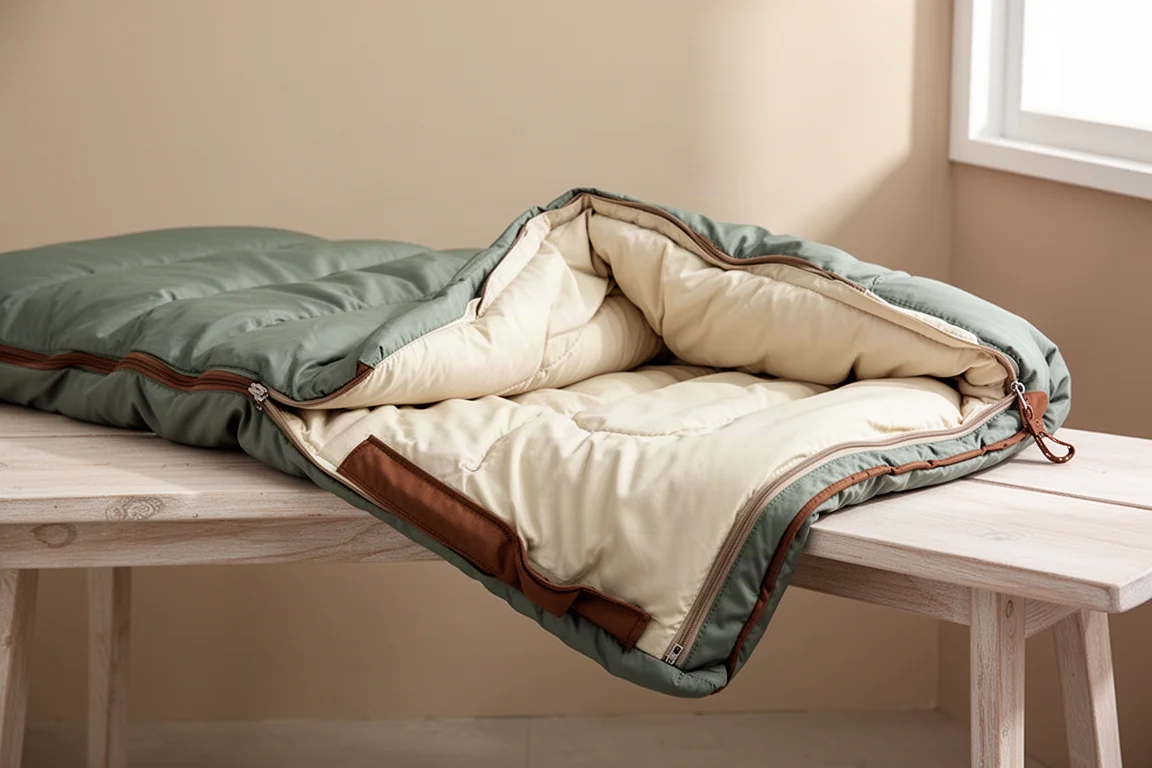
The Boru Sleeping Bag is the value story of the group. It costs around $26 and it is unusually long, close to 8 feet, so taller sleepers fit without their feet pressing into the end of the bag. The zipper runs smoothly and the fabric has a simple, unbroken feel.
On a night that stayed around 65°F it was comfortable, and it works well used as a blanket rather than a full bag. It is a warm-weather bag, though: a night near 50°F would be a stretch. The length that makes it comfortable also means it takes up more room in a pack than the price suggests.
For summer camping, sleepovers, or a spare bag that lives in the car, it covers the basics for very little money.
Buying Advice: What a Small Budget Actually Buys
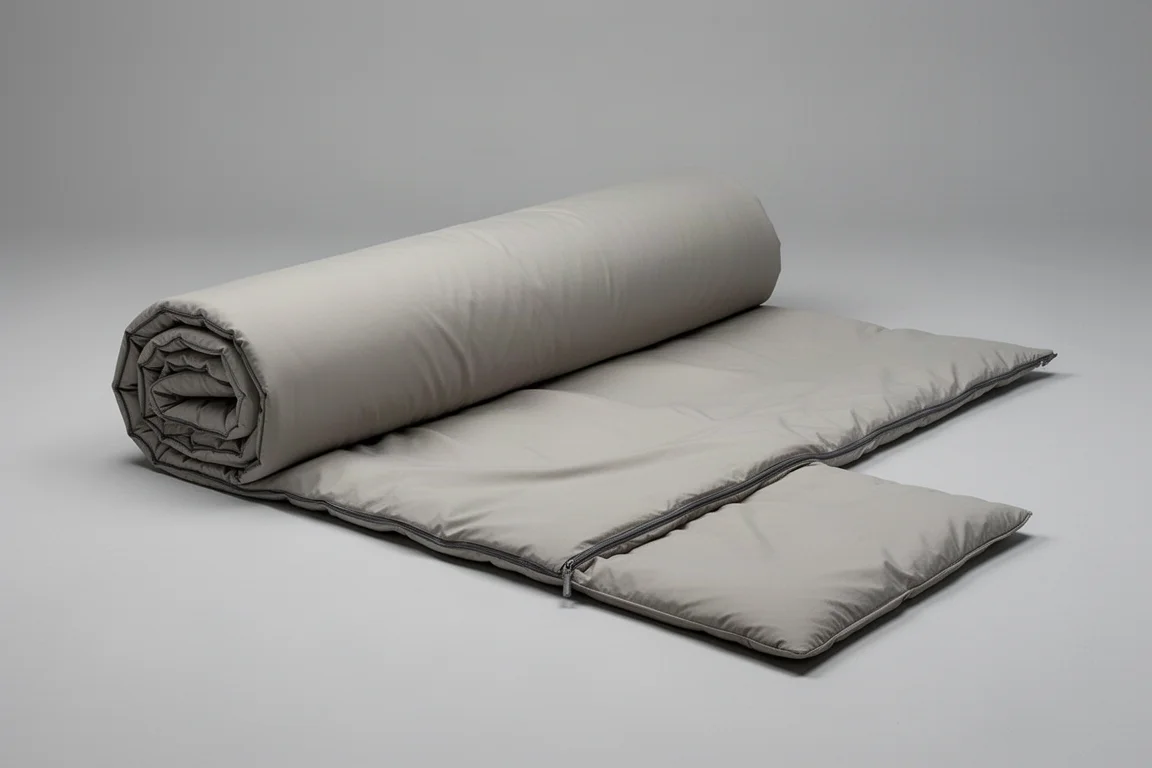
The most useful takeaway from the comparison is that the three items that worked best came in under $100 combined: a one-person tent at around $32, a long-wide sleeping pad at about $31, and a warm-weather sleeping bag at around $26. That is a complete, usable summer setup for less than the price of many single premium items.
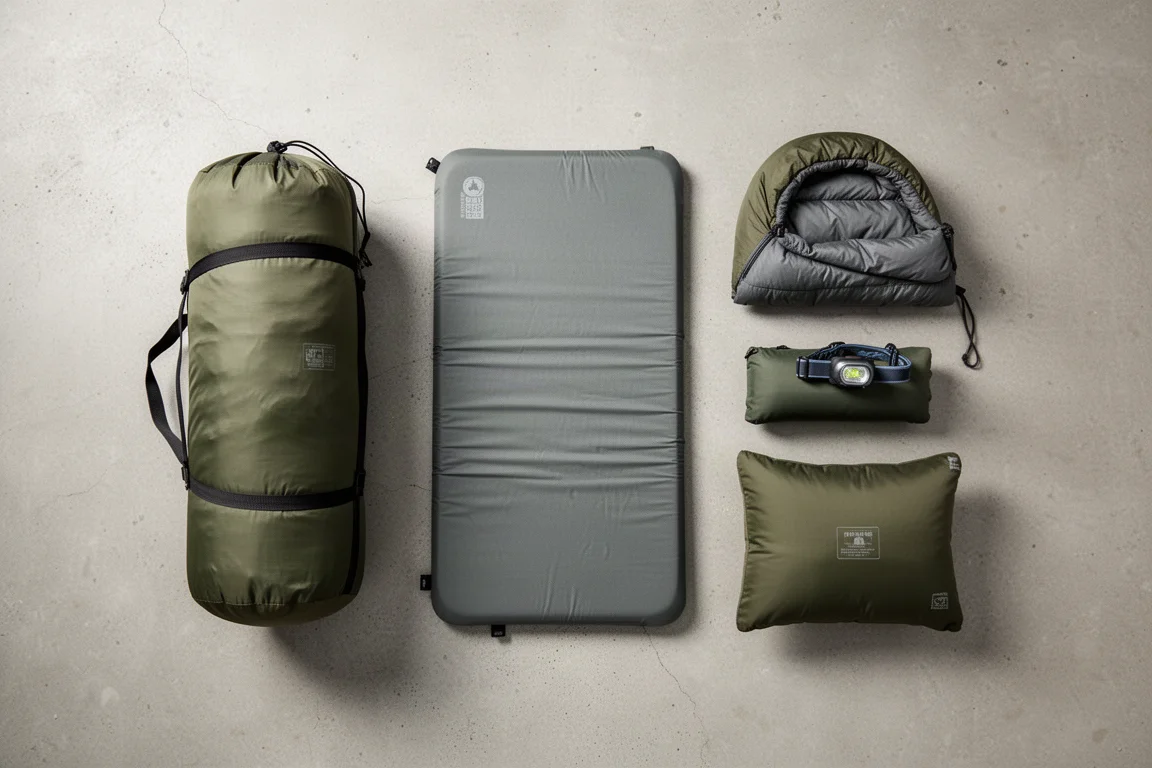
The trade-offs are consistent across the group. Materials are basic, zippers and floors feel less refined than premium gear, and the insulation ratings are designed for mild weather. None of it is built for cold nights or long expeditions. What it is built for is warm-weather car camping, kayak trips, festival weekends, and sleepovers, where a low entry price matters more than a decade of hard use.
Matching gear to conditions matters more than the label on it. A 1.5 R value pad and a 35°F sleeping bag are excellent on a mild night and inadequate on a cold one, and knowing that in advance is what keeps a cheap kit from turning into a miserable one.
Conclusion
The budget kit delivered more than its price suggested. The Ozark Trail 1-Person Backpacking Tent is the packable solo option, the Ozark Trail 2-Person Hiker Tent adds vestibules and a stargazer rainfly for a modest increase, the Ozark Trail Deluxe Camp Pad is thick and comfortable at a long-wide size, and the two sleeping bags cover warm-weather nights at around $65 and around $26.
For anyone building a first kit for summer trips, this is a practical starting point that leaves room in the budget for a pillow, a headlamp, and a stove.
Further reading
Related Reviews
Camping Gear
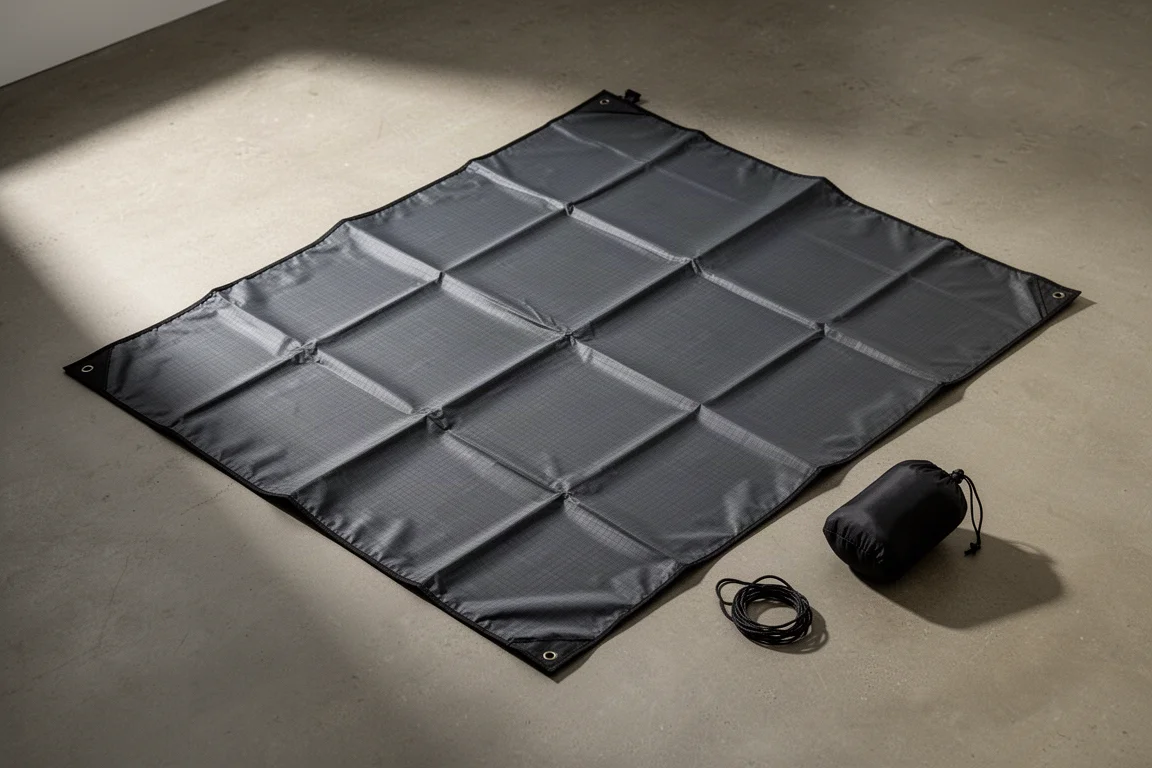
3FUL Ultralight Ground Sheet Review: A Two-Person Footprint Worth Packing
A 6.7 oz two-person ground sheet in ripstop silnylon, priced around $30. Here is what it protects, what it does not do, and who should pack it.
Camping Gear
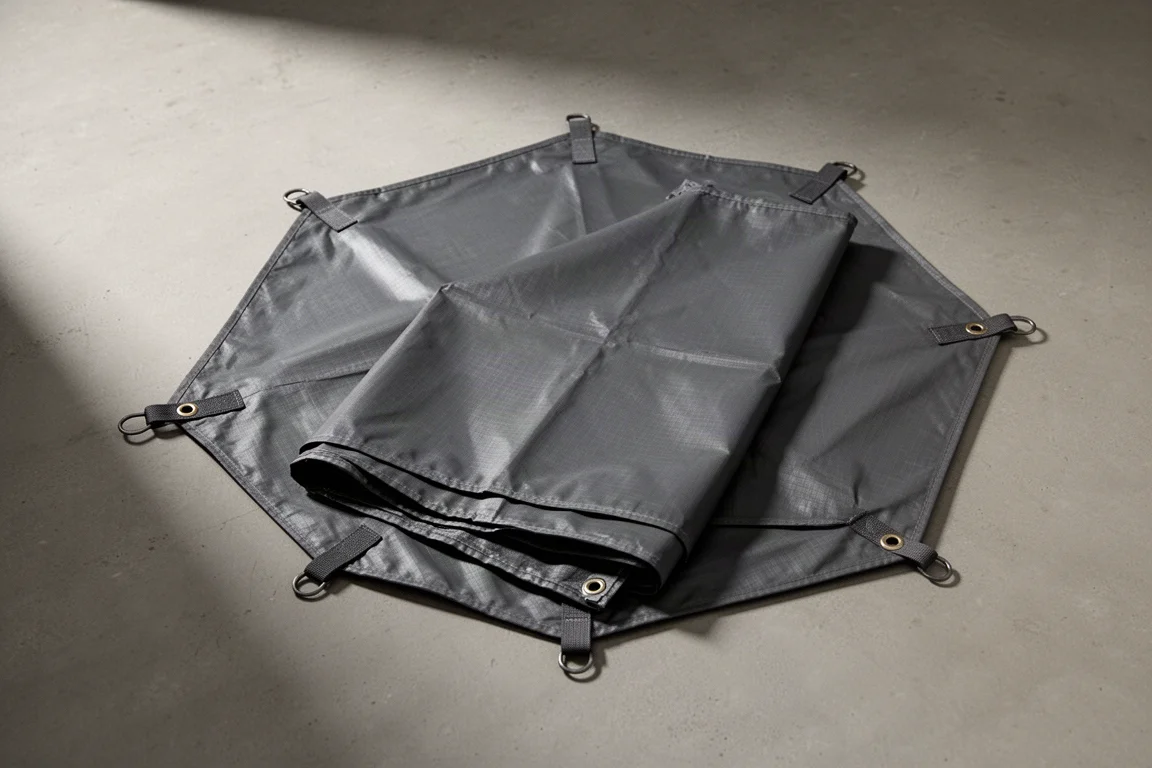
Backcountry Light Dual-Function Tarp and Floor Review: A Footprint First
A dual-purpose tent floor and tarp that keeps falling rain off you, but cannot block wind. Here is where it works and where it does not.
Camping Gear
Best 2-Person Camping Mattresses for Couples: 10 Options Compared
A practical comparison of ten two-person camping mattresses, covering self-inflating pads, air pads and air mattresses for couples.