Camping Gear
Budget Camping Gear Tested: What Is Actually Worth Paying More For
A night out with the cheapest camping gear available, from a £59 tent to a second-hand down bag, and an honest look at which compromises actually matter.
Introduction
Cheap camping gear has a reputation problem. The assumption is that a budget tent, a basic sleeping mat and a supermarket stove add up to a cold, miserable night, and that anyone who camps regularly needs to spend serious money to enjoy it.
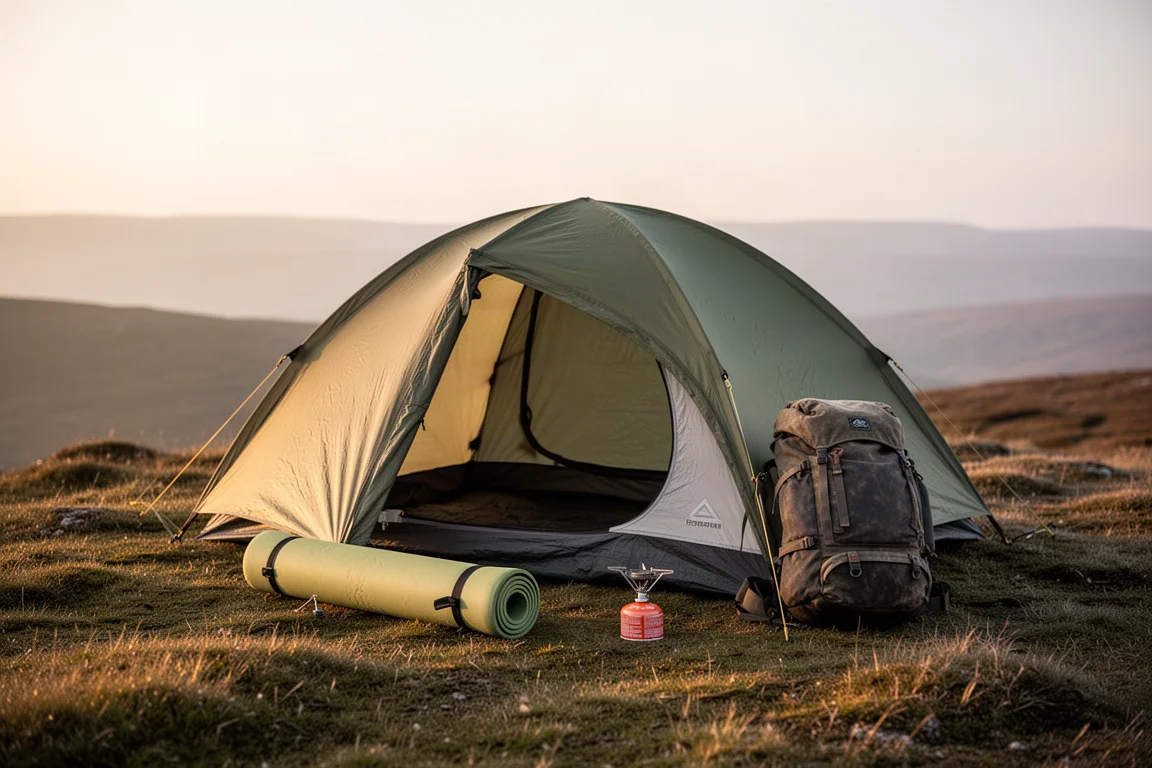
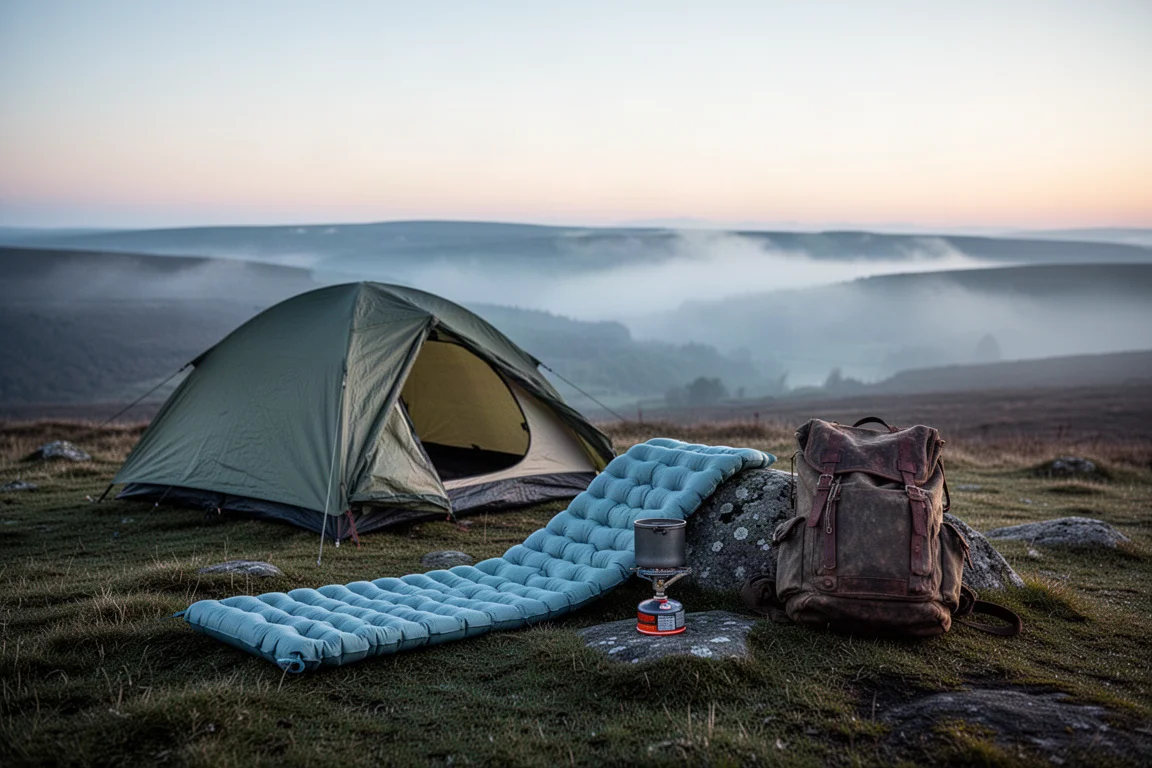
To test that assumption, a full kit was assembled from the cheapest gear available: a one-person tent bought for £59, a ten-year-old second-hand backpack, a basic self-inflating mat, a second-hand down sleeping bag and a £7 gas canister stove. The camp was modest, roughly an hour’s walk from the road on a mild, still evening. The question was simple. Would the night be fun, comfortable and safe, and where would the compromises actually show up?
How to Judge Budget Camping Gear
Five things matter when you are deciding where to spend and where to save: comfort, weather capability, weight, durability and the cost of replacing something when it wears out. Budget gear usually gives up ground on two or three of these, and the trick is working out which ones you can live with for the kind of camping you actually do.
Price and performance do not scale in a straight line. Spending more generally buys better materials, tidier manufacturing and more confidence when the weather turns, but the curve flattens quickly. A tent costing ten times more is not ten times better, and the last few hundred grams of pack weight can cost hundreds of pounds.
That is the framework worth keeping in mind for everything below: match each item to the conditions you camp in, and spend where the compromise would follow you to bed every night.
Bobcat 1 Tent: Tough, Light, and Tight Inside
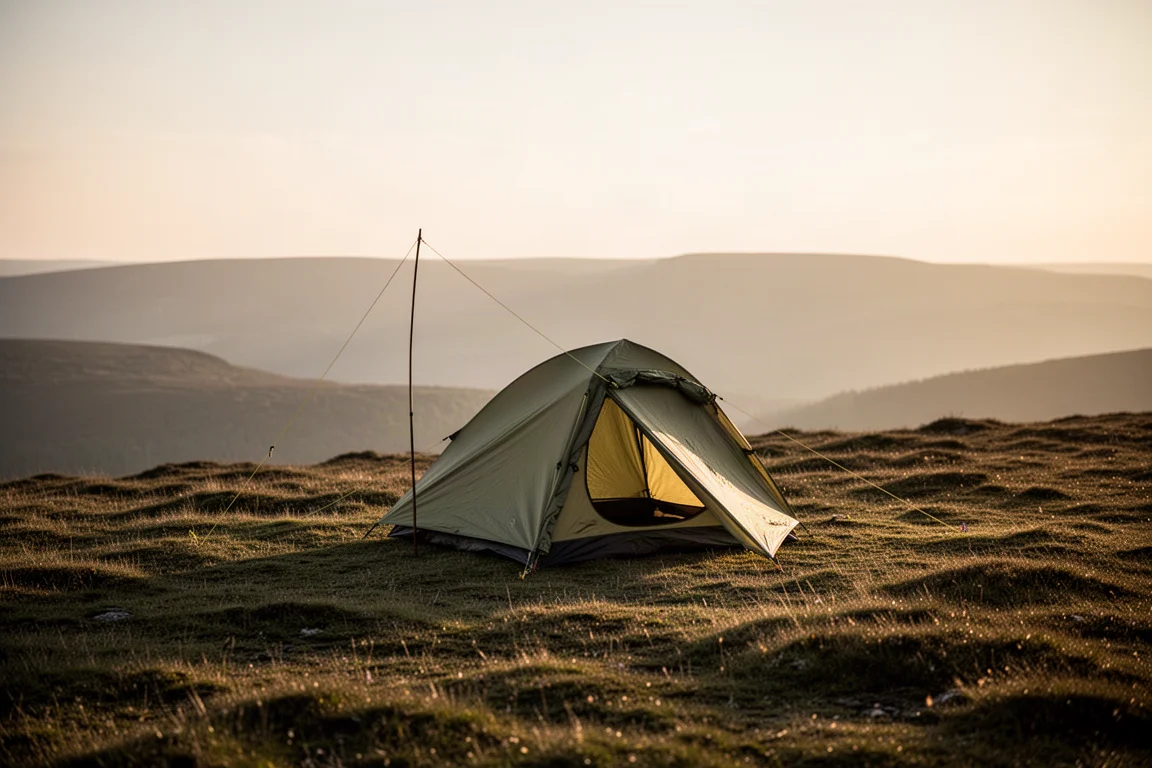
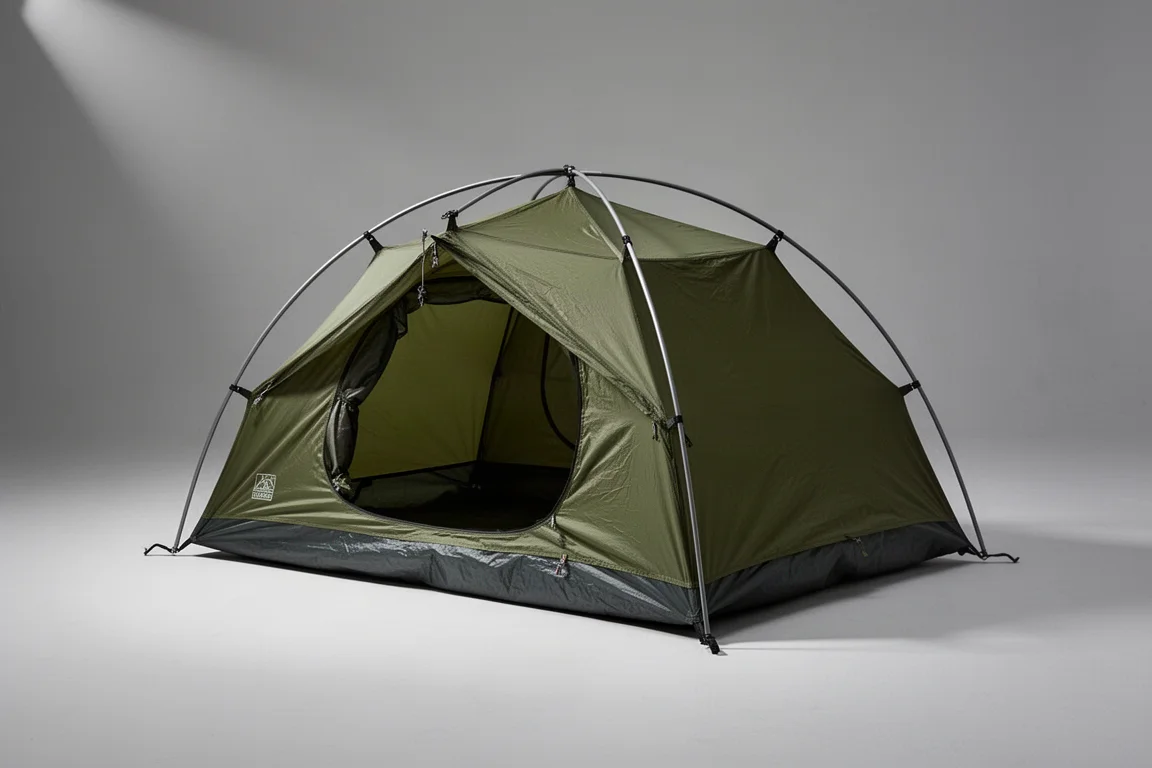
The Bobcat 1 was bought new for £59 a couple of years ago, and the same tent now sits around £110 in sale pricing. It uses a single-pole design that pitches quickly and weighs roughly 2 kg. The pole flexes in the wind rather than fighting it, which makes the tent surprisingly stable for the money.
The pegs are standard shepherd’s hooks. They are not good, but they are no worse than the pegs supplied with plenty of expensive tents, and they hold well enough in soft ground. Inside, the inner tent attaches with small plastic hooks that have to be clipped in every time the tent is pitched. The materials are clearly a step below a premium tent, which is fair given that this one costs roughly a tenth as much.
The real weakness is space. The porch is reasonably generous, but with the inner zipped shut there is only room to lie down. That is a design decision rather than a price one. A two-person tent in a similar price bracket adds bulk and weight but gives you somewhere to sit, dress and eat out of the weather.
Durability is the other trade-off. Polyester coatings degrade over time and taped seams can start to delaminate after a few years, so a three or four year lifespan is realistic. At this price, replacing it is not a disaster.
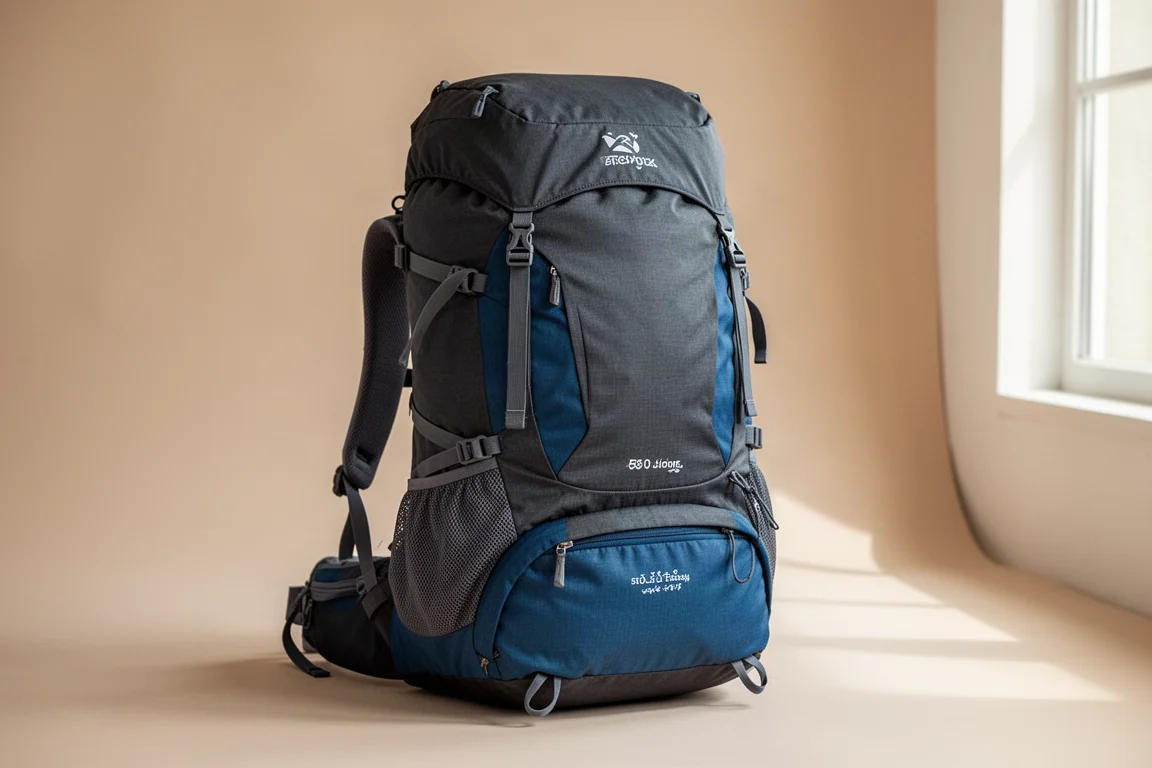
Vango Contour 50+10: A Ten-Year-Old Budget Pack
The Vango Contour 50+10 was bought second hand for around £25 and has been in use for more than ten years. It needed one small stitching repair on a shoulder strap along the way, and it is still going. The main compartment holds 50 litres, with another 10 litres in the top pocket, plus bottle pockets and a rear stash pocket.
The adjustable torso length is the feature that makes it work. It lets you dial the harness in properly, and it means the pack can be handed to someone else and adjusted to fit them. The padded hip belt carries weight comfortably over a long day.
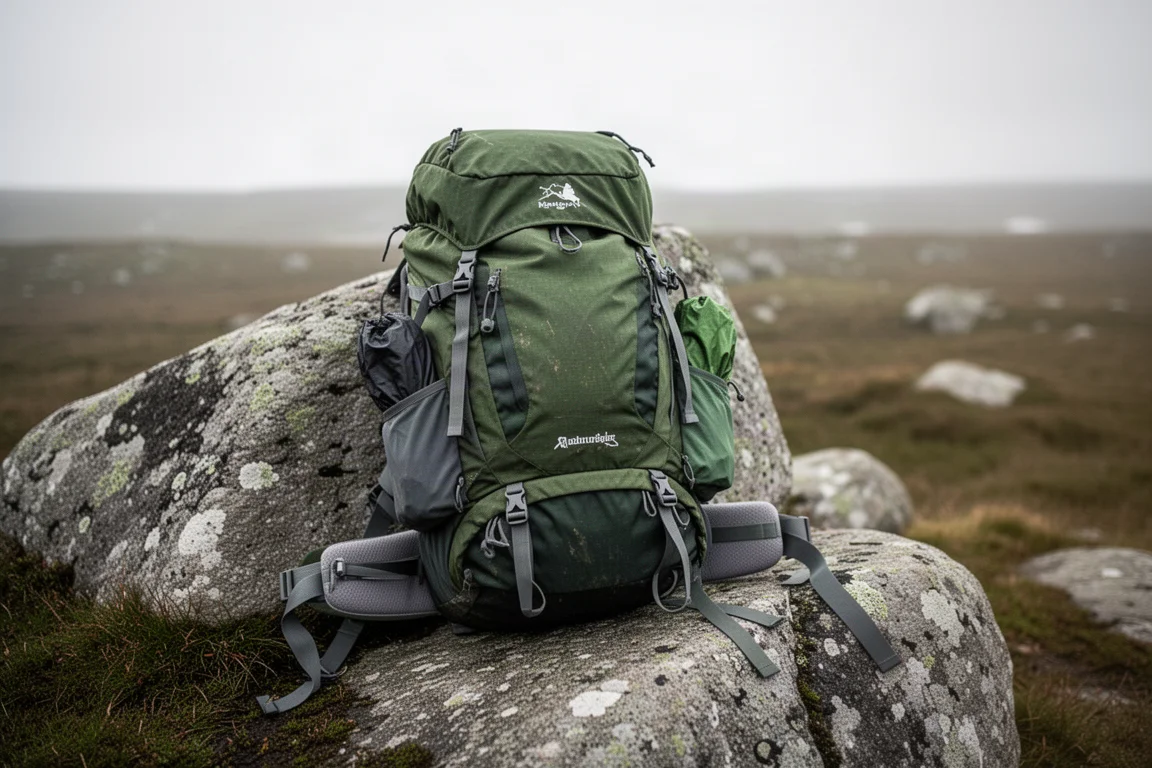
The external pockets are the weak point. The bottle pockets are tight enough that a large bottle is a struggle, the rear pocket is equally snug, and there is no bungee cord to ram a jacket into. The sleeping bag compartment at the base went unused in favour of simply packing everything into the main body.
The pack is not waterproof on its own, but it comes with a rain cover. That is worth noting, because some premium packs are sold without one and expect you to buy a cover separately.
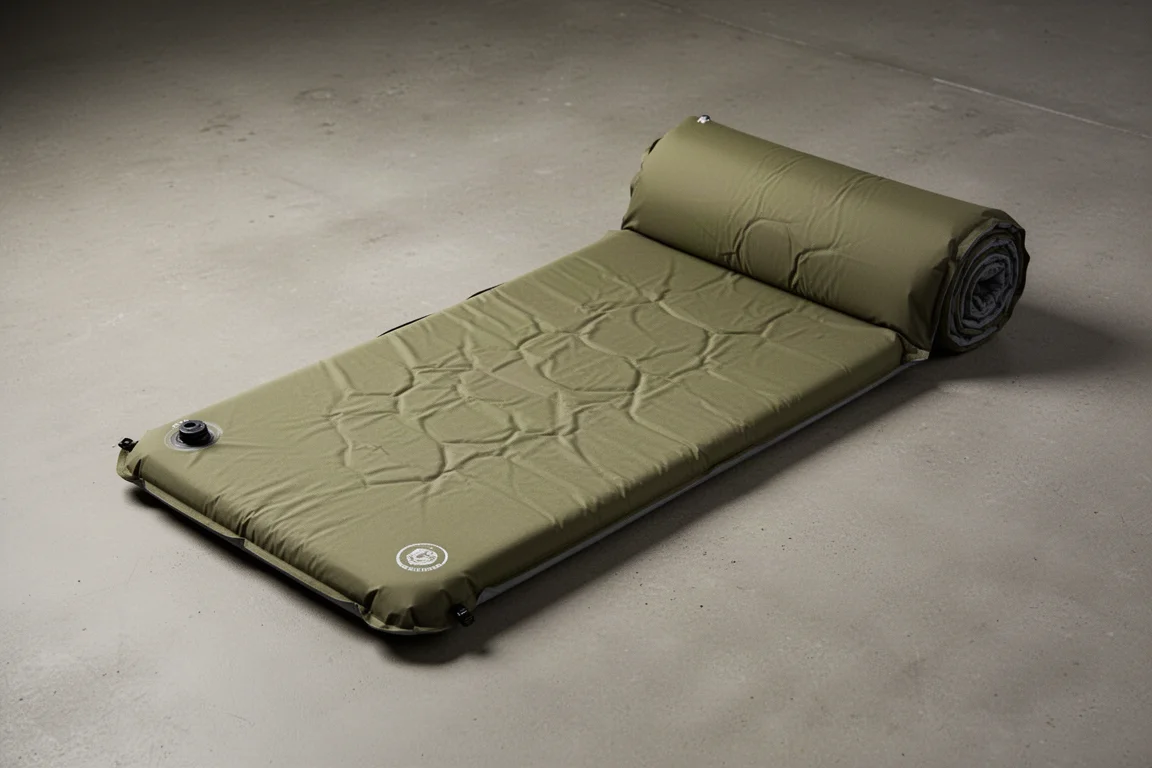
Eurohike Camper Mat: The Item Worth Skipping
The Eurohike Camper Mat is a self-inflating mat in torso length, and it is thin, roughly 2 to 3 cm of foam and fabric. Like most self-inflating mats, it never really inflates itself, so you top it up by mouth.
As insulation it did its job. The ground was cold and the mat kept that cold away, and warmth was never the problem. Comfort was. The mat produced the worst night’s sleep in a long time, and anyone who sleeps on their side will feel the lack of cushioning even more. A mat with at least 5 cm of padding is the sensible minimum, and that is the one upgrade worth making before anything else.
Eurohike Down 500: A Second-Hand Sleeping Bag That Delivered
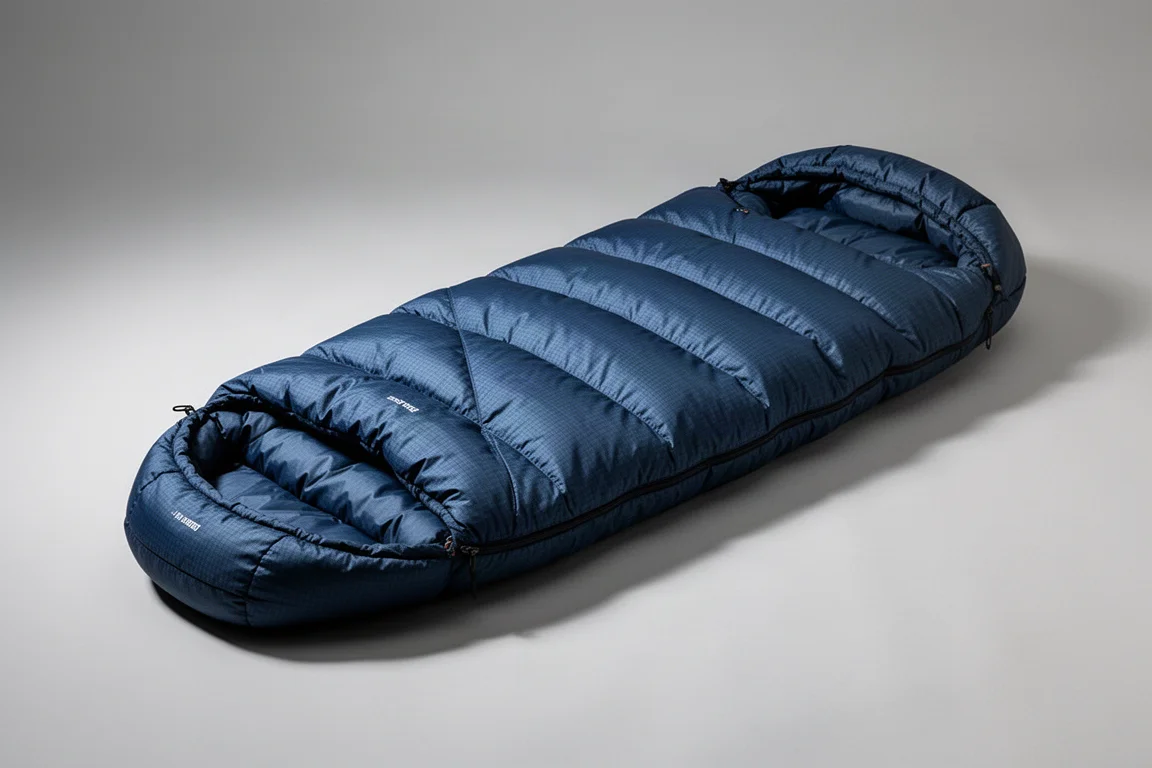
The Eurohike Down 500 was the first down bag owned, picked up second hand for somewhere between £25 and £30. It carries a claimed comfort rating of -4, though it has clearly led a hard life: the loft is modest and a few feathers escape in use.
It was used fully unzipped as a quilt rather than as a bag, which is a more flexible way to sleep and makes it easy to roll over or stick an arm out. On a mild night it was genuinely warm.
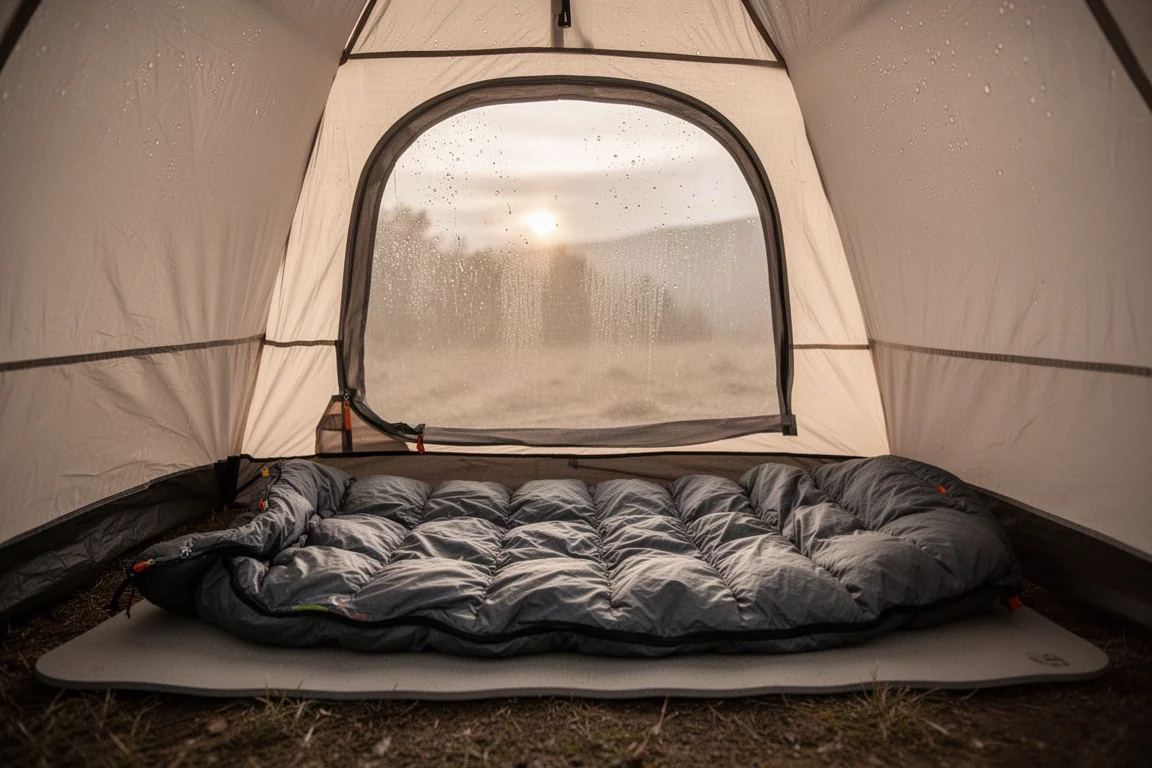
Cheaper bags make their savings in the details. There is no hydrophobic down treatment and no high fill power, the shell fabric is basic, and the construction is simple. A more expensive bag brings a more weather-resistant shell, better zips, a draft collar and a baffled construction that reduces cold spots.
Second-hand gear deserves more attention than it gets. It is a low-risk way to try a piece of kit, and if it does not suit you it can usually be sold on for close to what you paid. Check the stitching, the zip and the loft before you buy.
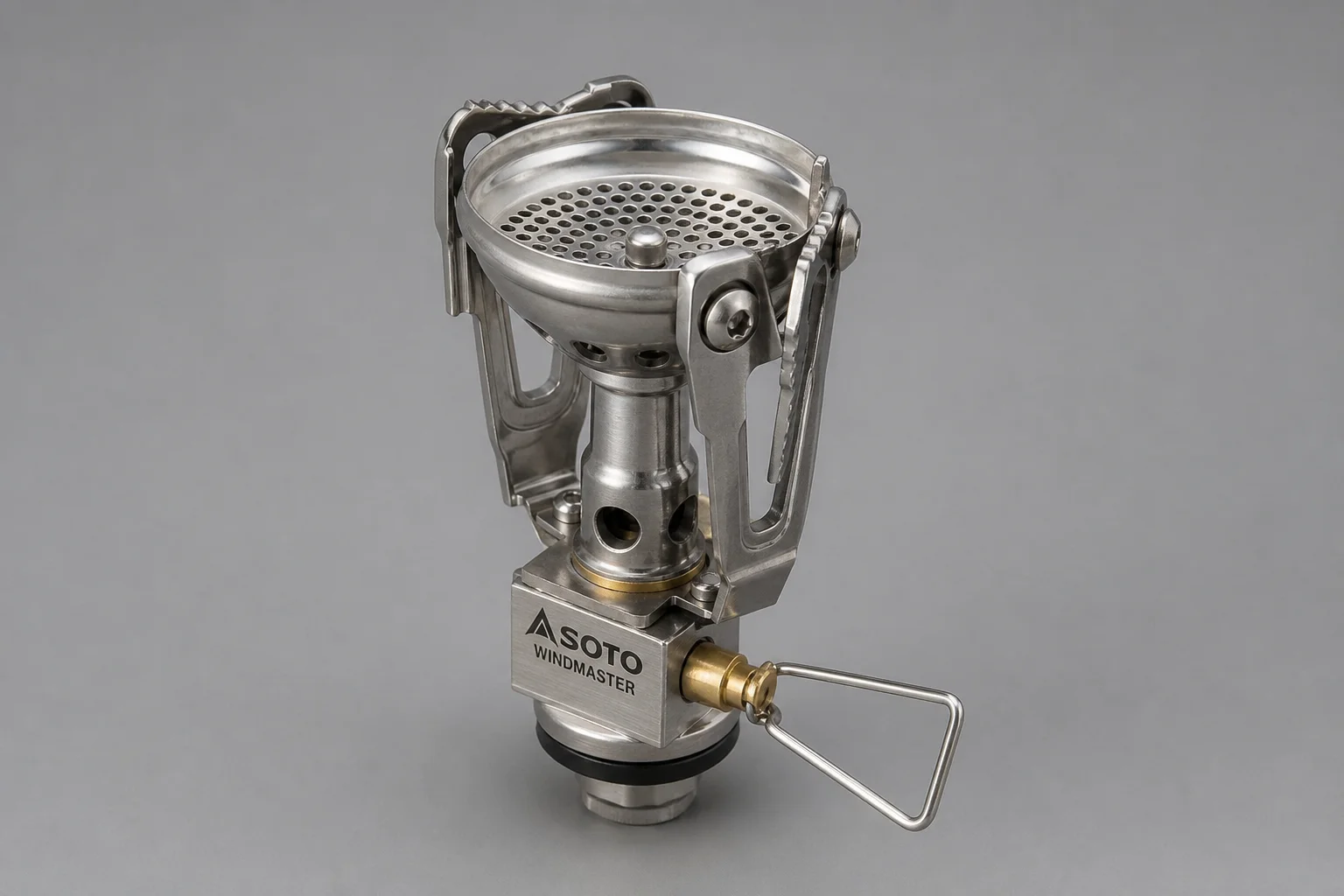
Soto WindMaster: The Upgrade That Makes Sense
A basic gas canister stove costing around £7 boiled water for coffee without complaint, and on a mild, still evening there was nothing to fight against. It has no pressure regulator and is less efficient than better stoves, so it is a three-season tool at best, but for occasional trips it is hard to argue with. The igniter is usually the first part to fail on stoves like this, and that is just as true of expensive models.
The Soto WindMaster is the step up that makes sense for anyone who wants a gas stove for most of the year. It is a straightforward canister stove with better performance than the budget option, and it costs around £35 more. In the coldest conditions, canister gas loses performance whatever stove it is attached to.
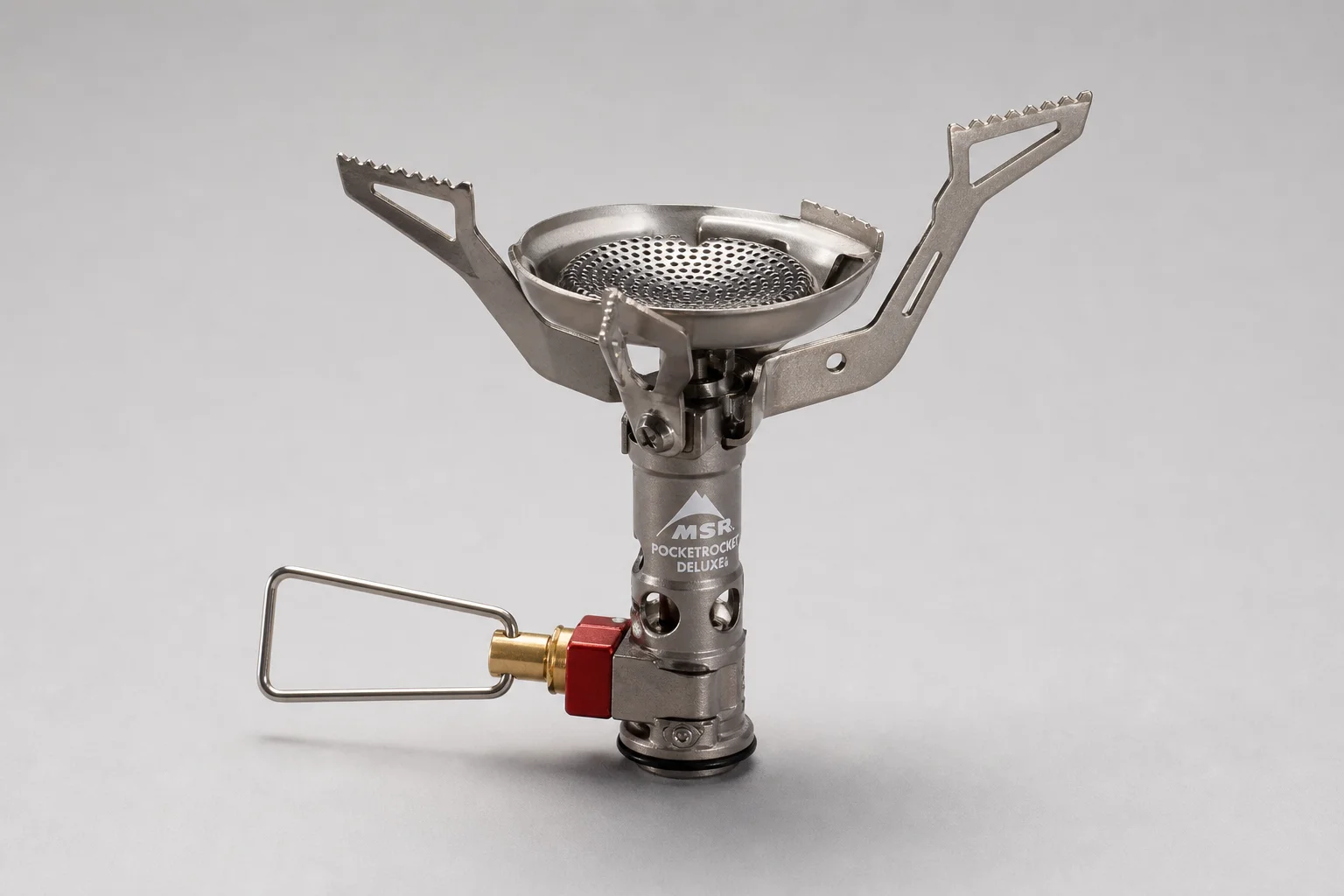
MSR Pocket Rocket Deluxe: Similar Performance, Better Folding Legs
The MSR Pocket Rocket Deluxe is almost identical in performance to the WindMaster. The difference that stands out is the way the legs fold, which is neater in the hand. It also costs around £30 to £40 more than the WindMaster.
Where Budget Gear Makes Sense and Where It Does Not
There is a point where extra spending stops buying meaningful performance. Tents costing ten times more than the Bobcat 1 are not ten times better. A top-end four-season tent brings stronger materials, more interior room and real confidence in bad weather, but pack size can end up similar and condensation is a fact of life in both.
Weight is where the maths gets hardest to justify. Shaving the last few hundred grams can cost hundreds of pounds, and most walkers will not notice the difference on a hundred-mile route. If the starting kit is heavy there is plenty of cheap weight to remove, but the returns shrink fast once the basics are sorted.
The sleeping pad is the exception. It is the one item that has to work every night, in every season, and the gap between a thin self-inflating mat and a properly cushioned one is the difference between a good night and a bad one. Cookware is the opposite case. Titanium is expensive for what it does, it is poor at anything other than boiling water because it heats too fast to control, and a cheap anodised aluminium pot weighs very little more.
Second-hand gear is the other lever worth pulling. It is the cheapest way to test whether a piece of kit suits you, and it holds its value well enough to sell on if it does not.
Conclusion
The verdict from a night in budget gear is more encouraging than the price tags suggest. With no midges and a comfortable sleeping pad, it would have been as good a night as any. The backpack, tent, stove and sleeping bag all did their jobs in decent weather, and nothing about them felt like a compromise once the tent was up.
The gear that let the side down was the mat, and it was also the cheapest item in the kit. Spend there, save everywhere else, and match the rest of your kit to the conditions you actually camp in.
Further reading
Related Reviews
Camping Gear
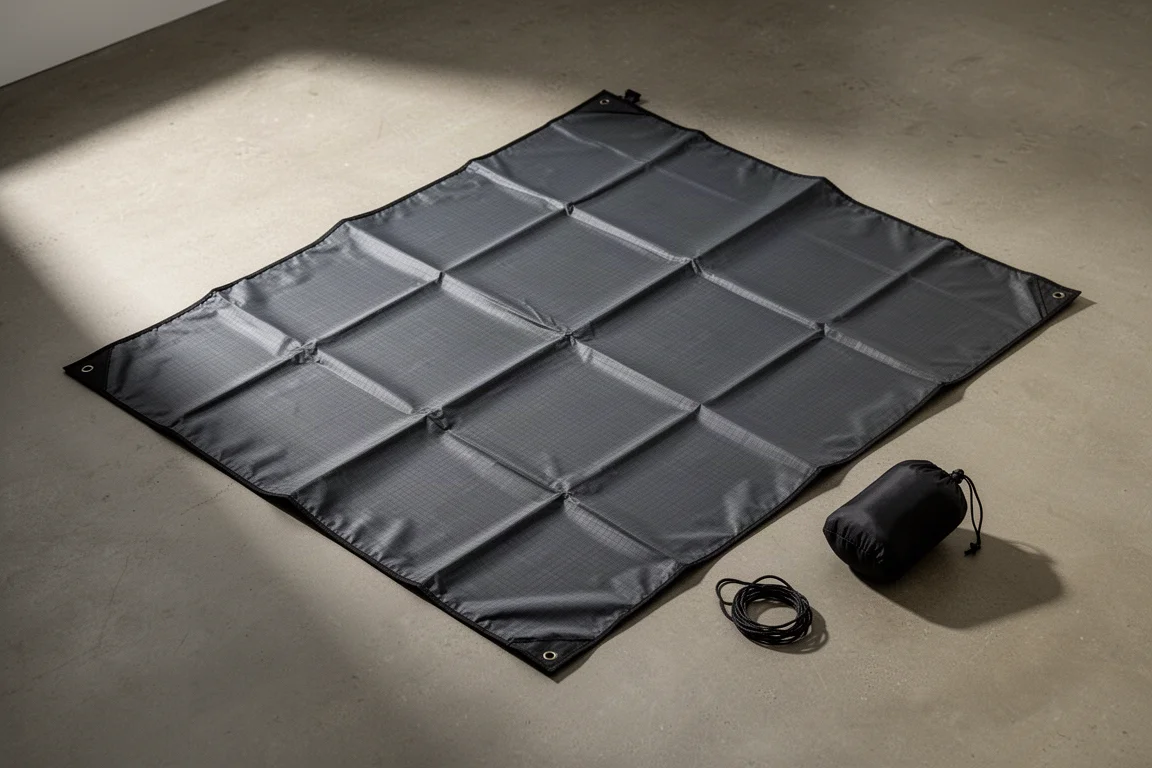
3FUL Ultralight Ground Sheet Review: A Two-Person Footprint Worth Packing
A 6.7 oz two-person ground sheet in ripstop silnylon, priced around $30. Here is what it protects, what it does not do, and who should pack it.
Camping Gear
Backcountry Light Dual-Function Tarp and Floor Review: A Footprint First
A dual-purpose tent floor and tarp that keeps falling rain off you, but cannot block wind. Here is where it works and where it does not.
Camping Gear
Best 2-Person Camping Mattresses for Couples: 10 Options Compared
A practical comparison of ten two-person camping mattresses, covering self-inflating pads, air pads and air mattresses for couples.