Camping Gear
Budget Camping Gear Guide: 14 Money-Saving Picks for Cost-Conscious Campers
A practical guide to cutting the cost of tents, sleeping pads, bags, stoves and insulation without giving up warmth or weather protection.
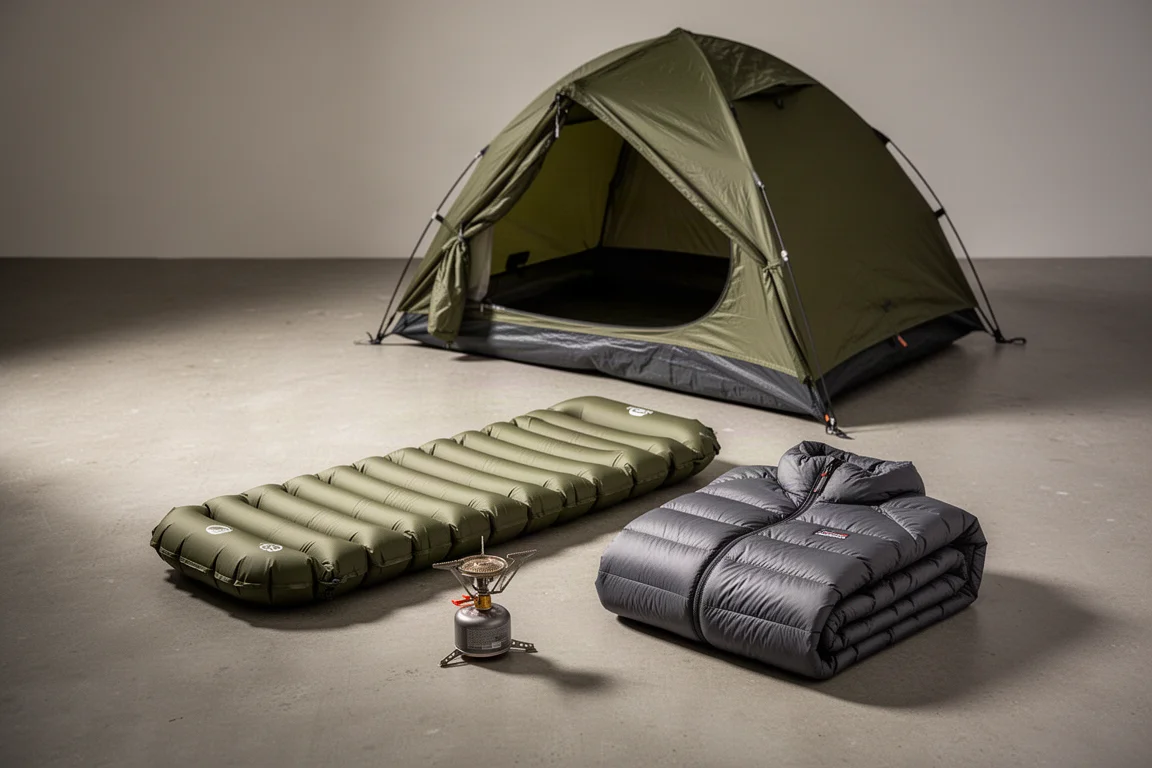
Introduction
Camping is often described as a cheap and cheerful way to spend a weekend. That description is getting harder to defend. Tents, stoves, sleeping bags and backpacks have all climbed in price, and the lightweight end of the market has become genuinely expensive.
The clearest example is the top of the range expedition tent. One such model cost around £560 a few years ago and now lists at around £865. There is nothing wrong with shelters at that level. They are superbly made and can be used in almost any conditions. The problem is that most people camping in mild summer weather simply do not need that much tent.
The good news is that the savings are real, and they do not require you to sleep cold or carry gear that fails. This guide covers 14 products and habits that consistently bring the cost of a camping kit down.
How to Save on Camping Gear Without Losing Comfort
The single biggest saving is refusing to buy capability you will never use. If your camping happens in summer, in mild weather, on lowland hills, you do not need an Arctic-ready shelter built to take snow loads and storm-force wind. A basic tent handles those conditions perfectly well.
Discount codes and seasonal promotions matter more than most people expect. Tent brands in particular run frequent offers on full price models, and a code applied at checkout can take a meaningful percentage off. Retailer membership cards are worth checking too. One UK outdoors chain charges around £5 for a 12-month card, and the same chain runs a price match promise that will beat a verified UK price by 10 percent.
Secondhand is the other large lever. Marketplaces and classified sites regularly list good quality gear at a fraction of retail, including one and two person tents and 60 litre backpacks in good condition for around £30. Asking prices are usually negotiable, so a listed £30 pack can often be had for £20 or £25.
Sleeping insulation is where clever combinations pay off. A cheaper inflatable pad without much insulation can be paired with a closed-cell foam mat underneath, which lifts the overall warmth considerably for very little money. Foam mats can cost as little as £5, and even branded versions are usually £15 to £20. The trade-off is bulk: the cheaper combination takes up more space, so plan on strapping it to the outside of your pack.
Stoves offer another easy saving. Dehydrated meals now cost over £10 in some cases, and supermarket noodles or packet pasta do the same job for a fraction of that. Reheating a home-cooked chilli is cheaper still, and you know exactly what is in it.
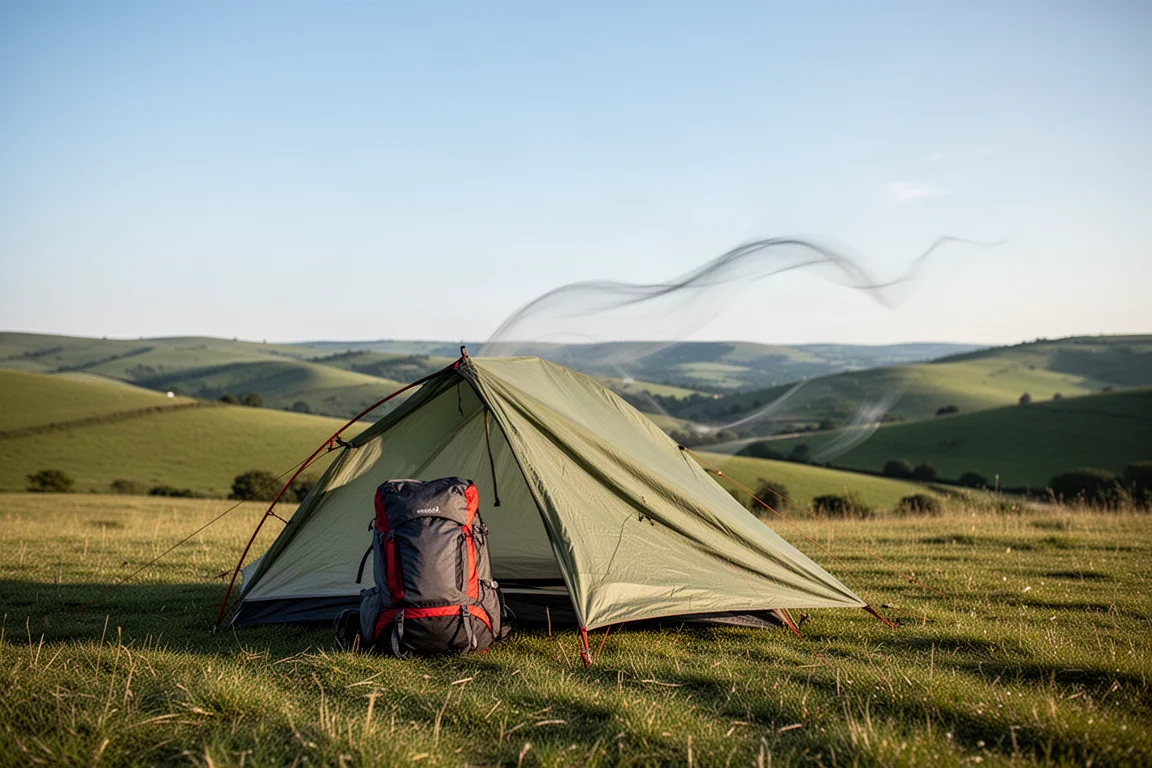
Best Value Tent: Wild Country Helm 1
Wild Country tents have built a reputation for holding up well beyond their price. The Helm 1 is the clearest example: it has stood firm in 50 mph winds alongside expedition tents that cost several times as much.
Promotions are frequent across the brand’s full price range, which makes it one of the better value routes into a genuinely weather-worthy one person tent. For three-season camping in exposed places, this is where the money is best spent.
Budget Tent Bargain: Raccoon 2
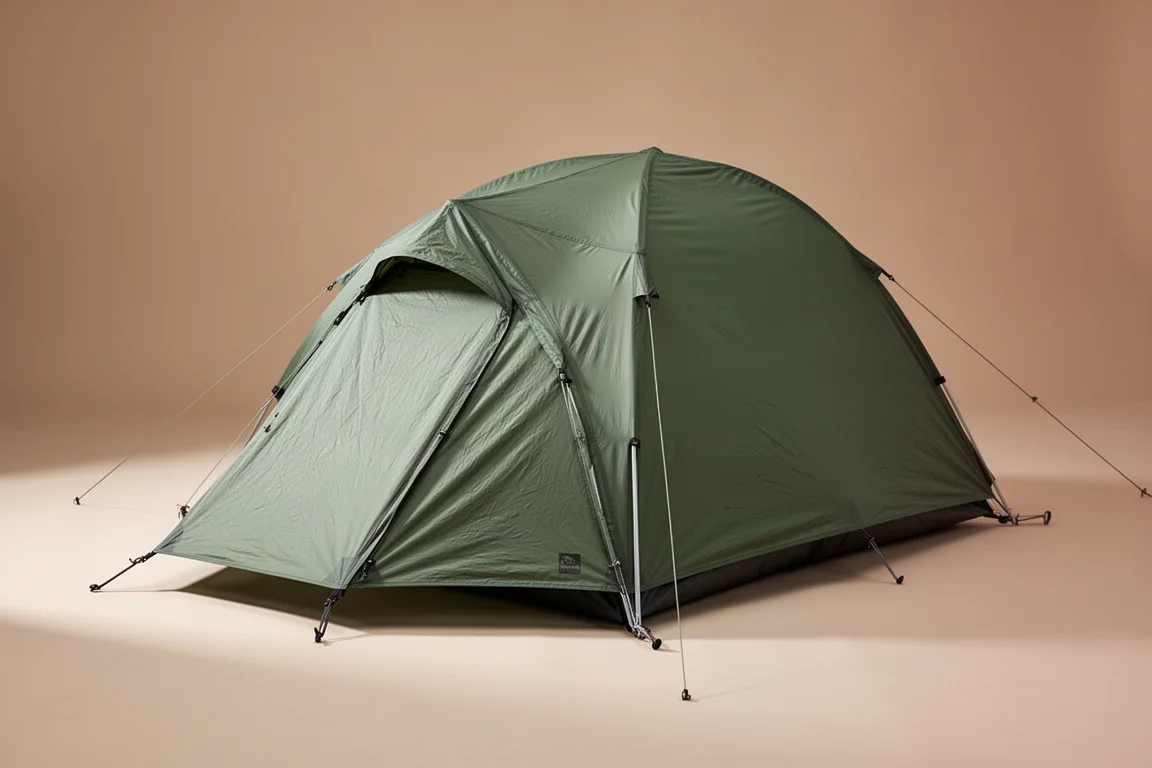
For occasional summer camping, the Raccoon 2 shows how far prices can fall. It has been listed at around £75, down from an original £280 at a UK outdoors retailer, and additional discount codes have taken it lower still.
At that price the calculation changes completely. A two person tent for less than the cost of a mid-range sleeping pad is a compromise most fair-weather campers will never notice.
When a Premium Tent Earns Its Price: Hilleberg Solo
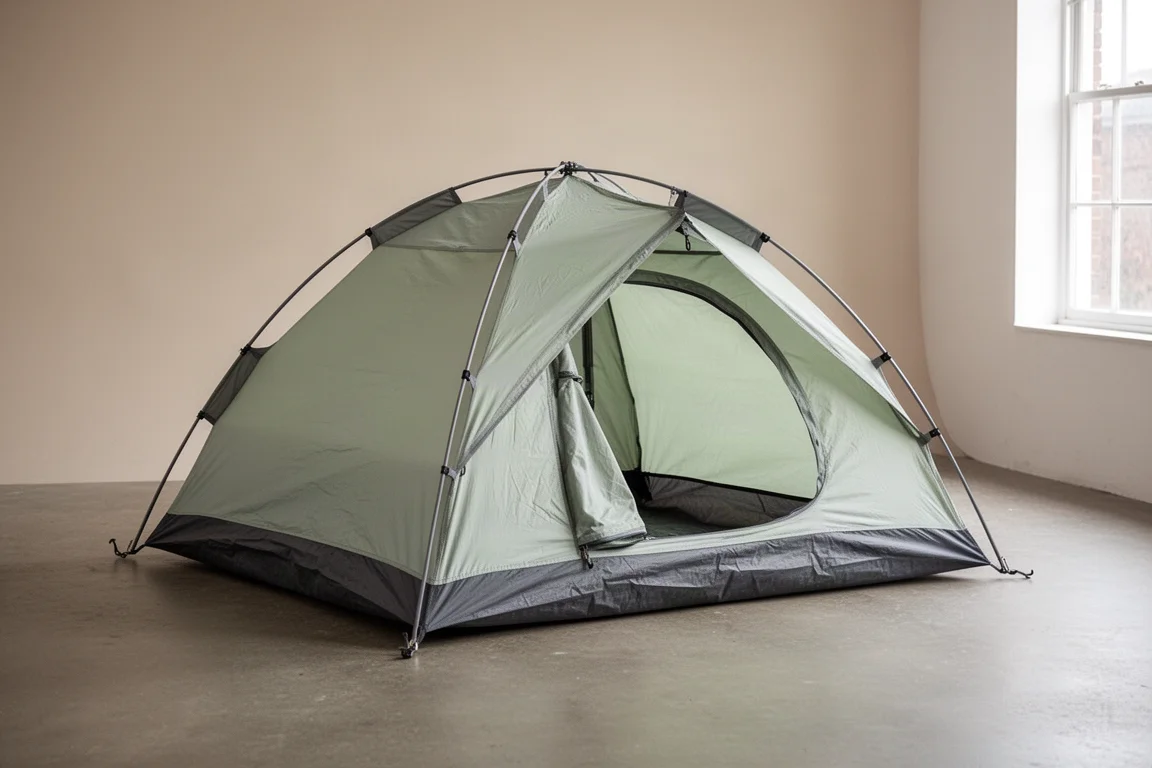
Expedition tents are not expensive by accident. The Hilleberg Solo is superbly made, uses top-tier materials, and can be used in pretty much any conditions. It cost around £560 new a few years ago and now lists at around £865.
That is a lot of tent for most trips. If your camping is seasonal and weather-dependent, the extra capability sits unused in the bag. It makes sense if you genuinely expect hard weather, long expeditions, or snow.
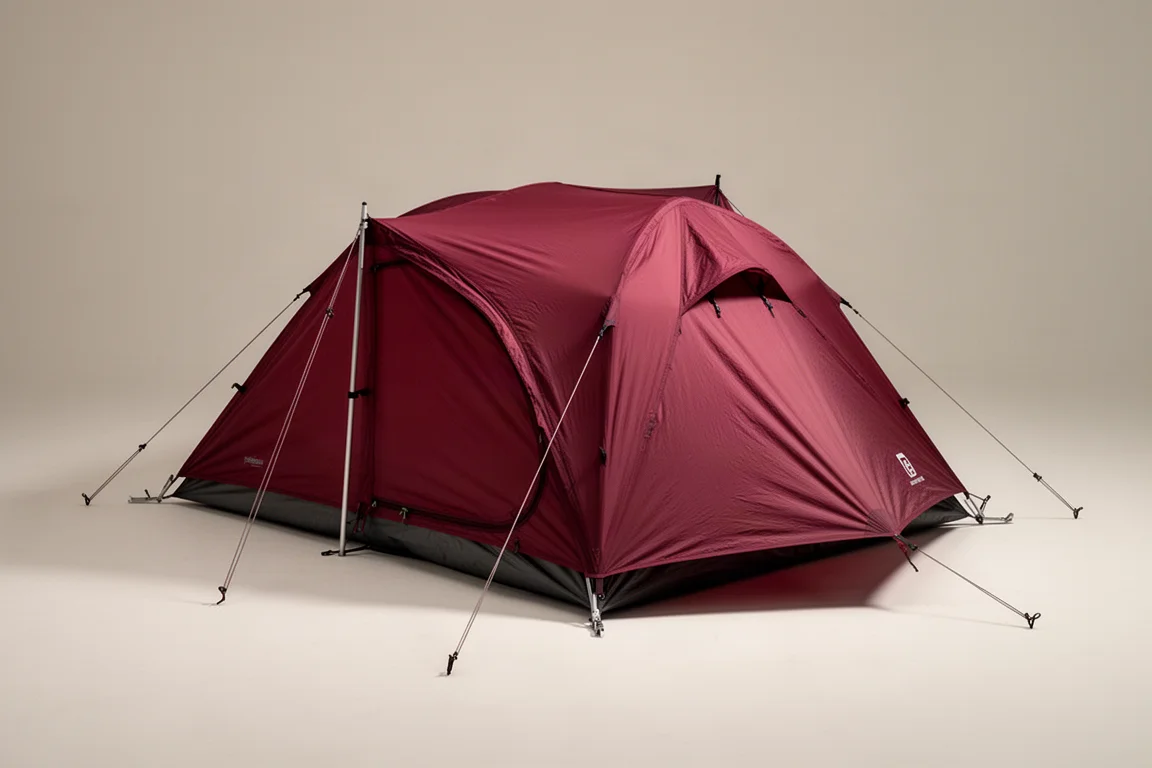
Sleeping Pad Value: Sea to Summit Comfort Plus
The Comfort Plus is a strong middle ground in the inflatable pad market. It lists at around £159, while the top of the range pads from other brands now run well past £200.
That price is not fixed. Some UK retailers operate a price match promise that beats a verified UK price by 10 percent, which has brought the Comfort Plus down to around £135, among the lowest prices available in the country. It is worth checking before paying list price.
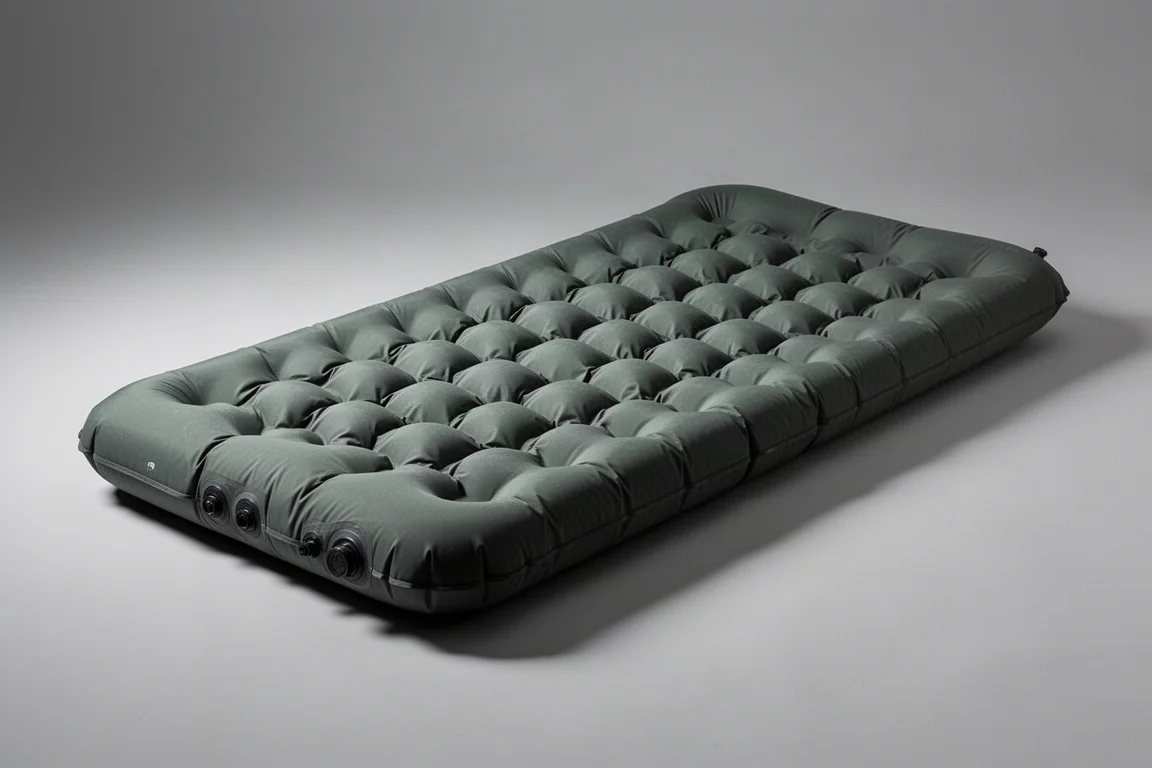
Sleeping Bags and Quilts: Rab Neutrino 600
The Neutrino 600 is a superb sleeping bag: well made, filled with treated moisture-resistant down, and rated to an EN-certified comfort figure of around -6°C. It costs around £340.
That is the premium end of the market, and the question worth asking is whether the extra spend buys anything you will actually feel. Here the answer is partly yes, in build quality and refinement, and partly no, because the warmth on offer is matched by bags that cost a good deal less.
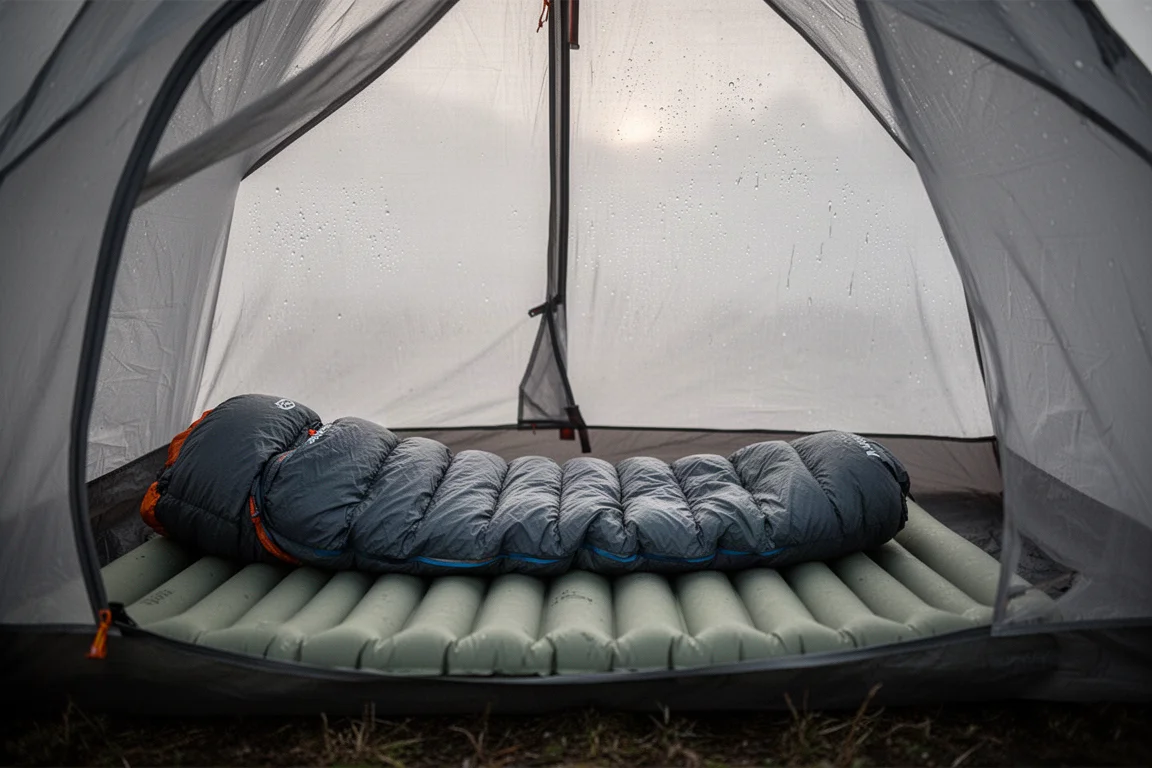
For most three-season camping, a comfort rating in this region is already more insulation than the conditions demand, which is why the cheaper alternatives below are worth a serious look.
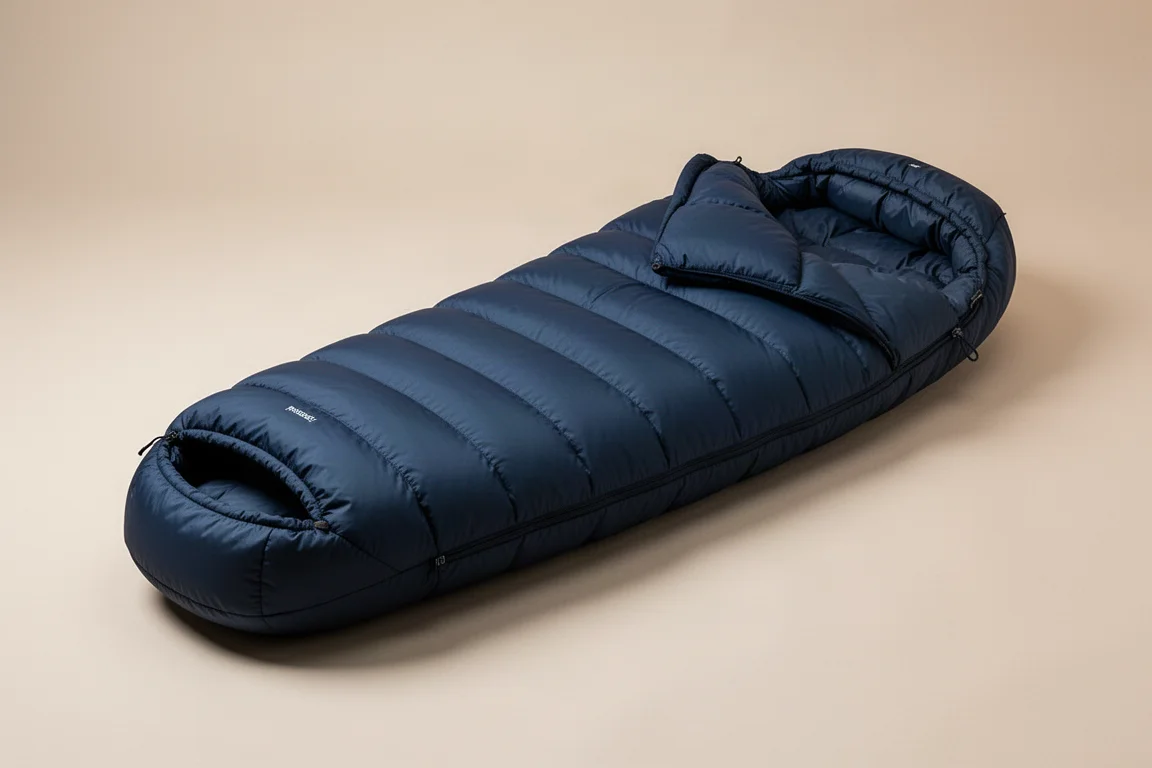
The Lighter, Cheaper Alternative: Alpkit Pipe Dream 400
The Pipe Dream 400 is the value counterpoint. It costs around £240, roughly £100 less than the Neutrino 600, and it actually weighs less. It carries an Alpkit comfort rating of -6°C and an EN rating of -4.2°C, so a 2°C gap in the certified figure for a £100 saving.
Like the Rab bag, it uses treated moisture-resistant down. Both are very good quality bags and both will do exactly the same job on a camping trip.
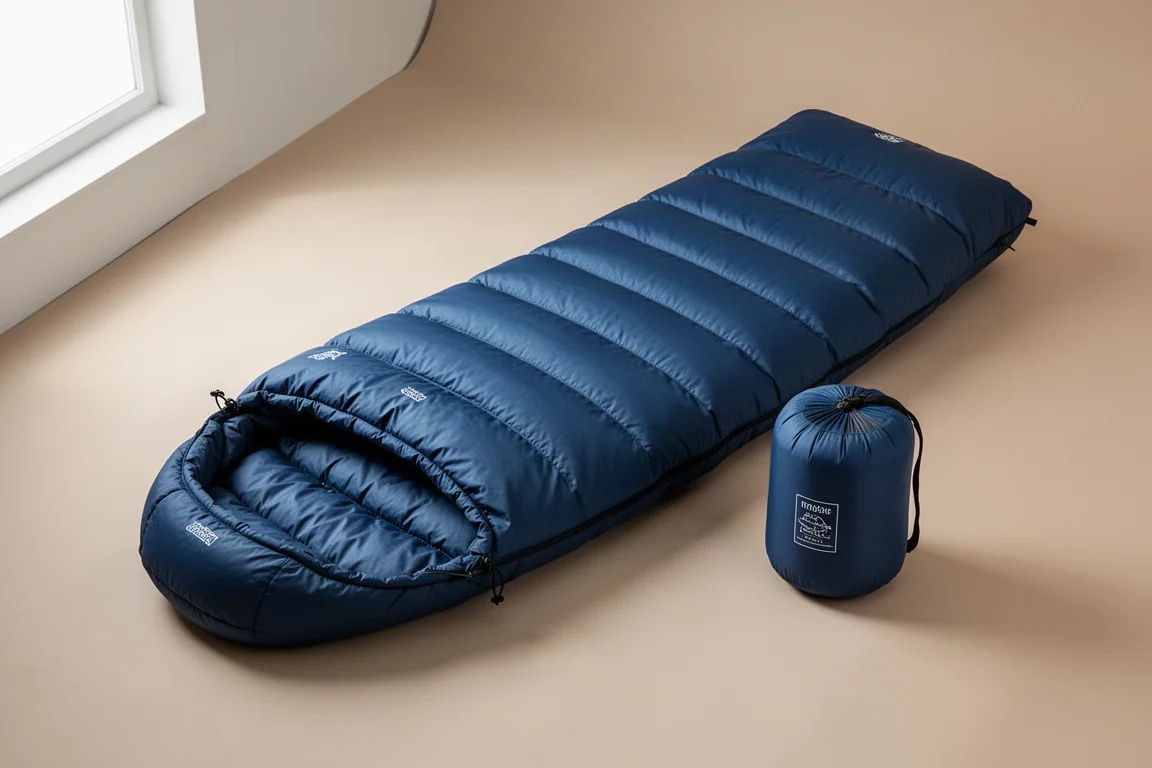
Ultralight Quilt Option: Therm-a-Rest Vesper
Quilts have become the fashionable choice, and the Vesper is a good example: around 500 g, 900 fill power down, and a price around £350. That is more than many equivalent sleeping bags, despite a quilt being simpler to manufacture.
There is a free workaround worth knowing. Any sleeping bag can be used as a quilt: unzip it fully and pull it over you. Many campers prefer that arrangement anyway, because it removes the restriction of being zipped in.
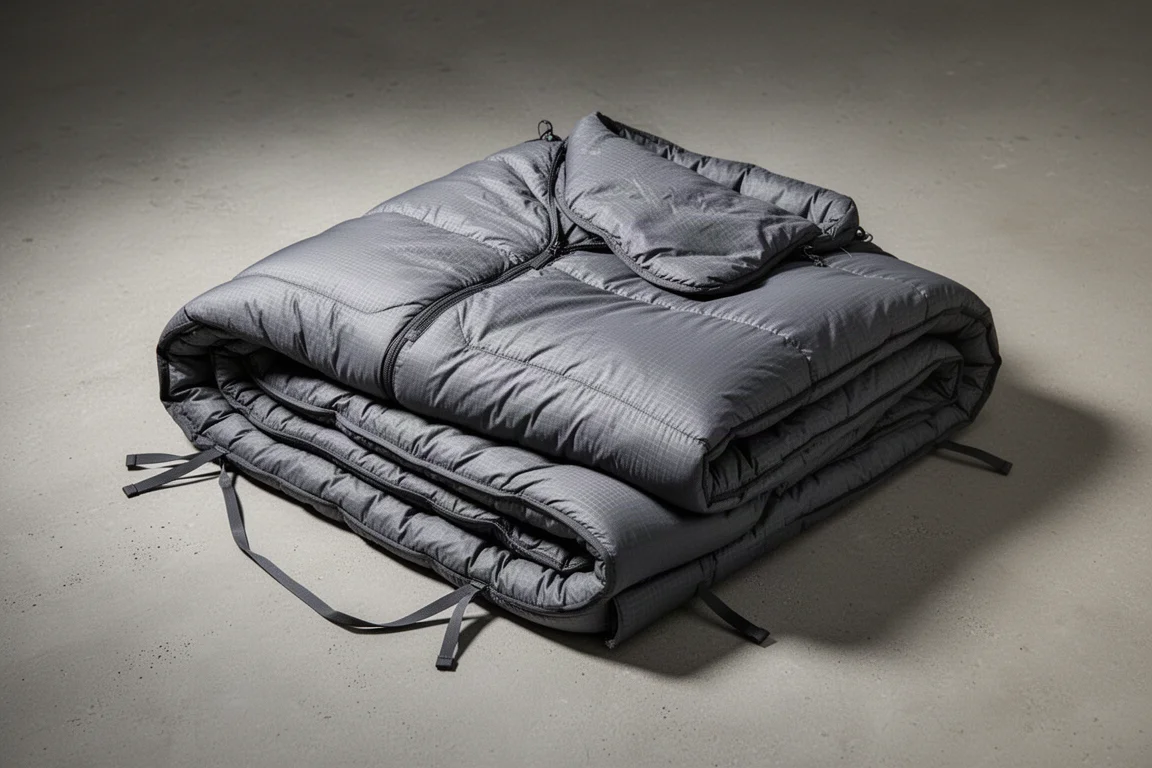
Mid-Price Quilt Option: Sierra Designs Nitro
If a quilt is the goal, the Nitro is a more sensible entry point. It comes in at roughly half the price of the Vesper while keeping the same general format and the same freedom of movement.
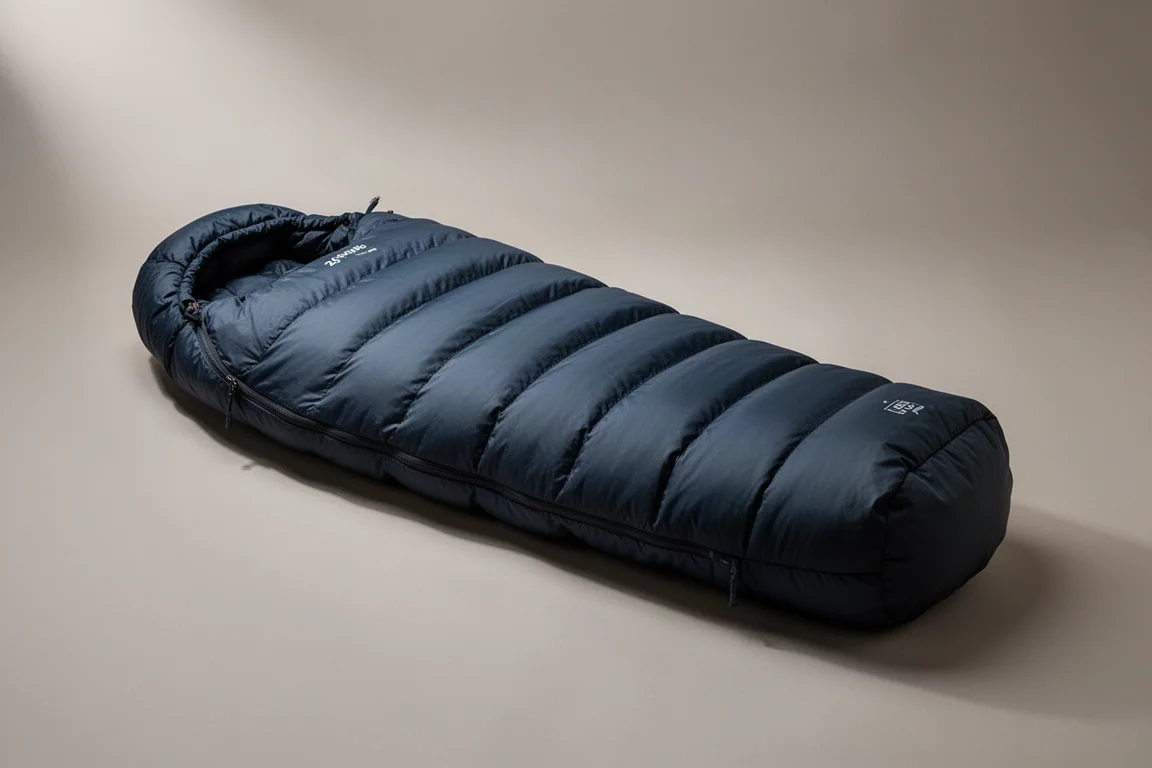
Synthetic Insulation Option: Sierra Designs Elemental
Synthetic insulation is cheaper again. The Elemental sits at around £150 and sidesteps the moisture concerns that come with down. The trade-off is familiar: synthetics are usually bulkier and heavier for the same warmth, so they suit campers who value cost and wet-weather resilience over packed size.
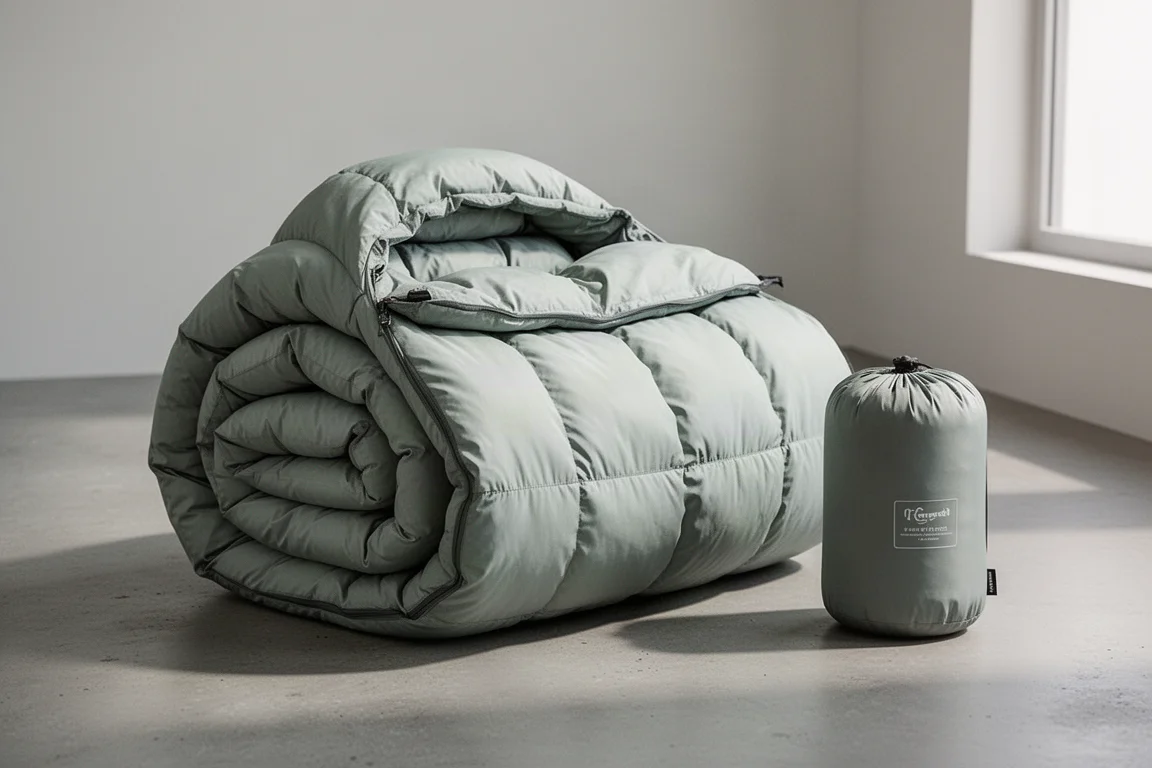
All-in-One Stove Value: OEX Hierero Stove
All-in-one systems that combine burner and pot are excellent on gas. The heat sink on the base of the pot shortens boil times and improves fuel efficiency. They can also cost well over £100.
The Hierero is the budget answer at around £45, and it has recorded faster boil times than the equivalent Jetboil system. That is a rare combination of a lower price and better performance in the same package.
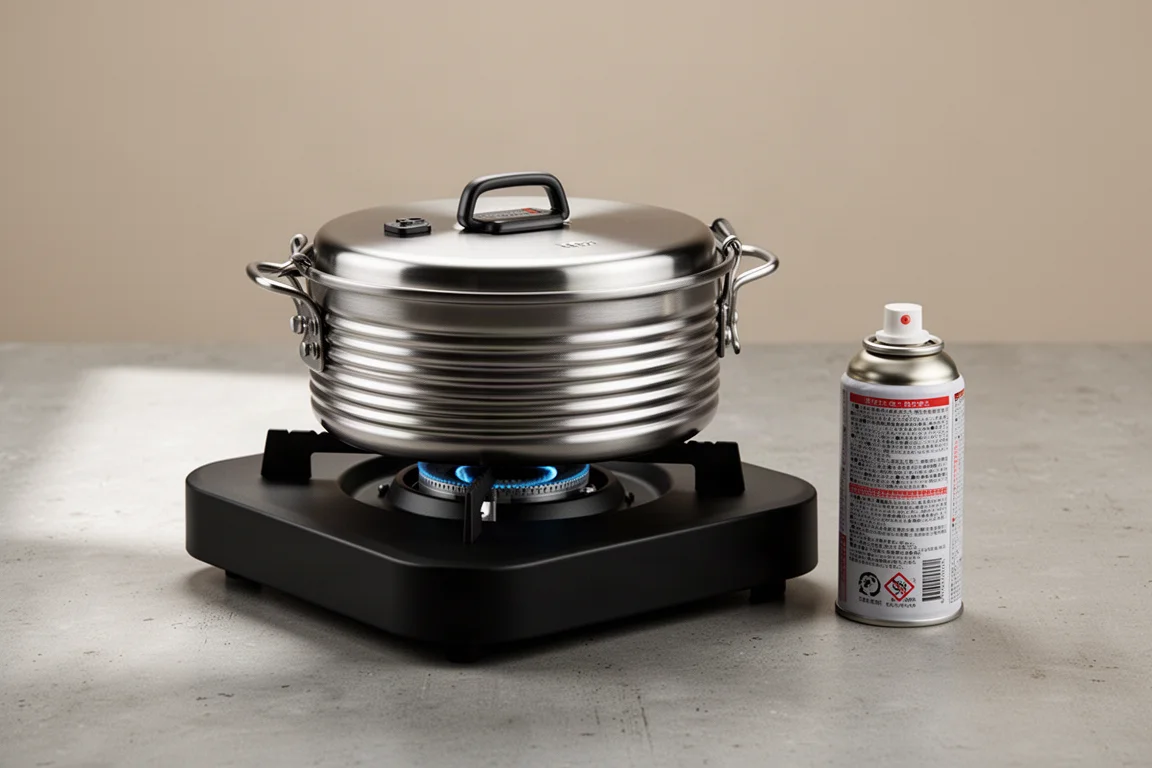
Compact Brew Kit Alternative: Outkit Brew Kit
The Outkit brew kit takes the same compact all-in-one approach at around £50 and is very good for the money. It is a straightforward way to get a fast, tidy cooking setup without paying premium prices.
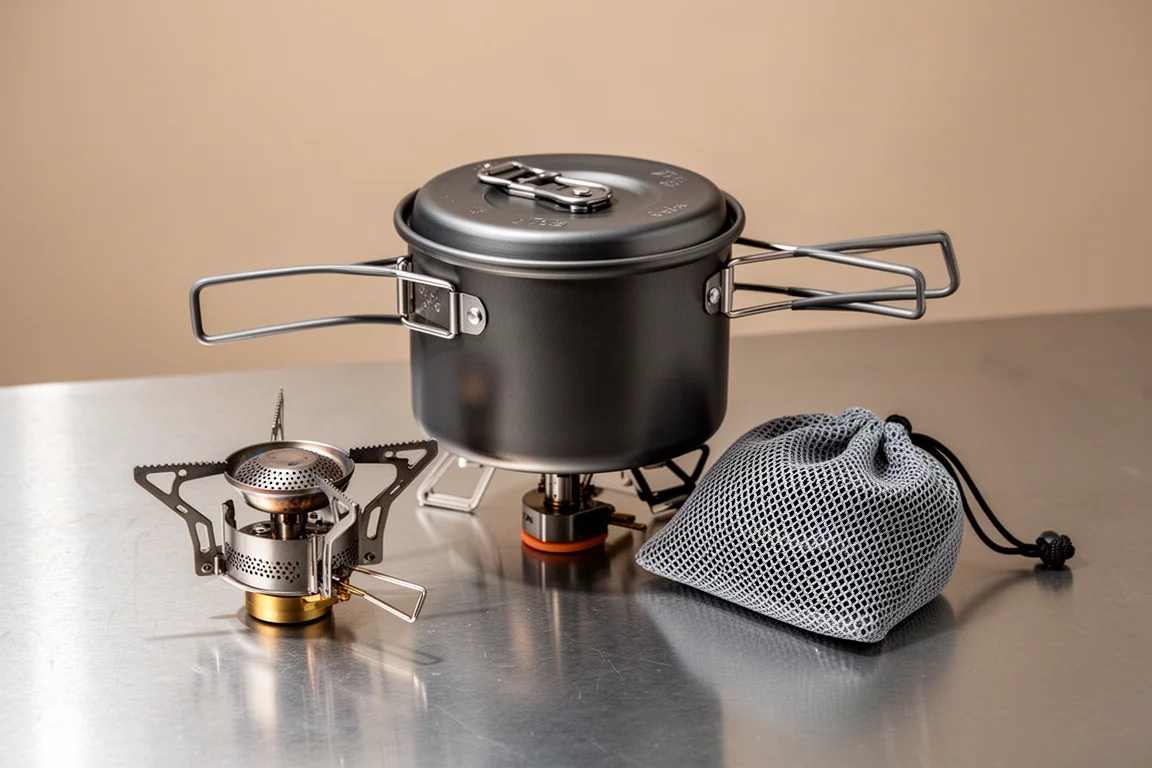
Ultralight Gas Burner: BRS 30000
The simplest option is a bare gas burner. The BRS 30000 weighs around 30 g, screws directly onto a gas canister, and costs around £15. Light it and away you go.
It is not to everyone’s taste, and the tiny pot supports demand a stable surface. But it has covered thousands of miles for long-distance hikers who cooked every meal on one, which is a fair endorsement of a £15 stove.
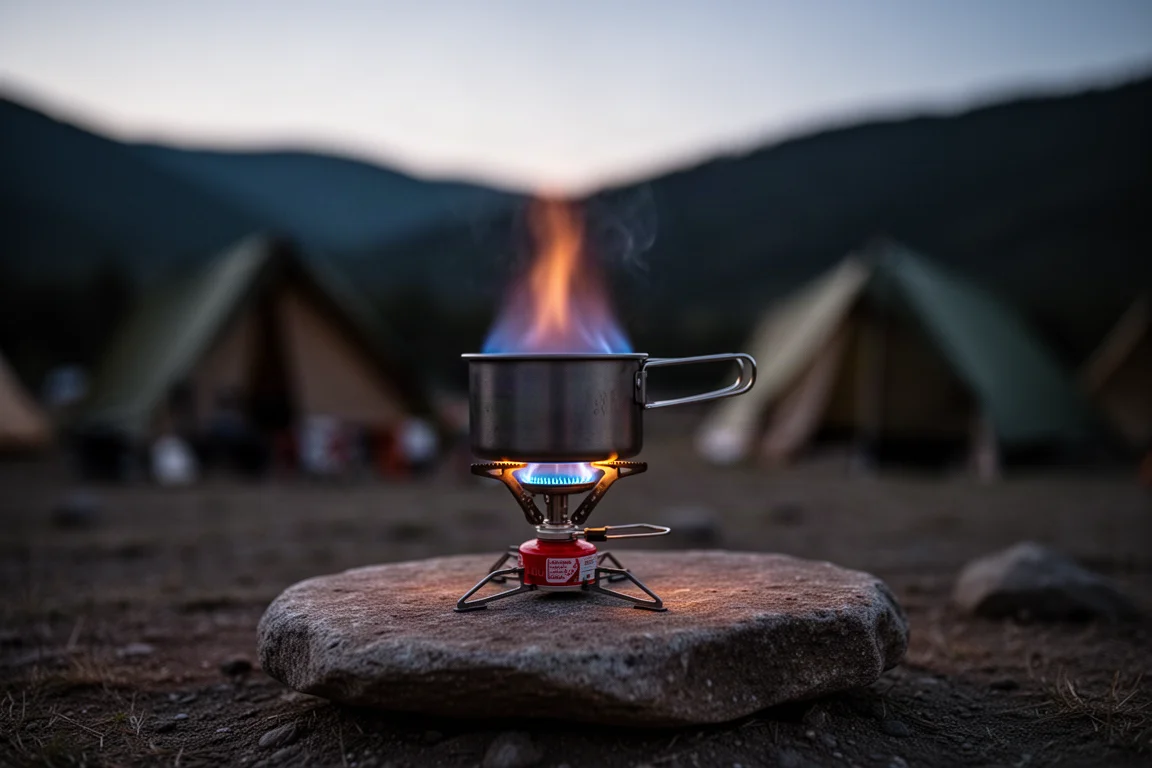
Pair it with a cheap titanium pot or a basic cook set, or simply take a small saucepan from home, and the total outlay stays very low.
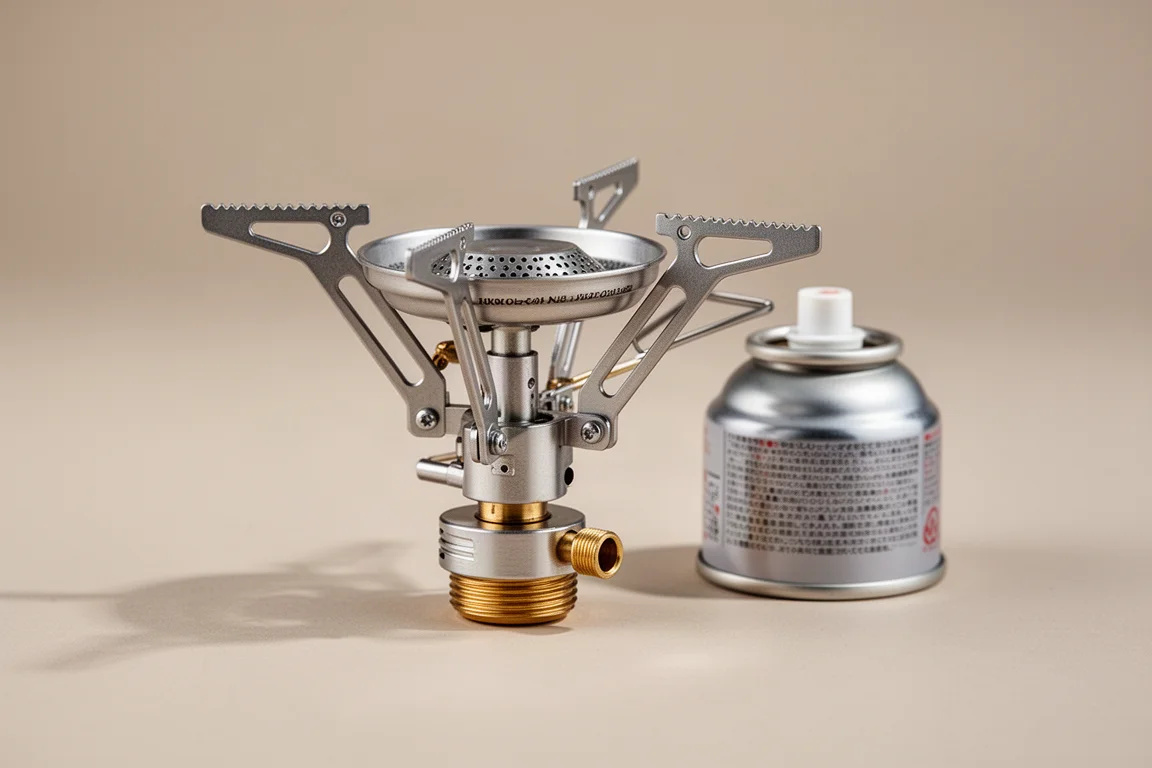
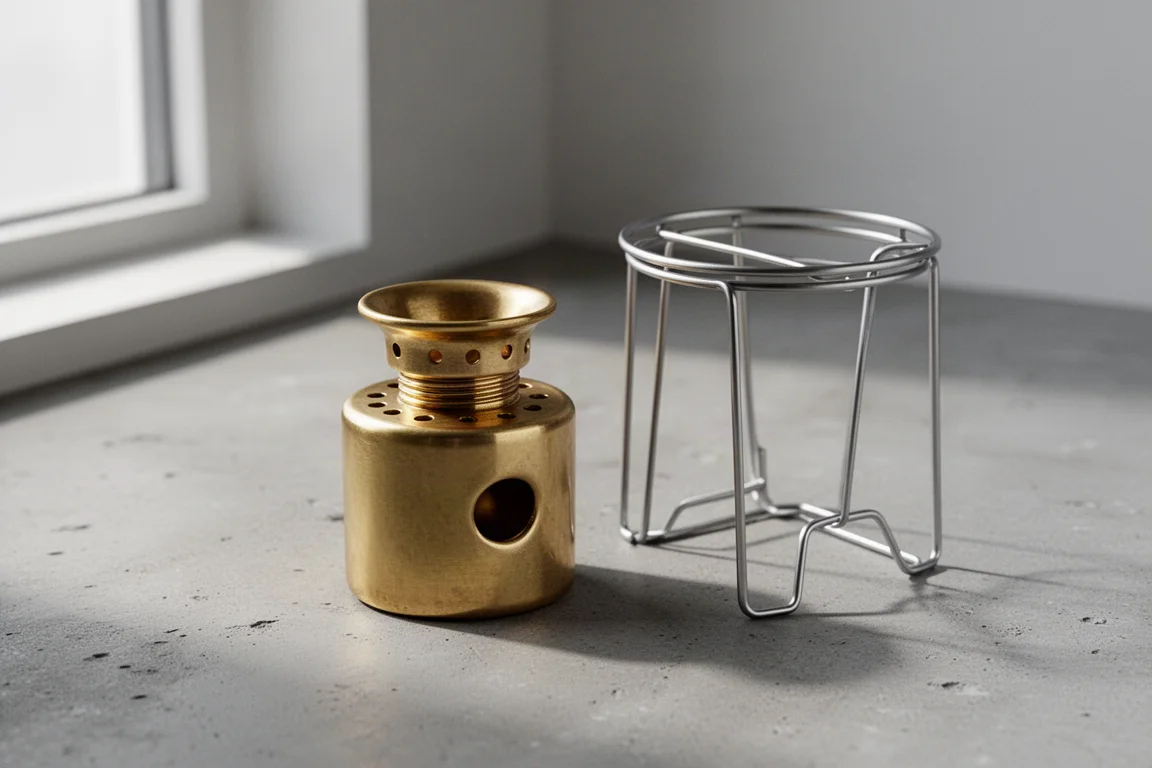
Alcohol Stove: Trangia Burner
Alcohol stoves are the cheapest route of all. A Trangia burner costs around £12, and it needs a pot stand, which can be bent from a short length of wire.
You can also make a burner yourself from a tonic water can. There are plenty of guides available, it is a genuinely enjoyable project, and it saves money at the same time. Either way, the fuel is cheap and widely available.
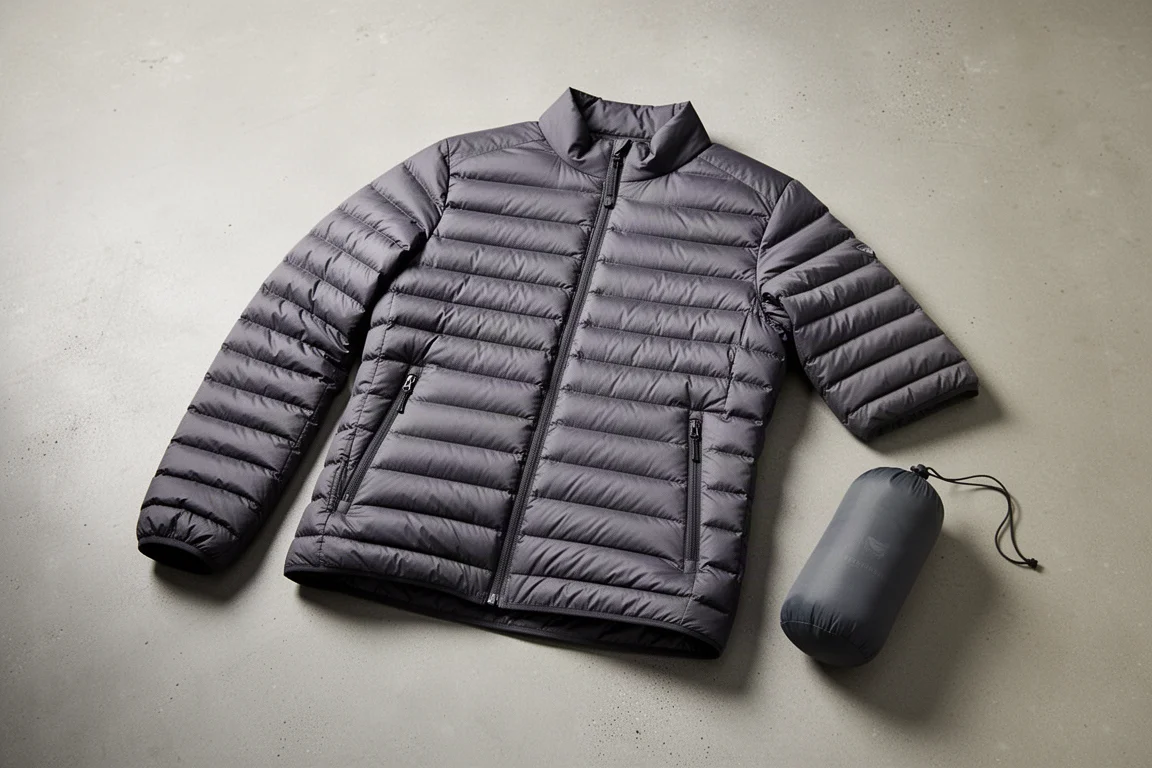
Budget Insulation: Decathlon Forclaz 100 Down Jacket
The Forclaz 100 is the argument against expensive insulation. Bought roughly a decade ago for around £30, it still keeps its owner warm, packs down to almost nothing, and shows only minor wear from a few repaired holes. The current price is around £45.
High-end lightweight down jackets run £200 to £300. They may use more advanced materials and fit better, but the warmth delivered per pound is not close.
Buying Advice
Match the gear to the conditions you actually camp in and the savings appear almost immediately. A three-season tent, a mid-range sleeping pad, a bag with a verified EN comfort rating, and a simple gas or alcohol stove will cover the overwhelming majority of trips.
Be sceptical of ratings. Comfort and warmth figures on unbranded sleeping bags and pads sold through general marketplaces are frequently overstated, and a £20 pad claiming top-tier performance will not deliver it. Stick to reputable brands that publish official EN comfort ratings, and treat any extraordinary claim at a very low price as a warning sign.
Buy secondhand where it makes sense, especially for tents, packs and cookware, and buy new for anything where hygiene or loft matters most, such as sleeping bags and quilts. Shop around before committing, because price match policies and discount codes can cut a price even after you have found the best listed figure.
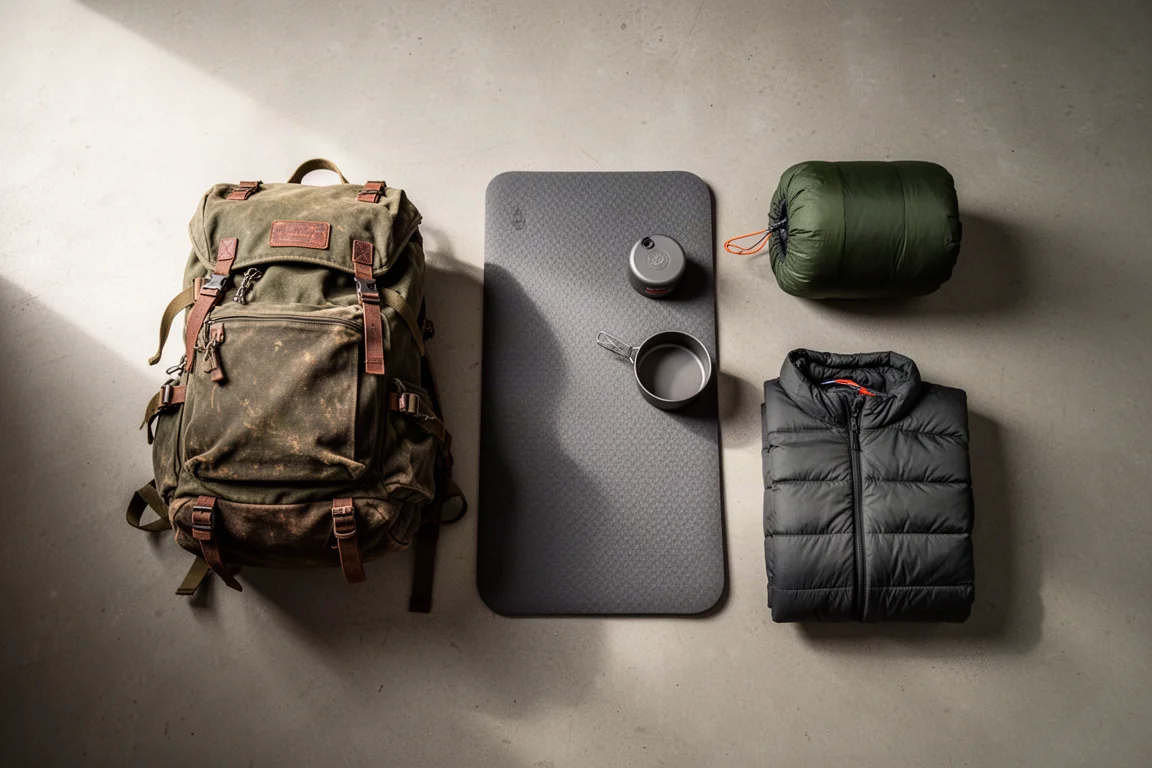
Cheaper does mean bulkier in several places. Insulated pads, synthetic bags and budget tents take up more space, so plan on strapping items to the outside of your pack rather than fitting everything inside.
Conclusion
Camping gear has become expensive, but the price of a complete kit has not. Skipping capability you will never use, watching for discount codes and price matches, buying secondhand, combining a basic pad with a foam mat, and choosing a £15 stove over a £100 system can cut hundreds from a setup.
The gear does not make the trip. A ten-year-old down jacket and a burner made from a drinks can will still get you out there.
Further reading
Related Reviews
Camping Gear
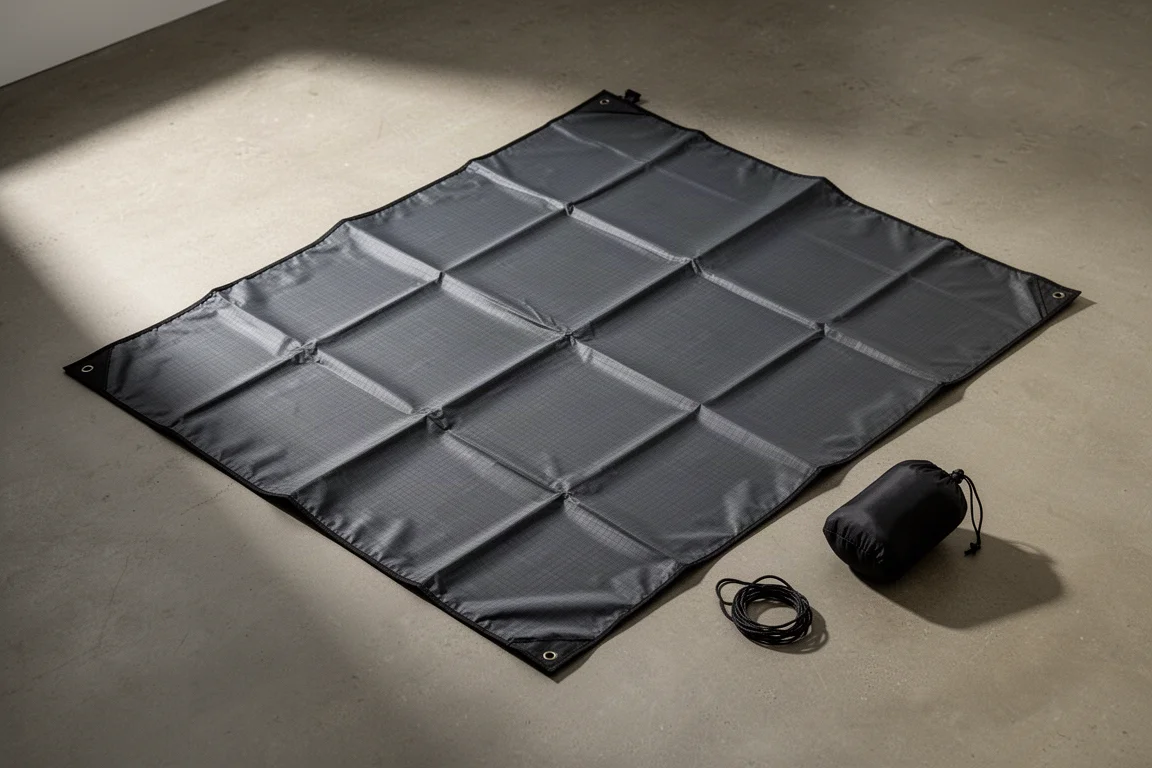
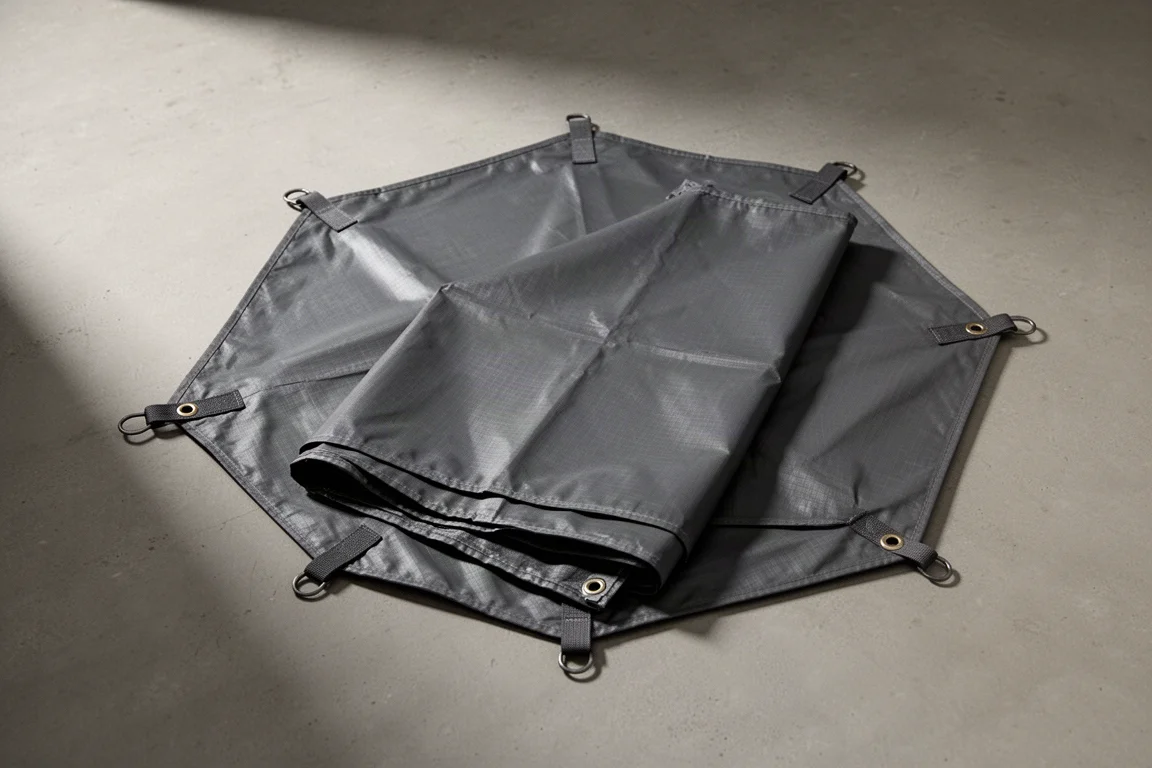
3FUL Ultralight Ground Sheet Review: A Two-Person Footprint Worth Packing
A 6.7 oz two-person ground sheet in ripstop silnylon, priced around $30. Here is what it protects, what it does not do, and who should pack it.
Camping Gear
Backcountry Light Dual-Function Tarp and Floor Review: A Footprint First
A dual-purpose tent floor and tarp that keeps falling rain off you, but cannot block wind. Here is where it works and where it does not.
Camping Gear
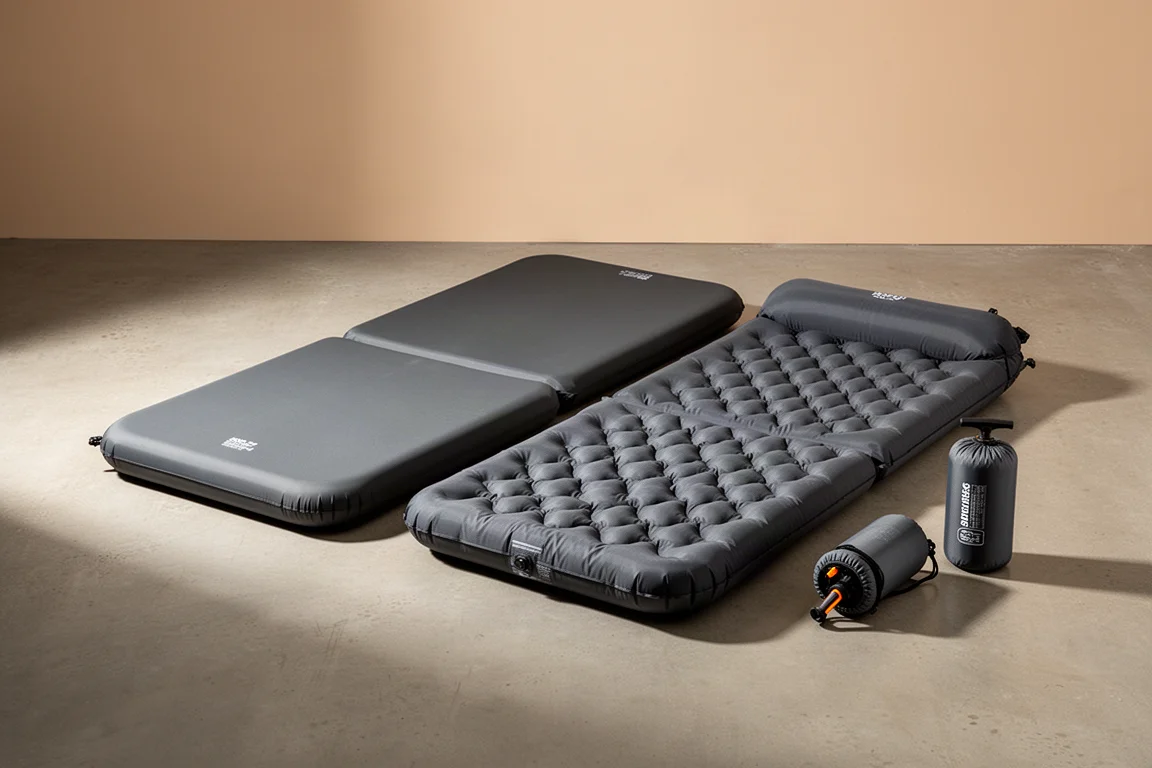
Best 2-Person Camping Mattresses for Couples: 10 Options Compared
A practical comparison of ten two-person camping mattresses, covering self-inflating pads, air pads and air mattresses for couples.