Cycling Upgrades
Budget Bike Upgrades That Transform Ride Quality: 8 Parts Worth Buying
Eight affordable road bike upgrades, from handlebar shape to latex inner tubes, that make an entry-level bike feel considerably more expensive than it is.
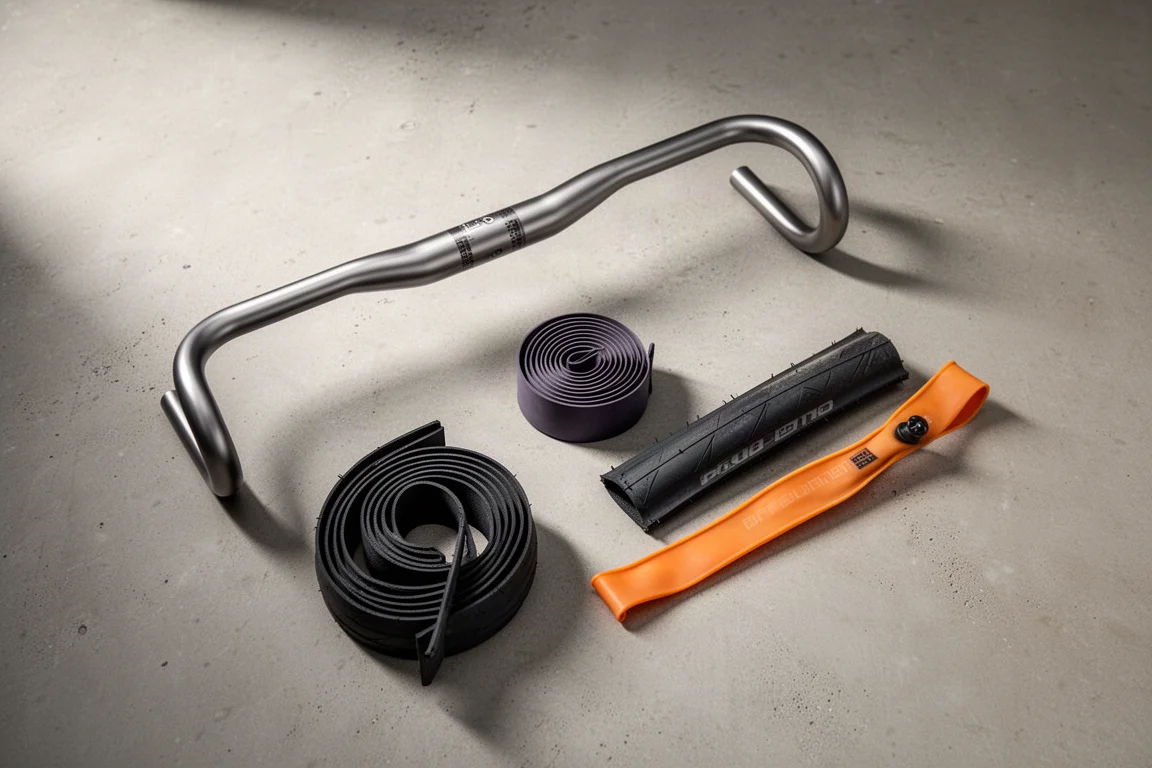
Introduction
A bike does not have to be expensive to feel good to ride. The parts that shape ride quality most are usually the ones that touch the rider and the road: the handlebar, the bar tape, the tires and the inner tubes. Swapping a few of these on an entry-level road bike can change the way it feels far more than the price of the parts suggests.
This guide covers eight components that make a measurable difference, from a handlebar that costs around 13.50 pounds in its alloy form to a latex inner tube that changes how the bike absorbs rough surfaces. Each one is straightforward to fit and easy to justify.
What Makes the Biggest Difference to Ride Quality
Contact points and rolling surfaces matter most. The handlebar sets your hand position and effectively decides how long the bike feels. Bar tape decides how secure and comfortable that contact is. Tires and inner tubes sit between you and the road surface, and their suppleness, width and elasticity determine how much vibration reaches the frame.
Tire technology has improved substantially in recent years, which means genuinely good tires are no longer expensive. Tires have also been getting wider, and 25 mm, 28 mm and even 30 mm are now common sizes. A slightly wider tire than you are used to is often the better choice, especially on rougher road surfaces.
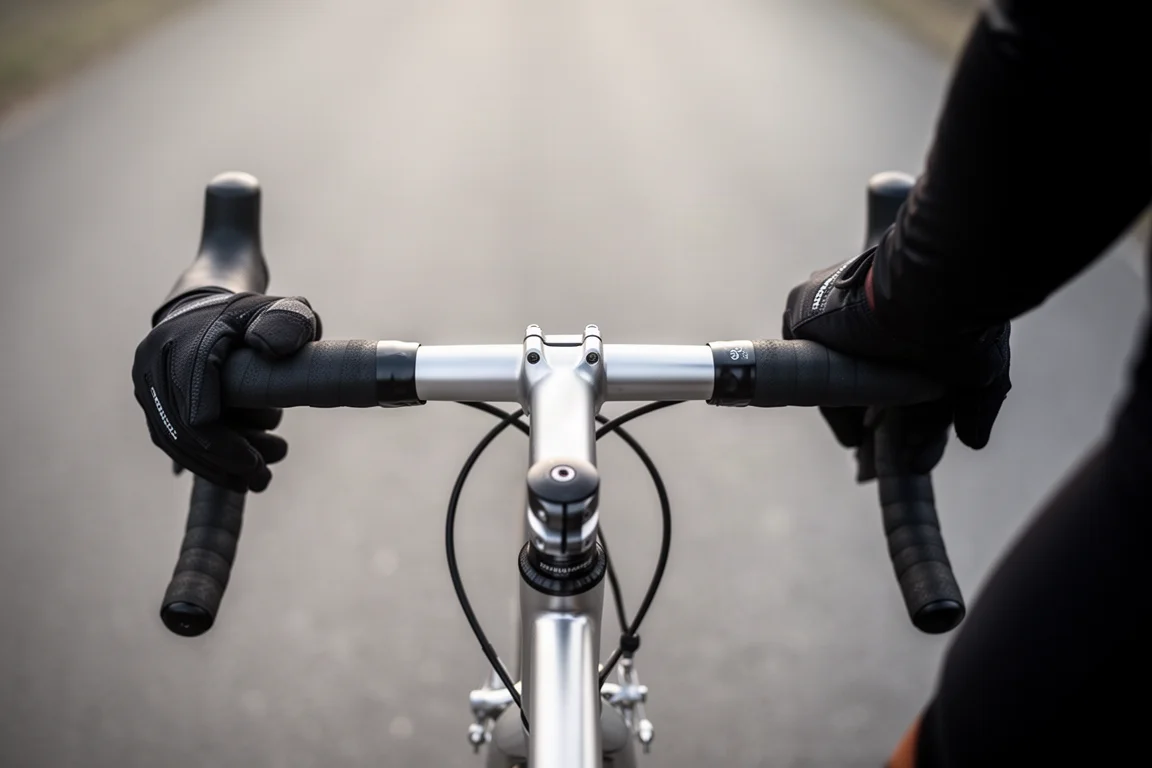
Two things are worth remembering before buying anything. First, wider tires run at slightly lower pressure generally improve comfort with very little cost in speed. Second, the cheapest upgrade is not always the most effective one: a 15 pound roll of bar tape can do more for a bike than many riders expect.
Best Handlebar Upgrade: Deda RHM Handlebar
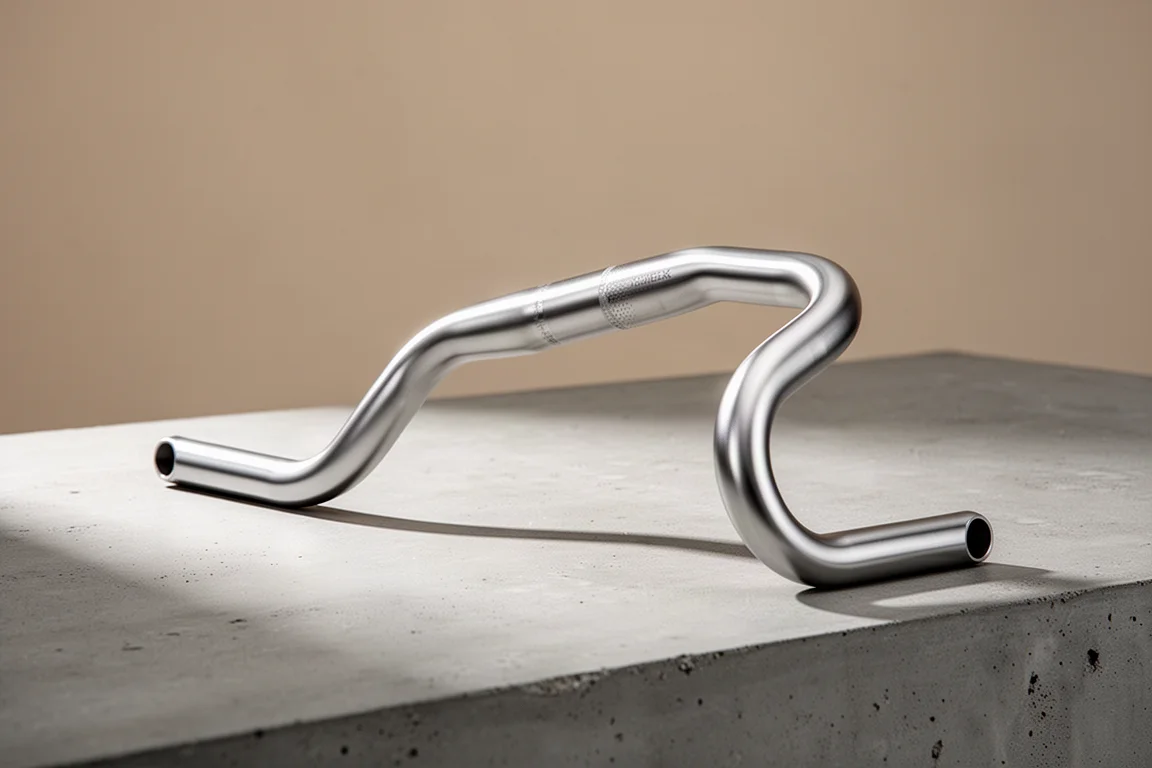
Entry-level bikes frequently ship with anatomic handlebars. These lock the hand into a single position, use a deep drop that puts the rider very low when they move onto the drops, and have a long reach between the tops and the controls, which makes the bike feel longer than it needs to be.
The Deda RHM uses a short and shallow drop shape. The reach is short, which effectively shortens the bike and suits a wider range of riders, and the drop curve is gentle enough to offer several usable hand positions instead of one locked-in shape. It is available in alloy from around 13.50 pounds and in carbon at a considerably higher price, but the shape is identical across the range.
Width matters as much as shape. Measure across the acromion process, the bony point at the top of the shoulder, and match the bar to roughly the same width as your shoulders. Even a carefully designed entry-level bike can still arrive with a bar that is a centimetre longer in reach and a centimetre lower in drop, so there is usually room for improvement.
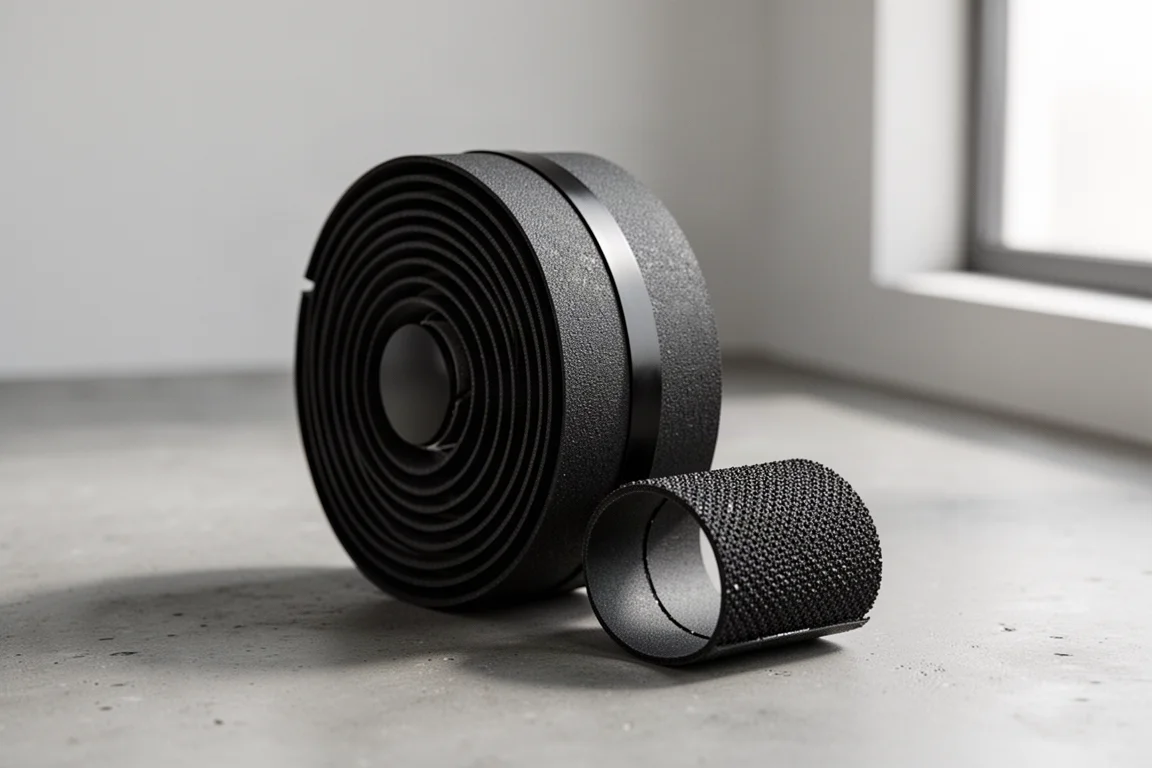
Best Bar Tape Upgrade: BBB Flex Ribbon Bar Tape
Most entry-level bikes come with cork bar tape. It can feel slippery, particularly the cheaper versions, it does not last long, and it often tears or leaves adhesive stuck to the bar when unwrapped, which makes it difficult to re-wrap.
Polyurethane tape is the alternative. BBB Flex Ribbon has a grippy, rubbery outer surface and, instead of a full strip of double-sided adhesive, a slightly rubbery strip down the middle. It stays in place while riding but comes away cleanly when you want to re-wrap it, and it lasts a very long time. Expect around 20 pounds from a bike shop, or roughly 15 pounds online, which is close to half the price of some premium tapes.
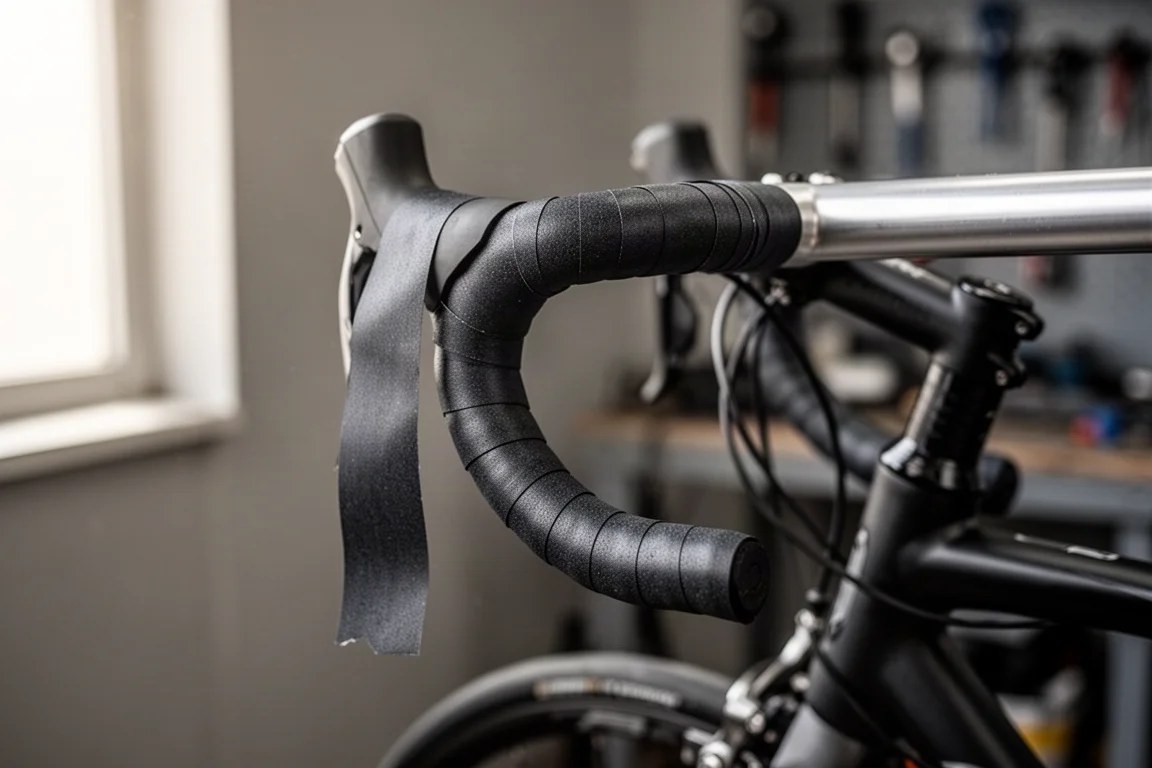
That combination of grip, longevity and reusability makes it the simplest upgrade on this list, and the one with the lowest risk of disappointment.
Best All-Season Tire: Hutchinson Fusion 5
Stock tires on entry-level bikes are usually adequate. They grip, they roll, and they offer some puncture protection, but a suppler tire improves ride quality noticeably, and the cost of making that change is modest.
The Hutchinson Fusion 5 is the all-season version, a sensible pick for riders who want a balance between comfort and durability across the year. Width is worth considering at the same time: a slightly wider tire than usual is often the better choice on surfaces that are less than smooth.
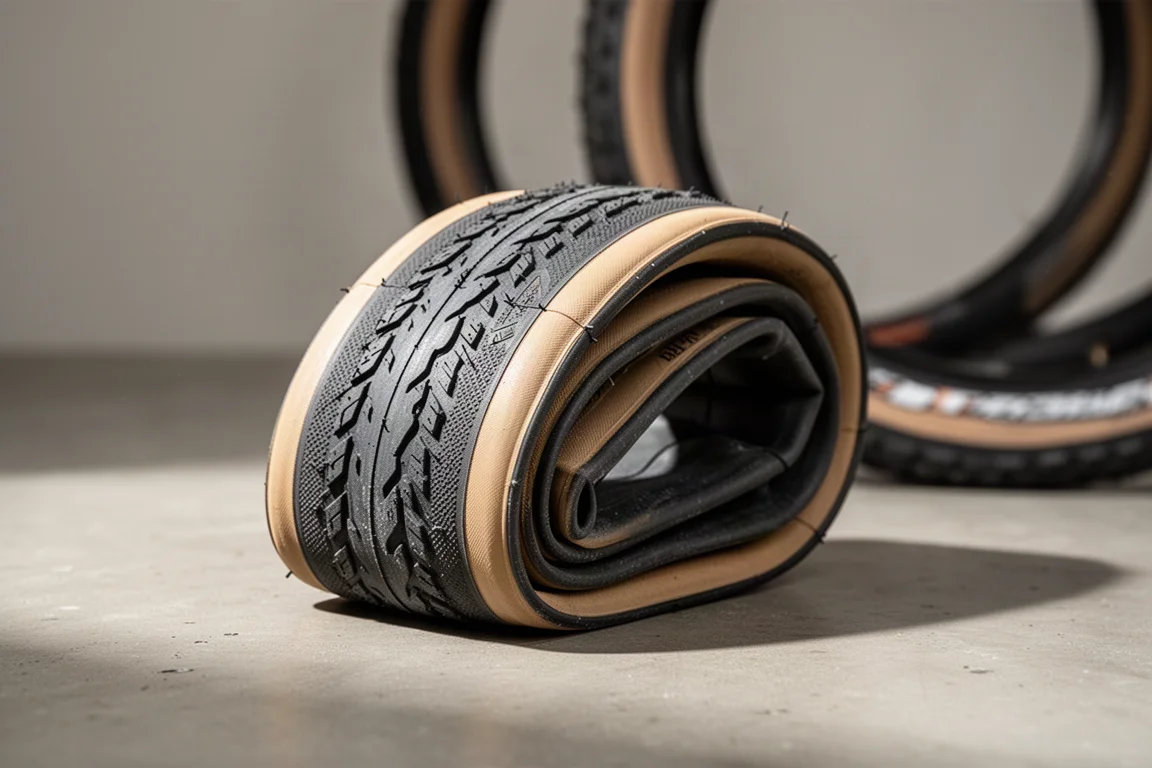
Best Supple Tire: Hutchinson Fusion 5 Performance
The Fusion 5 Performance is the supple version of the same line. It feels noticeably nicer to ride and typically costs around 25 pounds online, which makes it one of the better value routes to a smoother bike.
Riders who prioritize comfort and road feel over maximum puncture protection will get the most from it. Those who ride through debris-heavy streets may prefer the all-season version.
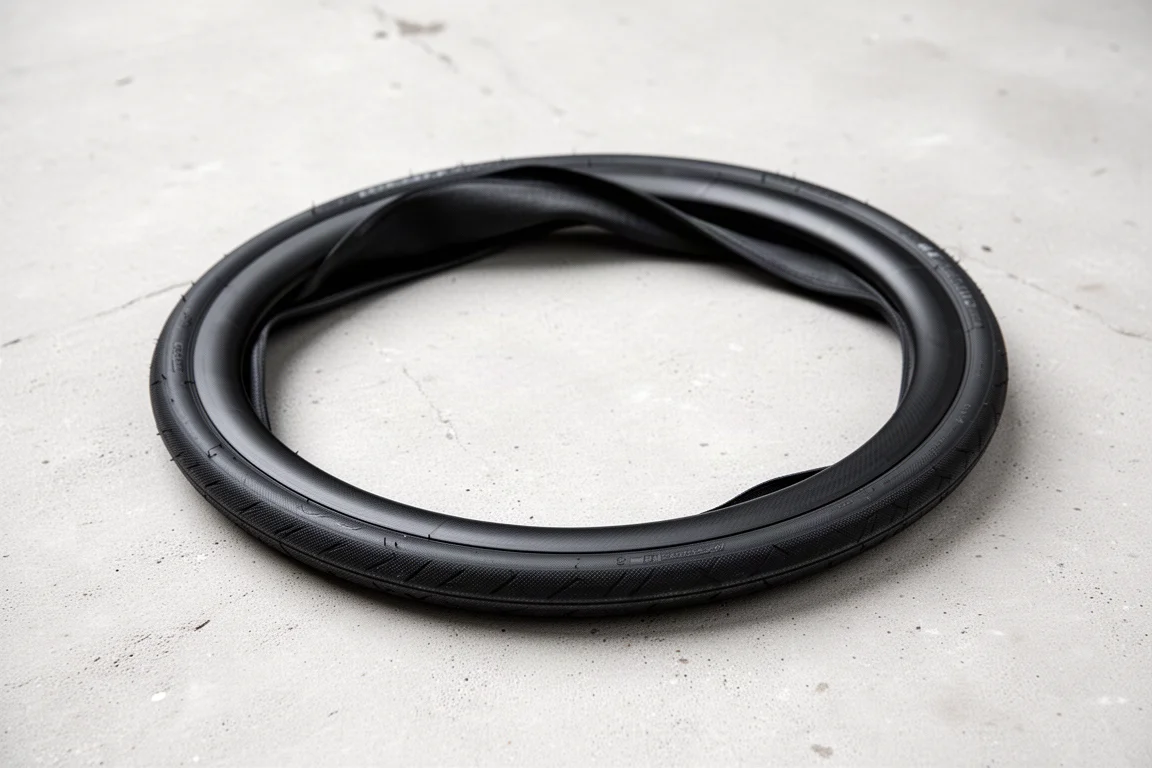
Best Value Tire: Continental Grand Prix
The Continental Grand Prix sits at roughly 30 to 35 pounds and occupies a useful middle ground. It is more supple than a typical stock tire, with a construction that suits everyday road riding rather than race-day-only use.
It is a reasonable default when you want a clear improvement in ride quality without chasing the lightest or thinnest tire available. For many riders, that balance is exactly the point.
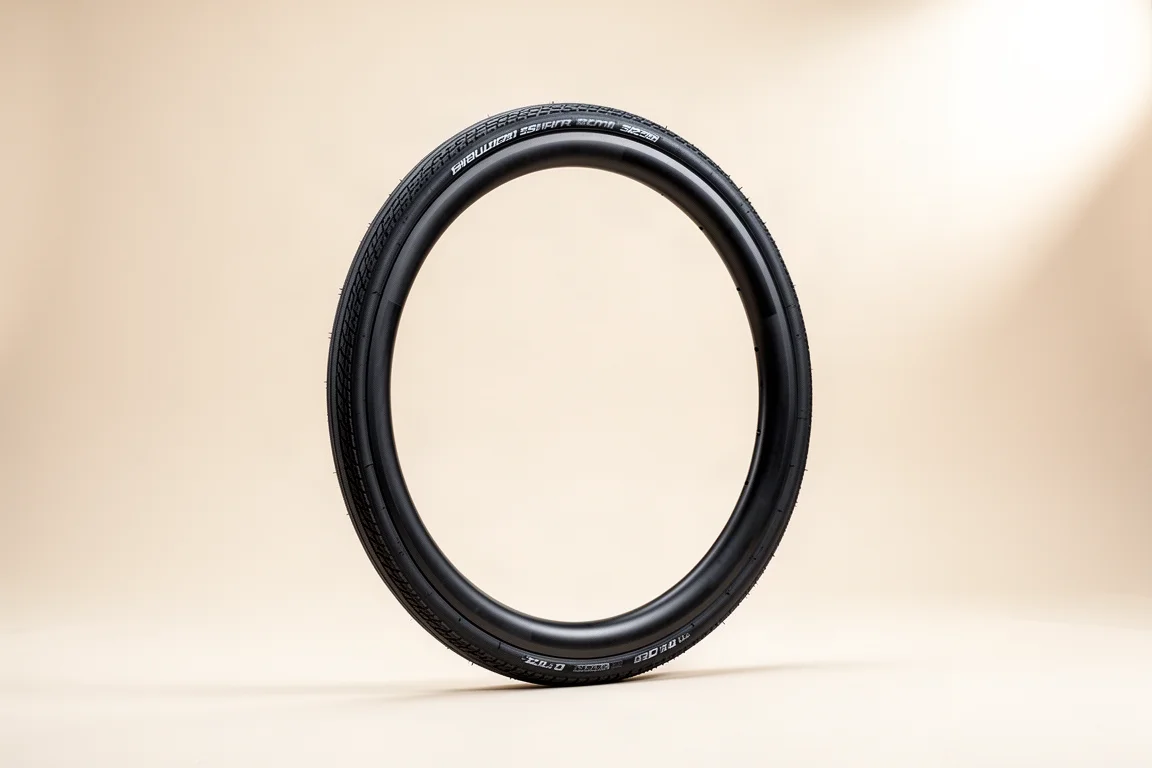
Best Lightweight Tire: Michelin Pro Race 3
The Michelin Pro Race 3 is at the supple, thin end of the spectrum and costs around 20 pounds online, which makes it strong value for the ride quality it delivers. It is genuinely quick to feel and very comfortable over imperfect surfaces.
The trade-off is puncture risk. A thin, fast tire is more likely to pick up punctures on busy roads with debris. If you ride through a city with a high risk of punctures, a tire with more protection is the wiser purchase.
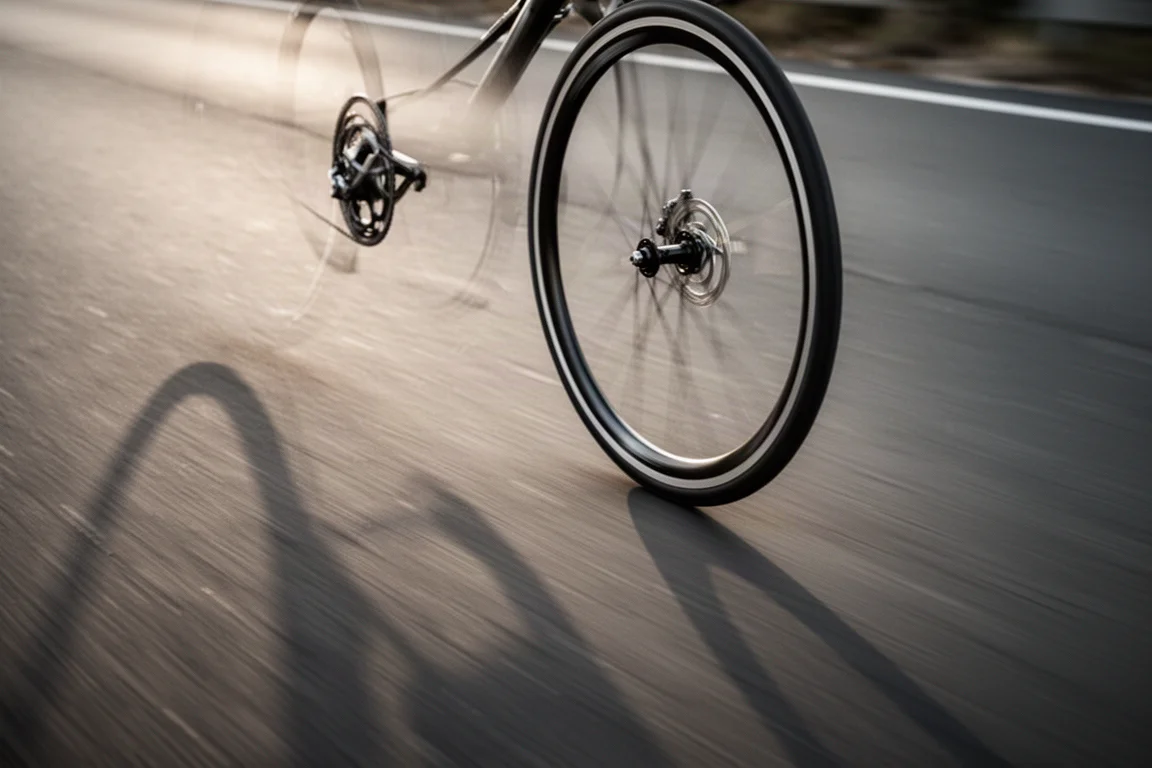
The right answer depends on where you ride. High-risk roads call for more puncture protection, while smooth, well-maintained roads reward a supple tire with a much more enjoyable ride.
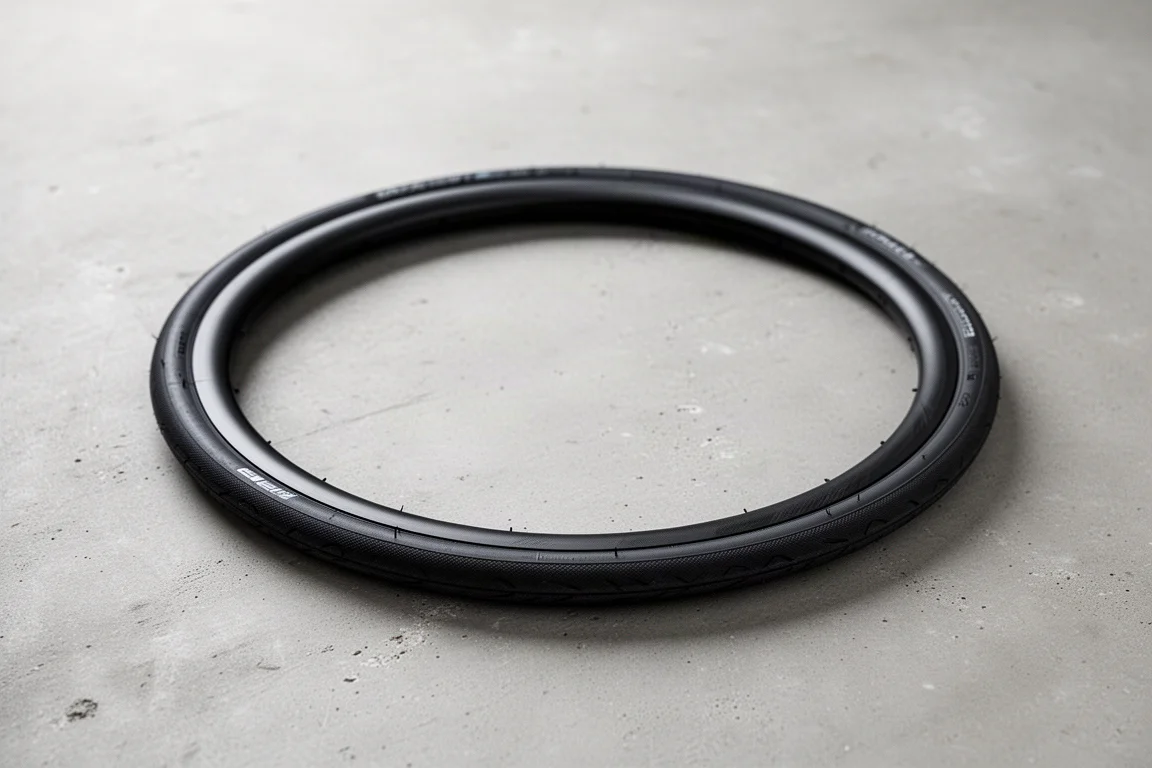
Best Ultralight Inner Tube: Tubolito
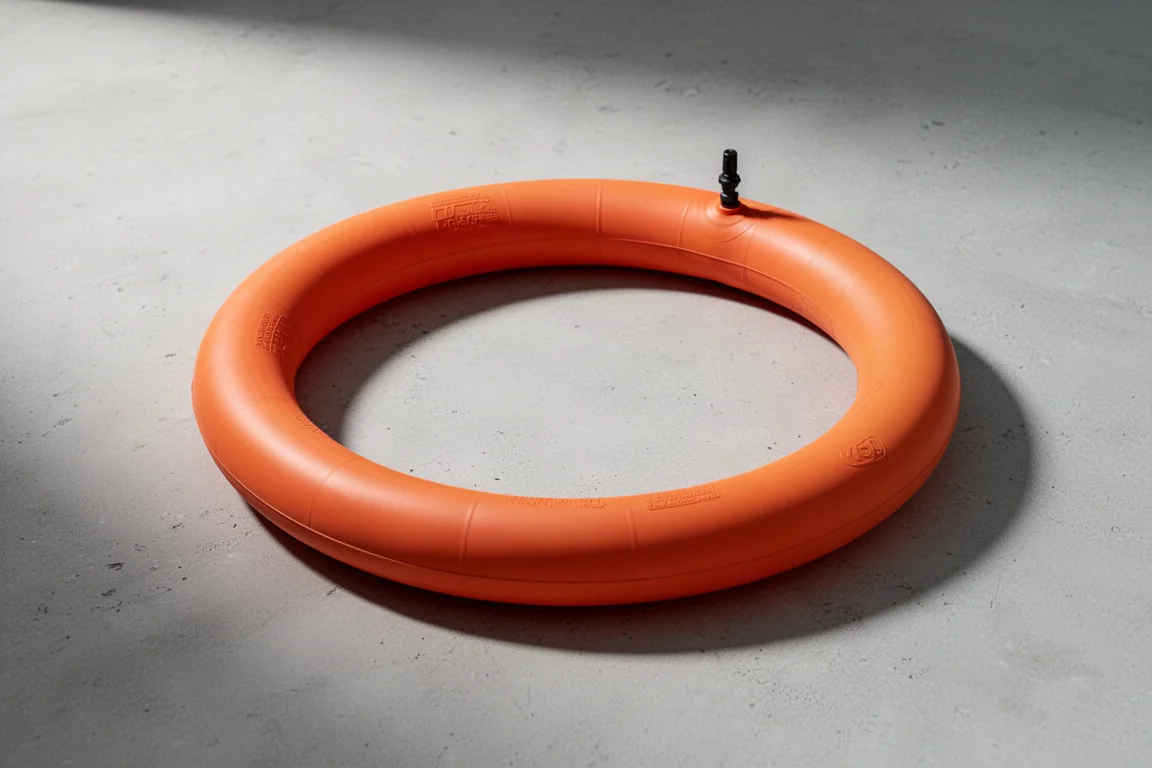
An ultralight inner tube is the alternative for riders who do not want to move to tubeless. The Tubolito is the best known example, a distinctive orange tube that typically costs around 20 to 25 pounds. Lighter versions from other brands exist, some for as little as 5.50 to 10 pounds, though ordering from overseas sellers can add postage and a long wait.
There is one important caveat. These tubes do not stretch much, so fitting one into a tire wider than its stated range can lead to a puncture. Match the tube size carefully to the tire. Valve reliability on the earliest versions was a known weak point, and later versions are described as considerably improved.
Best Latex Inner Tube: Vittoria Latex Inner Tube
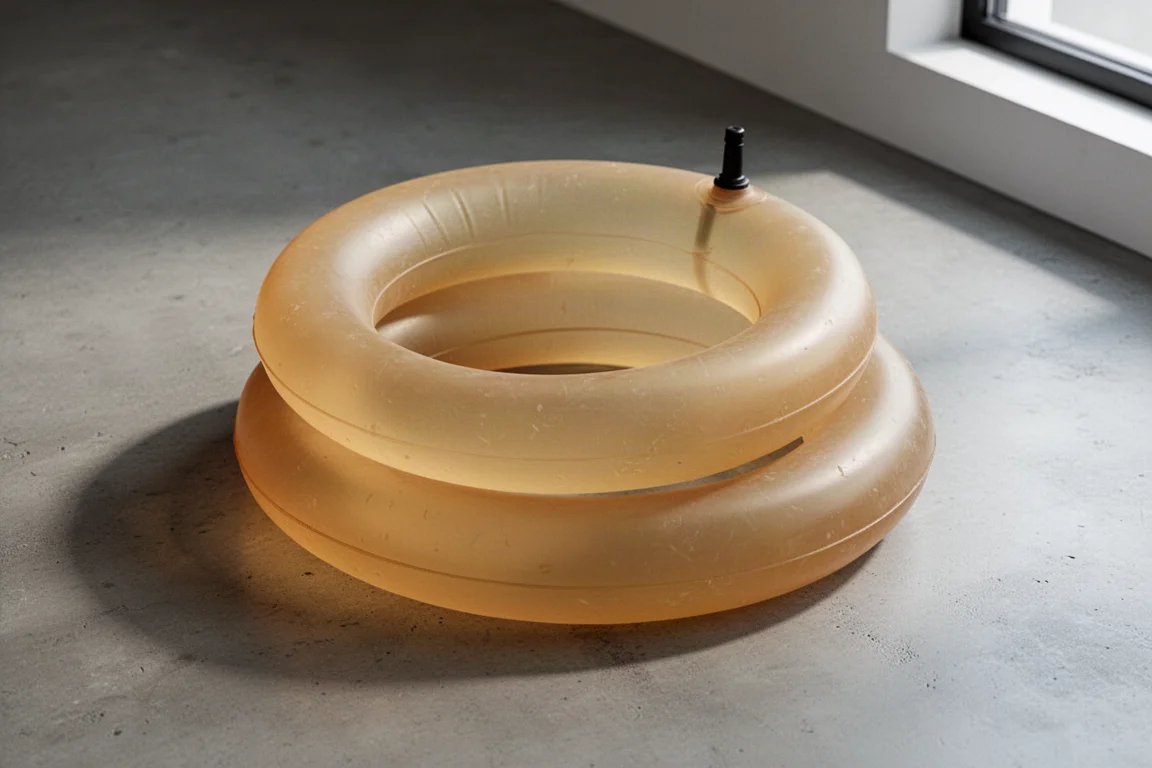
Latex inner tubes run very smoothly and are slightly heavier than an ultralight tube, but they lose air quickly. Expect to top up pressure every day or every other day to maintain a high working pressure.
In return, they resist punctures well. The material is highly elastic, and Vittoria describes that elasticity as allowing the tube to stretch around a nail, shard of glass or thorn rather than being pierced by it. Treat that as a manufacturer claim, but the practical result is a smoother, more forgiving ride than a standard butyl tube.
Tubeless: A Bigger Change With More Caveats
Tubeless is the more ambitious route to the same goal. Removing the inner tube and sealing the wheel with tubeless tape, valves and sealant makes the ride very smooth, and it allows lower pressures without the risk of pinch punctures when the tire compresses against the rim over a pothole or a bump. Sealant also gives you a chance of sealing a puncture as it happens.
The caveats are real. Tubeless-ready tires and wheels are the official requirement, the setup is more involved, and not every rider has had a good experience with it. For those who want a simpler upgrade path, an ultralight or latex inner tube delivers much of the ride-quality benefit with far less fuss.
How to Prioritize Your Upgrades
If you are working through this list on a limited budget, start with the parts that touch you and the road. Bar tape is the cheapest meaningful improvement. Tires come next, and they make the largest single difference to how the bike feels over rough surfaces.
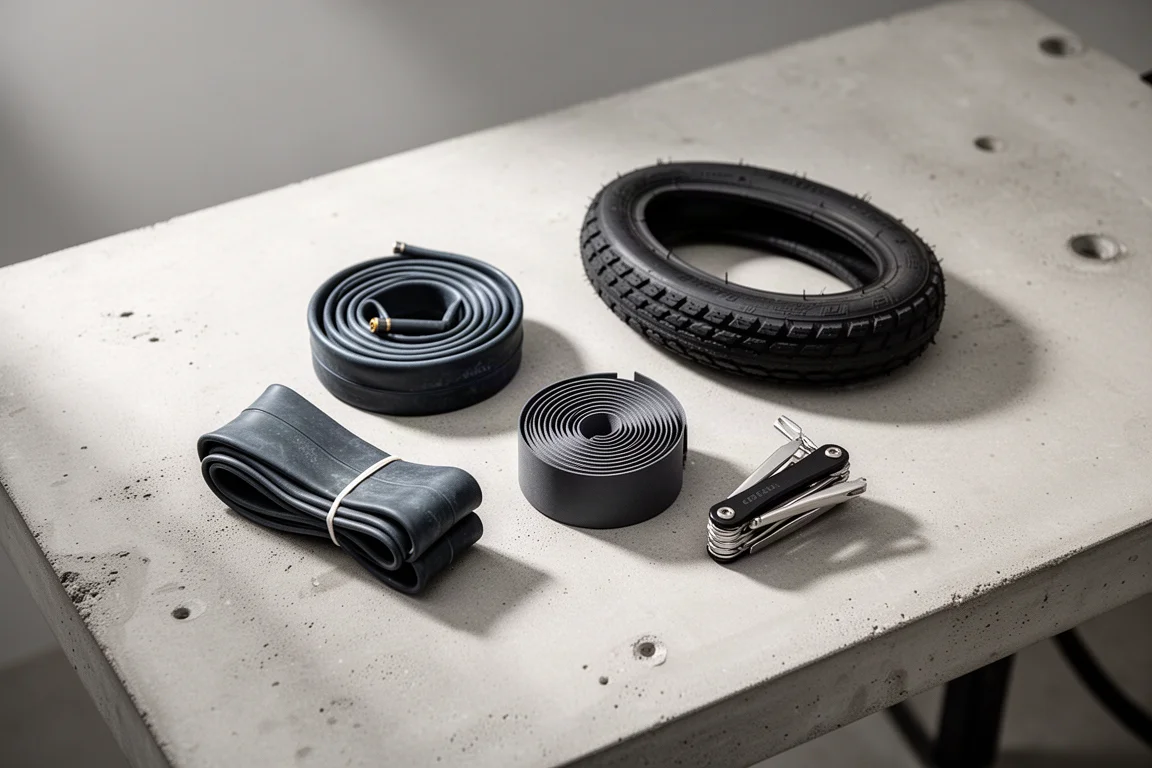
Handlebar shape is worth addressing if your current bar feels long, deep or restrictive, because it changes your position rather than only your comfort. Inner tubes are the finishing touch: latex for a smoother and more puncture-resistant ride, or an ultralight tube for lower weight.
Bear in mind that inner tube costs multiply with every spare you carry, and that ultralight tubes need the correct size to avoid punctures. A sensible order is bar tape, then tires, then handlebar if the shape bothers you, then inner tubes last.
Conclusion
Eight parts, none of them expensive in isolation, and each one changes how an entry-level road bike feels. Handlebar and bar tape improve the contact points. Tires and inner tubes improve everything between the bike and the road. Upgraded together, they make a modest bike ride like something considerably more expensive.
Further reading
Related Reviews
Cycling Upgrades
Best Bike Upgrades 2026: Three Practical Upgrades for Better Riding
A supple race tire, a durable ceramic bottom bracket, and a suspension seat post each offer distinct benefits and trade-offs.
Cycling Upgrades
Cheap Road and Gravel Bike Upgrades: Five Budget Picks Worth Buying
Five low-cost upgrades for road and gravel bikes, from latex inner tubes with a measurable speed gain to budget stems, handlebars and sunglasses.
Cycling Upgrades
Best Value Bike Upgrades: Handlebars and Arch Support Insoles Worth Buying
Three low-cost cycling fit upgrades that change how a bike feels: a narrow internally routed handlebar and two arch support insole options.