Knives
Buck's New Lineup, Reviewed: 11 Knives Worth Knowing About
From the MagnaCut-equipped 110 Slim Heritage Elite to budget fixed blades, a closer look at Buck's refreshed lineup and where each knife earns its price.
Introduction
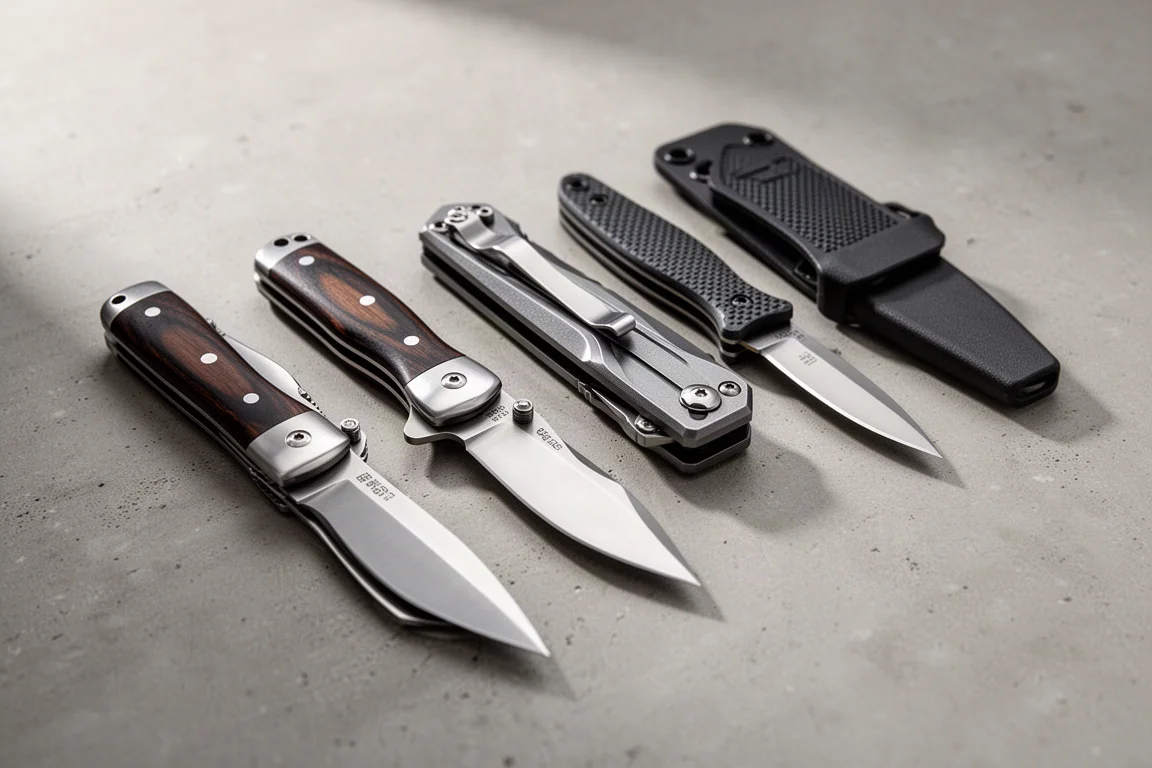
Buck has been quietly overhauling its lineup, and the results are genuinely impressive. A new custom shop, better steel, smarter heat treatments, and refined designs have produced some of the strongest knives the company has ever made. This guide walks through the standouts, from the flagship heritage folders to the mid-tier crossbar locks and the fixed-blade range, and flags where the value is real and where it is not.
Buck 110 Slim Heritage Elite
This is the best knife of the group and arguably one of the best things Buck has ever produced. The 110 Slim Heritage Elite balances modern needs with traditional looks: polished rivets, brass liners, ebony handles, and a beautifully polished blade, now paired with a slimmer profile and a pocket clip. It carries far more easily and weighs noticeably less than the standard 110.
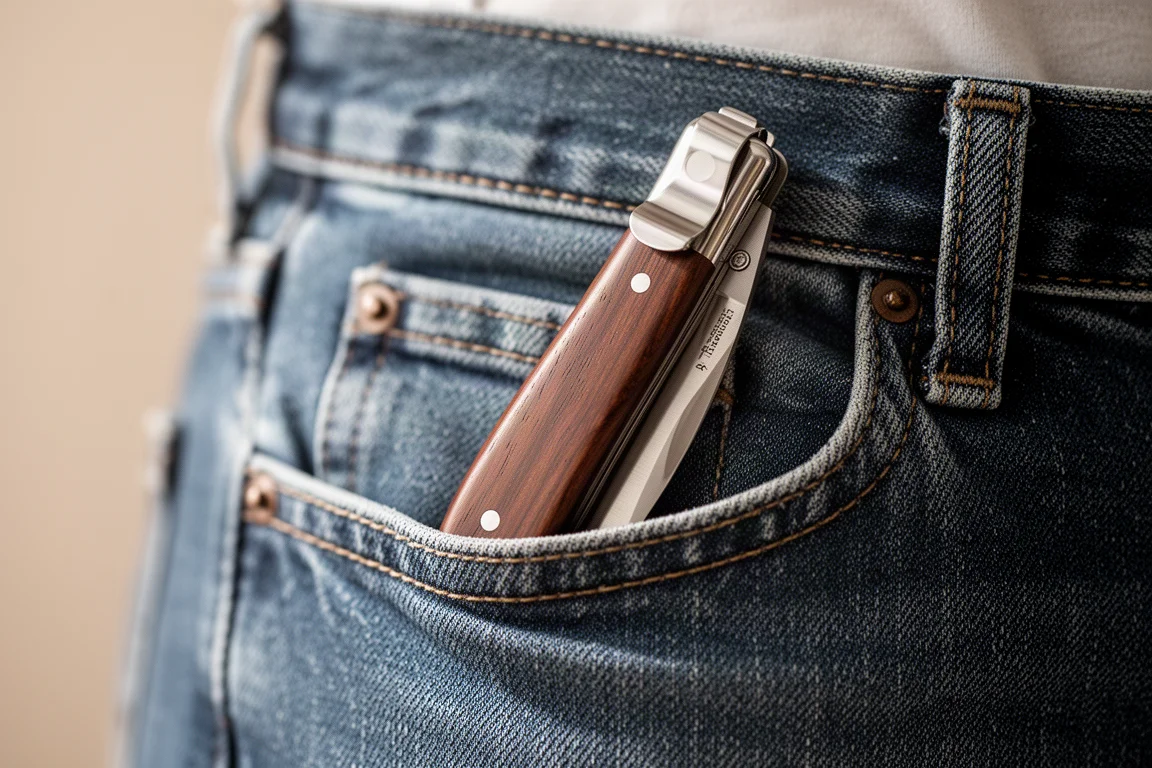
The blade steel is MagnaCut, and the story behind the heat treatment is worth noting. Rather than guessing with an unfamiliar steel, Buck worked directly with the inventor of MagnaCut to develop a heat treatment protocol specific to their machines and process. The result is MagnaCut performance that behaves exactly as it should in a production knife, and the blade comes out of the box absurdly sharp. Add thumb studs for one-handed opening and the package becomes something close to perfect for a modern traditional.
The one caveat is the classic lockback rather than a mid-back lock. Disengaging it takes a few extra seconds and a bit of dexterity, though it can be done one-handed. That is a minor trade-off for a knife with an MSRP of $250 that regularly sells or pre-orders for around $200 at retailers like Blade HQ. At that price, this is a keeper that could last generations.
Buck 112 Slim Heritage Elite
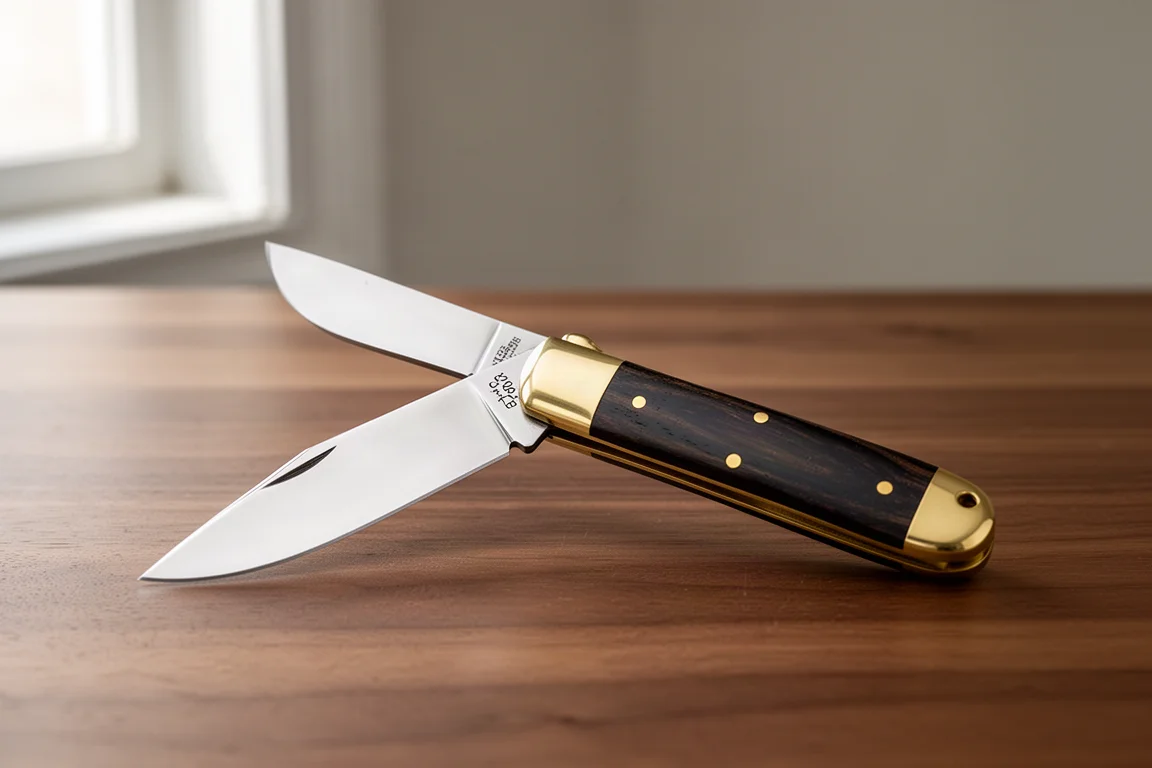
If the 110 is too large for your hands or pockets, the 112 Slim Heritage Elite offers the same recipe in a smaller frame. It shares the same MagnaCut blade, Boss heat treatment, slim profile, and pocket clip, and it runs $175, making it the less expensive entry into this modern traditional line.
Both sizes are phenomenal, and the choice really comes down to whether you prefer the smaller or larger carry. The larger 110 is the stronger pick for hand feel, but the 112 makes just as much sense for anyone who wants a more compact everyday folder.
Buck 791 Elite
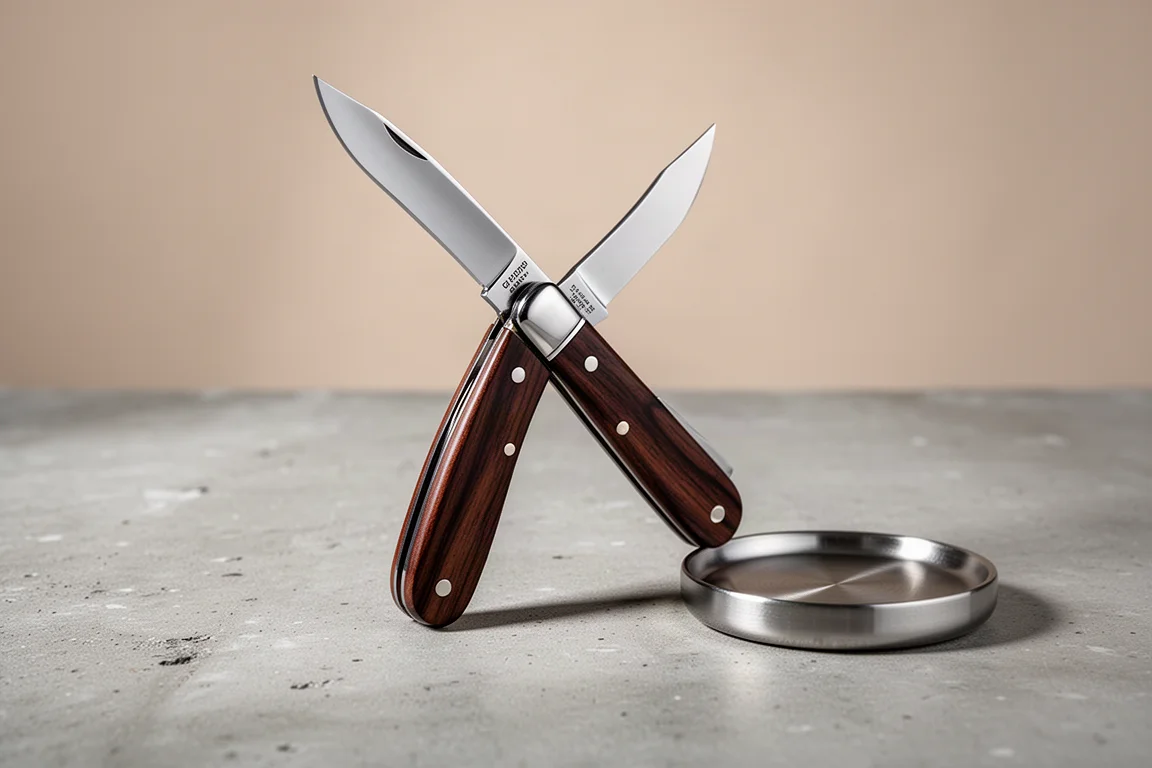
Buck is also improving its modern folder lineup, and the 791 Elite might be one of the nicest MagnaCut folders available right now. It runs on washers, and the action is astonishingly smooth. Many premium knives with hand-polished washers do not come close; only a knife costing several thousand dollars has felt smoother.
Construction is beautiful, with a clean machined finish, an ultra-deep-carry pocket clip, and excellent ergonomics that work well in both a regular and reverse grip. It carries the same MagnaCut blade with the Boss heat treatment, and Buck’s forever warranty backs it: send in a decades-old knife and the company will restore it and return it.
Two things hold it back from perfection. The grind is a little thick behind the edge given the relatively thin blade stock, so a hollow grind would make it slicier. And the smooth aluminum handles get slippery with wet or sweaty hands, with little texture to help. A G10 or micarta-inlay version would be preferable.
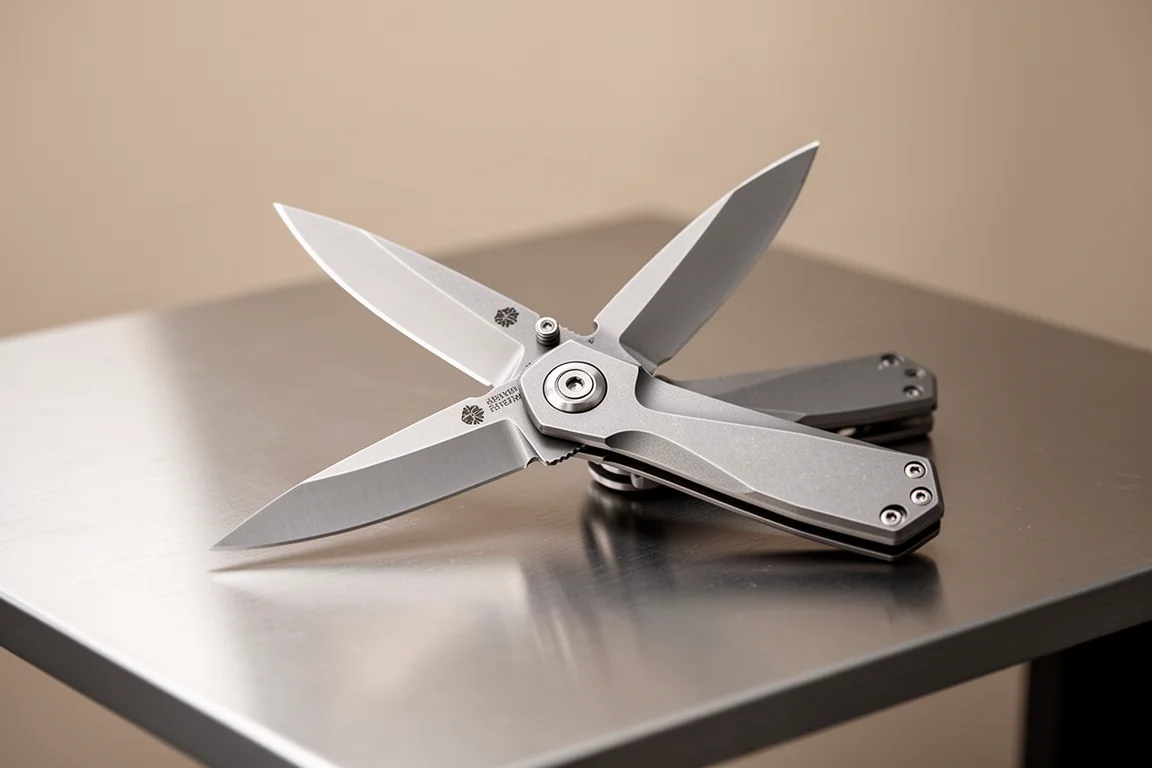
At around $220, it sits roughly $20 above where it ideally should be, but American-made production and that exceptional warranty soften the math, and the action alone is best in class.
Buck Nomad and Buck Ferox vs the Kershaw Iridium
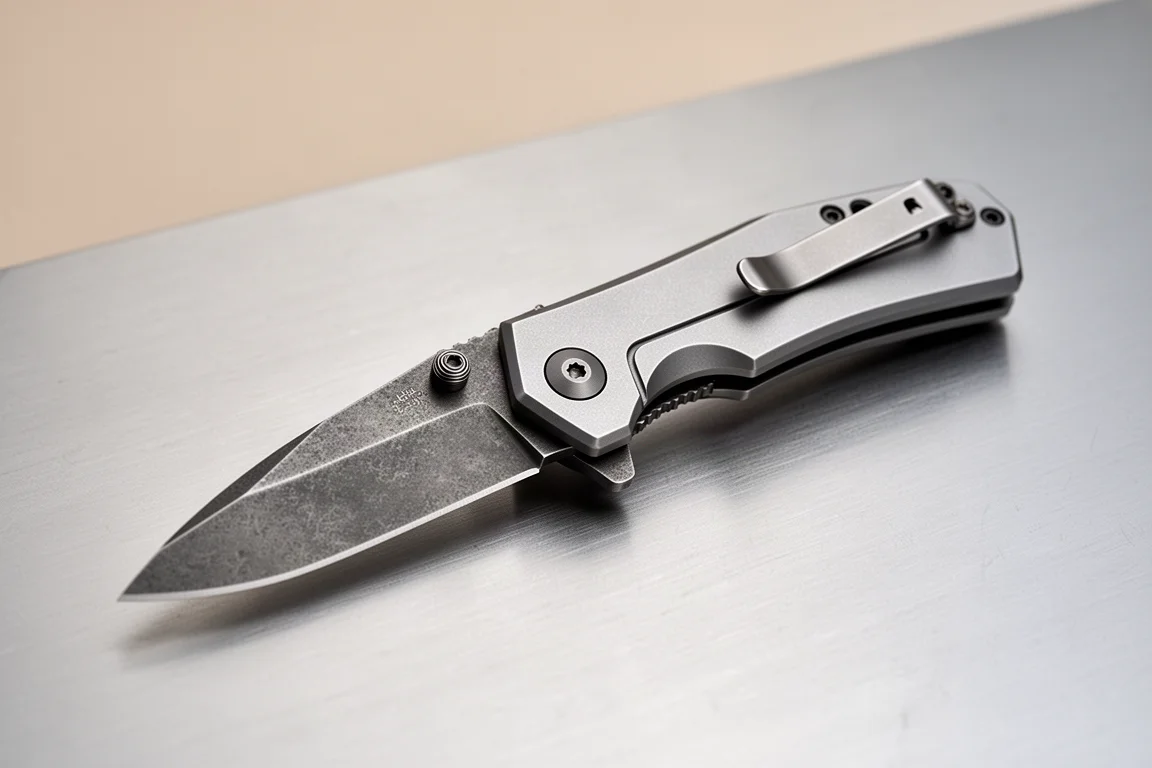
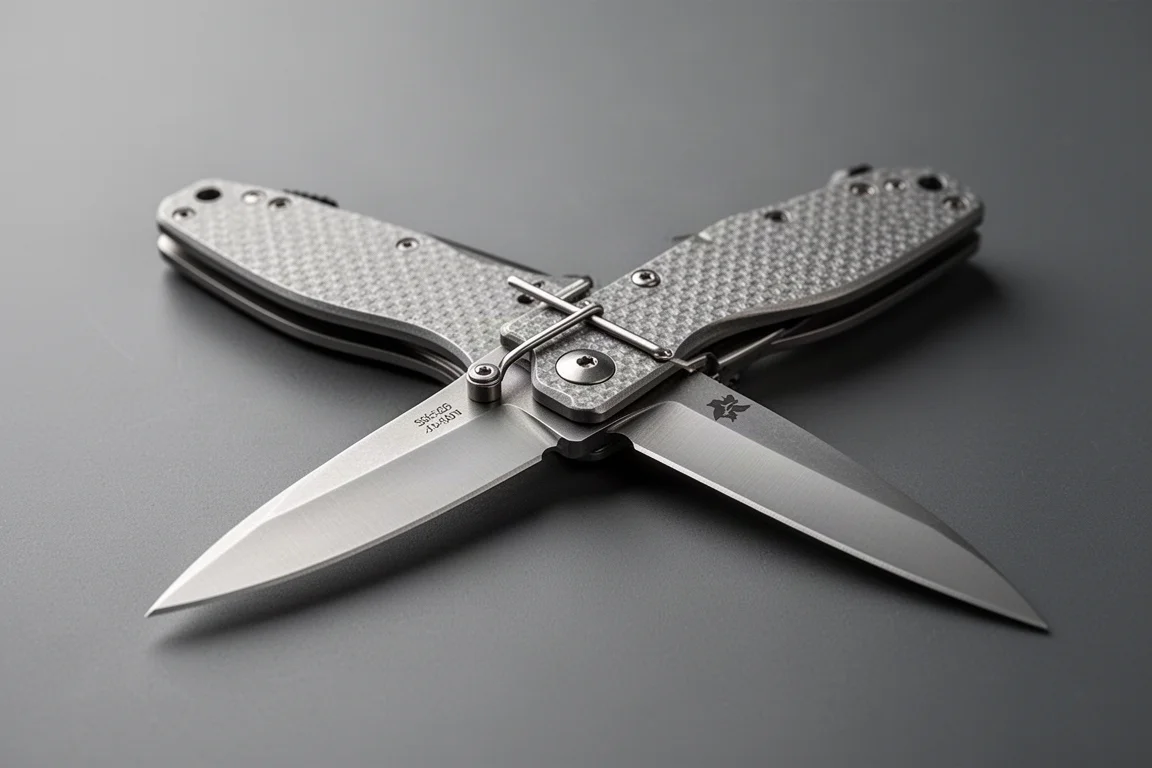
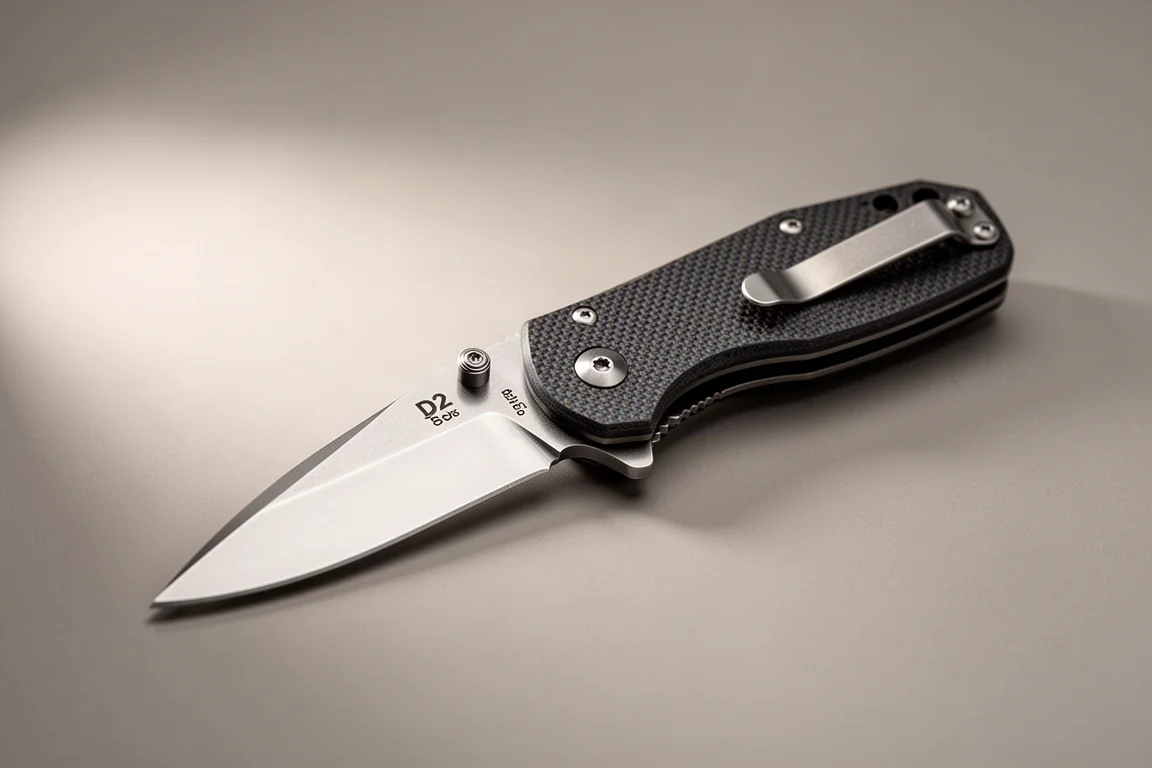
Dropping down from the heritage top end, the Nomad and Ferox are aimed squarely at the Kershaw Iridium. Same price, similar materials, and arguably better execution. Both run on bearings, offer comfortable textured aluminum handles, slice nicely, and feature reversible clips with a lanyard spot and a clean, slim crossbar design.
The Ferox uses a sheepfoot blade with a flat grind, while the Nomad pairs a hollow grind with a slightly shorter blade at 3.25 inches versus the Ferox’s 3.37 inches. Buck has long done hollow grinds well, and the Nomad is the pick if cutting performance is the priority. One small note on the Nomad: the plunge sits a bit far forward, so the bevel thickens early, meaning you may lose a little blade height to reprofiling over years of sharpening.
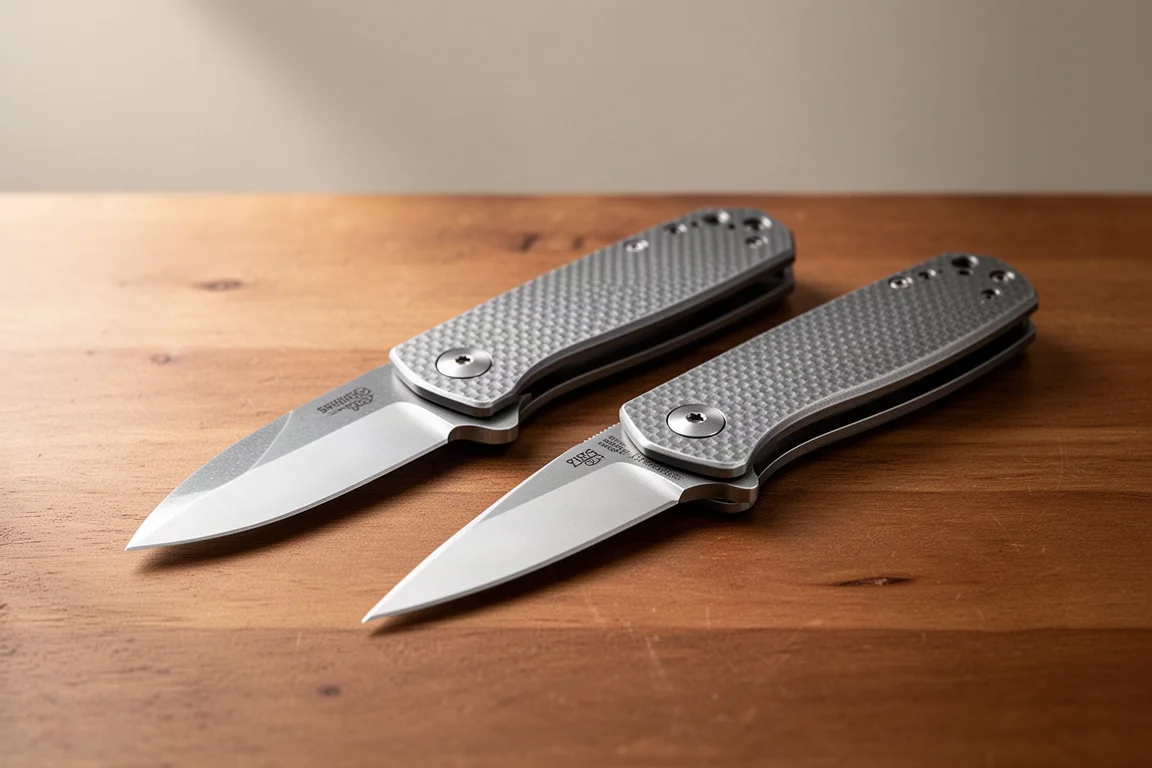
The Kershaw Iridium, at around $75, has been widely praised, but it reads as fairly mediocre and about $30 or $40 overpriced compared with what is available online. Where it shines is retail: it is a high-quality, well-executed knife you can pick up at stores like Dick’s Sporting Goods or Cabela’s with confidence. Given the choice between all three, Buck is the safer bet, and between the Nomad and Ferox, you genuinely cannot go wrong.
Buck Scout, Guide, and Hunter
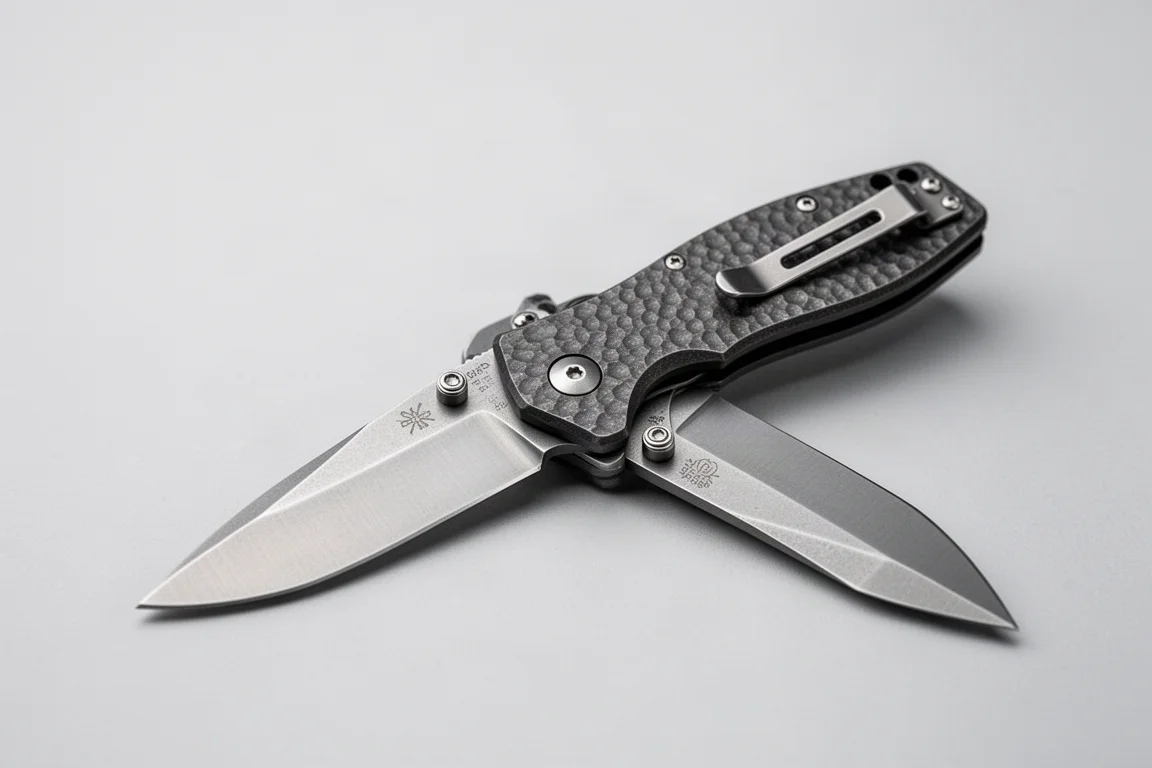
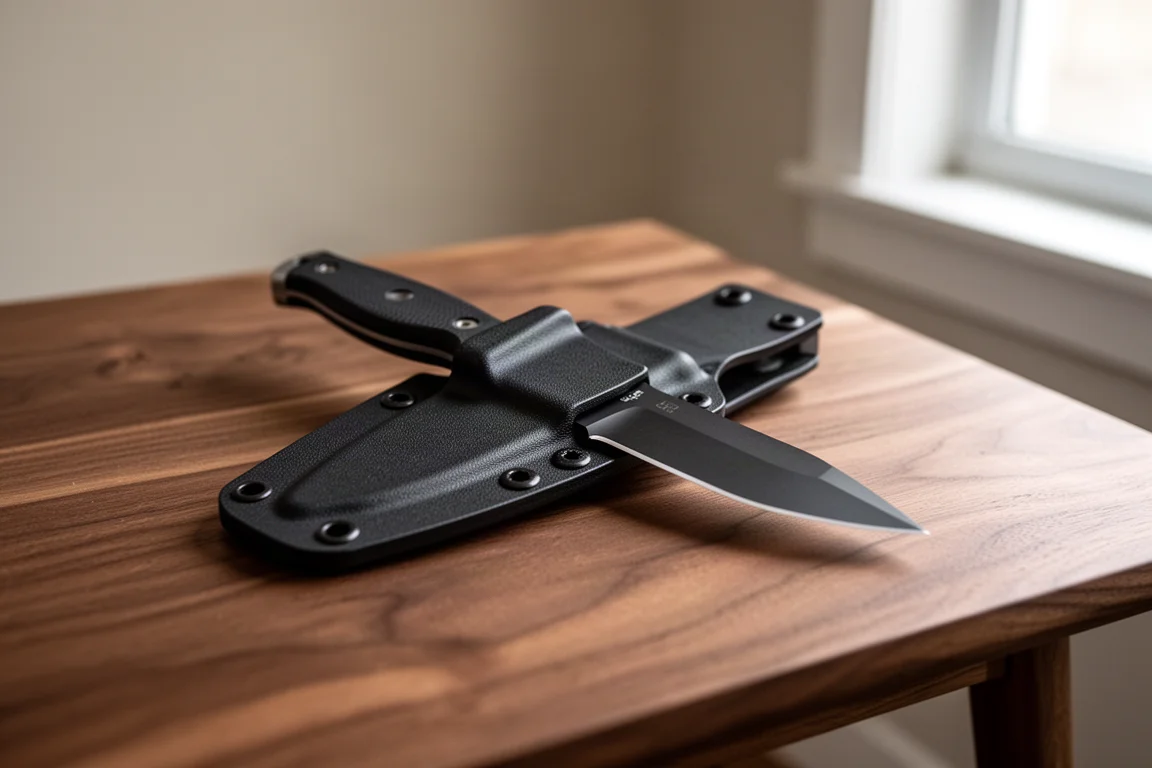
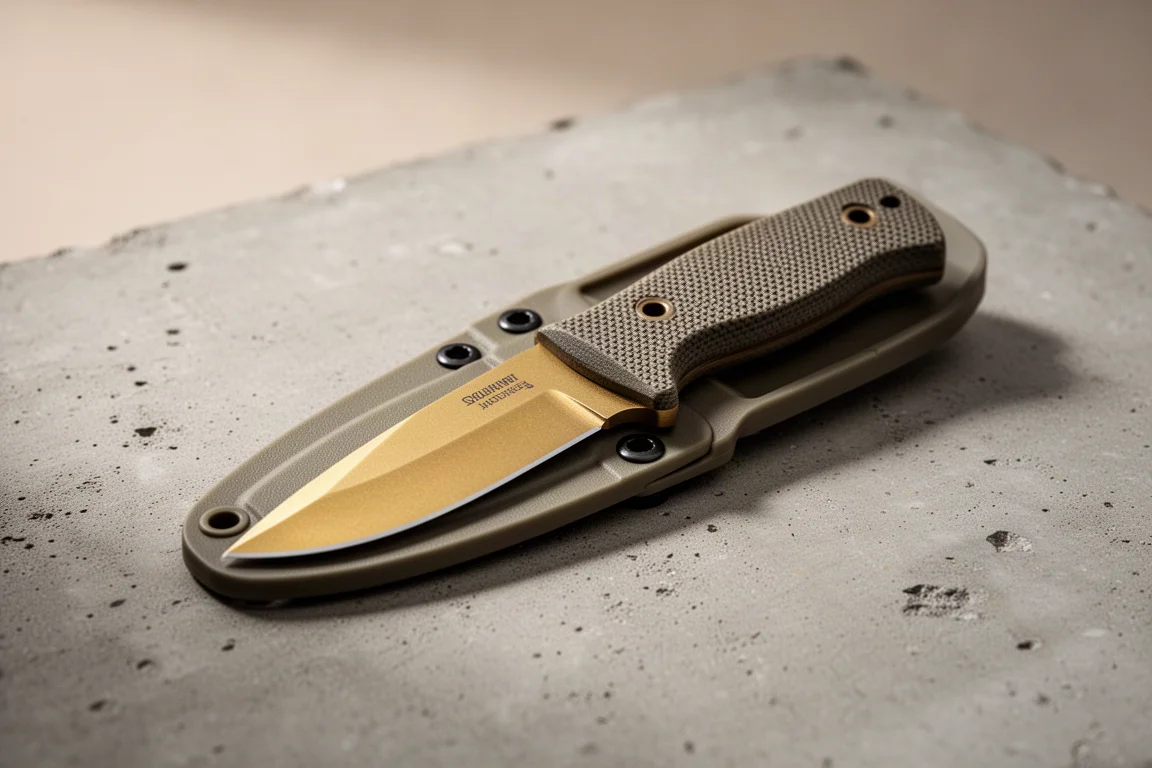
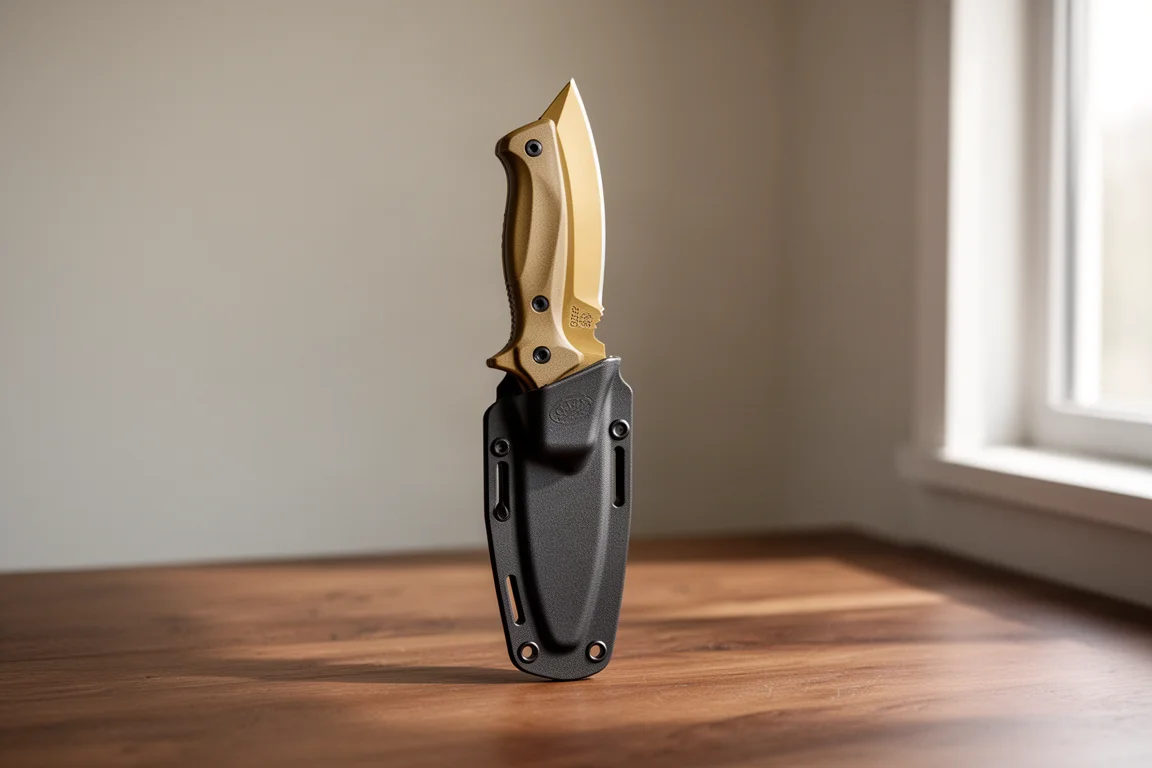
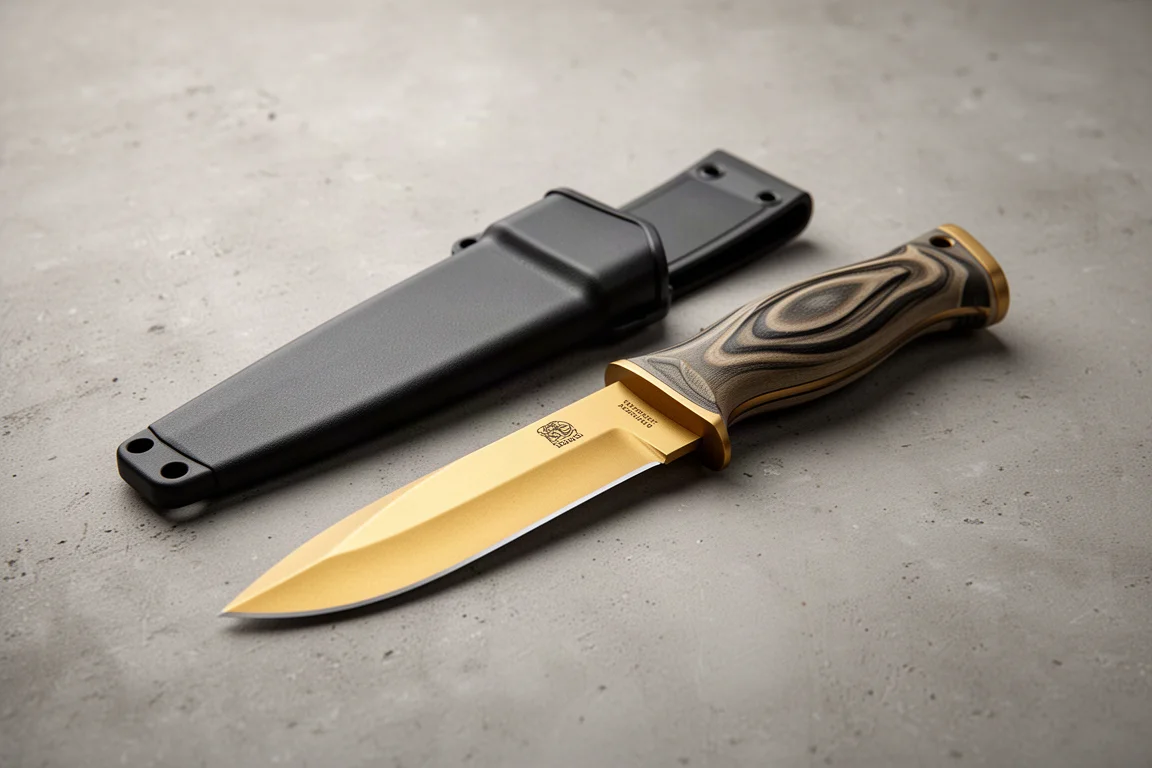
Buck’s fixed-blade Scout, Guide, and Hunter have been around for a while, but this variation adds a golden Cerakote finish. Across all three, the sheaths are phenomenal, with good geometry and shapes, and the handles are very comfortable. As a platform, these are well-designed knives.
The problem is the pricing. The Cerakote versions run $20 to $40 more than the base models, and Cerakote on a blade adds thickness and friction while offering no functional benefit for a stainless steel like 420HC that is easy to maintain. Even the base models, in 420HC and at roughly $70 to $75, feel about $20 too expensive for the steel on offer. If you do buy one, skip the Cerakote version and consider that an Ulticlip-style modular clip option would go a long way toward justifying the price. Pairing any of these with a proper clip system would make the value story far stronger.
Better Value Elsewhere
ESEE Izula
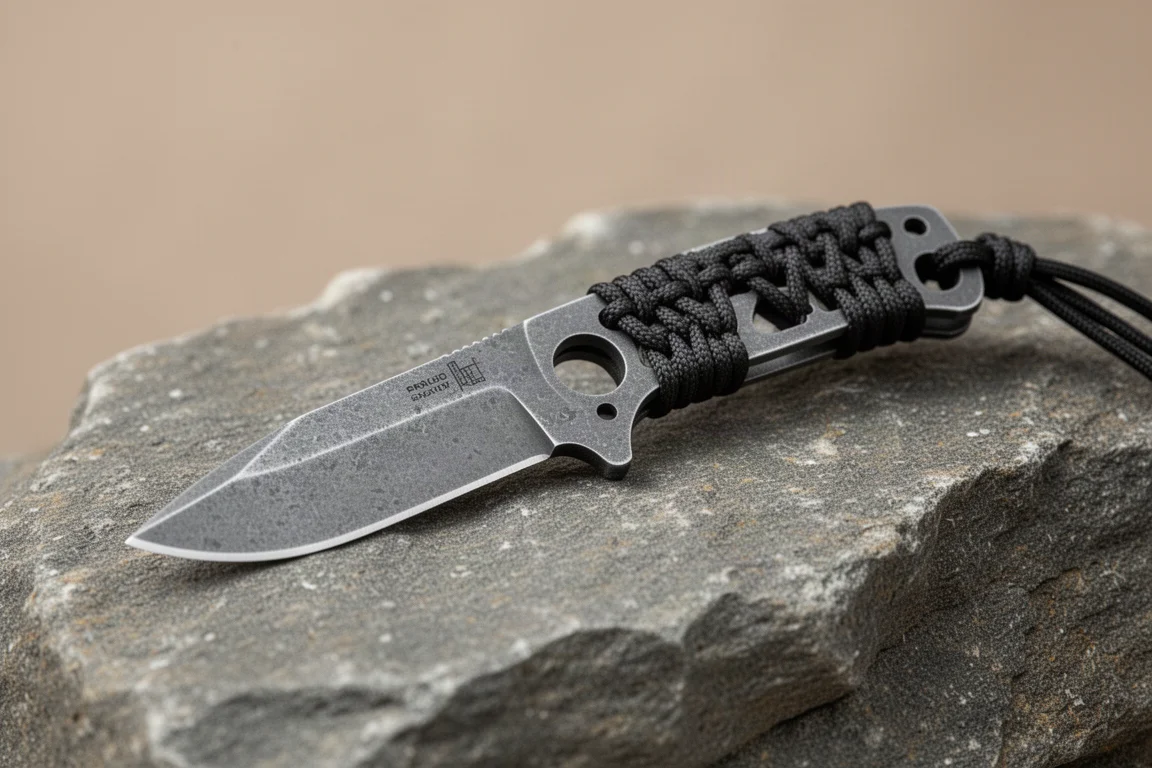
For context on price, the American-made ESEE Izula costs only around $10 more than the Cerakote Scout while running a powder metallurgy S35VN steel, and ESEE’s warranty reputation stands alongside Buck’s as among the best in the industry. If raw performance per dollar is the goal, it is a compelling alternative.
Kizer Harpoon
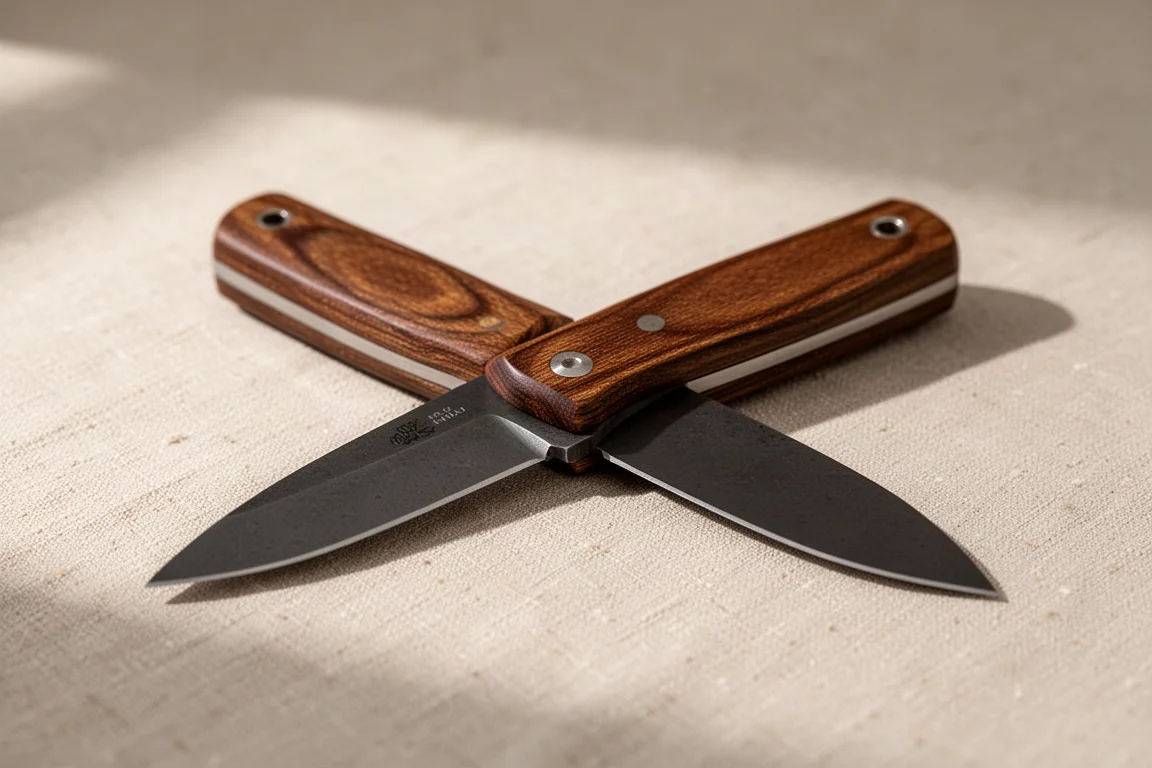
On the import side, Kizer’s Harpoon line delivers micarta handles at roughly $40 to $60 depending on the steel variant, undercutting Buck’s fixed blades while offering strong performance. These are the kinds of alternatives that make the Scout, Guide, and Hunter pricing hard to accept unless you genuinely love Buck.
Buying Advice
Buck cannot win every time, but the top end of this lineup is a clear win. The 110 Slim Heritage Elite and 112 Slim Heritage Elite are phenomenal modern traditional knives with steel and heat treatment good enough to last generations, and the 791 Elite is a best-in-class modern folder if you can accept smooth aluminum handles. In the mid-tier, the Nomad and Ferox beat the Kershaw Iridium on execution at the same price. The fixed blades are well-made but priced above their steel, so buy the base versions only if you are committed to Buck, and avoid the Cerakote variants.
Conclusion
Buck is nailing it at the top of the spectrum, and the heritage and modern flagships should carry the brand comfortably for the next decade. Choose the 110 or 112 Slim Heritage Elite for a modern traditional you will never want to replace, the 791 Elite for the smoothest action in its class, the Nomad or Ferox for strong value folders, and look elsewhere unless the fixed blades speak to you specifically.
Further reading
Related Reviews

Knives
Benchmade Mini Narrows Review: A Pocket Knife That Disappears in Your Pocket
The Benchmade Mini Narrows is a remarkably thin and light pocket knife with impressive engineering, but a high price and dull factory edge make it a tough recommendation for most buyers.
Knives
Best Knives Under $1,000: Premium Folders Worth the Investment
A look at premium folding knives around the $1,000 mark, from upgraded classics to purpose-built masterpieces, and what actually justifies the price.
Knives
Best Outdoor and EDC Knives: 8 Blades Worth Carrying
A practical lineup of eight fixed-blade and folding knives for hiking, backpacking, and everyday carry, with honest notes on what each one does best.