Art Supplies
Bruynzeel Colored Pencils 24 Set Review: Budget Pencils That Punch Above Their Price
A hands-on look at the Bruynzeel 24 set of colored pencils, covering layering, blending, solvent response, and how they perform on white and black paper.
Introduction
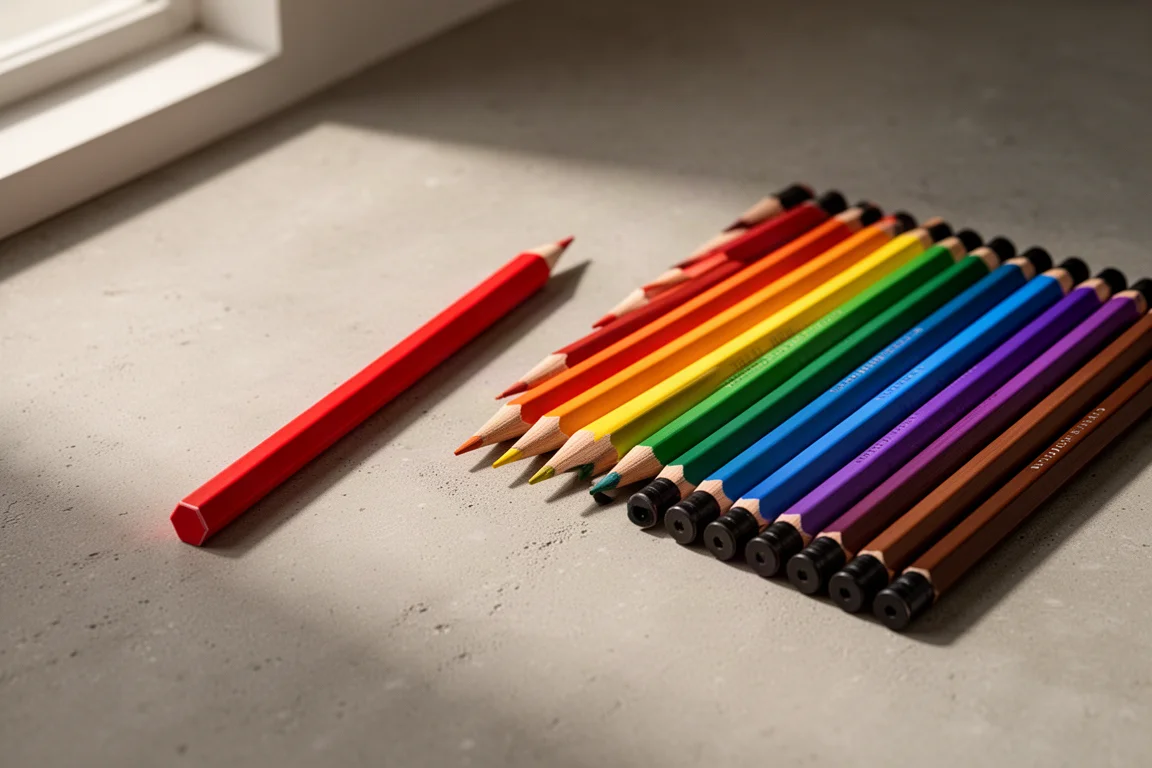
Bruynzeel, part of the Royal Talens family, has long been known for offering genuinely good pencils at accessible prices, including the lightfast-rated Van Gogh line. This 24 set sits below that, positioned as a kids’ pencil, but the color coming off the lead is anything but disappointing. This review looks at how the set performs across swatching, layering, blending, solvent work, and dark paper, so you can decide whether it deserves a place in your art kit or your child’s school bag.
What You Get in the 24 Set
The set arrives in a tin featuring Bruynzeel’s playful little pencil-shaped “b” logo, a tidy bit of design work that makes the package feel more considered than most budget sets. Worth noting: Bruynzeel is going through a branding change on this line, so from around April the same pencils are planned to ship in a tin with different artwork. The pencils themselves are unchanged, and the set is only sold in 12 and 24 counts with no open stock and no lightfastness rating, which is expected at this price point.
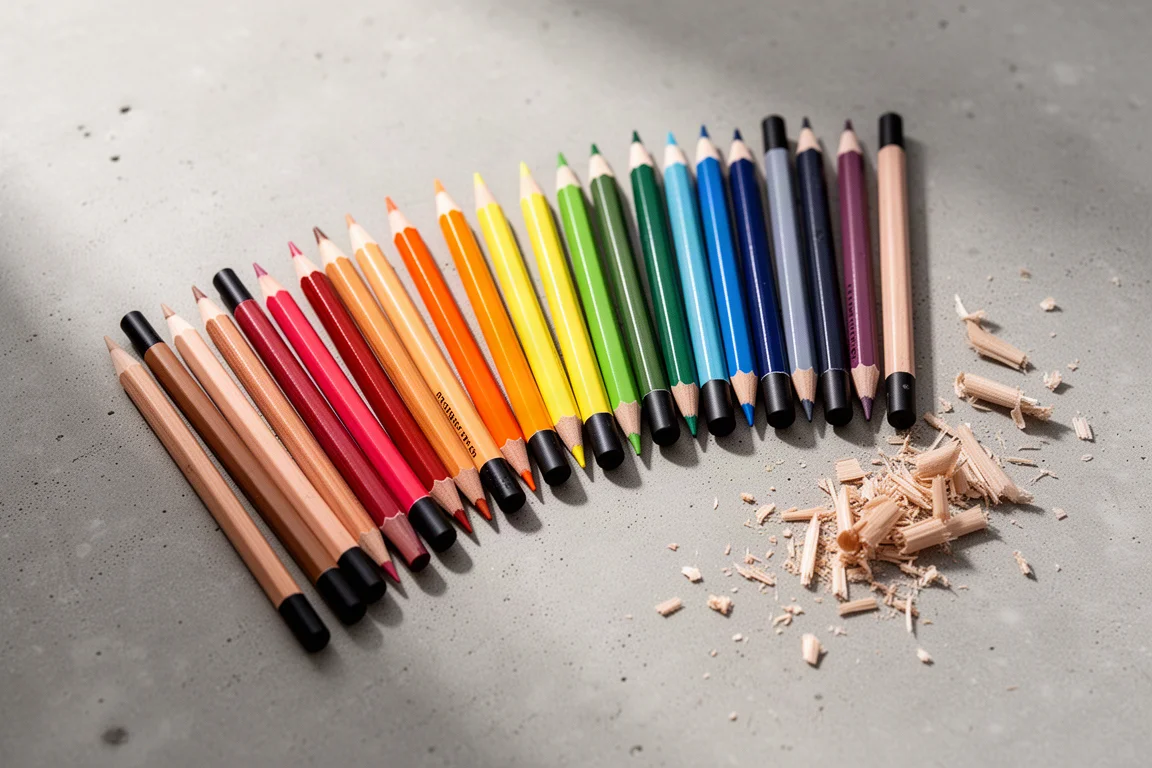
The color selection is fairly standard for a 24 set: three reds, three orangey yellows, three greens, three blues, three purples, three browns, a gray, two reddish purples, and a black and white. The greens are the weakest part of the lineup, leaning aqua and grassy in a way that won’t suit everyone, though the darker green is the most usable of the three.
Each pencil has a hexagonal barrel measuring 7.4 millimeters around a 3.3 millimeter core. Barrels are color-coded to the pigment, with the brand name, Holland origin marking, and the black end cap carrying the logo. There are no pigment names on the barrel, which is typical for this tier.
Swatches and Color Strength
Swatching was done on Strathmore Bristol Vellum, transitioning from a light touch at the top of each swatch to heavier pressure at the bottom. The strength of color is surprisingly strong for a budget pencil, with bright, vibrant laydown even at light pressure.
The core has an unusual consistency: drier than a typical wax-based pencil, though it leans waxy rather than oily. It is not super soft, and when sharpened, a point held for quite a while under light-handed use, which is a genuine practical advantage for detailed work and for kids who won’t be re-sharpening constantly.
Layering and Blending Tests
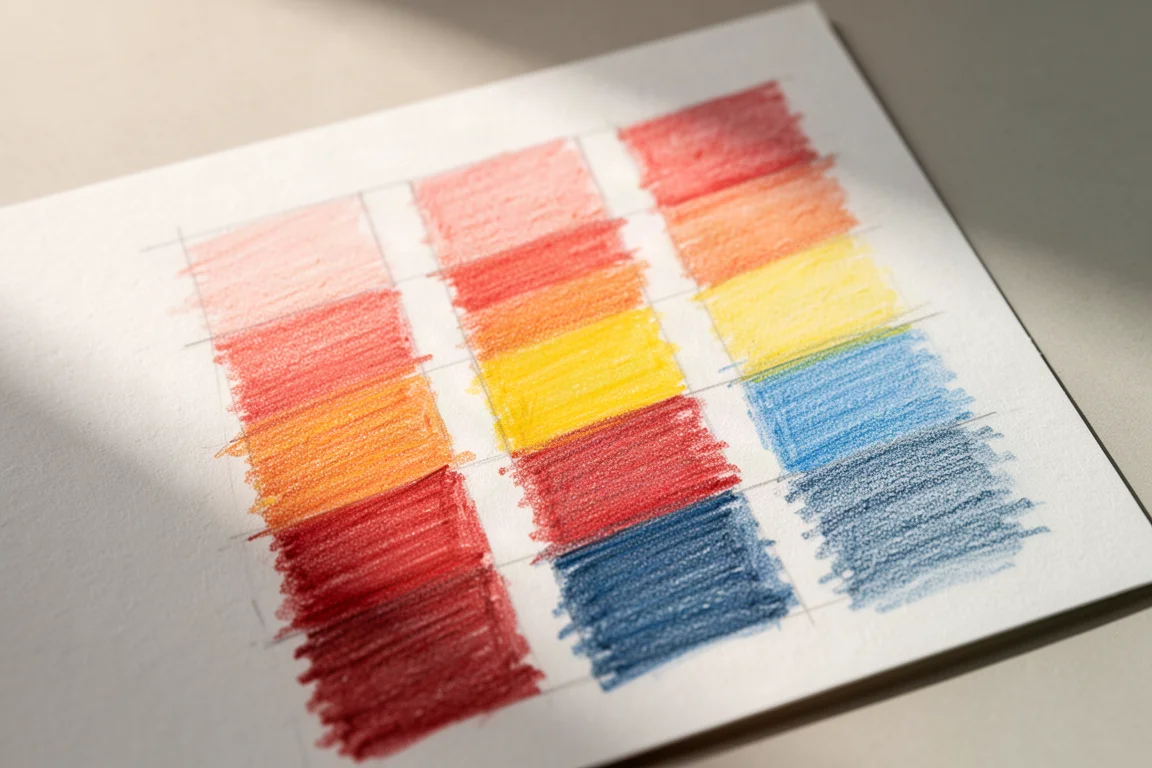
Layering tests used lightly textured Hanemühle watercolor-style paper, building one through five light layers in separate columns plus one heavy single application. The pencils accept repeated layers well without quickly clogging the paper texture.
Blending results were equally encouraging. Yellow and blue produced a clear green, yellow and red produced a rich orange, and even the notoriously tricky red-and-blue purple came out as a visible, believable purple. For an inexpensive kids’ pencil, that blending behavior is genuinely impressive.
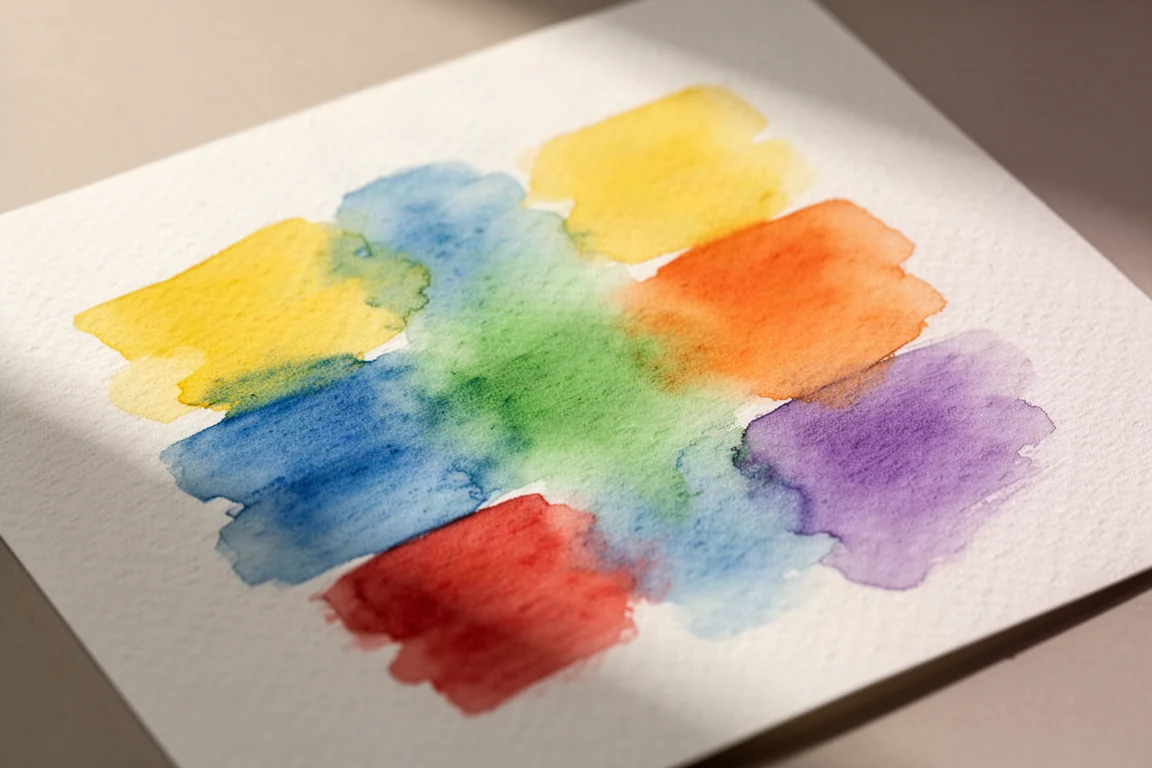
A finished still life drawn on Derwent Lightfast paper brought all of this together: the layering and blending combined cleanly, and the artwork held up well, reinforcing that inexpensive pencils do not automatically mean poor results.
Odorless Mineral Spirits Response
For artists who use odorless mineral spirits to liquefy pencil layers and rejuvenate the paper tooth, these pencils respond to the technique. Applied with a brush over layered color (Zest-it was used in testing), the pigment broke down into a smooth, painterly effect, filling the paper tooth and making it possible to keep building layers.
This matters because even budget pencil users may want solvent work in their toolkit, and it is a technique worth knowing before assuming a cheap set can’t handle it. As always with solvents, results depend on technique and paper, so treat this as a capability rather than a guarantee.
Who These Pencils Are Really For
The strongest case for this set is children and casual colorists. Cheap multi-pencil art sets sold around the holidays often frustrate kids because color barely transfers, and frustration with materials can stifle a child’s interest in art entirely. Kids want immediate results, and these pencils deliver bright, visible color with normal pressure.
They also suit adult beginners, adult coloring books, and anyone wanting a low-risk set for practice. If you can get this kind of result from them, anyone can, given a little practice and enjoyment in the process.
Performance on Black Paper
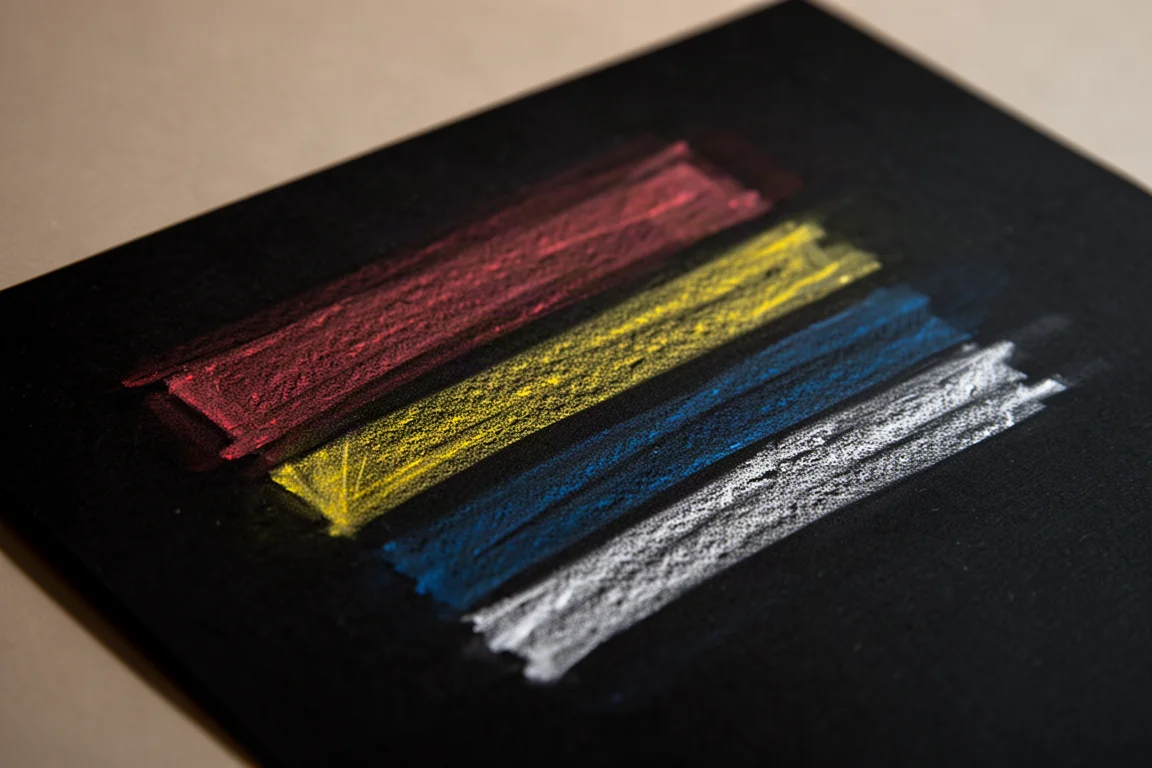
The final test used black paper, and the results were more translucent than expected. The black shows clearly through the applied color, so these are not heavily opaque pencils. That is not a flaw in itself; it simply describes the core. For artists who love working on dark paper, it means lighter, more muted effects rather than punchy opaque coverage, so adjust expectations accordingly.
Buying Advice
If you want an inexpensive set that layers well, blends into real secondary colors, holds a point, and responds to odorless mineral spirits, this 24 set is easy to recommend, with the caveat that the green selection is limited and opacity on dark paper is low. Check current pricing on the product page before buying, and note the upcoming packaging change if the tin artwork matters to you.
Conclusion
Bruynzeel continues to deliver solid quality at inexpensive prices, and this 24 set is no exception. Strong color laydown, good layering and blending, and solvent compatibility make it a standout among budget pencils, particularly for kids and beginner artists. It will not replace a lightfast artist-grade set, but for the price, it is genuinely hard to beat.
Product link
View more details for Bruynzeel Colored Pencils 24 Set
This product is mentioned in the review. Check the specifications, options, and compatibility before buying.
View more details for Bruynzeel Colored Pencils 24 SetFurther reading
Related Reviews
Art Supplies
Art Pop Watercolor Pencils 48-Color Set: A Thoughtfully Designed Student-Grade Option
The Art Pop 48-color watercolor pencil set blends well, dissolves smoothly, and includes artist-friendly details like barrel-printed color names, all at an affordable price.
Art Supplies
Artics Acrylic Markers 3mm Review: Versatile Paint Markers With a Few Caveats
A 48-color set of water-based acrylic paint markers that blend while wet, dry permanent, and keep the price low, though safety transparency remains a question.
Art Supplies
Best Art Supplies Worth Your Money: Pencils, Pens, Paints, and Paper That Earned Their Spot
After years of daily use and testing, these are the pencils, pens, watercolors, gouache, brushes, sketchbooks, and erasers that stand above the rest.