Work Boots
Brunt Omens Chelsea Boot vs Marin: Two Work Boots, One Big Sole Upgrade
The new Brunt Omens Chelsea finally gets a slip-resistant, oil-resistant sole. We compare it with the Marin to see how much Brunt has improved.
Introduction
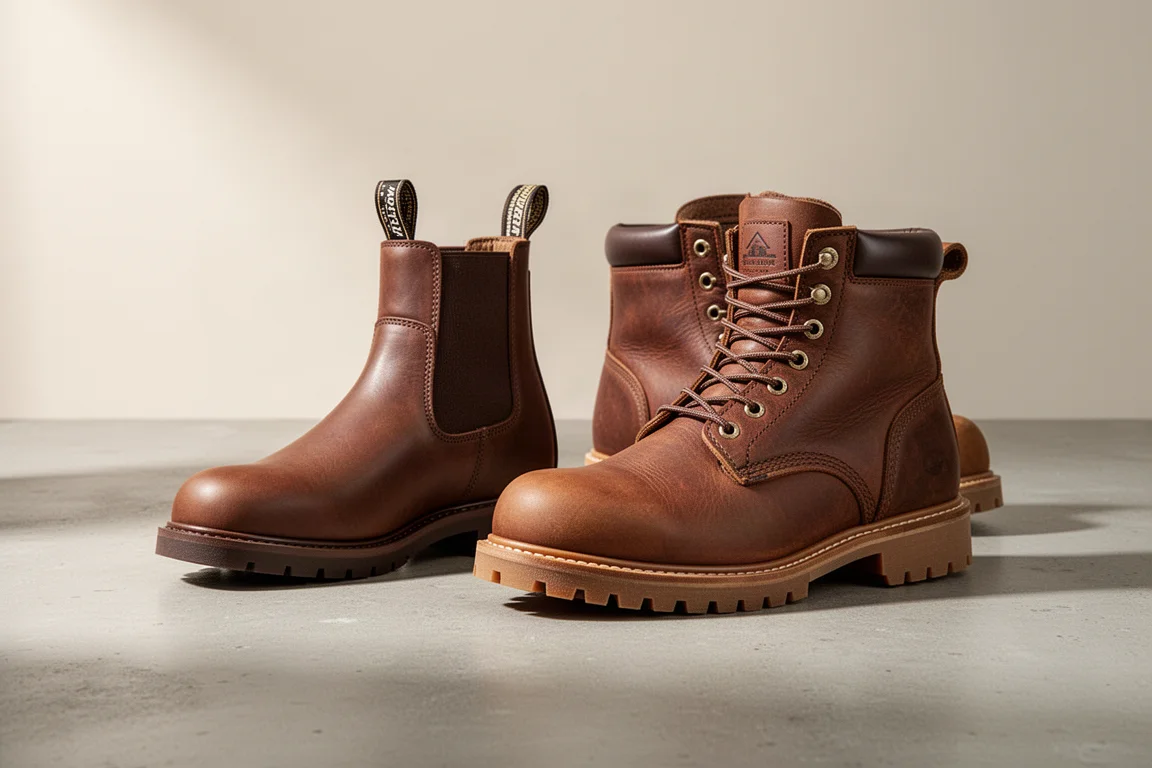
Brunt has built its name on affordable work boots, but opinions have always been split. Some of its earlier models had a real problem: soles that felt slick on wet surfaces, which is a serious issue for anyone hauling gear around a yard, a trailer, or a landfill site. The new Brunt Omens Chelsea boot aims to fix exactly that, and the question is how much of a difference it makes in practice.
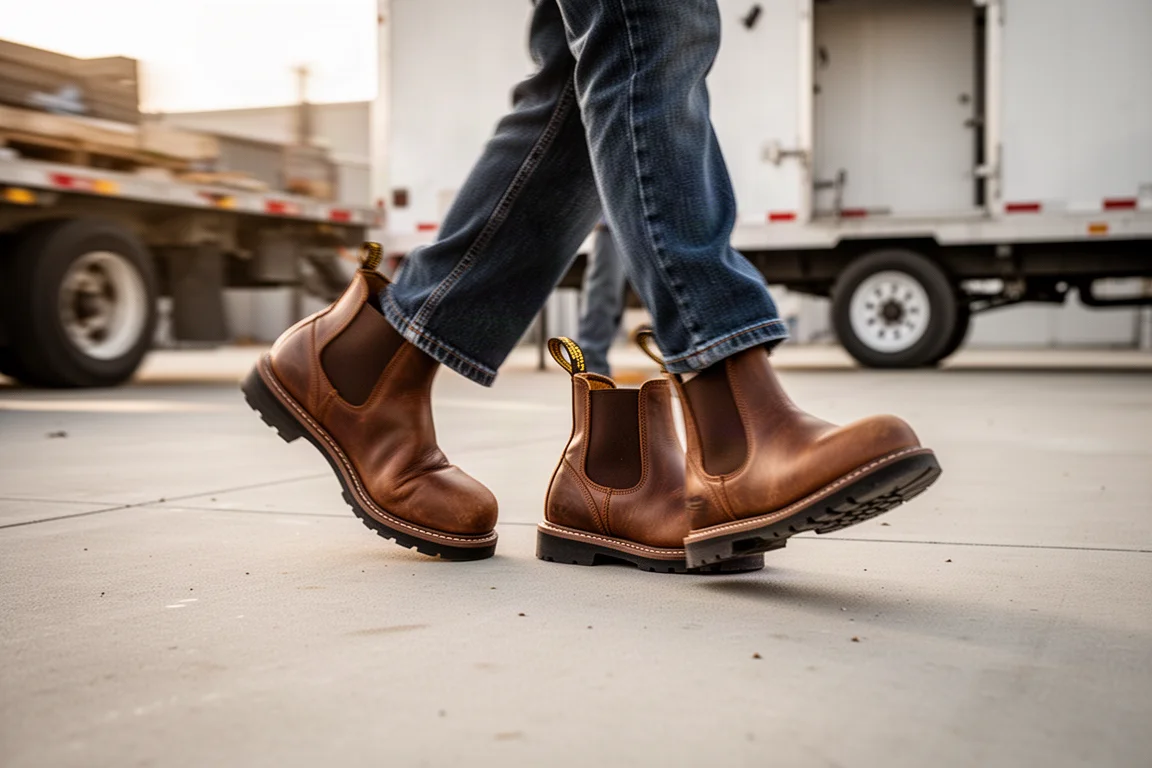
We spent time with both the Omens and the older Marin, comparing comfort, grip, and durability for light-duty work such as yard projects, store runs, and general hauling. This comparison is written for buyers who want to know whether the newer model is worth the money and where the older boot still fits.
The Sole Upgrade: Where the Omens Actually Improves
The biggest change on the Omens is the new sole. It is non-marking, slip resistant, and oil resistant, and it grips noticeably better than the older Brunt sole design. The older sole felt harder and cheaper underfoot, and it made wet conditions genuinely risky. The new compound feels higher quality from the first week of wear, and the improvement is easy to feel even without a long break-in.
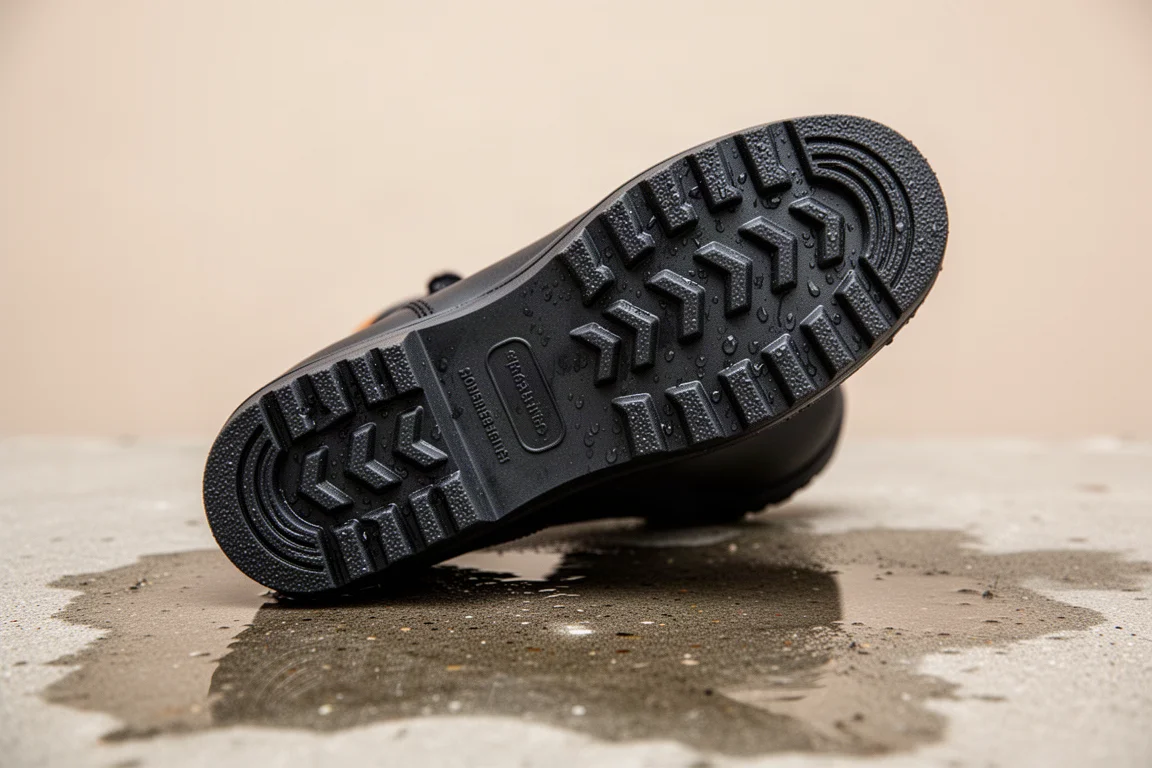
This is the fix the earlier boots needed most. Slip resistance was the single largest complaint with previous Brunt soles, so seeing it addressed here is a clear sign the company is moving in the right direction.
Comfort and Everyday Use
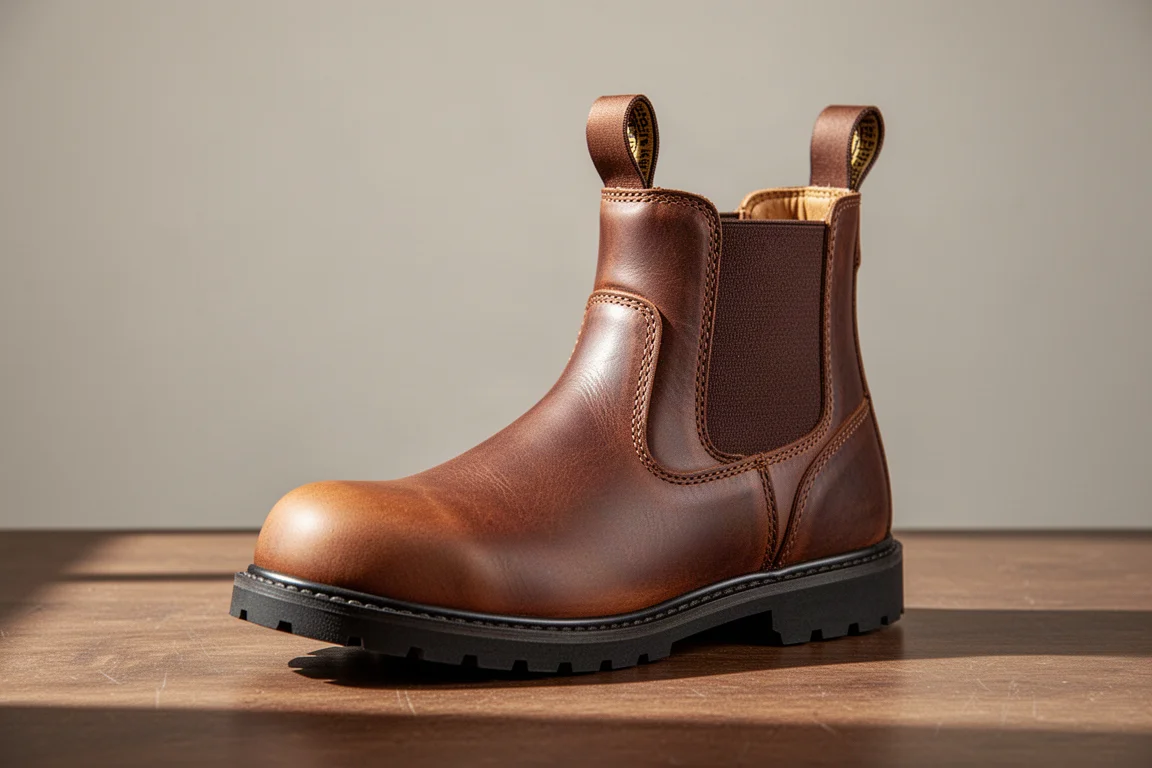
The Omens is a soft toe Chelsea boot, so it is not the pick for heavy job sites where you need steel or composite toe protection. For light duty, though, it works very well. It is easy to slip on, offers reasonable protection for its class, and has proven more comfortable than the Marin, which was already a reasonably comfortable boot on its own.
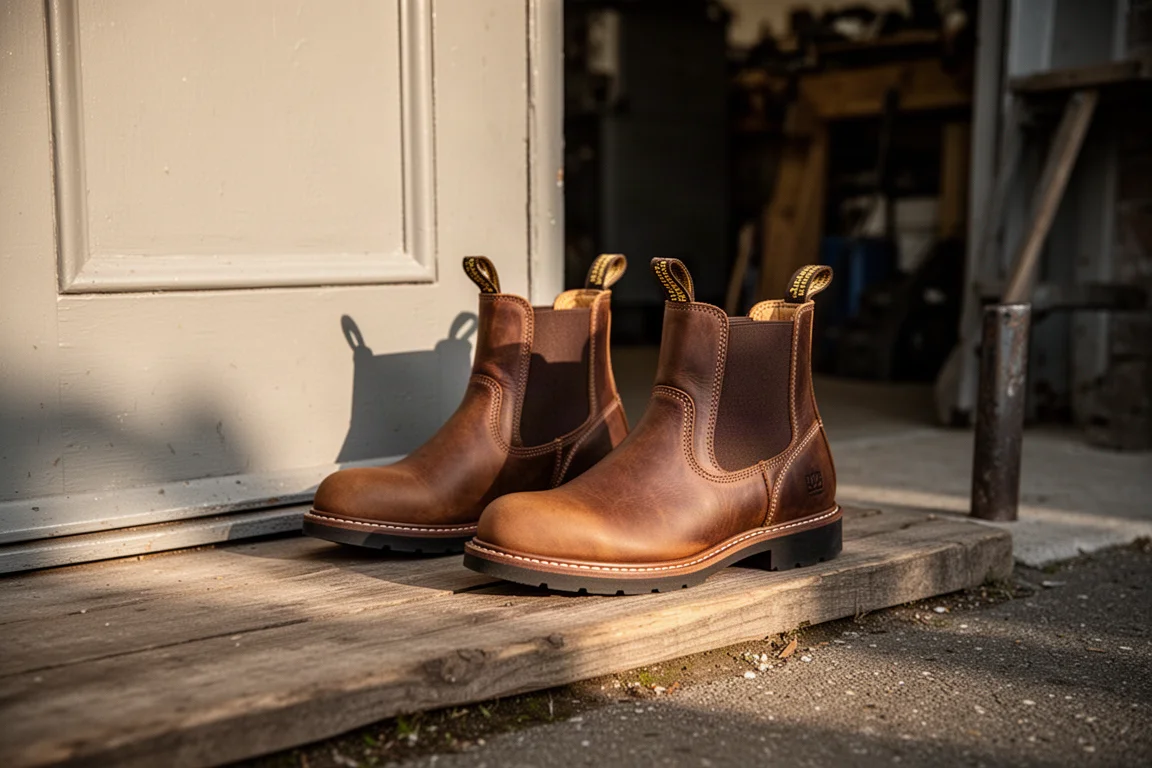
In use, it has handled tree work around the property, hardware store runs, and plenty of walking on several acres of land. Comfort has been excellent from the start, and it is now the favorite boot in rotation. At roughly $130, the value proposition is strong, even though the boot is made in China. At this price point, expectations should stay realistic.
How the Marin Is Holding Up
The Marin has roughly five to six months of wear, not worn every single day, and the most visible result is uneven wear patterns on the older sole. That sole is the boot’s main weakness: it is not genuinely non-slip, and trips on a trailer and slides on wet ground were far more common than with any other boot in the same span.
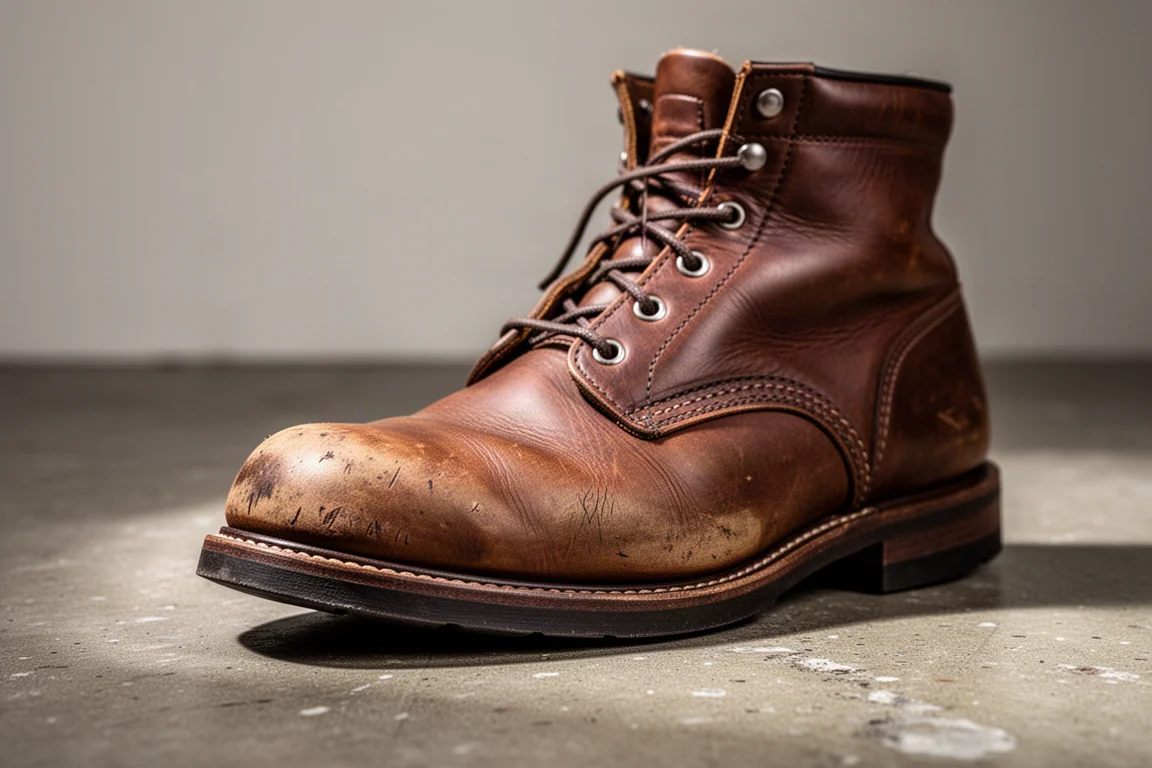
That said, the boot has otherwise held up reasonably well. There are scuffs from metal and other debris hitting the upper, and reports exist of lacing failures on some units, though that has not happened here. Brunt now offers an updated version with an added pad over the toe area to protect the leather, which reportedly improves durability where scuffing shows up first.
Buying Advice
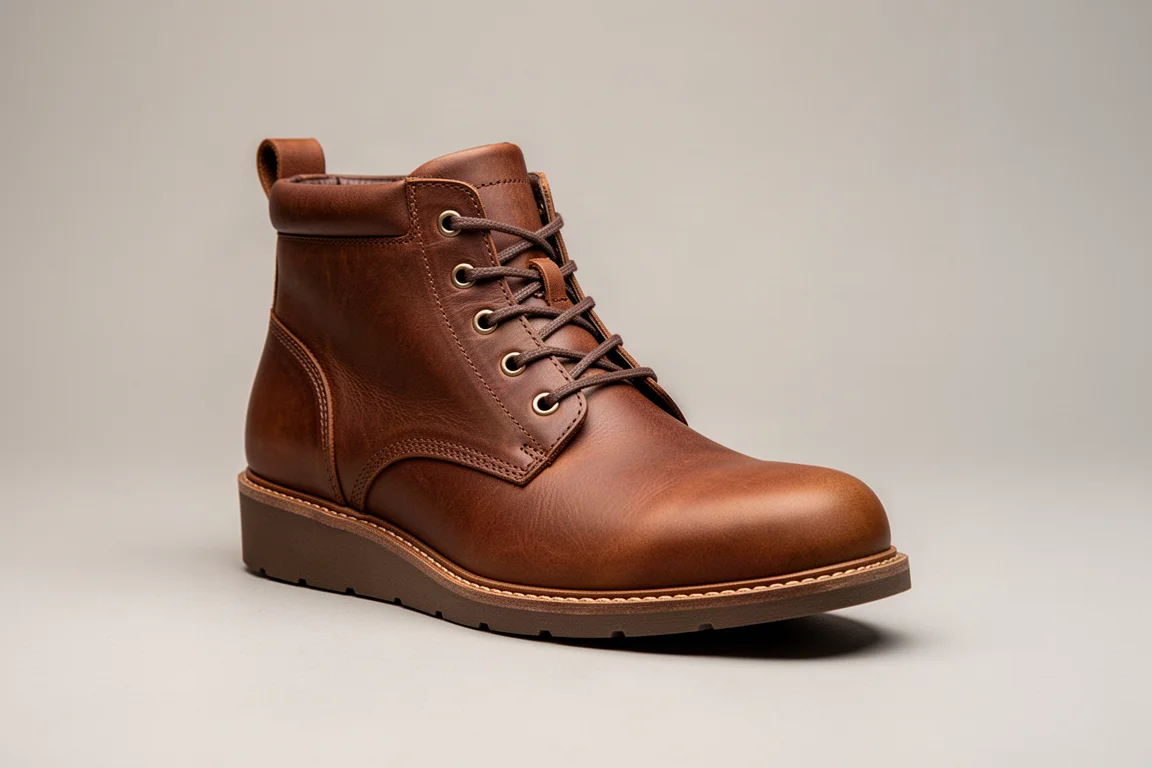
If you need slip-on convenience for light duty, store runs, and property work, the Omens Chelsea is the stronger pick of the two. It fixes the sole problem, is very comfortable, and sits at a fair price. If your work demands a hard toe and serious protection, skip both and look at dedicated safety boots instead.
Keep expectations calibrated: the glued welt is a common failure point on boots at this level, and only months of real wear will show how the new soles hold up over a full season. Neither boot is a replacement for premium resoleable work boots, but for the price bracket they occupy, the Omens in particular makes a compelling case.
Conclusion
The Omens Chelsea is a meaningful step forward for Brunt. The new slip-resistant, oil-resistant sole finally addresses the complaint that held earlier models back, and the comfort level is excellent for light-duty use. The Marin remains a decent boot overall, but its sole simply cannot match the new design. Long-term durability still needs proving, but as a first impression, the Omens is the direction this brand should keep going.
Further reading
Related Reviews
Work Boots
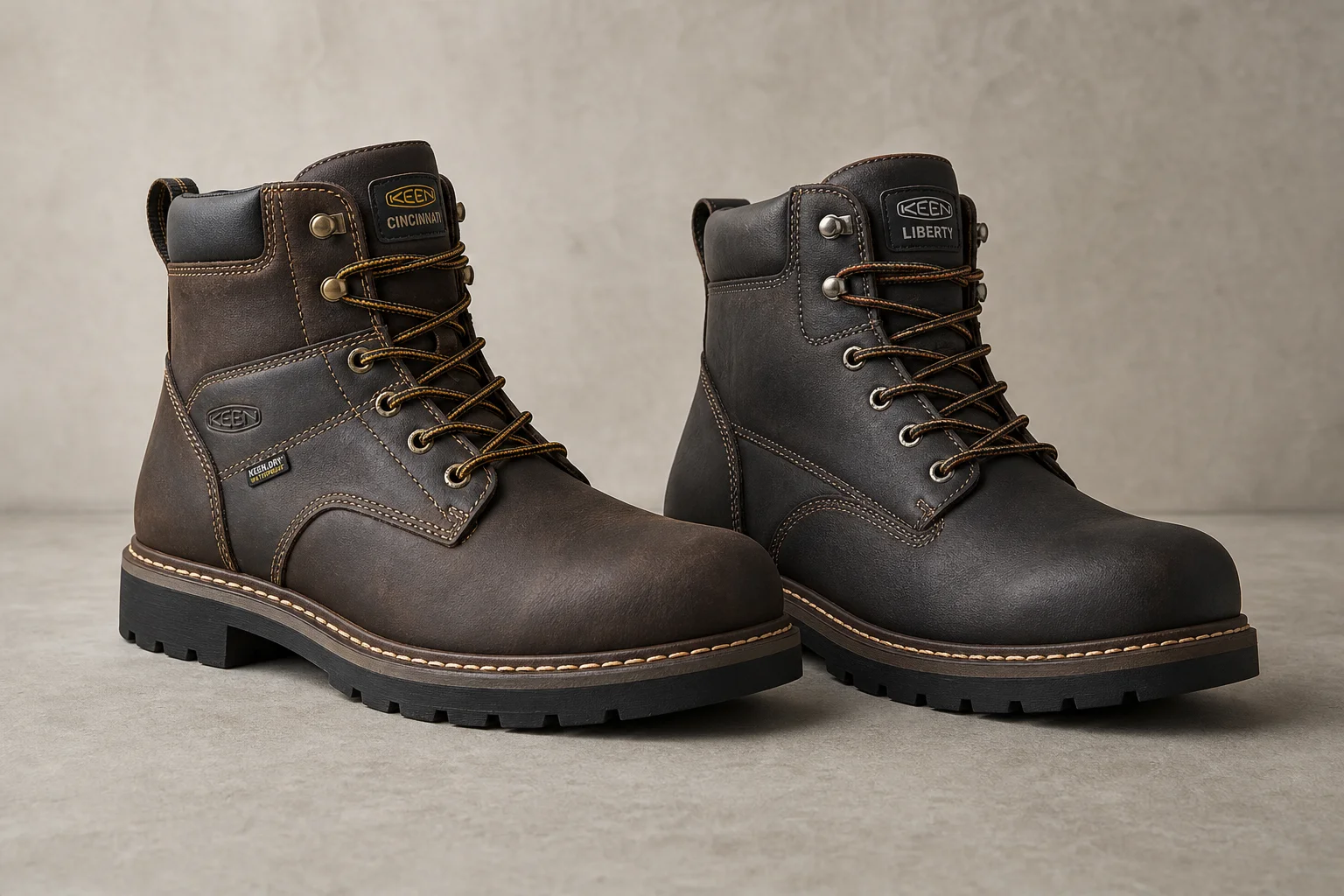
Keen Cincinnati vs Liberty: Which Wide Toe Box Work Boot Wins?
A detailed comparison of two popular Keen work boots reveals significant differences in construction, materials, and durability despite similar positioning.
Work Boots
12 Steel Toe Work Boots Tested: Budget Pair Against Nearly $300 Flagships
Twelve work boots go through traction, puncture, toe crush, heat, and electrical hazard testing, plus a half-mile comfort walk. The results are not what the price tags suggest.
Work Boots
Best Work Boots 2026: Our Top Picks for Comfort, Safety, and Value
Six work boots that stood out in testing, from a waterproof pick to a budget favorite and a three-time best overall winner.