Work Boots
Brunt Marlin Composite Toe Work Boots: First Look at a 150-Dollar Long-Term Test
A first impressions breakdown of the Brunt Marlin composite toe work boots, including what is included, what to expect, and why this test runs for a full year.
Introduction
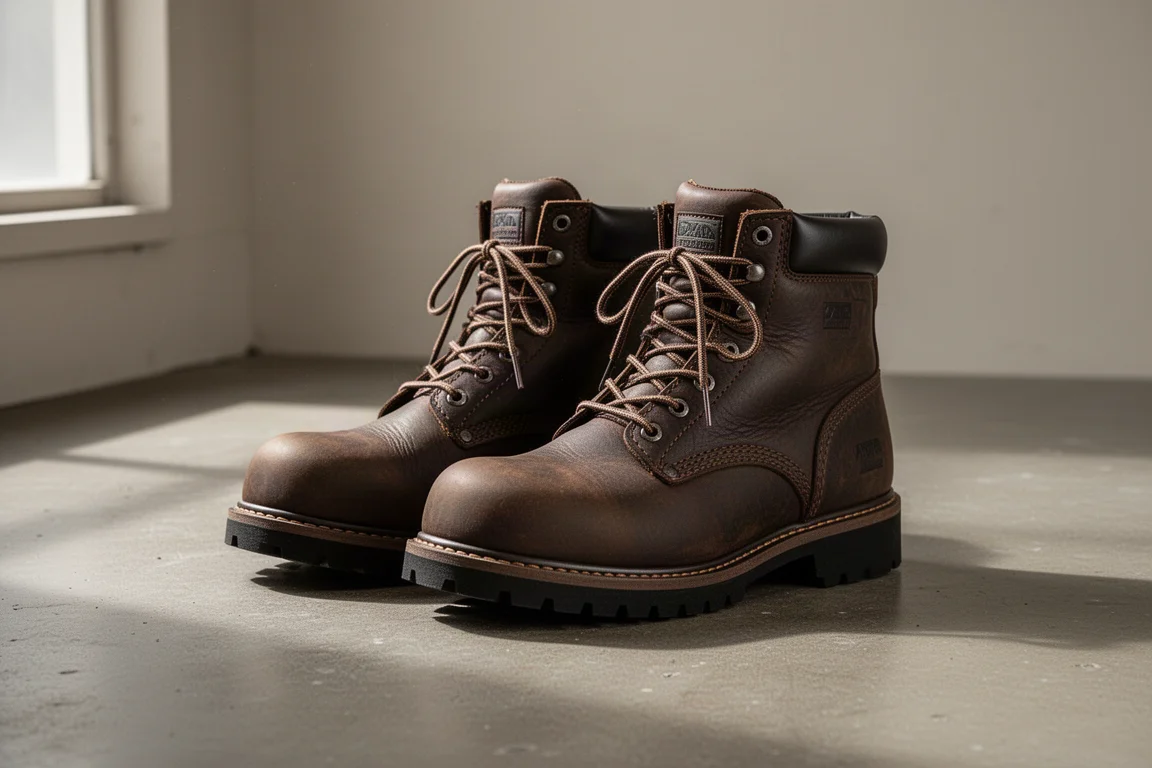
Work boot reviews tend to split into two camps. One group says a pair fell apart within three months, the other swears theirs lasted three years. Neither tells you much unless you know what the boots were actually used for. That is the problem this long-term test is meant to solve: wearing a pair of Brunt Marlin composite toe boots every single day, through real jobsite-style work, and reporting back at set intervals.
Brunt sent a pair of the Marlin comp toe boots for evaluation, and the plan is simple: check in around one month, again at six months, and then deliver a full one-year update. That covers how the boots change, what wears first, what gets dirty first, and whether they justify the 150 dollar asking price.
First Impressions Out of the Box
The boots have not been worn yet at this stage, so this is a look at condition on arrival rather than a durability verdict. The Marlin is a composite toe boot rather than a steel toe, and Brunt does not appear to make a steel toe version. For most wearers that is not a downside: composite toe protection covers the same safety requirement, and it works fine for typical jobsite use.
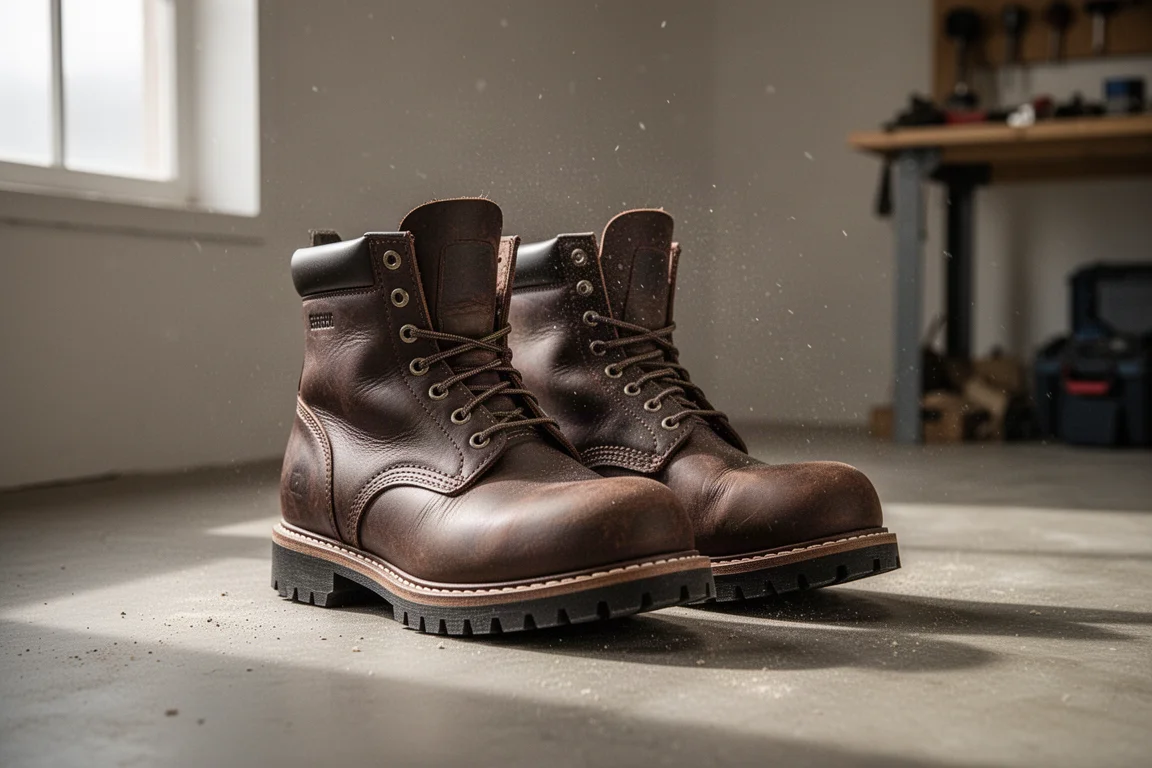
One detail worth flagging from teardown-style reviews elsewhere: the Marlin does not use a Goodyear welt construction. That matters if you were hoping for a traditional resoleable boot, so it is worth knowing before you buy. The boots are also made in China, though Brunt has said it intends to move production to the US eventually.
What Is Included at 150 Dollars
The 150 dollar price is not just for the boots. The Marlin comes with two sets of insoles: a standard pair and a triple-layer comfort pair. Since replacement insoles typically run around 20 dollars a set when bought separately, that adds real value to the package.
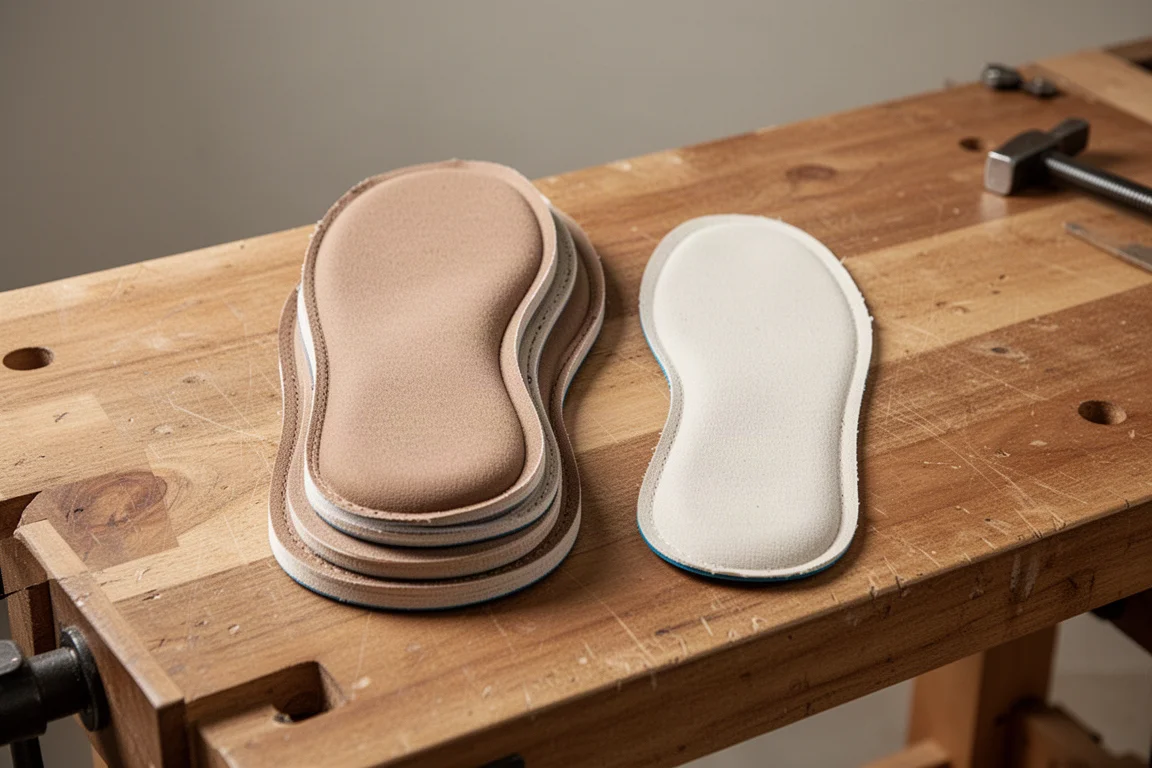
Trying both sets is the obvious first move. One gives a standard fit, the other adds comfort underfoot, which means you can tune the feel of the boot without spending extra.
How They Compare to Past Boots
Previous experience with other brands sets a useful benchmark. DeWalt work boots have held up well for the price, while two past pairs of Wolverine boots fell apart with fairly light use, which left a poor impression of that brand.
The question with the Marlin is where it lands between those extremes. Online feedback is genuinely divided: some owners report failure at around three months, others report three years of service. Daily wear under real working conditions, including shoveling gravel and kicking rocks all day, is the only way to find out which experience is typical.
The Long-Term Test Plan
This review will be built entirely from actual wear. The boots go on every day, and the updates will document specifics: what wears on them, what does not, where the common failure points turn out to be, and how the appearance changes over time.

Check-in points are planned at roughly one month, six months, and one full year. Each update will cover condition, wear patterns, and anything that goes wrong, with no small-issue exaggeration in either direction. The goal is an honest answer to one question: are these boots solid, or is it all marketing hype?
Early Buying Advice
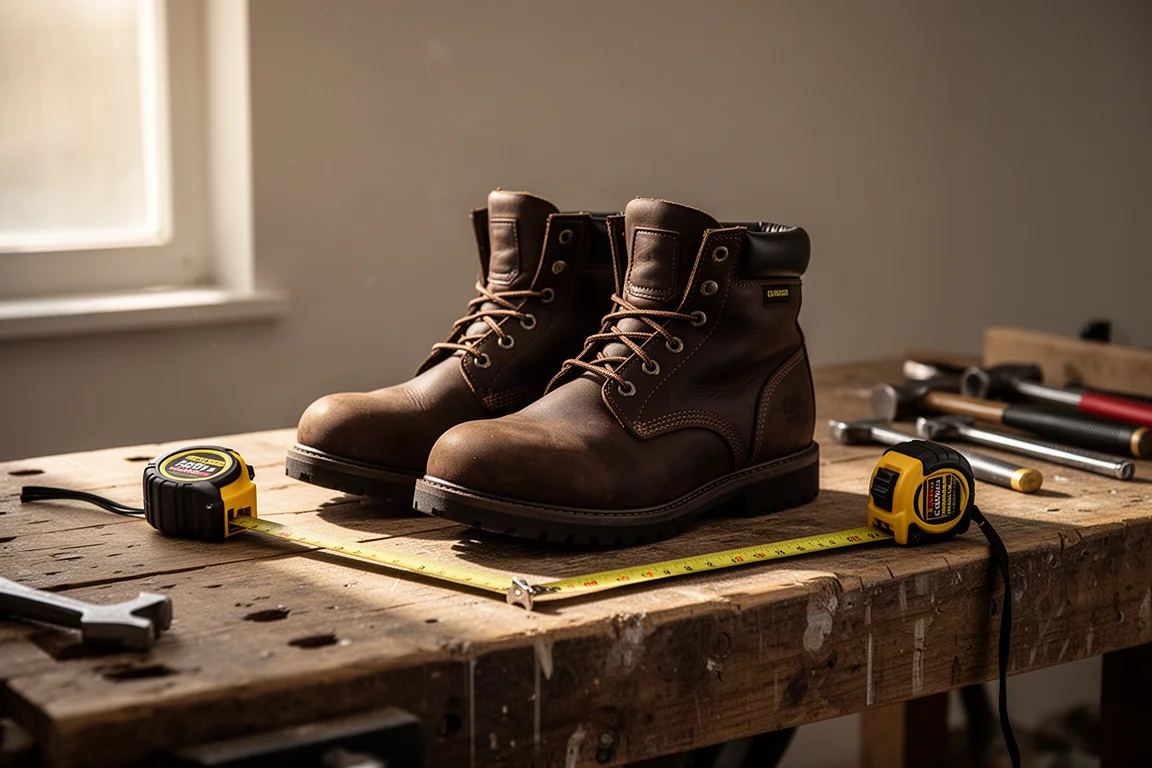
Until the wear data is in, here is what a buyer can reasonably weigh today. The Marlin composite toe offers a two-insole package, a 150 dollar price point, and known non-Goodyear-welt construction made in China, with stated plans to shift manufacturing to the US.
If you need safety-toe boots now and like the insole flexibility, the package value is real. If resoleable welted construction is a dealbreaker, you may want to look elsewhere or wait for the durability updates before committing.
Conclusion
The Brunt Marlin composite toe boots arrive with a strong package on paper: composite toe protection, two sets of insoles worth roughly 40 dollars on their own, and a mid-range price. What remains unproven is durability, and that is exactly what the one, six, and twelve month updates will answer. If you are considering a pair, checking back after those wear reports land is the smartest way to buy with confidence.
Product link
View more details for Brunt Marlin Composite Toe Work Boots
This product is mentioned in the review. Check the specifications, options, and compatibility before buying.
View more details for Brunt Marlin Composite Toe Work BootsFurther reading
Related Reviews
Work Boots
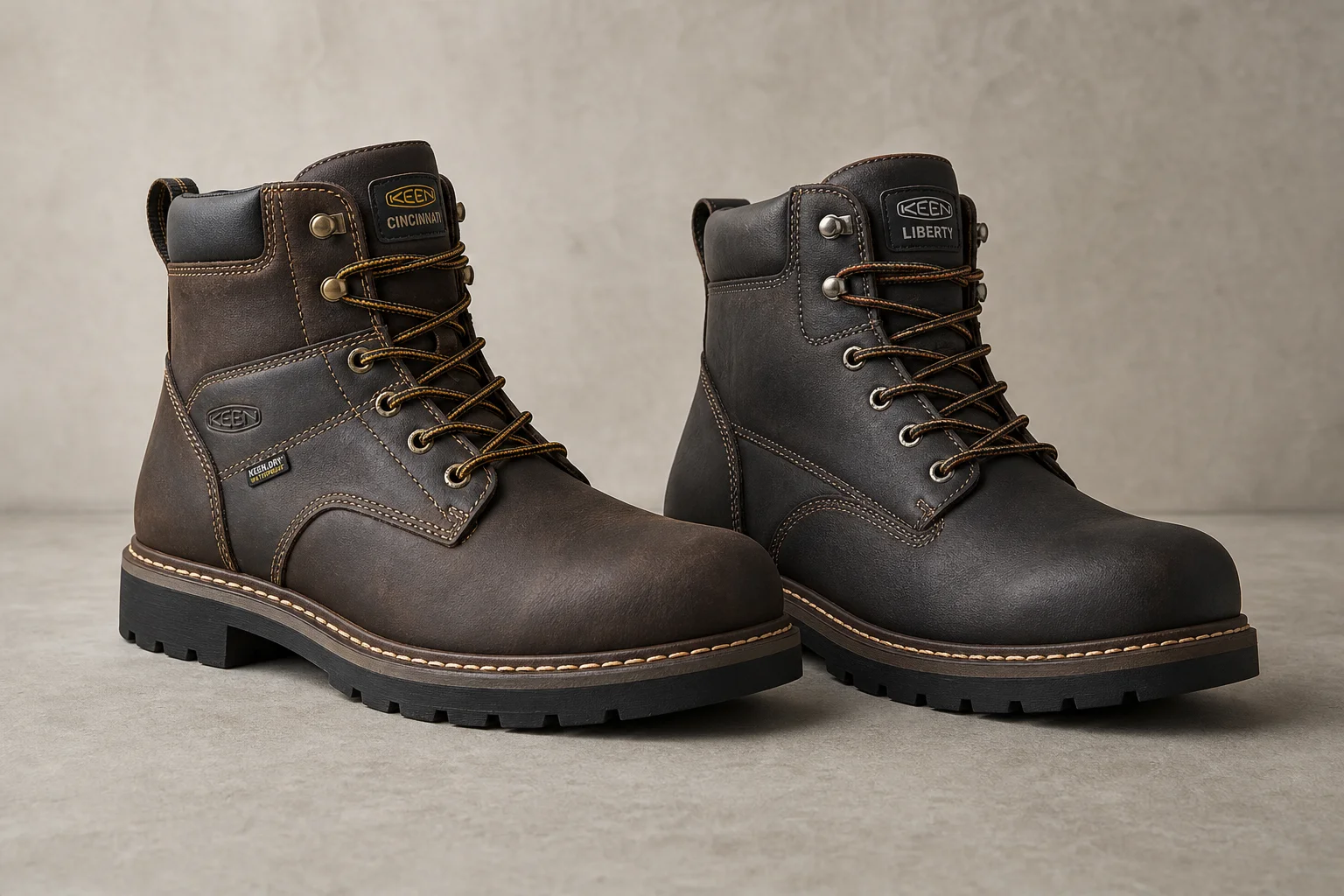
Keen Cincinnati vs Liberty: Which Wide Toe Box Work Boot Wins?
A detailed comparison of two popular Keen work boots reveals significant differences in construction, materials, and durability despite similar positioning.
Work Boots
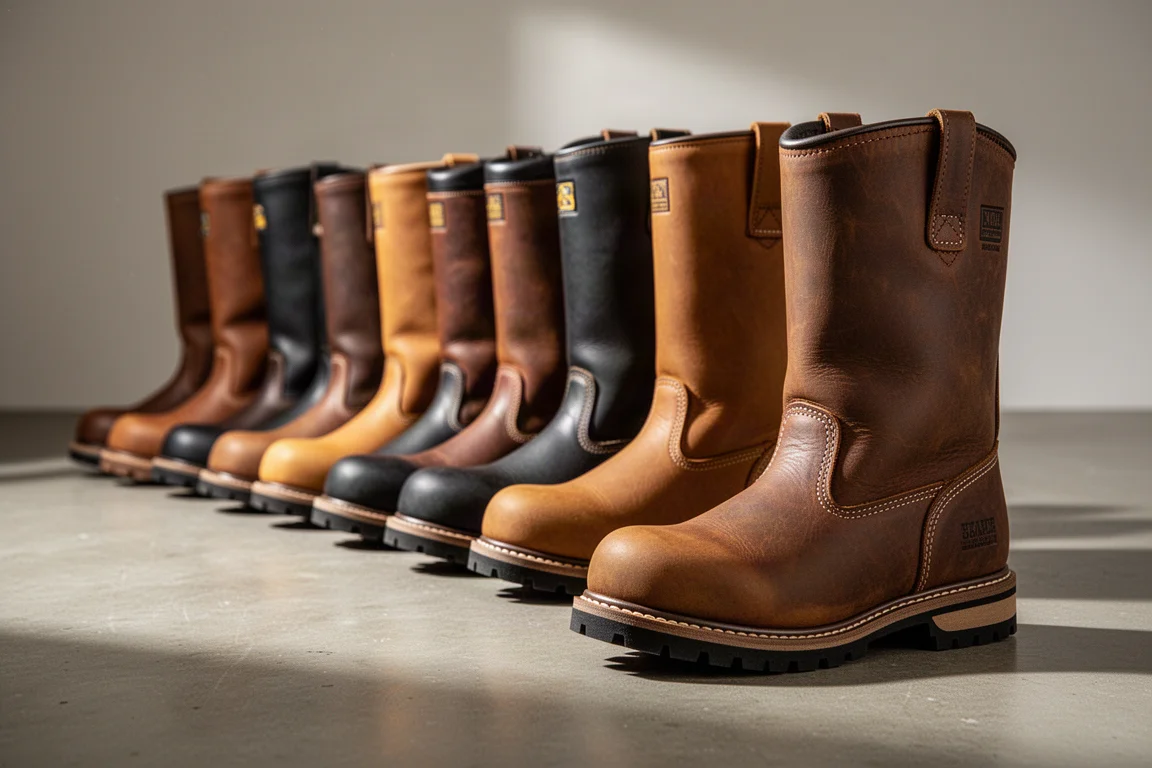
12 Steel Toe Work Boots Tested: Budget Pair Against Nearly $300 Flagships
Twelve work boots go through traction, puncture, toe crush, heat, and electrical hazard testing, plus a half-mile comfort walk. The results are not what the price tags suggest.
Work Boots
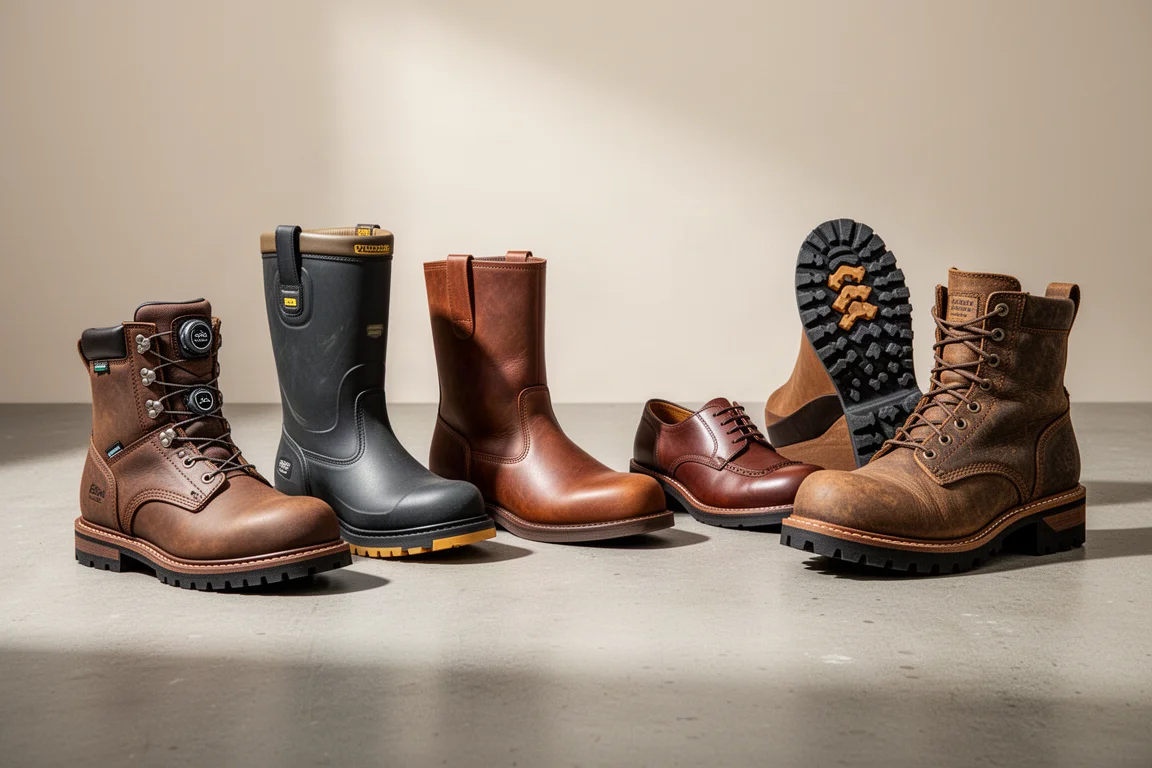
Best Work Boots 2026: Our Top Picks for Comfort, Safety, and Value
Six work boots that stood out in testing, from a waterproof pick to a budget favorite and a three-time best overall winner.