Work Boots
Brunt Marin Work Boots: Three Generations Compared
From the slippery Gen 1 to the Goodyear welted, made in the USA Gen 3, here is how the Brunt Marin work boot lineup has evolved and which version makes sense for you.
Introduction
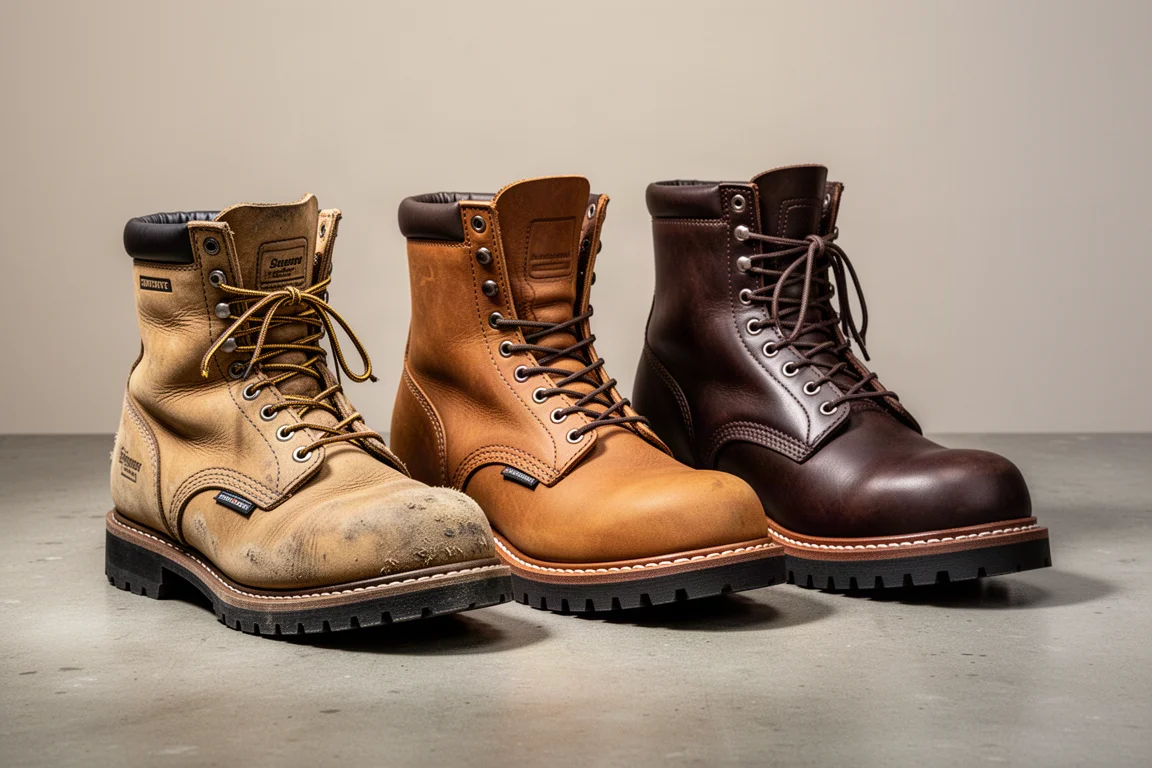
Brunt has iterated on its Marin work boot three times now, and the progression is unusually honest. The first version had real problems, the second one fixed the biggest complaint, and the third finally answered the “why not made in the USA” crowd with a Goodyear welted boot built domestically. All three are composite toe boots, and all three sit in the same family, but the differences between them are worth understanding before you spend money.
What stands out most is how Brunt responded to feedback. When early wearers pointed out that the original sole was dangerously slippery when wet, the company rebuilt it. When people kept asking for US-made boots, they built one. That is rarer in this market than it should be.
The Original Marin: Gen 1
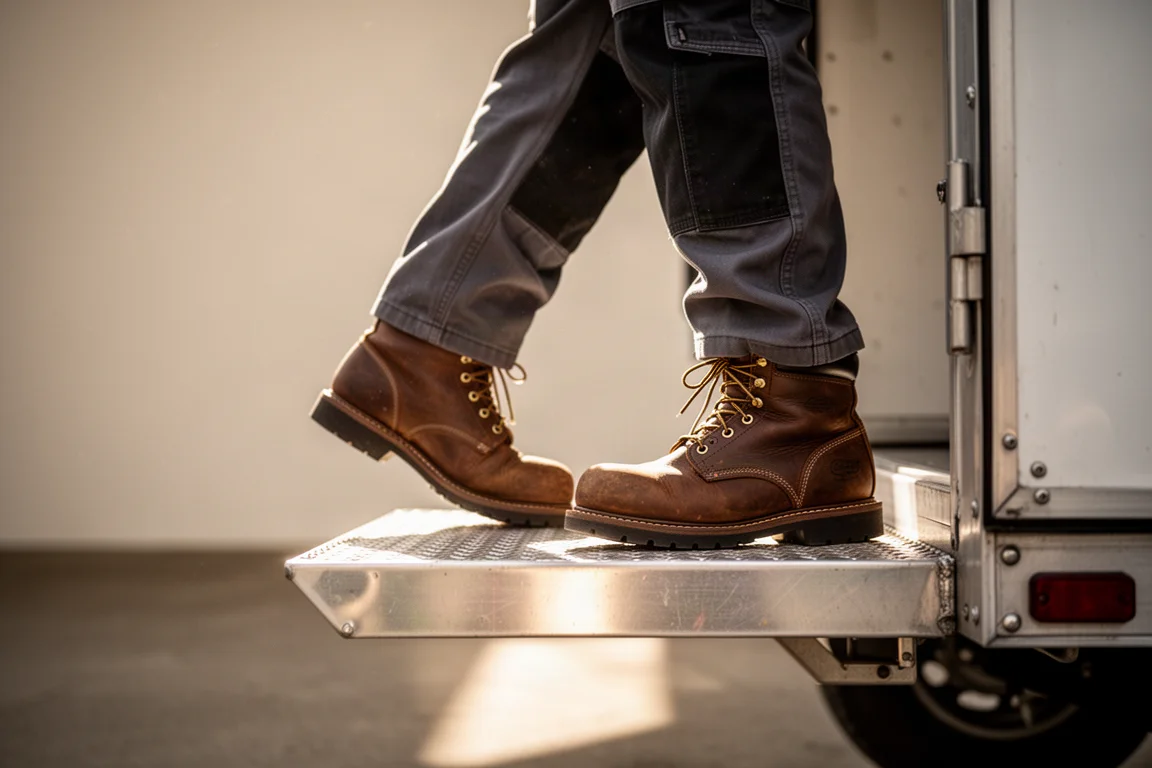
The original Marin had one serious flaw: traction. On wet surfaces, especially smooth metal like a trailer floor, the boot slid around enough to make it genuinely unpleasant to wear. That problem was bad enough that the boot barely got worn afterward, even though the comfort itself was solid and the boot held up reasonably well in other respects.
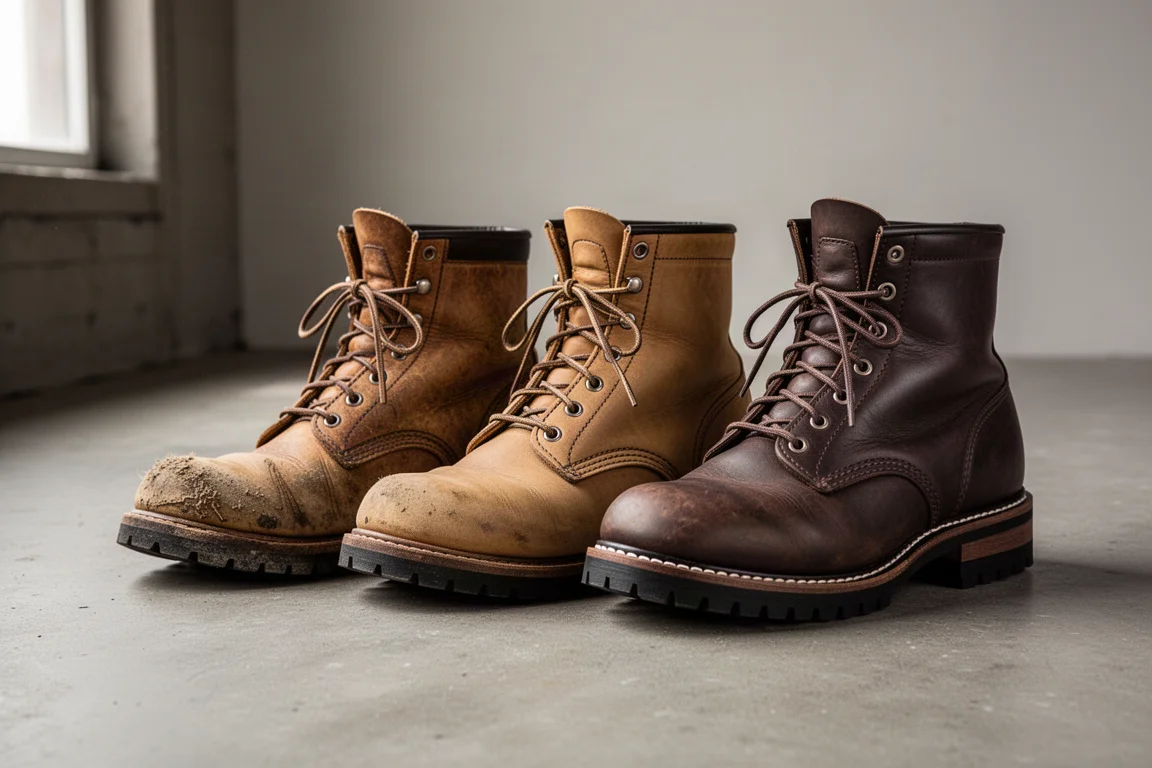
Priced around 150 dollars, the Gen 1 was made in China with a fairly basic build and a standard interior. Comfort and break-in were fine, but the outsole let the whole boot down. If you find this version secondhand or on clearance, the traction issue is the one thing to weigh carefully.
Gen 2: The Fix That Mattered
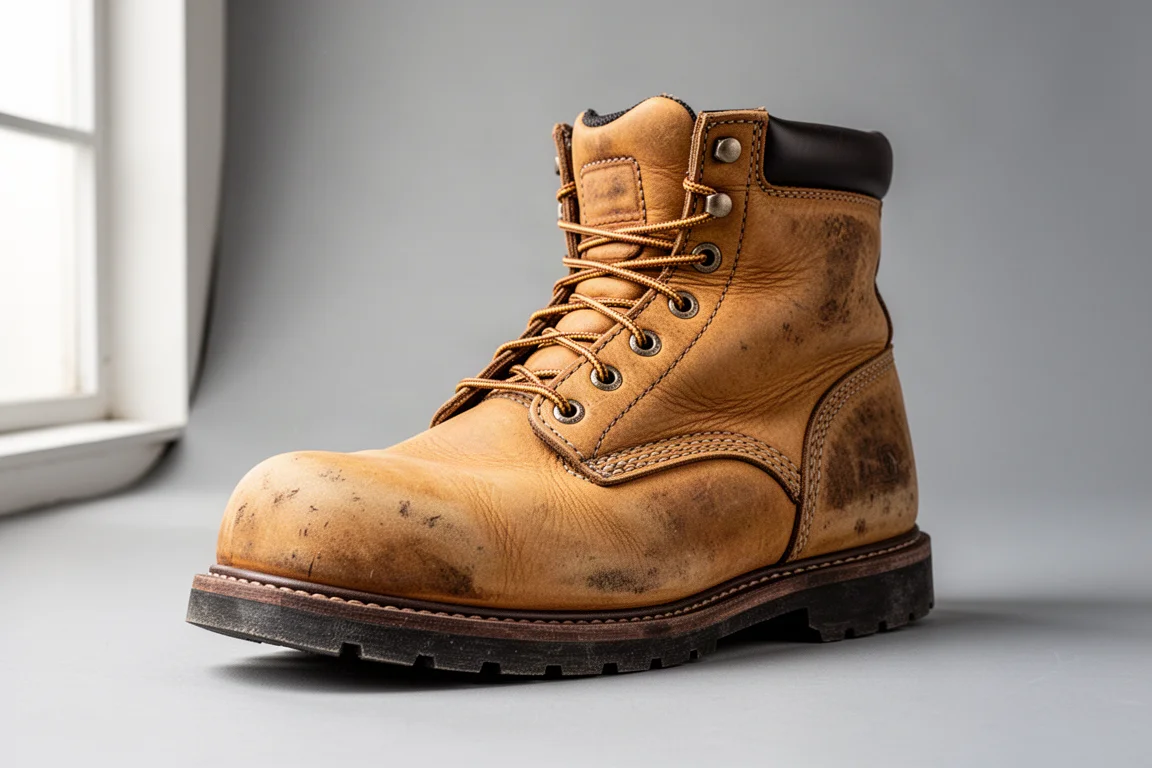
The second generation is where Brunt showed it was listening. The boot gained an oil-resistant, slip-resistant, non-marking outsole, plus electrical hazard protection. The interior got a noticeable upgrade with a cooler liner, and the overall finish stepped up well beyond the basic Gen 1.

It was made in Cambodia rather than China, but the important change was the sole. The slipperiness complaint that defined the Gen 1 was directly addressed, and the result was a boot that finally made sense as a daily work boot. Comfort and break-in stayed about the same as before, which is a good thing: these boots break in quickly, needing only about a day around the house rather than a week of careful wearing.
Gen 3: Made in the USA, Goodyear Welted
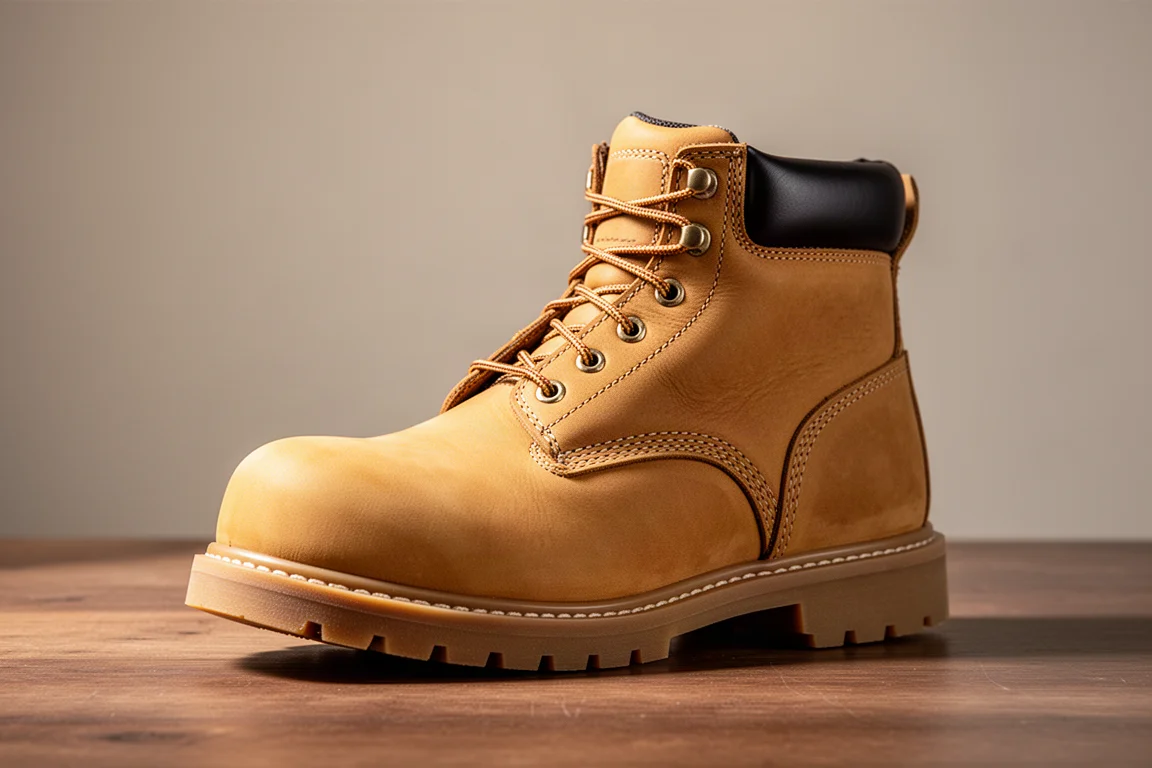
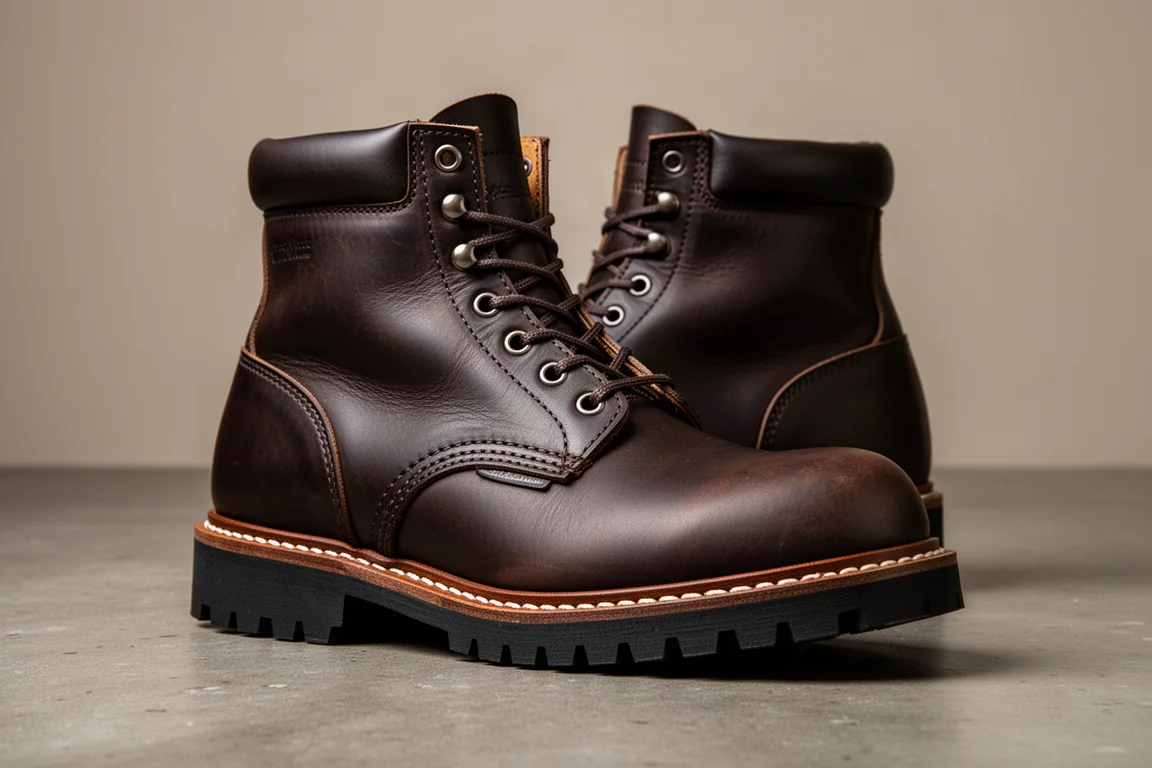
The latest Marin is the big one. It is Goodyear welted, made in the USA with globally sourced components, and it moves to an ultra dark brown leather that reads almost black in person but should wear attractively over time. The price moves too: roughly 300 dollars, about double the Gen 1, though the non-USA version of this boot runs around 100 dollars cheaper.
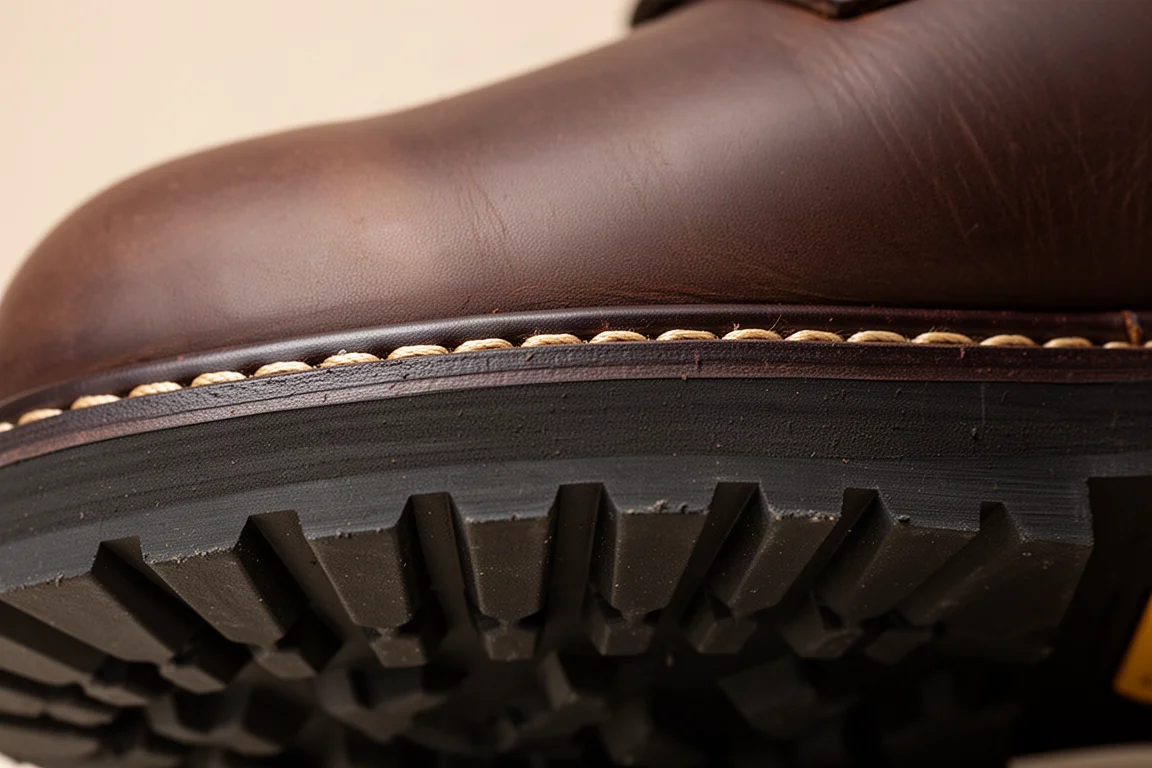
The Gen 3 adds thicker, beefier tread with an all-new pattern that should wear out noticeably slower than the Gen 2’s flatter sole. More ankle cushioning has been added around the collar, sizing feels more standard, and the quality of the build is visibly a step up. One watch item: the welt stitching sits exposed along the bottom edge of the sole near the toe, a natural wear spot, so how that stitching holds up over months of use is worth monitoring.
Weight has crept up with each generation. The Gen 1 came in at 1 pound 15.5 ounces, the Gen 2 at 2 pounds 3.5 ounces, and the Gen 3 at 2 pounds 6.2 ounces. That is only a couple of ounces per generation, and heavier generally means better leather, better welt construction, and sturdier materials, so it is not a downside.
Which Brunt Marin Should You Buy?
If budget leads the decision, the Gen 2 is the value pick: it fixed the traction problem, added safety features, and improved the interior without the premium price. If you want the best construction Brunt makes and US-built matters to you, the Gen 3 at around 300 dollars is a strong deal for a Goodyear welted composite toe boot. Fully handmade, entirely US-sourced boots tend to start somewhere in the 600 to 800 dollar range, so the Gen 3 occupies a sensible middle ground.
Long-term durability of the Gen 3 is still an open question, especially how the exposed welt stitching and the new thick tread hold up over months of job site use. Early impressions are positive, but it deserves real wear time before a final verdict.
Conclusion
The Marin line is a good case study in a brand that fixes what people complain about. Gen 1 had comfort but a flawed sole, Gen 2 solved traction and added safety features, and Gen 3 delivers a Goodyear welted, made in the USA boot at a price well below fully domestic handmade alternatives. Buy the Gen 2 to save money with confidence, or the Gen 3 if you want the best-built version of the boot.
Further reading
Related Reviews
Work Boots
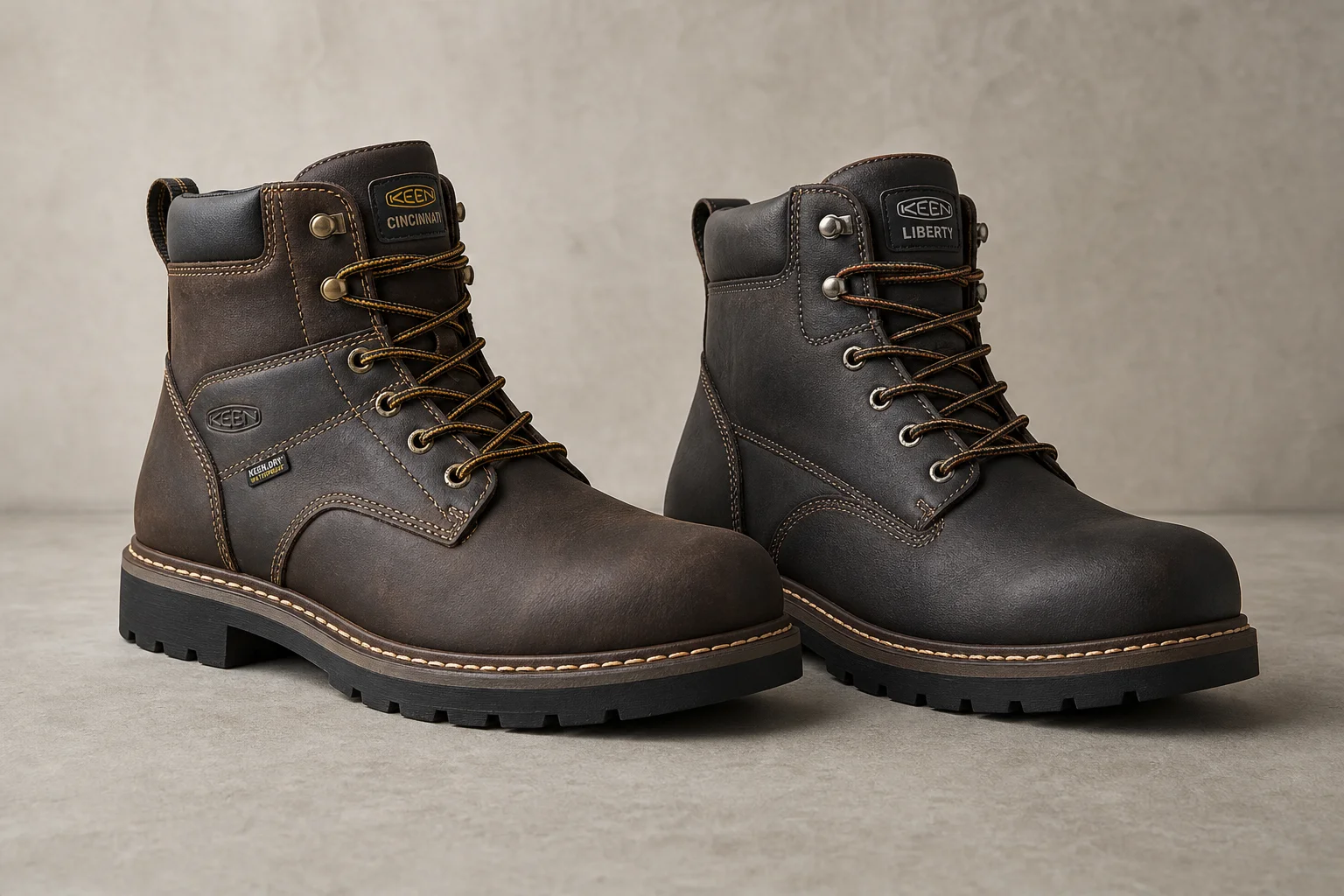
Keen Cincinnati vs Liberty: Which Wide Toe Box Work Boot Wins?
A detailed comparison of two popular Keen work boots reveals significant differences in construction, materials, and durability despite similar positioning.
Work Boots
12 Steel Toe Work Boots Tested: Budget Pair Against Nearly $300 Flagships
Twelve work boots go through traction, puncture, toe crush, heat, and electrical hazard testing, plus a half-mile comfort walk. The results are not what the price tags suggest.
Work Boots
Best Work Boots 2026: Our Top Picks for Comfort, Safety, and Value
Six work boots that stood out in testing, from a waterproof pick to a budget favorite and a three-time best overall winner.