Trail Running Shoes
Brooks Trail Shoes 2025: Catamount 4, Caldera 8 and Cascadia 19 Compared
Three updated Brooks trail runners covering fast racing, max cushion and all-round trail work, with the key changes worth knowing before you buy.
Introduction
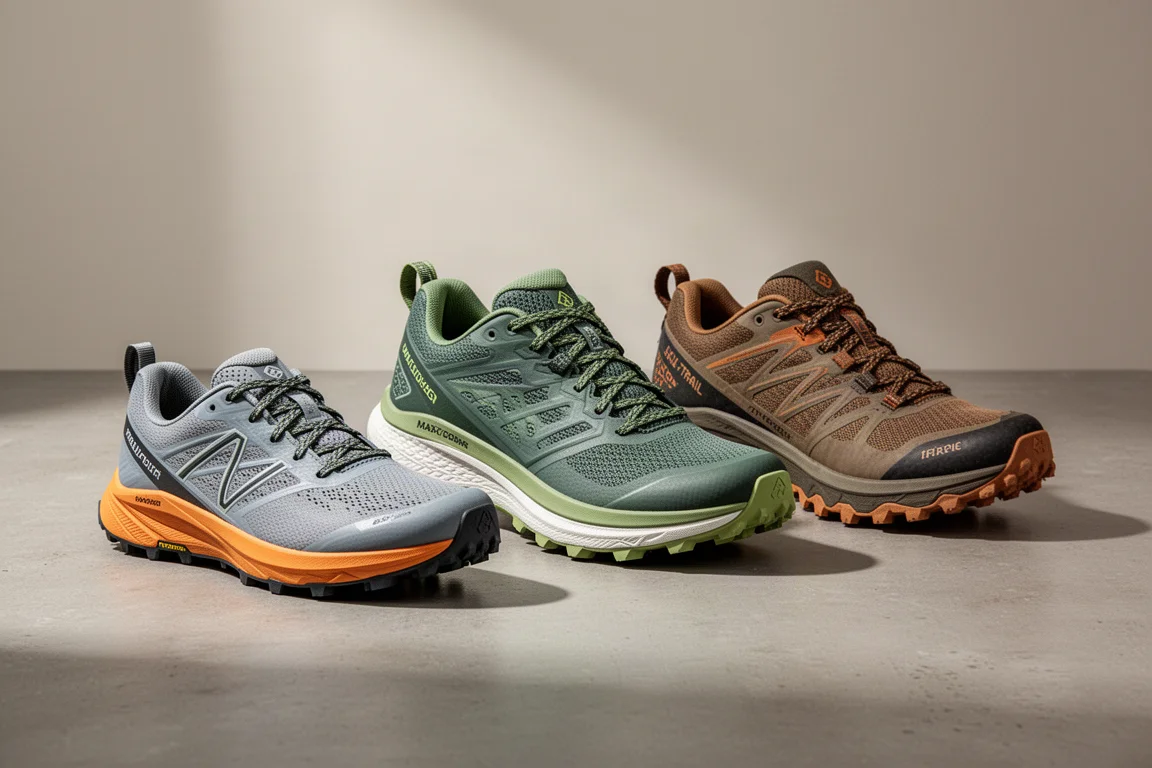
Brooks has been refreshingly busy with its trail line, and the latest updates cover three very different kinds of runners. The Catamount 4 is the speed-focused option, the Caldera 8 is the max-cushion comfort shoe, and the Cascadia 19 is the long-standing all-trail workhorse. All three share a clear push toward better foam, better protection and more comfort underfoot, but each one aims at a different runner.
Here is how they compare and who each shoe makes sense for.
Brooks Catamount 4: The Fast One
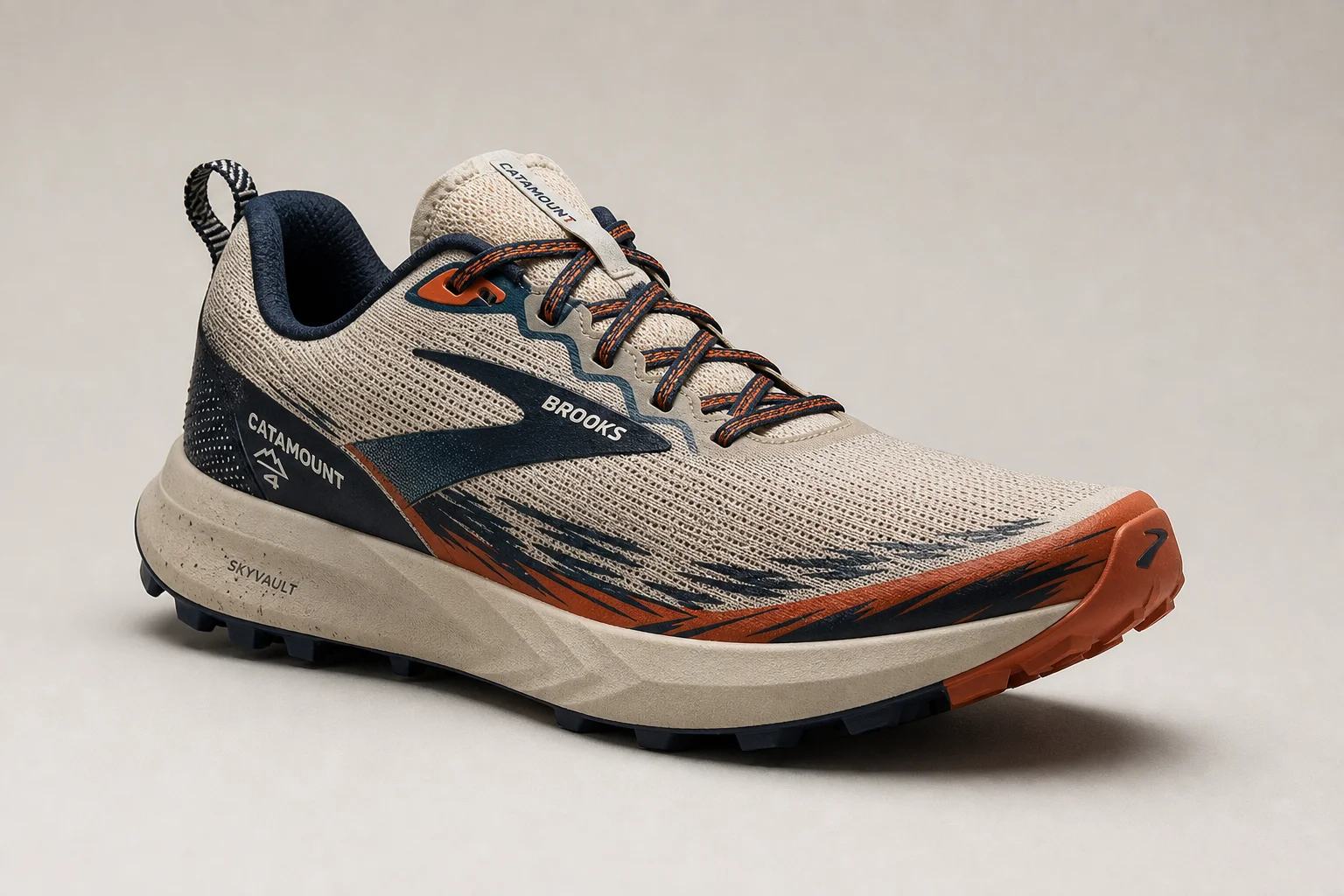
The Catamount 4 is a significant update over the Catamount 3. The previous version used DNA Flash V1 with a thin, flexible SkyVault plate co-molded into the midsole for rock protection. For version 4, Brooks kept the responsive uphill drive and stable downhill ride but pushed hard on flat-ground speed, taking inspiration from its road racing shoes.
The result is a full-length curved plate paired with DNA Flash V2, a lighter and more responsive foam. Weight stays at 9.6 oz with a 34/28 mm stack, adding 2 mm of extra cushion underfoot, all at the same $170 price. Athletes have raced it at CCC at UTMB with strong results, and Brooks positions it as the trail cousin of the Hyperion road line, sharing the same last, fit and offset.
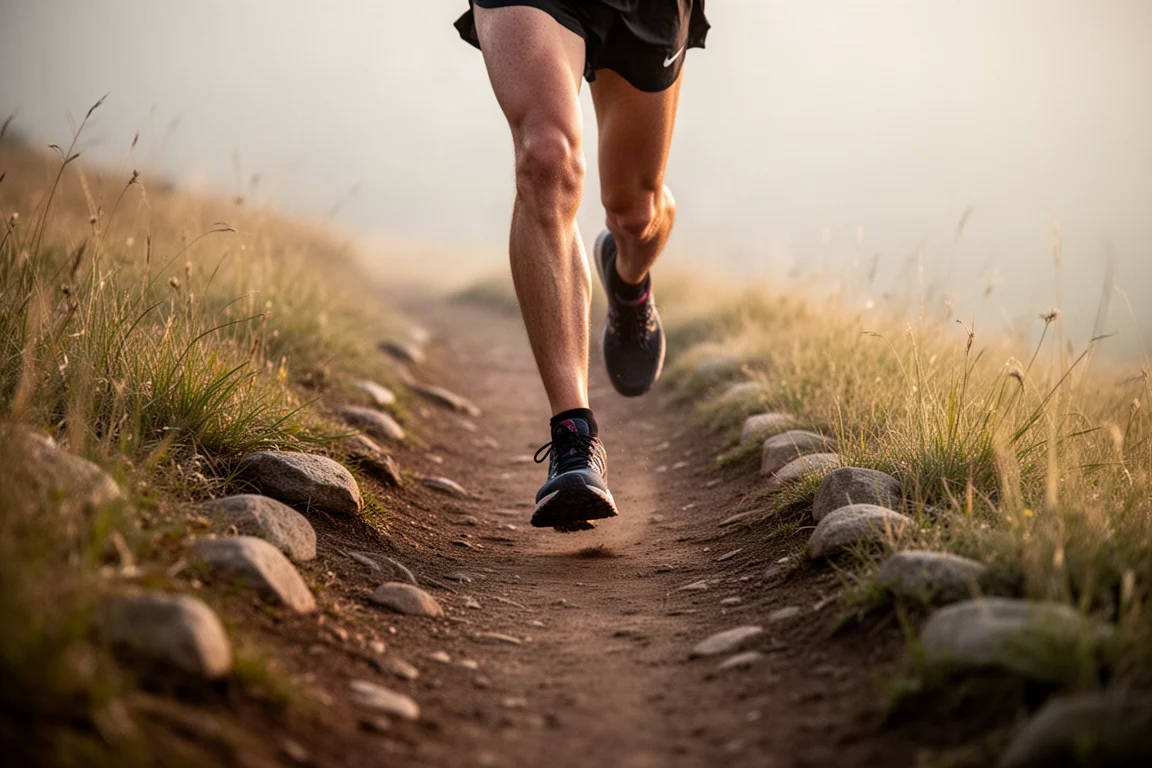
Despite the racer label, the Catamount line has historically worked well as an everyday shoe too. If you want a lighter, faster feel without giving up trail stability, it fits both roles. The 3.5 mm lug depth on TrailTack Green rubber delivers notably sticky traction on wet rock while still performing on dry dirt.
Brooks Caldera 8: Max Cushion, Max Comfort
The Caldera 8 is Brooks’ max-cushion, max-comfort trail shoe. Moving from the Caldera 7, the midsole stays the same with a 38.5/32.5 mm stack in DNA Loft v3, a plush and adaptable foam, paired with grippy traction.
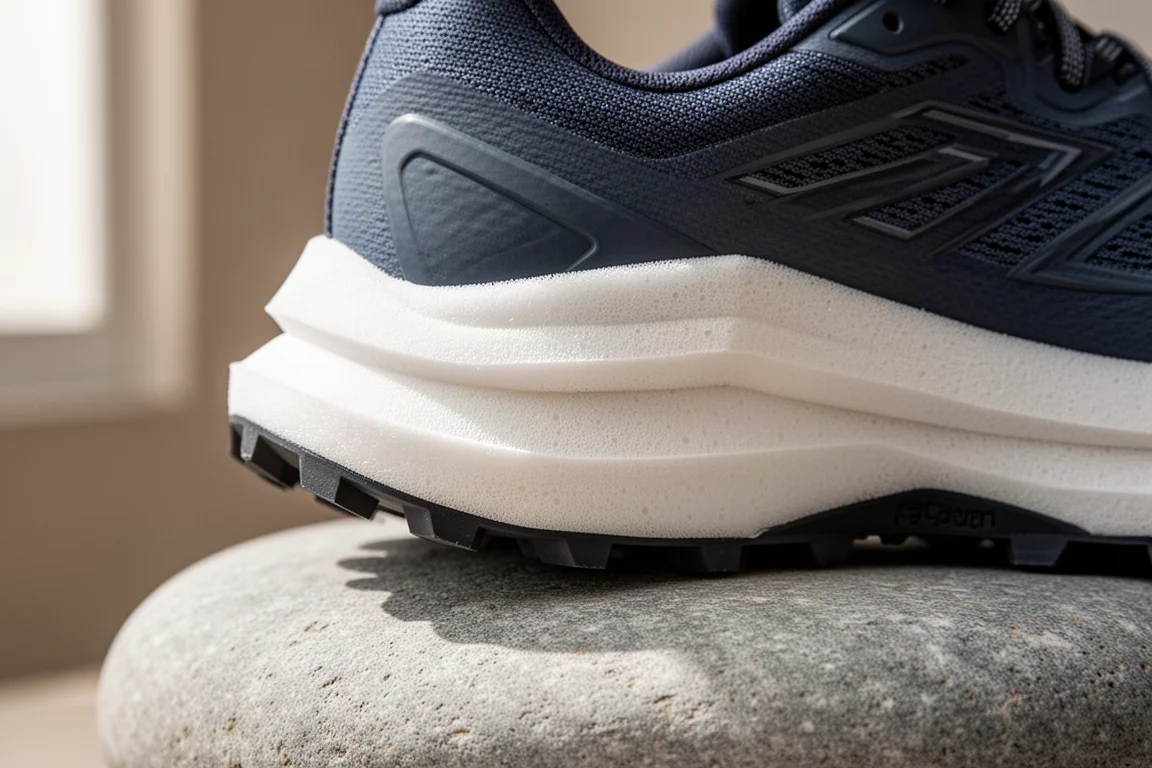
The most interesting change is the upper. Brooks uses a TPE fiber materialization, woven into the fabric form of the shoe, which is hydrophobic, abrasion resistant and highly durable while keeping breathability and next-to-skin comfort. Weight and stack are unchanged from the previous version, and the price stays at $150. If your priority is staying comfortable on long, rugged days out, this is the one aimed squarely at you.
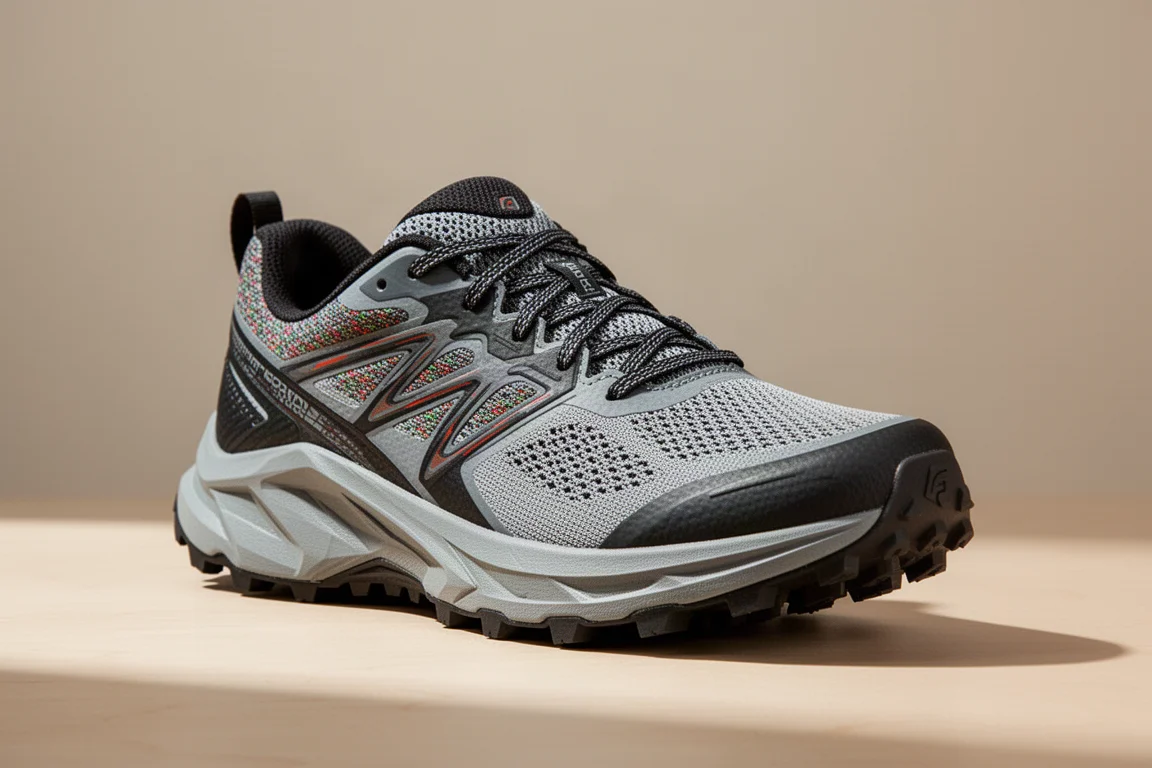
Brooks Cascadia 19: The All-Trail Workhorse
The Cascadia has been around for 19 years and helped define the modern trail shoe, and the 19th version is described as the best Cascadia yet, with the fastest pace of innovation the line has seen. It remains a $150 workhorse tested in every region imaginable, focused on stability, protection and grip.
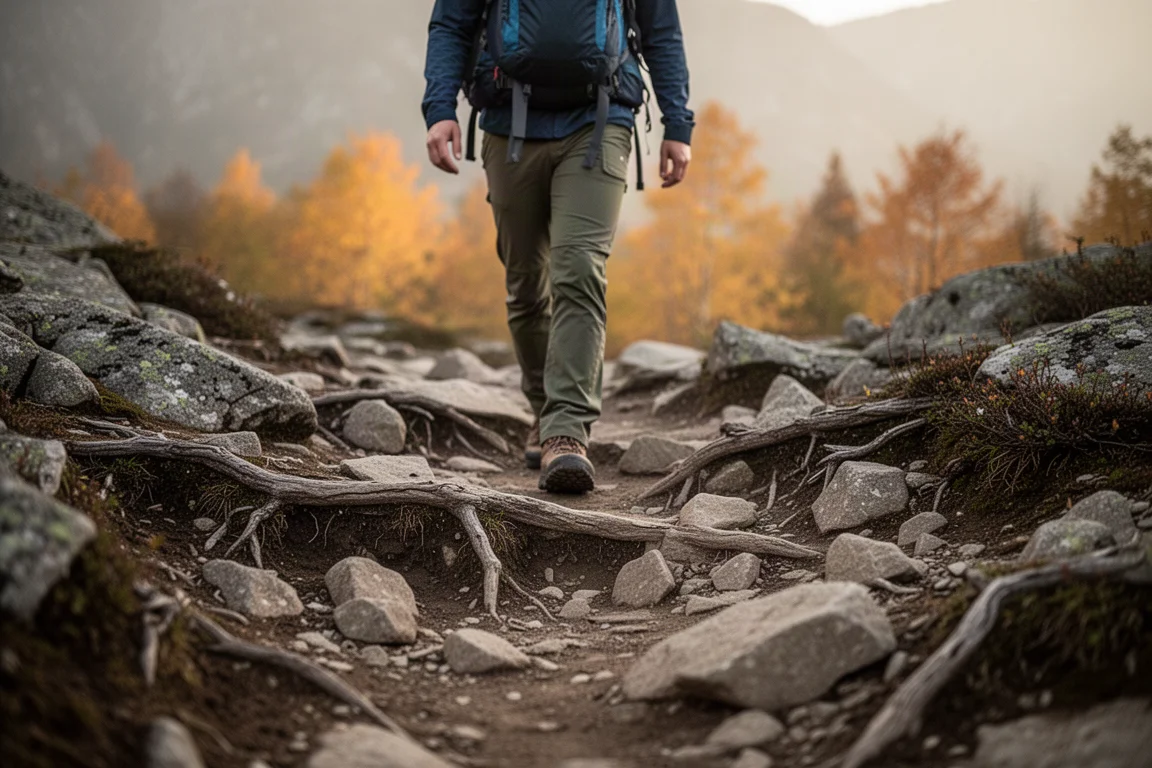
The big updates: DNA Loft v3, a nitrogen-injected midsole compound, a new 6 mm offset with 4 mm of added cushion in the forefoot and 2 mm in the heel, and a heavily improved TrailTack system. The plate is now co-molded directly into the foaming process, eliminating glue and stiffness while keeping a flexible, pronged ballistic rock shield. A wider base and flex grooves let the platform adapt to varied trail terrain. Through-hikers and lifestyle wearers have taken to the line, and this version gets a genuine running treatment too.
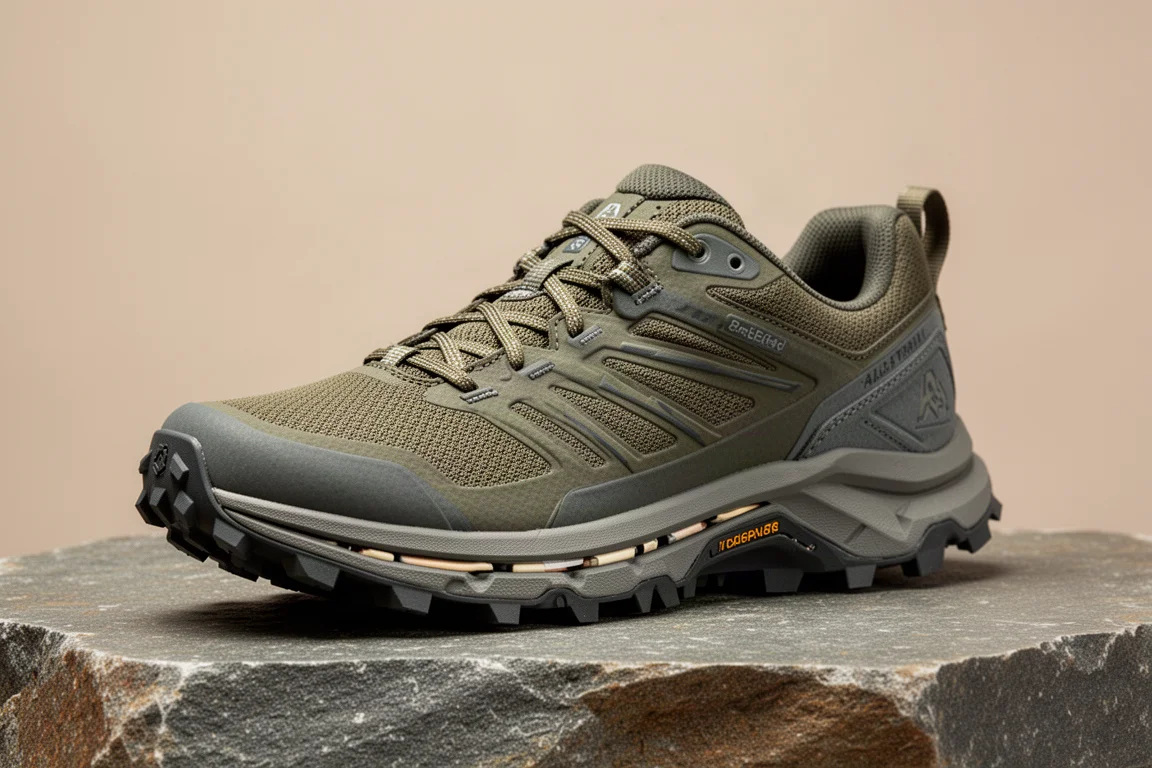
Which One Should You Buy?
Pick the Catamount 4 if speed matters most. It is the lightest and most propulsive of the three, works for racing and faster daily training, and keeps traction strong on wet rock and dry dirt alike.
Pick the Caldera 8 if comfort is the priority. With the tallest cushioning in the group and a durable, hydrophobic upper, it suits long efforts and runners who want to stay out on the trail longer without thinking about their feet.
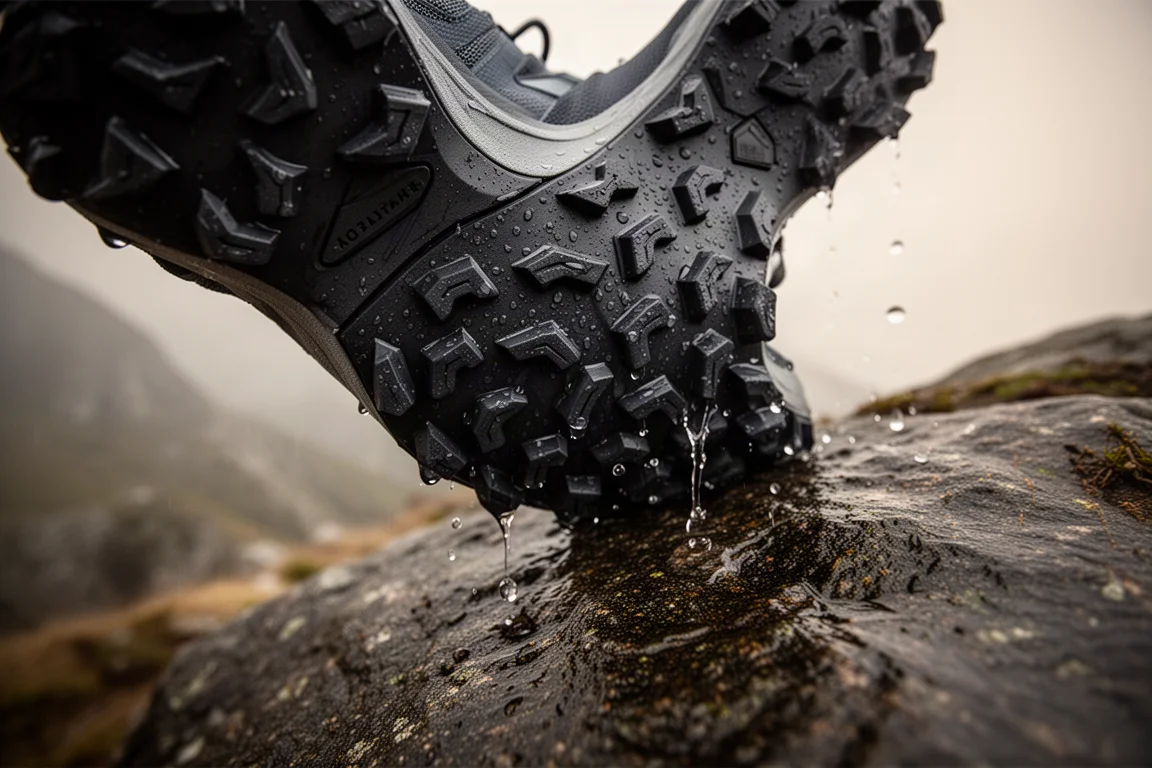
Pick the Cascadia 19 if you want one shoe for everything. It balances cushion, protection, stability and grip across the widest range of terrain, which is exactly what the line has always been about.
Conclusion
Brooks’ latest trail updates make the choice fairly simple. The Catamount 4 covers fast days and racing, the Caldera 8 covers maximum comfort, and the Cascadia 19 remains the versatile all-rounder. All three carry meaningful upgrades in foam and durability, so the best pick really comes down to how and where you run.
Further reading
Related Reviews
Trail Running Shoes
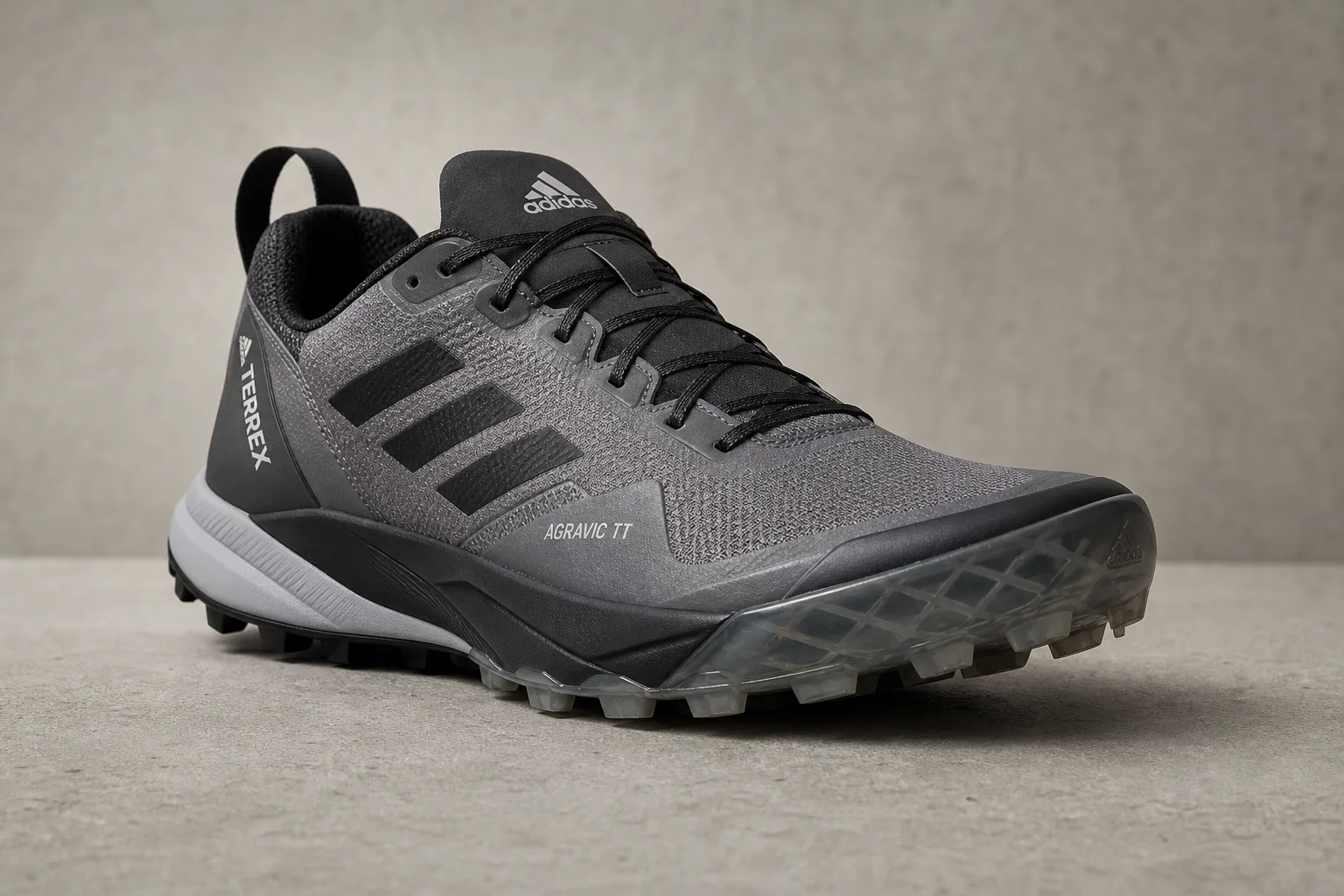
Adidas Terrex Agravic TT Review: A Technical Trail Shoe Built for Rocky Terrain
The Adidas Terrex Agravic TT combines a full-coverage rock plate with a firmer midsole to deliver protection and stability on technical, rocky trails. A capable choice for runners who prioritize underfoot defense over lightweight cushioning.
Trail Running Shoes
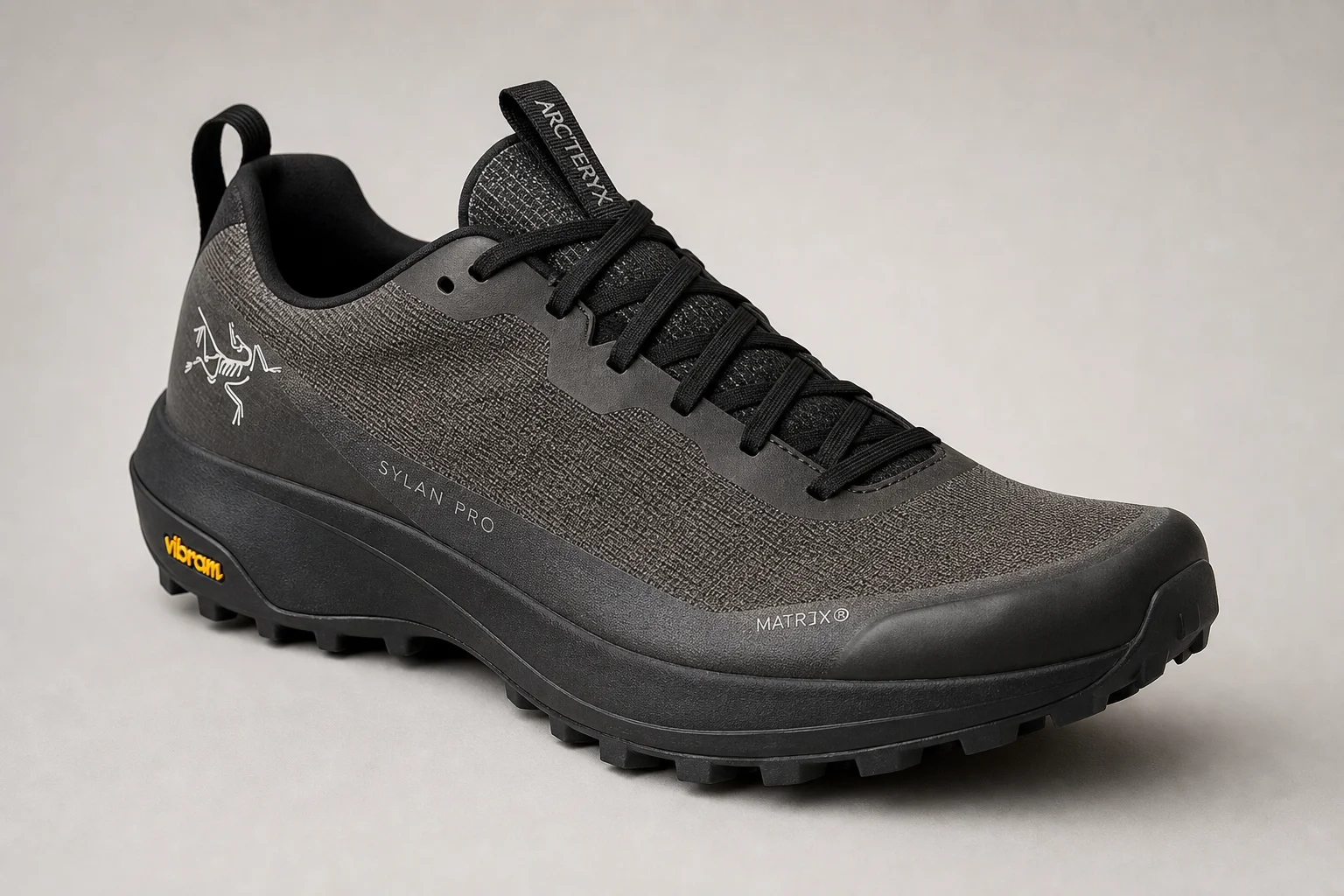
Arc'teryx Sylan Pro Review: A Rocker-Focused Mountain Running Shoe Tested on 20 Miles
The Arc'teryx Sylan Pro brings a pronounced rocker geometry and secure fit to mountain terrain. We tested it on a 20-mile Sawtooth loop to evaluate its climbing efficiency, protection, and handling of technical descents.
Trail Running Shoes
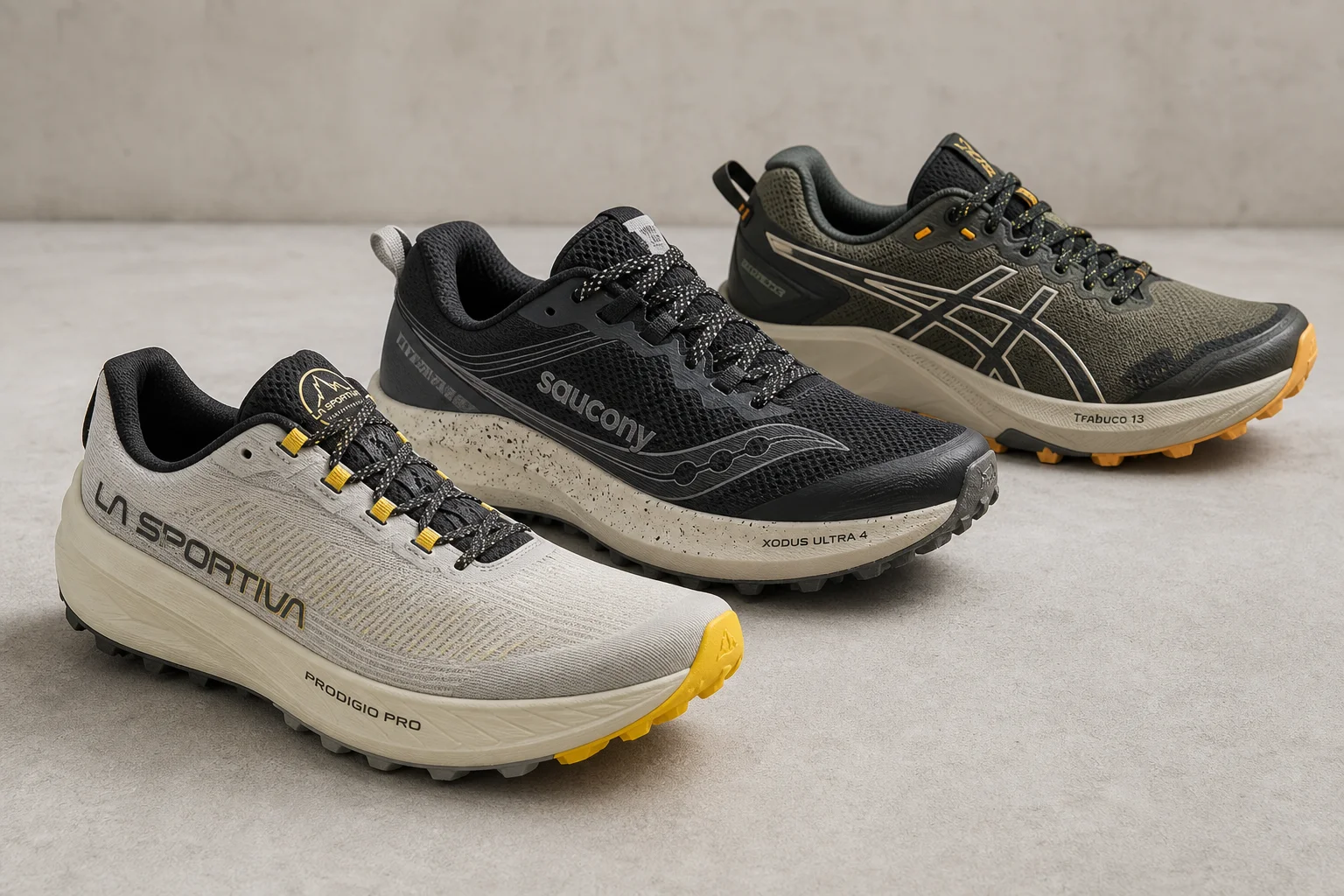
Best All-Mountain Trail Running Shoes: Three Versatile Options for Any Trail
A focused roundup of three all-mountain trail running shoes that handle technical terrain, long distances, and variable conditions with real strengths and practical trade-offs.