Trail Running Shoes
Brooks Trail Lineup 2024: Five Shoes for Every Kind of Trail Runner
From the budget-friendly Divide 5 to the race-ready Catamount AIL, the refreshed Brooks trail range now covers light trail, ultra distance, and speed days.
Introduction
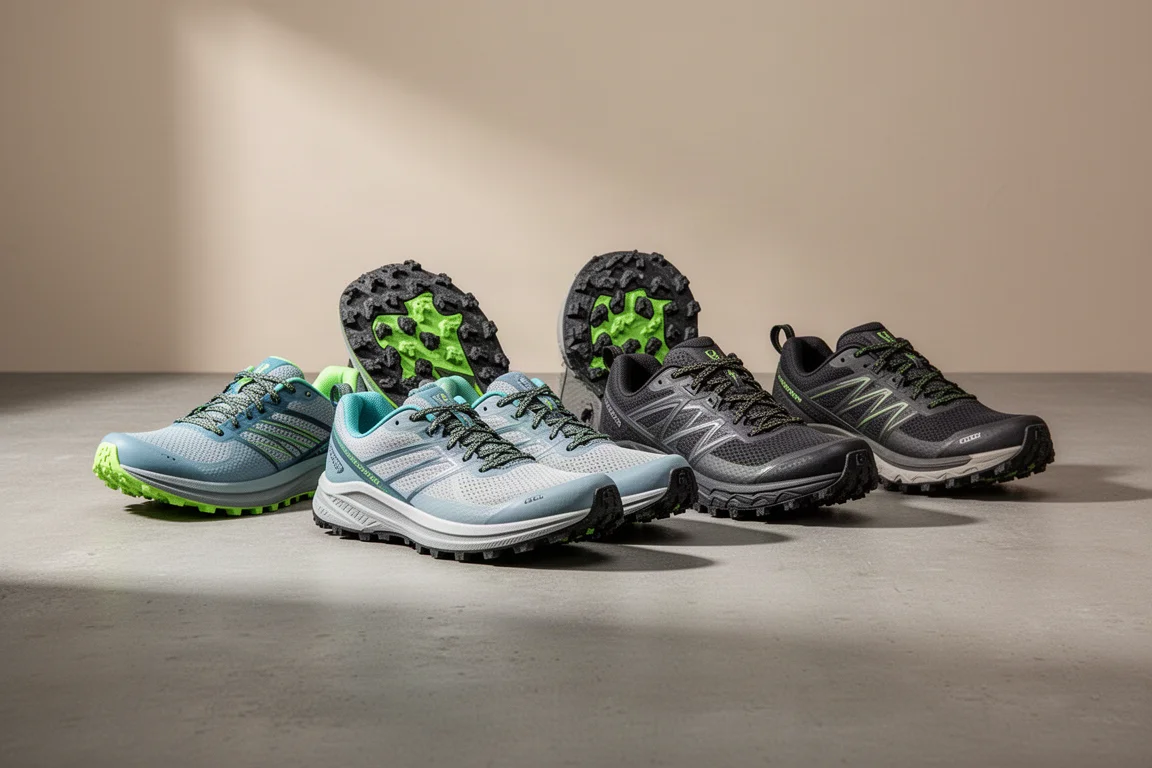
Brooks has spent the last few years quietly rebuilding its trail running line, and the 2024 lineup is the clearest sign of that effort yet. Instead of one shoe trying to do everything, the range is now organized into distinct buckets: light trail, ultra distance, and speed. That means you can pick a single shoe that matches how you actually run, or build a small quorum across the line for different terrain and race distances.
Here is how the five shoes break down, who each one is for, and what to know before buying.
Best Entry Point: Brooks Divide 5
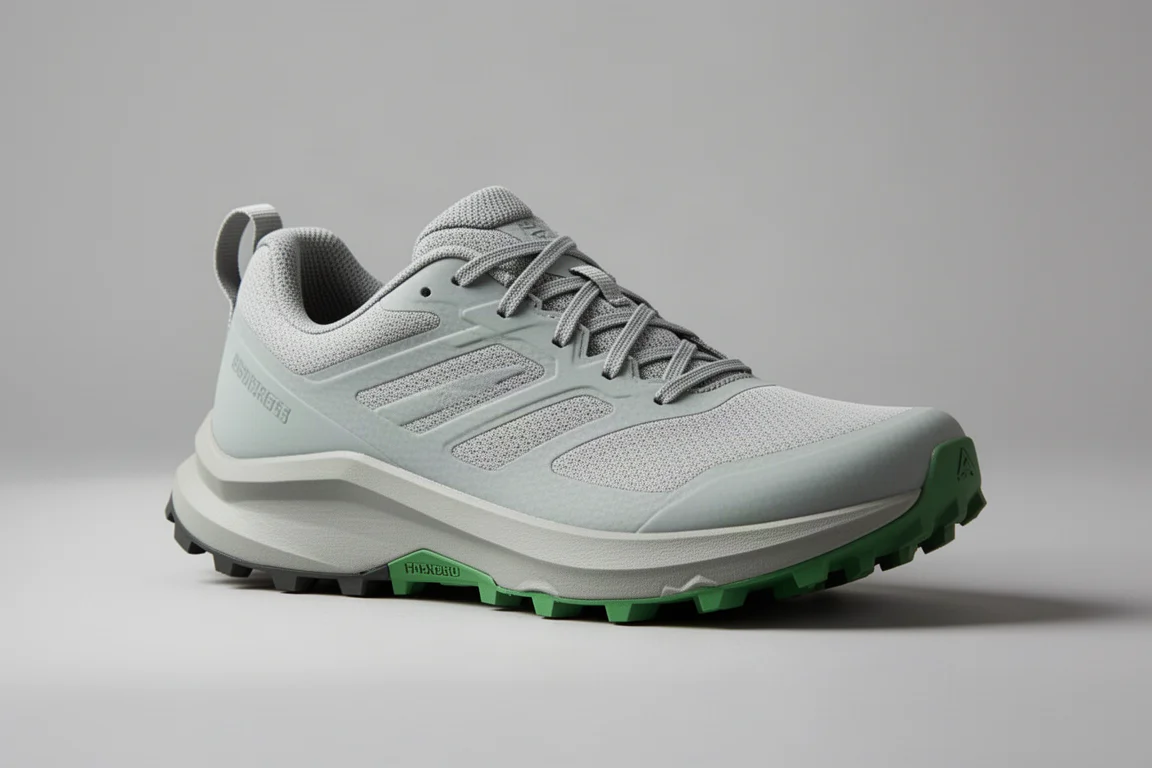
The Divide 5, releasing in Fall 2024, is designed as the trail equivalent of the Ghost 14, but at $110. It targets runners who are new to trail running or who mostly need an easy, road-to-trail hybrid for city parks and mellow paths. The stack height and soft, smooth ride sit very close to a cushioned road shoe, which makes the transition from road running feel low stakes rather than intimidating.

Value is the headline here. Plenty of entry-level trail shoes from other brands sit around $140, so a genuinely versatile hybrid at $110 is a strong starting point. The outsole uses a green compound with 25% recycled content and high-surface-area lugs that feel consistent both on and off the trail.
The Heritage All-Rounder: Brooks Cascadia 18
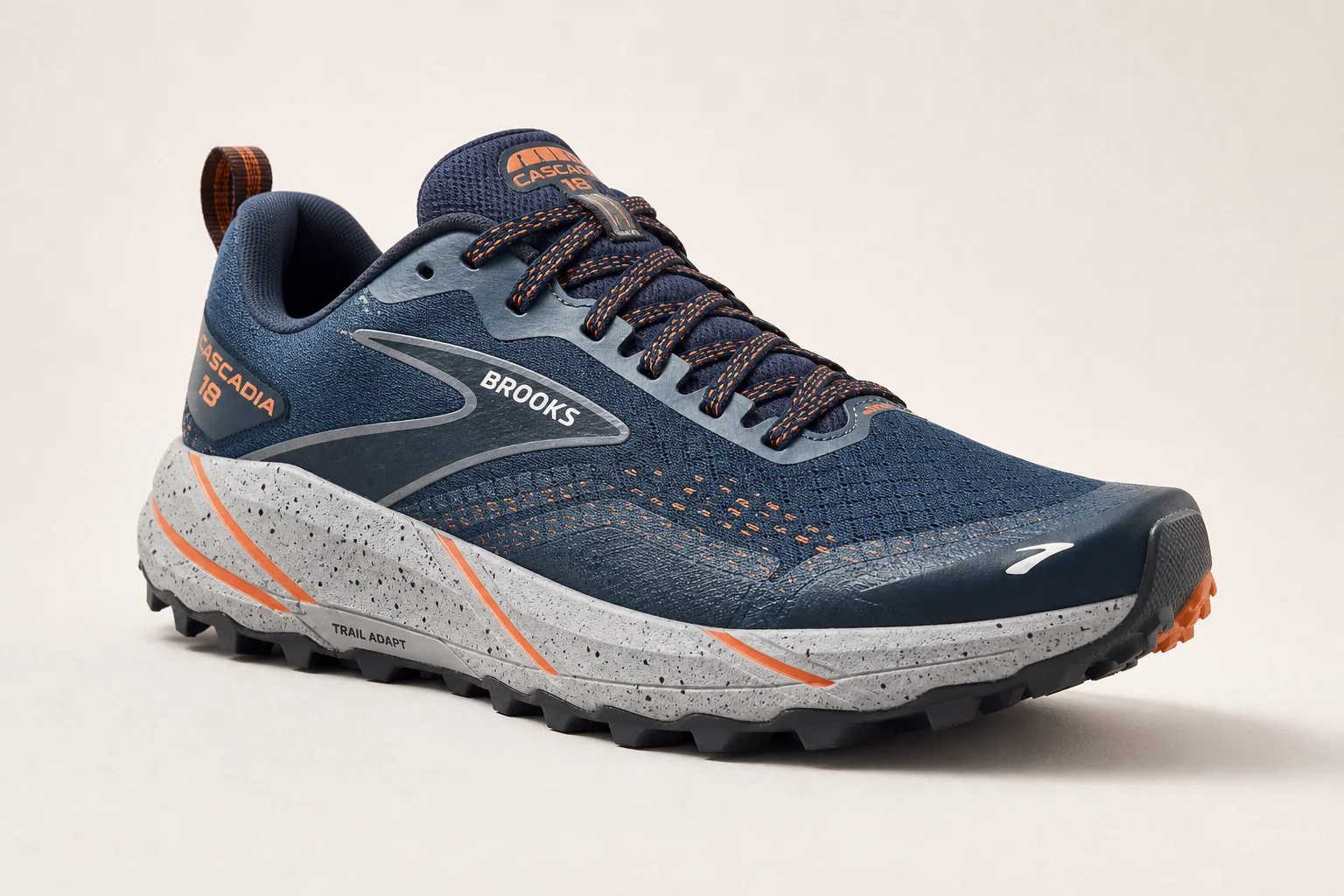
The Cascadia has been around for 18 years, predating many of the shoes it now competes with, and it remains Brooks’ heritage trail shoe. The 17 was a three-year project that went through five rounds of testing, including one unusual round where eye-tracking goggles were used to see where runners were looking on the trail. Runners who looked further ahead felt more confident on technical ground, and the tooling that encouraged that carried forward.
The 18 keeps the same midsole and outsole as the 17 and focuses its changes on the upper, which is now more breathable and dries faster. The Trail Adapt System remains the core technology: a forefoot split line inspired by a mountain goat hoof for articulation on climbs, a trident-style rock plate that compresses and adapts over terrain, and pod-based cushioning that grips and wraps around rocks. The result is a very stable shoe with plenty of protection and control on rugged terrain, priced at $140.
Best for Ultra Distance: Brooks Caldera 7
The Caldera 7, arriving in January at $150, is the long-haul option of the lineup, built for ultra distances and all-day miles. Brooks worked closely with athletes including Hillary Allen and Mario Mendoza to refine what the Caldera 6 got right. The raised sidewalls that hold the foot were lowered in key areas to reduce torsional rigidity, which improves downhill stability, adapts better to terrain, and adds flexibility for climbing. Lug geometry has deeper penetration to dig into different types of dirt, and the forefoot sits slightly more open and accommodating.
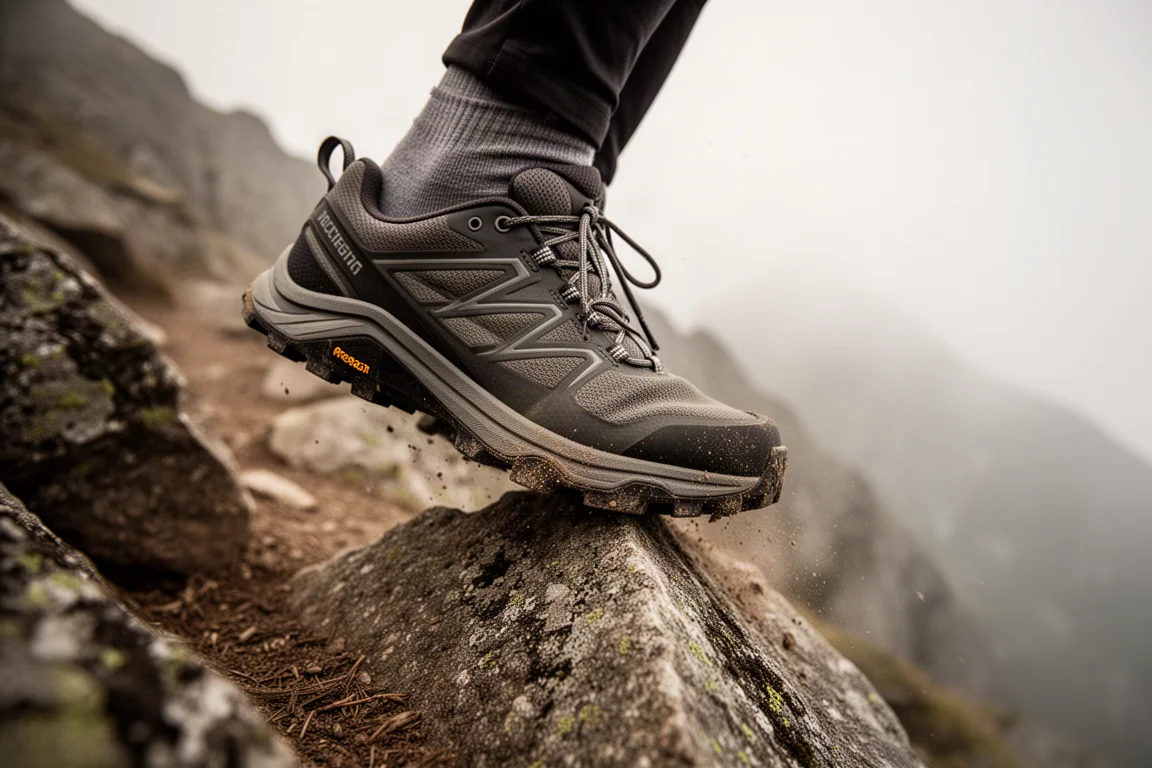
A new TP upper, a TPU derivative with polyester inside, is highly durable and scratch resistant while staying soft against the foot. Weight dropped from 11 oz to 10.6 oz while keeping the smooth ride, which was the main criticism of the previous version. There is a gaiter attachment at the heel, and runners can hook gaiters to the front laces, since a front gaiter mount would restrict mid-run lacing adjustments. In testing, one athlete took a first prototype on a 30-mile training run, loved it, raced in it, and asked that nothing be changed.
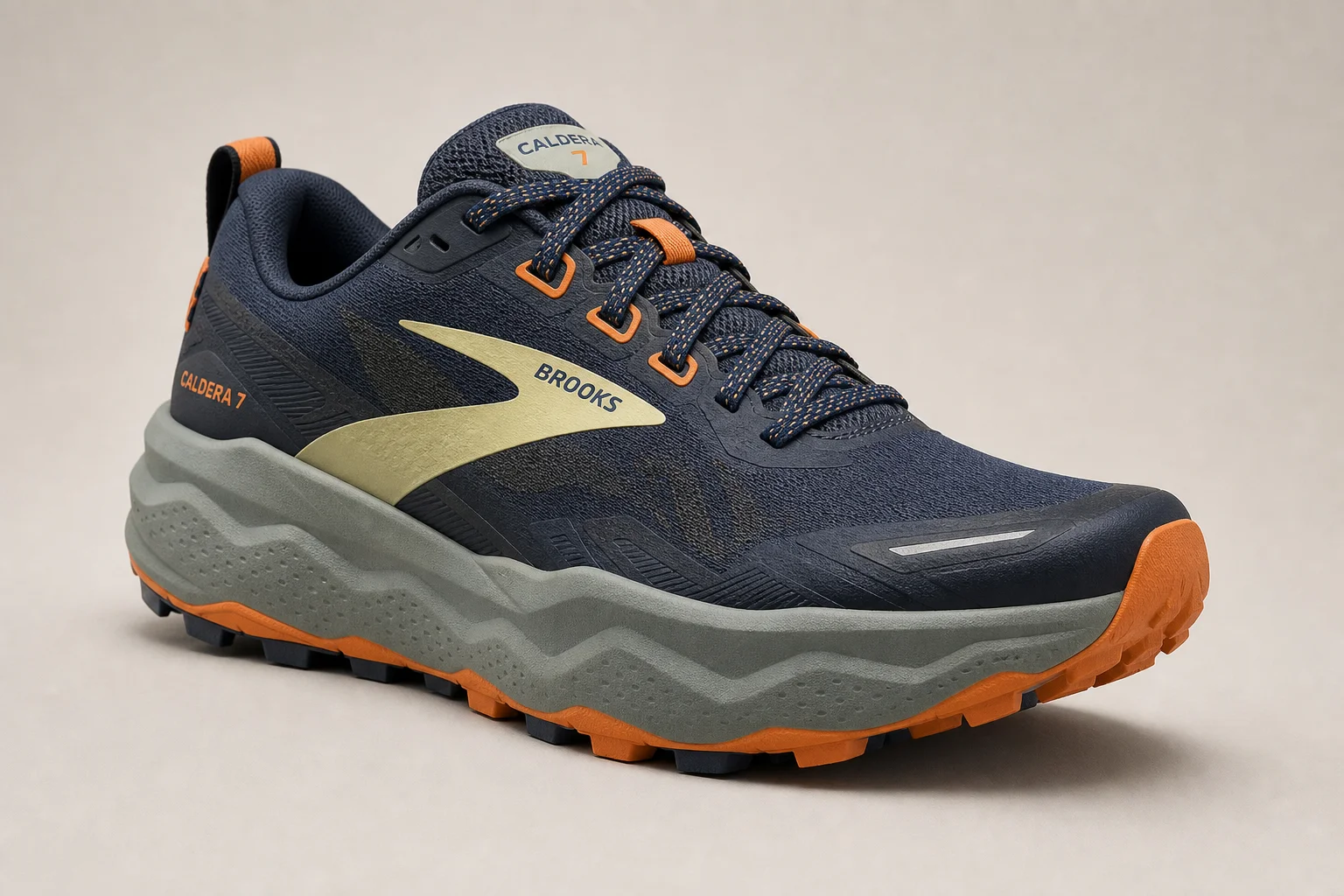
Best Pure Speed Shoe: Brooks Catamount AIL
The Catamount AIL is a completely new shoe, developed after roughly 50 global Brooks athletes across six countries, many racing short distances from 15K to 42K and vertical races, asked for something faster on trail. Many had been adapting the Hyperion Tempo road shoe for the job. The AIL is the answer: a grip-it-and-rip-it race shoe built on Flash v2 midsole foam, the same foam used in the Hyperion Elite, with a SpeedVault Trail plate made of two plates, each with two fingers, so it stays flexible and adaptable over rocks while feeling snappy.
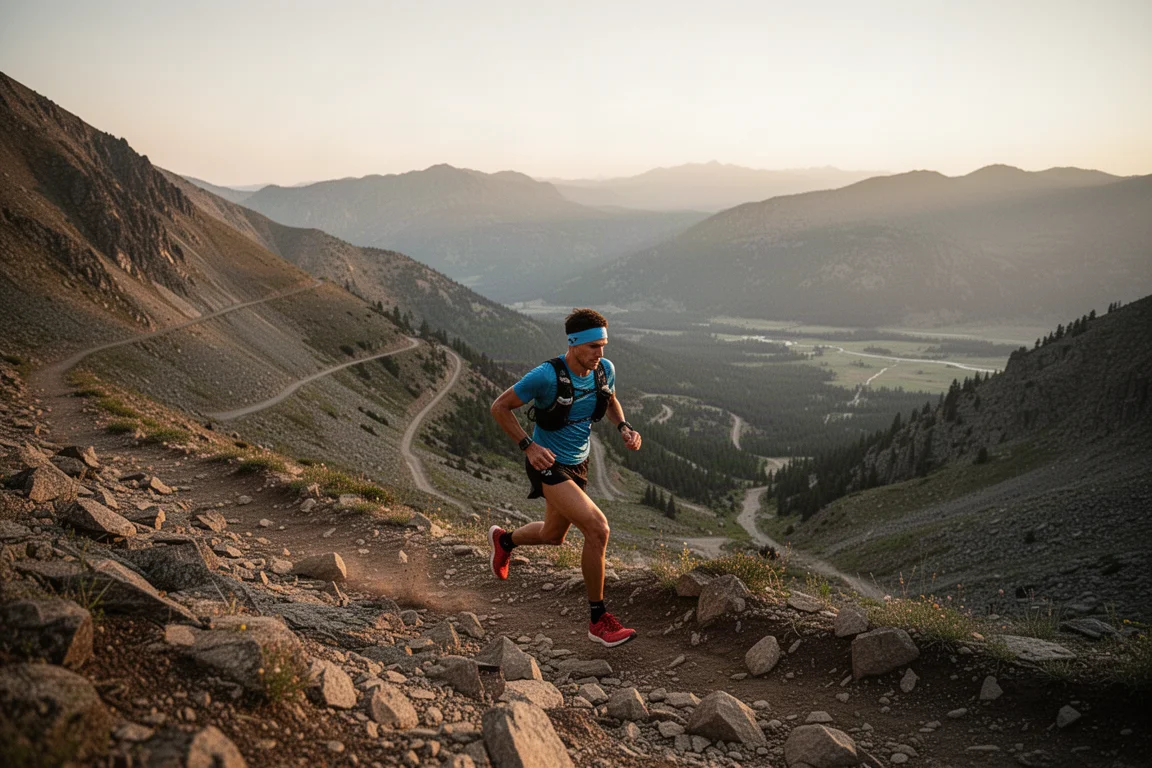
It is the lowest, closest-to-ground shoe in the Brooks trail range, focused entirely on precision and speed. Elite athletes have raced in it for over a year, including two top-10 finishes at the Golden Trail World Series, and it is priced at $180 with a January release.
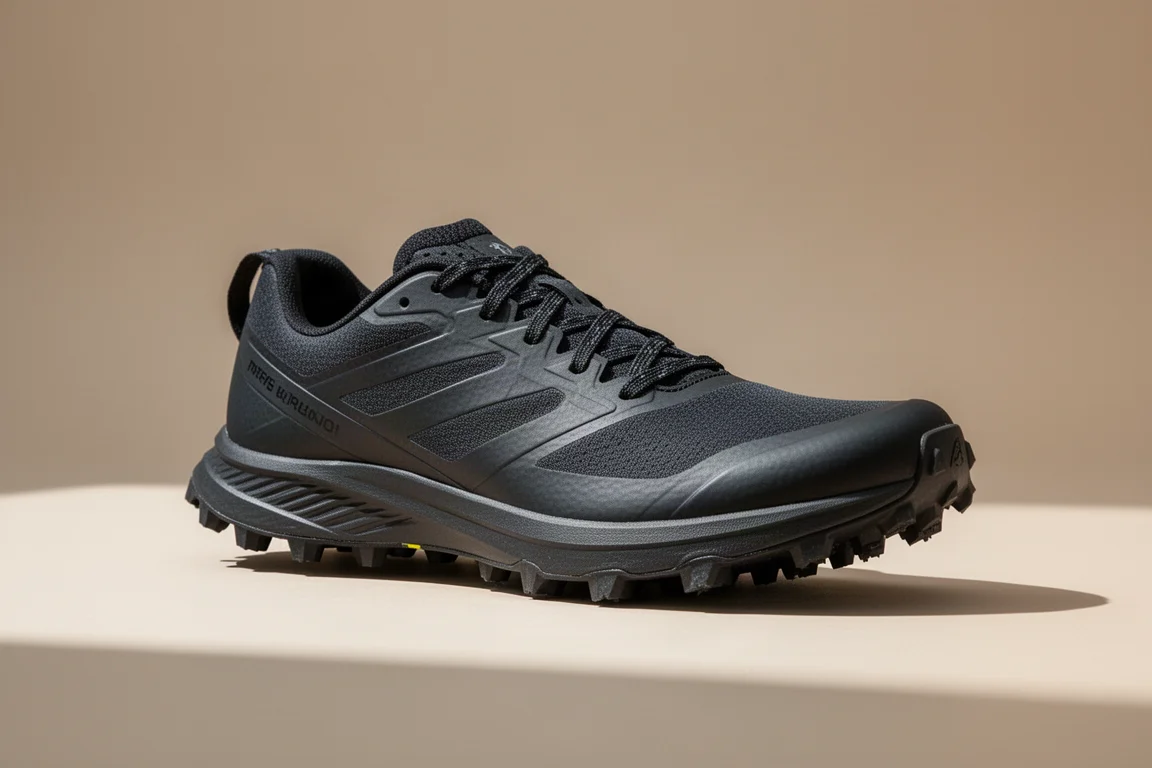
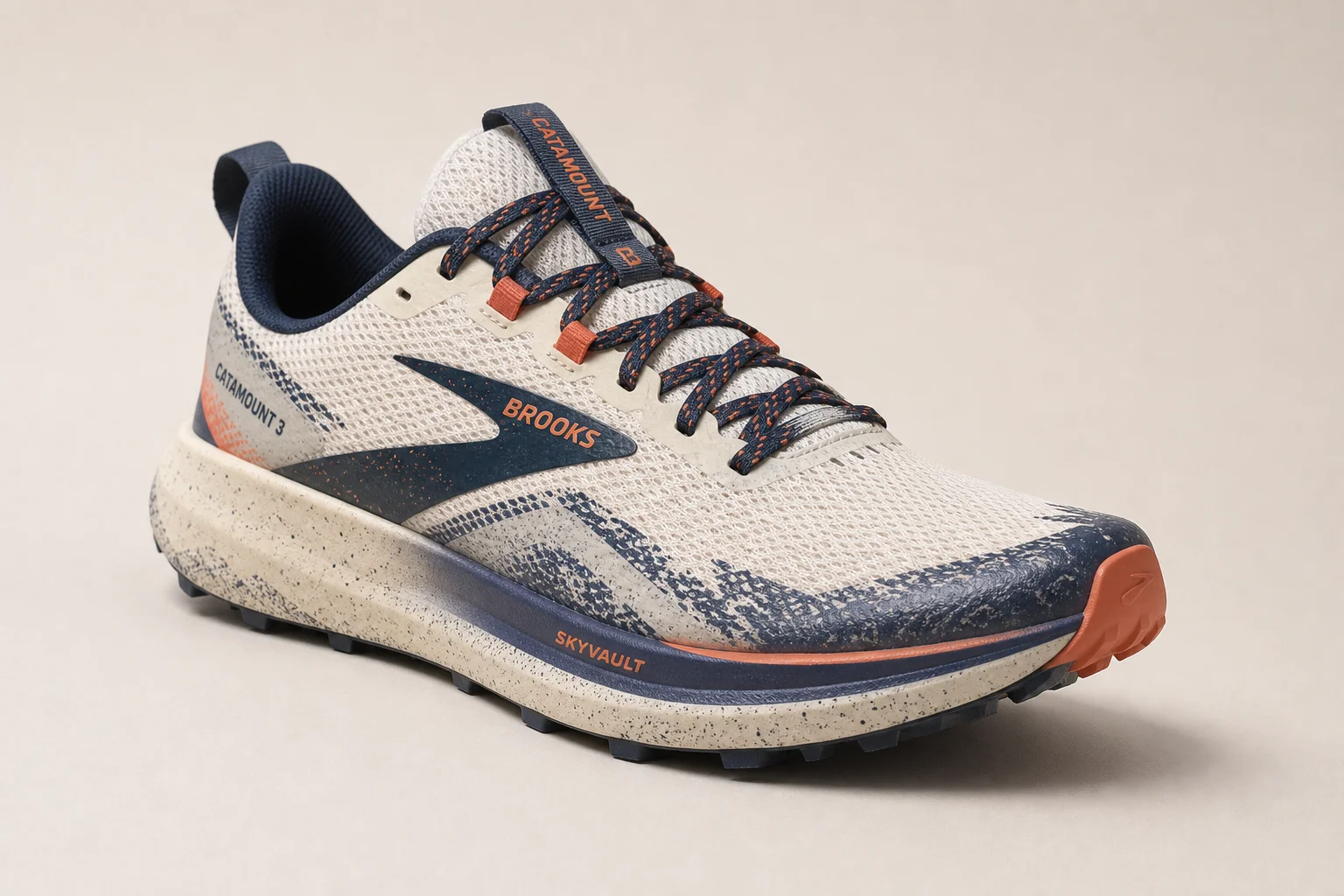
Best Value Speed Option: Brooks Catamount 3
The Catamount 3 is the sibling to the AIL, carrying over the same tooling with a SkyVault plate tuned for uphill efficiency, adding a bit of propulsion and pop while staying adaptable over rocks. Underfoot, DNA Flash foam keeps the ride responsive and lightweight with genuinely good cushioning.
The main change from the previous version is the upper: the air mesh with thermoplastic beads is replaced by a single-layer mesh with woven-in fibers, so it is lighter, more breathable, dries faster, and still durable, dropping roughly half an ounce. The fit is also improved with a slightly more wrapped feel around the foot. It launched as a sleeper shoe that is hard to knock on any level, smooth enough for road-to-trail use yet capable on technical ground, at $170 with a January release.
Which One Should You Buy?
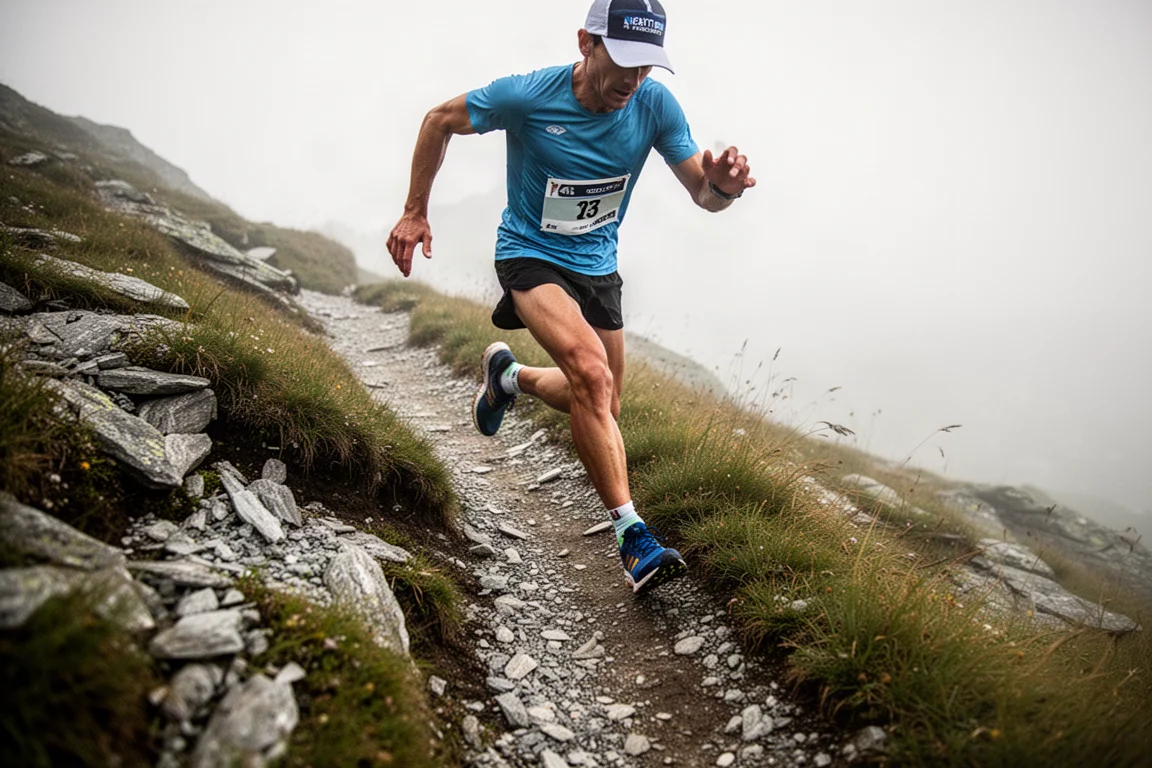
If you are coming from road running or just want an easy hybrid for parks and light trails, the Divide 5 is the obvious low-cost entry. If you want a proven, protective all-rounder for rugged terrain, the Cascadia 18 is the heritage pick. For ultras and all-day miles, the Caldera 7 is built specifically for that. On race day or fast training days, choose between the AIL for short, steep, pure-speed efforts and the Catamount 3 for a slightly more cushioned, versatile speed shoe.
Conclusion
Brooks’ rebuilt trail line now covers nearly every runner profile with a clear purpose behind each shoe. The Divide 5 makes trail running accessible at $110, the Cascadia 18 carries nearly two decades of heritage into a confidence-focused design, the Caldera 7 targets ultras with a lighter and more flexible build, and the Catamount family splits cleanly between race-day aggression and everyday speed. Matching the shoe to the terrain and distance you actually run is the best way to pick from this range.
Further reading
Related Reviews
Trail Running Shoes
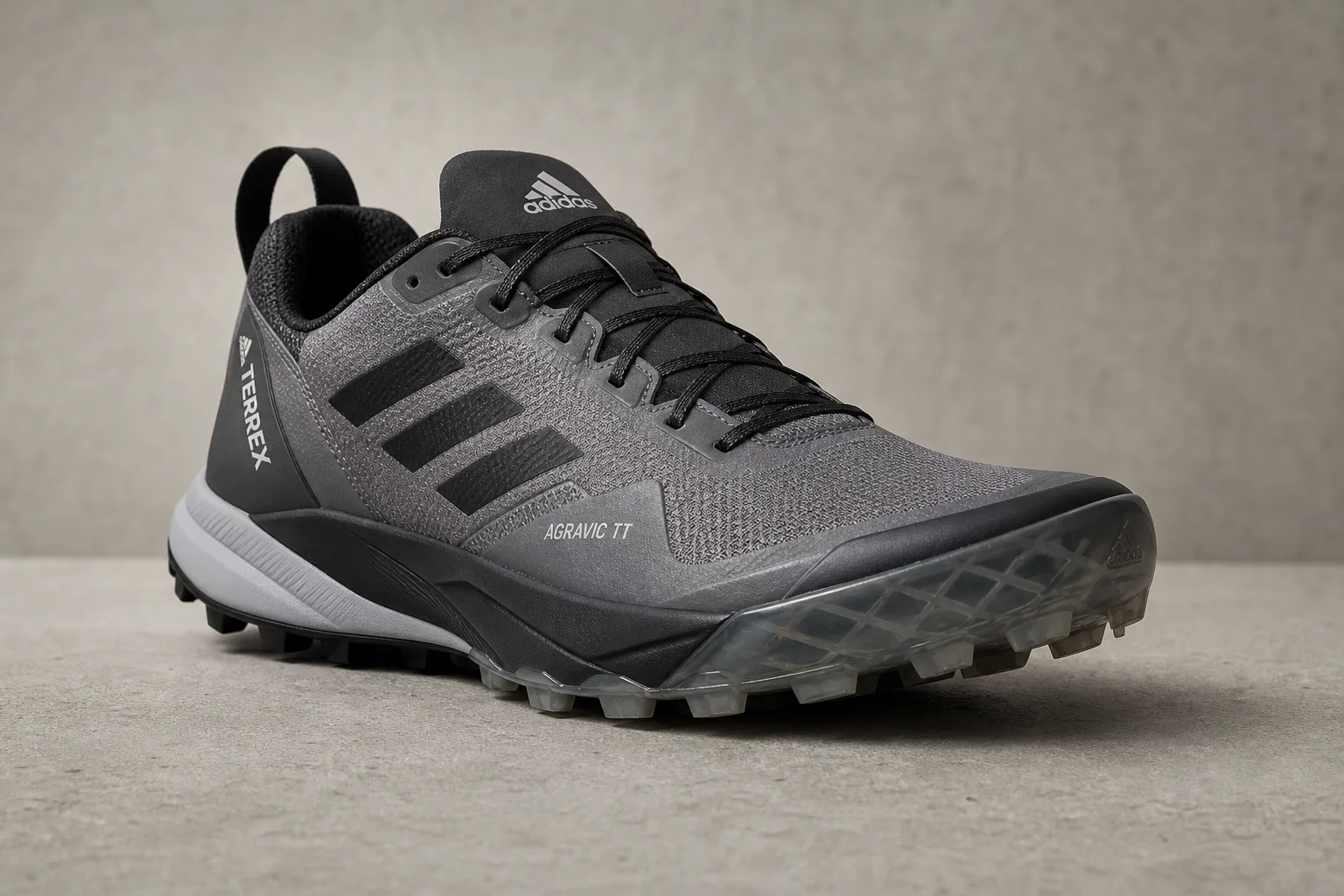
Adidas Terrex Agravic TT Review: A Technical Trail Shoe Built for Rocky Terrain
The Adidas Terrex Agravic TT combines a full-coverage rock plate with a firmer midsole to deliver protection and stability on technical, rocky trails. A capable choice for runners who prioritize underfoot defense over lightweight cushioning.
Trail Running Shoes
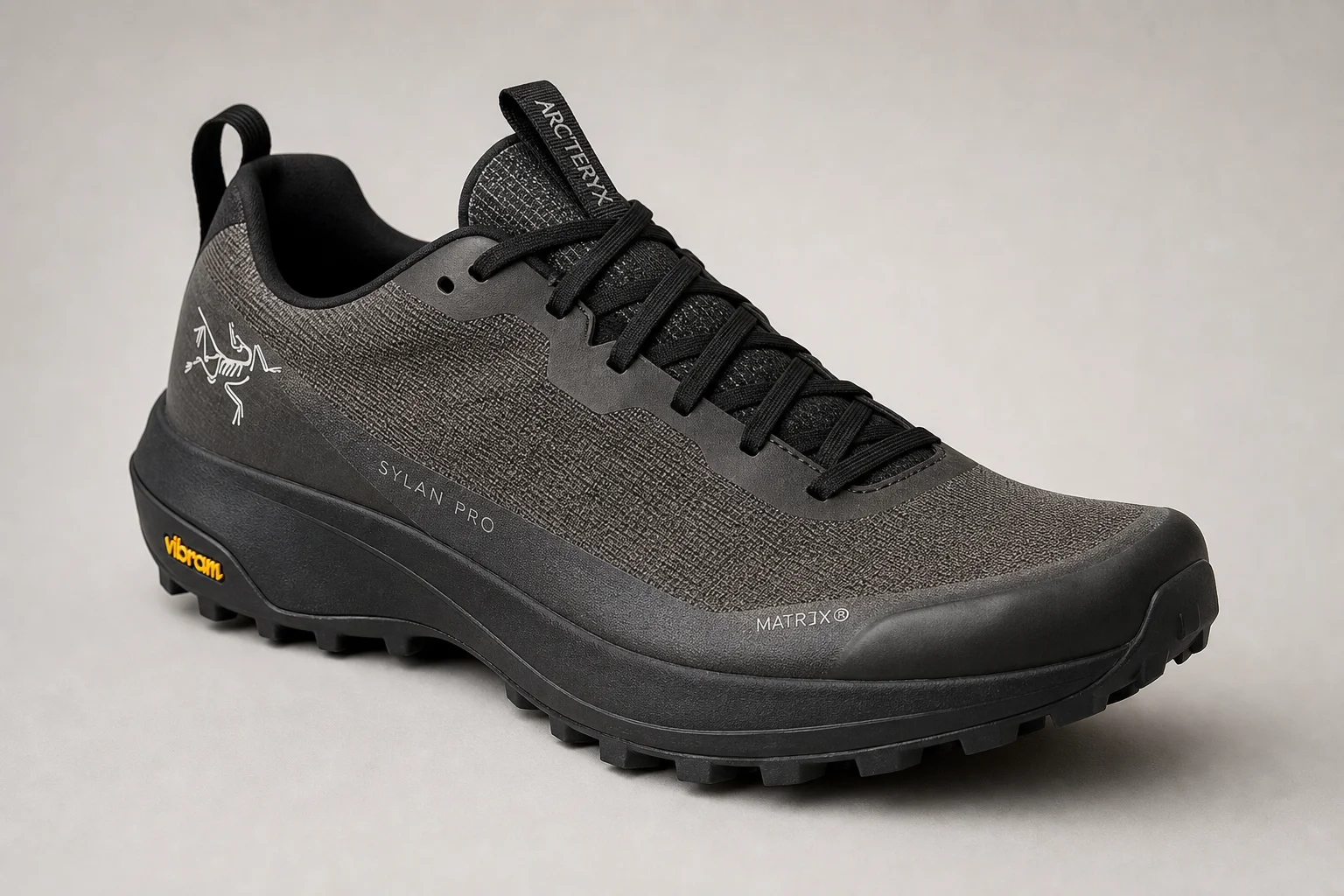
Arc'teryx Sylan Pro Review: A Rocker-Focused Mountain Running Shoe Tested on 20 Miles
The Arc'teryx Sylan Pro brings a pronounced rocker geometry and secure fit to mountain terrain. We tested it on a 20-mile Sawtooth loop to evaluate its climbing efficiency, protection, and handling of technical descents.
Trail Running Shoes
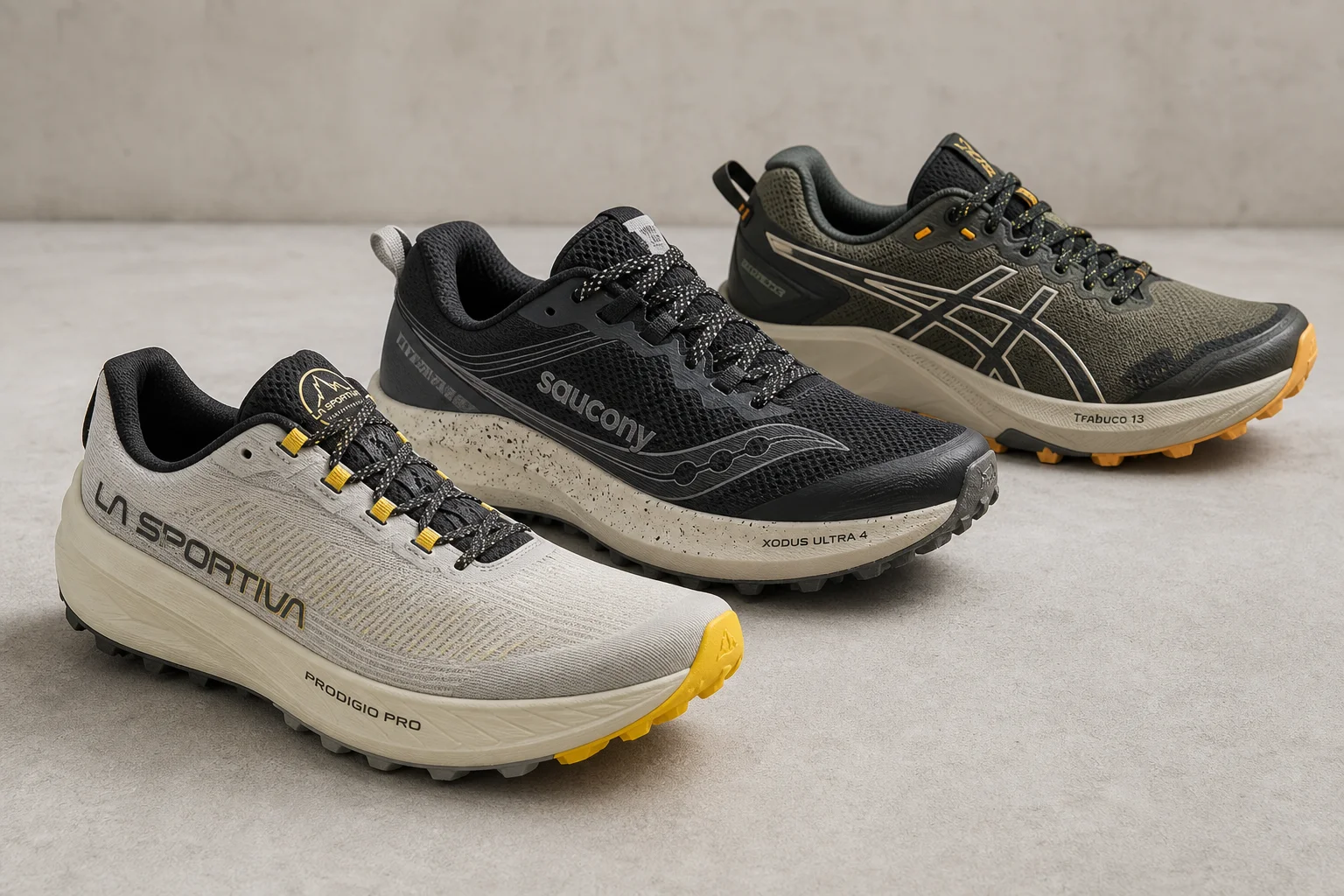
Best All-Mountain Trail Running Shoes: Three Versatile Options for Any Trail
A focused roundup of three all-mountain trail running shoes that handle technical terrain, long distances, and variable conditions with real strengths and practical trade-offs.