Running Shoes
Brooks Stability Line 2023: Six Shoes, One Clear Path to the Right Pair
From the max-stability Beast to the featherweight Hyperion GTS, here is how Brooks' 2023 stability range breaks down and which model fits your running style.
Introduction
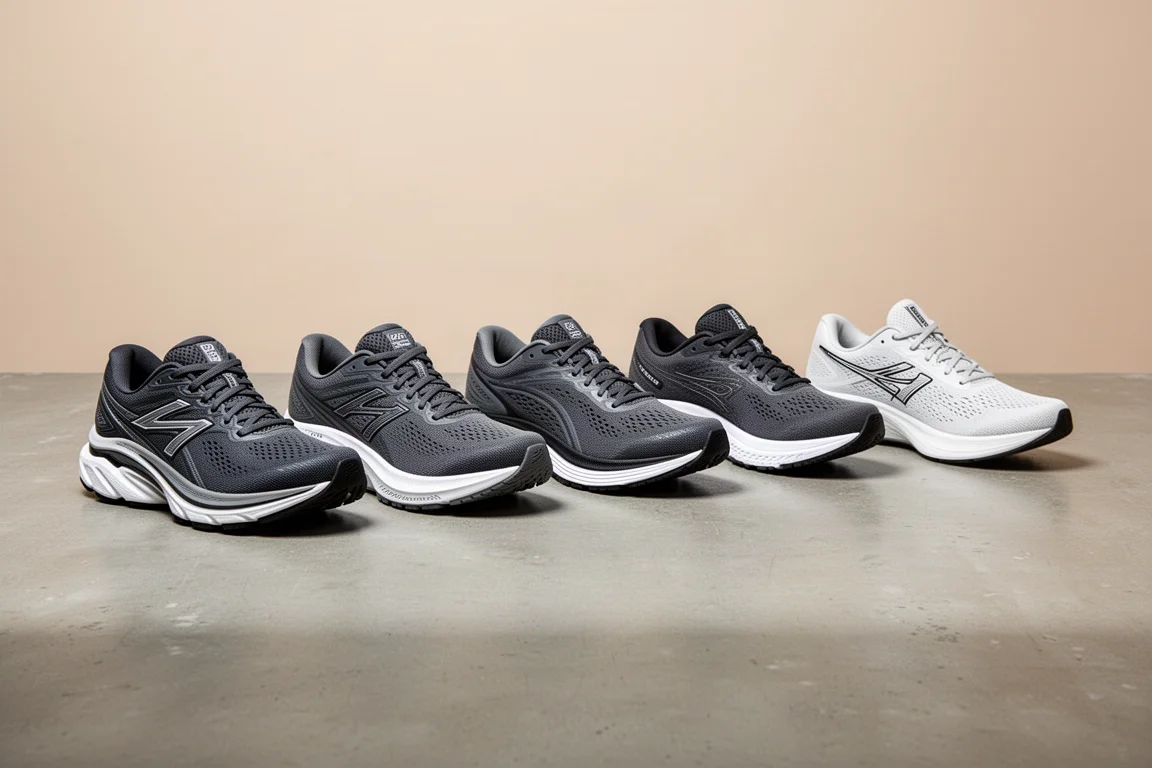
Brooks has one of the most extensive stability lineups in the running industry right now, stretching from a true motion control shoe all the way to the lightest stability trainer on the market. That variety is great news for runners, but it also makes choosing surprisingly hard. This guide walks through the six models, compares their specs, and helps you narrow down which one matches how you actually run.
One quick note on stack heights: Brooks lists midsole stack heights that exclude the insole, and the stock insole adds roughly five millimeters. Add that in your head when comparing numbers. Also worth knowing up front: most Brooks shoes in this line fit normal to slightly snug, with a couple of wider-fitting exceptions noted below.
Maximum Stability: Brooks Beast and Brooks Ariel
The Beast, and its women’s equivalent the Ariel, is Brooks’ most stable shoe by a wide margin. At 11.9 ounces in a men’s size 9 and 10.7 ounces in a women’s size 8, it is the heavyweight of the range, but it is a very different shoe from the motion control monsters of a decade ago. There is actual flexibility here now, which makes it more runnable than its reputation suggests.
It uses a wide, sturdy platform with GuideRails and DNA Loft cushioning, and the sole stays wide through the midfoot rather than narrowing in. The DNA Loft V3 foam runs a touch softer than before, so the ride is cushioned without ever feeling mushy. With a 26 mm heel and 14 mm forefoot midsole stack, it delivers a 12 mm drop, standard for Brooks’ trainer range.
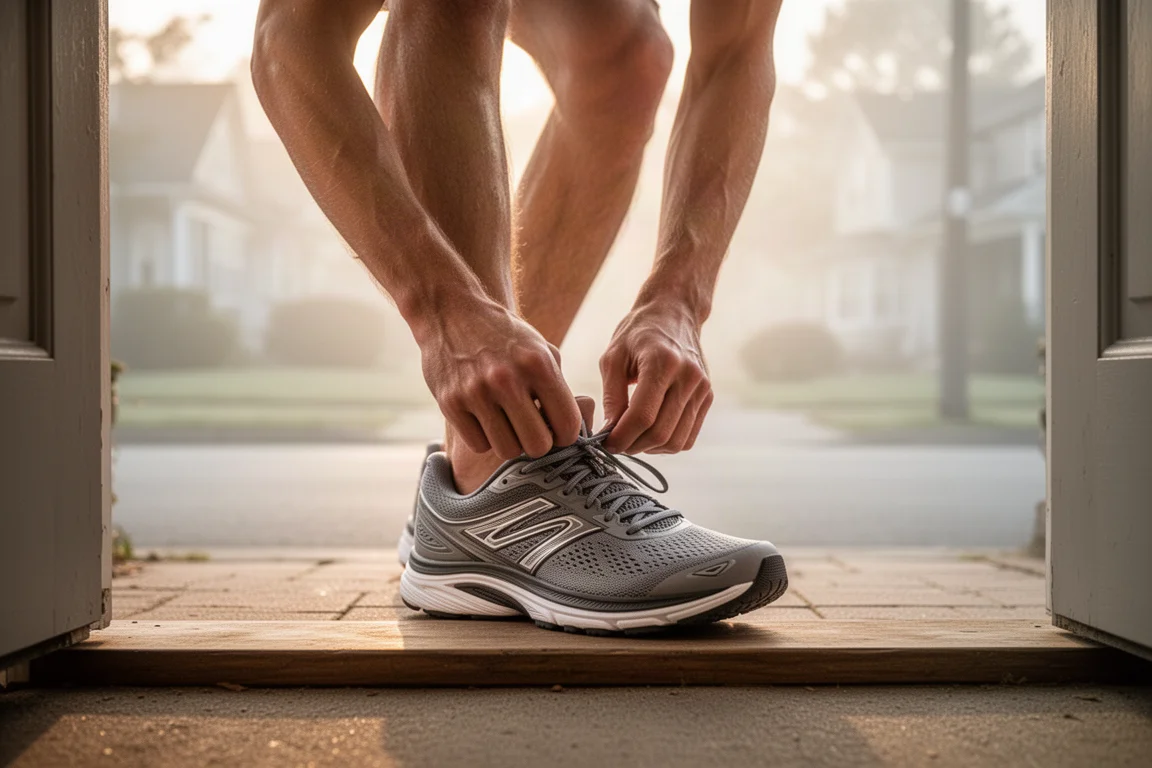
Choose the Beast or Ariel if you need a lot of stability and stiffness through the heel and midfoot, want a high-drop shoe with decent cushioning, or prefer a roomier fit. If you are torn between this and the Adrenaline and find the Adrenaline not quite stable enough, the Beast is the step up, especially for runners with more serious orthopedic support needs. It walks and jogs as well as it runs.
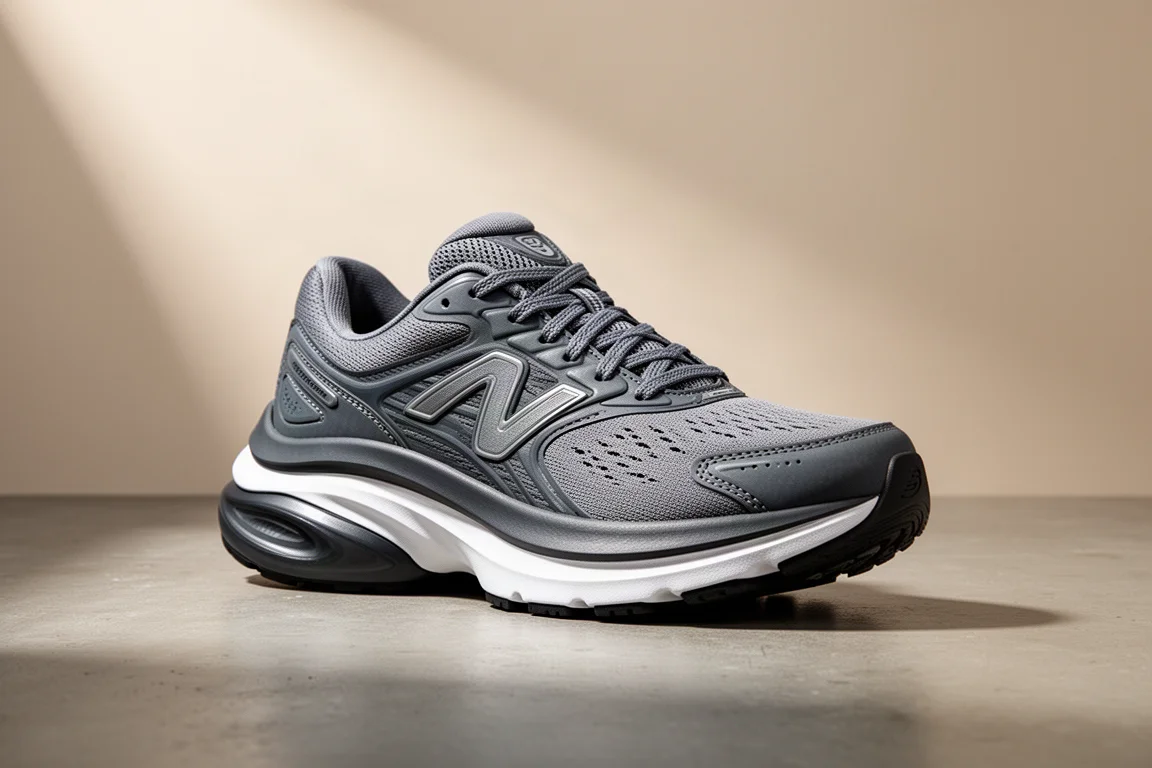
The Ariel carries the same construction and stability character in the women’s fit, and it suits the same runner profile: maximum support, a wider platform, and a shoe that can handle daily walking and running without restriction.
The Standard Setter: Brooks Adrenaline GTS
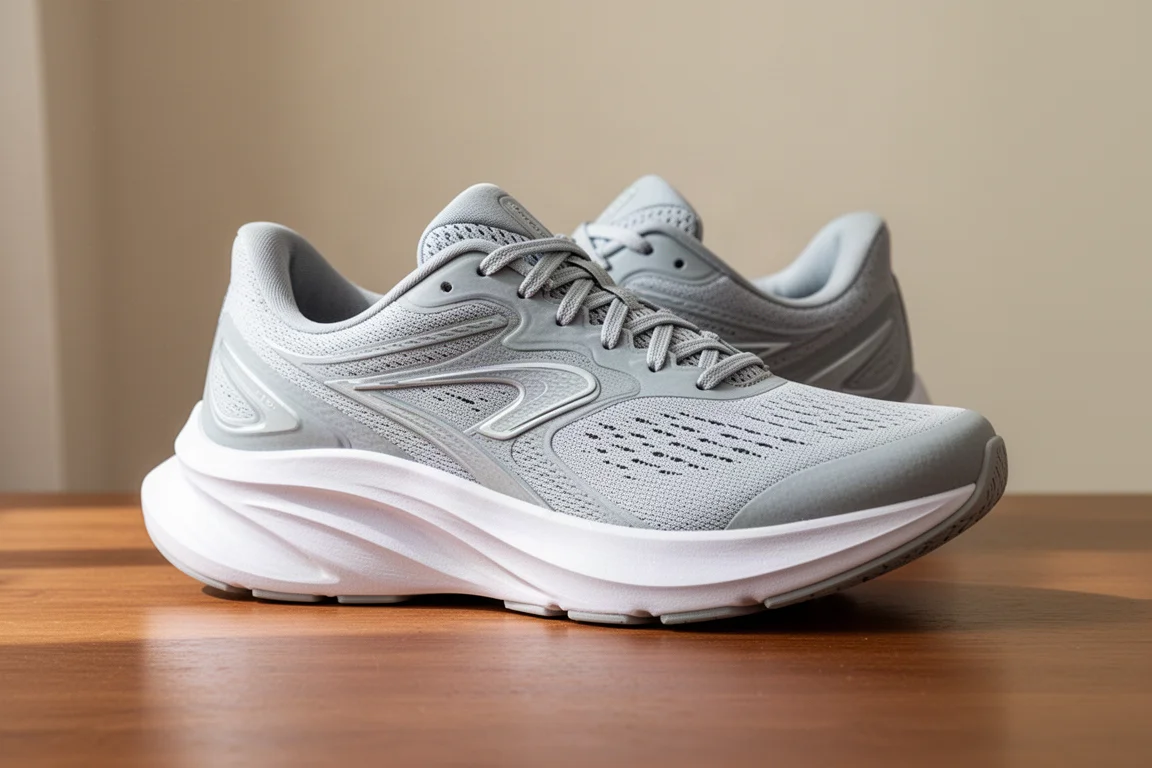
The Adrenaline GTS remains one of the most popular stability shoes on the market, and its formula has stayed reassuringly consistent. It comes in at 10.1 ounces for men (size 9) and 9.1 ounces for women (size 8), roughly two ounces lighter than the Beast, and it feels noticeably nimbler underfoot without being a fast shoe.
It uses GuideRails plus a small medial post, a 24 mm heel and 12 mm forefoot for that classic 12 mm drop, and DNA Loft V2 that runs slightly softer than previous versions while staying a bit snappy. That means it can handle the occasional uptempo stretch and long runs alike. The fit runs normal to slightly snug and slightly short, which sensitive toes may notice.
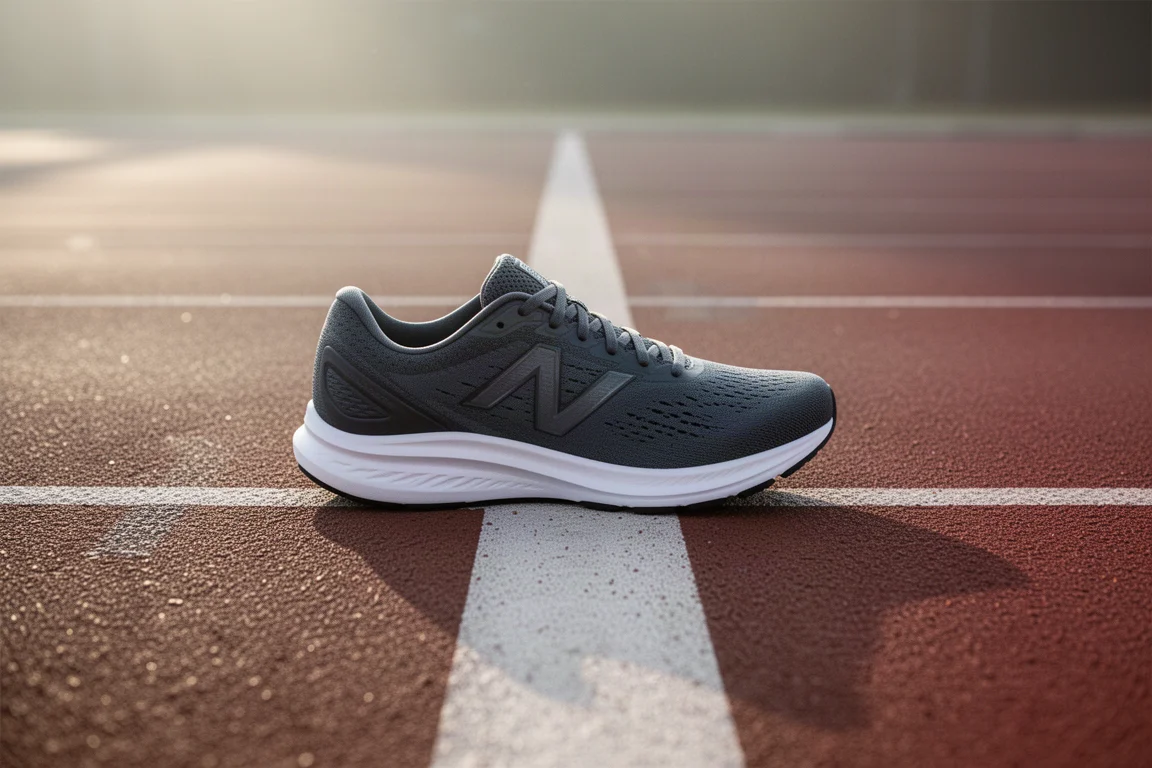
This is the shoe for runners who need heel and midfoot stability, want the traditional higher drop, and prefer support on both sides of the foot without a super rigid post. If it feels close but not quite stable enough, the Beast is the natural next step within the Brooks line.
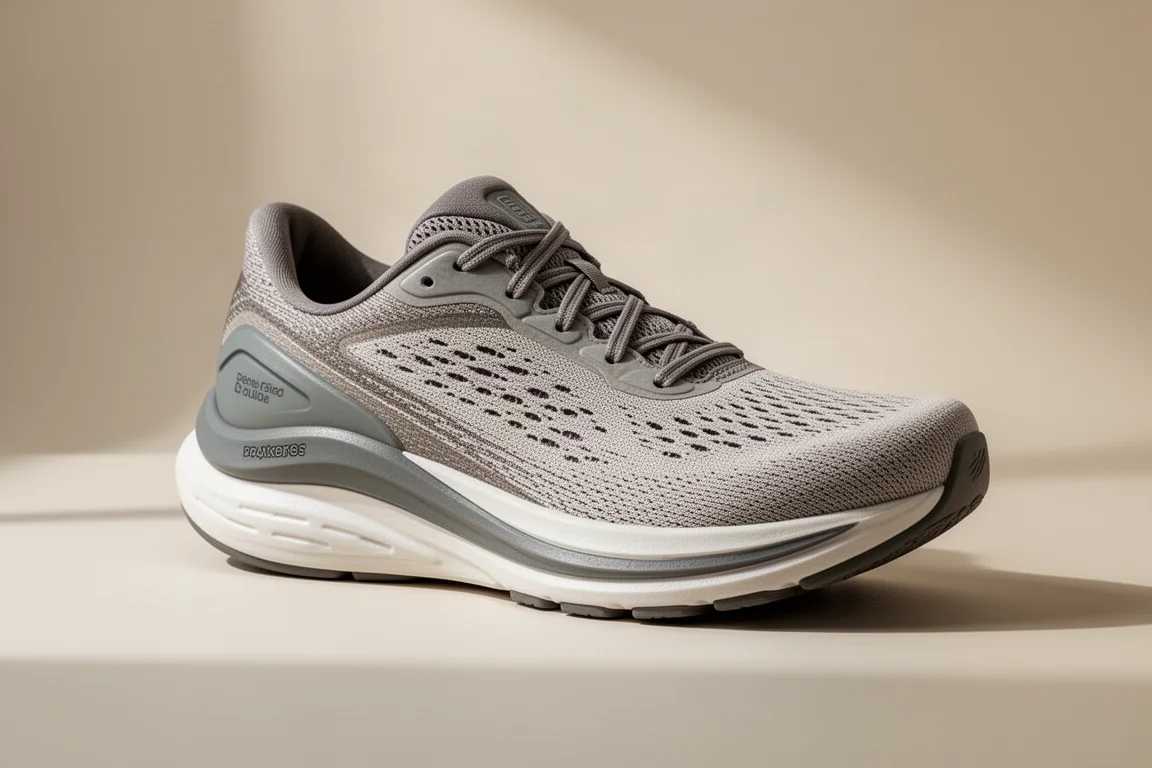
The Cushioned Alternative: Brooks Glycerin GTS
The Glycerin GTS is the softer, higher-stack option in the stability range. It sits around 32/22 mm in the midsole, heavier than the Adrenaline at 10.6 ounces for men (size 9) and 9.5 ounces for women (size 8), but far lighter than the Beast. It runs DNA Loft V3 without the Beast’s rigidity, so the ride is noticeably softer while the GuideRails stability level stays similar to the Adrenaline.
The fit is slightly wider than the Adrenaline, which helps if you find the standard stability models a touch snug. If you love the Adrenaline’s support but want a plusher, more cushioned ride for easy days and long runs, this is the model built for exactly that.
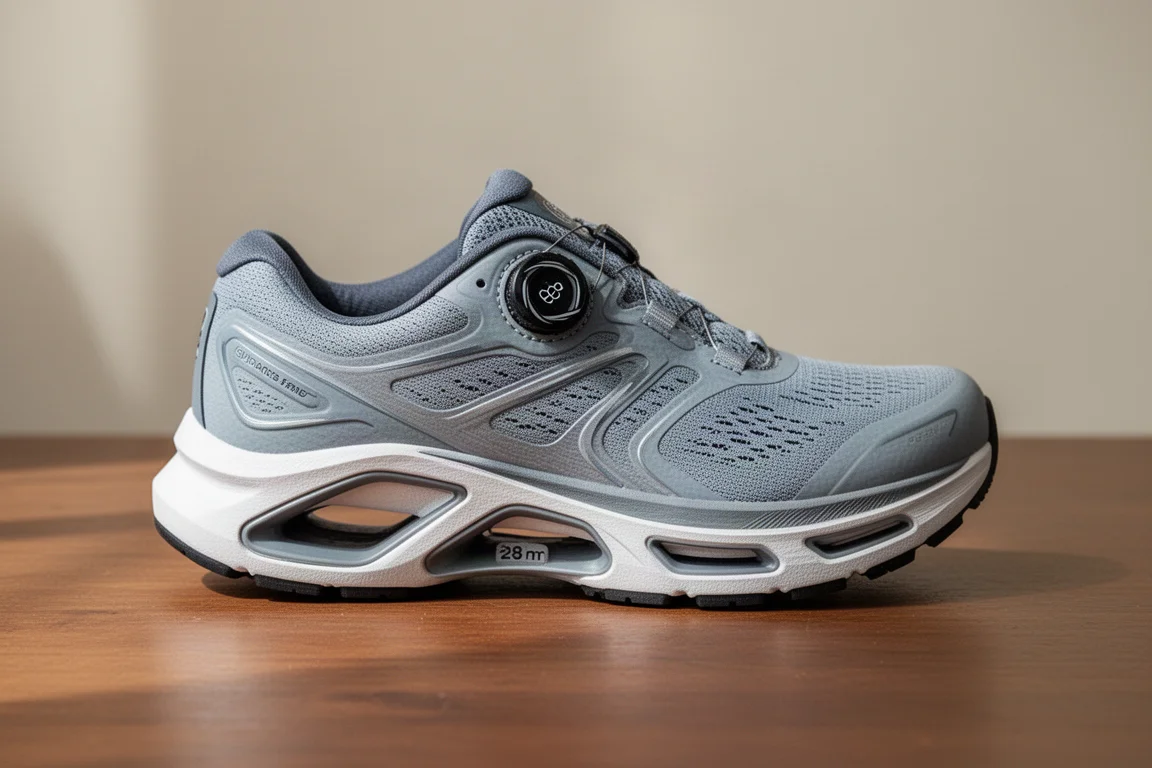
Lightweight Mild Stability: Brooks Launch GTS
The Launch GTS is a lightweight trainer with light stability, a category that is disappearing fast across the industry. There is no medial post here, only GuideRails, and the performance upper is narrower and more snug than the rest of the line. It weighs 8.6 ounces for men (size 9) and 7.8 ounces for women (size 8), with a 24 mm heel and 14 mm forefoot for a 10 mm drop.
Its BioMoGo DNA cushioning is firmer than the other models here, which translates to a snappier, more grounded ride. That suits daily training and workouts well, and durability has been strong. It is not the lightest shoe in the range and is not a racing shoe, but it moves quickly enough for runners stepping down from the Adrenaline or Beast who want something faster yet still sturdy and supportive.
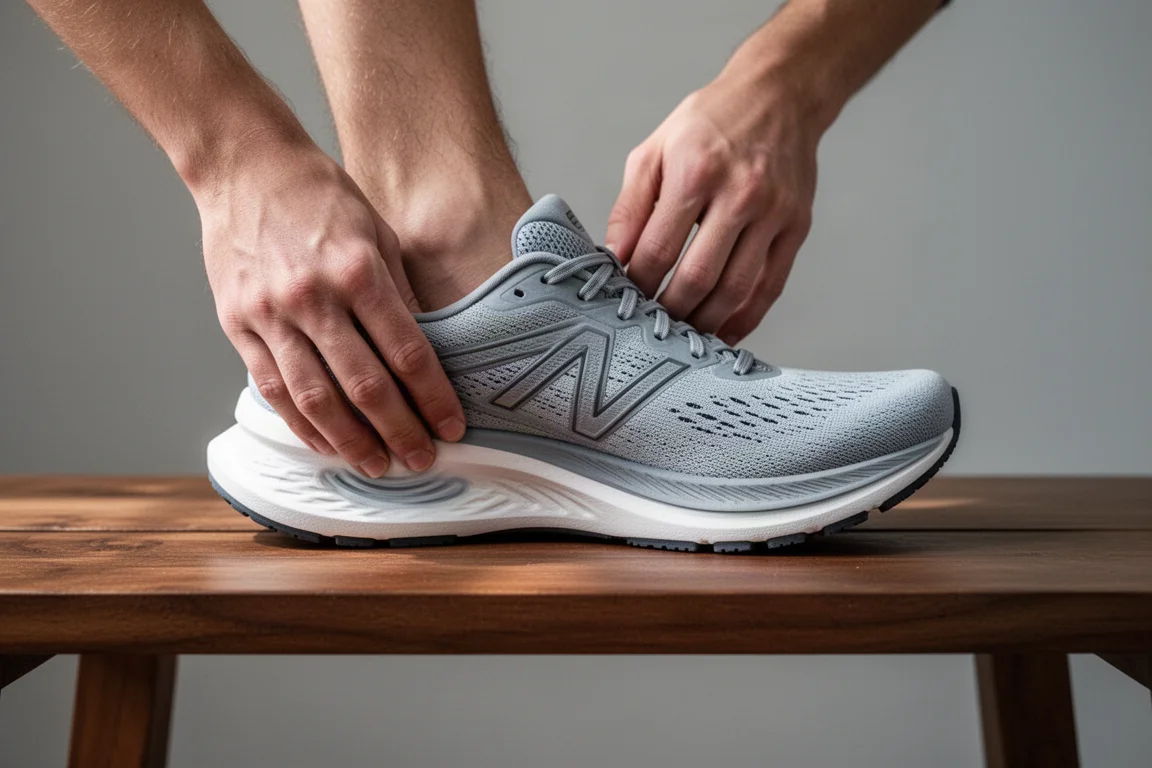
If you want a versatile, lighter mild-stability shoe that can pick up the pace without feeling overbearing, this is a very safe pick.
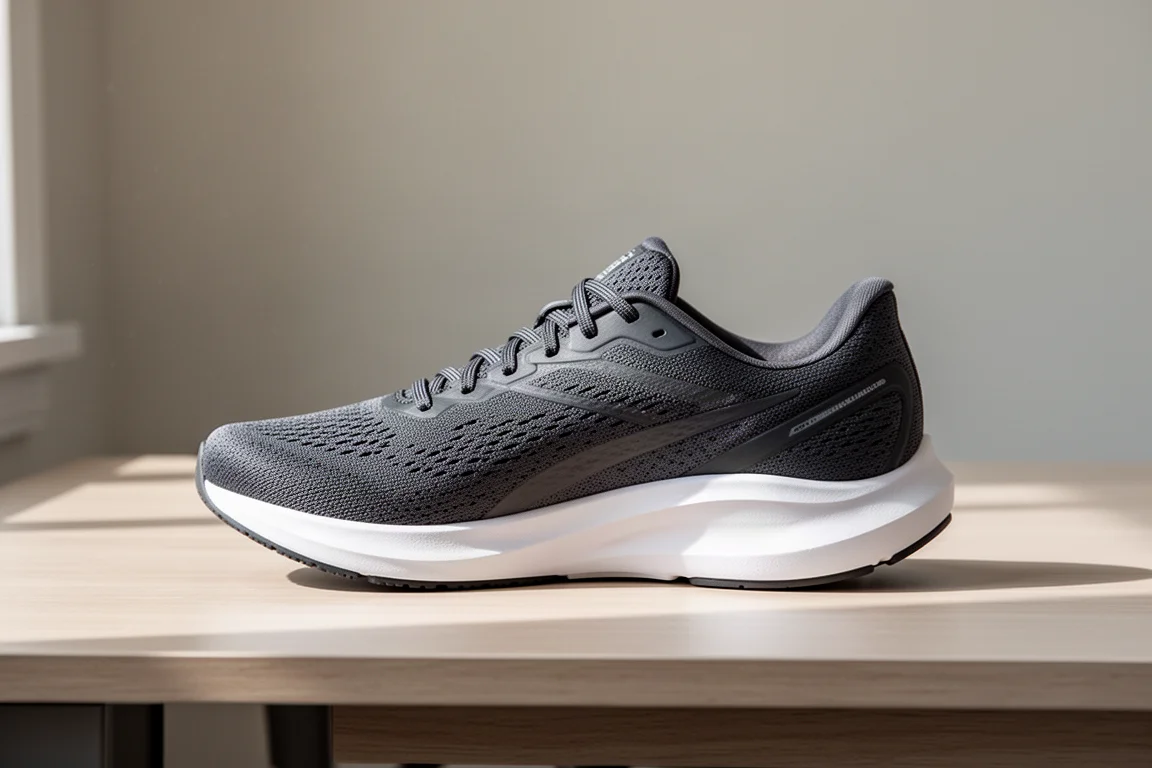
The Speed Option: Brooks Hyperion GTS
The Hyperion GTS is the lightest stability shoe on the market right now, and it is the standout of this group. At 8.1 ounces for men (size 9) and 7.3 ounces for women (size 8), with a 22 mm heel and 14 mm forefoot for an 8 mm drop, it is both the lightest and the lowest-drop shoe here.
Despite the low stack, its DNA Flash midsole is one of the softer options in the range, with real ground feel and just enough bounce for solid workouts. Stability is genuinely mild, less than the Adrenaline or Launch GTS, but enough to keep you on track. It is not a super shoe: no plate, no super foam. It simply moves well, flexes nicely, and feels fun.
The fit is one of the wider forefoot fits in the lineup, on par with the Beast, while the midfoot and heel snug up in a classic racer-esque way. Durability has held up well too, with the outsole performing strongly past 80 miles of testing. If you need mild stability for faster workouts and races and are not running in super shoes, this is the one that gets you to the track.
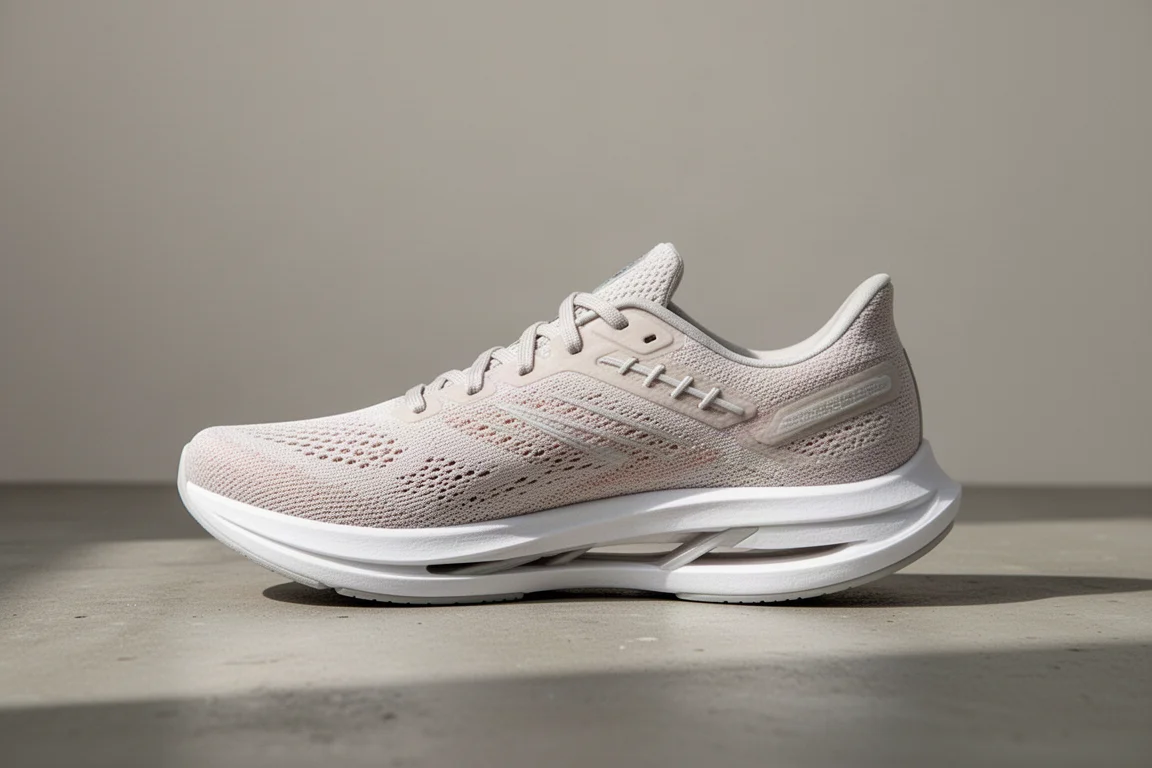
Buying Advice: Which Brooks Stability Shoe Is Right for You
The right choice comes down to what you want from the shoe. For lightweight racing and fast days, the Hyperion GTS is the clear pick. For lightweight mild-stability training, the Launch GTS fits best. For a standard stability shoe with a traditional 12 mm drop, GuideRails, and a small medial post, the Adrenaline GTS remains the dependable default.
If you want that same support in a more cushioned package, the Glycerin GTS adds plushness with a slightly wider fit. And for maximum sturdiness, wide platforms, and a roomier fit that can handle just about anything, the Beast and Ariel anchor the top of the range.
Where Brooks lacks a super shoe, it makes up for it with a breadth of stability options few brands can match. For the majority of runners looking for safe, capable shoes that can handle almost any kind of running, this lineup delivers across the board.

Conclusion
Brooks’ 2023 stability range covers nearly every support need a runner could have, from motion control to race day. Match the shoe to your stability level and preferred ride, and there is a strong option here for almost everyone.
Further reading
Related Reviews

Running Shoes
Best Road-to-Trail Running Shoes: Three Versatile Options for Mixed Terrain
A practical guide to three road-to-trail running shoes that handle both pavement and mild trails, with clear strengths and trade-offs for different runner types.

Running Shoes
Best Running Shoes for Achilles Tendonitis: Three Options Explained
Three running shoes with different heel drops and support features designed to help reduce Achilles tendon pain during walking and running.

Running Shoes
Best Running Shoes for Women: Five Top Choices Ranked
A ranked guide to five women's running shoes, from versatile daily trainers to high-performance racing options, with real strengths and trade-offs for each.