Running Shoes
The Brooks Running Lineup for 2026: Eight Shoes, Eight Different Rides
From the flexible new Glycerin Flex to the race-ready Hyperion Elite 6, here is how the latest Brooks running shoes break down, including stack heights, foams, prices, and release dates.
Introduction
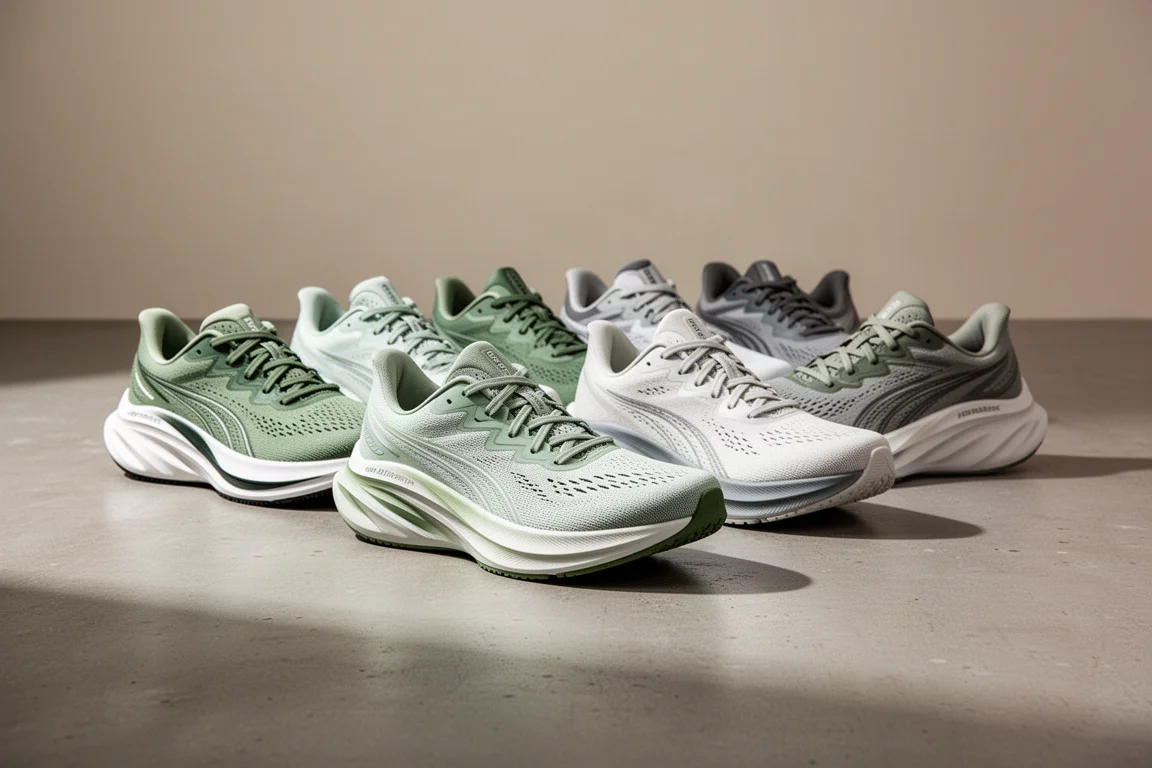
Brooks has organized its 2026 range around a clear idea: every runner needs support and cushioning, but those qualities should show up in different ways for different people. The result is a lineup that stretches from a bendy everyday trainer in the Glycerin Flex all the way to a stripped-down marathon racer in the Hyperion Elite 6. Here is what each shoe offers, what it costs, and when it lands.
The Glycerin Series: Luxury First
The Glycerin name stands for ultimate luxury in the Brooks range. The series embraces cushioning and support as universal benefits, with different models tuning that idea for different runners. The newest entry, the Glycerin Flex, uses the dual-density DNA Tuned foam found across the series: softer large cells in the heel for cushioning, springier small cells in the forefoot for pop.

Best Flexibility: Brooks Glycerin Flex
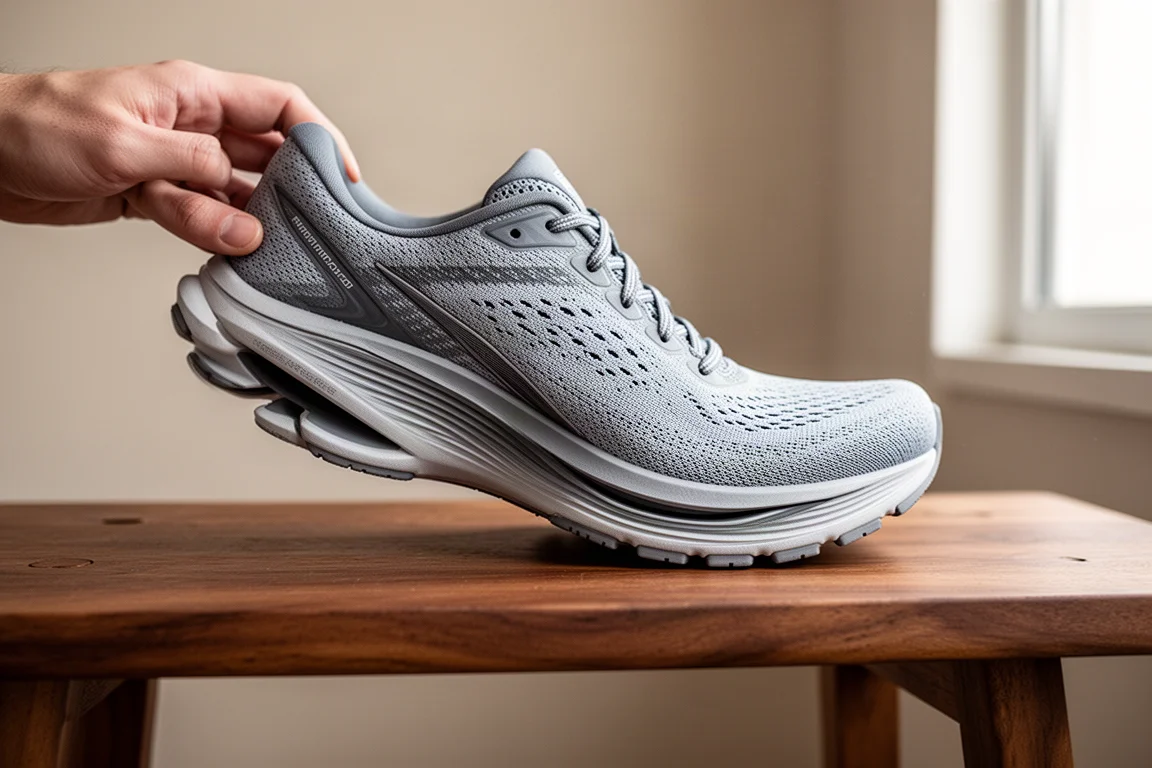
The Glycerin Flex is built to move with you. Its flex zone sits further back on the lateral side and further forward on the medial side, so the shoe firms up at landing to keep the foot from overextending, then opens up as you push off. The midsole measures 26 mm in the heel and 20 mm in the forefoot, which is a lot of cushioning for a shoe this flexible. DNA Tuned foam keeps the soft heel and poppy forefoot, and the flat-knit upper is one of the best-fitting executions in the line, with a forefoot that plays along with your foot. It is priced at $170 and arrives on 1 February, making it the starting point of the Glycerin series.
Best Max Cushion: Brooks Glycerin Max 2
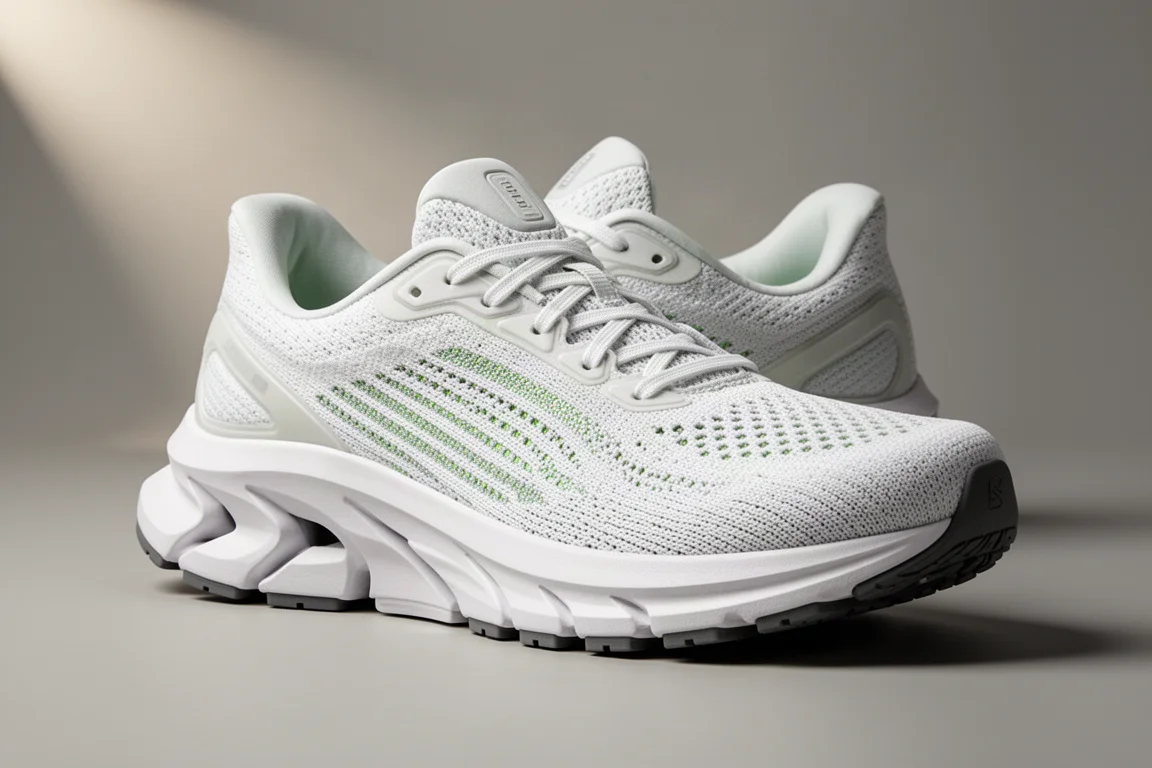
The Glycerin Max 2 is the opposite philosophy. Where the Flex moves with you, the Max moves for you. The DNA Tuned midsole and its thickness carry over unchanged, with a locked-up forefoot and a pronounced rocker that keeps you rolling forward. Brooks describes it as the run-forever shoe, ideal for recovery days when you want the shoe to do the work. The triple jacquard upper, engineered in three mesh layers, feels plush and refined. It is already available.

Best for Overpronators: Brooks Glycerin GTS
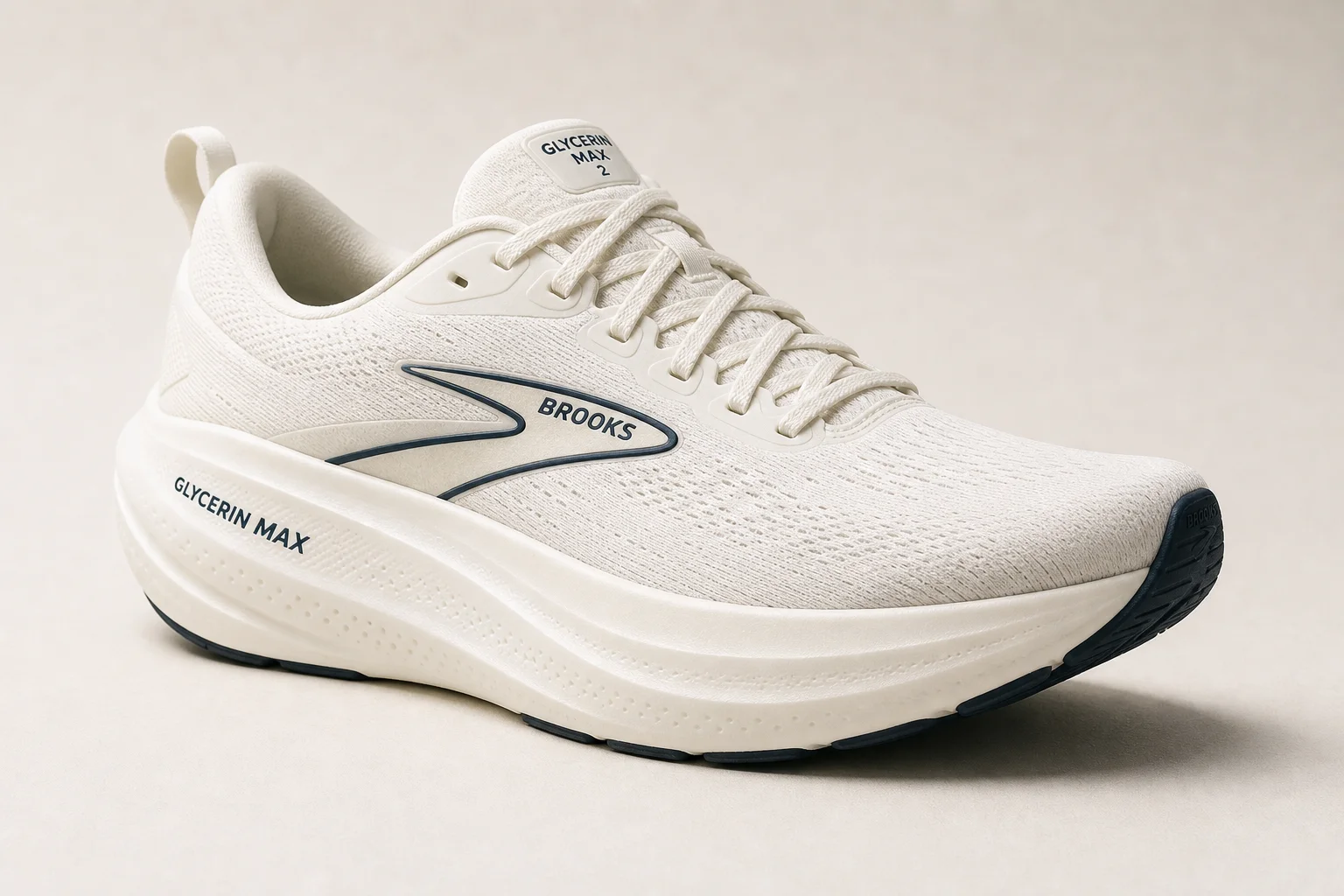
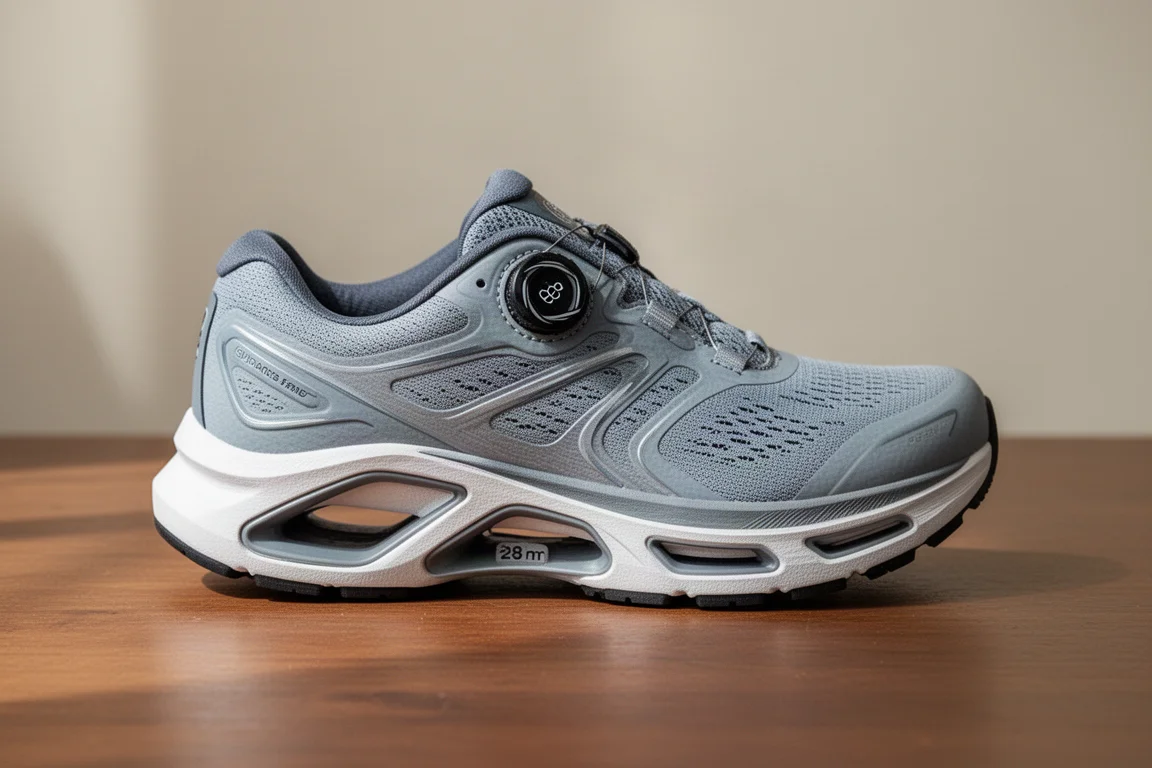
The Glycerin GTS adds Brooks’ GuideRails support system for a more structured ride than the balanced, trusted feel of the core Glycerin. The big update here is two more millimetres of foam, moving the midsole to 28 mm in the heel and 20 mm in the forefoot for an 8 mm offset. With the sockliner counted, total heel stack reaches about 38 mm, yet the forefoot still sits near 30 mm at the flex, so cushioning is not sacrificed for support.
The Ghost Series: Brooks’ Goldilocks
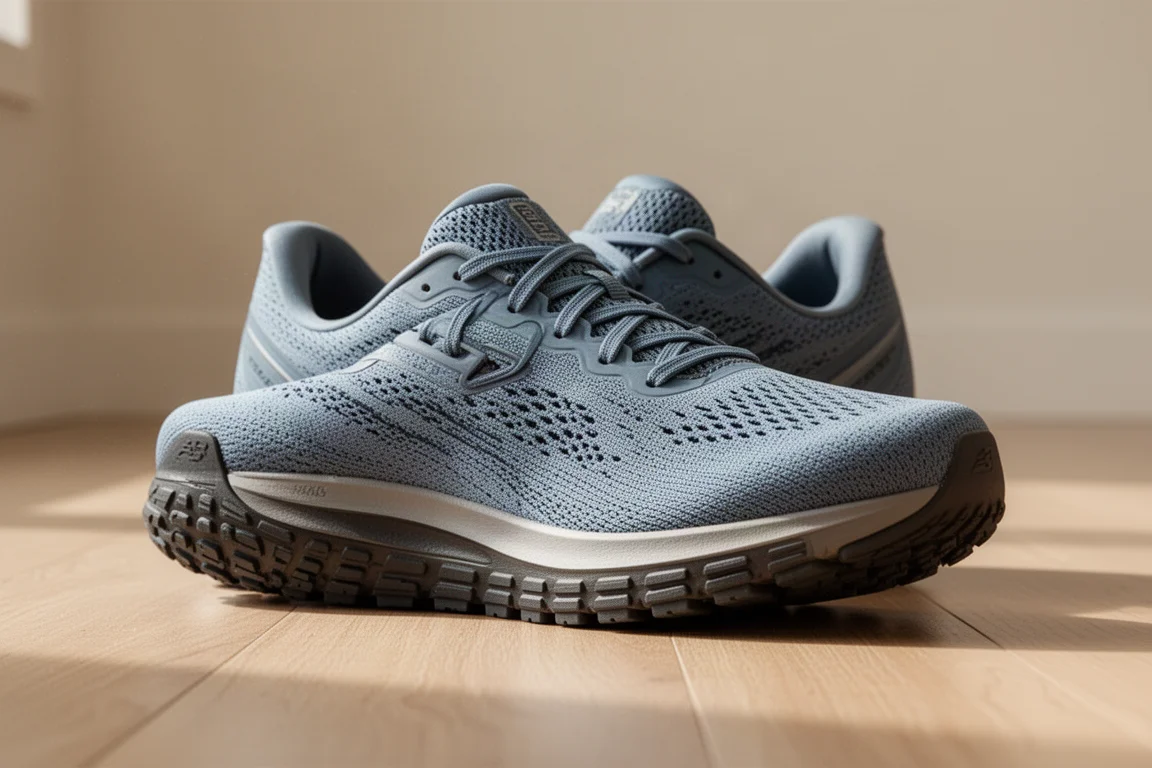
The Ghost is worn by more runners than any other Brooks shoe, and the brand treats it as its Goldilocks model: balanced, familiar, and reliable. The Ghost 17 keeps the same tooling because it feels so good, uses DNA Loft nitrogen-injected foam in a single-cell construction, and moves to a 10 mm offset. The one update is a new plush flat-knit tongue that sits comfortably across the top of the foot. It weighs about 10.1 oz in the men’s version, holds its $150 price, and releases on 1 May 2026.
Best Weight-Conscious Max Cushion: Brooks Ghost Max 4
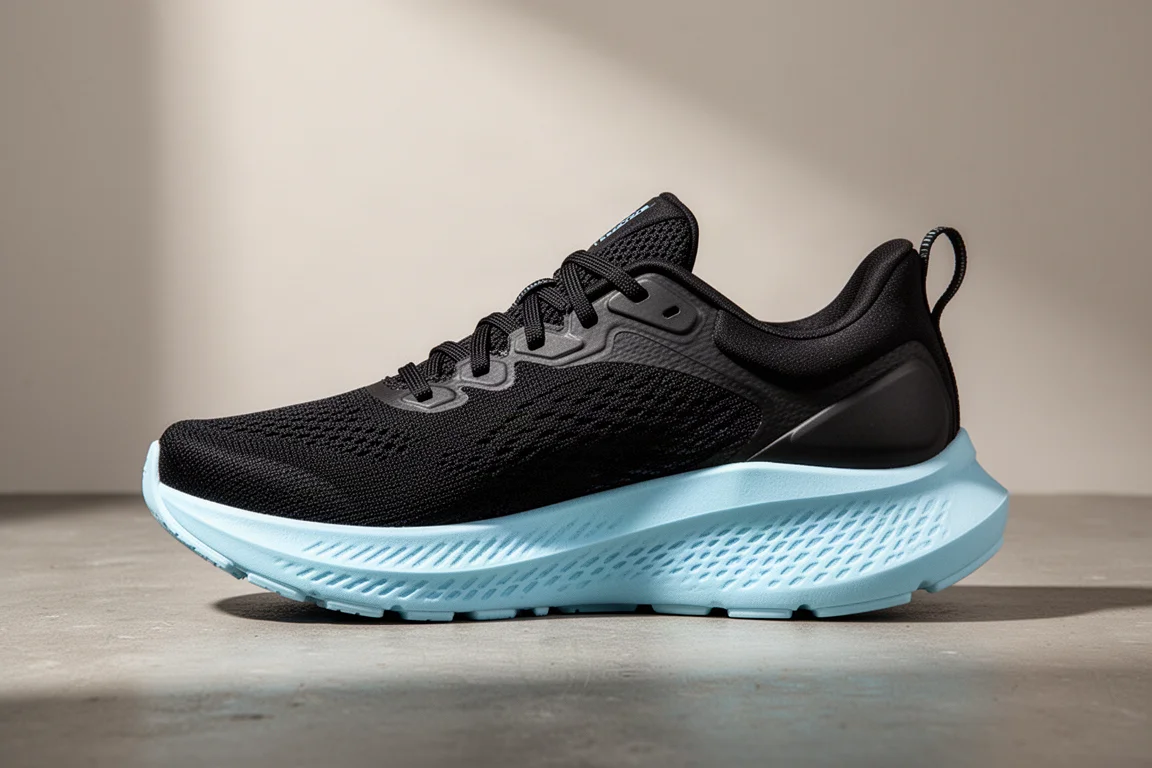
The Ghost Max 4 keeps the same foam and midsole thicknesses as before, roughly 38 mm in the heel and 32 mm in the forefoot, but Brooks streamlined the sculpting and sidewall heights to shed nearly an ounce versus the previous version. The rolling ride and locked-up forefoot remain, and it now costs $160, just $10 above the regular Ghost.
Best for Forefoot Pop: Brooks Ghost Amp
The Ghost Amp is the new energy option in the family. It introduces DNA Height, a foam with roughly 25% PE blending, plus a dual-density forefoot called the Spring Ramp: a slightly firmer durometer of DNA Height past midstance that compresses and rolls you into a poppier toe-off. Sculpting in the forefoot adds to the energetic feel. It runs a 6 mm offset at about 38 mm heel and 32 mm forefoot, weighs around 9 oz, stays at $150, and lands on 1 July. If you like the Ghost’s fit but want more forefoot snap, this is the one to try.
Best Race Day Shoe: Brooks Hyperion Elite 6
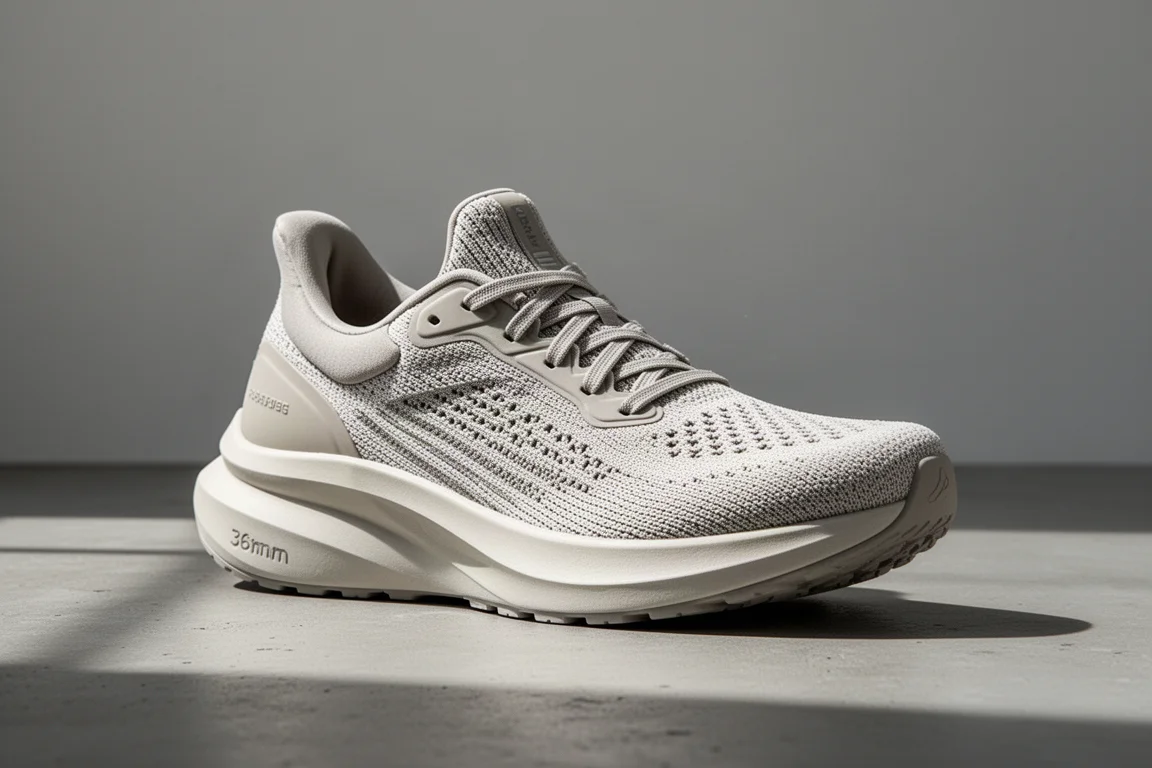
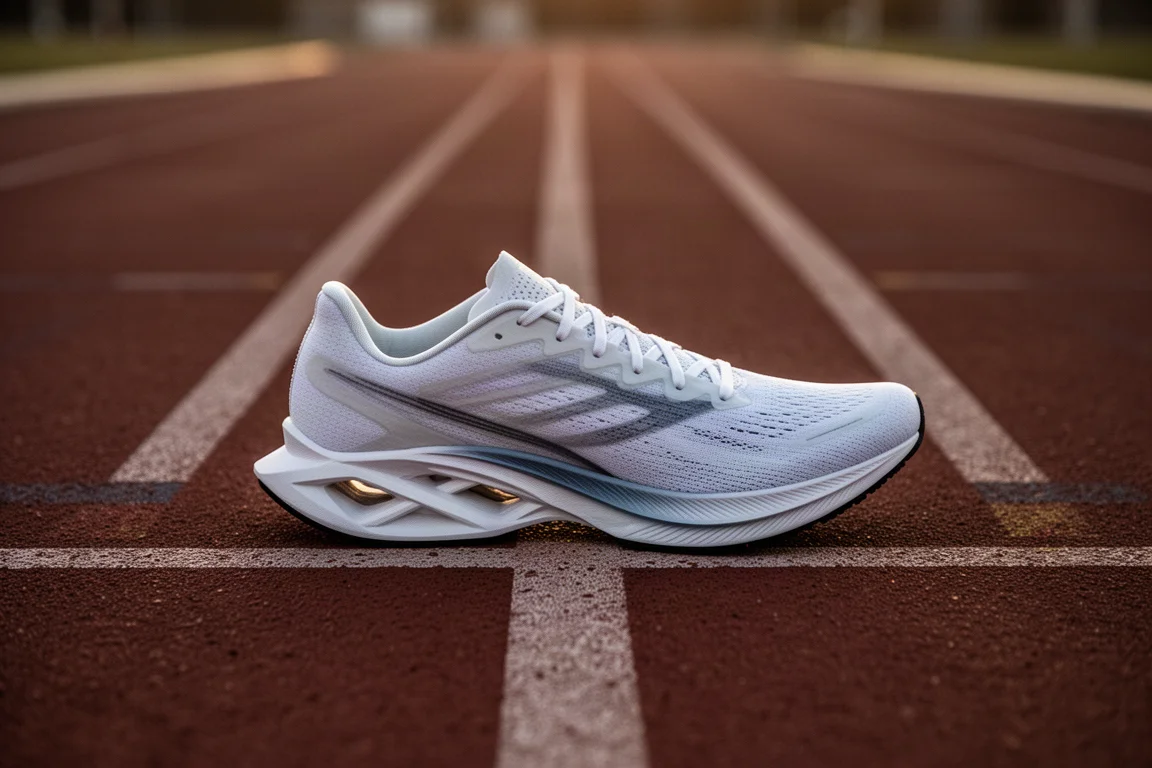
The Hyperion Elite 6 continues Brooks’ push for the next fastest shoe. It uses an updated DNA Gold foam with a lower specific gravity, roughly 20% lighter pound for pound, with more displacement so it feels softer while returning as much energy. The toe spring is more aggressive in both midsole geometry and plate configuration, informed by feedback from marathon runner CJ Albertson. Stack height maxes out at 40 mm in the heel with a 6 to 7 mm offset being fine-tuned, about 34 mm in the forefoot. The stripped-down knit upper maximizes airflow and cooling, and the outsole and stroobal board have been thinned to save weight. It weighs 6.12 oz, nearly half an ounce lighter than before, stays at $275, and arrives around 1 August, in time for fall marathons. The plate remains a SpeedBall design, with final details still in prototype evaluation.
Best Super Trainer: Brooks Hyperion Max
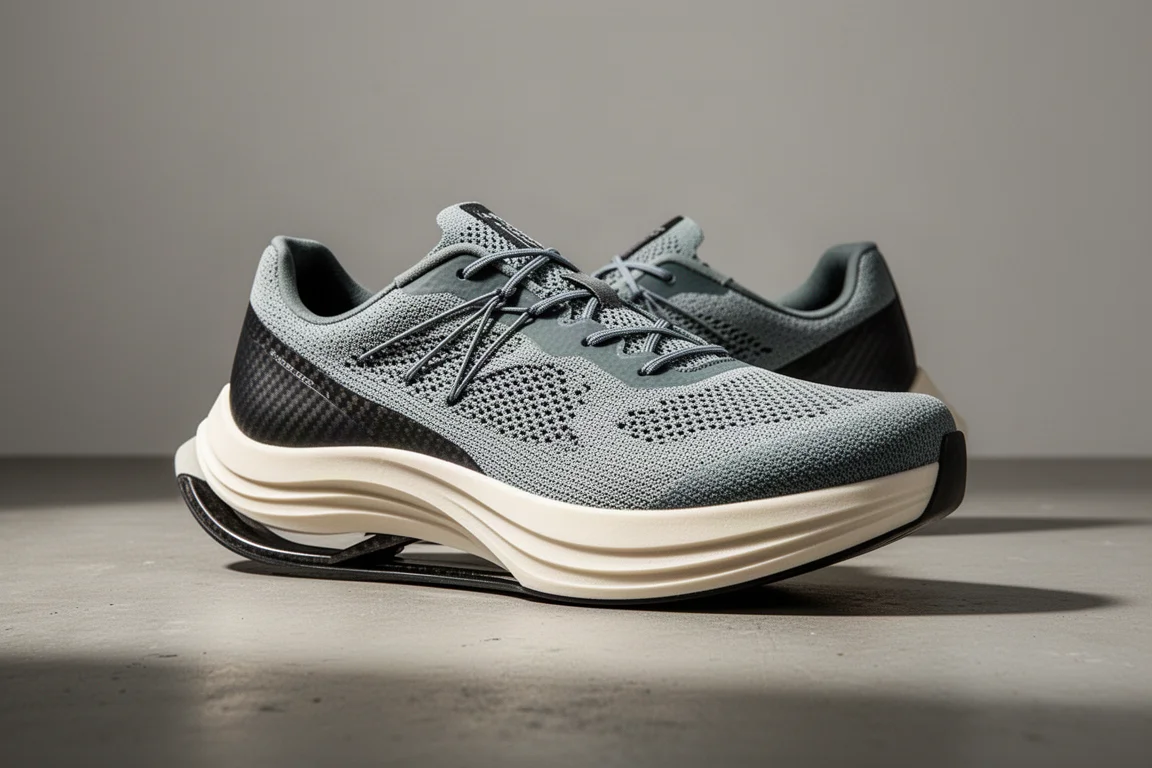
The Hyperion Max rounds out the speed tier as Brooks’ super trainer, pairing the race-day feel of the Elite line with a training-focused build. The midsole is unchanged, with DNA Gold on top and Flash below, but the upper has been dialed in with a flat-knit construction for daily training. It releases on 1 July at $200.
Overall Buying Advice
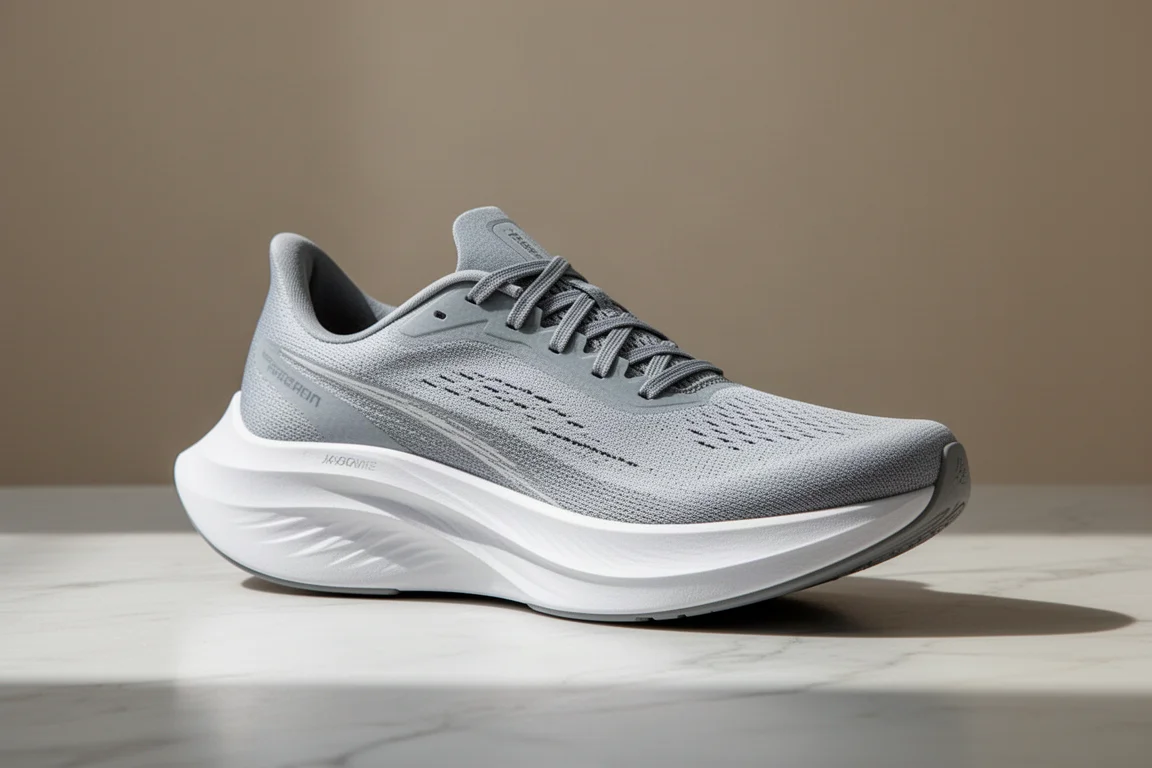
If you want trusted, familiar comfort, the Ghost 17 remains the safest pick in the lineup and the natural first recommendation for new runners. Runners who want that feel with more forefoot energy should look hard at the Ghost Amp, while those who love max cushion but found the Ghost Max 3 heavy will appreciate the lighter Ghost Max 4. Within the Glycerin family, choose the Flex if you want a natural, bendy ride, the Max 2 if you want the shoe to roll you forward on tired days, and the GTS if you need GuideRails support. For racing, the Hyperion Elite 6 is the clear performance play, with the Hyperion Max covering faster training days.
Conclusion
Brooks’ 2026 lineup covers nearly every kind of runner without losing each franchise’s core identity. The Glycerin Flex is the most intriguing new arrival for anyone who wants luxury cushioning with a natural feel, while the Hyperion Elite 6 chases lighter, bouncier race days. Matching the shoe to your stride, support needs, and budget is now easier than ever, simply because there are so many well-defined options to choose from.
Further reading
Related Reviews

Running Shoes
Best Road-to-Trail Running Shoes: Three Versatile Options for Mixed Terrain
A practical guide to three road-to-trail running shoes that handle both pavement and mild trails, with clear strengths and trade-offs for different runner types.

Running Shoes
Best Running Shoes for Achilles Tendonitis: Three Options Explained
Three running shoes with different heel drops and support features designed to help reduce Achilles tendon pain during walking and running.

Running Shoes
Best Running Shoes for Women: Five Top Choices Ranked
A ranked guide to five women's running shoes, from versatile daily trainers to high-performance racing options, with real strengths and trade-offs for each.