Running Shoes
Brooks Hyperion Review: A Lightweight Tempo Shoe That Still Works
The nitrogen-infused Brooks Hyperion keeps the DNA Flash formula from 2020, coming in at 251 grams with a 34mm heel stack and a bright, bouncy ride at tempo pace.
Introduction
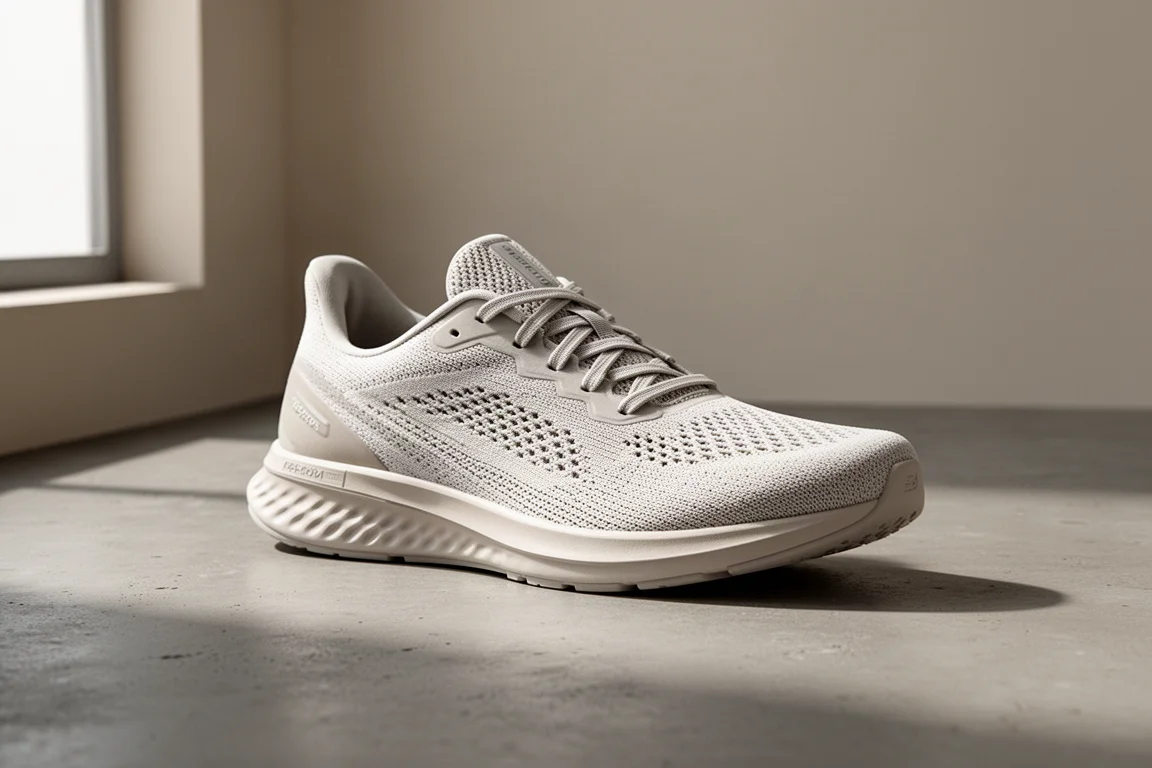
The Brooks Hyperion is a nitrogen-infused lightweight trainer aimed at faster paces, carrying over the DNA Flash midsole formula from the Hyperion Tempo released back in 2020. In a UK size 11 / US size 12 it weighs 251 grams (8.9 ounces), which puts it among the lightest shoes in a typical rotation, roughly eight grams heavier than its predecessor, most likely due to a slightly more generous rubber outsole. Initial testing scores add up to 10.7 out of 12, so this is a shoe that clearly does a lot right.
Who This Shoe Is For
Brooks positions the Hyperion as a higher-pace tempo shoe that can be used more regularly than a race day shoe, offering a bit more durability than race-like efforts. The midsole measures about 34 millimeters in the heel and 26 millimeters in the forefoot, giving an 8 millimeter drop, essentially identical to the 2020 Hyperion Tempo. Durometer readings come in around 28 for the midsole, which is bang on average for modern foams, and about 60 for the outsole rubber at roughly 3.5 millimeters deep.

Heavier or more cautious runners may want something with more cushioning, but lighter-built runners could comfortably use this as a daily driver. It sits about 84 grams lighter than a Pegasus and even 34 grams lighter than the Novablast 3, and it is only 10 to 15 grams away from the weight of some carbon race shoes, so do not discount it as a 5K or 10K race option.
Main Strengths: Upper and Fit
Brooks kept what worked from the previous version. There is a very thin mesh around the toe box, a minimal collar, and a pronounced heel flare in the back that keeps the shoe away from the Achilles. On foot it feels like a shoe built for faster paces, with very little on it. Overlays are kept to a minimum: a small reflective element at the heel and the side logos are about all there is. The tongue is super thin with minimal padding, and it is partially gusseted on one side to prevent tongue slip.
The fit is true to size, so there is no need to go down half a size, and the upper remains reasonably accommodating. The main weakness here is the laces. They are coarse and rigid, the opposite of the almost elasticated laces on the Hyperion Tempo, and they do not give at all, so swapping them for something more forgiving is a sensible tweak. Even so, the upper earns a 2.7 out of 3 after initial runs.
Main Strengths: Midsole and Ride
The midsole formula from 2020 still holds up. DNA Flash is a resilient, rebound-leaning foam rather than a squashy one, so it bounces you forward onto the next stride, and it retains some ground feel, making it one of the more minimal-feeling shoes available right now. It sings at tempo pace, around 7:30 per mile, with just the right amount of bounce, and repeats feel genuinely nice.
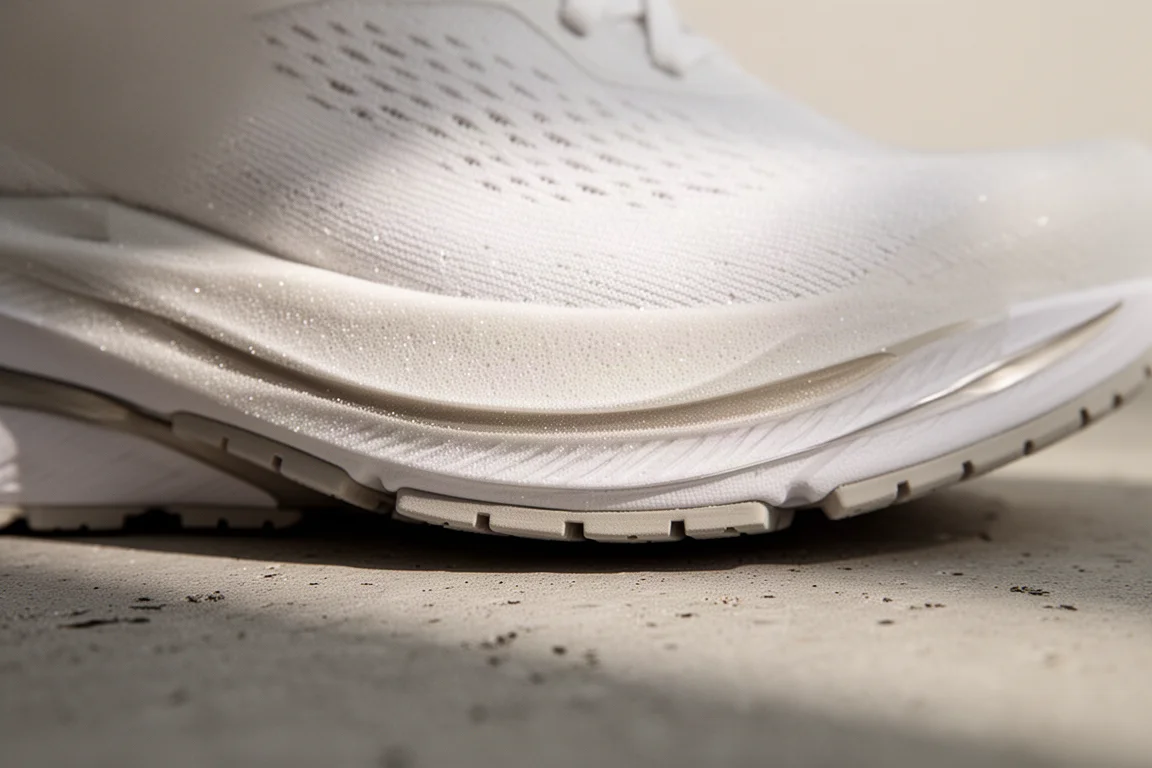
Notably, it works at all paces: it does not feel strange at recovery speeds, yet it really picks up when pushed. There is none of the rigidity or plate shenanigans of something like the Adios 8, which feels more aggressive and slightly clunky by comparison. If you liked the Hyperion Tempo, this is simply more of the same in updated form, and if you want something simple without a plate, this could be exactly right. The midsole also scores 2.7 out of 3.
Main Strengths: Outsole and Durability
The outsole rubber is sticky and an improvement on the previous version, with a smoother texture but slightly more depth. Brooks has added weight-relief cutouts, two channels stretching back into the heel, which bring a bit more flexibility. The landing platform measures about 11.7 centimeters at the widest point of the forefoot and 8.5 in the heel, so there is much more forefoot width than something like the Nike Pegasus, but a much narrower heel.
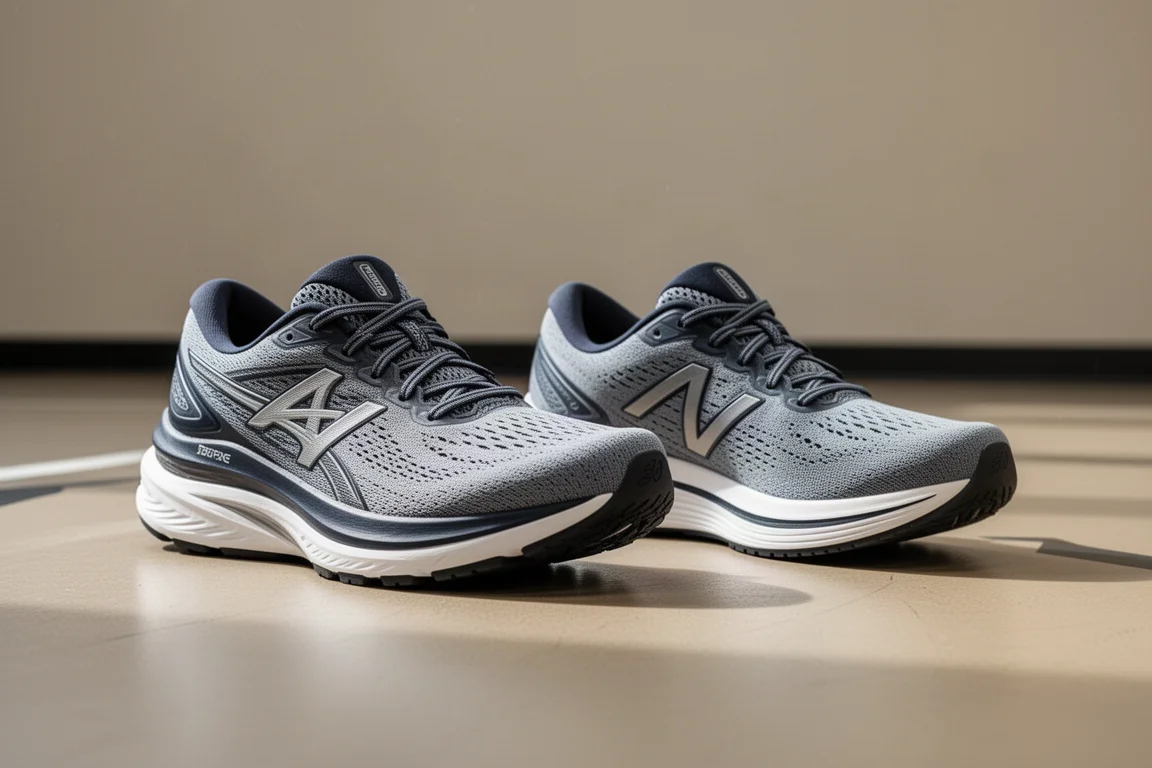
There is enough rubber in the heel to protect the exposed midsole, and the amount of rubber feels right for use as a daily shoe rather than one saved only for tempo or racing. It works well across different weather conditions, though it leans toward road and concrete; the smoother texture is less suited to trails, and it may even work on the track. The main letdown is that the small cutouts fill with grit quickly, and exposed midsole means the shoe collects stowaway stones, so expect occasional maintenance with a jeweller’s screwdriver. Initial outsole score: 2.6 out of 3.
Things to Consider Before Buying
The ride is resilient rather than soft, so if you want all-out compression, look elsewhere. The laces are rigid and may need replacing, the thin tongue offers little padding depending on your socks, and the cutout-heavy outsole picks up grit and stones. None of these issues is severe, but they are worth knowing before you commit.
Buying Advice
At around £140 in the UK, essentially the same price the Hyperion Tempo launched at in 2020, the value case is solid. Build quality is excellent out of the box with no glue marks or wayward elements, no break-in period is needed, and there are no strange asymmetric lacing tricks to adapt to. It is a good alternative to the Adios series or the Endorphin Speed 3, which some runners now find to be a bit too much shoe. Expect hundreds of miles from this one; the Hyperion Tempo showed almost no abrasion or wear even after 100 miles, and the same durability is likely here. Initial value score: 2.7 out of 3.
Conclusion
The Brooks Hyperion is a faithful, well-executed update: light at 251 grams, bouncy at tempo, workable at easy paces, and durable enough for daily use. With a 10.7 out of 12 total after initial runs, its biggest compromises are rigid laces and a grit-collecting outsole. For runners who want a simple, plate-free lightweight tempo shoe, it remains one of the most appealing options around.
Product link
View more details for Brooks Hyperion
This product is mentioned in the review. Check the specifications, options, and compatibility before buying.
View more details for Brooks HyperionFurther reading
Related Reviews

Running Shoes
Best Road-to-Trail Running Shoes: Three Versatile Options for Mixed Terrain
A practical guide to three road-to-trail running shoes that handle both pavement and mild trails, with clear strengths and trade-offs for different runner types.

Running Shoes
Best Running Shoes for Achilles Tendonitis: Three Options Explained
Three running shoes with different heel drops and support features designed to help reduce Achilles tendon pain during walking and running.

Running Shoes
Best Running Shoes for Women: Five Top Choices Ranked
A ranked guide to five women's running shoes, from versatile daily trainers to high-performance racing options, with real strengths and trade-offs for each.