Running Shoes
Brooks Hyperion Max vs Puma, Adidas and Saucony: Do You Really Need a Plate?
We compare the plateless Brooks Hyperion Max against the Puma Deviate Nitro 2, Adidas Boston 12 and Saucony Endorphin Speed 3 to see where each shoe fits.
Introduction
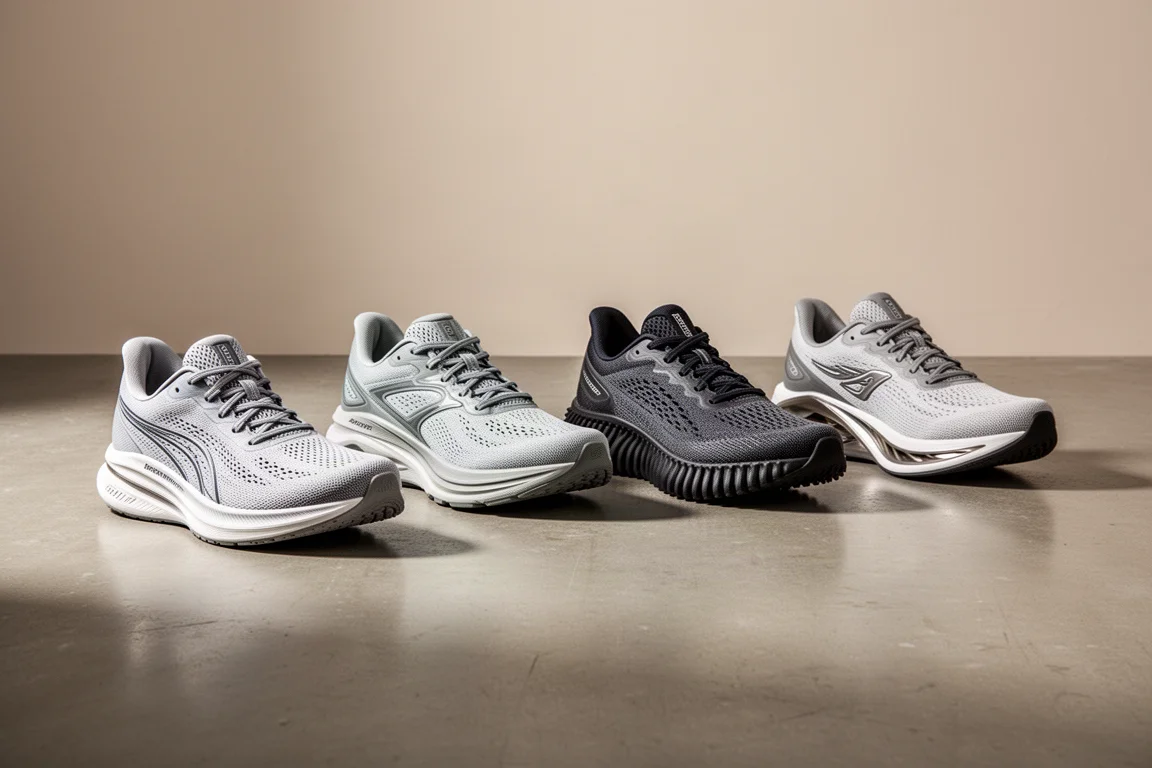
One question keeps coming up among runners shopping in this category: do you actually need a carbon or nylon plate in your shoe, or can good foam do the heavy lifting on its own? The Brooks Hyperion Max is a useful test case, because it has no plate at all, yet it goes head to head with some of the most talked-about plated trainers around: the Puma Deviate Nitro 2, the Adidas Boston 12 and the Saucony Endorphin Speed 3.
This comparison looks at how each shoe handles outsole grip, midsole feel, upper comfort and long-term value, so you can match the shoe to the way you actually run.
Brooks Hyperion Max: The Plateless Contender
The Hyperion Max is a very light, pace-tuned shoe with a barely-there upper. There is no plate and no extra technology in the midsole; instead, the foam is tuned slightly firmer to mimic the subtle rigidity that a plate would normally add. The result is a responsive, connected ride that works best at quicker paces rather than slow daily mileage.
Its strengths are clear: it is noticeably lighter than most of the shoes here, the upper is thin and very breathable, the toe box is a little more generous than some rivals, and the heel flare tapers away from the ankle nicely. Durability of the outsole rubber looks strong too, with the rubber application promising better longevity than some competitors. It is a slightly niche shoe, though, and not everyone will enjoy it at everyday paces.
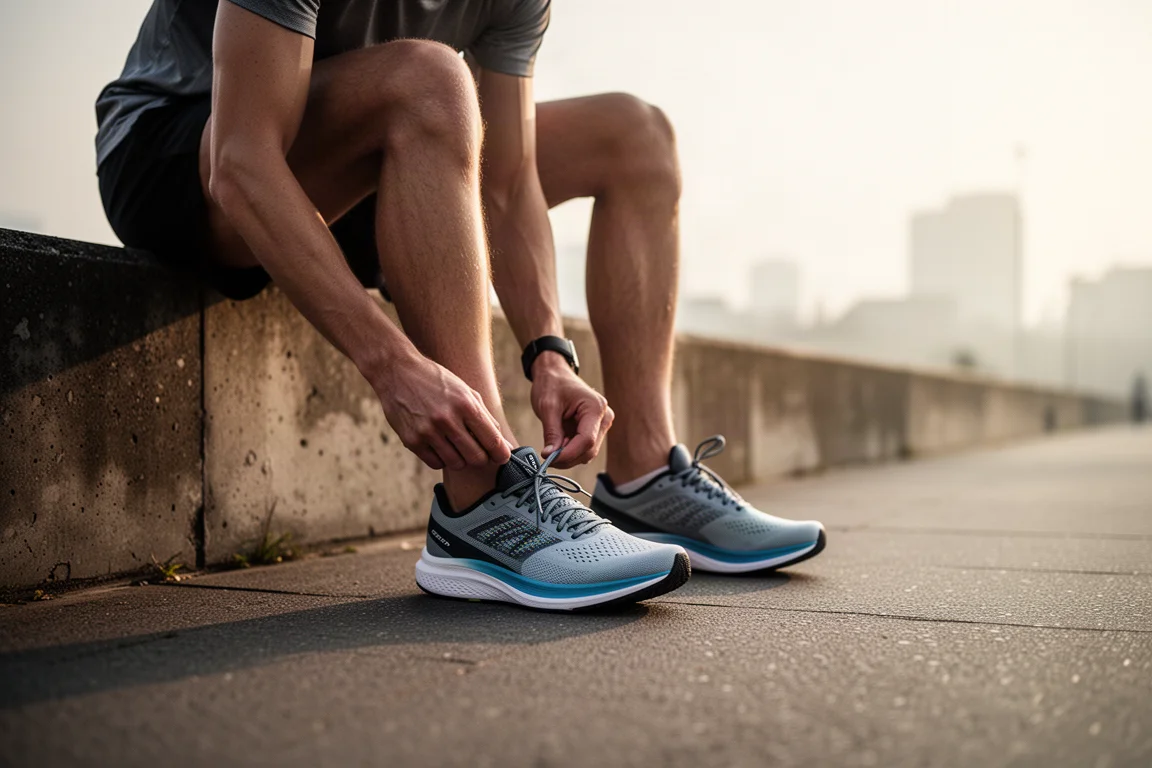
If you are a lighter-framed runner who wants one shoe mostly for faster efforts, the plateless formula holds up surprisingly well.
Puma Deviate Nitro 2: Grip and Versatility
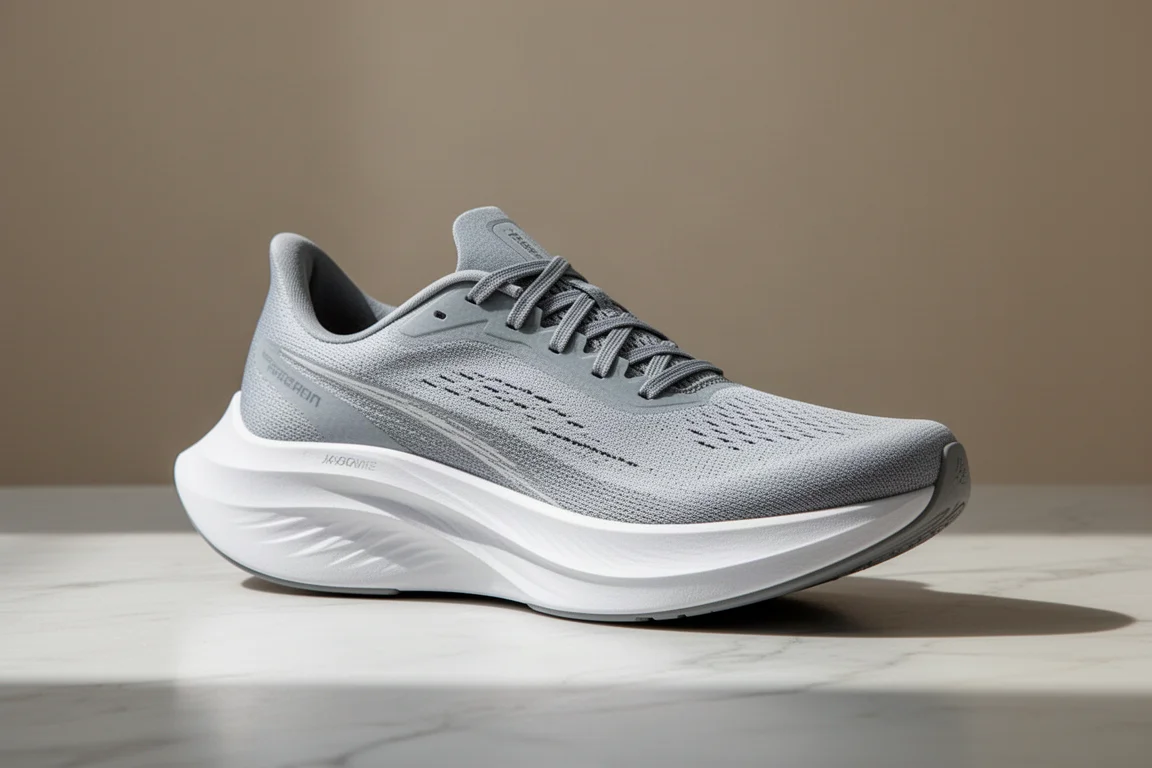
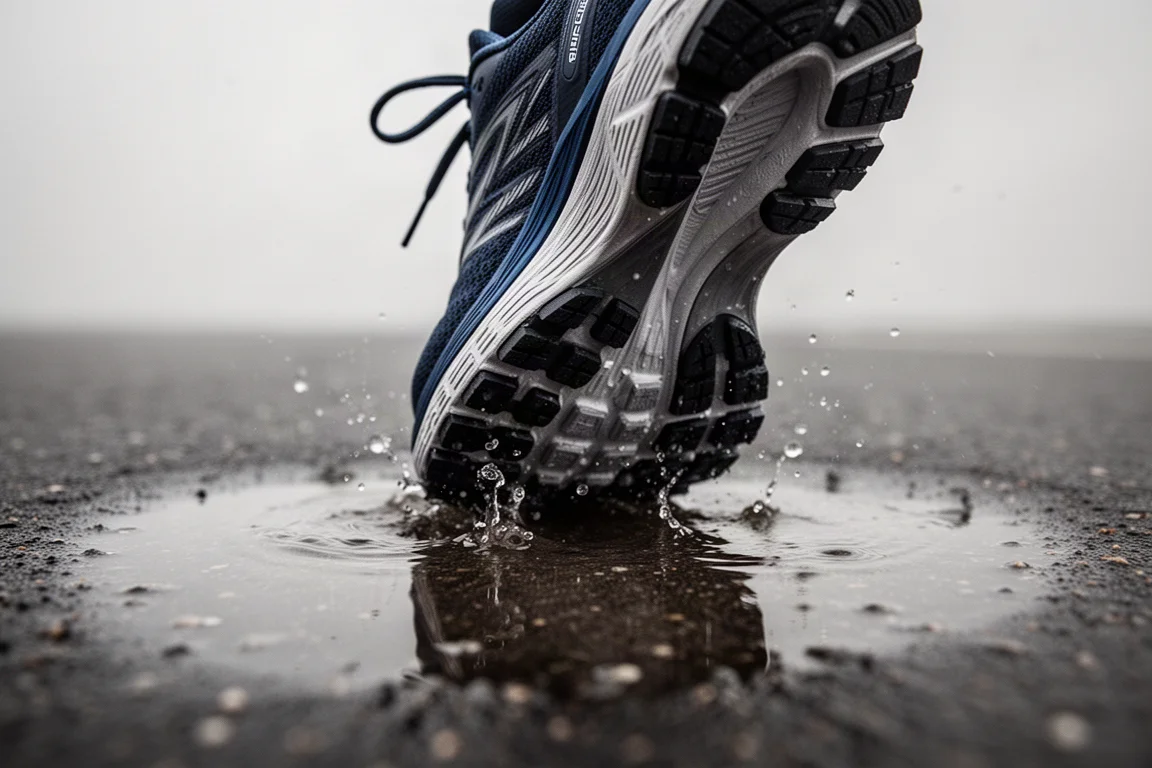
The biggest difference between the Deviate Nitro 2 and the Hyperion Max is the outsole. The Puma’s lugs are more substantial and its grip is right at the top of the category, working better across multi-terrain and in wet conditions. Both shoes use nitrogen-infused foam, but Puma mixes two formulas, with the majority of the softer foam placed in the mid to forefoot.
Underfoot, the Puma feels more squishy and compressive, while the Brooks is firmer and slightly more responsive. A forked composite carbon plate sits in the Puma’s midsole, adding stability to that softer foam and a touch of propulsion on toe-off.
If you want a shoe that handles long runs with sustained race-pace segments alongside slower running, the Puma is arguably the more versatile choice of the two. It is also the better pick if you could have only one shoe, thanks to its softness and strong value.
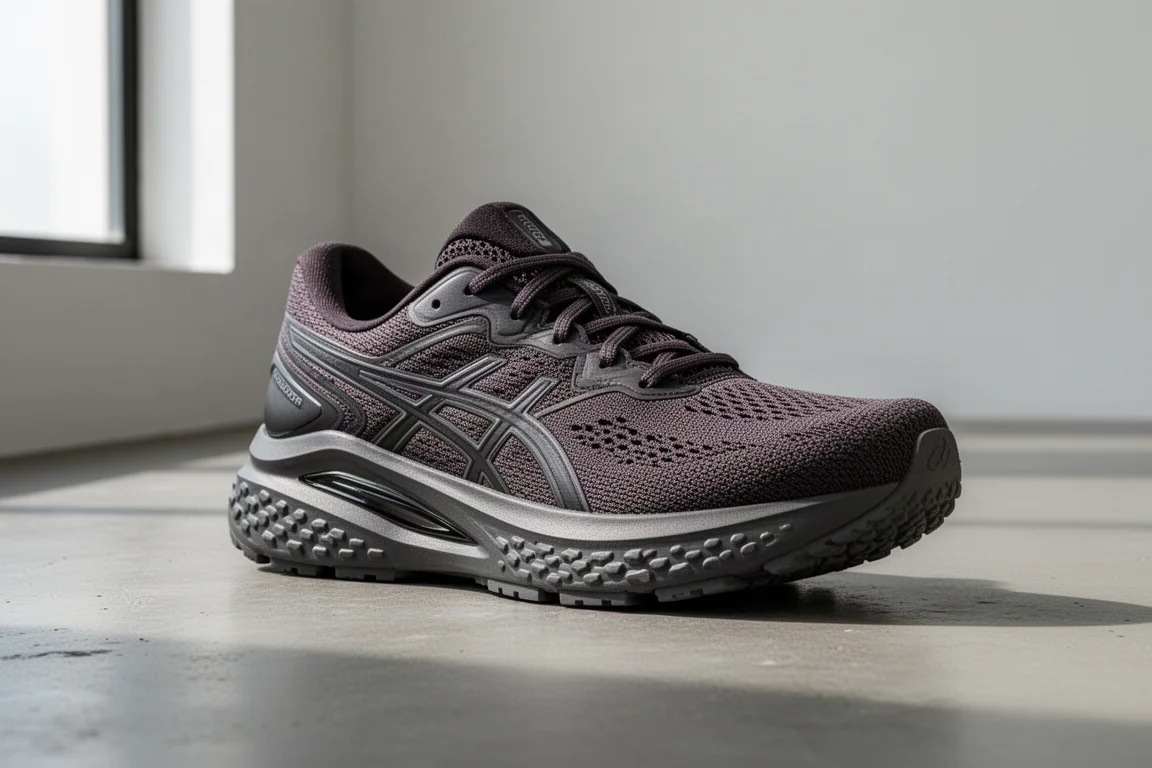
Adidas Boston 12: Tech-Heavy Daily Trainer
The Boston 12 and the Hyperion Max are quite different shoes. The Adidas packs two foams plus glass fibre rods running most of the length of the midsole, adding stability and rigidity to the softer materials. Traction is a standout: the ridged Continental rubber offers far better grip than the Brooks, especially in changeable or wet weather.
The Boston comes in just over 300g in a typical size, around 55g heavier than the Hyperion Max, so lighter-framed runners may prefer the Brooks. But the weight is well balanced, with enjoyable heel compression from the Lightstrike 2.0 and a landing platform almost identical in width to the Brooks.

One thing to know: both shoes need a break-in period, and the Boston in particular softens up considerably after some miles. It also offers some of the best breathability around, a lower retail price of around 140 pounds in the UK than the Brooks, and broader usefulness across paces. If you want strong traction and day-to-day versatility, it stands out.
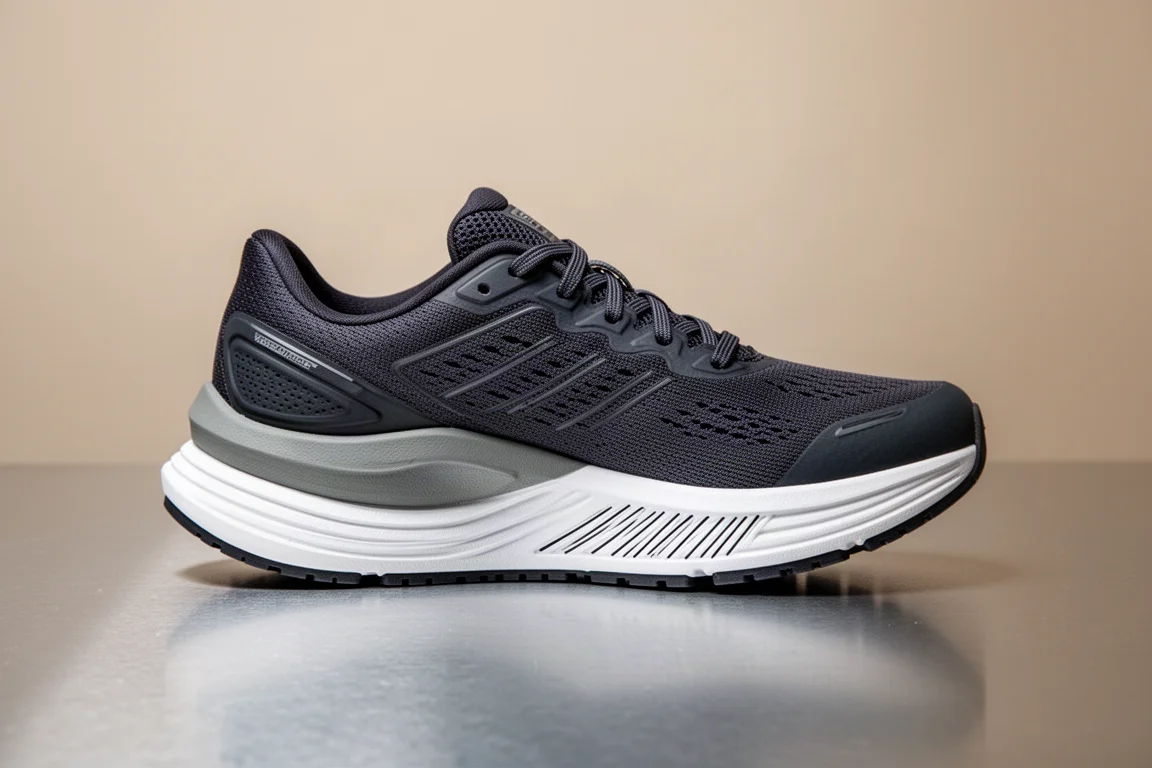
Saucony Endorphin Speed 3: Maximum Cushioning
The Endorphin Speed 3 is only a touch heavier than the Hyperion Max, but the two feel like very different shoes on foot. The Speed 3 is by far the softest here: its PEBA-based midsole and winged plate deliver a bouncy, compressive ride with good stability and optional propulsion. If impact protection is your priority, it wins this comparison comfortably.
There are trade-offs. Outsole grip is inferior, with rubber that sinks into exposed midsole material, though Saucony appears to be adjusting its rubber application in newer models. The upper is thicker and less breathable than the Hyperion Max, and the heel flare leans in toward the Achilles rather than tapering away, which can be an irritation.
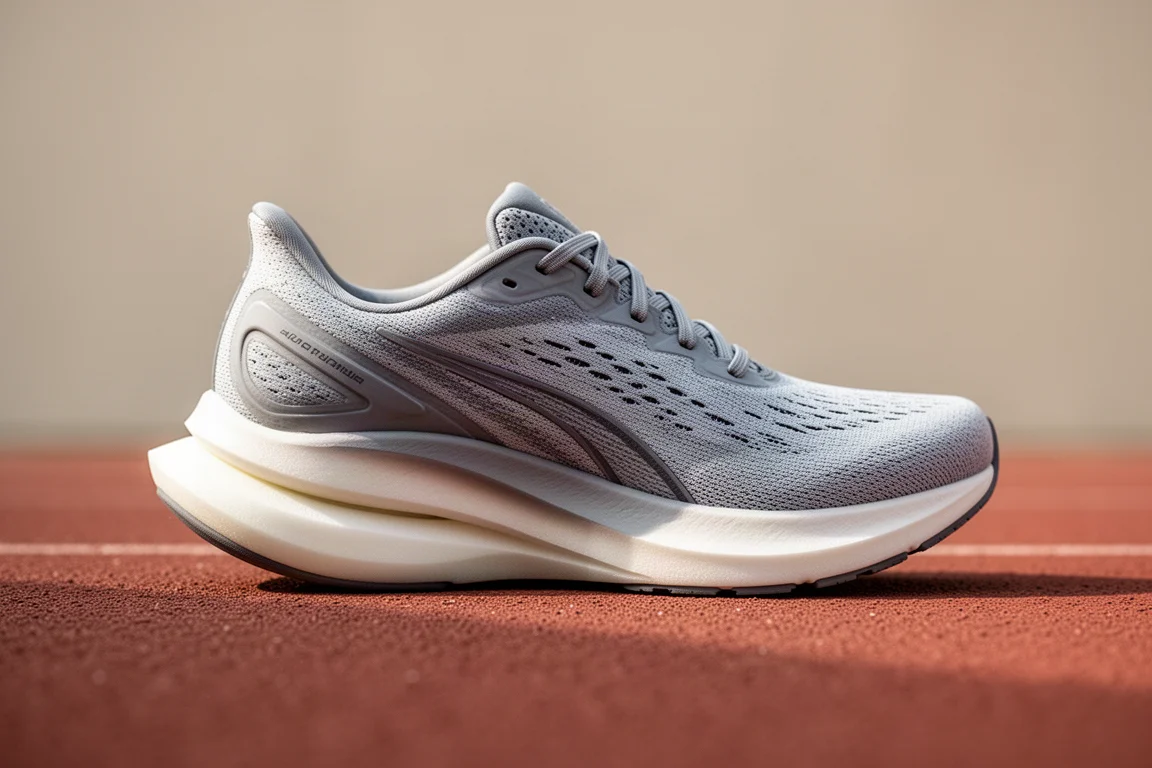
Where the firmer Hyperion Max benefits very high-speed work such as intervals, the Speed 3 suits half marathon and marathon pace efforts. It is also the more expensive of the two, and its PEBA midsole handles cold-weather temperature swings better than nitrogen-infused foams.
View more details for Saucony Endorphin Speed 3
Overall Buying Advice
So, does foam really need a plate? The honest answer is that it depends on the ride you want. The plateless Hyperion Max proves that firmer foam can deliver a responsive, lightly cushioned feel for faster running, and it does so at a low weight with good durability.
If you want maximum softness and impact protection, the Endorphin Speed 3 is the clear pick. If you want grip, comfort and all-round versatility in a single shoe, the Deviate Nitro 2 is hard to beat. And if you want a tech-laden trainer with excellent traction and breathability at a friendlier price, the Boston 12 makes a strong case. The Hyperion Max remains the best fit for lighter runners who spend most of their time at quicker paces.
Conclusion
Plates help, but they are not essential. Each of these four shoes earns its place depending on your priorities: responsiveness (Hyperion Max), versatility and grip (Deviate Nitro 2), daily usability and traction (Boston 12), or cushioning and impact protection (Endorphin Speed 3). Match the midsole feel to your usual paces and you will pick the right one.
Further reading
Related Reviews

Running Shoes
Best Road-to-Trail Running Shoes: Three Versatile Options for Mixed Terrain
A practical guide to three road-to-trail running shoes that handle both pavement and mild trails, with clear strengths and trade-offs for different runner types.

Running Shoes
Best Running Shoes for Achilles Tendonitis: Three Options Explained
Three running shoes with different heel drops and support features designed to help reduce Achilles tendon pain during walking and running.

Running Shoes
Best Running Shoes for Women: Five Top Choices Ranked
A ranked guide to five women's running shoes, from versatile daily trainers to high-performance racing options, with real strengths and trade-offs for each.