Running Shoes
Brooks Hyperion Max vs Hoka Mach 5: Two Plateless Trainers Compared
Two lightweight, plateless training shoes with very different personalities: firmer and faster or softer and smoother.
Introduction
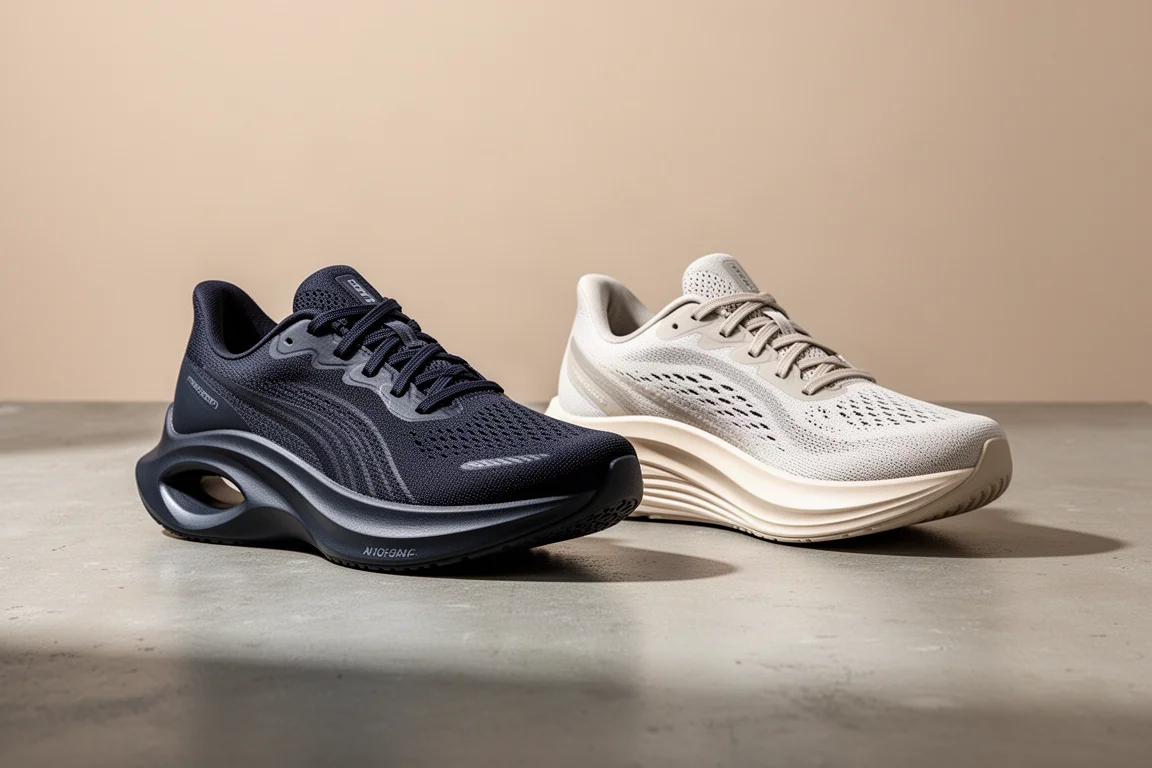
The Brooks Hyperion Max and the Hoka Mach 5 are two of the most interesting plateless trainers on the market right now. Both are lightweight, versatile daily shoes geared slightly more towards faster running, and neither uses a plate, which puts them in a useful niche for runners who prefer a more natural ride.
After running in both on similar terrain, mostly road and tarmac with the occasional compacted trail, plus a side-by-side one-mile test wearing one shoe on each foot, the differences turned out to be smaller than expected but meaningful in the right places.
Specs and Construction
Both shoes use lightweight mesh uppers with cushioning around the heel collar and a heel counter, but the midsoles are where they differ. The Hyperion Max uses nitrogen-infused DNA Flash foam from Brooks’ Hyperion range, while the Mach 5 has a dual-density Profly Plus midsole with a softer layer on top and a firmer layer beneath. That firmer bottom layer on the Mach 5 also acts as the outsole, with no rubber at all, whereas the Brooks gets decent rubber coverage on the key forefoot and heel impact areas.
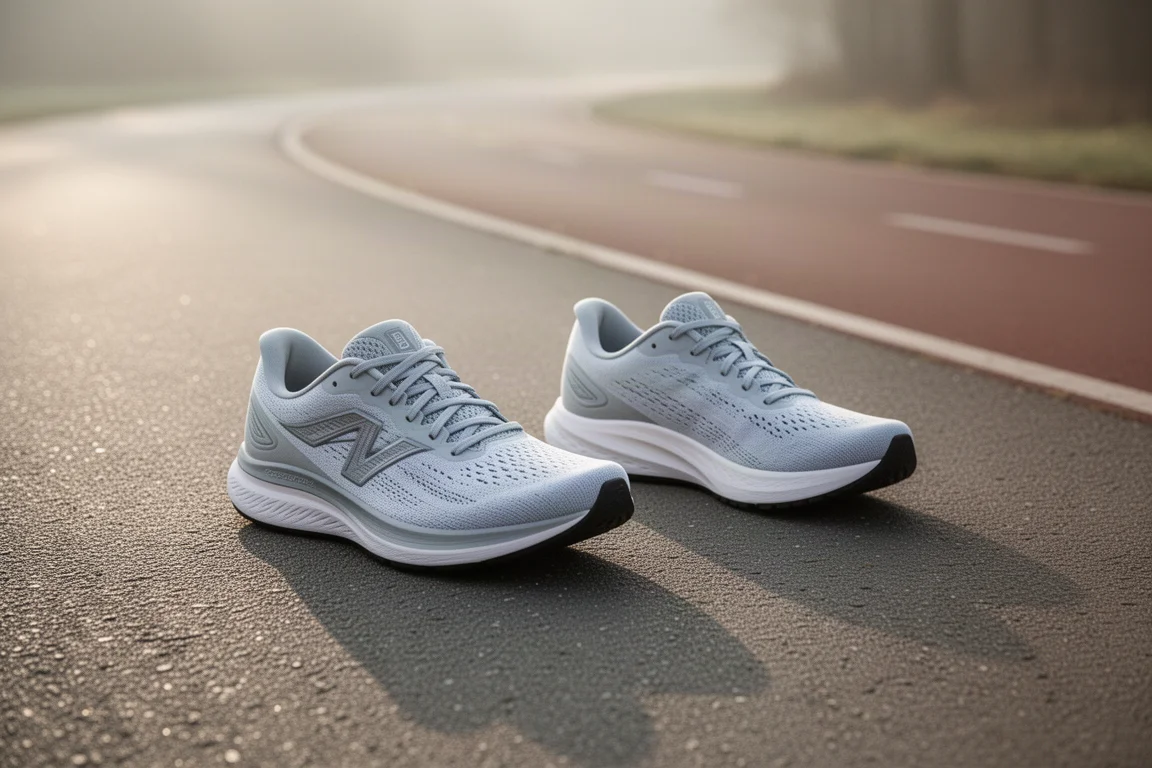
On paper, the Hyperion Max is the lighter and more expensive shoe. It weighs 217g (7.65oz) in UK size 9 with an 8mm drop, priced at £160 in the UK or $170 in the US. The Mach 5 weighs 229g (8.07oz) with a 5mm drop, at £130 in the UK or $145 in the US.
Fit and Sizing
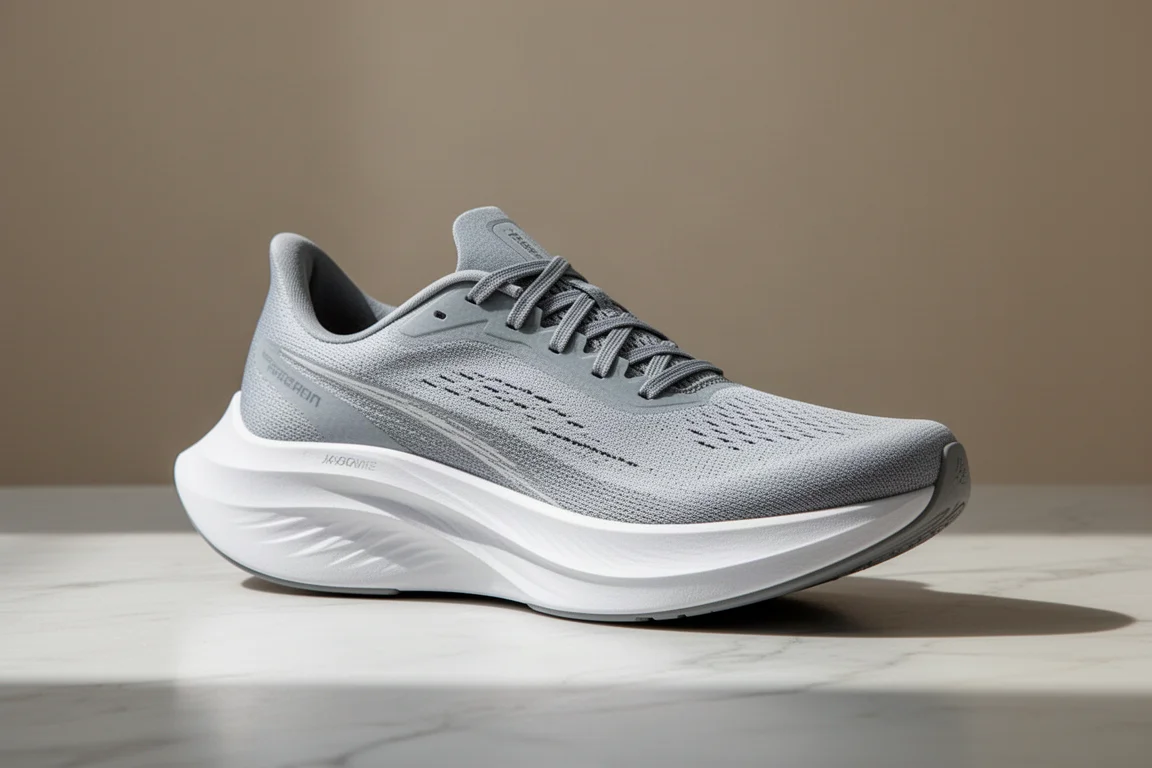
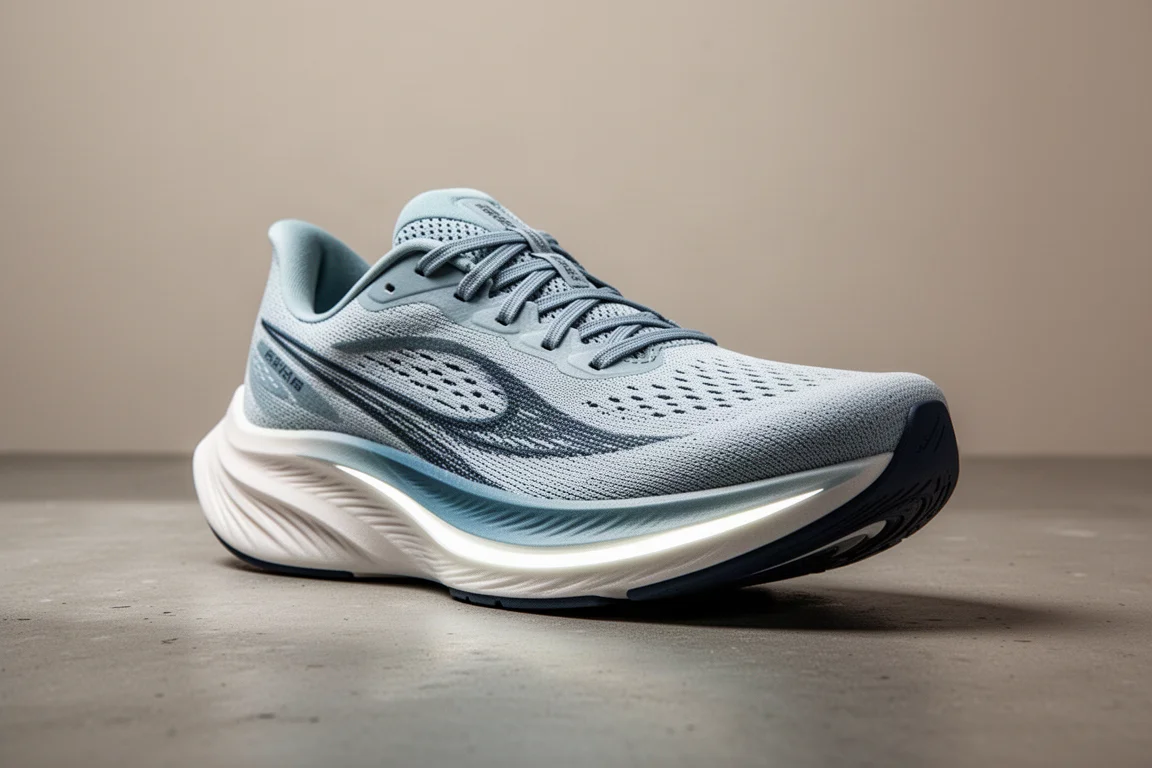
Both shoes fit true to size, and I’d recommend going with your usual size. The uppers are close-fitting with good heel hold, decent lockdown, and comfortable padding in the heel collar. I ran true to size in both with no concerns.
The Mach 5 hugs a little more closely across the midfoot and is narrower around the toe knuckle area, with slightly less room in the toe box. That’s fairly typical of Hoka, and it works really well if you have a narrow foot. The Hyperion Max offers a bit more wiggle room across the top of the toes, which helps avoid that black toenail situation on longer days.
Ride Comparison: Easy Miles vs Top Speed
The side-by-side test revealed how similar these two shoes feel. At slow paces there is very little to separate them, and the overall underfoot sensation is remarkably close. But the edges become clear as you change speed.
At easier paces, the Mach 5 edges it. There is a slightly softer landing bed, a wider and more comfortable platform, and a smoother rocker motion that is easy to get into sync with. The Mach 5 simply disappears on the foot across a wide range of paces, from easy recovery runs to long runs and tempo sessions.
At the very top end, the Hyperion Max takes over. It feels more compact and agile, with firmer DNA Flash foam that gives a poppier, more energetic transition when you’re pushing short, fast reps. There’s no plate-driven propulsion in either shoe, but the Brooks’ firmer, nippier character makes it genuinely enjoyable on the track.

One quirk worth noting: the Hyperion Max has a heel cutaway that creates a slight rolling sensation if you land further back on your heels, especially at slower paces. The Mach 5’s platform stays consistent all the way across, which makes it the more stable and forgiving option for heel strikers.
Durability and Value
The Brooks should hold up better over time. Beyond the better rubber coverage on the outsole, the DNA Flash foam is likely to retain its response longer than the dual-density midsole on the Mach 5, which may compress a little sooner. Based on long-term use of its predecessor, the Hyperion range holds its feel remarkably well.

On value, the Mach 5 is clearly the cheaper shoe, and it drops close to £100 in sales, which makes it excellent value. The Brooks commands a premium at RRP, but that longer-lasting foam partly justifies it. If you’re choosing one shoe for everything, the Mach 5 covers the full range of daily training better and fits more naturally alongside a plated racer in a rotation. If you specifically want a firmer, more direct shoe for shorter, faster work, the Hyperion Max is the sharper tool.
Conclusion
This was a closer call than expected. Both are very good plateless trainers, but they lean in different directions. The Hoka Mach 5 is the more versatile shoe: smoother, softer, more comfortable for easy and long runs, and better value. The Brooks Hyperion Max is lighter, firmer and poppier, with a genuine edge for all-out speed work and better long-term durability. If you want one shoe for everything, the Mach 5 just edges it. If speed is your priority, the Hyperion Max deserves a look.
Further reading
Related Reviews

Running Shoes
Best Road-to-Trail Running Shoes: Three Versatile Options for Mixed Terrain
A practical guide to three road-to-trail running shoes that handle both pavement and mild trails, with clear strengths and trade-offs for different runner types.

Running Shoes
Best Running Shoes for Achilles Tendonitis: Three Options Explained
Three running shoes with different heel drops and support features designed to help reduce Achilles tendon pain during walking and running.

Running Shoes
Best Running Shoes for Women: Five Top Choices Ranked
A ranked guide to five women's running shoes, from versatile daily trainers to high-performance racing options, with real strengths and trade-offs for each.