Running Shoes
Brooks Hyperion Max Review: A Lightweight Speed Trainer With a Rocker
A plateless, fast-training shoe with nitrogen-infused foam and pronounced rocker geometry. Lightweight and agile, but firmer and less bouncy than the Max name suggests.
Introduction
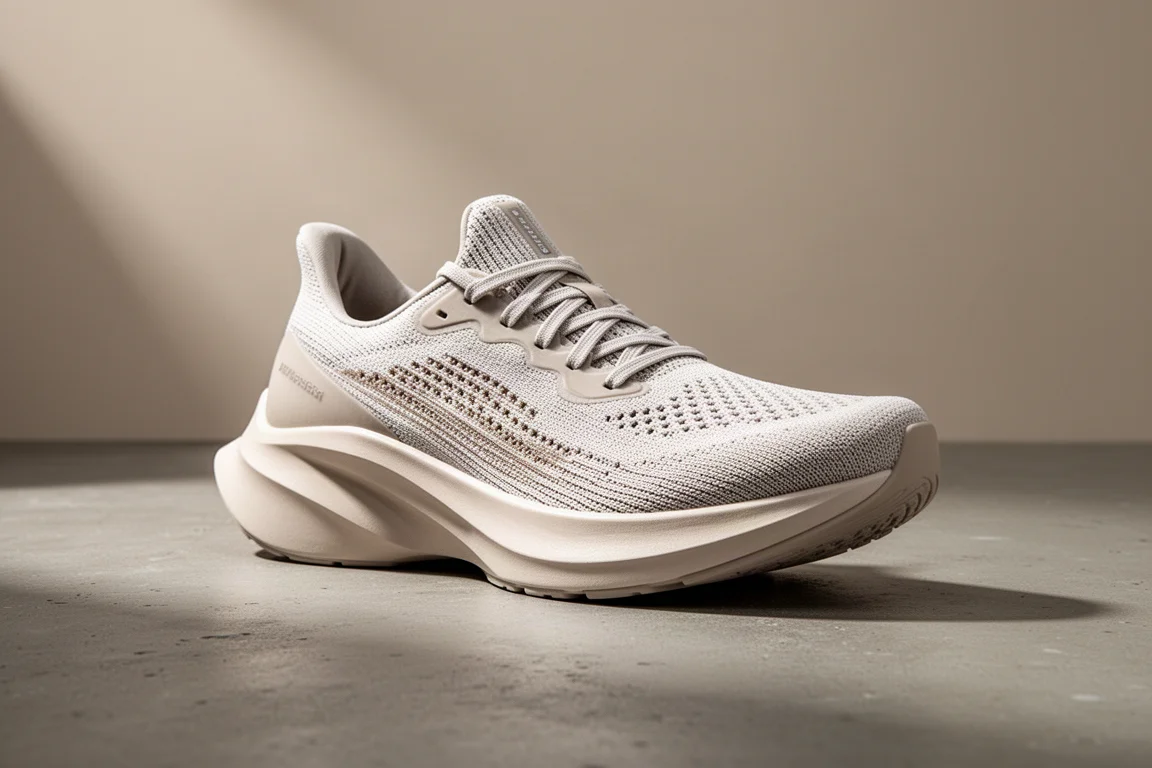
The Brooks Hyperion Max is a new addition to Brooks’s Hyperion range, which also includes the Hyperion (formerly the Hyperion Tempo) and the carbon-plated Hyperion Elite 3. The Max sits closer to the Tempo: a plateless, lightweight fast-training shoe, but with a touch more cushioning and a more rockered design. It costs £160 in the UK and $170 in the US.
The name can be misleading. If you read “Max” and picture a max-cushion shoe in the mould of an Asics Gel Nimbus, this is not that. The stack has not been officially confirmed by Brooks, but heel stack heights are likely in the low to mid-30s millimetre range, and the ride is closer to a lightly cushioned speed shoe than a plush daily trainer.
Design and Ride Feel
Weight is the headline figure here. In a UK size nine, the Hyperion Max comes in at 217 grams (7.65 ounces), which is even lighter than the Hyperion Tempo at around 226 grams in the same size. Drop is 8 millimetres, and the mesh upper is lightweight and thin, with a fair amount of padding around the heel.
The midsole uses Brooks’s DNA Flash foam, a nitrogen-infused EVA. It is very lightweight but not as springy or bouncy as some nitrogen-infused TPU or PEBA foams on the market. Outsole coverage is generous for such a light shoe, with strong forefoot rubber coverage and a bit of exposed foam, though nothing exposed in key impact areas.

The defining feature is the pronounced rocker geometry, built on Brooks’s Rapid Roll technology, with a big heel bevel and a nice toe spring. Where the Tempo had a more traditional, snappier build, the Max is designed to be more of a rocking-and-rolling shoe that helps you glide heel to toe.
Fit and Sizing
Across multiple testers, the consensus was that the Hyperion Max runs true to size. One tester with size six feet found the shoe felt slightly longer than the Tempo even though they lined up heel to toe, but reported no issues with the true-to-size fit. Another tester in UK half a size up also found lockdown secure and comfortable. One tester noted the toe box runs fairly long, which speed-work fans may want to account for.
The upper gets nicely snug around the foot without feeling restrictive, with good support around the heel and solid lockdown in the midfoot. Narrow-footed testers in particular found the fit worked well. If you are between options, staying true to size is the safe call.
First Run Impressions
First runs were a mixed bag across the team, and the shoe’s character depends heavily on pace. On an initial easy six-to-eleven-mile outing at mixed paces on a paved former railway path, the first two miles felt firm, slightly slappy, and less punchy than expected. The shoe softened up as pace picked up, and the tester was ticking along comfortably at around six-and-a-half-minute miles by the end.
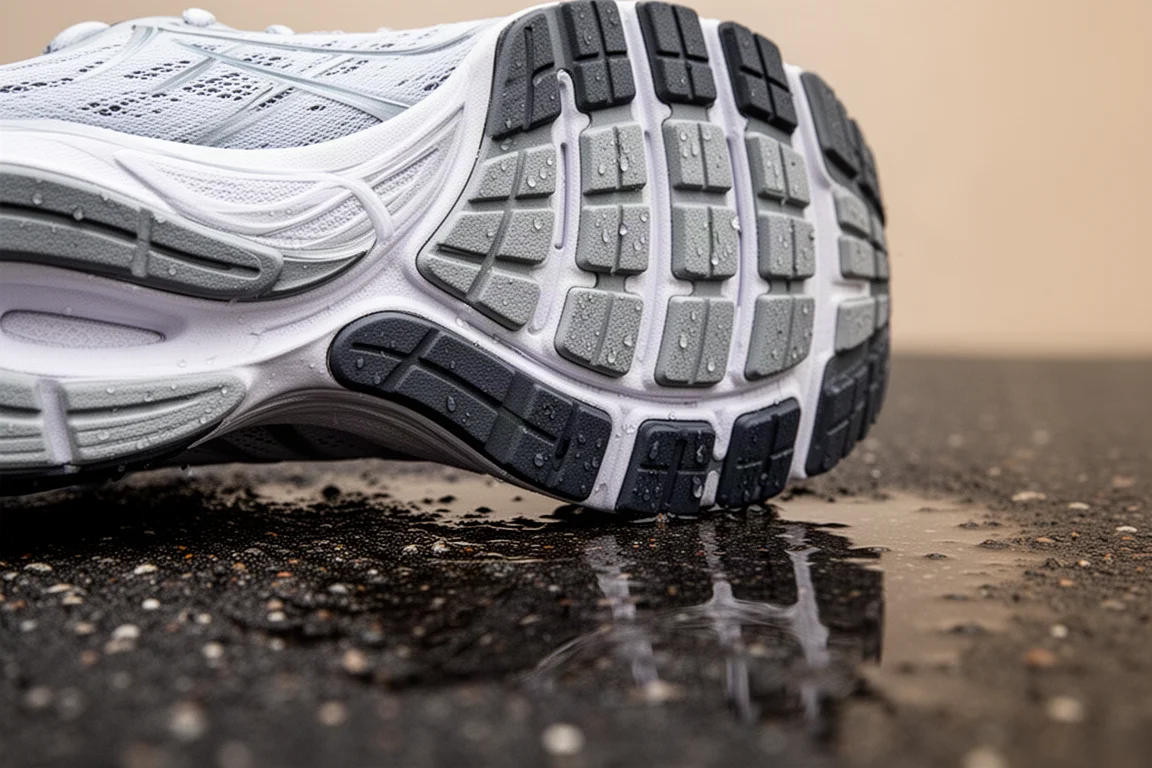
Underfoot, the footbed feels quite soft on landing, almost sinky, but there is a decent platform to run on with a wide base. The midsole is middling, soft to firm, and not hugely springy, but it soaks up impact well. It is not the liveliest daily trainer one tester had run in, and the initial reaction was honest: a good shoe, but not quite the wow expected from the Max name.
One easy-pace run was a genuine disappointment for both runner and shoe. The shoe simply was not happy at easy effort. But on a club run that turned into an unintentional progression run, the picture changed completely. As pace picked up, the rocker became lovely, almost pulling the foot heel to toe rather than requiring you to push down through the sole, and the tester felt like they were running faster than the effort they were putting in.
Who the Hyperion Max Is Best For
With more miles logged, the pattern is clear: this is a shoe that wants to go faster. In a progressive 10K starting easy and building to a steady pace, the shoe handled the range well, feeling comfortable during the easy miles and light, poppy, and unintrusive as speed increased, rolling smoothly down to 3:40 pace at the end of intervals. The rocker is noticeable, particularly on downhills, where it delivers a strong roll-forward that feels like being kicked into gear.
The firmness is real. Underfoot sensation is on the firmer side of cushioning, though not harsh, and the rolling motion takes the edge off it. The foam does not have a huge amount of response or pop, but the shoe’s lightness and smooth heel-to-toe transition mean it gets out of the way and lets you run. Compared to the Hyperion Tempo, which could get slappy and uncomfortable over longer efforts and harsher in the heel, the rocker design makes the Max more suitable for longer, faster efforts.
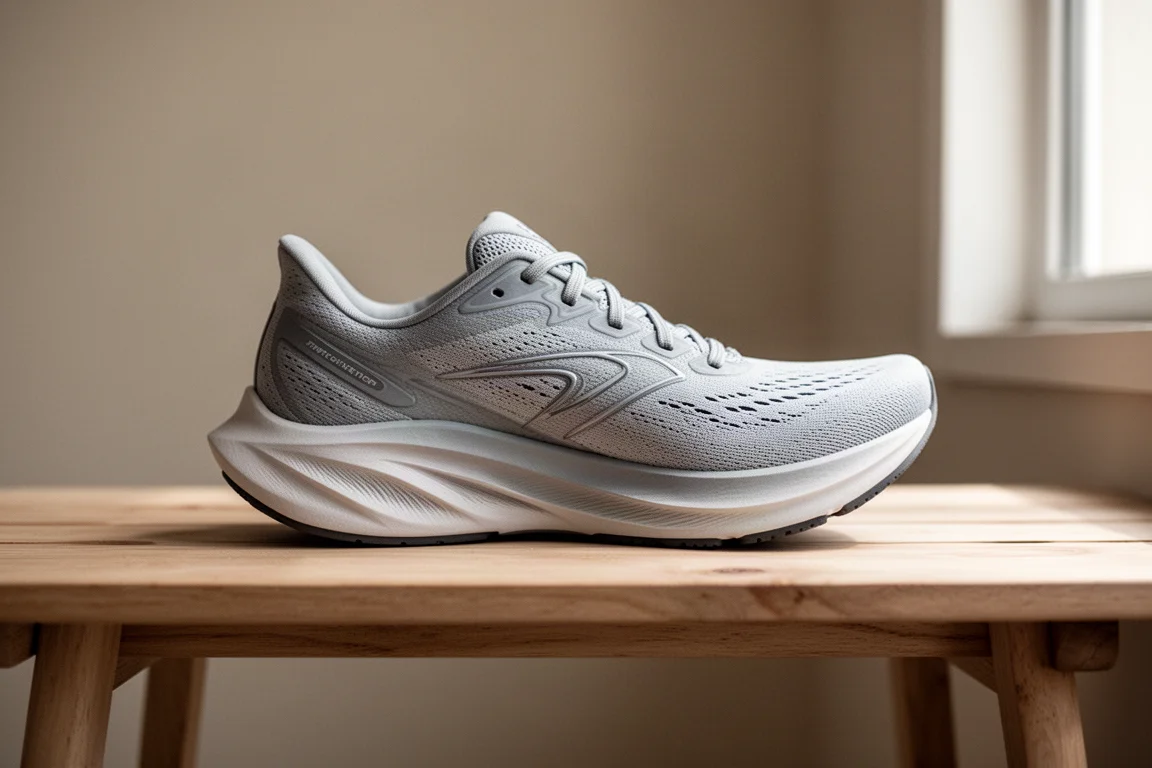
As a versatile plateless speed trainer, it slots into a small group of strong options alongside shoes like the Hoka Mach 5 and the New Balance Rebel v3, though its character is different: it lacks the Rebel’s soft and bouncy foam and sits a bit firmer than the Mach 5, with more roll from the rocker. It is not a particularly well-cushioned shoe despite the name, so runners wanting maximum foam should look elsewhere.
Things to Consider Before Buying
The main caveat is pace sensitivity. At easy paces, the firmness can feel a bit too prominent, and the shoe’s rocker needs effort through it to glide properly. If your training is dominated by slow, easy mileage, this may not be the most natural fit.
The second consideration is energy return. The DNA Flash foam soaks up impact nicely and there is some spring back, but it is not the liveliest or most bouncy material available, and it may need a few runs to come to life. If you want instant, punchy propulsion from a daily trainer, this will not fully deliver that out of the box.
On the plus side, the weight, the comfortable upper, and the good outsole coverage are all real strengths, and the shoe has plenty of durability-relevant rubber where it matters. Testing is planned over longer distances, including a marathon, to confirm whether the cushioning holds up beyond mid-length efforts.
Buying Advice
The Hyperion Max is a good shoe for what it is designed to do: be a speed shoe for your faster sessions during a training cycle. Take it to club sessions, use it for tempo runs and mid-length and longer intervals, and even race in it if you are not going down the carbon-plated route. The rocker will nudge you along at pace.
What it is not is an all-rounder. It did not reward easy paces in testing, so it should not be your only shoe. Pair it with a more cushioned trainer for easy days and let the Max do the fast work it is clearly built for.
Conclusion
The Brooks Hyperion Max is a lightweight, agile, and enjoyable speed shoe that rewards faster running with a smooth, rocker-driven ride, but its firmer DNA Flash foam and modest cushioning mean it is not the lively, plush all-rounder the Max name might imply. For runners after a plateless speed trainer for tempo work, intervals, and even non-carbon racing, it is a strong, versatile pick.
Product link
View more details for Brooks Hyperion Max
This product is mentioned in the review. Check the specifications, options, and compatibility before buying.
View more details for Brooks Hyperion MaxFurther reading
Related Reviews

Running Shoes
Best Road-to-Trail Running Shoes: Three Versatile Options for Mixed Terrain
A practical guide to three road-to-trail running shoes that handle both pavement and mild trails, with clear strengths and trade-offs for different runner types.

Running Shoes
Best Running Shoes for Achilles Tendonitis: Three Options Explained
Three running shoes with different heel drops and support features designed to help reduce Achilles tendon pain during walking and running.

Running Shoes
Best Running Shoes for Women: Five Top Choices Ranked
A ranked guide to five women's running shoes, from versatile daily trainers to high-performance racing options, with real strengths and trade-offs for each.