Running Shoes
Brooks Hyperion Max Long Run Review: A Firm, Responsive Non-Plated Trainer
After an eight-mile aerobic run and a 16-mile long run, here's how the Brooks Hyperion Max handled real long-run mileage and faster paces.
Introduction
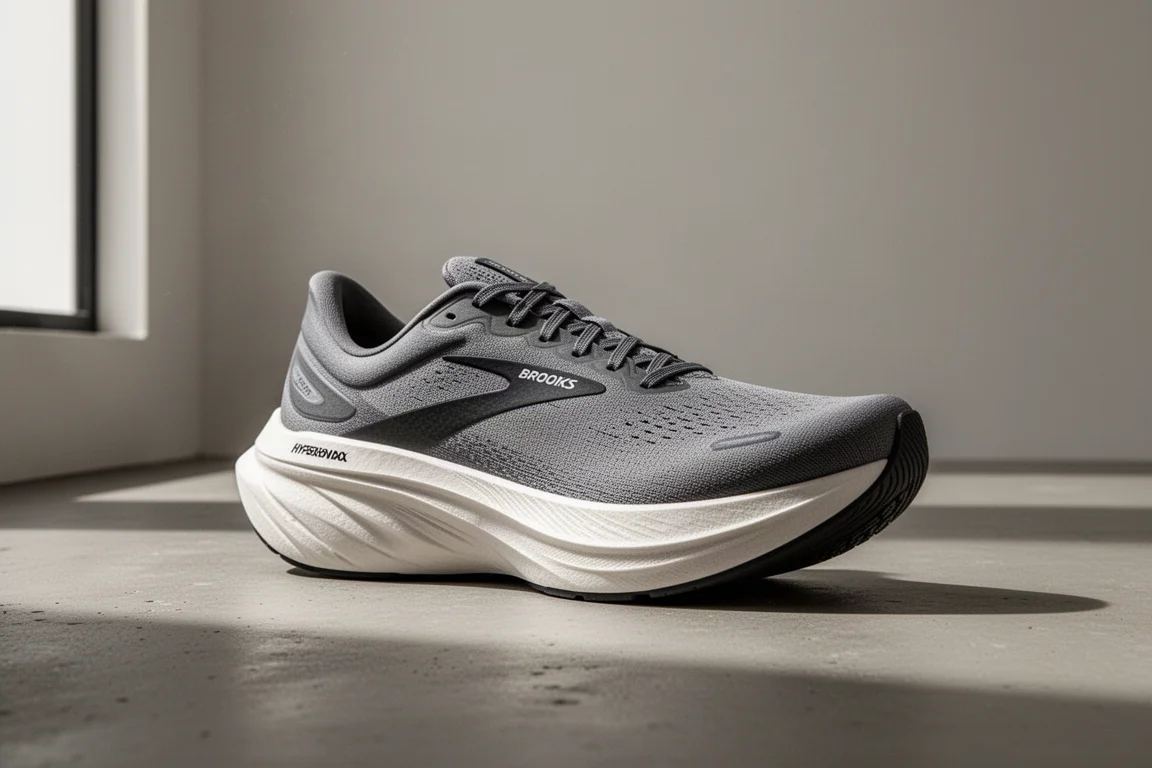
The Brooks Hyperion Max has drawn attention as a firmer, non-plated option for runners who want something snappier than a soft daily trainer. To see how it holds up over real mileage, it was tested across an eight-mile aerobic run followed by a 16-mile long run, giving a solid early read on whether it can handle long-run duty.
First Impressions Out of the Box
The first run with the Hyperion Max did not go smoothly. Coming off squats, a tough workout, and a double run day the day before, the legs were already beaten up, and the shoe felt a bit too stiff and rigid in the early miles. That first impression was worth revisiting, so the Hyperion Max earned a second chance on a fully recovered 16-mile long run.
A Familiar Rocker Feel
On the long run, the shoe changed completely. The first half rolled along beautifully, humming along in a way that brought the Saucony Endorphin Shift 3 to mind. Side by side, the two share a similar aggressive rocker curvature up front. The Shift 3 is a bit heavier with more cushion, and it uses standard EVA foam instead of the supercritical DNA Flash foam in the Hyperion Max, but the overall sensation is very comparable.
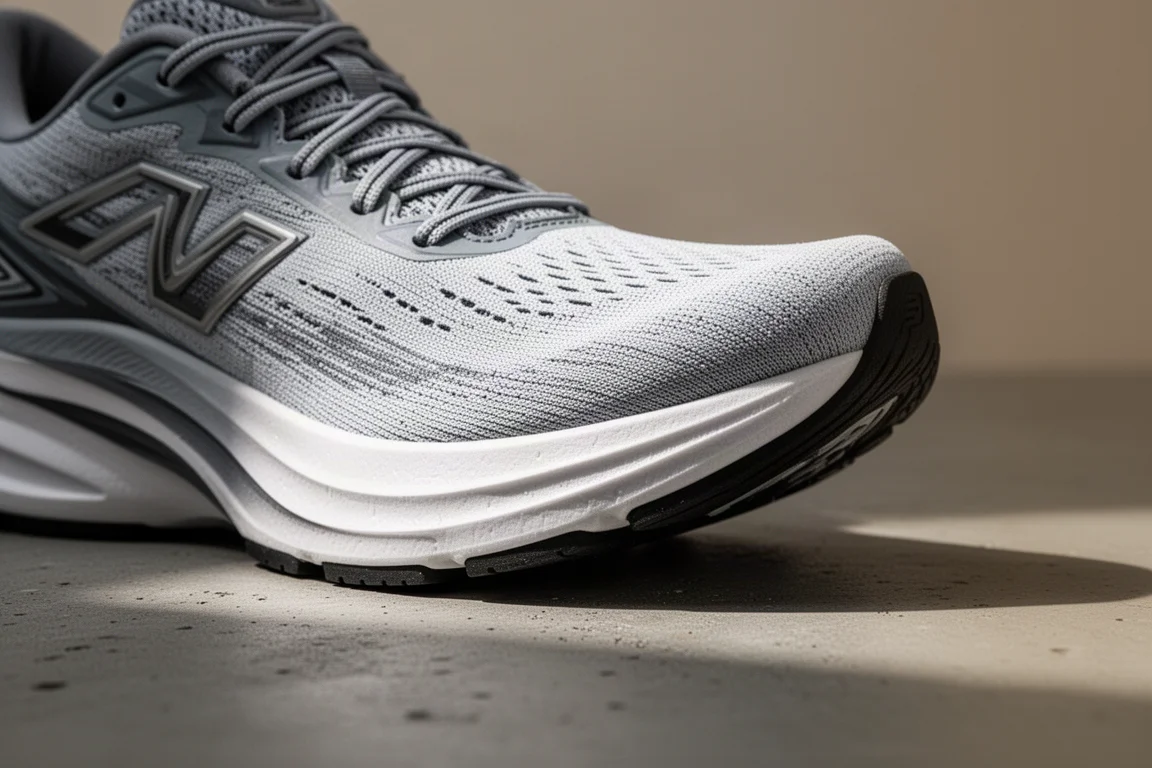
The rubber layout around the heel is also similar, though the Shift 3 runs a bit wider. That narrower rear platform is where the main critique lives: there was no real instability, and this is a stable shoe, but heel landings felt slightly off. Around mile 12, the back of the shoe started working the calf a little harder, possibly due to form degrading late in the run. Six hours after finishing, though, the legs felt fresh, the calf soreness was gone, and the shoes had clearly been a good partner for a fast finish over the last three miles, down to around marathon pace on the final mile.
Things to Consider Before Buying
The standout takeaway is pace-dependent. Once running at roughly 30 seconds over marathon pace or faster, the Hyperion Max disappears on your legs. At slower, more fatigued paces, that firm heel platform takes more effort to work with, and the verdict on the heel area is genuinely mixed.

Firmer preferences matter here too. Runners used to a plush, max-cushioned feel will likely struggle with this shoe right out of the box. Starting with shorter six to eight mile runs and working into the mileage is the smarter approach, especially while the supercritical DNA Flash foam still has room to soften over time.
Who This Product Is For
This is a strong match for stronger runners who enjoy firmer, snappier shoes and want a non-plated long run option with a rocker and responsive supercritical foam that adds pop when the pace picks up. Runners coming from shoes like the Saucony Triumph, Asics Gel Nimbus, or Nike Invincible should expect an adjustment period rather than instant compatibility.
Buying Advice
From the first 16-mile test, the answer is yes: this is a legitimate long run shoe for the right runner. Build mileage gradually, use it for shorter tempo and mid-distance runs first, and let the foam break in before committing it to your longest efforts.

Conclusion
The Brooks Hyperion Max rewards patience and pace. Once you’re moving, it rolls beautifully and vanishes on your legs, and the rocker design makes it a compelling non-plated long run companion. The firm heel platform is the one caveat to weigh before buying, but for firm-shoe lovers, this is one worth getting miles into.
Product link
View more details for Brooks Hyperion Max
This product is mentioned in the review. Check the specifications, options, and compatibility before buying.
View more details for Brooks Hyperion MaxFurther reading
Related Reviews

Running Shoes
Best Road-to-Trail Running Shoes: Three Versatile Options for Mixed Terrain
A practical guide to three road-to-trail running shoes that handle both pavement and mild trails, with clear strengths and trade-offs for different runner types.

Running Shoes
Best Running Shoes for Achilles Tendonitis: Three Options Explained
Three running shoes with different heel drops and support features designed to help reduce Achilles tendon pain during walking and running.

Running Shoes
Best Running Shoes for Women: Five Top Choices Ranked
A ranked guide to five women's running shoes, from versatile daily trainers to high-performance racing options, with real strengths and trade-offs for each.