Running Shoes
Brooks Hyperion Max 4 Review and the Best Alternatives Worth Comparing
A close look at the Brooks Hyperion Max 4, how it differs from the Hyperion Max 3, and four alternatives that suit different running styles.
Introduction
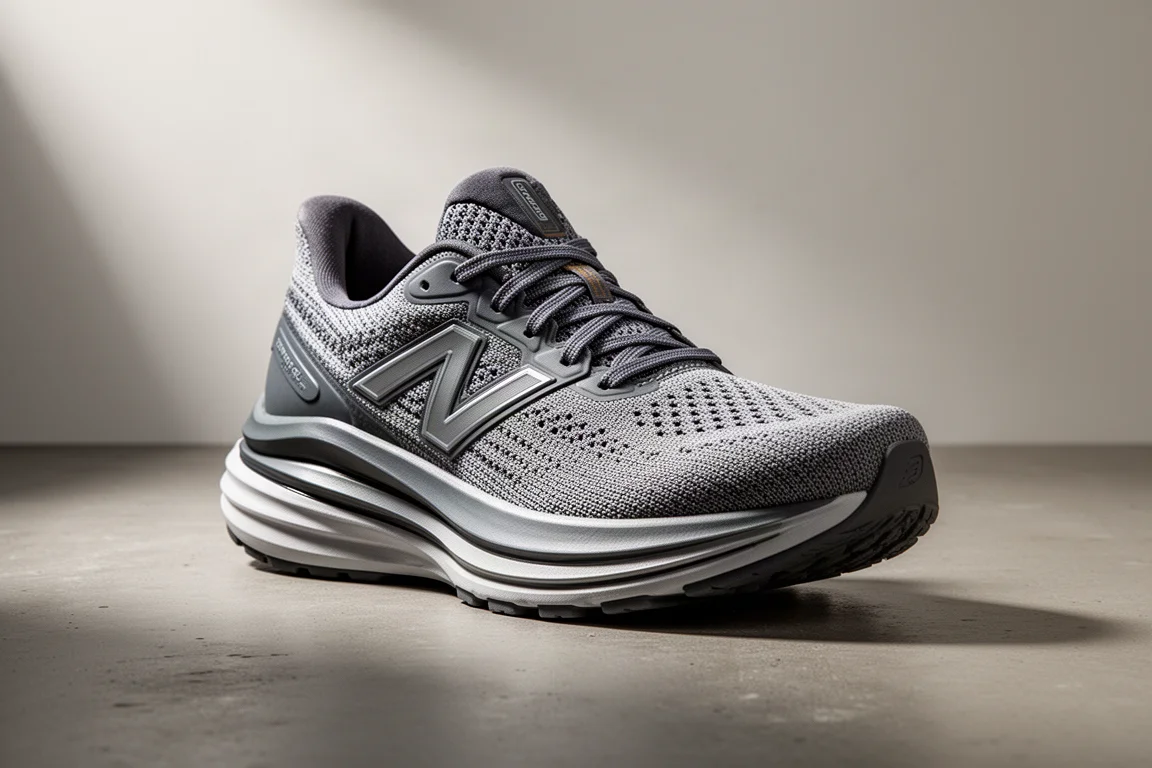
The Brooks Hyperion Max 4 is one of those updates that looks almost identical to the shoe it replaces, yet runs very differently. On paper, the two shoes share nearly everything: a PEBA top layer, a daily-training bottom layer, a glossy plastic stability plate, similar geometries, and similar weights. In practice, this year’s version feels noticeably more rigid and more dense, and that changes who the shoe is actually for.
This guide breaks down what the Hyperion Max 4 offers, where it falls short for certain running styles, and which alternatives deliver a similar experience in a way that may suit you better.

What to Look For in a Tall-Stack Trainer
Shoes in this category use very tall midsoles built from layered foams, often with a plate between the layers. The key questions are simple: how much does the shoe bend, how much energy does it return, and does the ride match the way your foot naturally lands? A tall, plated trainer can feel fantastic if you like rolling through your foot strike, and exhausting if you want to compress the foam and bounce off it.
Brooks Hyperion Max 4: Tall, Rigid, and Very Specific
The Hyperion Max 4 carries 45 mm of stack height in the heel with a 6 mm drop, putting 39 mm in the forefoot. That is 1 mm shorter in both heel and forefoot than last year, and it is the only significant paper spec change. The construction remains a DNA Gold PEBA top layer over a DNA Flash v2 daily-training layer, separated by Brooks’ Speed Vault plate. Unlike a straight carbon plate, this is a forked plastic design with three windows in the midsole.
The upper shifts toward comfort this year. A triple jacquard knit replaces the more speed-oriented upper, the padded knit tongue and bootie construction are gone, and there is now a proper gusseted tongue that stays in place. The heel collar is rigid but well padded, and the pull tab from last year has been removed. Fit is true to a regular running shoe size, and sizing recommendations carry over from the previous version. In a US men’s size 9 it measured 10.1 oz / 288 g, which is heavy for a shoe with this much technology.
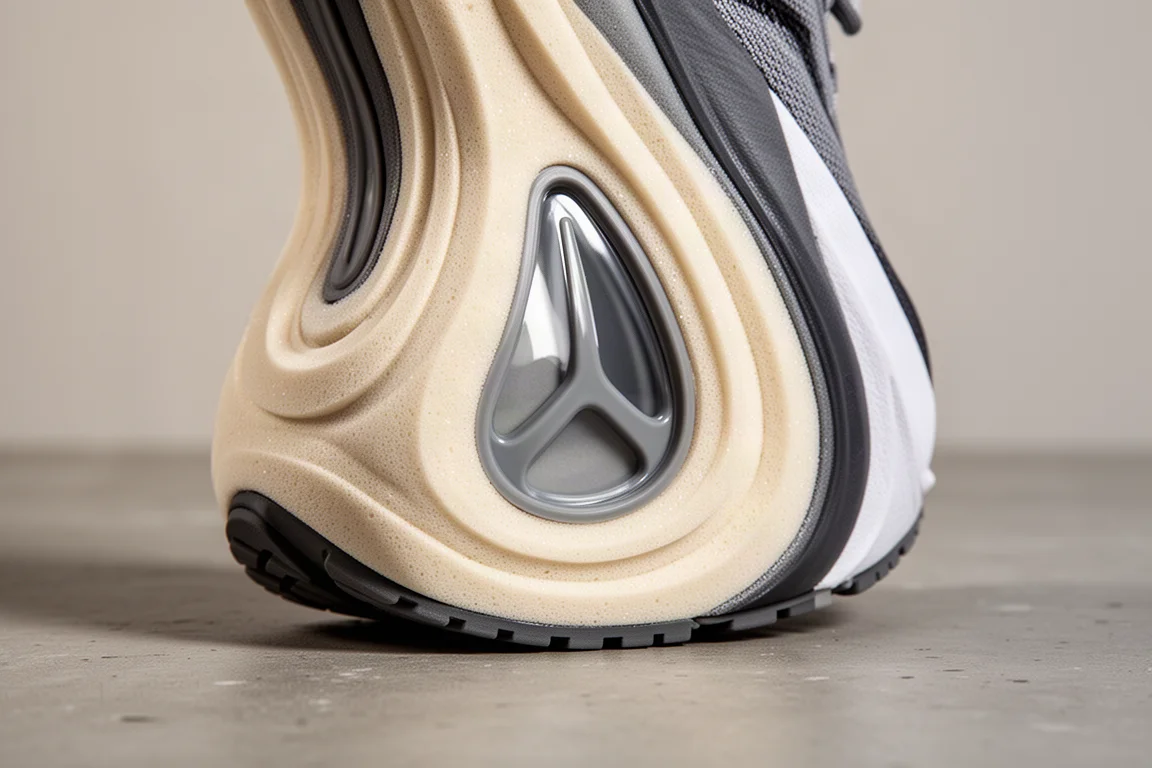
On the road, this is a shoe that demands its own running style. The midsole is very rigid and resists bending, so the ride works best when you roll through your foot strike rather than compress and bounce. At easy paces it eventually settles into a rhythm, but at up-tempo long run and threshold efforts it felt dense and energy sapping, resisting every attempt to flex and offering little pop in return. If you want a tall, locked-in, rolling ride, this is precisely that. If you bend the shoe as part of your stride, it will fight you.
Brooks Hyperion Max 3: The Version Many Runners Still Prefer
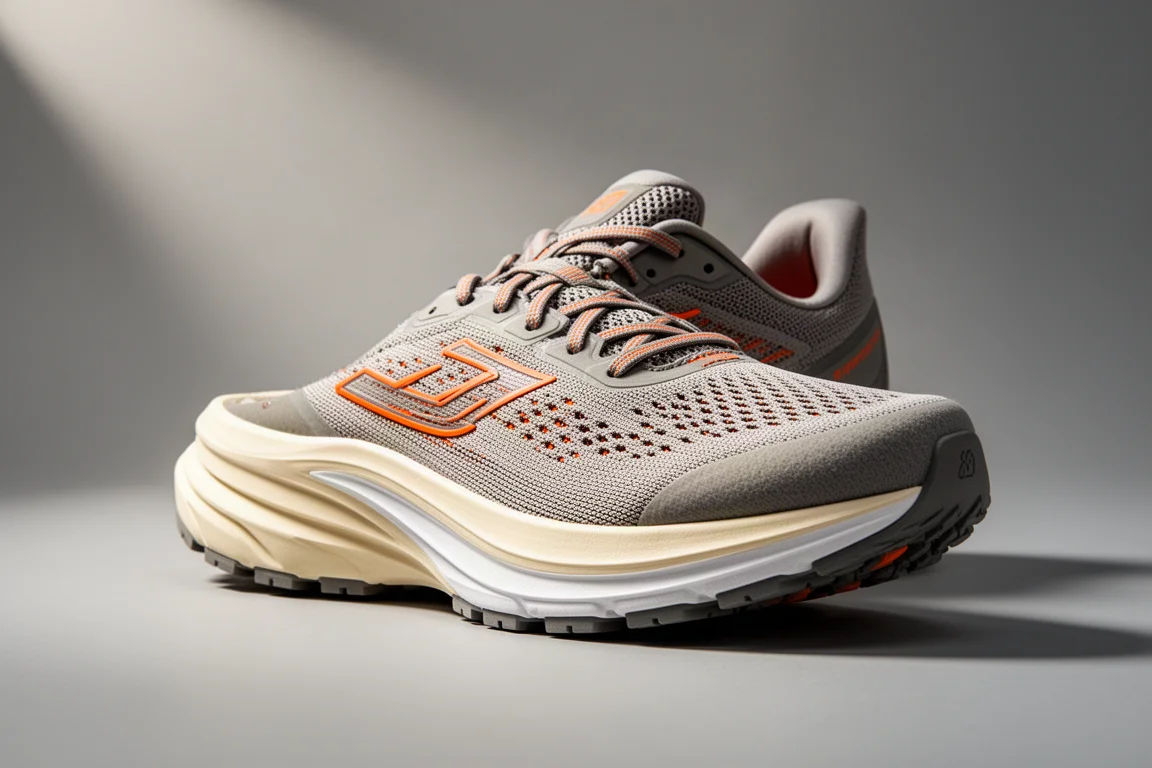
Placed head-to-head on the same day and terrain, the Hyperion Max 3 felt dramatically more agreeable. The materials are more pliable, the shoe bends a little more, and it does not resist a natural foot landing the way the new version does. This is not a break-in issue; the materials themselves feel different despite the near-identical specs.
The catch is price. At the time of writing, the Hyperion Max 3 still retails at its original $200, though discounts may appear closer to the Hyperion Max 4 launch. If you can find it reduced, it is the stronger pick for most runners.
Brooks Glycerin Flex: The Flexible Alternative
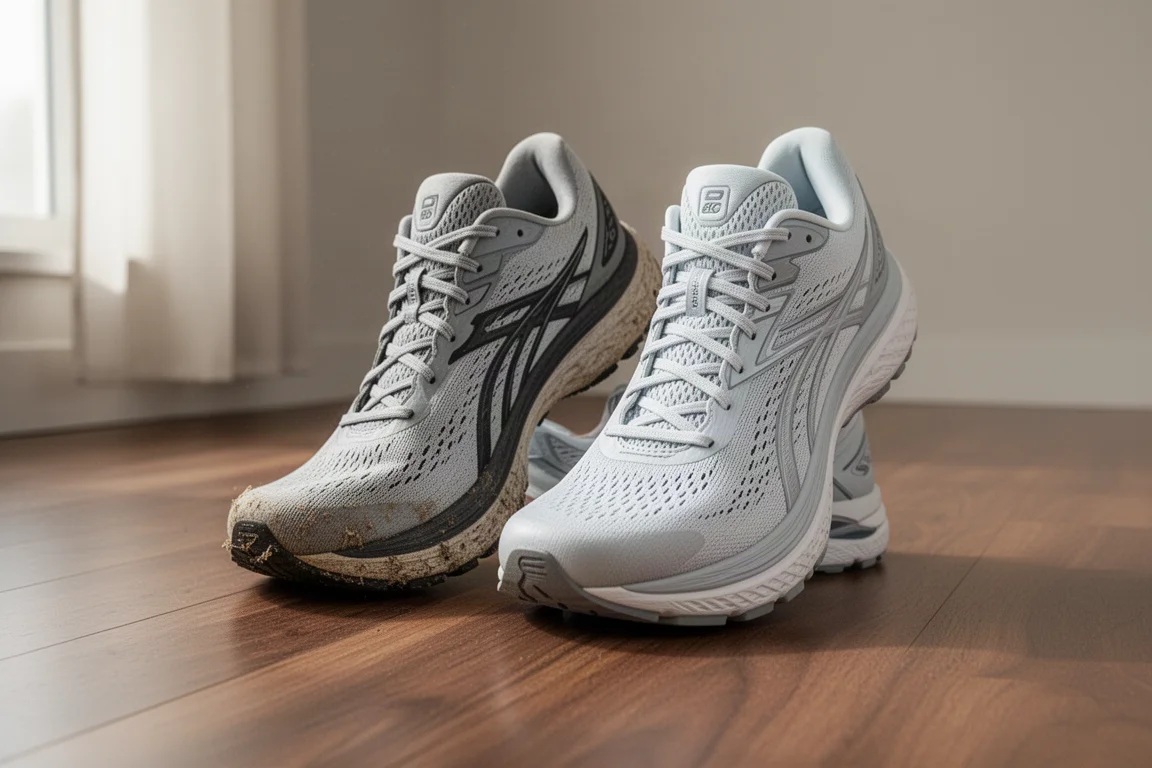
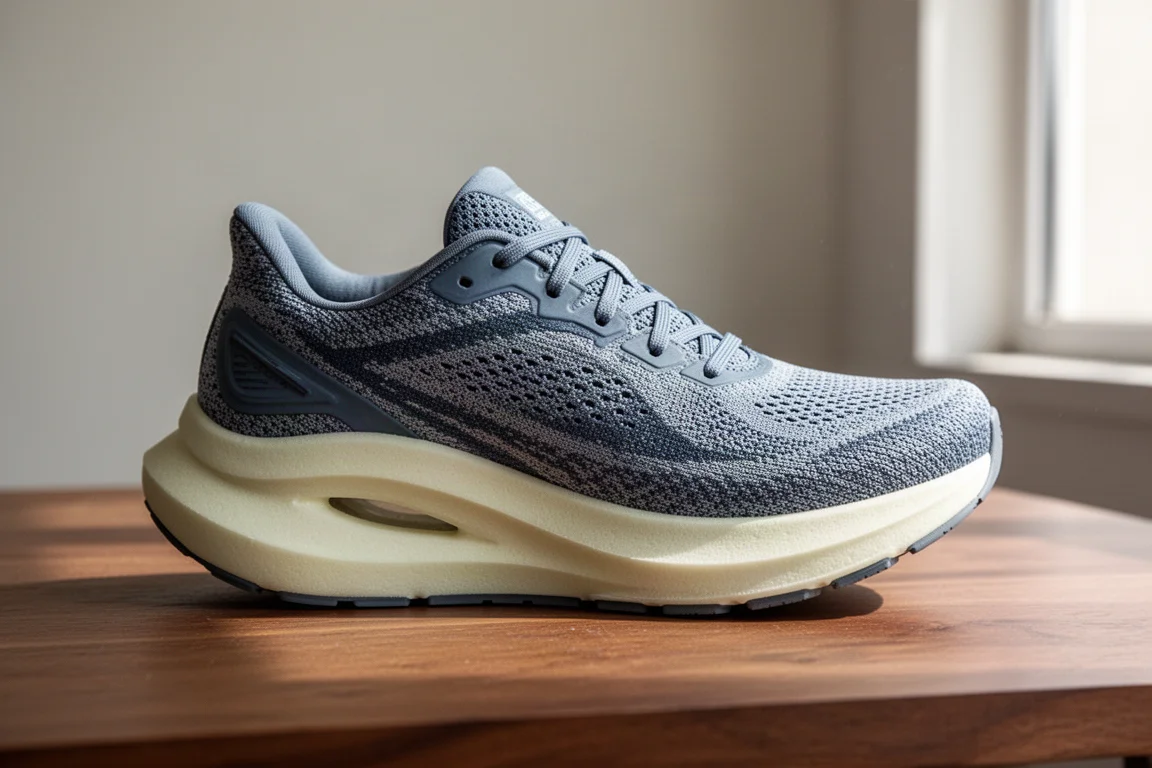
The Glycerin Flex is arguably the most exciting shoe Brooks has released this year. It uses a dual-density foam setup, shown in white and yellow portions of the midsole, intended to provide both softness and springiness, with a distinctive flexible outsole created by cutting grooves into the midsole.
The result is a shoe that is well cushioned at everyday easy paces yet eager to pick up the pace. It handles up-tempo runs, pace changes, and light fartlek sessions without the rigidity of the Hyperion Max 4, and it delivers much of the experience that shoe was hoping to offer. At $170 it also saves you $30.
New Balance SC Trainer v3: More Flex, Similar Intent
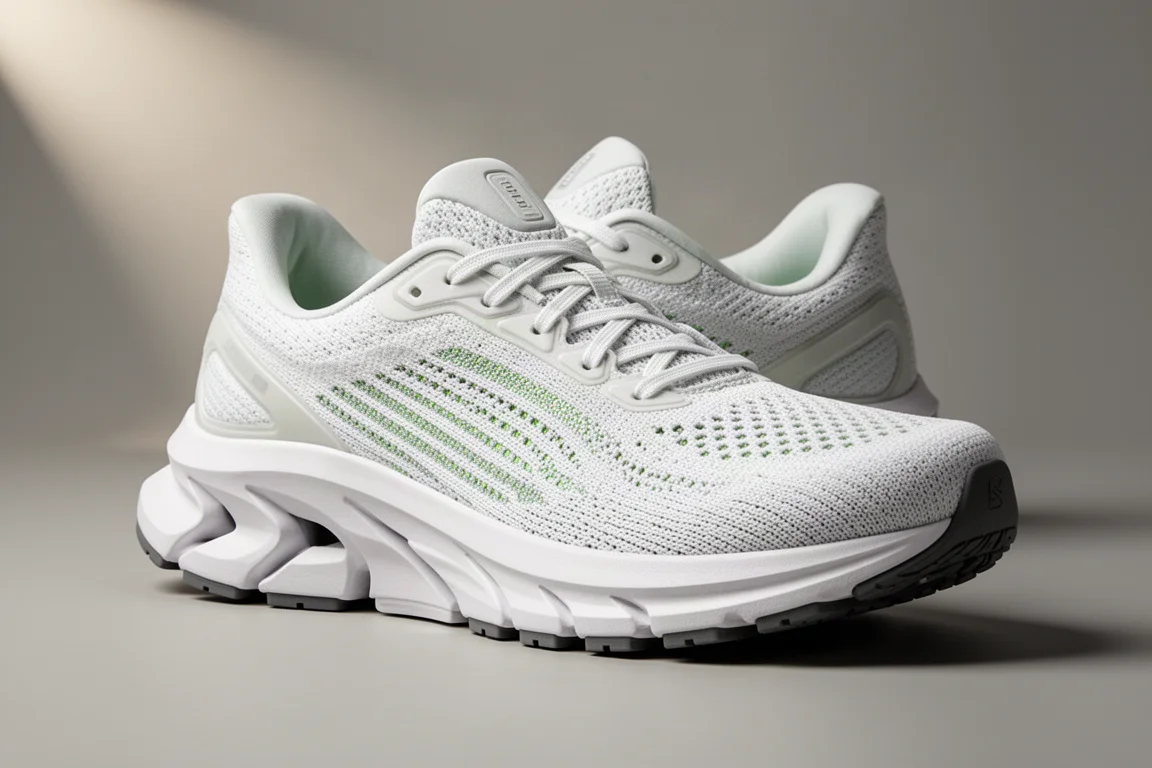
The New Balance SC Trainer v3 chases the same tall-stack territory but with the stack height now under 40 mm. It uses a FuelCell PEBA blend over daily-training materials, plus a full carbon fiber plate rather than a plastic one. Like the Hyperion Max 4, it is a little denser than it needs to be and can feel sluggish, but its target audience, particularly bigger and taller runners who want extra support for marathons, tend to genuinely enjoy it.
It weighs and costs about the same as the Hyperion Max 4, currently $190, up $10 from its original $180 launch price. The choice between the two comes down to rigidity: the Hyperion Max 4 locks the foot firmly in place, while the SC Trainer v3 offers more flexibility and bounce.
Hoka Mach X 3: Lighter and More Versatile
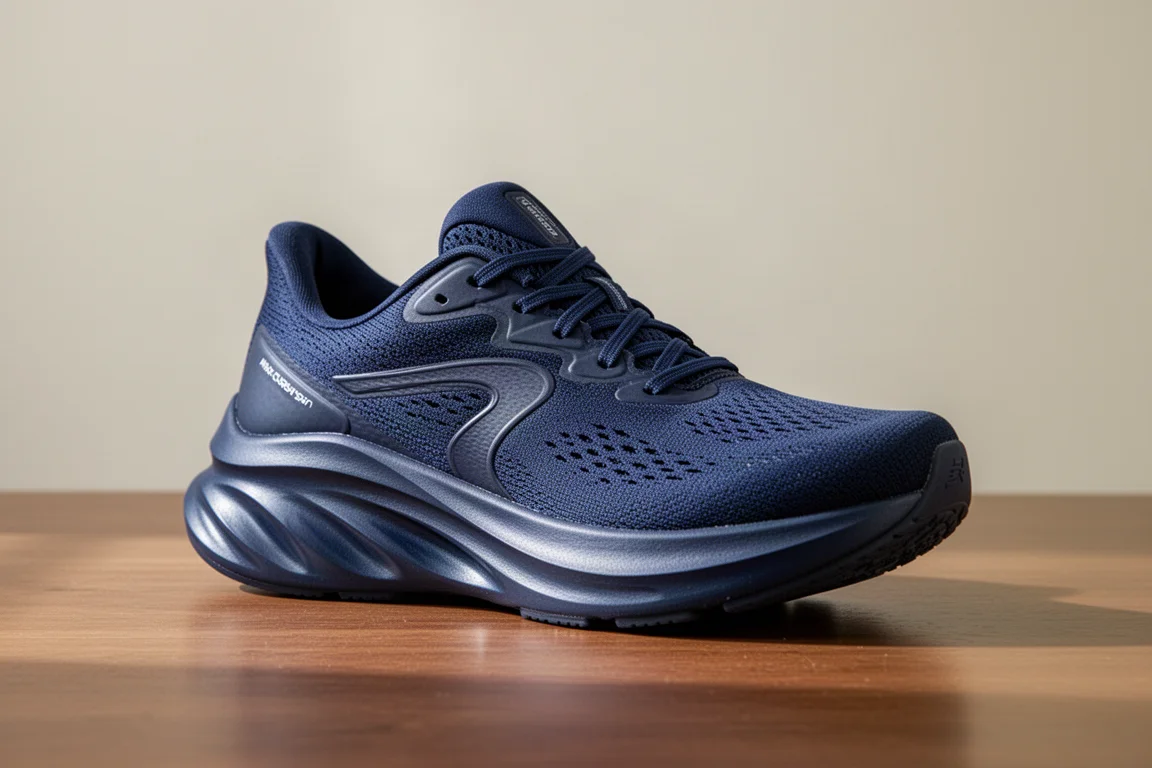
The Hoka Mach X 3 pairs a PEBA top layer with a supercritical bottom layer and a winged carbon fiber plate, which is oriented more toward stability than outright speed. It is a shoe that divides opinion, but heel strikers and bigger, taller runners tend to love it for daily training, tempo work, and even marathon racing, much as Hyperion Max 4 fans likely will.
Crucially, it is significantly lighter, about 0.7 oz less than the Hyperion Max 4, which makes it the better pick if speed work and racing are part of the plan. It retails at $190 and has not been seen on sale yet, so expect to pay full price.

Buying Advice
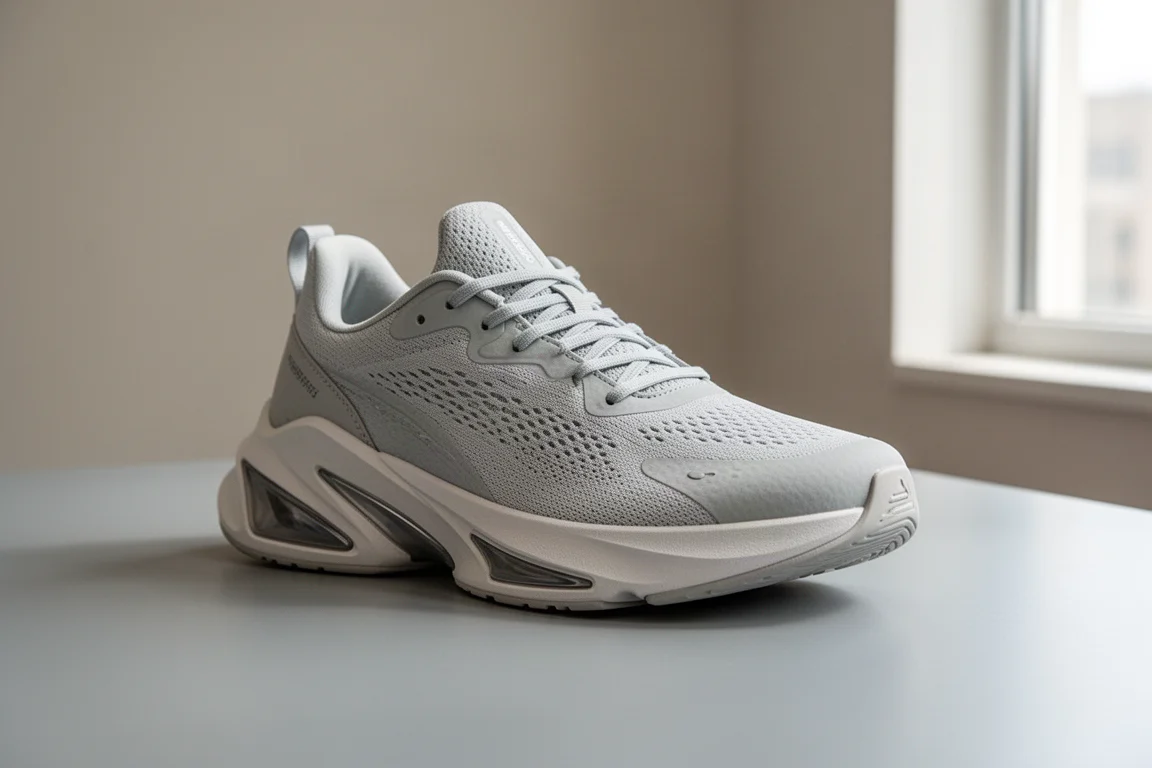
The Hyperion Max 4 launches July 1st at $200, and unless you are a die-hard Brooks fan or a bigger, taller runner who enjoys a rigid rolling ride, that is a steep ask. At easy paces it works, but at most other speeds it demands more adaptation than most runners will want to give it.
If you want a similar ride with more give, the SC Trainer v3 is the closest like-for-like alternative. If you want bounce and flexibility from Brooks, the Glycerin Flex is the better buy and saves $30. If racing and speed work matter, the lighter Mach X 3 is the stronger option. And if you can still find the Hyperion Max 3 at a discount, it remains the most agreeable shoe of the whole group.
Conclusion
The Brooks Hyperion Max 4 is a tall, rigid, rolling shoe built for a very specific kind of runner, and its near-identical spec sheet to the Hyperion Max 3 hides a meaningful change in feel. Match the shoe to your stride: roll-and-lock riders have a genuine option here, while everyone else is better served by the more flexible alternatives above.
Further reading
Related Reviews

Running Shoes
Best Road-to-Trail Running Shoes: Three Versatile Options for Mixed Terrain
A practical guide to three road-to-trail running shoes that handle both pavement and mild trails, with clear strengths and trade-offs for different runner types.

Running Shoes
Best Running Shoes for Achilles Tendonitis: Three Options Explained
Three running shoes with different heel drops and support features designed to help reduce Achilles tendon pain during walking and running.

Running Shoes
Best Running Shoes for Women: Five Top Choices Ranked
A ranked guide to five women's running shoes, from versatile daily trainers to high-performance racing options, with real strengths and trade-offs for each.