Running Shoes
Brooks Hyperion Max 4 First Run Review: A Super Trainer Built for Long Runs
Brooks's plated fast training shoe keeps the same price and weight as before, with a new mesh upper and a ride that comes alive at steady pace rather than easy efforts.
Introduction
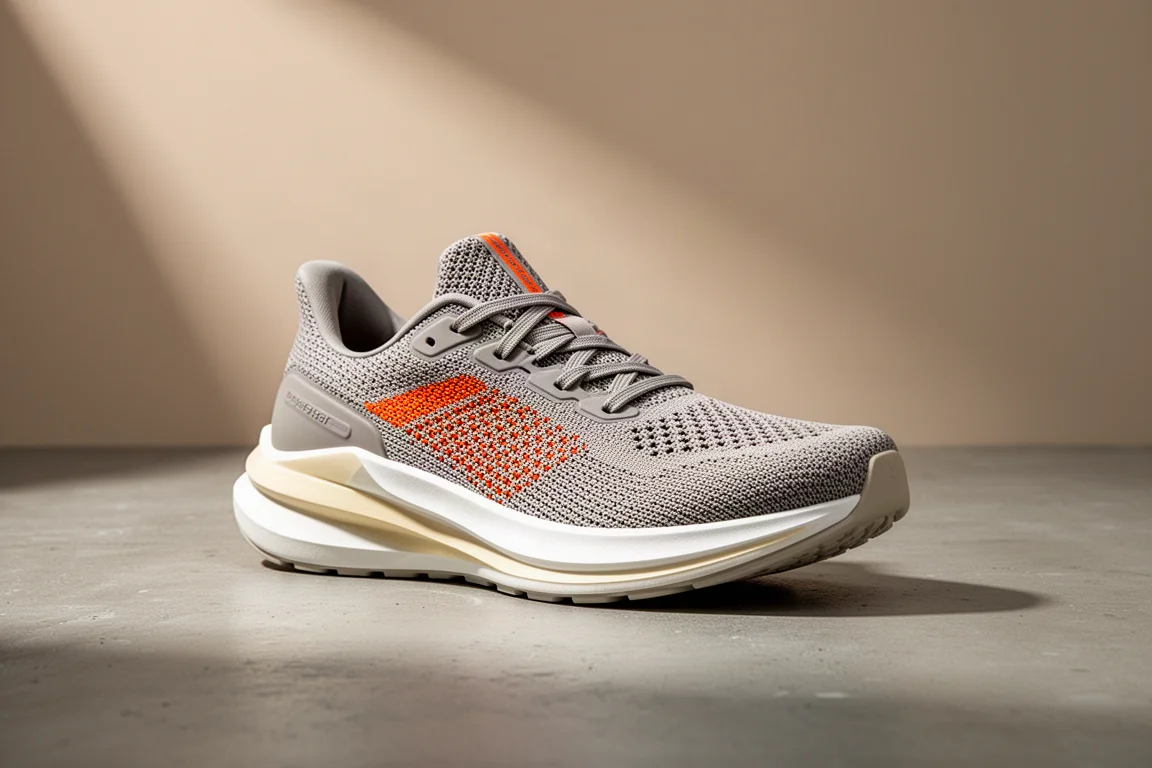
The Brooks Hyperion Max 4 is the brand’s plated fast training shoe, positioned as the training partner to the Hyperion Elite racing shoe. This first run review covers how it behaves on an easy-to-steady hour of running, and the short version is that it is an unusual shoe: firm and slightly blocky at easy paces, then more energetic and fun once you push the pace.
The Max 4 is very similar to the Hyperion Max 3 overall, and it keeps the same price: £170 in the UK and $200 in the US. That is a premium figure, although it is fairly in line with many super trainers on the market. Whether it earns that price depends on what you want from the shoe, because it does not follow the usual super trainer formula.
Key Specs and Design
The standout number is the weight. In UK size 9 (US size 10), it weighs 338g or 10.8 oz, which is substantially heavier than most super trainers, which typically come in around 250 grams or less in that size. That points to a different take on the category, one built more for cushioning and support over long runs than for outright speed.
Stack height is 45mm at the heel and 39mm at the forefoot, for a 6mm heel-to-toe drop.

The main design change from the previous version is a new mesh upper. There is still plenty of padding around the back of the shoe, with a very stiff internal heel counter for rearfoot support and a minimal gusseted tongue that hugs the foot for a sock-like fit. It is an upper focused on comfort rather than being as minimal as possible.
The midsole has a lot going on. The top layer is Brooks’s DNA gold pea foam, the bouncy foam used in the Hyperion Elite racing range. Below that sits a nylon SpeedVault plate, not a full carbon plate, so the shoe retains some flexibility despite the volume of foam. The bottom layer is DNA Flash V2, a super critical EVA foam. The outsole has a thick layer of rubber where it is present, particularly around the forefoot and heel, which suggests good durability, though there are also plenty of cutouts with exposed foam.
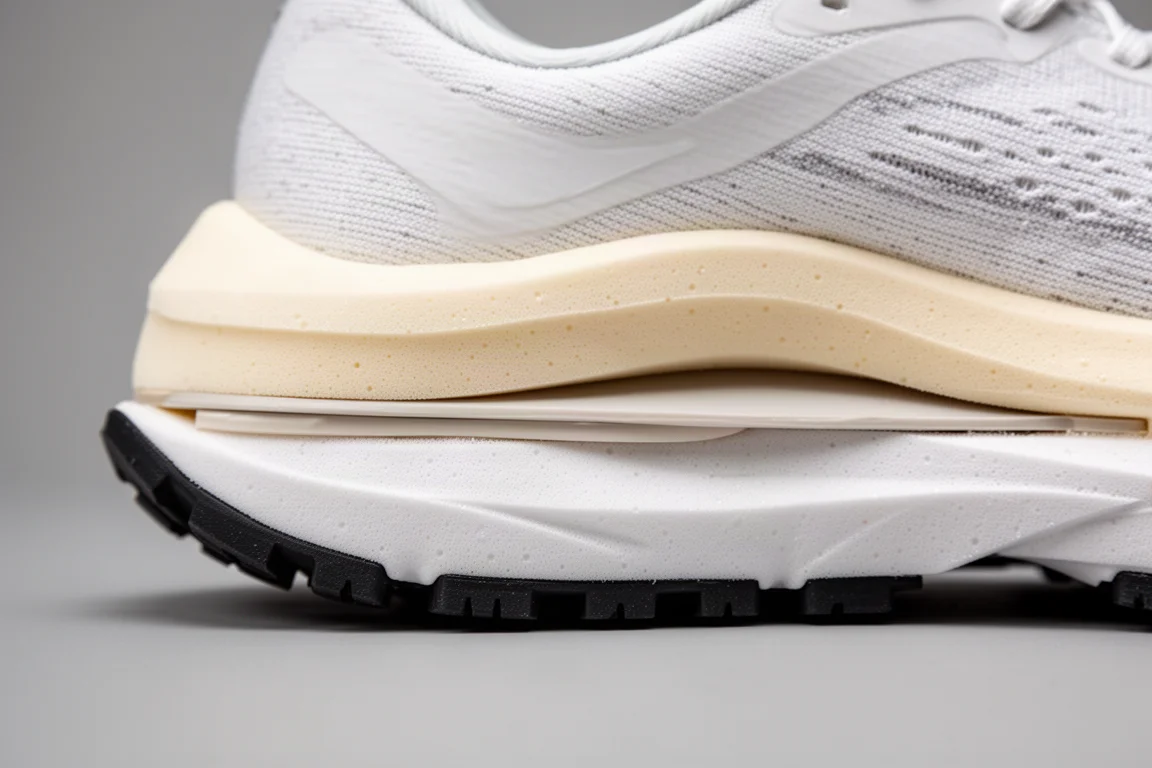
One design choice is worth flagging: the cutout extends all the way to the medial side. On a shoe that is not trying to be as light as possible, a cutout that could compromise stability seems slightly confusing. It does not feel unstable in practice, but extra foam there would likely have helped.
Fit and Sizing
The test pair was a UK 9, which is a US 10 for Brooks, and that proved to be the right size. Brooks is a very consistent brand for sizing, and the Hyperion Max 4 is a roomy shoe with plenty of toe space, so there should be no concerns about rubbing over long runs.
Heel and midfoot hold is secure enough, with no problems taking tight corners while running reasonably quickly. The trade-off is the upper’s generous cushioning: the padded collar gives a good step-in feel but soaks up sweat, and combined with the very strict internal heel counter, it feels a bit overbuilt for a shoe used at faster paces. Most super trainers use a more stripped-back upper.
How It Rode: First Easy-to-Steady Run
The first run was an easy-to-steady hour, about 15k, starting relaxed and building through the gears to finish with a 15-minute steady block. At easy paces, the shoe did not feel great: it felt blocky and fairly firm despite the big stack and the pea foam on top. It ticked over okay, but the early ride was not especially enjoyable.
The surprise was that it got better as the run went on. The faster you run, or the more force you put into the midsole, the more bounce you get back out of it. The final half hour at a reasonable clip felt quite nice for a big shoe, although it still does not feel extremely speedy.

That makes this a shoe that does not scream super trainer. It is fairly weighty, and the materials lack the really lively feel of lighter shoes in the category that cost less. It feels geared towards longer runs at a steady or decent clip rather than flat-out speed, more like a plated long-run companion than an all-round super trainer.
Strengths and Trade-offs
The Hyperion Max 4 is hard to categorise. It has a plate and super foam, so on paper it looks like a super trainer, but it is heavy and clearly built with support and structure in mind. The ride is dedicated to giving a boost on longer runs at a decent clip, which is a somewhat niche proposition when many super trainers do far more things well.
The medial cutout remains the odd detail. In a shoe this heavy, shaving away foam on the side that most affects stability does not make much sense, especially since it does little to reduce overall weight. It is very much a mashup of a cushioned daily trainer and a dedicated speedy super trainer, and the result is slightly odd.
On the positive side, it performed really well on this first run and was better at pace than expected. It also feels like a solid long-run option at steady paces, and it may soften up after a few more runs, since it felt quite firm out of the box.
Buying Advice
The big question for the Max 4 is value. It sits in a very competitive part of the market, and it is similar to the Hyperion Max 3, which may be available at a discount. Lighter, more energetic plated super trainers exist for less money, and at the more cushioned end you can find bouncy shoes that come in cheaper and offer a bit more stability.
If your priority is fun, energetic long runs at steady paces, the Hyperion Max 4 copes well and felt genuinely good at that kind of work. It felt pretty good on the run, which is ultimately the most important thing. Just weigh that against the high price and the fact that many rivals cover the same ground and more, and it becomes a tricky sale unless long runs are specifically what you need.
Conclusion
The Brooks Hyperion Max 4 is a comfortable, supportive plated trainer that rewards pace: blocky and firm when easy, surprisingly bouncy when steady. As a dedicated long-run shoe it works, but its weight, its firm out-of-the-box feel, its high price, and the confusing medial cutout make it hard to recommend over more versatile, cheaper super trainers. If longer steady runs are your main training staple, it is worth a closer look.
Product link
View more details for Brooks Hyperion Max 4
This product is mentioned in the review. Check the specifications, options, and compatibility before buying.
View more details for Brooks Hyperion Max 4Further reading
Related Reviews

Running Shoes
Best Road-to-Trail Running Shoes: Three Versatile Options for Mixed Terrain
A practical guide to three road-to-trail running shoes that handle both pavement and mild trails, with clear strengths and trade-offs for different runner types.

Running Shoes
Best Running Shoes for Achilles Tendonitis: Three Options Explained
Three running shoes with different heel drops and support features designed to help reduce Achilles tendon pain during walking and running.

Running Shoes
Best Running Shoes for Women: Five Top Choices Ranked
A ranked guide to five women's running shoes, from versatile daily trainers to high-performance racing options, with real strengths and trade-offs for each.