Running Shoes
Brooks Hyperion Max 3 Review: A Max-Cushioned Plated Trainer With Trade-Offs
The Brooks Hyperion Max 3 brings a 46 mm heel stack and Brooks Race midsole foam, but a heavy, constrictive upper holds it back.
Introduction
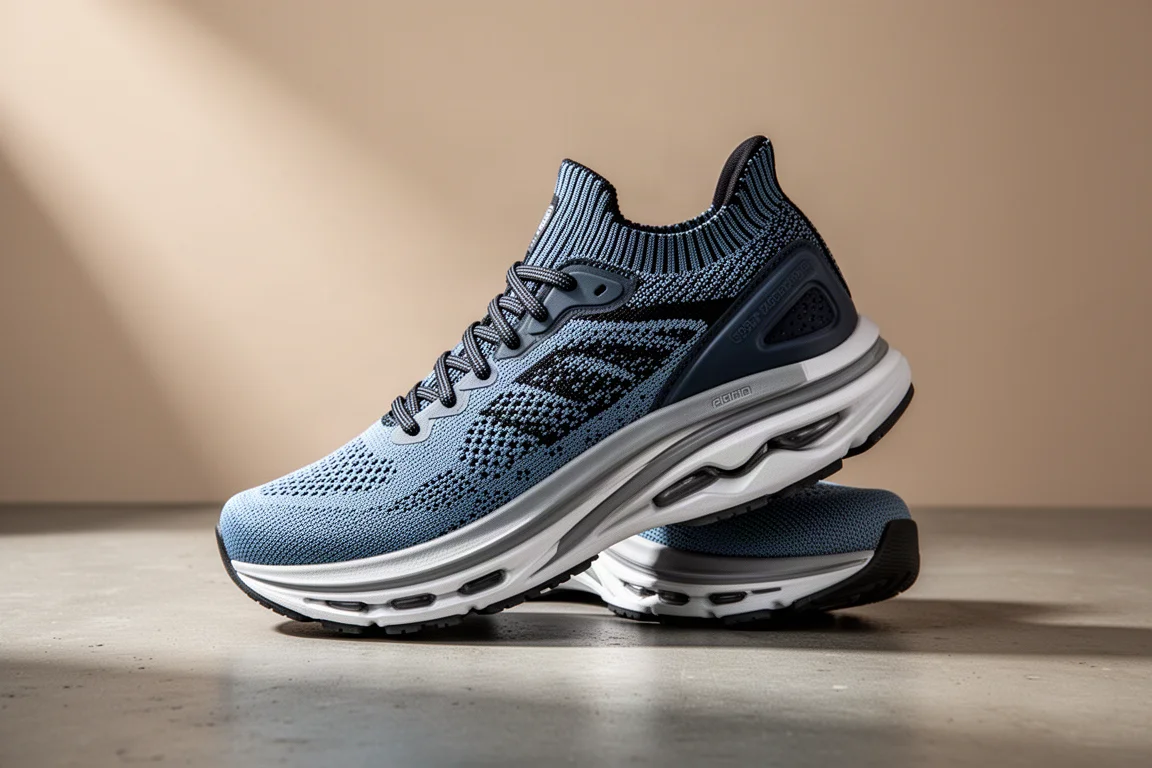
The Brooks Hyperion Max 3 is a plated tempo trainer built with some of Brooks Race midsole foam and an even higher stack than its predecessor, at a claimed 46 mm in the heel. On paper that sounds like a serious training tool, and for heavier-set runners it can be. But after time on foot, this version feels like a step in a heavier, more controlling direction than the two shoes before it.
My pair came in at about 334 g (11.7 oz) for a UK 11 / US 12, roughly 23 g more than the Hyperion Max 2. Pricing has also moved up about £10 to £170. For a shoe Brooks positions as a training or long run option, that is a substantial price, and it makes the compromises elsewhere harder to overlook.
Upper: A Confused Fit Story
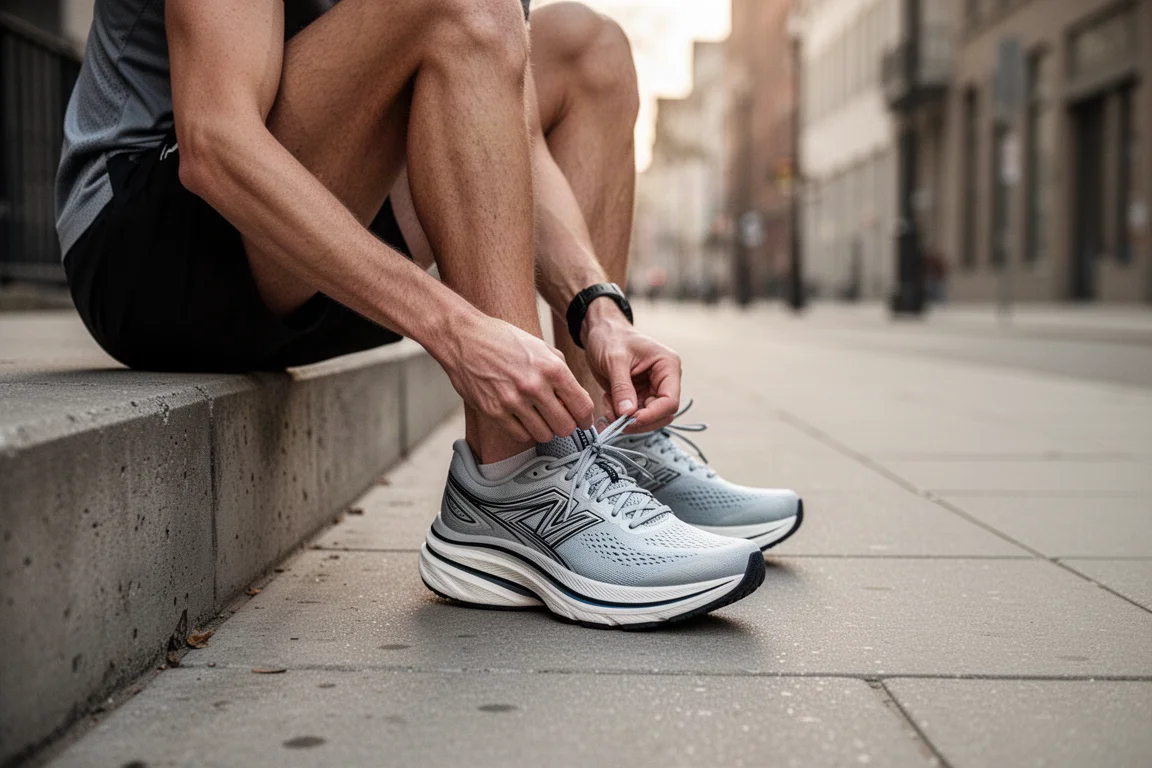
The upper is the biggest puzzle here. There is a knit-like tongue with heavy padding through the middle, a unique double-gusseted design with two sections that wrap around the foot, and a predominantly mesh material with significant reinforcements for structure. The bootie-like construction does most of the work on lockdown over the top of the foot, which is just as well, because the fit is constrictive and the shoe is genuinely tough to get into. You will want a shoe horn, though the stretchy pull tab at the back helps.
Width is a mixed bag. The forefoot is a little wider than the previous version at 12.2 cm, and the heel is a touch wider too at 9.2 cm at the widest point, so the toe box width is quite good. But if you have a larger volume set of toes, the vertical height may be a problem. Laces are an acceptable length and do not leave much excess, though I needed a runner’s knot to dial in the fit. The lace loops used as the first couple of eyelets bunched upper material together and made for an uncomfortable feel on top of the foot. I had to stop several times on early runs to get things right.
Despite all this, sizing runs true. Do not go up half a size; you will end up with too much length. Narrow-footed runners should probably look elsewhere, as this upper feels destined for heavier-set runners. Score so far: 2 out of 3.
Midsole: Stable but Heavy
This is a controlling shoe on foot. With around 48 mm of heel stack in my sample (the spec sheet says 46 mm heel and 40 mm forefoot), it wants you to run through all of that midsole in a particular way. The ride is cushioned but denser than it first appears. The DNA Gold pea-based material is more prolific up front and you can feel it there, while in the rear section you mostly feel the plate.
At cruising pace and easier efforts it works fine and limits perceived effort. But at anything faster, up toward half marathon pace, the sheer weight makes it feel like hard work. There is a lot of shoe here. The midsole does break in slightly after significant miles, but it stays locked into easier paces and never really came alive for me.

Riders wanting a more consistent, stable ride with similar midsole traits have livelier options. The insole is glued in, though you could remove it with a bit of heat. Overall this feels a bit like a Frankenstein model: stable, yes, but not all that fun. Score so far: 2.3 out of 3.
Outsole: Durable Road Rubber
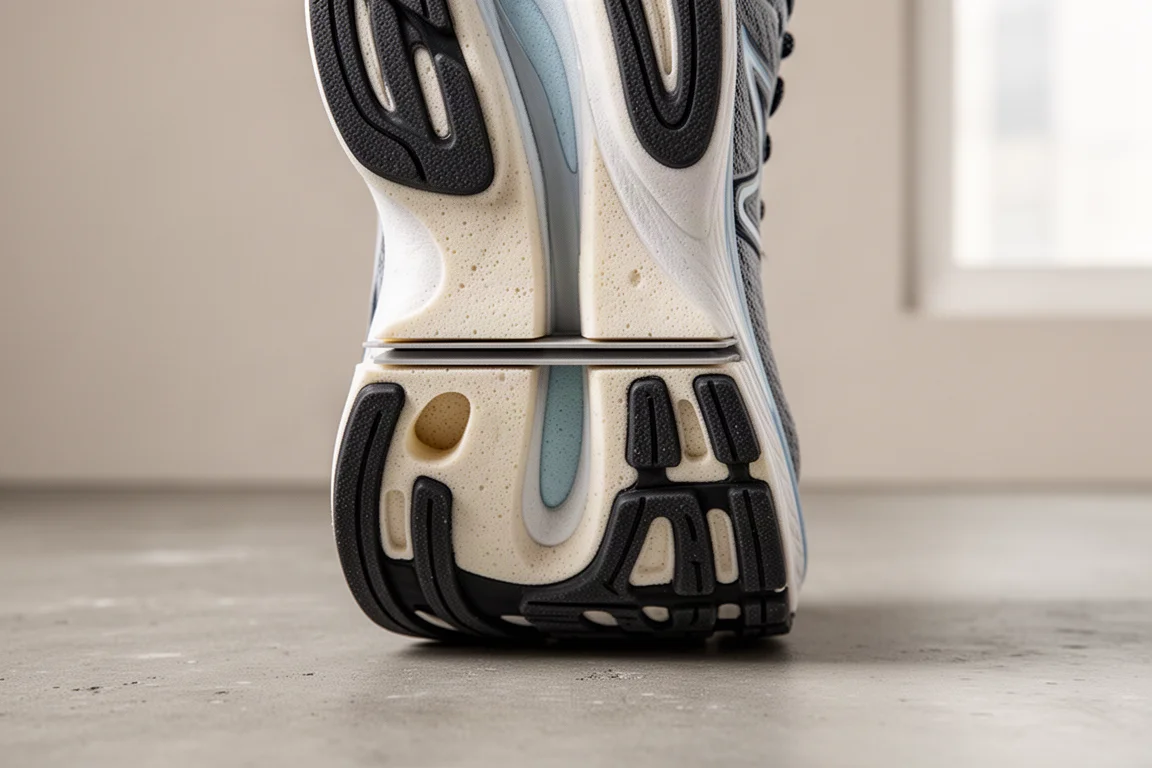
The outsole is one of the best parts of the shoe. Brooks have been generous with rubber depth, and it is very much trainer-like rather than racer-like. The forefoot rubber is slightly softer than the heel rubber, so longevity should be excellent for long-term training. The rubber is not flush with the exposed midsole areas, grip is good, and the compound is nice and sticky. It worked very well in wet weather.
Two caveats: the large cutouts in the forefoot caught plenty of stones, so this is strictly a road and pavement shoe, and the exposed DNA Flash 2 foam is susceptible to thorns embedding themselves. I had to use tweezers to pull several out. Avoid sharp stones and debris. Score so far: 2.5 out of 3.
Value and Verdict
At £170, the shoe is creeping toward the £200 mark a little too quickly. It is a well put-together shoe with no bad stitching, glue seepage, or misaligned parts. But the weight problem is hard to ignore now that the Hyperion Elite racer is so light; this one feels very heavy on foot by comparison. A leaner upper, closer to the Elite 5’s approach, would have made this a lighter, more nimble and appealing shoe.
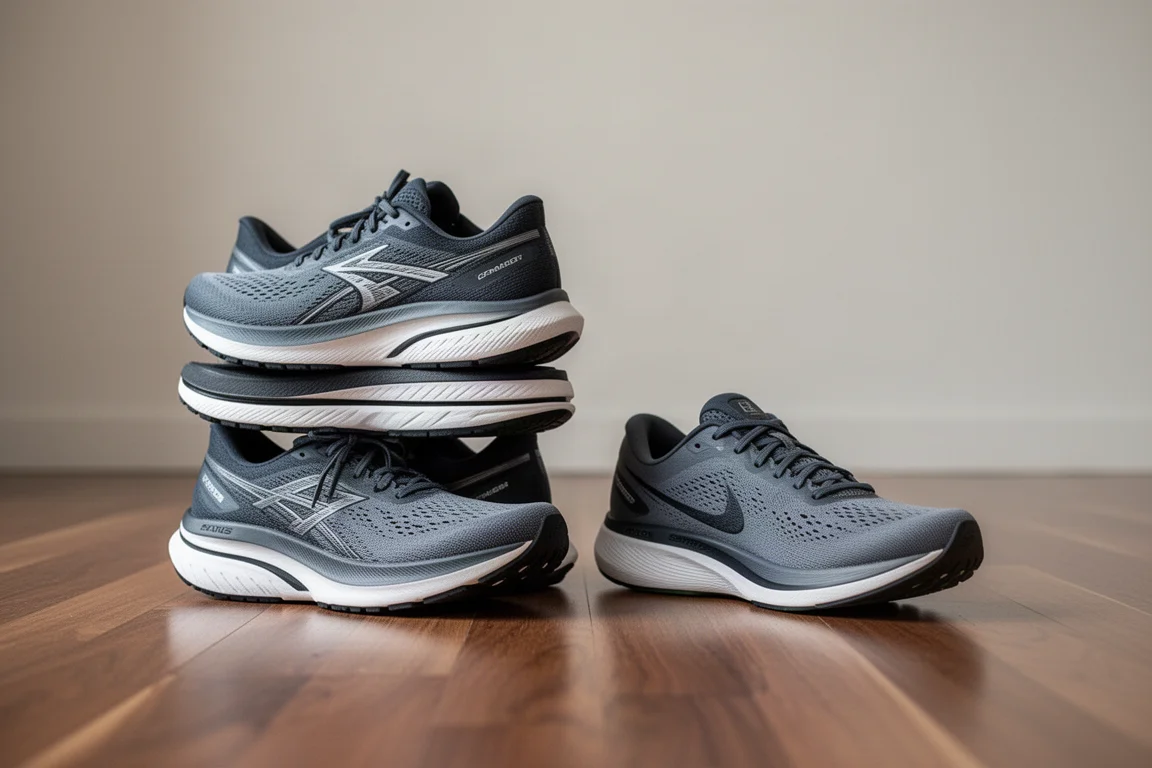
Alternatives worth considering: the Boston 13 offers a similar midsole setup without the maxed-out cushion, costs less and is easier to find, and switches between paces more freely. The Zoomfly 6 feels more up for it. The Endorphin Speed 5, at a similar price, offers a far better fit on top of the foot and a great balance of weight and performance. The Puma DV8 Nitro Elite 3 is only slightly more expensive and over 100 g lighter.
As a niche option spoiled by a bulky upper, this is a bit of a backward step for a line many people like. Final score: 9.1 out of 12. Still, if you are a heavier-set runner who needs stable, plated max cushion for easy cruising miles, it could be a very good fit.
Conclusion
The Brooks Hyperion Max 3 delivers enormous stack height, durable rubber, and a stable ride for easy-paced training, but a heavy, constrictive upper and a £170 price make it hard to recommend broadly. Heavier runners seeking max-cushioned stability should look closely; everyone else has faster, lighter, cheaper alternatives.
Product link
View more details for Brooks Hyperion Max 3
This product is mentioned in the review. Check the specifications, options, and compatibility before buying.
View more details for Brooks Hyperion Max 3Further reading
Related Reviews

Running Shoes
Best Road-to-Trail Running Shoes: Three Versatile Options for Mixed Terrain
A practical guide to three road-to-trail running shoes that handle both pavement and mild trails, with clear strengths and trade-offs for different runner types.

Running Shoes
Best Running Shoes for Achilles Tendonitis: Three Options Explained
Three running shoes with different heel drops and support features designed to help reduce Achilles tendon pain during walking and running.

Running Shoes
Best Running Shoes for Women: Five Top Choices Ranked
A ranked guide to five women's running shoes, from versatile daily trainers to high-performance racing options, with real strengths and trade-offs for each.