Running Shoes
Brooks Hyperion Max 3 Review: 100 Miles in Brooks' First True Super Trainer
After 100 miles, the Brooks Hyperion Max 3 proves Brooks can do a real super trainer, with a bouncy PEBA-style midsole, smooth heel transition, and a snug fit that not everyone will love.
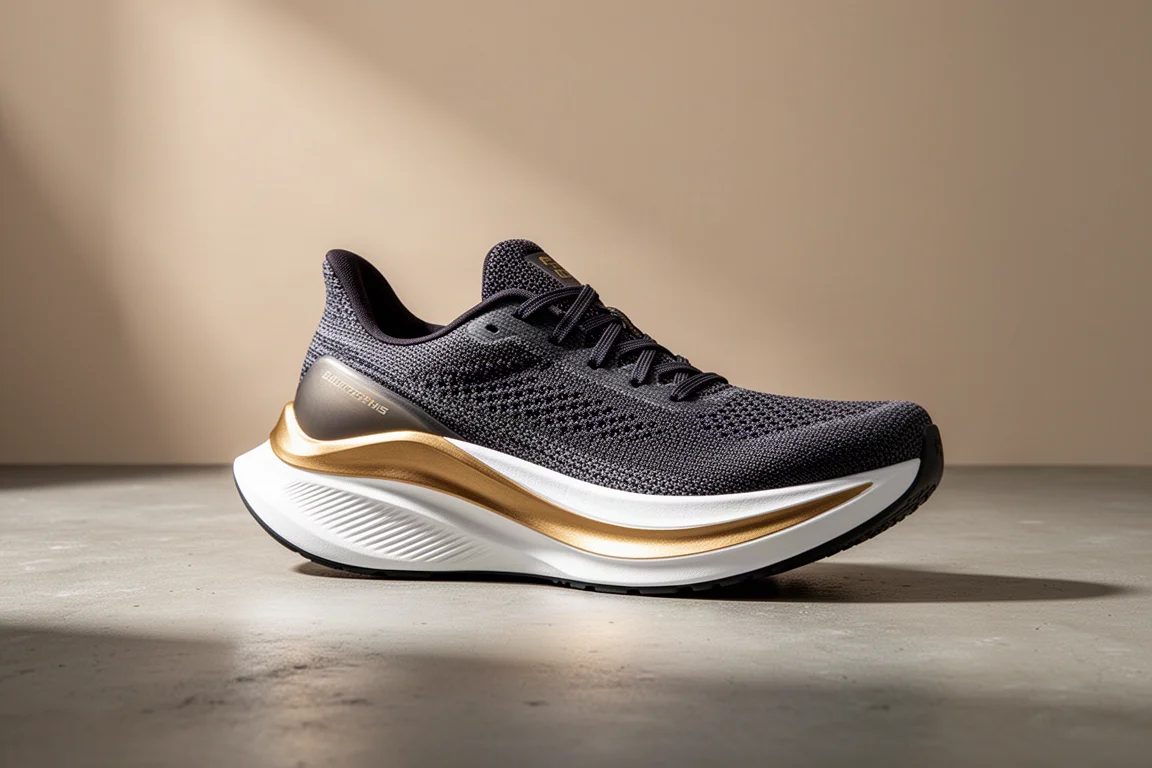
Introduction
After 100 miles, the Brooks Hyperion Max 3 makes a strong case that Brooks finally understands the super trainer category. Earlier versions of this shoe tried but never quite got there: version one was not super in any meaningful way, and version two got stiffer without adding a truly high-performance foam. Version three changes that with DNA Gold, a foam that finally brings genuine bounce and performance feel to a Brooks trainer.
The result is a shoe that is not perfect, but handles a surprising range of running well. This review covers how it has held up over 100 miles, what works, and which fit and stability quirks might push some runners toward other options.
Weight, Stack, and Midsole
In a men’s size 10, the Hyperion Max 3 weighs 296 g, or about 10.5 oz. That puts it in the middle range for super trainers: some rivals go up to 10.8 or 11 oz, so this is not the heaviest, though it is on the heavier side of the category overall. Stack height is tall at 45 mm in the heel and 37 mm in the forefoot, for an 8 mm drop.
The midsole is the headline. This is the first Brooks trainer to use DNA Gold, the same foam family previously seen in the Hyperion Elite 4 PB racing shoe. It delivers a genuinely bouncy, slightly soft underfoot feel that the nylon plate firms up and balances nicely. Combined with DNA Flash, the ride has a high-performance character without ever feeling mushy or overly aggressive.
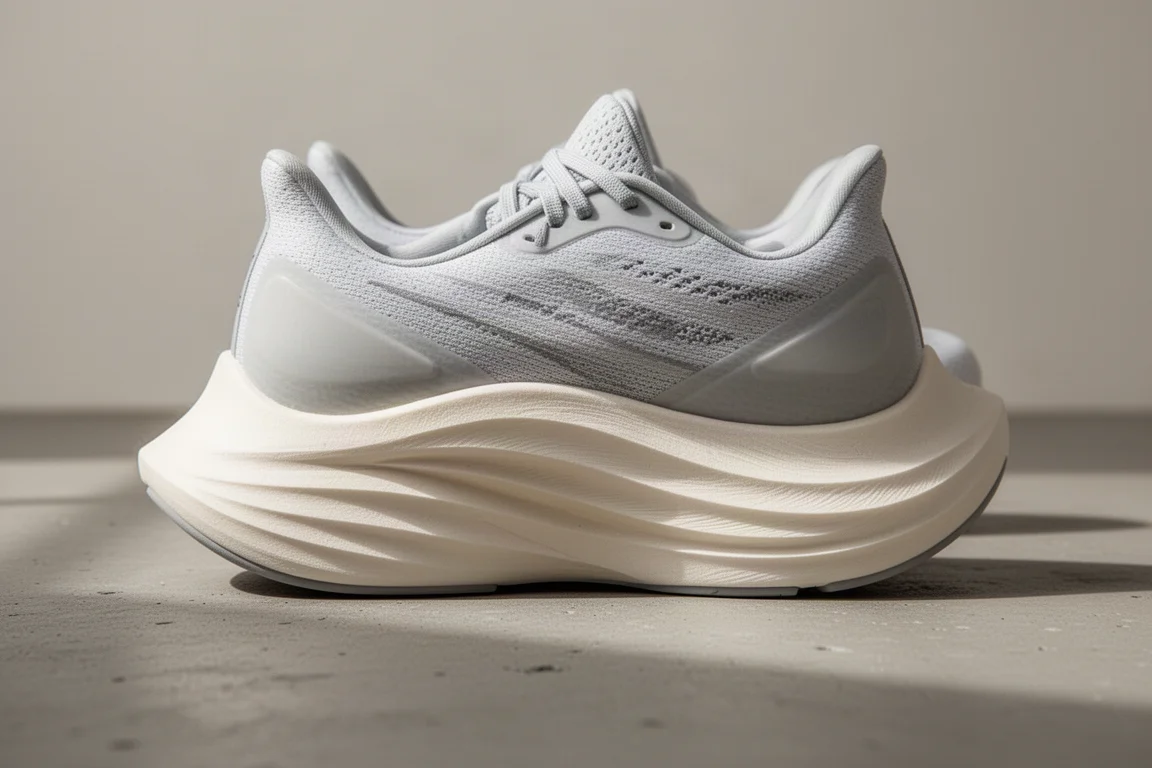
Most impressively, the midsole ride has not changed at all over the full 100 miles. It has kept its bounce from day one, and it makes the shoe feel considerably lighter than the scale suggests.
Ride and Performance
The Hyperion Max 3 is pace-agnostic in a way few shoes manage. Easy runs feel comfortable, and workouts still have snap. For many runners, this could work as a marathon shoe. It is not race-legal under current stack rules for competitive use, but for non-elite runners chasing personal goals, that hardly matters.
The heel transition is the best heel bevel felt in a Brooks shoe so far. It is smooth, slightly beveled lateral, and rolls you forward with a gentle lateral lean. If you need mild medial stability in the heel, the transition actually handles it well. The ride is rockered with essentially no flexibility and not much toe spring, and settling into a rhythm is where the shoe shines: long uptempo runs feel like they could go forever.

In testing, it excelled most on long runs of 12 to 13 miles at around 6:30 pace, including stroller-pushing runs where the feet stayed comfortable instead of getting beat up the way they often do in carbon race shoes. The shoe is very stiff overall, so shorter intervals are not its strength; it is a big shoe and not the lightest. Fartleks are workable for most people, but tempo long runs and steady effort are where it earns its keep.
The one real midsole knock is a noticeable medial cutout that is not stable. When turning or running tired, it is easy to pitch over the medial side. Runners who need medial midfoot stability, or who have knee issues tied to it, should look elsewhere. Even a neutral-friendly tester could handle it only up to about 10 to 12 miles for that reason. A central cutout instead of a medial one would have centered the shoe far better. The forefoot itself is stable with some flare and plenty of stiffness, so mild forefoot stability needs are fine.
Outsole and Durability
The outsole is holding up reasonably well even for a runner who is notoriously hard on shoes. There was an early worry that a piece was about to separate, but it did not. The rubber has torn through in spots, so this is not the most durable shoe out there, and it will not handle everything like an ultra-focused trainer.
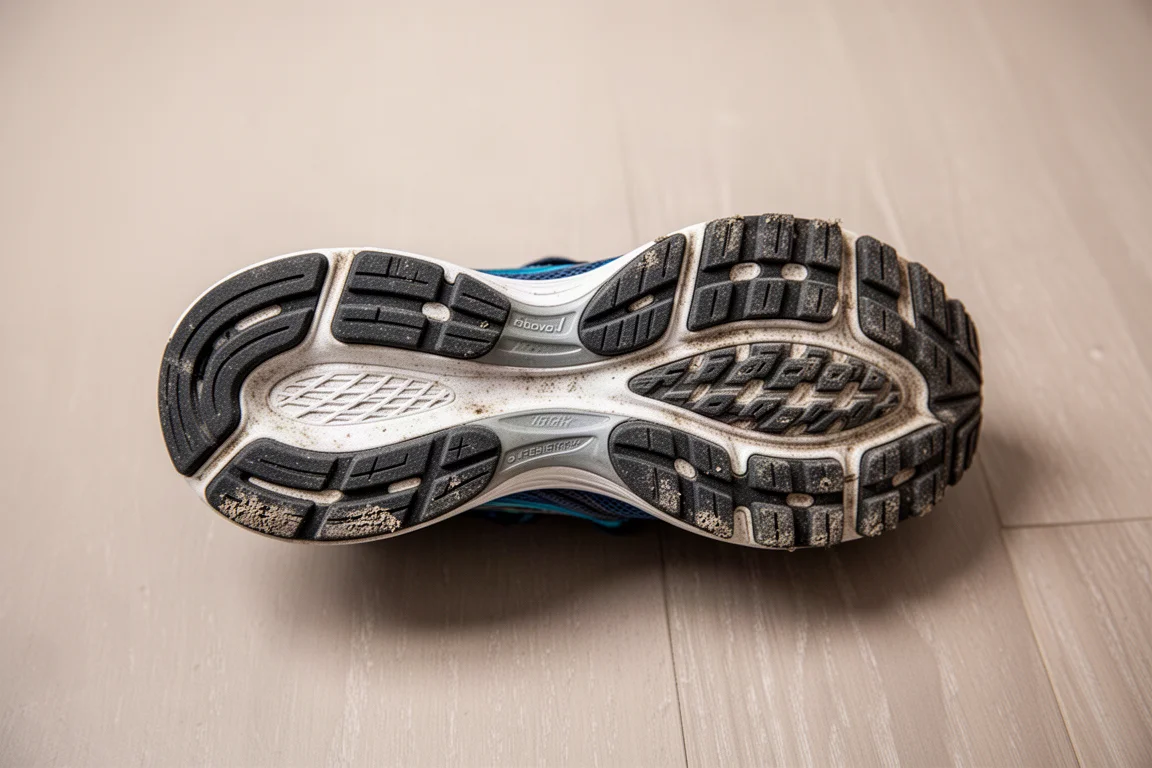
The important part is the midsole: after 100 miles, it has not lost any of its bounce or ride quality. Most runners should get a good number of miles out of this shoe, with the caveat that the outsole itself is merely average.
Upper and Fit
The knit upper is the weakest part of the shoe, mostly because it is thicker and heavier than it needs to be. It fits very snug and low volume from midfoot through forefoot, and the heel is equally secure, so runners with narrow or lower-volume feet will do well here.
There is substantial padding under the laces, which makes this an excellent choice for anyone prone to lace bite. The stiff heel counter with generous rearfoot padding locks you in firmly, but the collar cushioning sits over the Achilles area. Runners with Achilles tendinopathy sensitivity or Haglund’s deformity may find it irritating. It did bother initially before breaking in over time, but sensitive heels should take note.
Breathability is modest, so the shoe can run warm in high temperatures. If you want a racing-style fit and can accept the thicker upper, this shoe delivers security and comfort in equal measure.
Buying Advice
The Hyperion Max 3 is a true super trainer that fits a specific profile well. If you like Brooks, do not need medial midfoot stability, and want one shoe for easy runs, long runs, and uptempo work, it is a genuinely strong option. The DNA Gold midsole is arguably the best Brooks has produced in a trainer, and the smooth heel transition makes long miles feel effortless.
Skip it if you need medial midfoot support, have a sensitive Achilles or heel collar area, prefer highly breathable uppers, or want a lightweight short-interval weapon. The heavy-ish weight and stiff ride also limit its usefulness for faster track-style sessions.
Conclusion
Over 100 miles, the Brooks Hyperion Max 3 proved itself as a capable, versatile super trainer with a superbly bouncy midsole, excellent heel transition, and ride quality that never faded. The medial cutout instability and thick, snug upper are real trade-offs, but for neutral runners who live in long runs and tempo work, Brooks’ first proper super trainer is a very good one.
Product link
View more details for Brooks Hyperion Max 3
This product is mentioned in the review. Check the specifications, options, and compatibility before buying.
View more details for Brooks Hyperion Max 3Further reading
Related Reviews

Running Shoes
Best Road-to-Trail Running Shoes: Three Versatile Options for Mixed Terrain
A practical guide to three road-to-trail running shoes that handle both pavement and mild trails, with clear strengths and trade-offs for different runner types.

Running Shoes
Best Running Shoes for Achilles Tendonitis: Three Options Explained
Three running shoes with different heel drops and support features designed to help reduce Achilles tendon pain during walking and running.

Running Shoes
Best Running Shoes for Women: Five Top Choices Ranked
A ranked guide to five women's running shoes, from versatile daily trainers to high-performance racing options, with real strengths and trade-offs for each.