Running Shoes
Brooks Hyperion Max 2 Review: A Firm, Aggressive Marathon Speed Trainer
Brooks adds a plastic plate and race foam to the Hyperion Max 2, creating a fast, firm and divisive speed training shoe that rewards powerful running.
Introduction
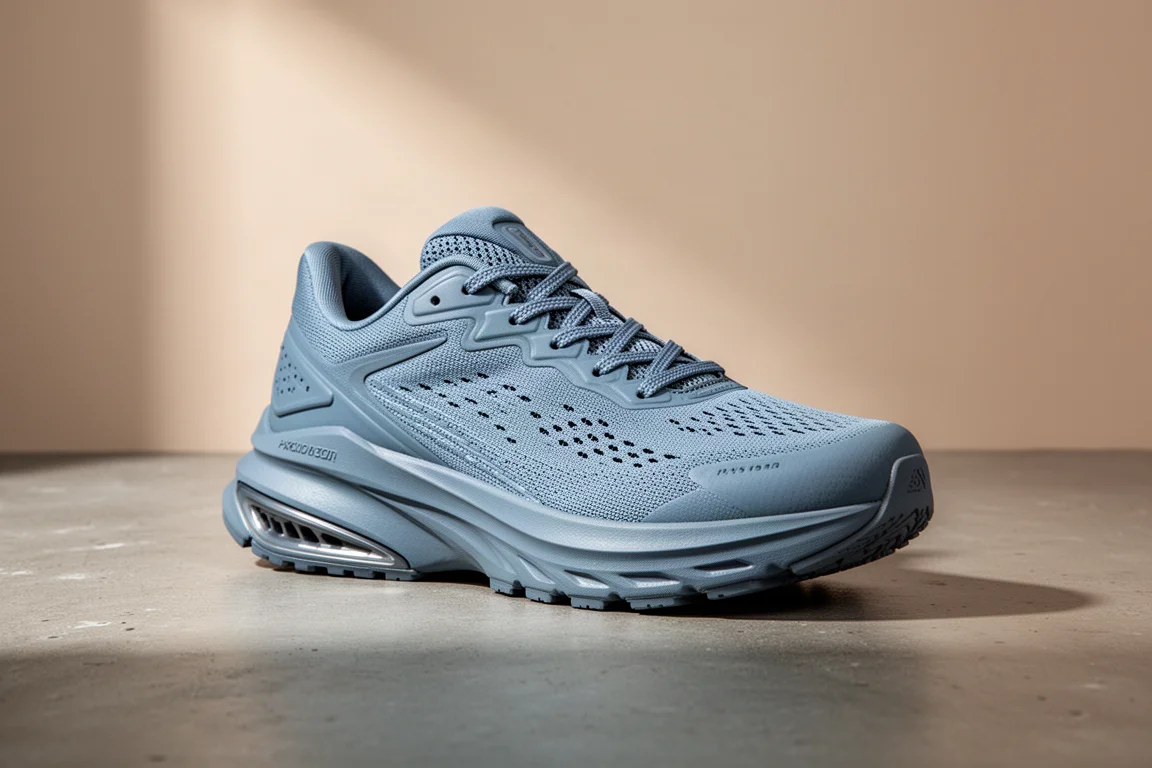
The Brooks Hyperion Max 2 has been one of the most requested shoes of the season, and for good reason. The original Hyperion Max was an un-plated trainer, and this second version adds a plastic plate into Brooks’ DNA Flash V3 race foam. That recipe immediately puts it in the same conversation as plated speed trainers like the Saucony Endorphin Speed series and the Adidas Boston 12.
Brooks is one of the highest-volume running brands on the market, yet rarely the one generating hype. The Hyperion Max 2 is their attempt to change that, and it makes a strong case in a very specific way: it is fast, firm, and built to reward runners who put power down. It is not trying to please everyone, and that is exactly what makes it interesting.
What’s New in the Hyperion Max 2
The big change is the plate. Version one was non-plated, and this version drops a plastic plate into a firmer-tuned DNA Flash V3 supercritical foam, a gas-injected compound that sits on the firmer side. The shoe now targets the same category as the Boston 12 and the Saucony Endorphin Speed, blending everyday-trainer capability with speed assistance elements.
Design-wise, Brooks has nudged the silhouette forward rather than reinventing it. The rearfoot keeps a similar width and stability, but the aggressive heel cutout that caused problems for heel strikers in version one has been filled in a little, making landings noticeably more forgiving. The upper gets a new gradient color treatment, thinner tongue, very thick side straps that hold the tongue down, and vaporfly-style flat laces that stay tied extremely well, a real improvement over version one. The forefoot also appears slightly broadened compared to the narrower first version.
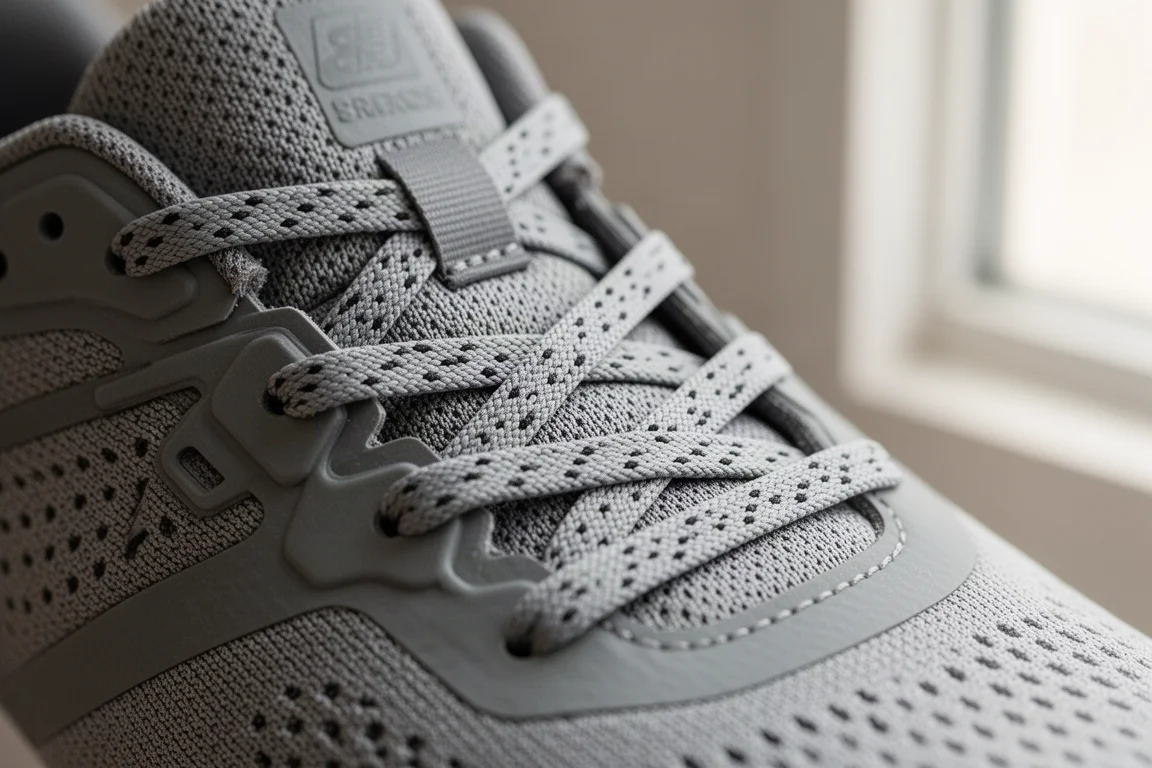
Outsole coverage is generous, in classic Brooks fashion, with a thick rubber layer up front and decent coverage in the back. Brooks shoes are known for lasting a long time, and this construction continues that reputation. One small note: this version ships without a removable insert, so there is less waste out of the box.
Weighing in around 280g, it is heavier than the Endorphin Speed 4 at 250g and the Boston 12 at 270g, likely due to the denser foam. It is priced at $180, matching the Saucony Endorphin Speed 4’s competitor Saucony Kinvara Pro at 302g, sitting above the Boston 12’s $160 MSRP.
How It Rides
The headline here is firmness. From the first step, the Hyperion Max 2 feels remarkably similar to version one: firm, structured and unapologetically fast. Pushing into the foam with a hand, the new shoe actually feels firmer than a version one with 70 miles on it. It even feels firmer than Brooks’ own carbon-plated Hyperion Elite 4, and firmer than the Saucony Kinvara Pro, which at least carries a softer top layer.
That firmness is the point. This shoe has an aggressive rocker that encourages a fast cadence and rewards forefoot landings. At slower paces it punishes you; at 6:00 to 6:30 pace it genuinely feels excellent, one of the best rides of the year for half marathon to marathon pace work. It has no chill and no slow mode, and running slower than roughly 7:30 pace becomes a struggle.
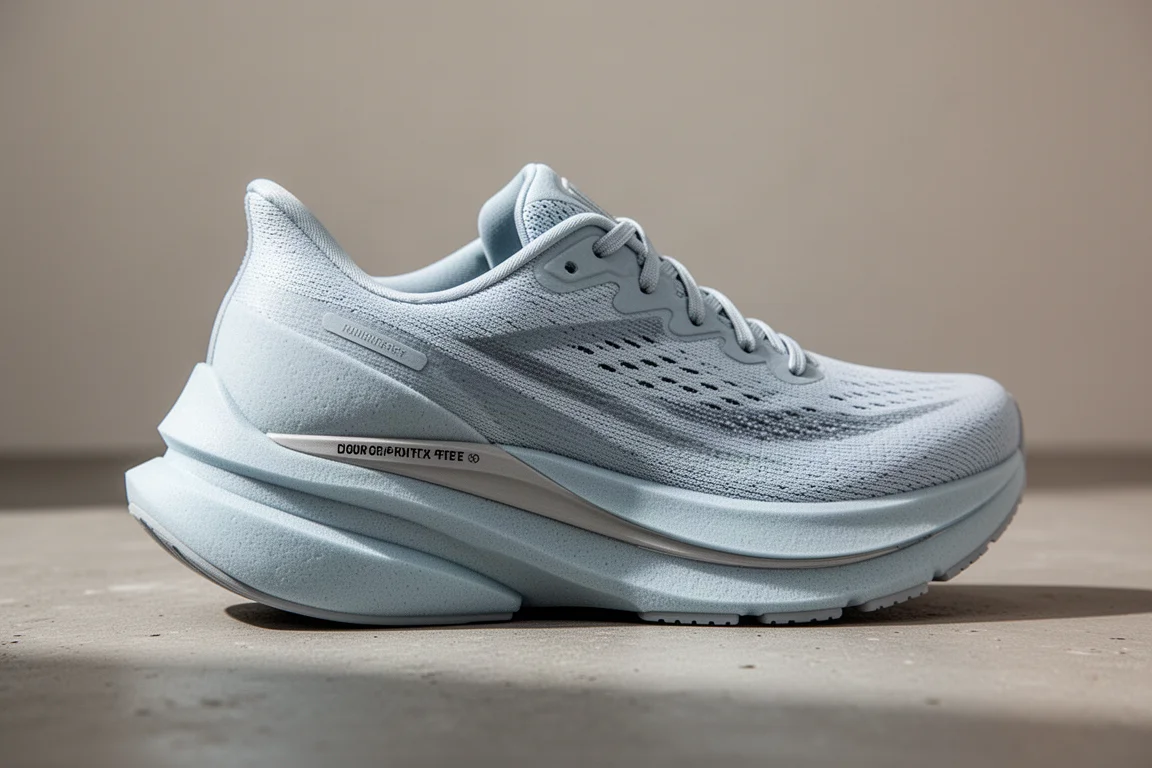
Stability is a genuine strength. The firmer foam wraps up around the heel and sides, creating a cradle that keeps the platform steady even under heavy force. For bigger or more powerful runners, this is a shoe that will not bottom out, and it stands up well to pounding across long miles. In fact, the foam is so firm that the plastic plate feels almost unnecessary; it may even contribute a touch of harshness, though it likely reinforces the excellent rocker.
One quality-control note worth flagging: on our pair, the left and right shoes weighed about 5 grams apart, and the insole was only glued down halfway, bunching up on the first step-in. These are small issues, but at this price they are worth checking on arrival.
The upper, however, is a highlight. It is a serious contender for one of the best uppers of the year: secure, lightly stretchy, close to a sock fit without being one, with plenty of room up front. It feels like it is worth the price, and the overall construction feels a step up from some direct competitors.
Who Should Buy the Hyperion Max 2
This is a shoe for a specific buyer. If you want fast, firm and aggressive, this might be exactly your shoe. It is best understood as a marathon pace and long-run speed trainer, ideal for marathon-pace long runs, lactate threshold work, and faster repeats. It slots in as a strong Boston 12 replacement, and for taller, stronger marathon runners, it is quietly excellent.

It also suits runners who found softer, bouncier options too mushy or squirrely for their taste. If the Endorphin Speed 3 felt unstable underfoot or you bottom out softer foams, the Hyperion Max 2’s stable, resilient platform is a real answer. Heel strikers will find it more accommodating than version one, though it is still best for runners who land toward the rear two-thirds of the platform or push from the forefoot.
A useful test: if you loved the Boston 12, you will like this. It has a similar character, possibly even firmer, and like the Boston 12 it seems to open up and get its true character around 30 to 50 miles, so expect a short break-in. On a second run in hot conditions, it actually felt a touch more balanced, suggesting the foam settles in nicely.
Things to Consider Before Buying
If you run mostly slower miles, shorter distances, or have a light, high-cadence touch, this is probably not your shoe. Runners who love a soft, bouncy trainer for daily use will find it too firm and too one-dimensional. If the Vaporfly is your favorite racing shoe because of that soft-resilient feel, this likely will not click for training either.
It is also not a daily trainer. At $180, a shoe that only really does one type of running is a tough sell unless that one thing is a thing you need. The value case only works if you use it specifically for faster miles and long runs at pace. If you want soft, cheaper options exist that do that job better.

Durability looks promising given the thick rubber coverage, though some exposed foam on the sides may chip over time, as it did on version one. Expect the outsole to hold up well across high mileage.
Buying Advice
Think of the Hyperion Max 2 as the firm, focused half of the current speed-trainer market, sitting opposite softer, more crowd-pleasing options like the Endorphin Speed family. If your marathon build needs a dedicated marathon-pace long-run shoe that will never bottom out and actively pulls you into faster paces, it is one of the strongest picks available. If you want one shoe to do everything, look elsewhere.
Conclusion
The Brooks Hyperion Max 2 is not a crowd-pleaser, and it does not try to be. It is firm, aggressive and divisive, but for runners who put power into the ground and want a shoe built for fast long miles, it delivers a genuinely excellent ride. Brooks may not be the flashiest name in running, but this shoe proves they know exactly how to build a tool that does one job extremely well.
Product link
View more details for Brooks Hyperion Max 2
This product is mentioned in the review. Check the specifications, options, and compatibility before buying.
View more details for Brooks Hyperion Max 2Further reading
Related Reviews

Running Shoes
Best Road-to-Trail Running Shoes: Three Versatile Options for Mixed Terrain
A practical guide to three road-to-trail running shoes that handle both pavement and mild trails, with clear strengths and trade-offs for different runner types.

Running Shoes
Best Running Shoes for Achilles Tendonitis: Three Options Explained
Three running shoes with different heel drops and support features designed to help reduce Achilles tendon pain during walking and running.

Running Shoes
Best Running Shoes for Women: Five Top Choices Ranked
A ranked guide to five women's running shoes, from versatile daily trainers to high-performance racing options, with real strengths and trade-offs for each.