Running Shoes
Brooks Hyperion Line 2024: Elite 4, Max 2, and Hyperion Compared
Brooks is overhauling its Hyperion speed line with new Flash V2 foam, a plated trainer, and a lightweight racer. Here is how the three models differ and who each one suits.
Introduction
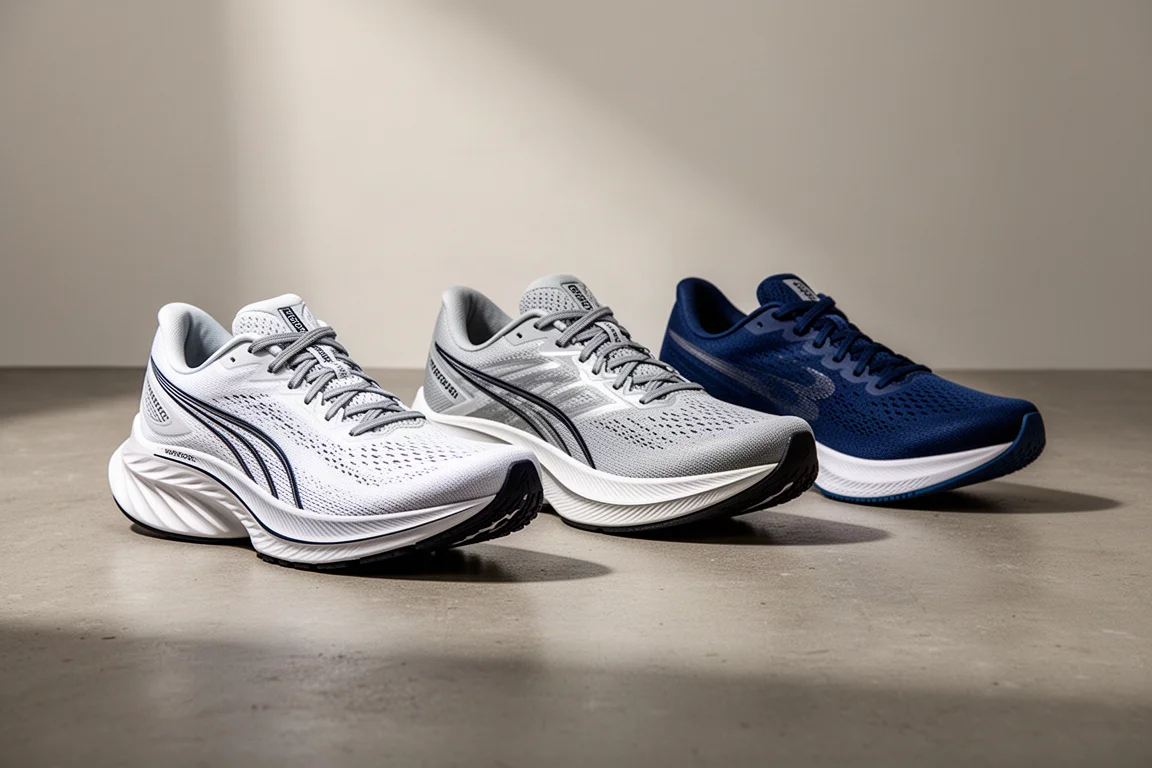
Brooks has historically kept a fairly conservative profile in the running shoe world, but the new Hyperion line signals a real shift in direction. The line covers three distinct use cases: a top-tier marathon racer, a plated tempo trainer, and a lightweight non-plated speed shoe. Each uses the same DNA Flash V2 foam platform, an EVA and TPE blend that is nitrogen infused, which Brooks is doubling down on instead of chasing PEBA like most of the industry.
That proprietary approach is worth paying attention to. PEBA generally tests as the most efficient super foam, but plate geometry and how the foam interacts with a runner’s stride matter a great deal, and Brooks’ athletes have been setting records on the brand’s own compounds. Here is how the three shoes break down.
Brooks Hyperion Elite 4: The Marathon Racer
The Hyperion Elite 4 is Brooks’ new top-tier marathon shoe, developed with input from Des Linden and CJ Albertson, and it debuts at the Olympic marathon trials in Florida in early February 2024. It uses the new Flash V2 midsole, an EVA and TPE blend that is nitrogen infused, and Brooks has chosen not to join the PEBA bandwagon that New Balance and several other brands are now moving toward.
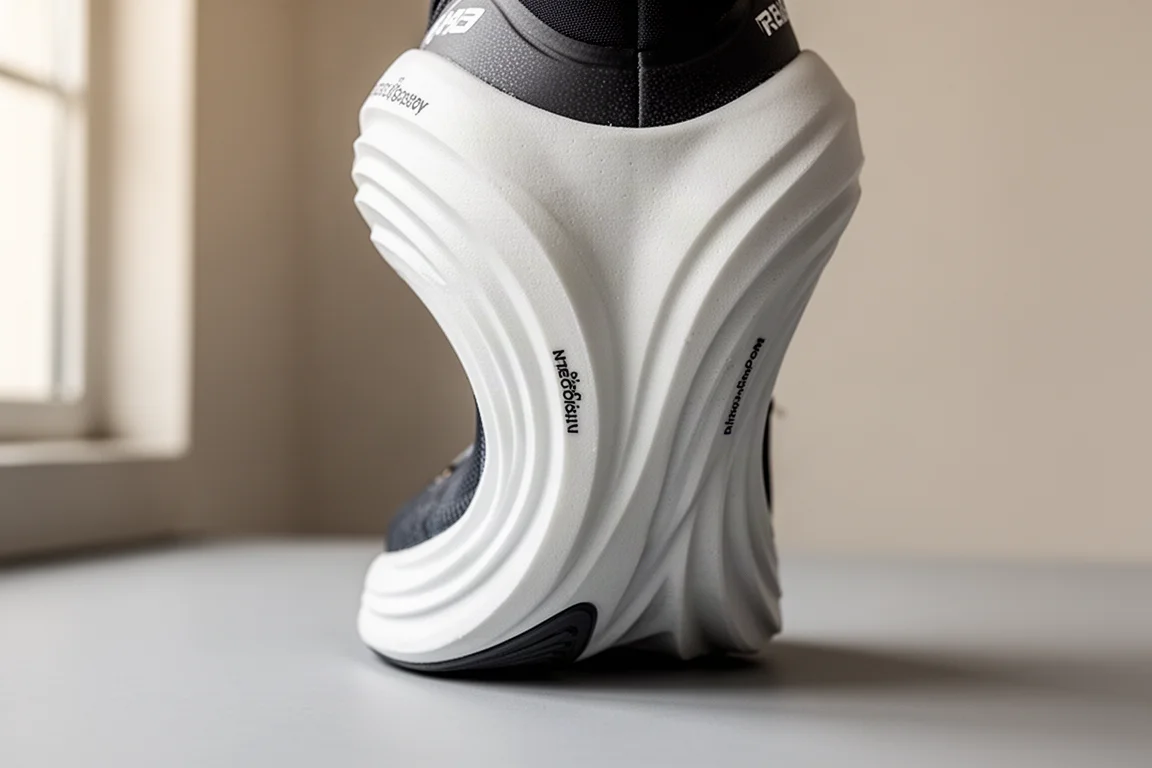
Earlier iterations of the Elite were pretty firm, and the same was true of the original Hyperion Max, but Brooks appears to be folding runner feedback into a slightly softer feel in its fast shoes. For recreational runners, the practical takeaway is that the Elite 4 sits in the same category as the Nike Vaporfly and Saucony Endorphin Pro 4, and the subtle differences between these shoes will affect you differently depending on your weight, mileage, and running background.
Brooks Hyperion Max 2: The Plated Tempo Trainer
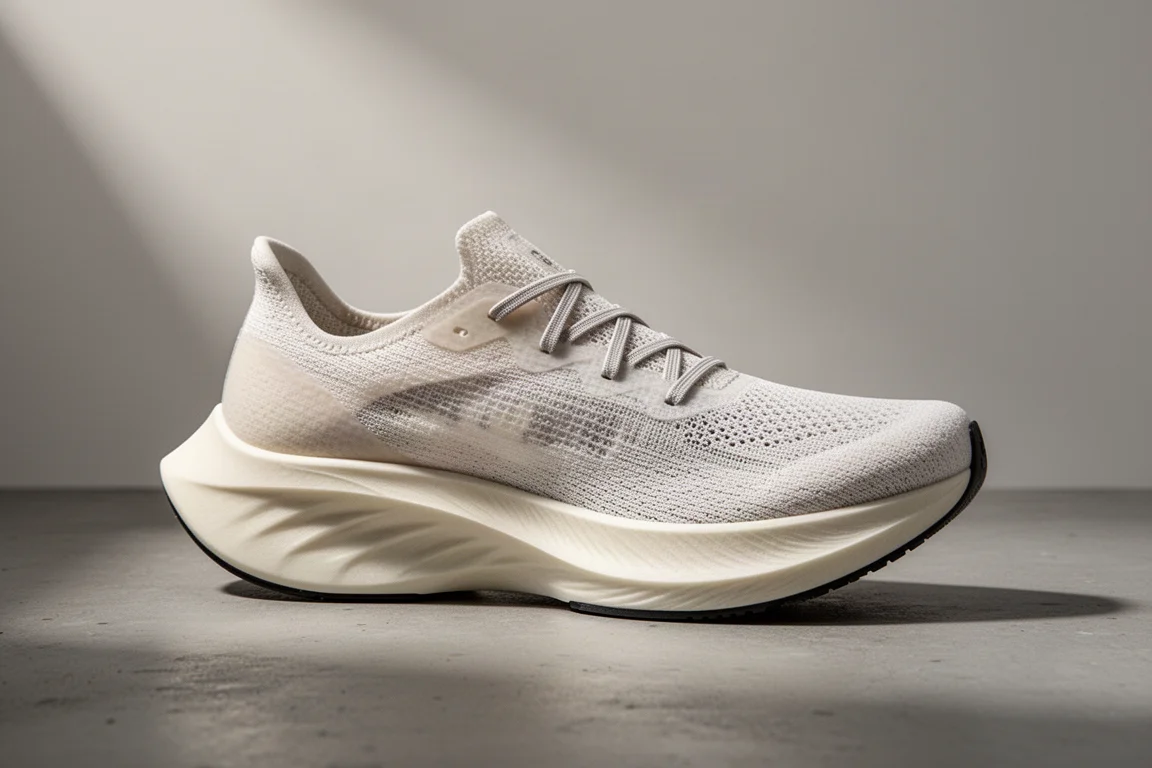
The Hyperion Max 2 was the most anticipated update of the line. The original Max was famously firm, comfortable mainly at fast paces for forefoot strikers, and the new version adds a plate and increases the stack height by 4 mm, landing at 36 mm in the heel and 28 mm in the forefoot. The plate is a PEBAX-based Speed Vault Plus plate, designed down to the size level, which is less aggressive than a carbon plate while still adding noticeable pop.

It also uses DNA Flash V2, which is softer and more resilient than before. The shoe weighs around 8.5 oz, notably less than the Boston 12 at above 9 oz, and it uses 100% super foam in the midsole rather than pairing it with an EVA bottom layer like the Mach X or Boston 12. That makes it a serious competitor to the Saucony Endorphin Speed 3, and it doubles as a long run shoe for marathon training. Des Linden reportedly uses it for racing and training when she wants something less aggressive than the Elite 4 that does not stress the body as hard.
Brooks Hyperion: The Flexible, Non-Plated Speed Shoe
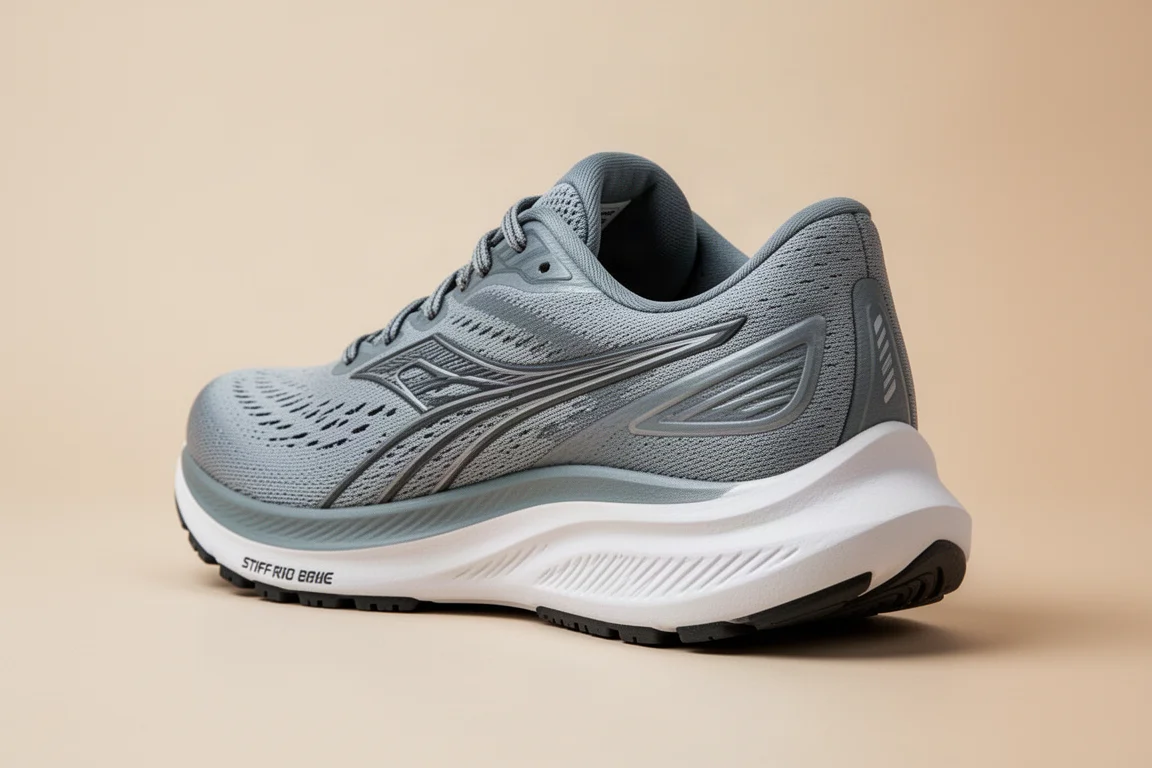
If you liked the original Hyperion Max but are not sold on the higher stack and added plate, the standard Hyperion is the shoe to watch. It is non-plated, still uses DNA Flash V2, and keeps a lower, more flexible platform with true ground contact. It is the pick for short intervals like 400s and 800s, and some elite middle-distance runners use it on the track before switching to spikes.
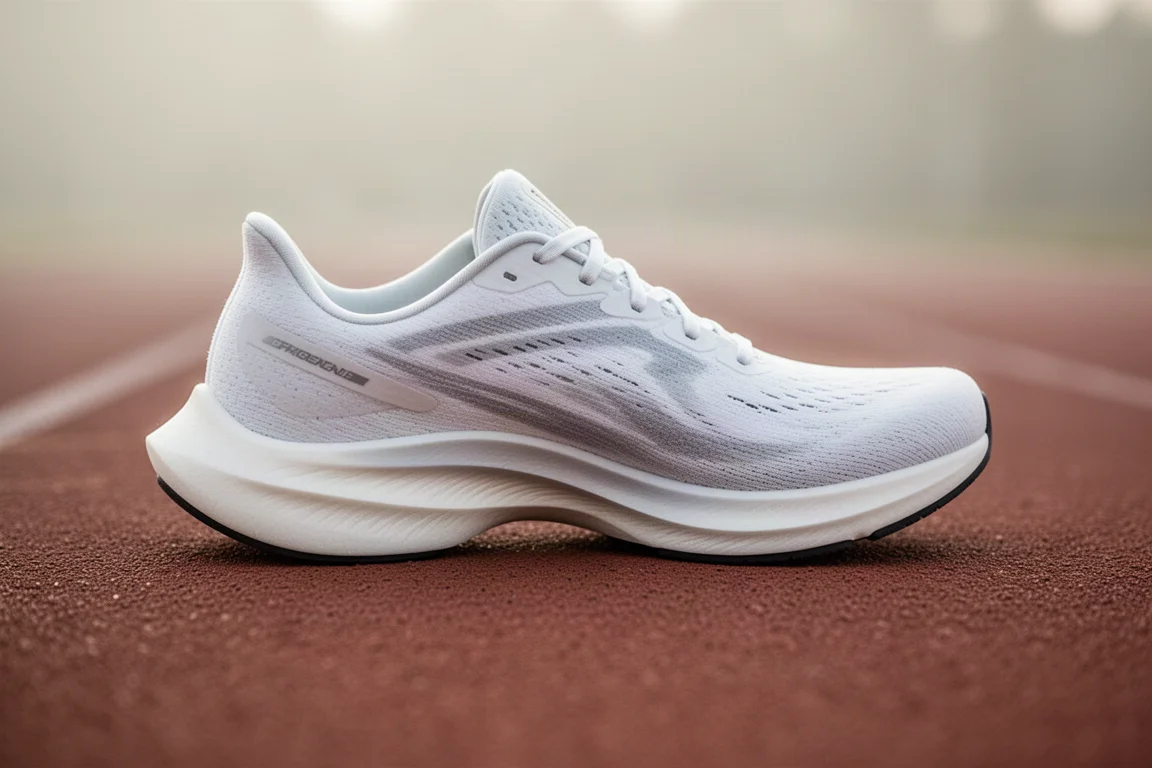
This shoe looks set to fill the slot in the market that the New Balance Rebel v3 occupied as the fast, flexible, bouncy, non-plated option, especially since the Rebel v4 is moving to a higher stack with PEBA. It also offers more energy return and speed than the still-EVA-based Saucony Kinvara 15. For runners who prioritize flexibility, the Hyperion is one of the best options available.
Choosing the Right Hyperion for Your Running
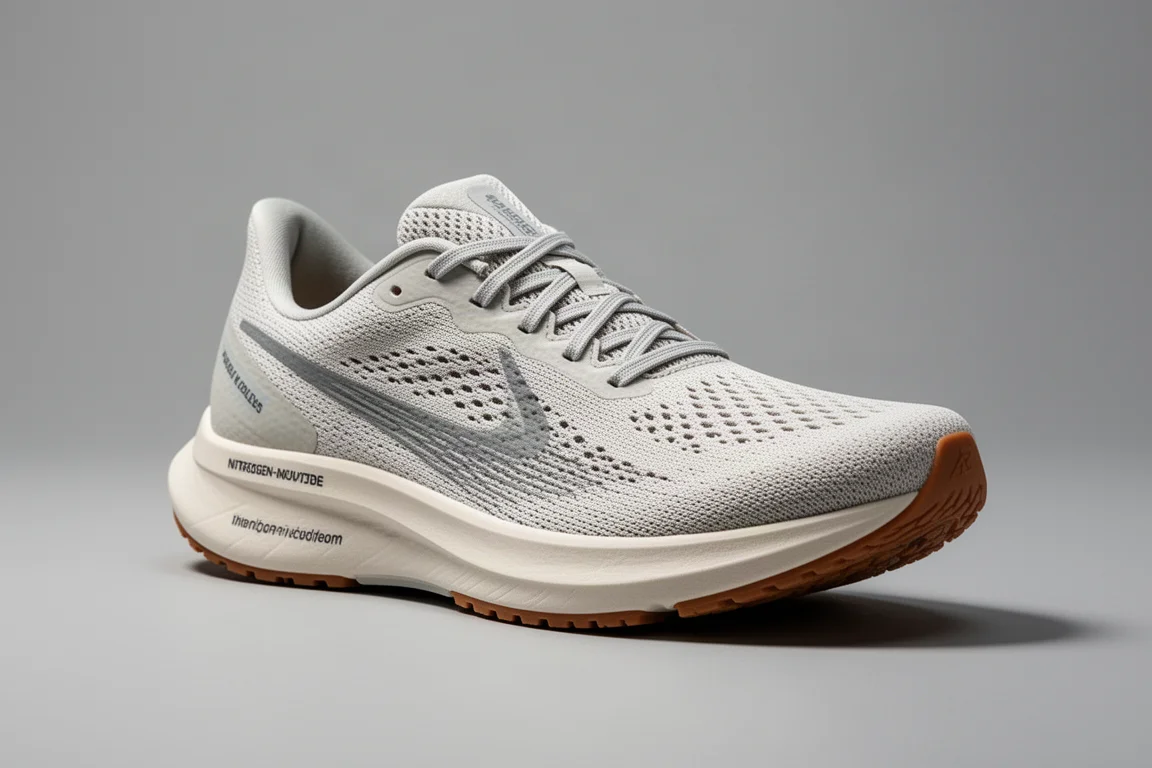
All three shoes share DNA Flash V2 foam, so the choice comes down to structure and use case. The Elite 4 is the marathon race day shoe. The Max 2 suits tempo runs, long runs, and marathon training where a plate helps without hammering the body. The standard Hyperion is the flexible, ground-feeling option for track intervals and faster days.

Brooks also updated its track spikes alongside this road line, including a middle distance spike with a top-loaded carbon composite plate and foam brought through the plate for more forefoot cushioning, plus a long distance spike with the same construction. Those spikes were already worn by athletes at the world championships, so the road shoes benefit from the same foam development.
Conclusion
The revamped Hyperion line gives Brooks a credible presence at every speed tier, from marathon racing to short track intervals. The Elite 4 is the race day weapon, the Max 2 is the lightweight plated trainer with unusually low weight for its class, and the standard Hyperion fills the flexible non-plated niche. If you want a fast shoe from a brand refining rather than reinventing, the new line is worth shortlisting.
Further reading
Related Reviews

Running Shoes
Best Road-to-Trail Running Shoes: Three Versatile Options for Mixed Terrain
A practical guide to three road-to-trail running shoes that handle both pavement and mild trails, with clear strengths and trade-offs for different runner types.

Running Shoes
Best Running Shoes for Achilles Tendonitis: Three Options Explained
Three running shoes with different heel drops and support features designed to help reduce Achilles tendon pain during walking and running.

Running Shoes
Best Running Shoes for Women: Five Top Choices Ranked
A ranked guide to five women's running shoes, from versatile daily trainers to high-performance racing options, with real strengths and trade-offs for each.