Running Shoes
Brooks Hyperion Elite 6 vs Hyperion Elite 5: Which One Deserves Your Money
A closer look at Brooks' two premium super racing shoes, comparing the firmer, more stable Elite 6 against the softer, cheaper Elite 5 to help you pick the right race-day option.
Introduction
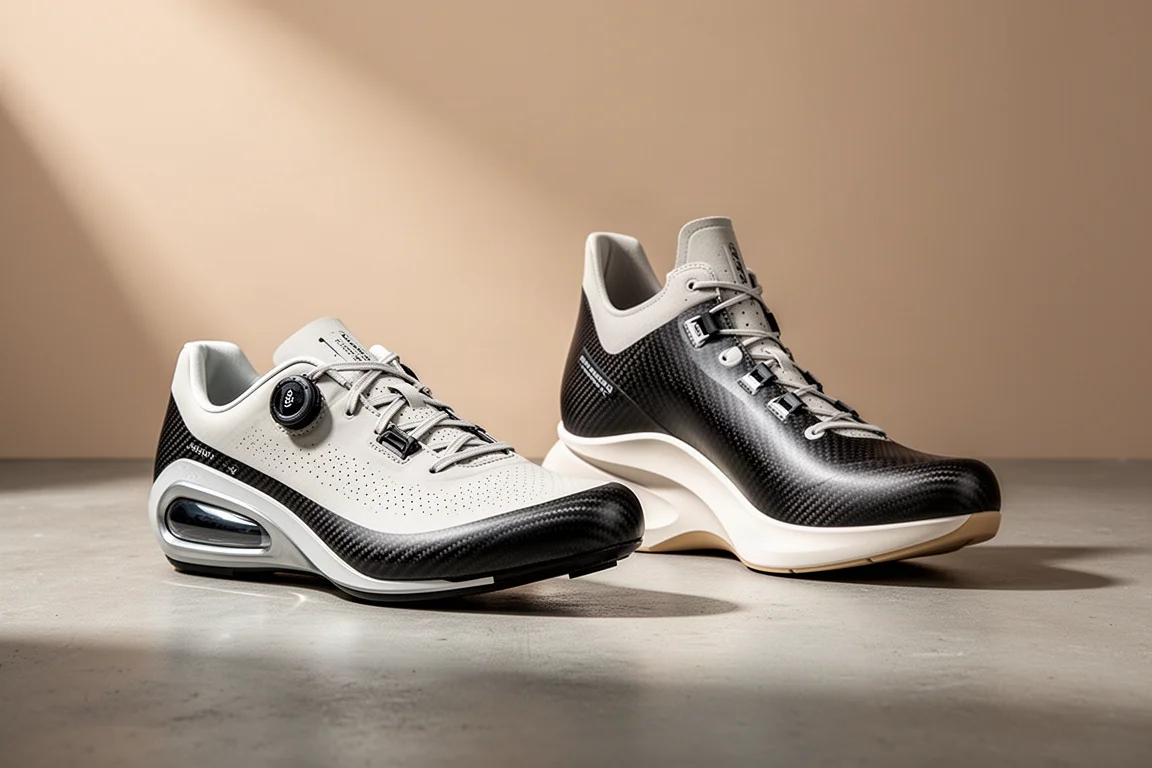
Brooks’ Hyperion Elite line took a while to arrive in the true super shoe era. Version 4 introduced a PEBAX-based midsole with DNA Gold foam, and version 5 was the first full debut of a genuine super racing shoe for the brand. The Elite 5 didn’t work for everyone: the awkward, low-volume upper and very narrow midfoot made it unstable for some runners, even though the soft ride had real appeal over longer efforts.
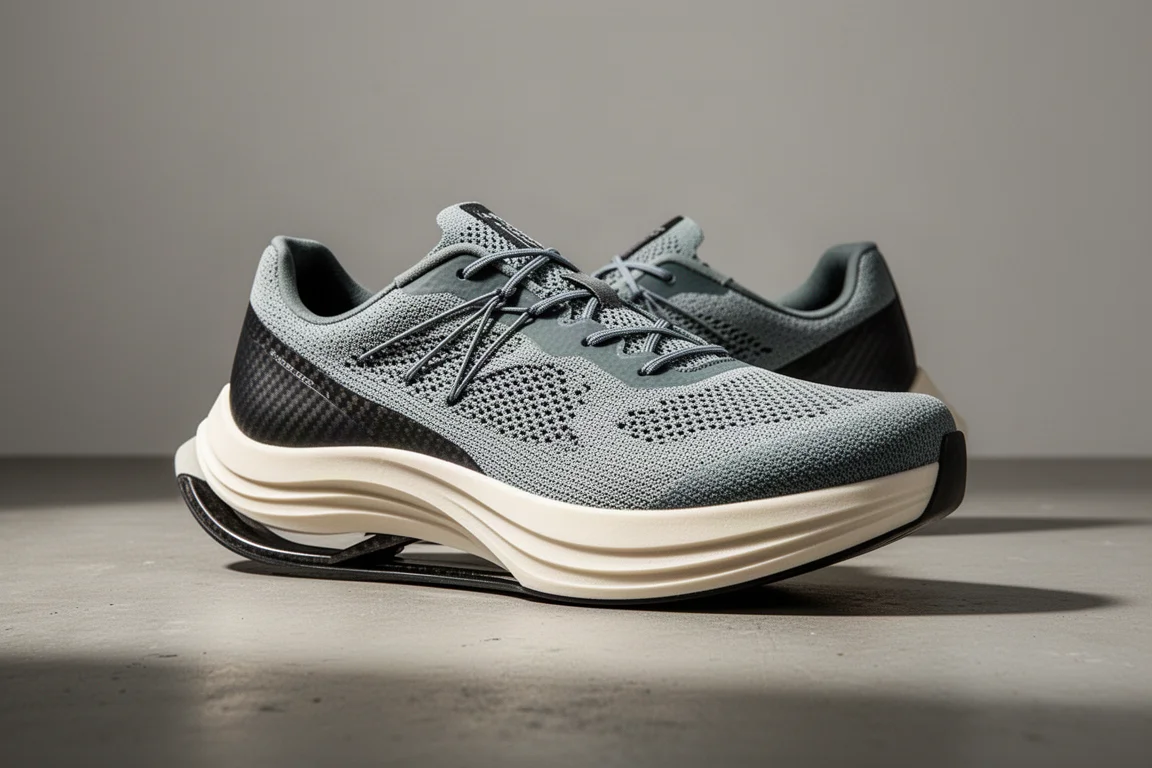
The Hyperion Elite 6 fixes a lot of those issues, though not all of them. It has a dramatically better upper, a firmer and more responsive ride, and slightly improved midfoot stability. Both shoes carry a $275 price tag, so the real question is whether to grab the discounted Elite 5 or spring for the new model. Here’s how they stack up.

Specs and Sizing
In men’s sizing, a size 10 in the Hyperion Elite 5 weighs 215 g (about 7.5 oz). The Hyperion Elite 6, tested in a half size up at 10.5, comes in at 207 g (about 7.3 oz) — lighter even in the larger size.
Stack heights per Brooks: the Elite 5 measures 40 mm in the heel and 32 mm in the forefoot for an 8 mm drop. The Elite 6 is listed at 40/33 mm with a 7 mm drop, though the large heel bevel can affect how the stack is measured, and the heel reportedly measures closer to 42 mm in hand. The Elite 6’s stack is effectively higher than the Elite 5’s, which is interesting given its firmer midsole.
Sizing across the Brooks range runs a little snug for some testers, and going up a half size adds toe box room without a meaningful difference in length. One caveat: a larger size lengthens the plate slightly, which may make the shoe feel stiffer.
Brooks Hyperion Elite 6: The Firmer, More Responsive Ride
The Elite 6’s PEBAX-based midsole is noticeably stiffer than the Elite 5’s very soft DNA Gold. The forefoot is firm, while most of the bounce lives in the heel. Heel and midfoot strikers get a genuinely responsive, rolling sensation; forefoot strikers should know that the large, early forefoot rocker means there’s less of a snappy toe-off feel when getting up on the toes.
That character makes the Elite 6 much better at longer tempo runs, longer intervals, and longer race efforts than at short, fast intervals. It’s best framed as a half marathon to full marathon type shoe, possibly some 10K work, rather than a 5K or mile racer. The firmer platform rolls you forward efficiently instead of sinking into softness.
Stability is slightly better than the previous version because the midfoot has finally been filled in. It’s still not a stability shoe, and it doesn’t quite earn a “stable neutral” label, but it’s no longer unstable. The forefoot sidewall adds structure up front as well.
Brooks Hyperion Elite 5: Soft, Snug, and on Sale
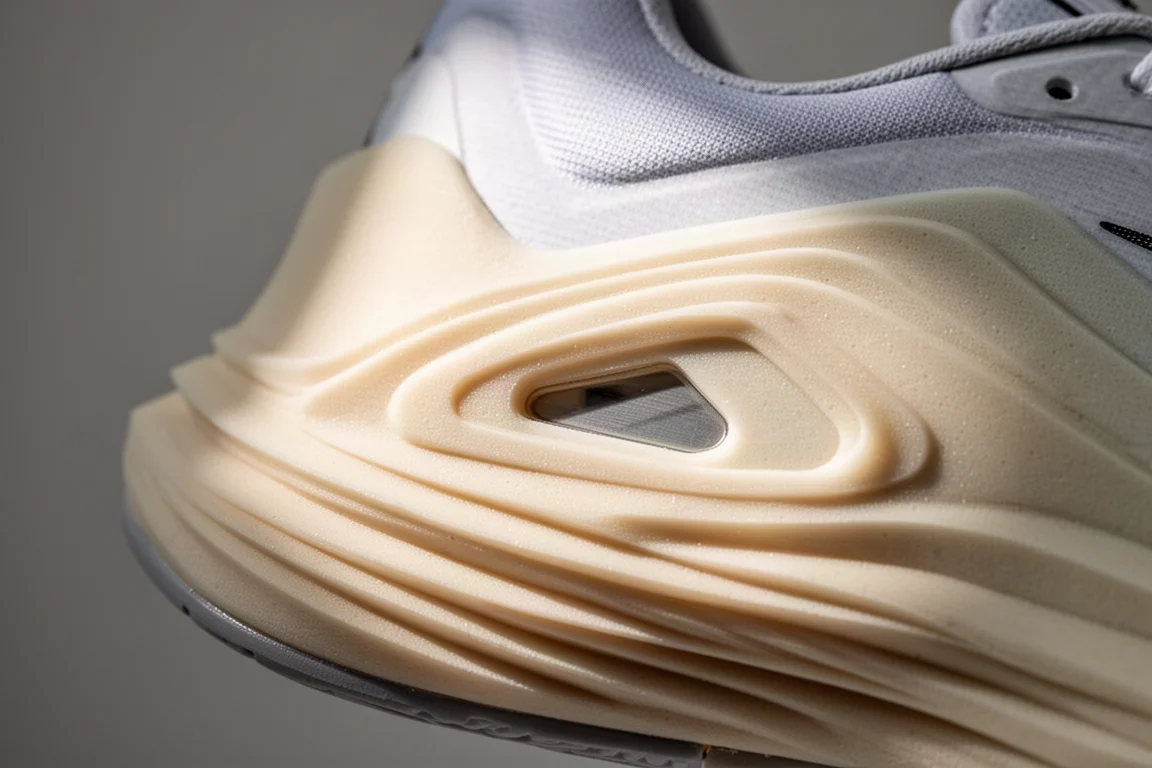
The Elite 5’s defining trait is its very soft DNA Gold midsole. The bounce is pleasant rather than punchy — it doesn’t feel as quick as its successor, and it wasn’t for everyone. The super narrow midfoot was genuinely unstable for some runners, which matters more in a shoe designed for longer efforts.
Its other drawback is the upper: low volume, narrow, with a heel that fit low and pushed into the Achilles. Runners with lower-volume or narrower feet will get along with it better. Anyone wanting a softer riding shoe, a snug fit, and no concern about midfoot stability may still prefer the Elite 5, especially since it can now be found for under $200.
The Upper: Where the Elite 6 Changes Everything
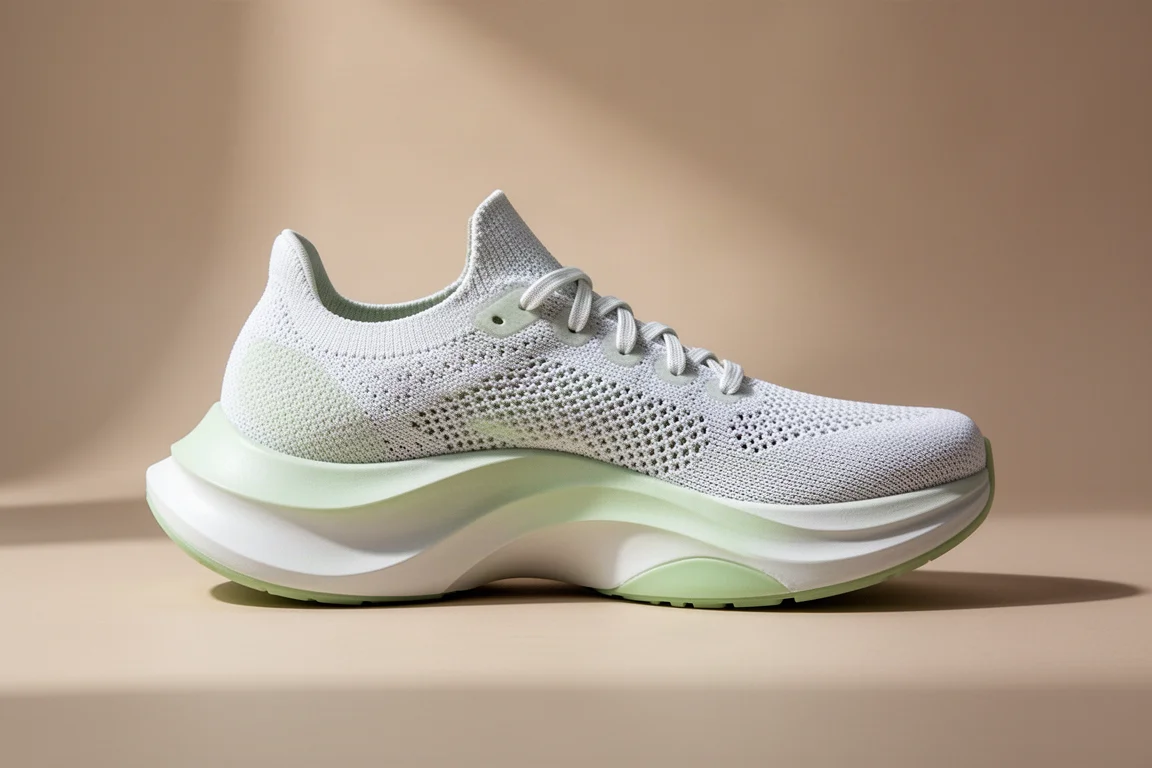
The Elite 6 has one of the best racing uppers around. It offers more forefoot room — enough to actually wiggle your toes — without feeling too long in length. That wiggle room matters over long distances, since compressed toes lose their ability to spread and absorb shock through the forefoot and midfoot.
Lockdown is excellent once the laces are cinched: no heel slippage, no security issues. The heel counter comes about two-thirds of the way up and is a little stiff, but the padding is split into two medial/lateral pieces plus a single soft middle piece that sits very comfortably against the Achilles. The Elite 5’s more traditional full-wrap heel pushes into the Achilles and is angled inward, which some runners simply won’t tolerate.
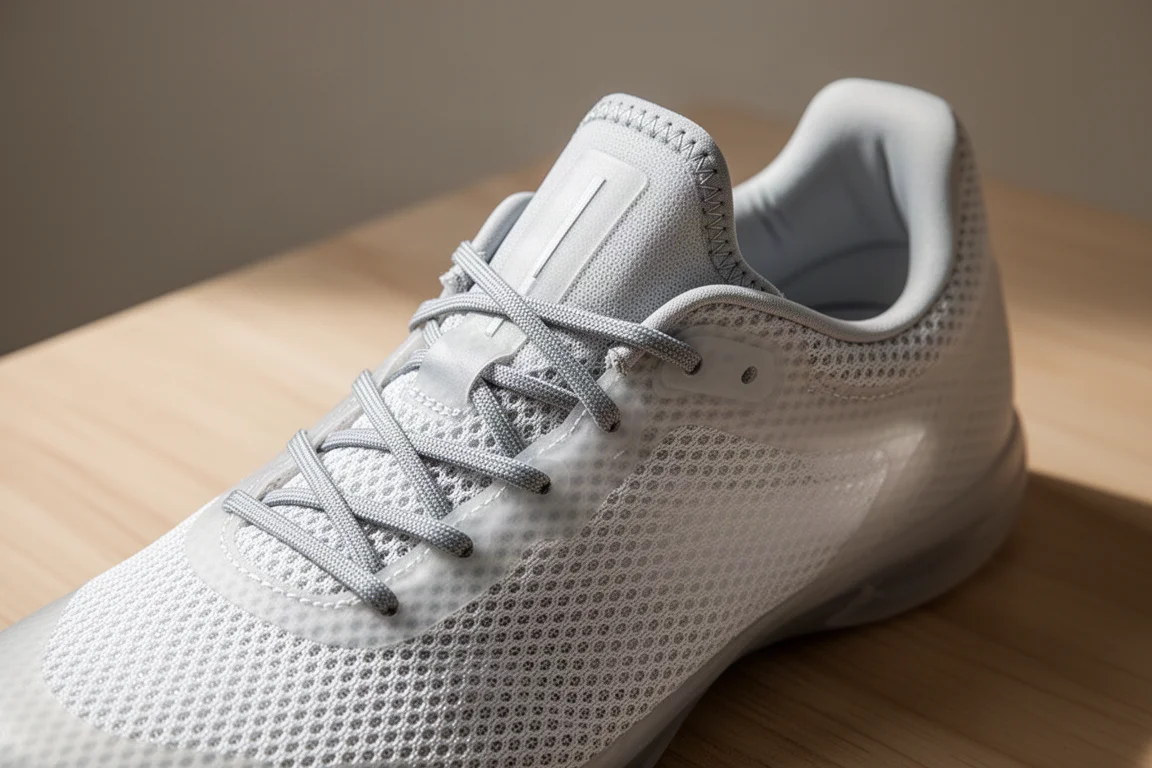
For fit, the Elite 6 suits normal to slightly wider feet in the forefoot, though the heel and midfoot remain relatively narrow. Narrow, low-volume feet may still prefer the Elite 5. Going up a half size worked well for some testers, and one women’s-size tester found her usual Brooks size to be true to size, with toe pressure that broke in over time. If you know your Brooks size, stick with it.
Durability
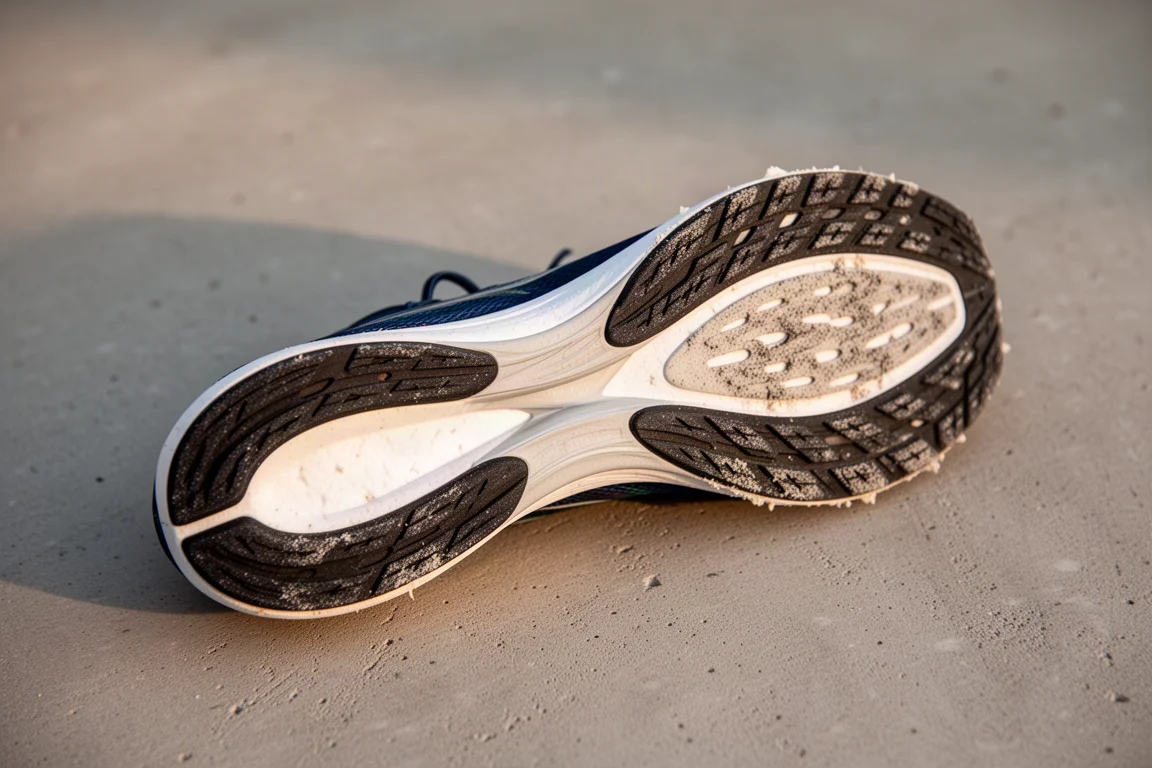
At 40 miles, the Elite 6’s outsole is holding up well, with visible wear but solid grip from an outsole rubber that bites nicely, especially for runners who land farther forward. The heel hasn’t come apart. That durability supports the argument that the $275 price feels more reasonable, even if it still sits slightly above where it should be.
Which One Should You Buy
Choose the Hyperion Elite 6 if you want a premium racing upper, a bouncier but firmer heel, a firm forefoot that rolls you forward, and slightly better stability than the last version. It’s the better pick for half marathon and marathon efforts, tempo runs, and longer intervals.
Choose the Hyperion Elite 5 if you want a softer ride, a snug fit, don’t mind the instability, and can find it on sale for under $200 — a much easier pill to swallow for a shoe that didn’t suit everyone.
One thing worth watching: early examples of the Elite 6 show a full-length plate through the midsole window, while some early retail previews appear to show a plate that doesn’t span the full length. It’s unclear whether production models differ, and if a less stiff variant exists, that could suit different runners.
Conclusion
Brooks has clearly improved the Hyperion Elite formula. The Elite 6 fixes the upper, dials in a firmer and more responsive ride, and adds a touch of midfoot stability, making it a strong long-distance racing option even if it isn’t a short-distance snappy racer. The Elite 5 remains a reasonable discounted alternative for soft-ride fans with narrow feet. If $275 feels steep, the sale-priced Elite 5 is the value play; if you want the best version of the platform, the Elite 6 is the one to get.
Further reading
Related Reviews

Running Shoes
Best Road-to-Trail Running Shoes: Three Versatile Options for Mixed Terrain
A practical guide to three road-to-trail running shoes that handle both pavement and mild trails, with clear strengths and trade-offs for different runner types.

Running Shoes
Best Running Shoes for Achilles Tendonitis: Three Options Explained
Three running shoes with different heel drops and support features designed to help reduce Achilles tendon pain during walking and running.

Running Shoes
Best Running Shoes for Women: Five Top Choices Ranked
A ranked guide to five women's running shoes, from versatile daily trainers to high-performance racing options, with real strengths and trade-offs for each.