Running Shoes
Brooks Hyperion Elite 6 First Run: Firmer, Faster, and More Punchy
An early mileage report on the Brooks Hyperion Elite 6, including a fast mile race through East London's Olympic Park and what the new firmness means for racers.
Introduction
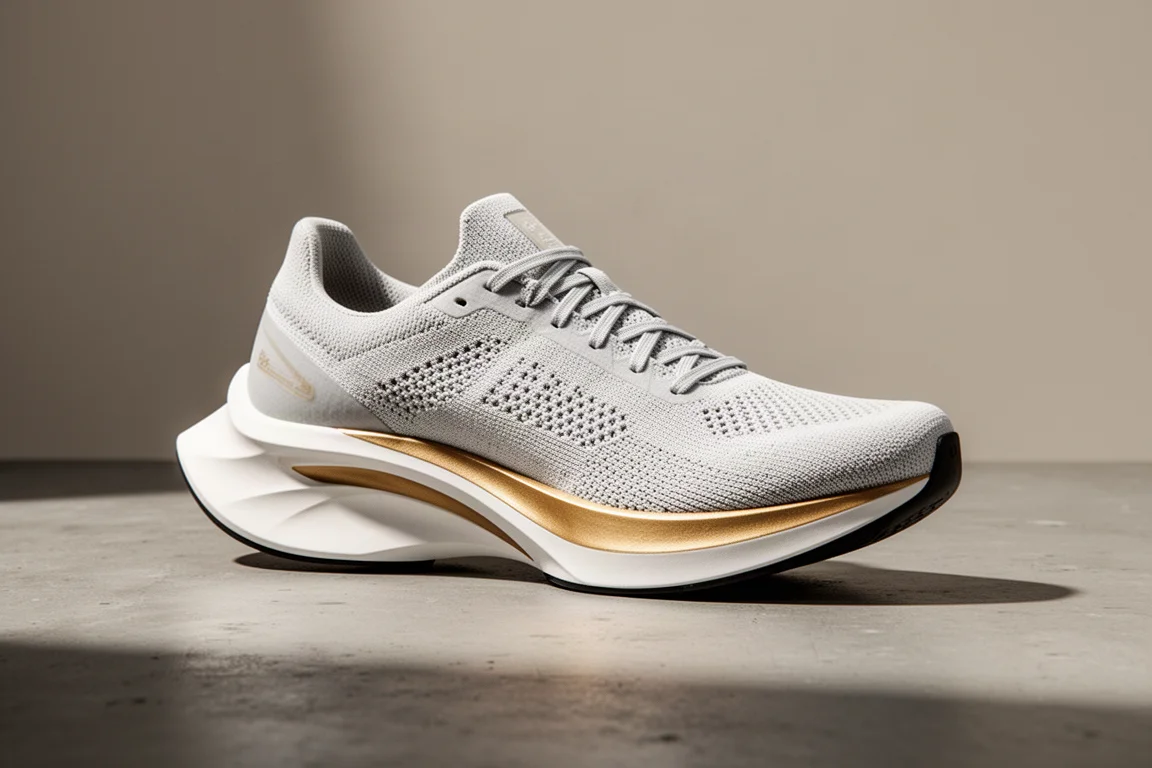
Some first runs come with better conditions than others. We took the Brooks Hyperion Elite 6 out for their debut at a mile race in East London’s Olympic Park, an evening event celebrating Josh Kerr’s attempt at the mile world record, and put a carbon racing shoe straight into a proper competitive effort. One runner in the group had already raced the shoe at the Ealing Mile, so between the two of us there was enough early mileage to form a first opinion.
This is not a full long-term review. The plan is to take the shoe longer and follow up with a complete verdict. But the mile race did surface some clear early strengths and a few things worth knowing before you buy.
A Mile Race in the Olympic Park
The event was about as far from a track as you can get: a mile course twisting through the Olympic Park with narrow sections, plenty of turns, bollards to dodge, and members of the public wandering between bars along the route. It was part fun run, part proper race, with plenty of runners giving it everything.
The pacing worked out well. We targeted somewhere around 5:10 to 5:15, ran in a group moving at the right pace, and locked in behind each other rather than overthinking the effort. One of us came away confident of taking several seconds off a 5:17 personal best, with watch data suggesting a 5:12 finish, and that was after a big race only days earlier. Neither of us could fault the shoe for the result.
First Impressions Underfoot
Out of the box, the most common first reaction is that these feel horrible and firm. The warm-up does the Hyperion Elite 6 no favours. Once you are actually running fast, though, the story changes completely: you load into that firmness and it gives the ride a quick, snappy turnover that feels genuinely fast.
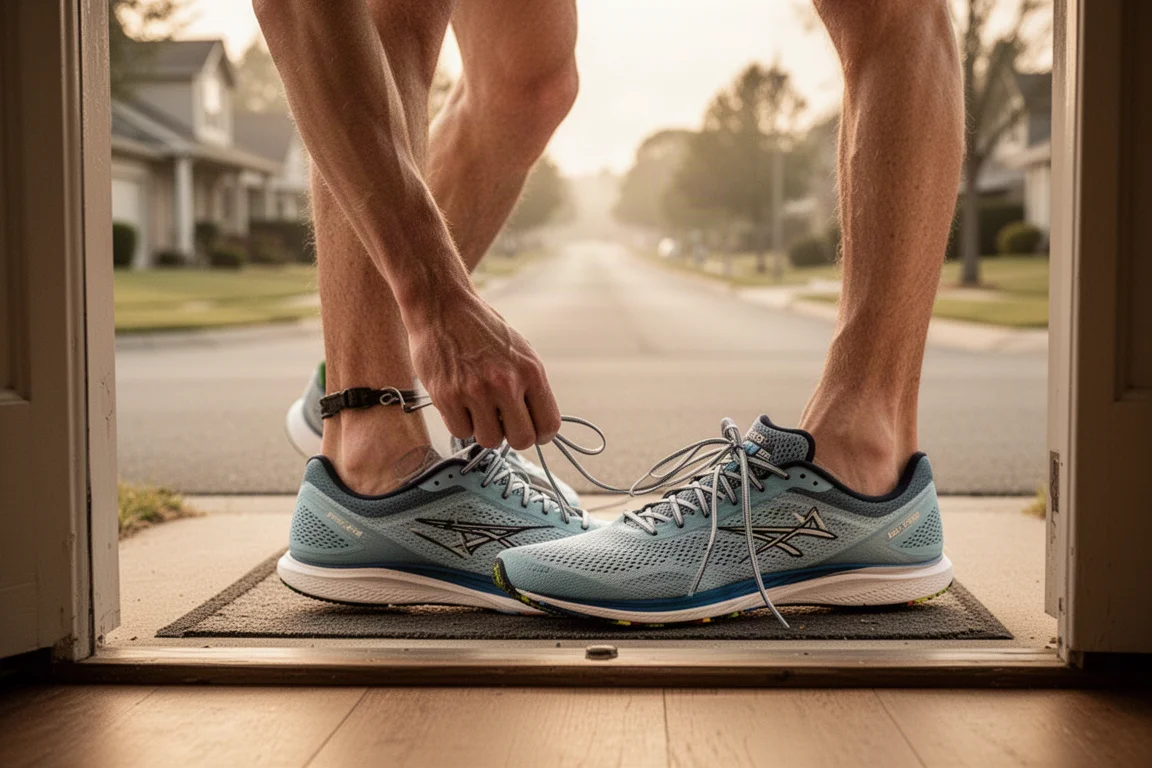
The interesting part is that despite feeling firmer under the forefoot, the shoe still reads as fairly comfortable and effortless on foot. It also seems leaner and lighter than the previous version, yet somehow feels like it has more to it, with a cushy feel underfoot and more punch when you push the pace. In a field where many racing shoes have gone very soft, this now sits closer to a firmer edge-style ride, which is a real step forward for this line.
Handling Twists, Turns, and Bollards
A mile course with four or five sets of bollards, a blind right-hand turn onto a bridge, and short punchy turns is a surprisingly good stability test for a carbon racing shoe. Neither of us thought about the shoes once during those turns, and neither of us felt out of control at any point.

Stability has traditionally been a strong point of this range, and that carried over. Staying on the platform through tight turns is exactly where softer racing shoes can wobble; this one held its line nicely. If your race courses involve corners rather than long straight straights, that is a meaningful point in its favour.
Early Verdict and What’s Next
The firm ride is the headline change, and it is the right kind of firm: the ride comes back quicker, there is more snap, and turnover feels noticeably fast. On weight, the shoe has got lighter but still sits around 40 to 50 grams off the very lightest rivals in a typical size, likely because the Peba-based midsole foam is excellent but not the newest, lightest material on the market. That is the main trade-off, and honestly, the ride quality does a good job of justifying it.

We are still missing the long-run picture, so the full review will come once we have taken the Hyperion Elite 6 over longer distances and it has found its place against the competition. For a first impression, though, this is a confident step in the right direction: fast, punchy, surprisingly comfortable, and stable where it matters.
Conclusion
If you race short and fast, from the mile up to 5K, the Brooks Hyperion Elite 6 already looks like a compelling option based on early mileage. The firmness will put some people off in the warm-up, but once you are moving at speed it converts into snap and quick turnover. Expect a follow-up once the long-run testing is done.
Product link
View more details for Brooks Hyperion Elite 6
This product is mentioned in the review. Check the specifications, options, and compatibility before buying.
View more details for Brooks Hyperion Elite 6Further reading
Related Reviews
Running Shoes
Best Road-to-Trail Running Shoes: Three Versatile Options for Mixed Terrain
A practical guide to three road-to-trail running shoes that handle both pavement and mild trails, with clear strengths and trade-offs for different runner types.
Running Shoes
Best Running Shoes for Achilles Tendonitis: Three Options Explained
Three running shoes with different heel drops and support features designed to help reduce Achilles tendon pain during walking and running.
Running Shoes
Best Running Shoes for Women: Five Top Choices Ranked
A ranked guide to five women's running shoes, from versatile daily trainers to high-performance racing options, with real strengths and trade-offs for each.