Running Shoes
Brooks Hyperion Elite 5 vs Hyperion Elite 4 PB: Which Race Day Shoe Deserves Your Start Line?
The Hyperion Elite 5 brings a bold new look and softer ride, but does it beat the beloved 4 PB? A hands-on comparison to help you pick the right race day shoe.
Introduction
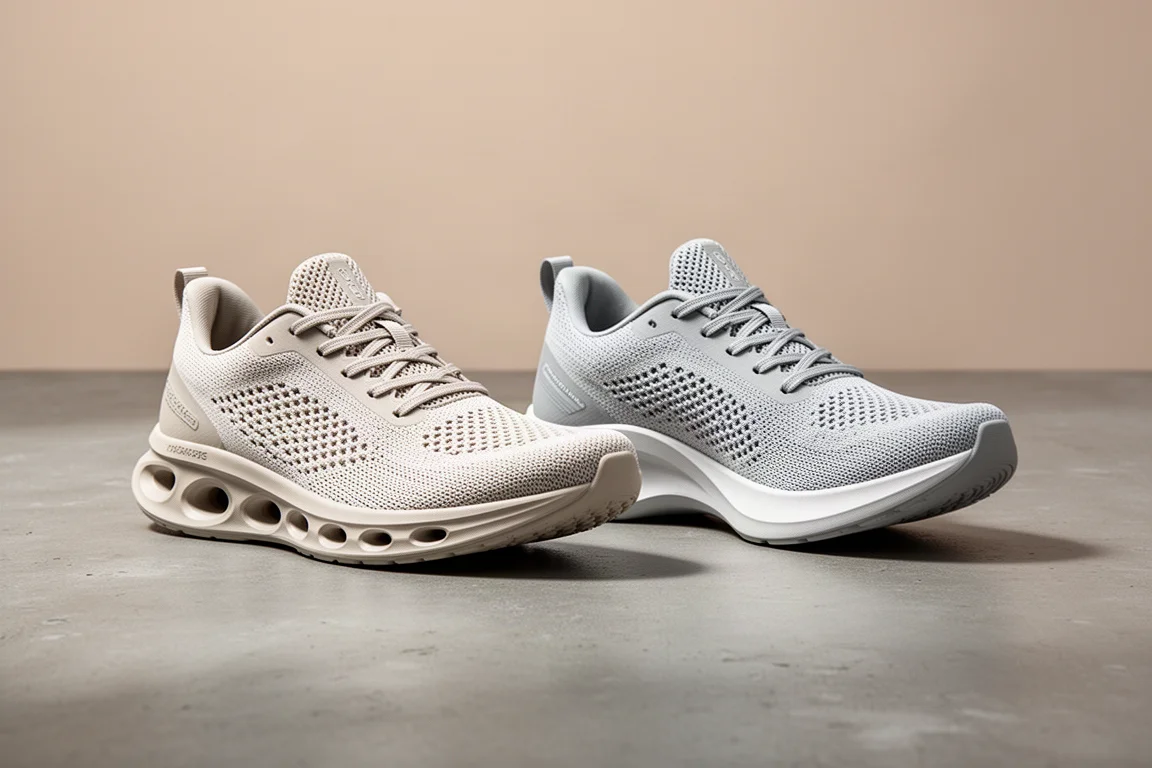
Brooks’ race day line has been on a genuine upward trajectory. The Hyperion Elite 4 drew criticism, the Hyperion Elite 4 PB quietly fixed it with better foam, and expectations were high for the Hyperion Elite 5. Instead, runners got something far more surprising: a dramatically different shoe that splits opinion down the middle.
The question most people will face is simple. If you are toeing the line in a 10K or half marathon this season, should you buy the new Hyperion Elite 5 or hunt down the 4 PB? This comparison breaks down where each shoe wins, where it falls short, and which type of runner each one suits.
The Design Overhaul: A Radically Different Look
The first thing you notice about the Hyperion Elite 5 is how little it resembles the 4 PB. The styling is a clear departure, with a racing-inspired colorway that would not look out of place on an old-school racing car. The upper is a TPU-coated knit with a very open, airy mesh that breathes exceptionally well.
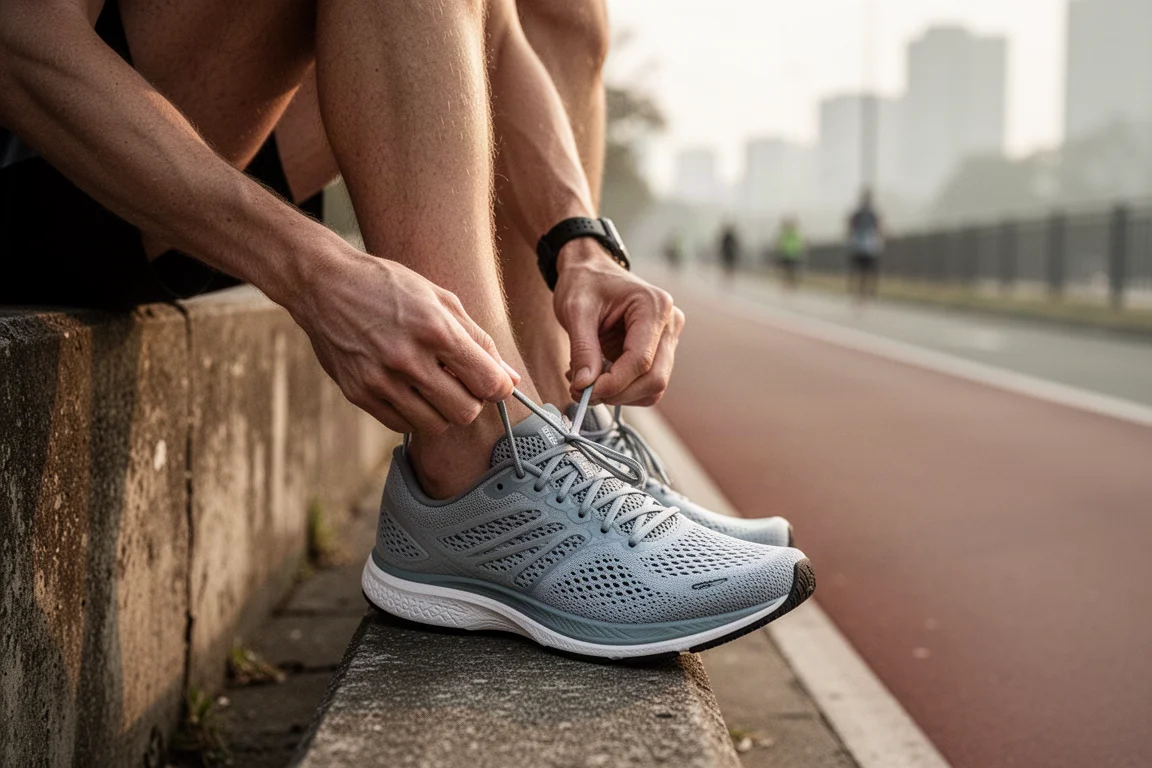
The upper experience is genuinely good for most feet. The tongue is not gusseted but is stitched on the medial side, so it stays put, the flat laces hold well, and a touch of padding in the heel counter keeps the foot locked in. Both testers agreed it runs true to size with no major issues for most foot shapes.
Where opinions diverge is the very low-cut collar and heel. There is little ankle support or structure, and one tester experienced heel slippage and some rubbing on the first few runs. On a race day shoe, that lack of confidence at speed is worth taking seriously. If you like a locked-in, higher collar, the 4 PB’s more conventional fit may suit you better.
Midsole: PB Gold Foam With Orb Cutouts
Both shoes use PB Gold, Brooks’ PEBA-based race foam, but the Elite 5 presents it in an entirely new way. The outsole features unusual circular orb-shaped cutouts. These are not some bounce-inducing trick, despite early speculation. Their real job is similar to a traditional center cutout: giving the foam room to compress while trimming weight.
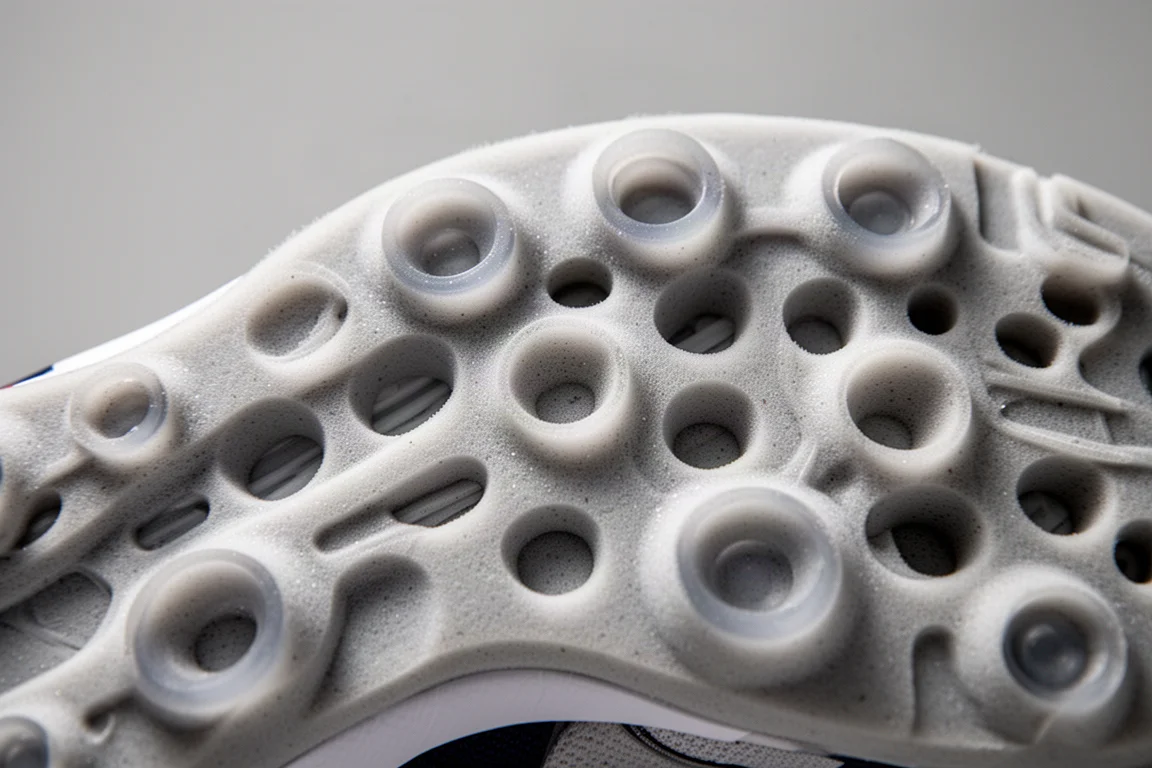
The Elite 5 also gets more of that PB Gold underfoot because the new thinner speed tech rubber outsole uses less material. On paper it is the same foam family as the 4 PB, yet underfoot it feels remarkably different. The Elite 5 is squishier and more compressive, while the 4 PB reads firmer and gives noticeably more ground feel. Stack height on the Elite 5 sits at 40 mm in the heel and 32 mm in the forefoot for an 8 mm drop.
Notably, sprinter Dez Lindon had significant input into the Elite 5’s geometry and design, which may explain why it feels so different from its predecessor.
Ride Feel: Traditional Racing Flat in a Super Shoe Body
This is the heart of the decision. The Hyperion Elite 5, despite its big stack, feels remarkably traditional. There is minimal toe spring, plenty of ground feel, and a flat, slab-like transition. One tester summed it up as a step back toward the racing flats of old, with no mechanical pop or propulsive snap off the toe.

The 4 PB, by contrast, has more toe spring and delivers that springy, poppy sensation many runners expect from a modern race day shoe. When one tester wore one shoe on each foot, the difference was obvious: the Elite 5 is much softer, while the 4 PB keeps the energy and shape at toe-off.
Here is the twist. Workouts in the Elite 5 still produced paces that were faster than expected, and durability testers, including heavier runners over 200 pounds, genuinely loved the shoe and reported it holding up well. Brooks athletes at the company’s headquarters split roughly 50-50 between the Elite 5 and the 4 PB. This really is a matter of personal preference: if you love ground feel and a traditional ride, the Elite 5 could be your shoe. If you want bounce and propulsion, the 4 PB remains the safer bet for 10K to half marathon racing.
Durability and Weight
Durability is a bright spot for the Elite 5. The new speed tech rubber is thinner than before yet shows minimal wear even on testers who typically shred outsoles, and it freed up space for more PB Gold foam. Lighter-weight runners with a preference for plush cushioning may still find it too firm in spirit.
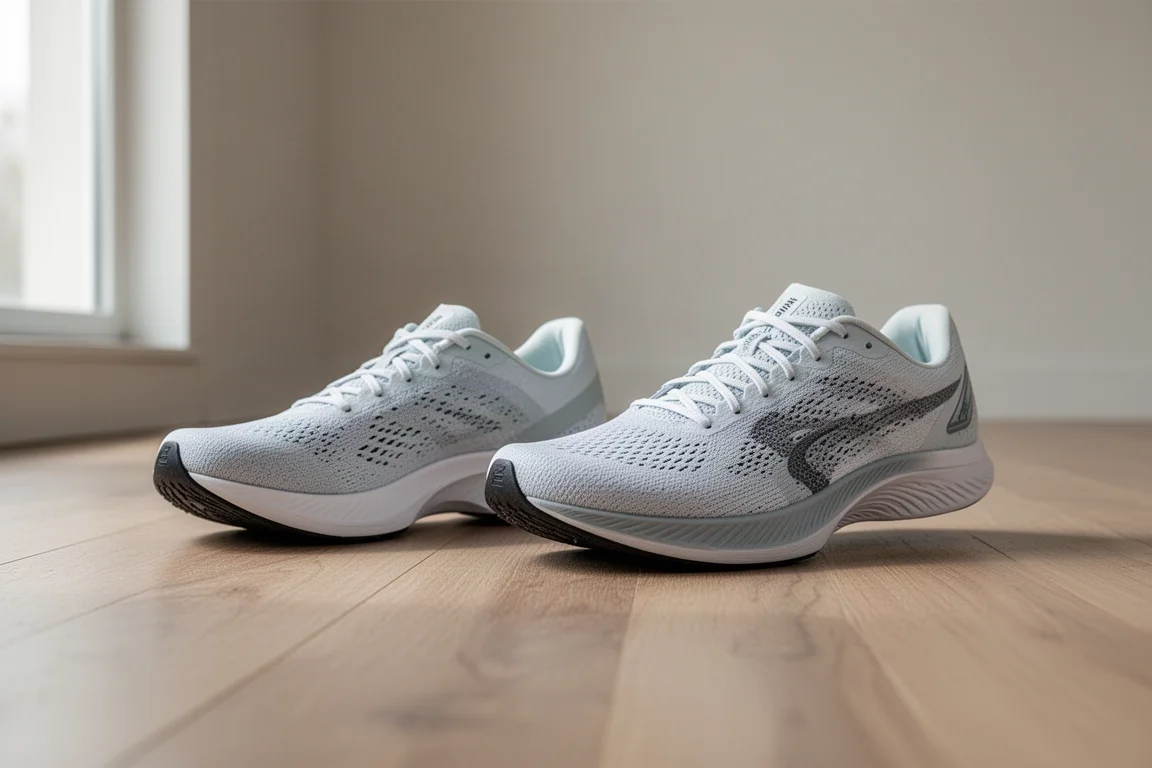
On weight, the Elite 5 is very light but no longer exceptional for the class. A women’s 7.5 came in at 5.7 oz, while a men’s 10.5 landed at 7.6 oz (214 g). Competitors like the Vaporfly and the Meta Speed Sky and Edge Tokyo now dip under 7 oz in similar sizes, which puts the Elite 5 and the 4 PB in a strong but second-tier weight position.
Overall Buying Advice
Scores from a two-tester form, fit, and function breakdown landed at 9 out of 15 and 8 out of 15, both translating to a yellow light: a shoe worth considering but not an automatic buy. If you raced happily in the 4 PB, there is a real chance the Elite 5 will not feel like an upgrade. Try both if you can. Fit fans who want breathability and a soft, ground-connected ride should lean Elite 5; racers chasing toe-off pop and that classic super shoe snap should stick with the 4 PB.
Conclusion
The Hyperion Elite 5 is a bold, well-built race day shoe that trades propulsive excitement for a squishy, traditional ride. The Hyperion Elite 4 PB remains the more conventionally exciting racer of the two. Neither is a bad shoe; they simply serve different runners, and knowing which feel you prefer underfoot is the key to choosing right.
Product link
View more details for Brooks Hyperion Elite 5
This product is mentioned in the review. Check the specifications, options, and compatibility before buying.
View more details for Brooks Hyperion Elite 5Further reading
Related Reviews

Running Shoes
Best Road-to-Trail Running Shoes: Three Versatile Options for Mixed Terrain
A practical guide to three road-to-trail running shoes that handle both pavement and mild trails, with clear strengths and trade-offs for different runner types.

Running Shoes
Best Running Shoes for Achilles Tendonitis: Three Options Explained
Three running shoes with different heel drops and support features designed to help reduce Achilles tendon pain during walking and running.

Running Shoes
Best Running Shoes for Women: Five Top Choices Ranked
A ranked guide to five women's running shoes, from versatile daily trainers to high-performance racing options, with real strengths and trade-offs for each.