Running Shoes
Brooks Hyperion Elite 5 Review: Brooks Finally Enters the Super Shoe Conversation
A full PEBA midsole, a lattice carbon structure, and a lively ride make the Hyperion Elite 5 a genuine marathon racer, with a clear bias toward heel and midfoot strikers.
Introduction
Brooks has spent years trying to produce a race day shoe that can genuinely compete with the top-tier marathon racers, and the Hyperion Elite 5 finally feels like the moment it gets there. This is a brand-new design built around a full PEBA midsole, and the difference is obvious from the first run.
On paper, the shoe combines Brooks’ DNA Gold PEBA foam with a carbon fiber structure, sits at a 40 mm stack height with an 8 mm drop (32 mm in the forefoot), and weighs a stated 6.9 oz (195 g). That is a very respectable weight for a race shoe in 2025, and the ride backs it up.
Design and Key Specs
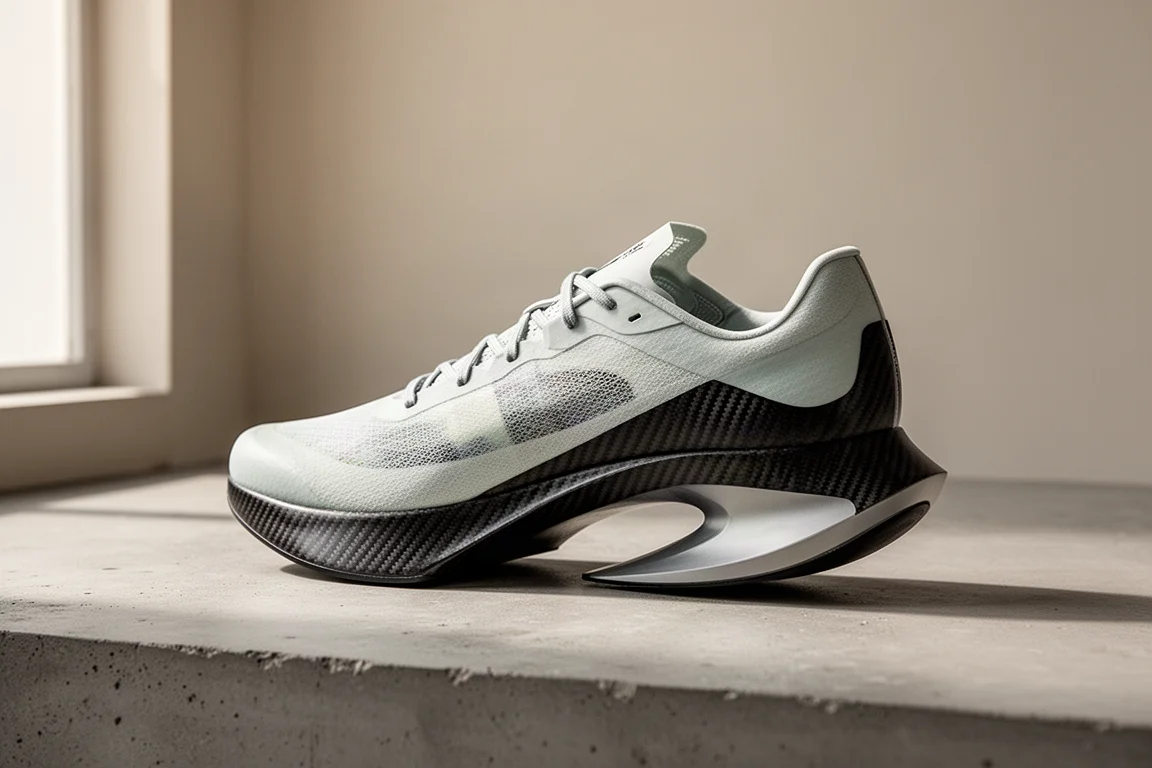
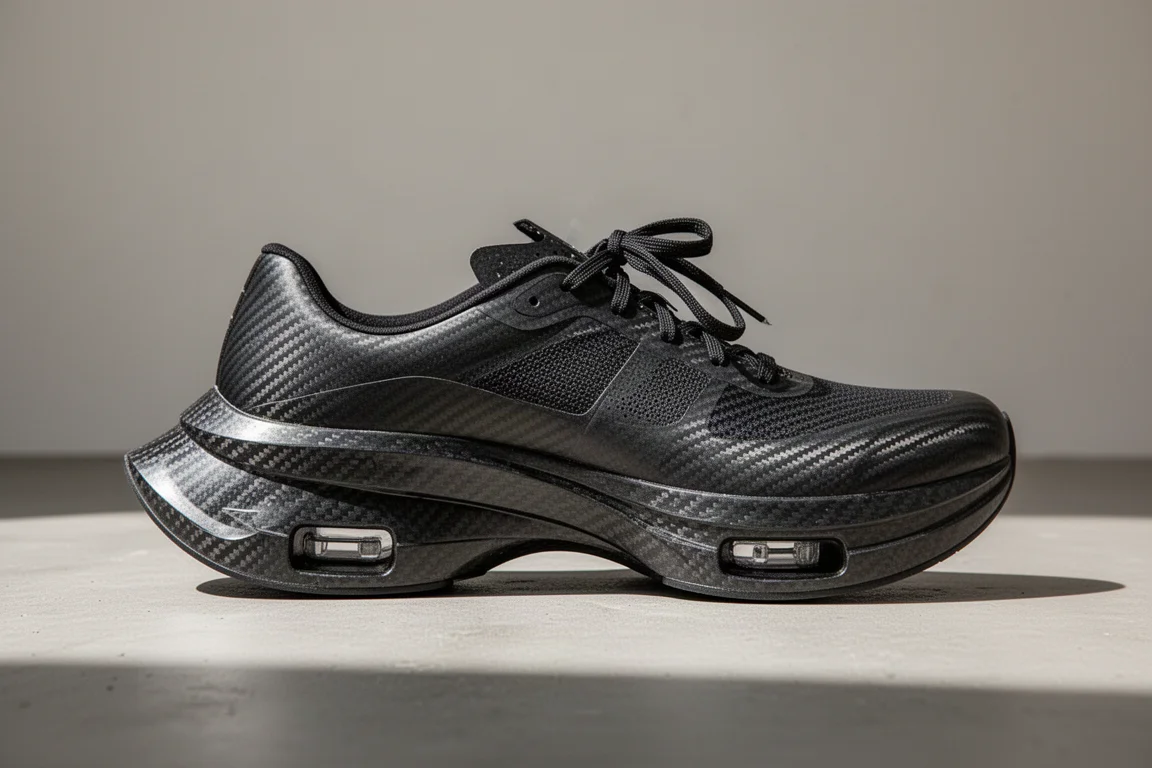
The midsole has two main components: DNA Gold, Brooks’ PEBA foam, and what Brooks calls the Speed Vault Race Plus. Calling it a carbon fiber plate is not quite accurate. It is a lattice-type structure, essentially a plate with a series of holes cut into it, which saves weight and allows Brooks to fine-tune the bending stiffness.
That lattice sits sandwiched between two layers of DNA Gold foam in what Brooks describes as a double boomerang configuration: rounded pockets abutting each other through the midfoot on both the lateral and medial sides. The idea is a soft, crumple-zone-like feel if you land directly in the middle of the shoe.
Underfoot, Brooks Speed Tech rubber protects the foam. Some foam is exposed through the middle of the forefoot, but there is a large chunk of forefoot rubber with slits that aid traction and flexibility, plus two rubber skids on the medial and lateral sides of the heel.
The upper is a pressed TPU material that delivers a best-of-both-worlds feel. It is airy and looks organic like a knit, but it is stronger, very breathable, and does not soak up water the way knit uppers do when you dump water over yourself during a hot race. There is light padding at the top of the thin tongue for lace-pressure relief, a bumper pad around the heel collar, and small knit touches along the ankle and Achilles flare. There is no rigid plastic heel counter; lockdown comes from fit and snugness alone.
What the Hyperion Elite 5 Is Like on the Road
This is the first Hyperion Elite where the DNA Gold foam really gets to shine. Previous versions felt like they were holding PEBA back, but here there is a pleasant softness on impact followed by a lively, quick decompression that feels exactly right for a super shoe.
It is worth being clear about who this shoe is tuned for. It is not a pure forefoot striker’s shoe. It suits heel strikers best, and midfoot strikers can get along with it too. When trying to run faster, you do have to chop your stride slightly to get the most out of the shoe, and that is when it feels like it is fighting you the least.
A big plus for a heel-striker-biased design: there is none of the arch discomfort that high plate positions usually cause. The plate here starts at a medium position and scoops down gently rather than staying high or slamming low, so it does not shove foam up into the arch. That makes the shoe agreeable at slower-than-marathon efforts, and it becomes even better as you pick up the pace into marathon effort, threshold repeats, or VO2 max intervals.
The rocker starts relatively early and is gradual, with significant toe spring and a noticeable taper toward the toe. Forefoot strikers will find relatively less foam to land on up front, which is another signal that the shoe is designed for landing midfoot or heel. Traction was great, with no issues on the roads tested.
Fit, Weight, and Practical Details
The fit is fantastic. The upper feels airy but strong and secure no matter how hard you push the pace. Going with your normal running shoe size is the right call, and that is the recommendation for most buyers. It is neither super snug nor super roomy, landing right where you would expect from a racing shoe.
The stated weight of 6.9 oz and 195 g keeps it competitive with other race shoes in the current market, and the tapered forefoot plus gradual rocker help that quick, snappy turnover feel through the ride.
How It Fits into the Brooks Lineup
In the standard Brooks range, the Ghost is the durable daily trainer, the Glycerin is the max-cushion comfort option, the Hyperion is the lighter tempo trainer with more durability, and the Hyperion Elite line is the race day shoe. Brooks also runs a parallel comfort-focused max line: Ghost Max, Glycerin Max, and Hyperion Max.

Within that picture, the Hyperion Elite 5 sits alongside the Hyperion Elite 4 PB rather than directly replacing it. Both have DNA Gold and a carbon structure, but they ride differently. If you liked the Hyperion Elite 4 PB, you may well like this too, but treating them as alternatives depending on the ride you want is the more sensible way to see it.
The shoe is available now at a retail price of $275. That price feels elevated, and hopefully it comes down, because it is not obviously a $275 shoe. If you want to save money, the Hyperion Elite 4 PB is the cheaper path, but unless you are a heel striker it is not a meaningful substitute.
Alternatives to Consider
Two shoes immediately come to mind as comparisons. The ASICS Metaspeed Edge Tokyo has typically been a heel striker’s shoe, but this year’s changes to the foams produce a ride that appeals to a wider range of runners. Like the Hyperion Elite 5, it rewards chopping your stride slightly, and it works well for big workouts and potentially marathon racing. It is significantly lighter than the Brooks but a little less stable, and it is priced at $270, with availability from late July.
The Nike Vaporfly 4 is the other obvious rival. Last year’s Vaporfly 3 was a purer heel striker’s shoe with a high plate position that could be uncomfortable in the arch. The Vaporfly 4 has mellowed out and works across a wider range of paces, making it a more versatile workout and racing shoe. Like the Metaspeed Edge Tokyo, it is lighter but a little less stable than the Hyperion Elite 5, and it is available now at $270. All three prices feel like tariff-inflated bumps from last year’s racing shoe prices, so a drop would be welcome.
Buying Advice
If you are a heel striker, or you simply want a slightly more stable racing option, the Hyperion Elite 5 is an easy recommendation. Runners with mechanics that favor quick-turnover racing will find it most natural from the half marathon down to the 5K and faster, but it also has plenty of marathon racer in it. It is an exciting addition to the very competitive top tier of marathon racing shoes.
Conclusion
The Hyperion Elite 5 finally puts Brooks in the super shoe conversation. The full PEBA DNA Gold midsole, the tunable lattice structure, and an excellent upper add up to a genuinely fast, agreeable race day option. It is best for heel and midfoot strikers who want a bit more stability than the lighter, less stable rivals, and despite the high launch price, it earns its place alongside the best on the market.
Product link
View more details for Brooks Hyperion Elite 5
This product is mentioned in the review. Check the specifications, options, and compatibility before buying.
View more details for Brooks Hyperion Elite 5Further reading
Related Reviews

Running Shoes
Best Road-to-Trail Running Shoes: Three Versatile Options for Mixed Terrain
A practical guide to three road-to-trail running shoes that handle both pavement and mild trails, with clear strengths and trade-offs for different runner types.

Running Shoes
Best Running Shoes for Achilles Tendonitis: Three Options Explained
Three running shoes with different heel drops and support features designed to help reduce Achilles tendon pain during walking and running.

Running Shoes
Best Running Shoes for Women: Five Top Choices Ranked
A ranked guide to five women's running shoes, from versatile daily trainers to high-performance racing options, with real strengths and trade-offs for each.