Running Shoes
Brooks Hyperion Elite 4 PB and Ghost Max 2: Two Very Different Shoes, One Honest Verdict
A carbon race shoe that struggles to stand out and a daily trainer that quietly gets everything right. Here is how the two Brooks options compare.
Introduction
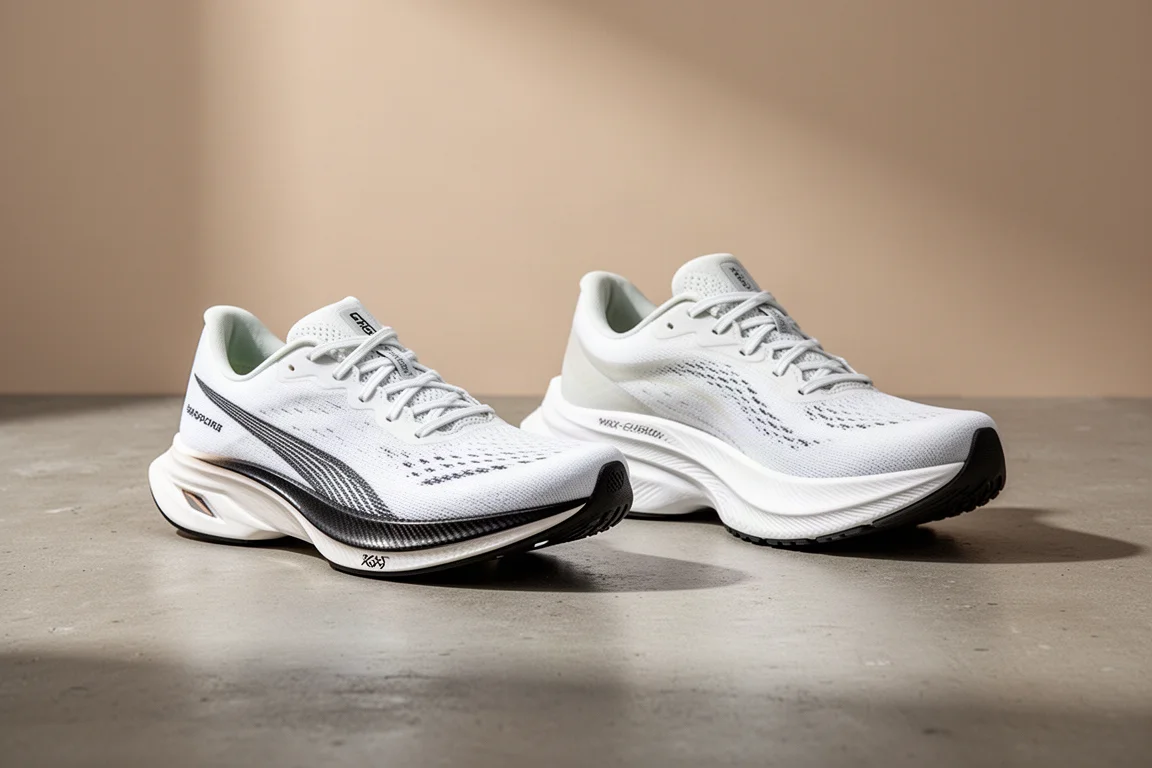
Brooks sent two very different messages with this pair of shoes. The Hyperion Elite 4 PB is the brand’s flagship carbon race shoe, priced at $250, and the Ghost Max 2 is a max-cushion daily trainer that can often be found on sale for around $120 to $130. After extensive testing across long runs, speed workouts, and easy second runs of the day, the contrast between them could not be sharper. One tries hard to be something it is not. The other knows exactly what it is and delivers it every time.
This comparison matters because both shoes occupy crowded segments. Race shoes with a 40mm stack, a carbon plate, and a sub-240g weight are a commodity now, and the daily trainer market has never been more relentless. Here is where each of these Brooks shoes actually stands.
Brooks Hyperion Elite 4 PB: A Race Shoe Searching for an Identity
On paper, the Hyperion Elite 4 PB ticks every modern race shoe box. A 40mm stack, a carbon fiber plate, a claimed sub-240g weight in a size 10.5, and Brooks’ DNA Gold foam. The plate is even scaled to size, meaning its thickness varies for each shoe size, and the upper is genuinely exceptional. It is cozy, locked in, true to size, and rivals the best race uppers on the market. Lacing it up feels like preparing for a fast day.
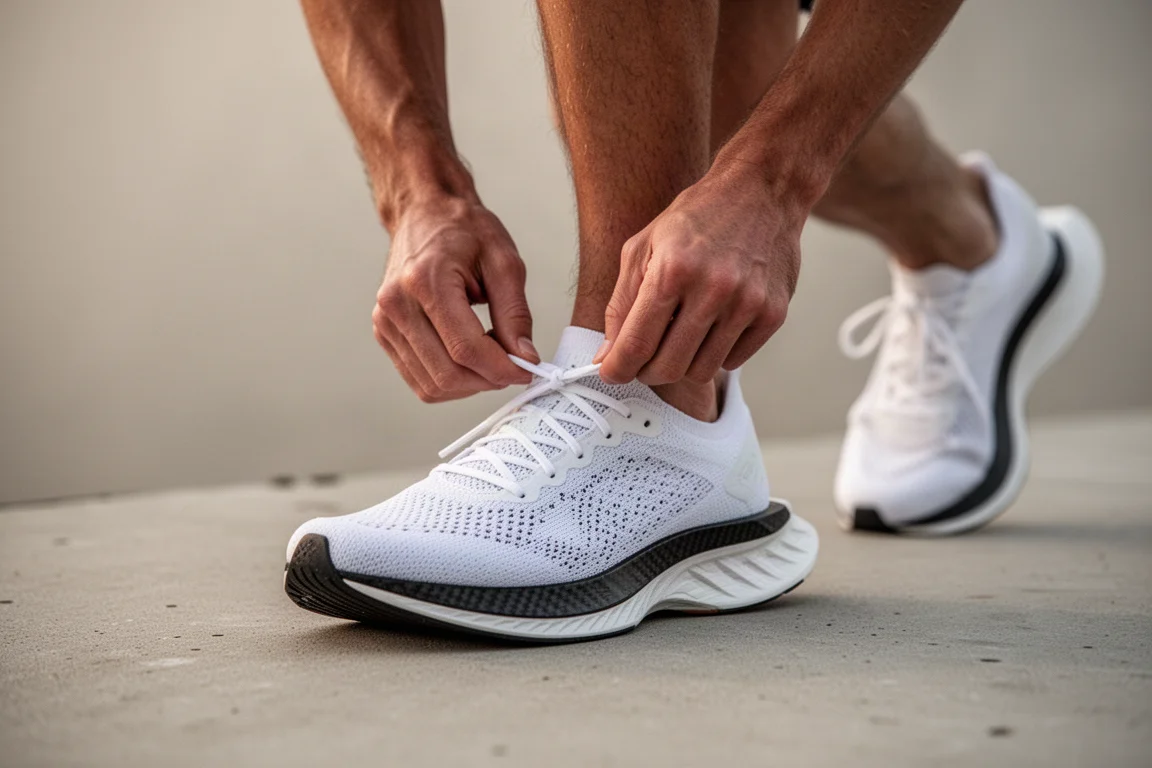
The ride is where things get complicated. The DNA Gold foam, which has switched to a beaded TPU-style supercritical compound, feels soft and compresses comfortably, but the platform is relatively narrow, so stability is just okay rather than confident. The heel feels noticeably chunky and high-drop, which encourages a gentle heel or midfoot strike. When landing further forward on the platform, the foam feels thin and the plate snap becomes overly prominent. The midsole elements feel disjointed, almost like an aggressive platform paired with a comfort-oriented foam, and the ride can turn choppy when the foot strike lands in the wrong spot.

In faster efforts, it does not deliver the top-end snap of the best competition. It feels slightly mushy in the midfoot, and during long efforts it flirts with feeling bottomed out. There is real speed assistance here, and on a steady 12-mile run at around 6:42 average pace it kept things moving smoothly at daily-run paces. But as a race shoe, it offers no single standout strength. If you want narrow and fast, there are better options. If you want a soft, bouncy plate shoe, there are better options. If you want explosive aggression or cushioned bounce, there are better options too, some of them $20 cheaper.
The verdict: not trash, but not a banger either. A solid middle-of-the-pack result, and at $250 MSRP that is a hard sell. On a deal at around $225 or $230, the calculus improves considerably. If you are committed to the Brooks brand, it is completely fine, and elite athletes racing in it will run fast times in anything. For everyone else, there are more compelling ways to spend race-day money.
Brooks Ghost Max 2: The Comfortable Daily Trainer That Works
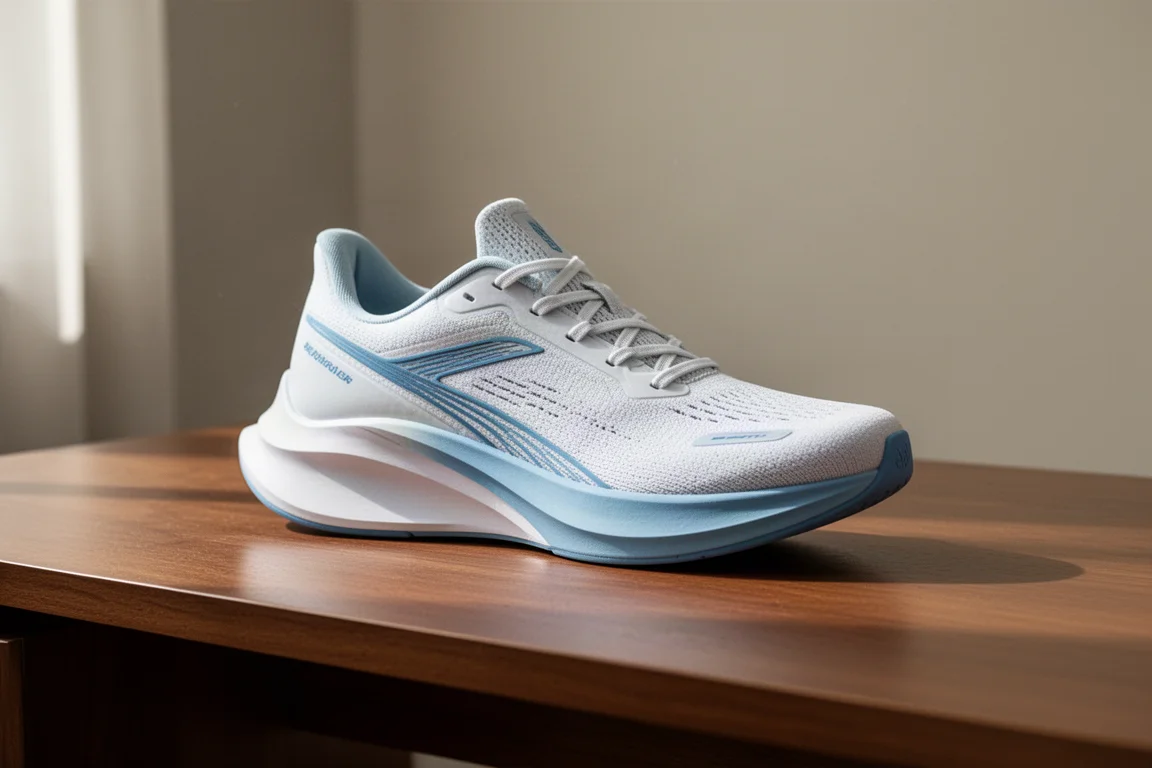
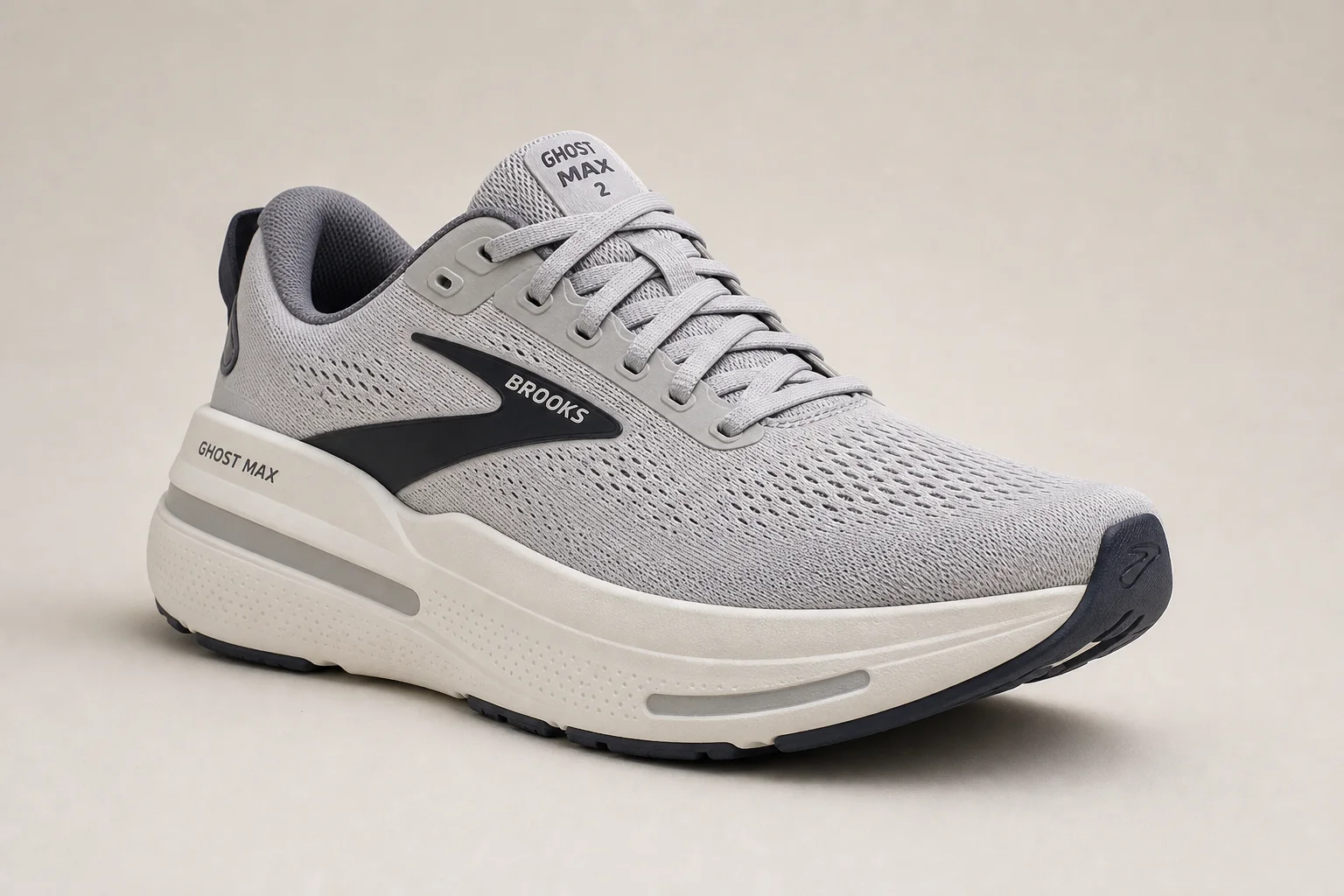
The Ghost Max 2 sits at the opposite end of the emotional spectrum. This is Brooks doing what Brooks does best: good unexciting. It is a big, protective clunker of a shoe with super critical EVA in the midsole, a dense foam that will not bottom out, excellent grip, and a cavernous, well-padded upper. The first version was a favorite walking shoe, and this one is even better for running thanks to peppier foam and more bounce.
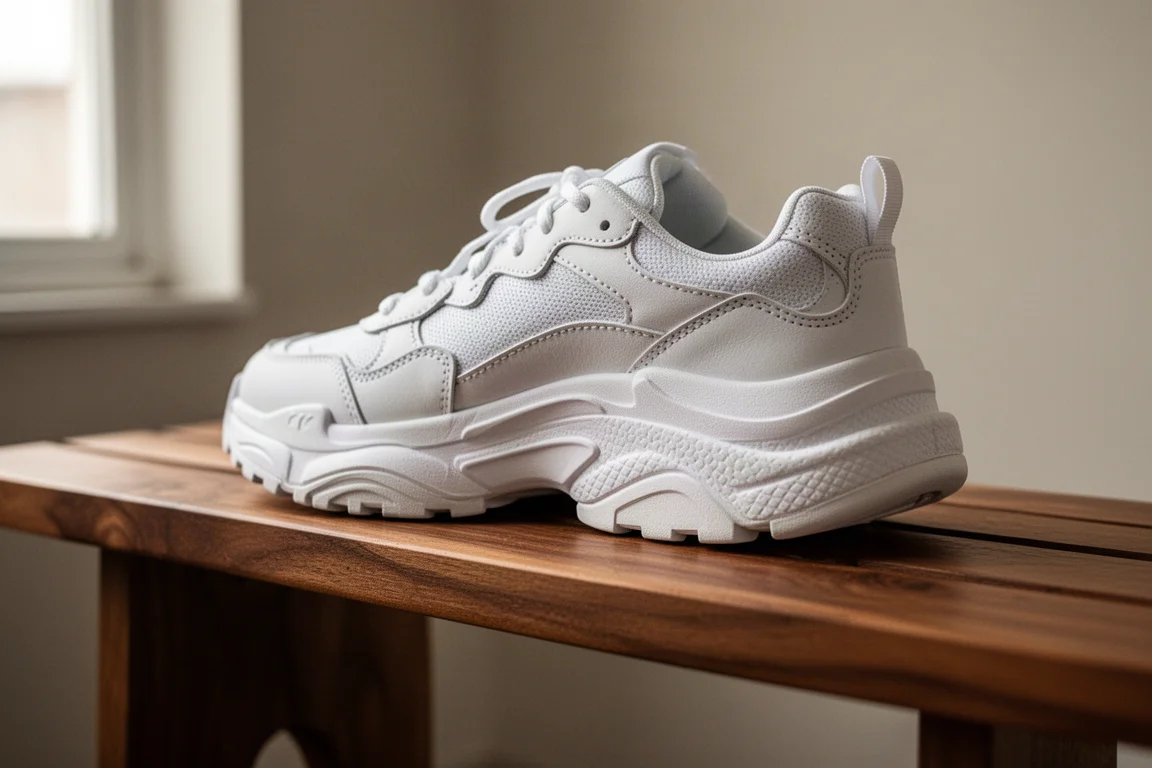
On an easy 8-mile second run of the day, the Ghost Max 2 felt like coming home. It is not as soft as the original version, and the more moderate drop makes it feel a touch flatter, but that density is a feature, not a flaw. You can push hard down hills and the platform stays protective and supportive. The rocker is simple and smooth, the bounce is good without being showy, and the overall ride is gentle and accommodating. It is the perfectly worn-in hoodie of running shoes: not thrilling, exactly what you need.
It also works best for specific runners. If you are a bigger runner, you want something super protective, you prefer a denser foam feel, or you need a high-mileage shoe for hourlong runs and second runs when your legs are beat up, this is an easy recommendation. It is not as soft as some max-cushion competitors, but it is super easy to run in and extremely durable. With heavy competition from newer daily trainers that are lighter, bouncier, and faster, it may not top every ranking list, but it remains solid and can frequently be found on sale for around $120 to $130, which is outstanding value for this level of comfort.
Which One Should You Buy?
The choice between these two comes down to honesty about what you need. The Ghost Max 2 is the shoe we would buy without hesitation for daily miles, recovery runs, and high-volume weeks, especially at its current sale pricing. The Hyperion Elite 4 PB only makes sense if you are already loyal to Brooks, you find it on a meaningful discount, or you simply want a competent carbon shoe that gets out of the way, because there is no area where it clearly beats the competition at full price.
The broader lesson from this pairing is worth remembering: a shoe does not need to be exciting to be excellent, and a shoe does not need to be bad to be a pass. The Ghost Max 2 proves that simplicity done well wins. The Hyperion Elite 4 PB proves that a spec sheet alone does not make a race shoe special. Choose based on the running you actually do, and let the Ghost Max 2 handle the miles while you keep shopping carefully for your race-day weapon.
Conclusion
The Brooks Hyperion Elite 4 PB is a competent, well-fitting carbon race shoe that offers nothing its rivals do not do better, making it hard to recommend at $250. The Brooks Ghost Max 2, by contrast, is a protective, durable, deeply comfortable daily trainer that quietly earns its place in any rotation. One is a pass, the other is a keeper. Sometimes the unexciting shoe is the one worth buying.
Further reading
Related Reviews

Running Shoes
Best Road-to-Trail Running Shoes: Three Versatile Options for Mixed Terrain
A practical guide to three road-to-trail running shoes that handle both pavement and mild trails, with clear strengths and trade-offs for different runner types.

Running Shoes
Best Running Shoes for Achilles Tendonitis: Three Options Explained
Three running shoes with different heel drops and support features designed to help reduce Achilles tendon pain during walking and running.

Running Shoes
Best Running Shoes for Women: Five Top Choices Ranked
A ranked guide to five women's running shoes, from versatile daily trainers to high-performance racing options, with real strengths and trade-offs for each.