Running Shoes
Brooks Hyperion Elite 4 PB vs Asics MetaSpeed Sky Paris: Which Carbon Racer Deserves Your Race Day?
Two of the fastest carbon plate racing shoes go head to head on stack, weight, fit, ride feel, and which distances each one suits best.
Introduction
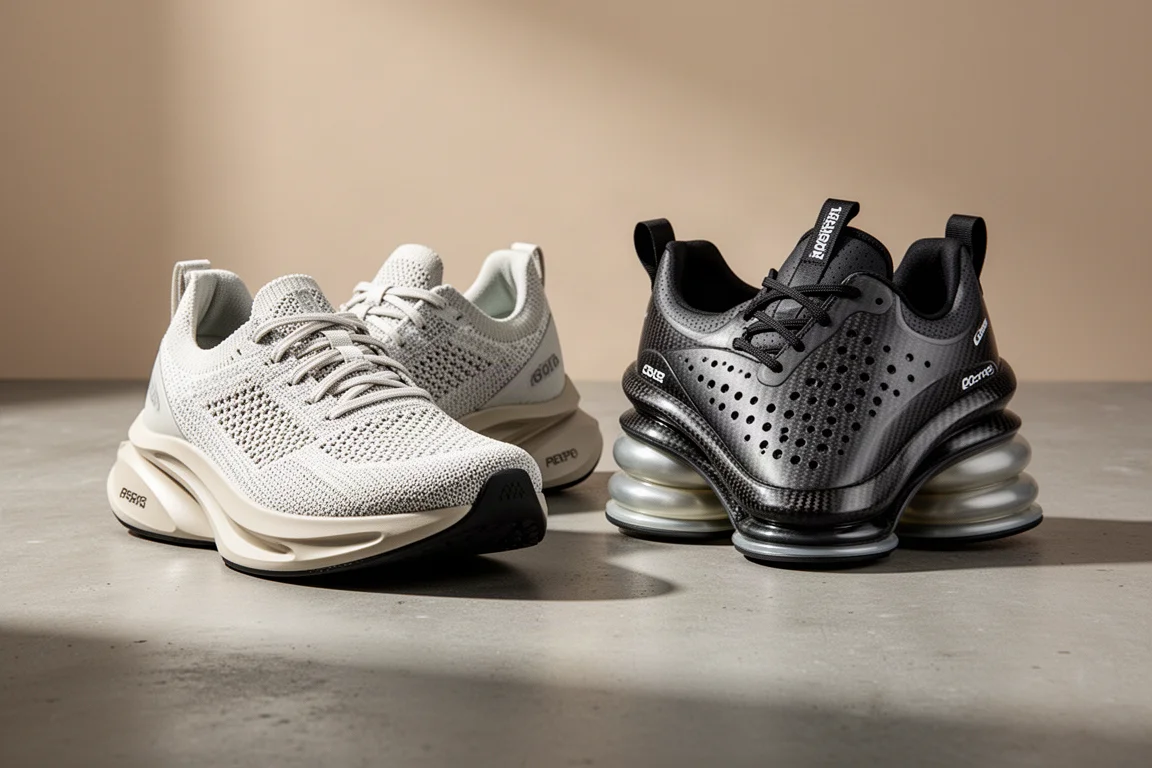
Brooks and Asics rarely share a headline in the carbon racing shoe conversation, but the Hyperion Elite 4 PB and the MetaSpeed Sky Paris make that pairing genuinely interesting. One is a big step up from a brand that had been missing from the front of the pack, and the other has been racking up personal bests since it launched. We logged serious miles in both, including marathons, half marathons, and hard track sessions, to work out which shoe suits which racing goal.
Specs and Stack: How They Compare on Paper
The Brooks Hyperion Elite 4 PB runs a 40mm heel stack with 32mm under the forefoot for an 8mm drop. The Asics MetaSpeed Sky Paris sits marginally lower at the heel with 39.5mm but carries more foam up front at 34.5mm, giving it a 5mm drop.
Weight is where the Asics pulls ahead slightly: in a UK 8 / US 9.5, the MetaSpeed Sky Paris comes in at 187g (6.6oz), while the Brooks lands at 200g (7.1oz) in the same size. On price, both shoes cost $250 in the US, though in the UK the Brooks is £200 against the Asics at £220.
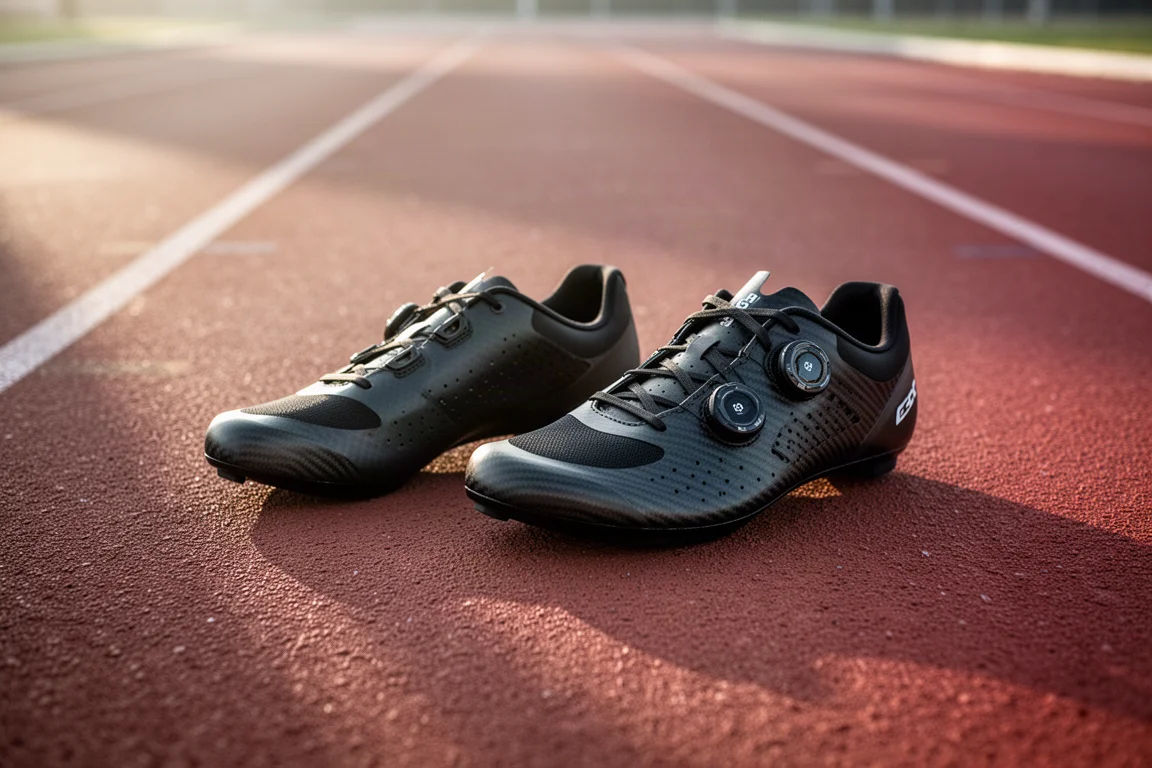
Under the hood, the Brooks is the brand’s first 100% PEBA foam carbon racer, built on new DNA Gold foam paired with a SpeedVault Race Plus carbon plate whose bending stiffness is tuned per shoe size. The Asics stacks FF Blast Turbo plus PEBA foam with a full-length carbon plate positioned higher in the midsole, with a widened forefoot section to improve bounce at toe-off.
Uppers, Fit and Sizing
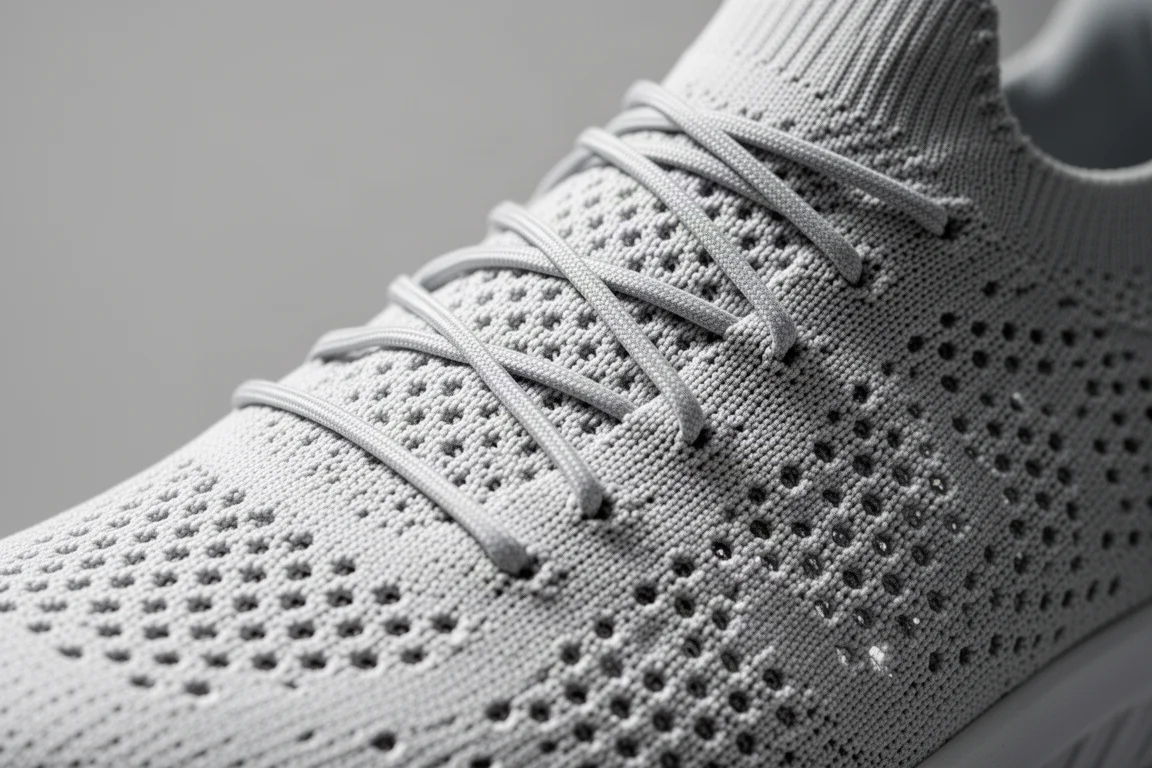
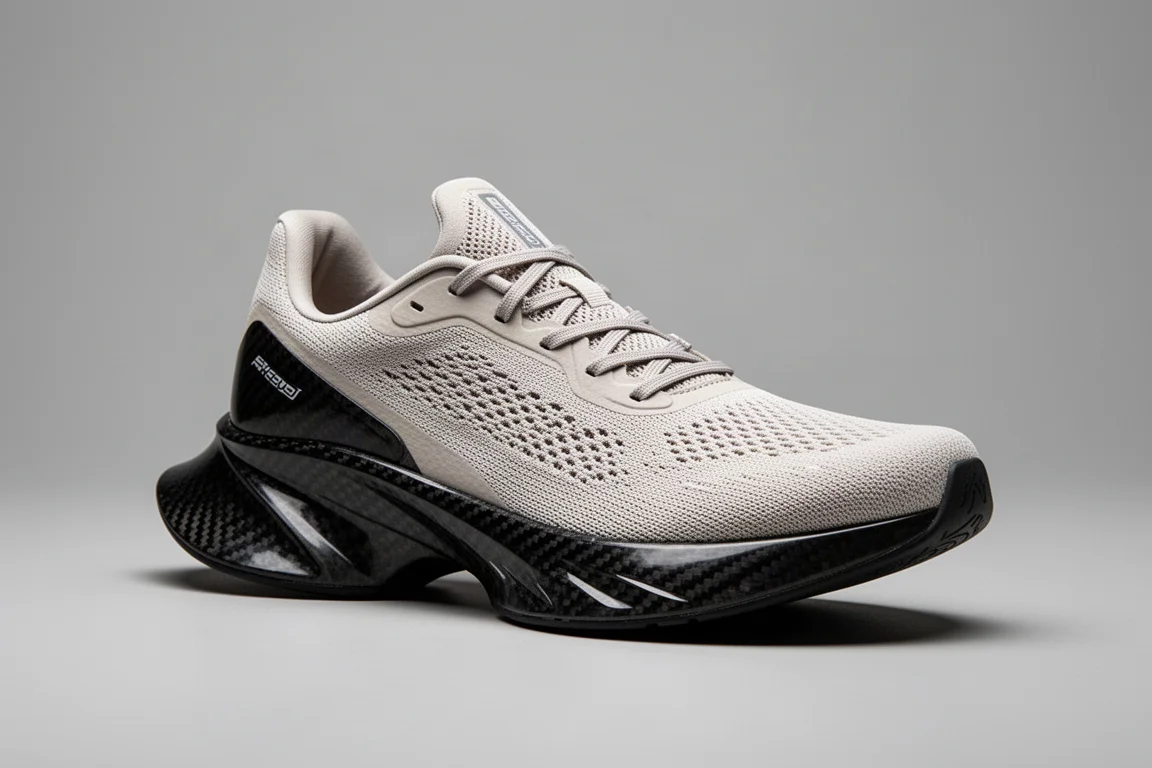
Both shoes are lean, minimal race shoes with surprisingly comfortable uppers. The Asics uses a light, breathable Motion Wrap 2.0 upper with perforations to keep weight and heat down, plus a more traditional heel collar with light padding. The Brooks goes with an even more highly perforated, airy knit upper, a touch more lace pinch padding, and a minimal heel collar with a small internal horseshoe of padding for heel hold. Both use lock laces.
Fit is similar across the two: snug, locked-down race fits with limited toe room. Neither gives you a full thumb’s width up front, so runners who like extra space often consider going up half a size, though staying true to size worked well in testing. Marathon and half marathon distances were covered in both shoes with no hot spots or slipping, and the fit balance of lockdown, heel hold, and airiness was marginally better on the Brooks.
Outsole rubber is good on both, with the Brooks actually carrying a thicker forefoot covering. The Asics shows a bit more exposed midsole, and a heel striker may wear through the exposed foam at the back of the Sky Paris over time, where the Brooks offers slightly further-back coverage. The Brooks also has a large midfoot cutout trench, though it has not proven to be a problematic stone catcher so far. Both shoes are stable and grippy on twisty, switchback-heavy race courses.
Ride Feel: Brooks Hyperion Elite 4 PB
The DNA Gold PEBA midsole is a huge upgrade over the DNA Flash foam in past Brooks racers. It delivers an immediate let’s-go-fast super shoe feel, with plenty of response off the forefoot, a lightweight turnover, and a platform that stays stable and natural even when you are landing further back or running slower paces. That forgiving, reliable character makes it an accommodating marathon-capable racer rather than a shoe that punishes you when form fades.
Hard training sessions backed this up: long reps and a hard progression hour were handled well, and a 20-mile marathon pace run tested the shoe’s long-haul credentials. It is not the squishiest or most outwardly bouncy ride out there, sitting at the firmer end of the super shoe spectrum, but it is genuinely competitive.
Ride Feel: Asics MetaSpeed Sky Paris
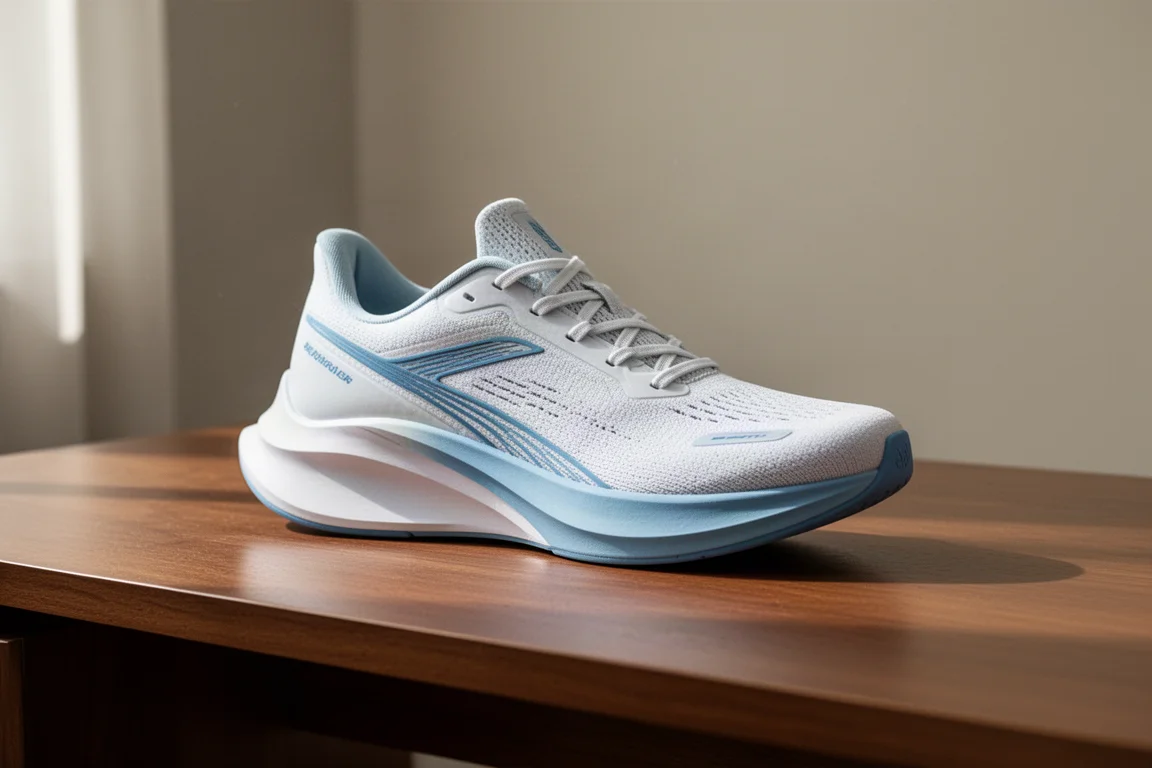
The MetaSpeed Sky Paris is the more aggressive of the two. The combination of a big stack of bouncy foam, a stiffer plate setup, and just-right cushioning dampens road impact while keeping you connected to the ground. It feels light, cushioned, agile, and precise, and it is easy to engage the plate for extra response even deep into a marathon or a punishing session. The geometry and plate positioning in the forefoot seem to unlock pace when fatigue sets in, which is exactly what you want on race day.
It is worth noting that this lean, snappy character is not for everyone. Runners who prefer a bigger, squishier, wider platform like the original Alphafly may find it too lean for the full marathon distance, even though it shines brilliantly at 5K, 10K, and half marathon.
Overall Buying Advice
At 5K and 10K, these two are almost interchangeable, and both are among the fastest options at those distances. The choice really comes down to versatility further up the distance ladder. The MetaSpeed Sky Paris held up over half marathon racing with more punch and energy return off the toes, making it the stronger all-rounder for runners confident about racing the marathon distance. The Brooks is a superb short-distance racer and a huge step forward for the brand, and its slightly better heel rubber coverage is a genuine plus for heel strikers.
For runners on a tighter budget, especially in the UK where the Brooks is £20 cheaper, the Hyperion Elite 4 PB will not let you down. If outright race-day potential across all distances is the priority and budget is equal, the Asics takes the nod.
Conclusion
Both of these are fantastic carbon racers, and the fact that they are genuinely difficult to separate is high praise for Brooks, whose race shoes previously would not have been mentioned in the same breath as the MetaSpeed Sky Paris. If you race everything from 5K to the marathon and want the most aggressive, versatile option, the Asics MetaSpeed Sky Paris is the pick. If you want a firmer, fast-turning shoe that excels at shorter distances and costs a little less in some markets, the Brooks Hyperion Elite 4 PB is a completely legitimate race day weapon.
Further reading
Related Reviews

Running Shoes
Best Road-to-Trail Running Shoes: Three Versatile Options for Mixed Terrain
A practical guide to three road-to-trail running shoes that handle both pavement and mild trails, with clear strengths and trade-offs for different runner types.

Running Shoes
Best Running Shoes for Achilles Tendonitis: Three Options Explained
Three running shoes with different heel drops and support features designed to help reduce Achilles tendon pain during walking and running.

Running Shoes
Best Running Shoes for Women: Five Top Choices Ranked
A ranked guide to five women's running shoes, from versatile daily trainers to high-performance racing options, with real strengths and trade-offs for each.