Running Shoes
Brooks Hyperion 3 Review: A Simple, Lightweight Trainer That Splits Opinions
The Brooks Hyperion 3 keeps things basic with nitrogen-infused DNA Flash foam, a lower stack, and a $150 price tag. Here is who it works for and who should look elsewhere.
Introduction
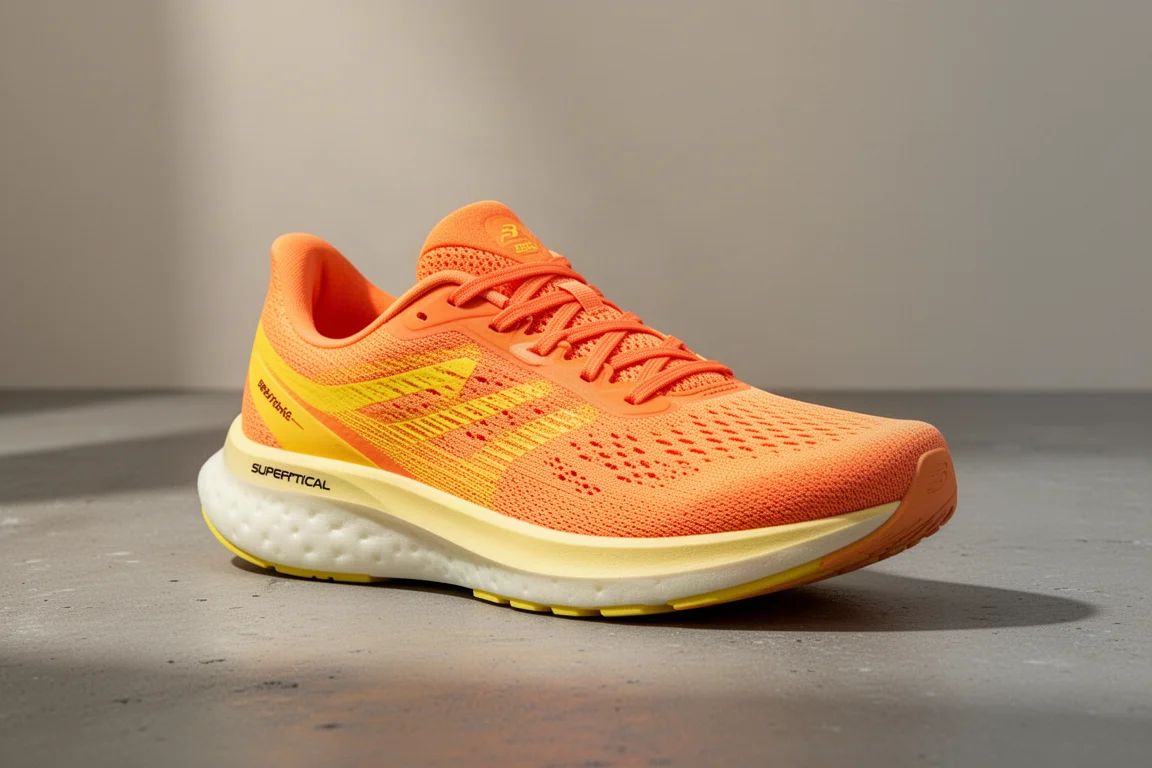
The Brooks Hyperion 3 is a refreshingly straightforward running shoe in a market obsessed with max cushioning. The original Hyperion Tempo launched as one of the first non-racing brands to adopt nitrogen-infused supercritical foam, and nearly three and a half years later, the Hyperion 3 carries that DNA Flash midsole forward with some notable changes, including a lower stack than its predecessor.
The question this shoe has to answer is simple: does a lightweight, minimal-feeling trainer still make sense at $150 when so many alternatives now offer more foam for similar money? The answer depends heavily on what you want from your daily runs.
Upper: Simple, Secure, and Slightly Crinkly
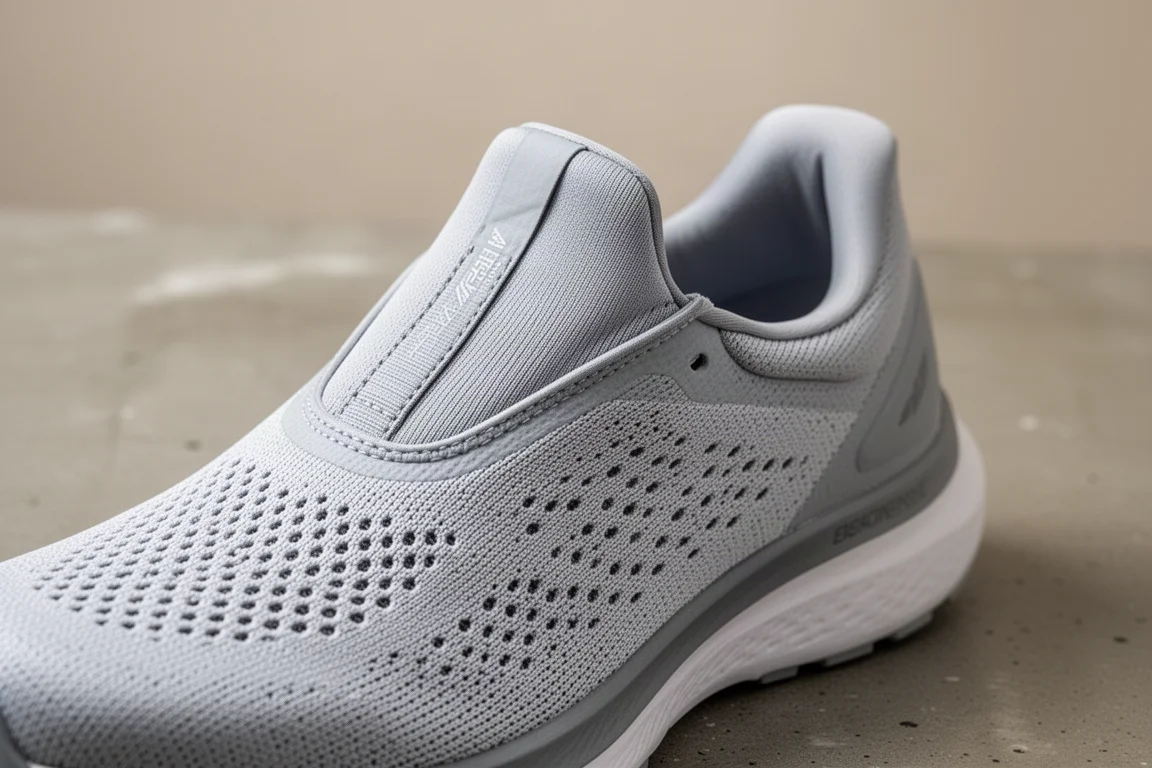
The upper is a basic mesh that does its job without much fanfare. There is a thin tongue with a gusset, padding around the collar, and solid lockdown through the midfoot. Brooks noted that this version is more breathable than the first, but in practice the breathability does not feel meaningfully improved despite the actual perforations in the mesh. The material also has a slightly crinkly hand feel rather than a premium touch.
Fit is where Brooks stays consistent. This version fits better than the first, partly thanks to the gusseted tongue, though it runs a touch long with a bit of extra room in the toe box. It is not a dealbreaker, just something to be aware of when choosing your size.
Midsole: DNA Flash Foam and a Lower Stack
The DNA Flash supercritical nitrogen-infused midsole is the heart of this shoe, and it has actually shrunk. Measurements came in around 22 millimeters in the heel and 14 in the forefoot for an 8 millimeter drop, roughly two millimeters less than the original in the heel. The result feels distinctly lower to the ground than the previous version.
On the foot, this is a light shoe with a minimal feel: just enough foam to protect you from the pavement, nothing more. Some testers loved that quality, describing quick turnover runs that felt fun and simple. Others found it flat, slappy, and lacking bounce or character, comparing it unfavorably to livelier options.

If you enjoy a firm, low-slung shoe and never bought into the fat-cushioning revolution, this will feel right at home. If you expect modern levels of softness and energy return, it may feel dead underfoot.
Outsole and Durability: Where It Earns Its Keep
One clear improvement is the outsole. Brooks added more rubber this time around, with a generous layer that delivers genuinely grippy traction. Combined with a firm, non-squishy supercritical foam that will not compact quickly, this is a shoe built to rack up serious mileage.
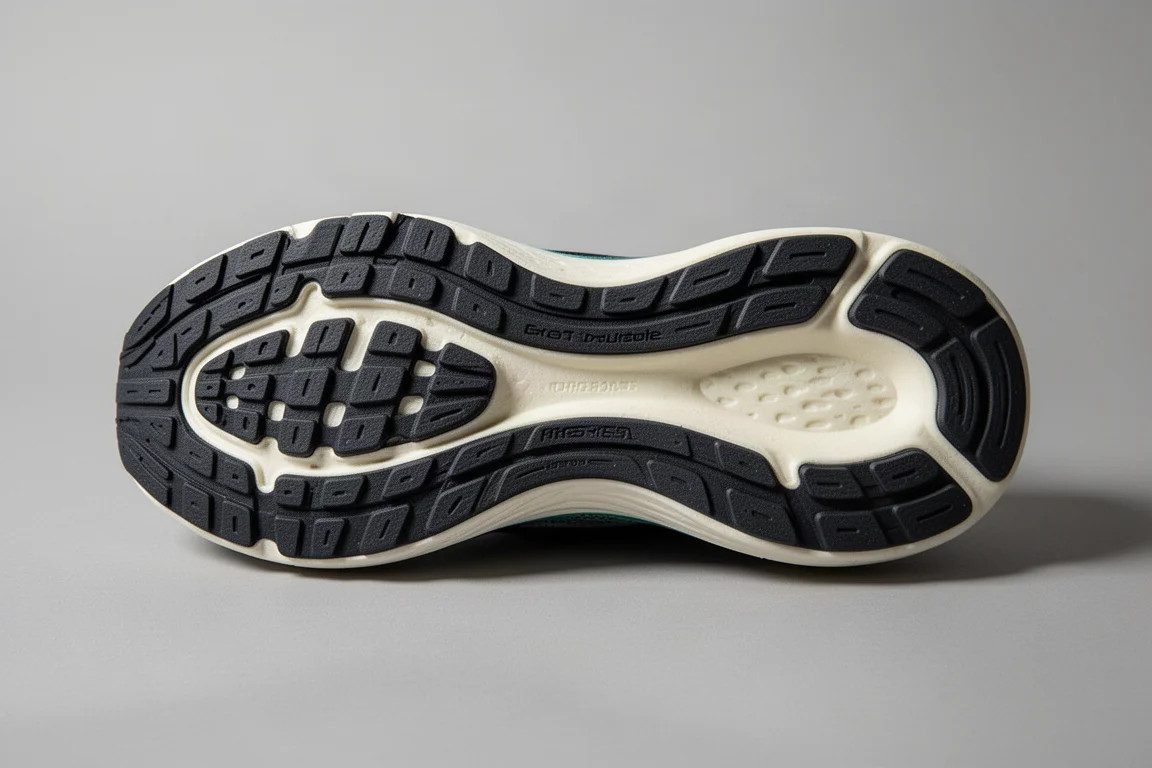
Durability is a genuine selling point here. Where softer max-cushion shoes can compress and lose their feel over time, the Hyperion 3 should hold its character for many miles.
Should You Buy the Brooks Hyperion 3?
This shoe divides opinion cleanly. The reviewers who prefer a firmer, more minimal ride liked it a lot; those who land heavily on their feet or want more cushioning found it flat and unexciting. At $150, it carries the same price as the previous version, which makes the value proposition harder to argue when alternatives exist.
If you loved the original Hyperion Tempo as your lightweight daily or tempo shoe, you will likely like this one equally. If you want a similar minimal concept executed with a bit more liveliness, the Hyperion Max is a more peppy option. For comparison shopping, the New Balance Rebel is the natural rival with more stack and supercritical foam, while the Saucony Kinvara offers a light and simple daily trainer around $120. The Skechers Ride Even matches the weight with a higher stack.

There are also faster options at similar prices: shoes like the Hoka Cielo X1 and the Puma Deviate Nitro Elite Cyclone 2 sit around ten dollars more and bring legitimate plates to the table. Unless you specifically want a plateless, firm, lightweight trainer, the competition is stiff.
Conclusion
The Brooks Hyperion 3 is a simple shoe done well in some areas and simply simple in others. The improved fit, added outsole rubber, and durable DNA Flash foam make it a dependable lightweight trainer for runners who prefer a firm, minimal ride. But at $150, with a lower stack than before and stronger rivals at the same or slightly higher price, it asks you to already know exactly what you want. If that sounds like you, it will serve you well. If not, look at the Rebel, Kinvara, or Hyperion Max first.
Product link
View more details for Brooks Hyperion 3
This product is mentioned in the review. Check the specifications, options, and compatibility before buying.
View more details for Brooks Hyperion 3Further reading
Related Reviews

Running Shoes
Best Road-to-Trail Running Shoes: Three Versatile Options for Mixed Terrain
A practical guide to three road-to-trail running shoes that handle both pavement and mild trails, with clear strengths and trade-offs for different runner types.

Running Shoes
Best Running Shoes for Achilles Tendonitis: Three Options Explained
Three running shoes with different heel drops and support features designed to help reduce Achilles tendon pain during walking and running.

Running Shoes
Best Running Shoes for Women: Five Top Choices Ranked
A ranked guide to five women's running shoes, from versatile daily trainers to high-performance racing options, with real strengths and trade-offs for each.