Running Shoes
Brooks Hyperion 3 Review: A New Kind of Daily Trainer, Plus the Alternatives Worth Comparing
The Hyperion 3 shifts from tempo shoe to versatile daily trainer. Here is how it stacks up against the Hyperion 2, Launch 11, Adidas Evo SL, and ASICS Novablast 5.
Introduction
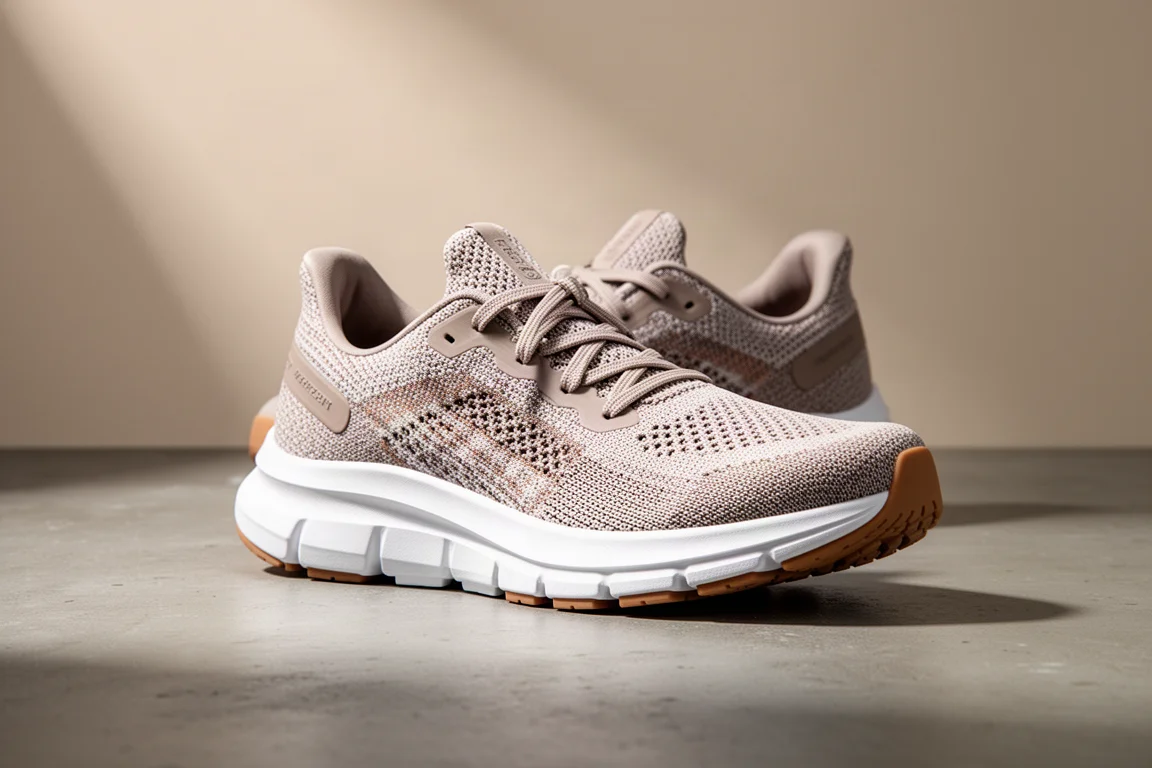
The Brooks Hyperion 3 is not just a yearly refresh. It marks a stark shift for the line, moving from a workout-only tempo shoe to a genuine daily trainer, and a very good one at that. With more stack height, a noticeably softer feel, and a more accommodating upper, it is instantly one of the most interesting daily trainers on the market right now.
This post covers the Hyperion 3 in detail, then looks at the shoes worth comparing before you buy: the older Hyperion 2, the firm and traditional Launch 11, and two strong competitors, the Adidas Evo SL and the ASICS Novablast 5.
Specs and Build
The Hyperion 3 is a 36 mm shoe with an 8 mm drop, giving 28 mm of stack height in the forefoot. The midsole uses DNA Flash version 2, the nitrogen-infused foam Brooks also used in the previous generation, but the experience of that foam has changed significantly. Underfoot, a large chunk of rubber protects the forefoot and two skids of rubber sit on each side of the heel, with plenty of outsole cutouts to let the midsole foam compress fully and to keep weight down.
The upper is a stretchy, comfortable, breathable mesh with a soft knit tongue, generous padding through the heel collar, and decent rigidity in the heel cup. All told, the shoe weighs a relatively light 8.2 oz (232 g).
How the Hyperion 3 Performs on the Road
The Hyperion 3 is surprisingly fun. The increased stack height and the retuned DNA Flash 2 make the shoe comfortably soft, so soft that it is almost unrecognizable as a Hyperion. It is pleasant for easy running, comfortable to walk around in, and even works for recovery days when you want to be extra kind to your body. The ample softness in the heel extends that comfort and pliability across the whole ride.

But it still keeps the Hyperion heritage as a tempo shoe. In tough threshold repeats it held its own, and there is a lot of pace versatility here: easy days, everyday training, and hard workouts all work. There is no plate or shank in the shoe, and toward the end of the hardest sessions you might notice a little something extra missing, but it still functions well as both an everyday trainer and a tempo trainer.
Fit and Upper
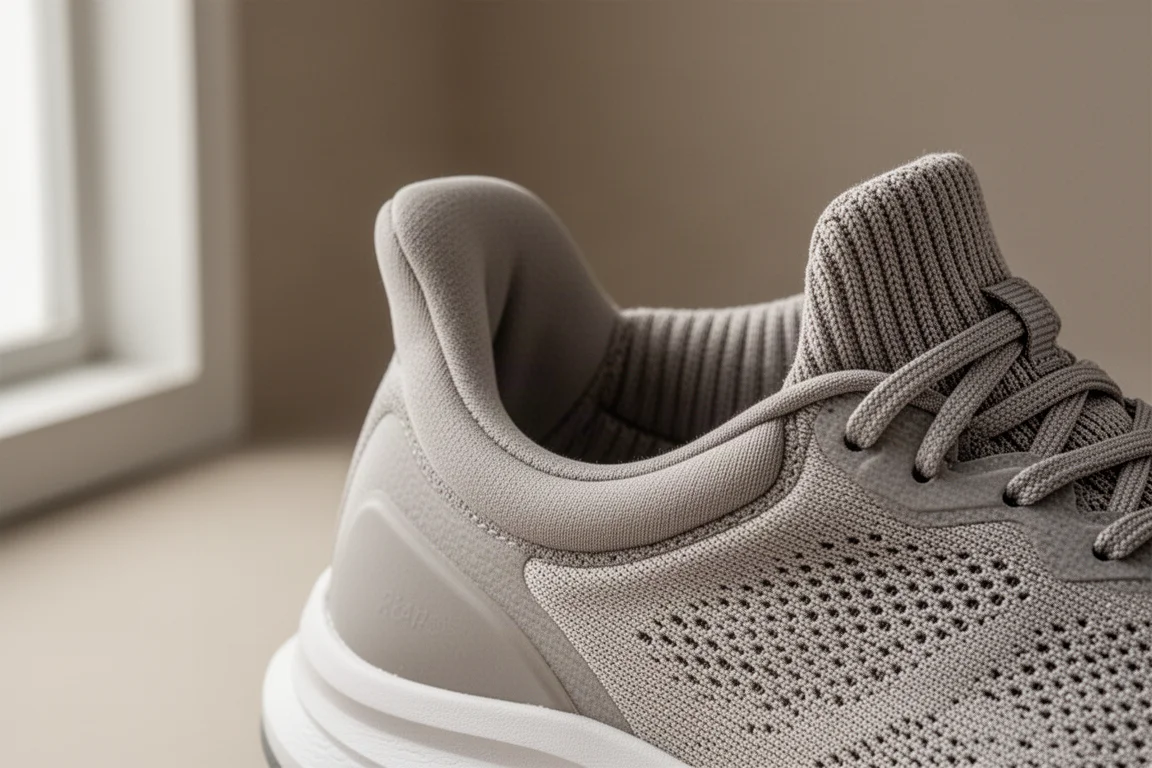
The upper fit well at true to size. The stretchy mesh has a knit-like feel, and the padded heel collar and structured heel cup improve step-in comfort and suit a wider range of heel shapes. That structure is arguably more than a tempo shoe needs, but it makes sense now that the Hyperion 3 is squarely a daily trainer.
The one drawback is the tongue. The knit tongue is thick, padded, and doubled over to create a front pull tab where the name badge sits, and all that material adds up to a hot sensation at the top of the foot. A more restrained tongue would have been welcome in a shoe expected to handle workouts.
Where It Sits in the Brooks Lineup
Within the Brooks range, the Hyperion 3 now stands as the daily trainer to reach for on most days. The Glycerin Max covers max cushion, a tall dual-density shoe that is super plush and comfortable but pays for that comfort with some weight. For racing, the Hyperion Elite 5 uses DNA Gold with a carbon fiber plate and a stripped-down upper. The Launch slots in as the responsive, firm workout shoe that the Hyperion traditionally was, while the Hyperion Max 3, with partial DNA Gold and a plastic plate, is best understood as a long run shoe with a workout built in.
Brooks Hyperion 2: Still a Very Different Shoe
The Hyperion 2 shares the same DNA Flash 2 foam on paper, but the experience is nothing alike. Squeeze the two shoes side by side and the difference is obvious: the Hyperion 2 is very firm. It is responsive, but it is not a shoe for easy miles, and certainly not for recovery runs. If saving money is the goal, at $125 it is tempting, but it does not offer the pace versatility of the Hyperion 3.
Brooks Launch 11: The Firm Traditionalist
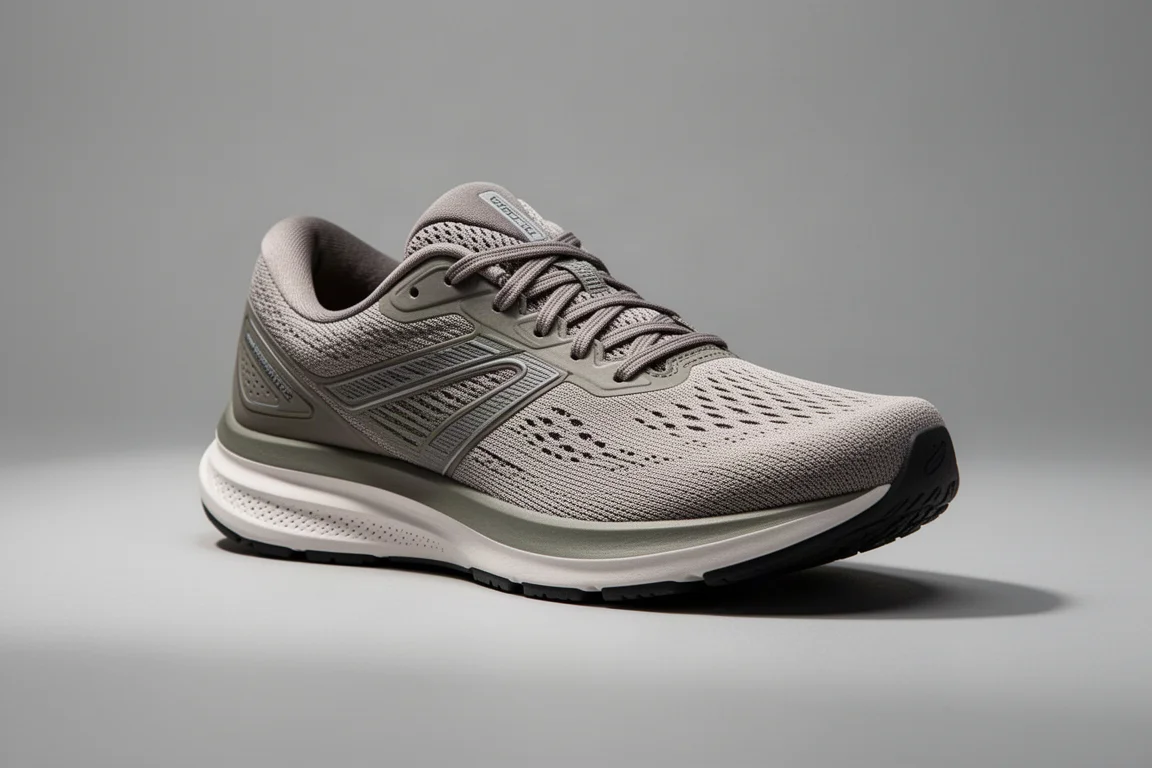
For a shoe closer to the old-style Hyperions but more updated, the Launch 11 at $120 is the better pick. It sits somewhere between the Hyperion 2 and the Hyperion 3 in character: responsive, firm, and workout-focused rather than cushioned.

Adidas Evo SL: Race-Caliber Foam in a Daily Trainer
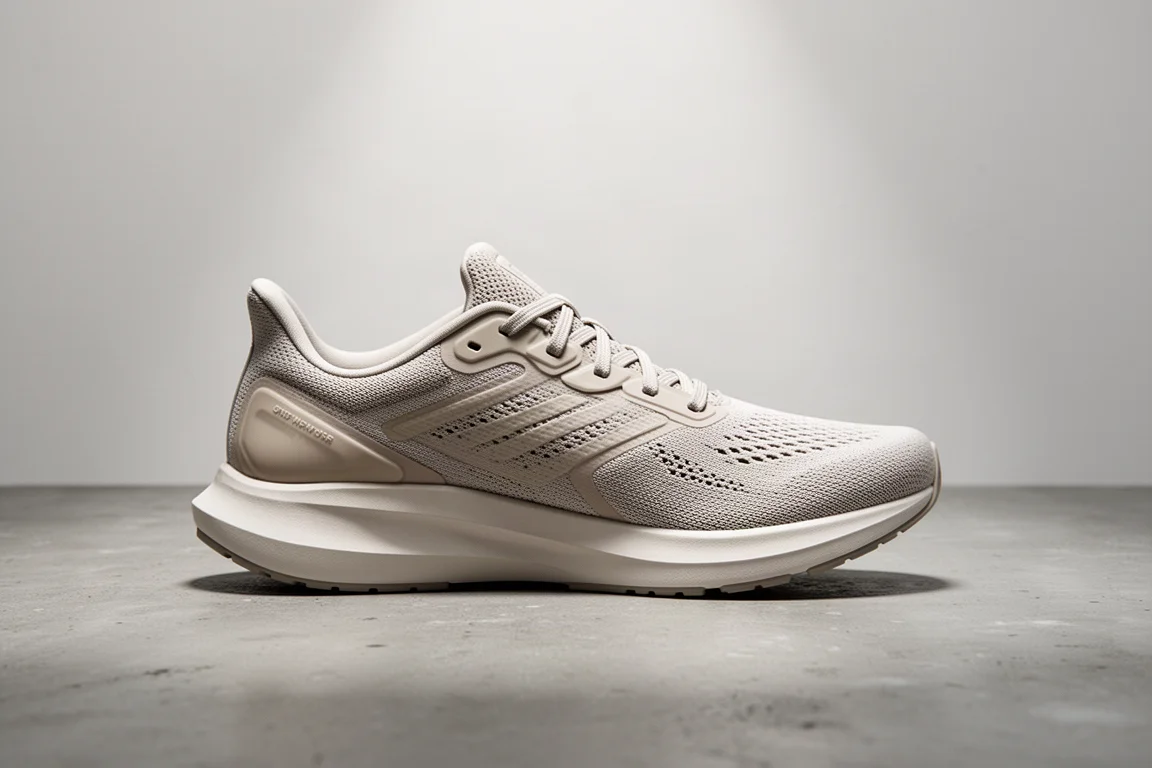
The Adidas Evo SL is a standout daily trainer, built on an older iteration of Light Strike Pro, Adidas racing foam, with a small plastic shank to stabilize things. It is resilient enough for recovery runs, everyday training, and workouts, staying comfortable at all those paces. Compared directly, the Hyperion 3 leans a little more toward softness, while the Light Strike Pro midsole feels more energetic while still being soft. That race-caliber foam comes at a premium: the Evo SL retails at $150.
ASICS Novablast 5: Soft and Comfortable All Round
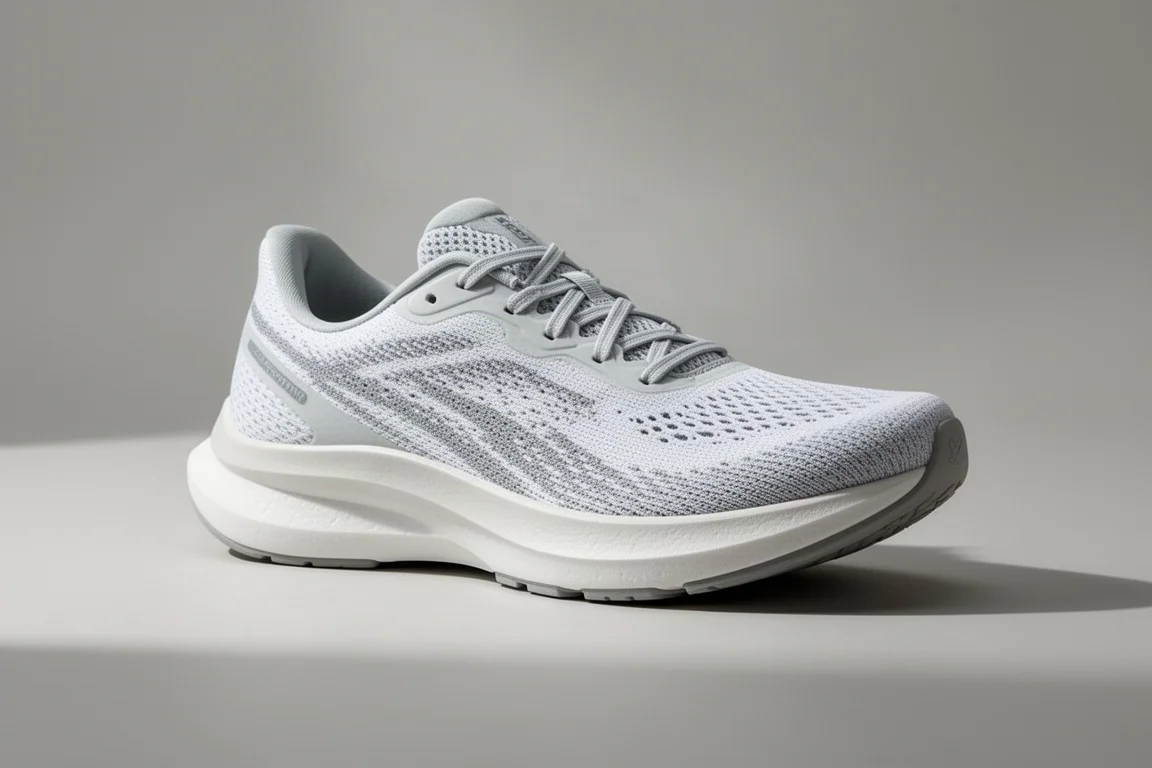
The Novablast 5 is perennially one of the favorite daily trainers of the year. It is really soft in the forefoot and comfortable in the heel, working for lifestyle use, everyday training, recovery runs, long runs, and workouts. The sensations are similar to the Hyperion 3, and the difference comes down to emphasis: the Hyperion 3 does workouts a bit better, while the Novablast 5 does everyday running a little better. It retails at $150.
Which One Should You Buy
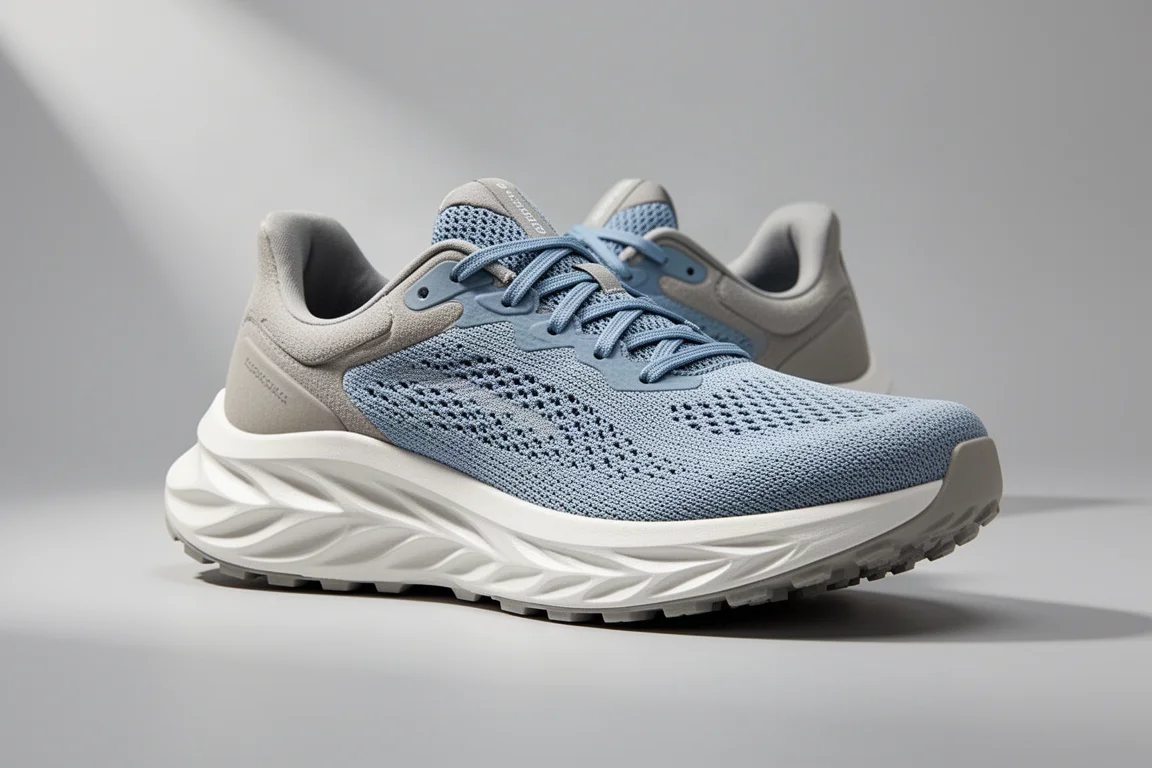
The Hyperion 3 retails at $140, the same price as last year’s model and right about where a shoe of this caliber should sit. If you want a soft yet springy daily trainer that can handle easy days and tough workouts alike, it is a strong pick from the Brooks lineup.
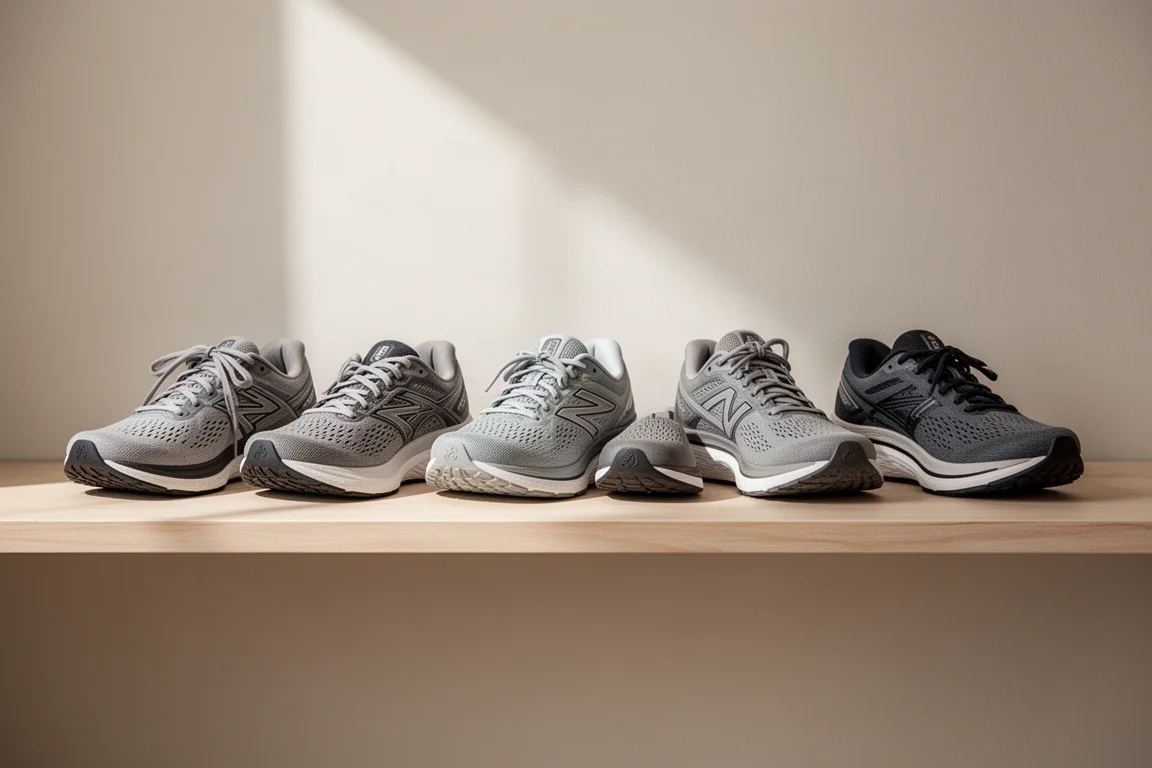
If budget matters, the Hyperion 2 at $125 saves a few dollars but changes the character of the shoe entirely, and the Launch 11 at $120 is the better bridge between old and new. Against the competition, the Adidas Evo SL and ASICS Novablast 5 both retail at $150, so you have three excellent options at different price points. Trying all three in a store remains the best way to figure out which one suits your running.
Conclusion
The Hyperion 3 transforms the line from a tempo-only shoe into one of the best daily trainers available right now: soft enough for recovery days, springy enough for threshold work, and versatile enough to cover most of a training week. The Evo SL and Novablast 5 are worthy alternatives depending on whether you favor energy or everyday comfort, and the Hyperion 2 and Launch 11 serve riders and runners who prefer a firmer ride at a lower price.
Further reading
Related Reviews

Running Shoes
Best Road-to-Trail Running Shoes: Three Versatile Options for Mixed Terrain
A practical guide to three road-to-trail running shoes that handle both pavement and mild trails, with clear strengths and trade-offs for different runner types.

Running Shoes
Best Running Shoes for Achilles Tendonitis: Three Options Explained
Three running shoes with different heel drops and support features designed to help reduce Achilles tendon pain during walking and running.

Running Shoes
Best Running Shoes for Women: Five Top Choices Ranked
A ranked guide to five women's running shoes, from versatile daily trainers to high-performance racing options, with real strengths and trade-offs for each.