Running Shoes
Brooks Hyperion 2 Review: A Lightweight Trainer That Finally Got It Right
The Hyperion 2 ditches the plate, adds stack, and pairs a nitrogen-infused midsole with one of the best uppers of the year at a friendly $140 price.
Introduction
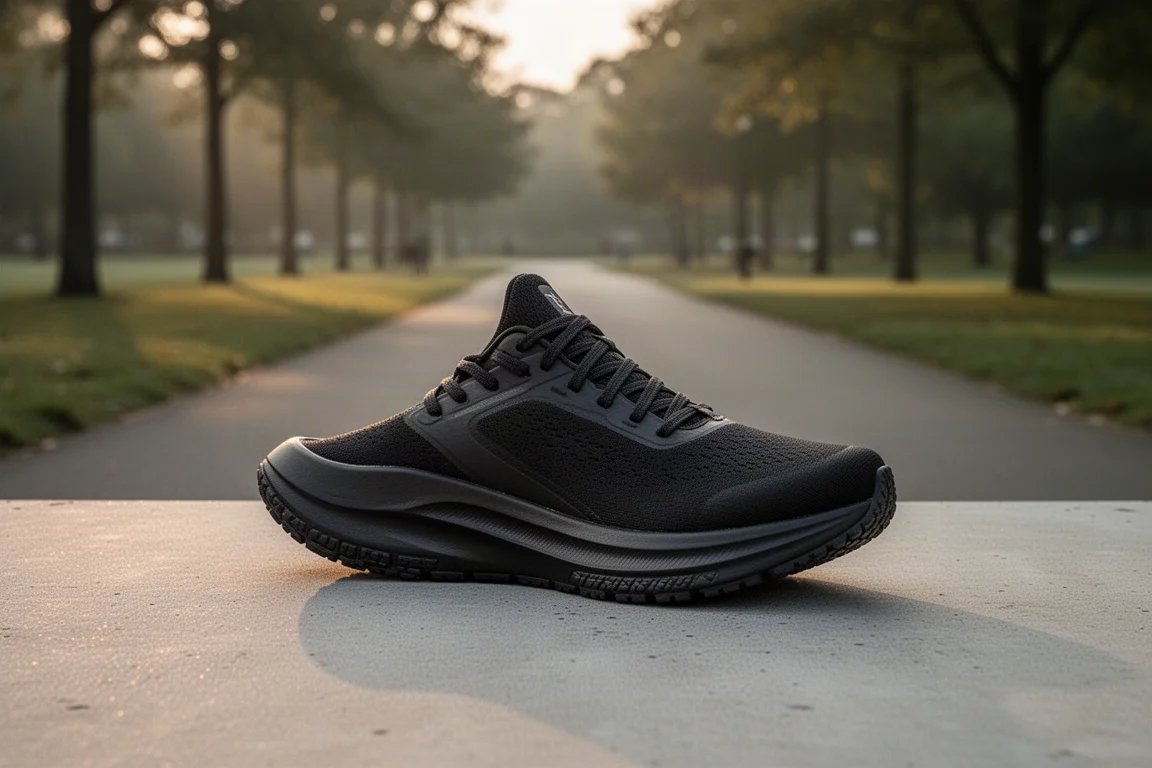
Brooks has taken its fair share of criticism for the Hyperion line in the past, but the Hyperion 2 feels like the shoe that finally answers those complaints. The original Hyperion and Hyperion Max were too similar to each other, and the first Hyperion felt noticeably harsh underfoot. This version adds stack height, drops the plate, and keeps the same nitrogen-infused DNA Flash v2 midsole foam that makes the pricier Hyperion Elite 4 interesting, and the result is a genuinely likeable lightweight trainer.
At $140, it also undercuts a lot of the competition while looking and feeling like a more expensive shoe. After testing it across hill workouts, straight speed sessions, and easy days, it earned a green light from both of our testers, which says a lot given how critical we have been of Brooks in the past.
First Impressions and Styling
The Hyperion line has nailed its looks, and the Hyperion 2 continues that streak with a light gray upper that echoes the color fade across the family, from the Hyperion Elite down through the Max. The medial Brooks logo is a smart touch, subtle enough that the branding works even if you would not normally wear the name across your chest.
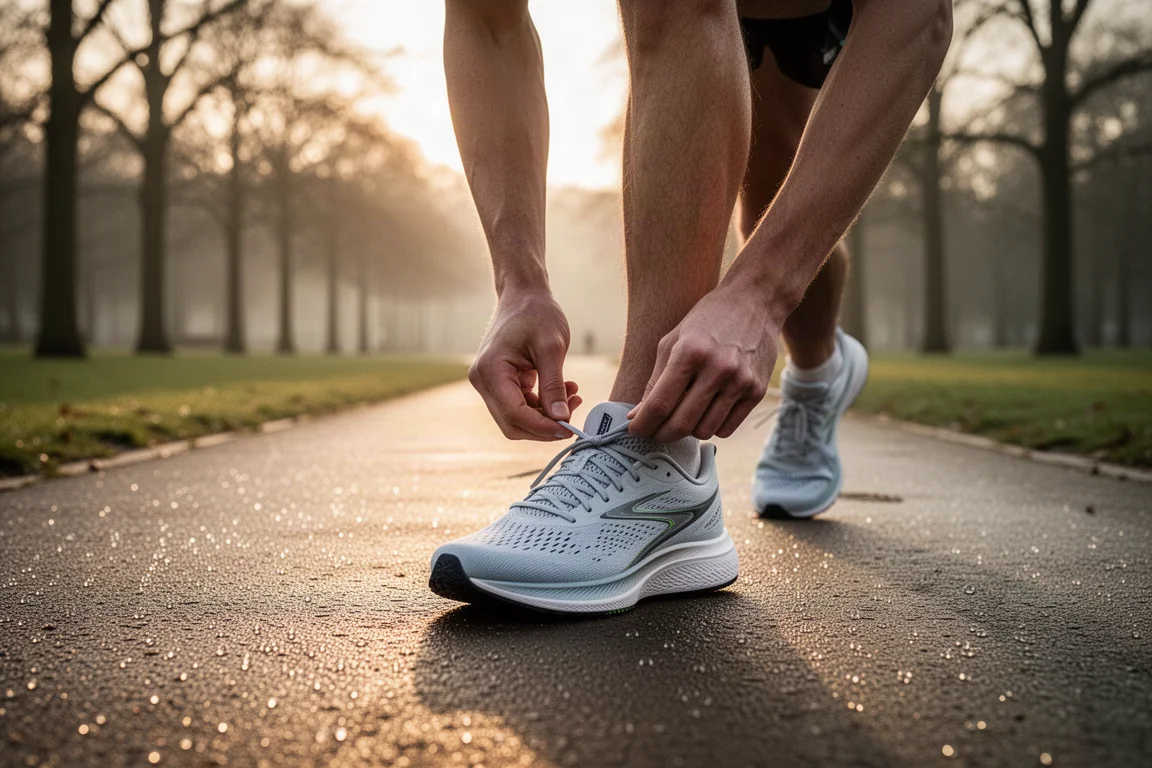
The upper itself is one of the best of the year. It features a thin tongue, breathable mesh, a small heel pull tab that makes the shoe easy to get on, and a collar that fits comfortably around the ankle. The sawtooth race-style lacing adds a performance detail you rarely see at this price. The fit is race-day slim rather than wide, so runners who prefer a lower-volume, faster-feeling upper will feel at home immediately.
Midsole: DNA Flash v2 Without a Plate
This is the key change. The Hyperion 2 uses the same DNA Flash v2 nitrogen-infused supercritical midsole as the Hyperion Elite 4, but with no plate. Brooks also added 4mm of stack height, bringing the midsole to roughly 26mm in the heel and 18mm in the forefoot, measured on the midsole alone. It is still on the firm side, but it is noticeably more protective and less harsh underfoot than the original Hyperion, with a touch of extra bounce at toe-off.
The lack of a plate is what makes this version work. In the Elite, this foam does not quite stack up against other $250 race shoes. Here, where the foam is stiff enough on its own, removing the plate leaves you with a shoe that still has real rebound and pop while keeping some flexibility. It sits in the same low-slung, quick-turnover zone as shoes like the adidas SL 2 or the Hokarocket-style road racers, without the plate-driven stiffness.

One caveat: this foam needs a short break-in. Our initial impression was good, but it gets better with miles, and other faster testers reported the same thing. Give it a few runs before making a final judgment.
How It Performs in Training
Think of the Hyperion 2 less as a dedicated 5K/10K racer and more as a lightweight daily trainer with a quick-turnover, close-to-the-ground feel. It handled a 10-mile speed workout comfortably, with feet feeling good throughout, and it performed well across hill repeats, straightforward speed sessions, and easy runs alike.
Its versatility is closest to something like the New Balance Rebel: an easy-run shoe you can dial up when you feel good. Where it falls short is long-run comfort. For anything approaching a 20-mile day, you will probably want more cushion underneath. For mixed intervals and faster work, though, it is excellent.
Outsole, Durability, and Weight
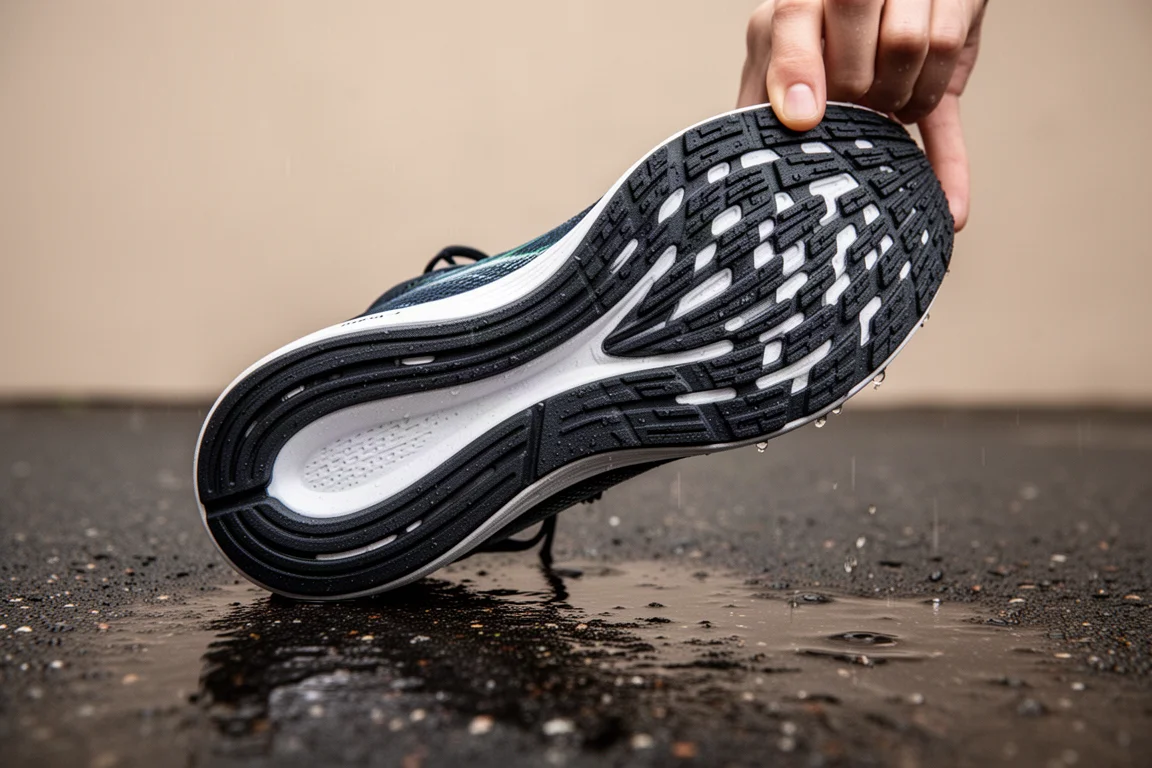
The race-style outsole offers more rubber coverage across the forefoot with a couple of pads at the heel for durability. Grip felt solid in dry conditions, though we did not get to test it in rain. Supercritical foams are known for holding up well over time, and while some compression is inevitable, this one shows only modest wear so far.
Weight is another strong point. A women’s size 7 came in around 6.2 ounces, putting it clearly on the lighter end of the trainer spectrum. The ride is straightforward rather than roll-accentuated, which suits runners who find plated shoes too firm for their taste.
Buying Advice
At $140, the Hyperion 2 is one of the better values in the lightweight trainer category, delivering a feel closer to shoes in the $160 range. Two practical notes before buying: the fit is race-day slim, so runners used to wider platforms like New Balance should keep that in mind, and the black tongue and collar pair best with black socks if you care about the styling.
Conclusion
The Brooks Hyperion 2 fixes nearly everything that held the original back. The added stack softens the harsh ride, the plate-free DNA Flash v2 midsole keeps the pop, and the upper is arguably the best in the line. It is not a long-run shoe and the foam needs a little break-in, but as a simple, lightweight trainer for fast days and everything in between, it is an easy recommendation.
Product link
View more details for Brooks Hyperion 2
This product is mentioned in the review. Check the specifications, options, and compatibility before buying.
View more details for Brooks Hyperion 2Further reading
Related Reviews

Running Shoes
Best Road-to-Trail Running Shoes: Three Versatile Options for Mixed Terrain
A practical guide to three road-to-trail running shoes that handle both pavement and mild trails, with clear strengths and trade-offs for different runner types.

Running Shoes
Best Running Shoes for Achilles Tendonitis: Three Options Explained
Three running shoes with different heel drops and support features designed to help reduce Achilles tendon pain during walking and running.

Running Shoes
Best Running Shoes for Women: Five Top Choices Ranked
A ranked guide to five women's running shoes, from versatile daily trainers to high-performance racing options, with real strengths and trade-offs for each.