Running Shoes
Brooks Glycerin Max vs Saucony Hurricane 24: Two Max-Cushion Shoes, One Clear Choice
A head-to-head look at two big-cushion daily trainers: the Brooks Glycerin Max with its new DNA Tuned foam and the Saucony Hurricane 24, a stability shoe that barely rides like one.
Introduction
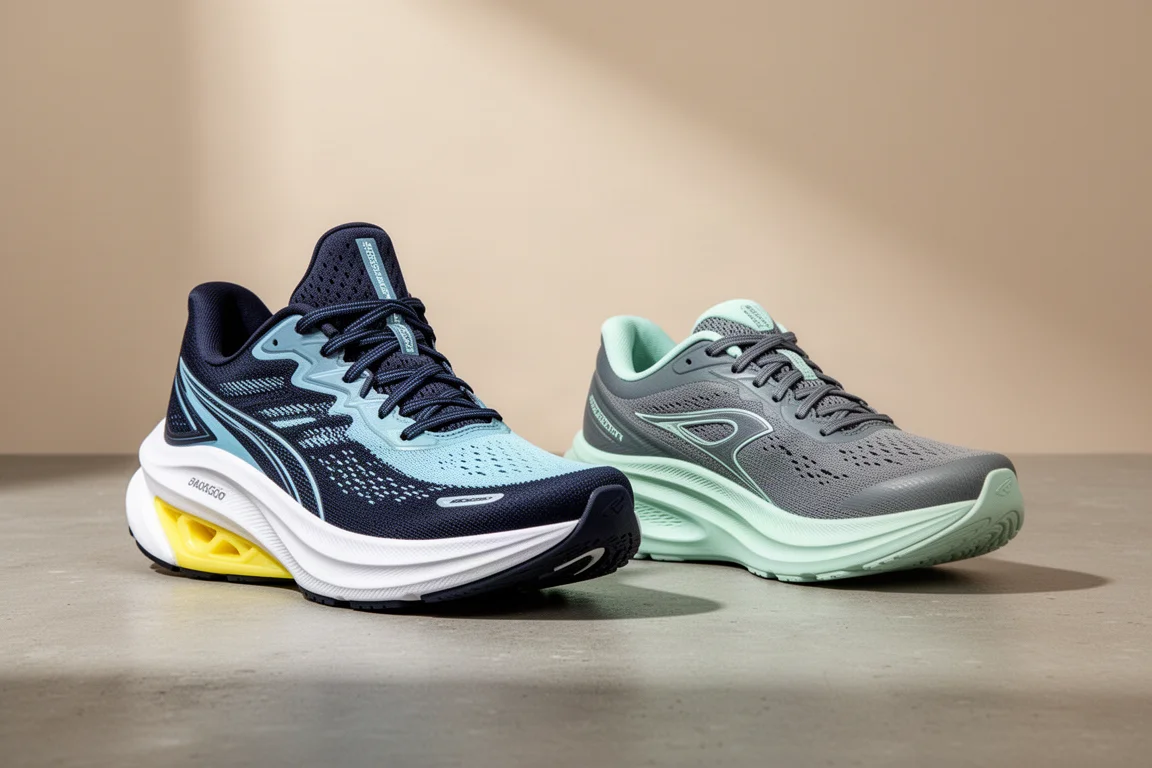
The Brooks Glycerin Max and the Saucony Hurricane 24 are both big-cushion shoes built for easy runs, recovery runs and long sessions, designed to soak up a lot of mileage while protecting your legs from the impact of running. On paper they overlap almost completely. In practice, one leans softer and bouncier while the other leans more stable and more consistent. This comparison breaks down where each shoe shines so you can pick the right one for your easy days.
At a Glance
The Hurricane 24 is the cheaper of the two at £165 or $160, while the Glycerin Max sits at £180 or $200. Both are heavy shoes, but the Glycerin Max is slightly lighter at 319g (11.2oz) in a UK 9, versus 326g (11.5oz) for the Hurricane. Both share a 6mm drop, but the Glycerin Max is the taller shoe: 45mm at the heel and 39mm at the forefoot, compared with 38mm and 32mm on the Hurricane.

Fit is comfortable in both, and both shoes have more space in the midfoot and forefoot than you might expect from a shoe in your usual size. Testers found them roomy and accommodating for narrow and wide feet alike, with no heel irritation despite generous padding and internal heel counters. Stick to your normal running shoe size.
Brooks Glycerin Max: Taller, Softer, Bouncier
The Glycerin Max is a new flagship from Brooks that introduces DNA Tuned, a nitrogen-infused EVA similar in spirit to DNA Loft v3. The tuning is in the name: larger foam cells at the heel create a softer feel, while smaller cells at the forefoot keep things more responsive. A visible wedge of firmer foam sits inside the outer midsole to deliver that livelier forefoot sensation.
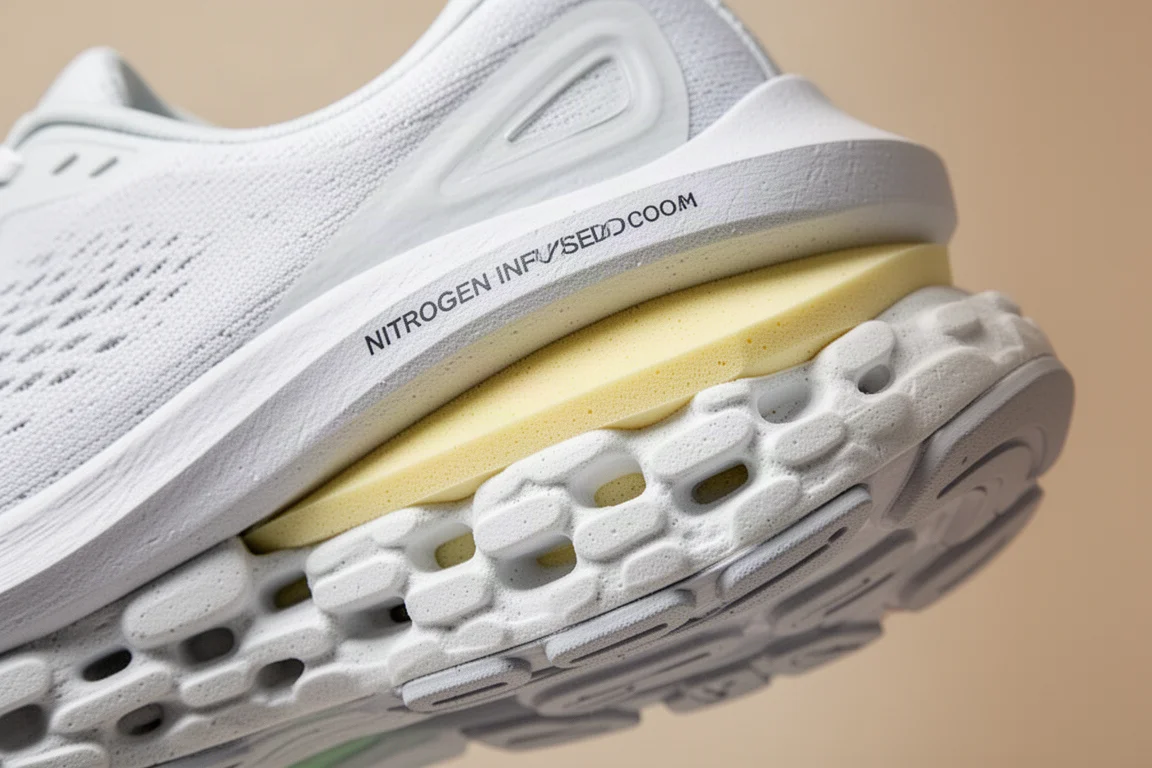
The shoe uses Brooks’s GlideRoll rocker profile, a thick and cushy upper with plenty of padding around the heel and tongue, and a fairly significant internal heel counter. The outsole rubber does not have full coverage but puts thick wedges where they matter most, and it proved very grippy even on wet ground. The midsole foam feels slightly more delicate than the Hurricane’s, so that protective rubber layer earns its place.
On the run, the Glycerin Max is noticeably soft at the heel, then firms up a touch as you roll toward the forefoot for a bit more response. It is a touch lighter than the Hurricane and offers a little more energy return, which makes it the more versatile of the two. A steady 30k long run with a faster final kilometre was possible in this shoe, though it still feels like a lot of shoe when the pace climbs. Its rocker is sharper and slightly blockier than the Hurricane’s, so the transition is a bit less smooth, but the trade-off is more pop off the toes.
Saucony Hurricane 24: Subtle Stability That Does Not Overwhelm
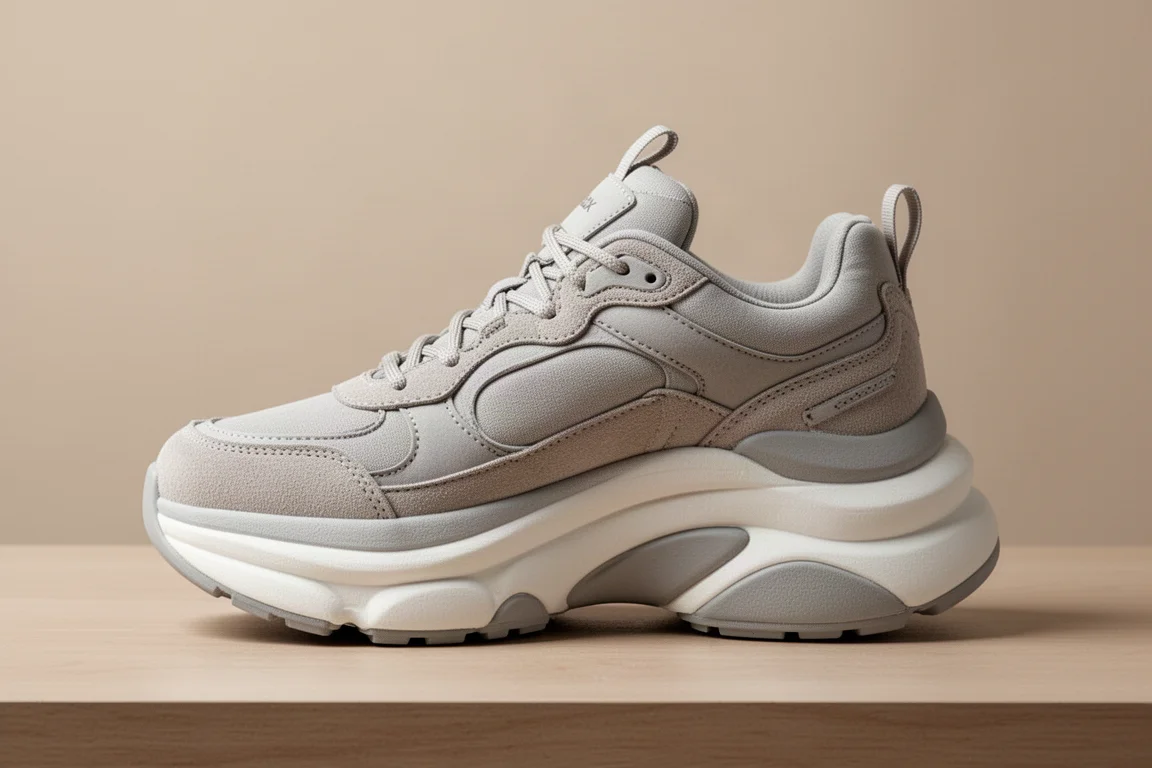
The Hurricane 24 uses a dual-density midsole built mostly from Saucony’s PWRUN PB foam, a PEBA-based compound, with some PWRUN foam added to stabilise and cradle the softer layer. Saucony’s Center Path technology creates stability the modern way: a wide base, foam sidewalls and a rocker that guide your foot into a neutral position rather than traditional medial posting. If you are a neutral runner, do not let the stability label put you off.
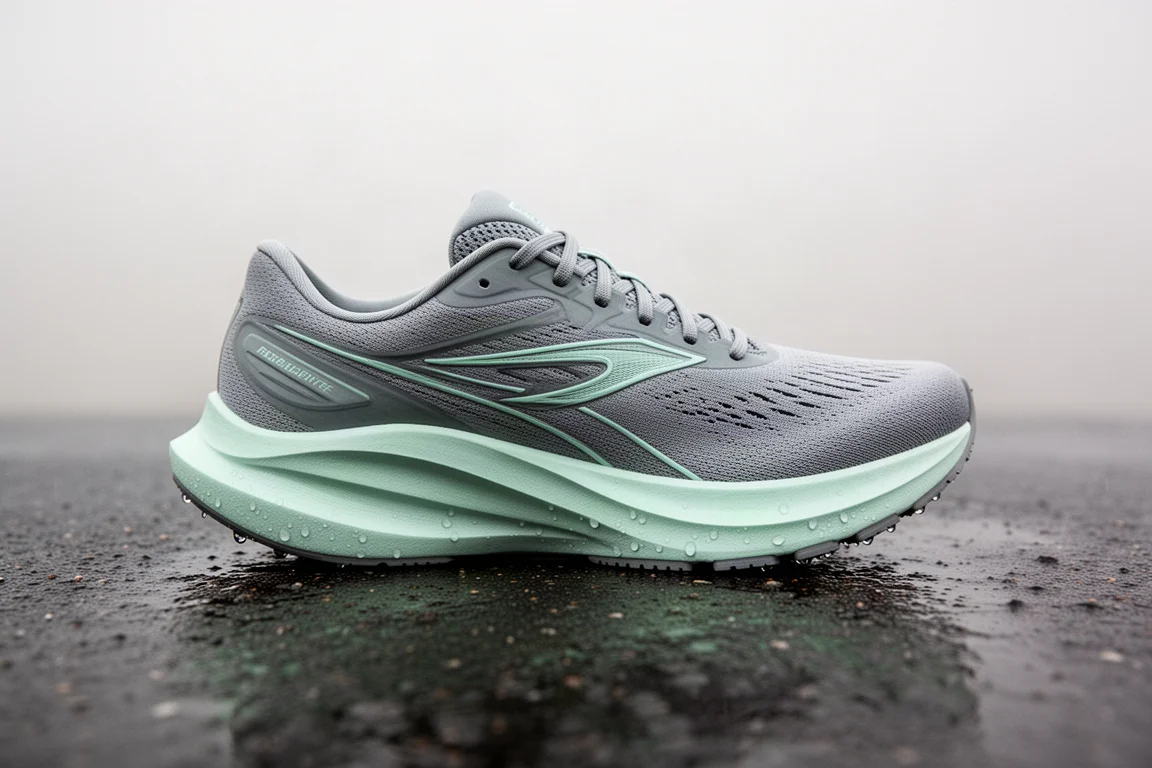
The engineered mesh upper has solid padding around the heel and tongue, slightly less than the Brooks, and the outsole rubber is used sparingly but thickly across the key impact areas. Grip was very good, with little visible wear after roughly 80km of testing.
On the run, the Hurricane 24 is the surprise of the pair. It looks like a big chunky stability shoe but does not ride like one. The stability is extremely subtle and only really shows up when you are tired, for example deep into a 25k or 30k run, when the foot simply feels firmly planted. The foam is soft but never overly mushy, the rocker is long and gradual, and the shoe rolls along at a consistent pace with a lovely smooth transition. It is not versatile enough for tempo work, but as an easy-day and long-run cruiser it is hard to beat.
What They Share
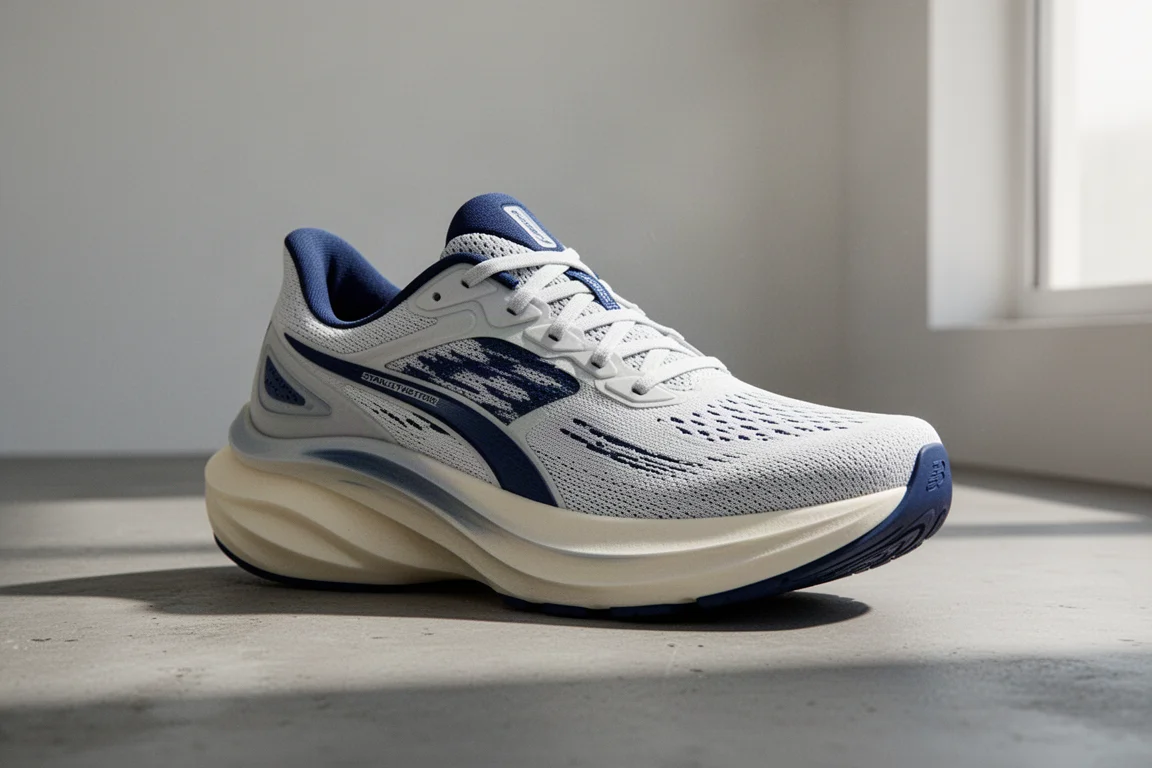
Both shoes are broad-fitting, stable-first designs with a big stack of cushioning that is plush without being too soft, delivering a very consistent feel from start to finish even as fatigue sets in. Outsoles on both concentrate thick rubber on key landing zones, and durability and grip looked very good on both. Neither is a versatile shoe in the tempo or interval sense; both are best used for easy runs, recovery runs and relaxed long-run mileage.
Verdict: Which One Should You Buy?
Both are excellent max-cushion easy-day shoes designed for the same kinds of runs, and the choice comes down to the feel of the midsole. The Glycerin Max is softer, bouncier and has a little more energy return, making it the pick if you like a livelier ride and want to occasionally stretch the pace. The Hurricane 24 offers a smoother, more stable and more controlled ride, and it is cheaper: around £20 less in the UK and substantially cheaper in the US.

If price matters, the Hurricane 24 delivers a very similar experience for less money, and its stability label should not worry neutral runners. If you prefer a softer, bouncier midsole for your recovery and easy days, the Glycerin Max is worth the extra spend. For its ride quality, price and how well it rewards high mileage, the Hurricane 24 is the stronger overall pick, and the Glycerin Max remains a great option if bounce is what you crave.
Conclusion
These are two of the strongest max-cushion daily trainers for easy and long runs. The Saucony Hurricane 24 wins on price, smoothness and stability, while the Brooks Glycerin Max wins on softness, bounce and slight versatility. Pick the one that matches how your legs like their easy days.
Further reading
Related Reviews

Running Shoes
Best Road-to-Trail Running Shoes: Three Versatile Options for Mixed Terrain
A practical guide to three road-to-trail running shoes that handle both pavement and mild trails, with clear strengths and trade-offs for different runner types.

Running Shoes
Best Running Shoes for Achilles Tendonitis: Three Options Explained
Three running shoes with different heel drops and support features designed to help reduce Achilles tendon pain during walking and running.

Running Shoes
Best Running Shoes for Women: Five Top Choices Ranked
A ranked guide to five women's running shoes, from versatile daily trainers to high-performance racing options, with real strengths and trade-offs for each.