Running Shoes
Brooks Glycerin Max vs Puma MagMax Nitro: Two New Max-Cushion Daily Trainers Compared
Both shoes push 47 mm of heel stack into a new max-cushion daily training category. Here's how they differ in ride, fit, and durability.
Introduction
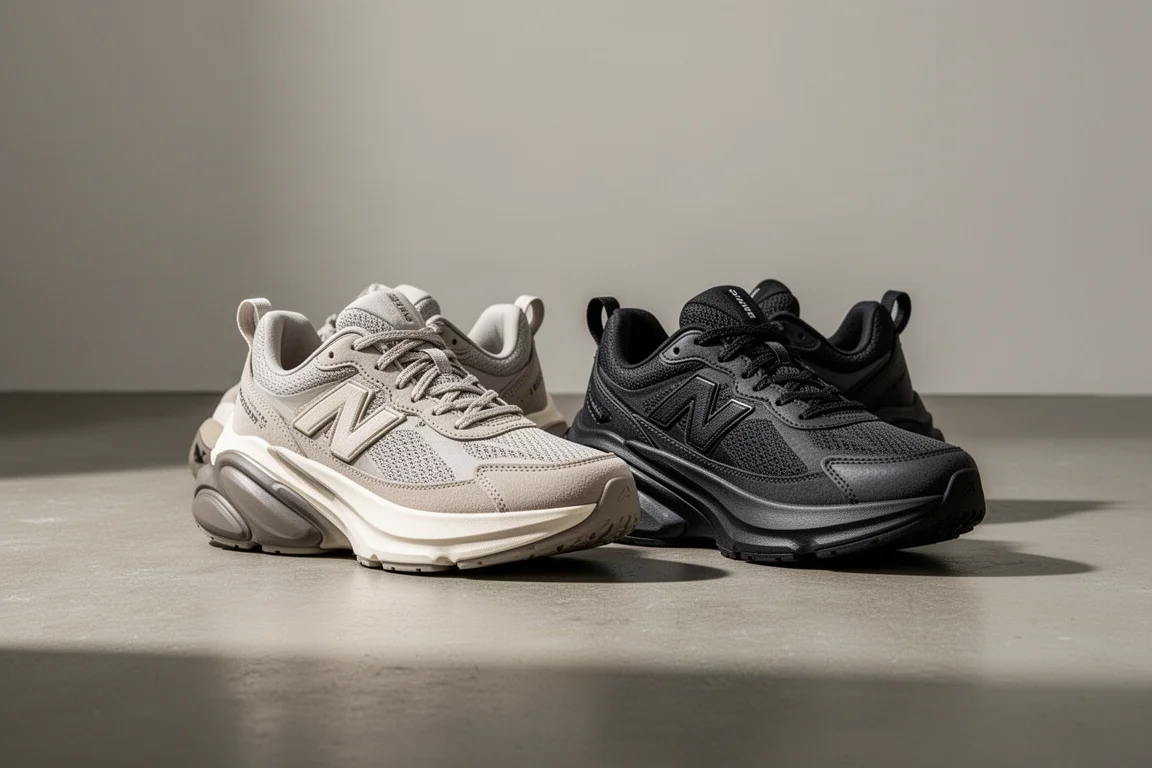
Max-cushion daily trainers just moved to a new level. For years, a 36 to 40 mm heel stack counted as high, but a new generation of shoes has pushed more than 10 mm beyond that. The Brooks Glycerin Max and the Puma MagMax Nitro both sit at a towering 47 mm in the heel, with huge midsoles underfoot, and both are built for comfortable daily miles rather than race day. If you want a huge amount of cushioning for easy running and long runs, these are two of the most prominent options in this new category. Which one suits you depends mostly on how you land, how you like the ride to feel, and what kind of fit you prefer.
Specs and Stack Height
In a men’s size 9 / women’s size 10.5, the Brooks Glycerin Max weighs 10.9 oz (309 g), while the Puma MagMax Nitro comes in a bit lighter at 10.3 oz (292 g). The heel stack is identical at 47 mm on both shoes. The forefoot differs slightly: the Glycerin Max measures 41 mm for a 6 mm drop, and the MagMax Nitro measures 39 mm for an 8 mm drop.
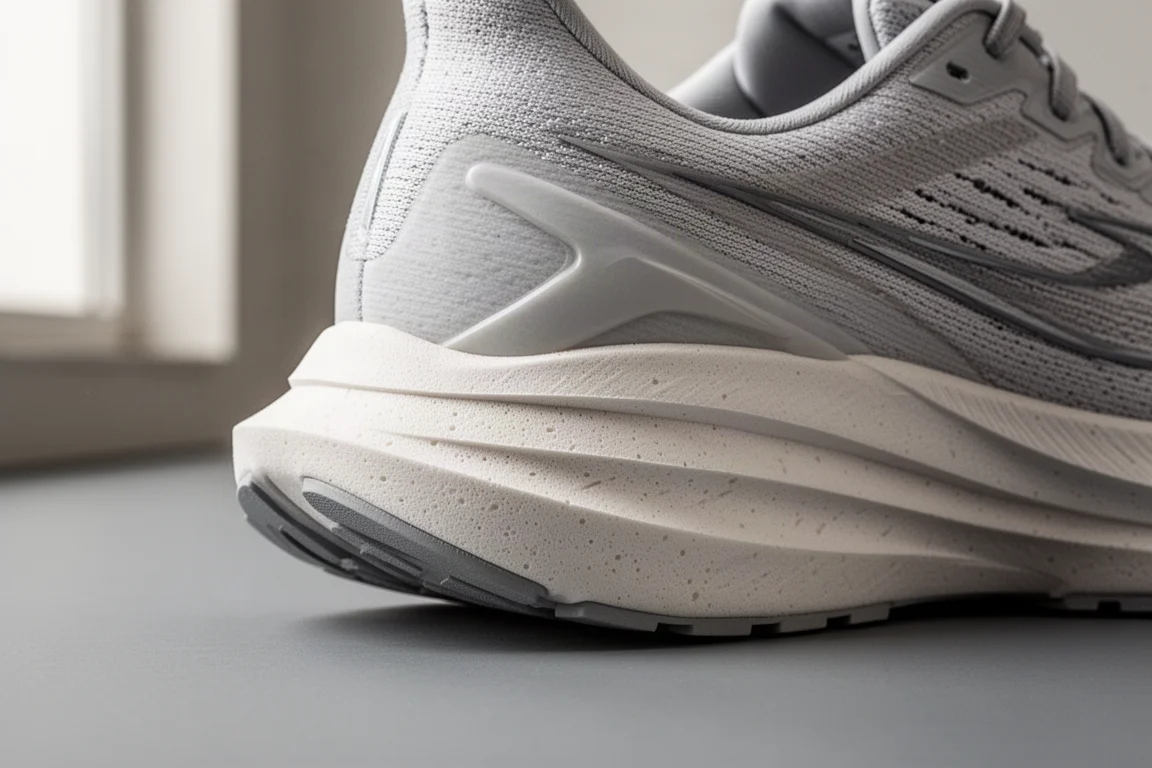
The Puma’s heel is a little clunky at first contact because of its chunky, flared heel. Even with a bevel, there is a lot of posterior flare, which tends to push landing slightly farther forward. The Brooks has a decent heel bevel that breaks in nicely, giving it a better heel transition overall.
Cushioning and Ride
Both foams are well cushioned without feeling mushy. The Glycerin Max is a touch softer in the heel, while the forefoot feels fairly comparable between the two. Brooks uses a foam variation called DNA Tuned, with a slightly softer heel and relatively firmer forefoot that transitions nicely. The Puma’s Nitro foam is just slightly firmer in the heel.
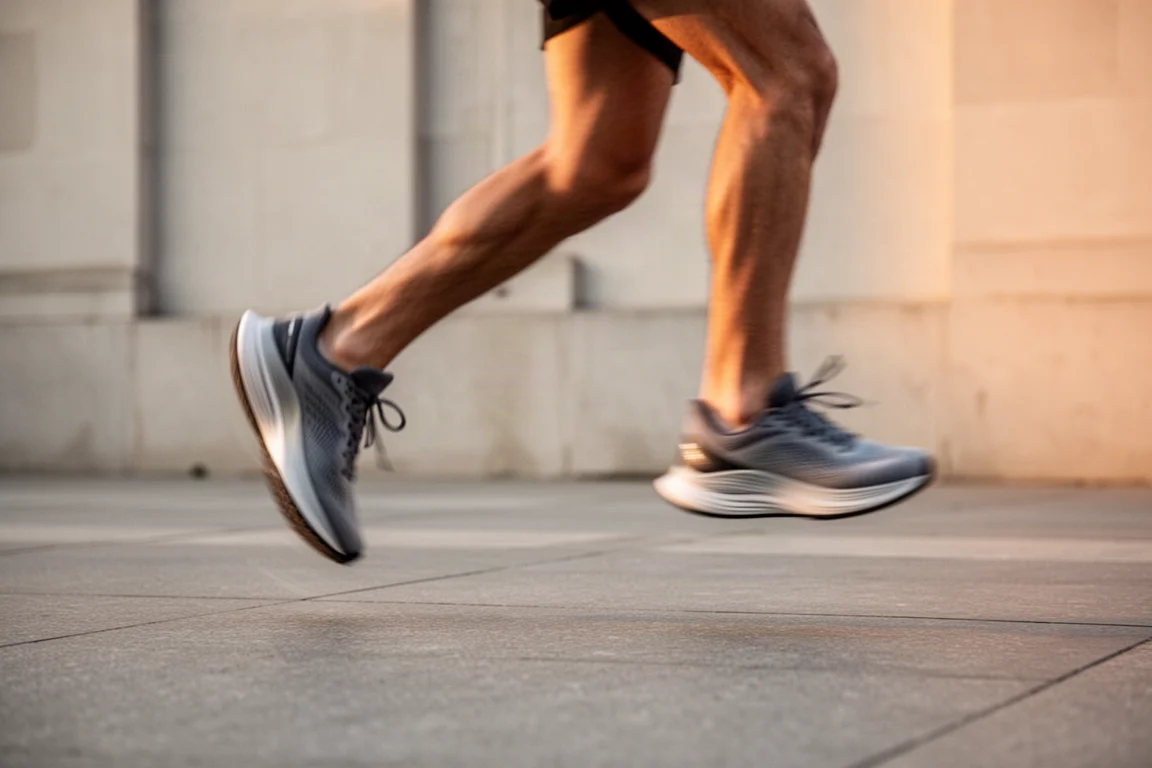
The ride character is where they really diverge. Neither shoe has meaningful flexibility; both are simply too tall for it. The Puma transitions much more smoothly through the midfoot and forefoot thanks to an earlier forefoot rocker. The Brooks is stiffer in the midfoot and forefoot, which some runners will actually prefer.
This split explains why two testers in the same household ended up on opposite sides: the rearfoot striker and stiffer-ride fan preferred the Glycerin Max, while the runner who lands farther forward and wanted a smoother transition preferred the MagMax Nitro. If you want a more stable neutral, slightly stiffer ride, Brooks is the better option. If you want a smoother front half of the shoe, Puma wins.
Both shoes are on the heavier end, and both are built for daily training rather than uptempo work. They shine on long runs and long, easy, consistent miles. For faster efforts, there are better options; even strides feel off because these shoes are large and transition slowly. Both are better suited to recovery runs and easier efforts.
Upper and Fit
The uppers are where the two shoes really part ways. The Puma has a more performance-oriented upper: lower volume, a bit more snug, and very secure. No heel lock lacing or extra lace tightening was needed, and the foot locks in well. It initially felt almost a half size short because of a low toe box, but it broke in and ultimately fits true to size. If you want a slightly snug, locked-in feel, the Puma is the better pick.
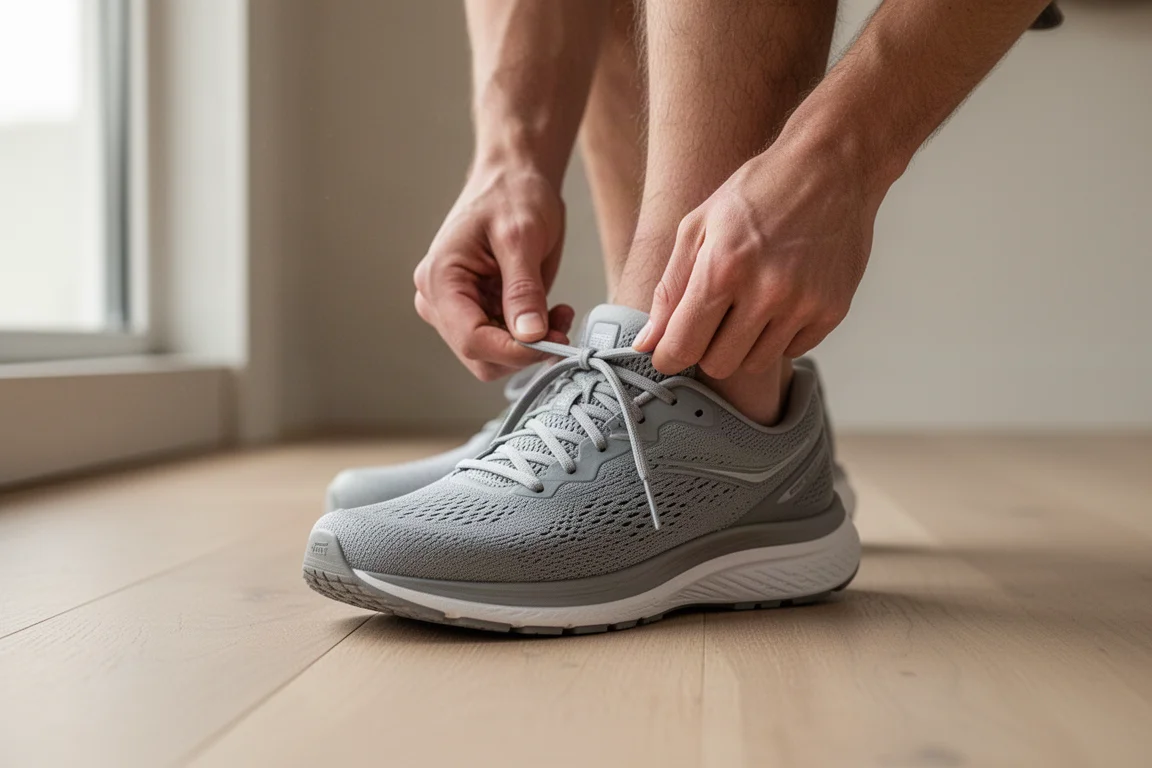
The Brooks upper is thicker and took longer to break in. It fits wider overall, with more midfoot and forefoot width, and higher volume. But the toe box tapers quickly and gets a little low-volume at the very end, so if you are sensitive to toes pressing into the front of the shoe, consider going up a half size. The upper also needs heel lock lacing; without it, the foot slides forward because the tongue is not gusseted, and early lace tightening caused some pressure on the top of the foot until the fit was adjusted and the upper broke in. Runners with wider feet will find more room in the Brooks, while runners who want a snugger, more secure fit should lean Puma.
Both shoes have fairly stiff heel counters, though the Puma is a touch more flexible. Neither was bothersome thanks to generous padding, especially in the Brooks. Runners with heel sensitivity may still be fine in either, but trying before buying is a sensible move.
Durability
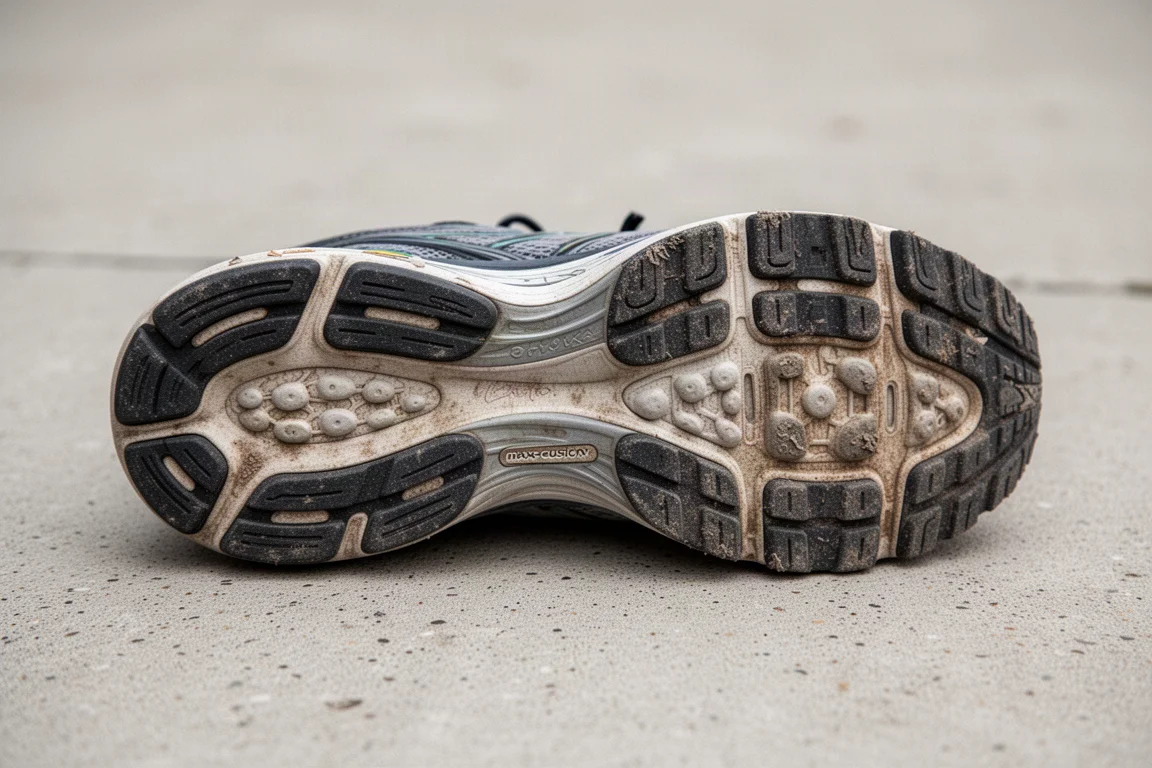
Durability favors Brooks, at least based on real mileage so far. With nearly 60 miles on the Glycerin Max, the outsole showed essentially no significant wear, and both shoes looked the same. The MagMax Nitro, with around 30 to 40 miles, was already starting to chew through the outsole material. There is still plenty of cushioning left in the Puma, and the lighter weight is part of the trade-off, but Brooks clearly holds up better in early testing.
Buying Advice
The decision comes down to landing style and fit preference. If you are a rearfoot striker who likes a slightly stiffer, stable neutral ride and wants proven outsole durability, the Brooks Glycerin Max is the stronger choice. Expect a longer break-in and consider a half size up in the wider upper. If you land farther forward, want the smoothest possible transition through the midfoot and forefoot, and prefer a snug, secure performance fit at a slightly lower weight, the Puma MagMax Nitro is the better match. Neither is ideal for fast workouts; both are best for easy miles and long runs.
Conclusion
Both shoes are genuinely good and represent a new, extremely tall chapter in max-cushion daily trainers. Whether 47 mm of stack is the right direction for everyday training is still an open question, and the height can make lower-stack shoes feel newly appealing. But for comfortable, easy mileage, both deliver, and the right pick depends simply on which shoe matches how you run.
Product link
View more details for Brooks Glycerin Max
This product is mentioned in the review. Check the specifications, options, and compatibility before buying.
View more details for Brooks Glycerin MaxFurther reading
Related Reviews

Running Shoes
Best Road-to-Trail Running Shoes: Three Versatile Options for Mixed Terrain
A practical guide to three road-to-trail running shoes that handle both pavement and mild trails, with clear strengths and trade-offs for different runner types.

Running Shoes
Best Running Shoes for Achilles Tendonitis: Three Options Explained
Three running shoes with different heel drops and support features designed to help reduce Achilles tendon pain during walking and running.

Running Shoes
Best Running Shoes for Women: Five Top Choices Ranked
A ranked guide to five women's running shoes, from versatile daily trainers to high-performance racing options, with real strengths and trade-offs for each.