Running Shoes
Brooks Glycerin Max vs Glycerin 21: Which Max-Cushion Daily Trainer Should You Buy?
Two shoes sharing the Glycerin name but delivering very different rides. We compare midsole foam, drop, fit, weight and price to help you pick the right one.
Introduction
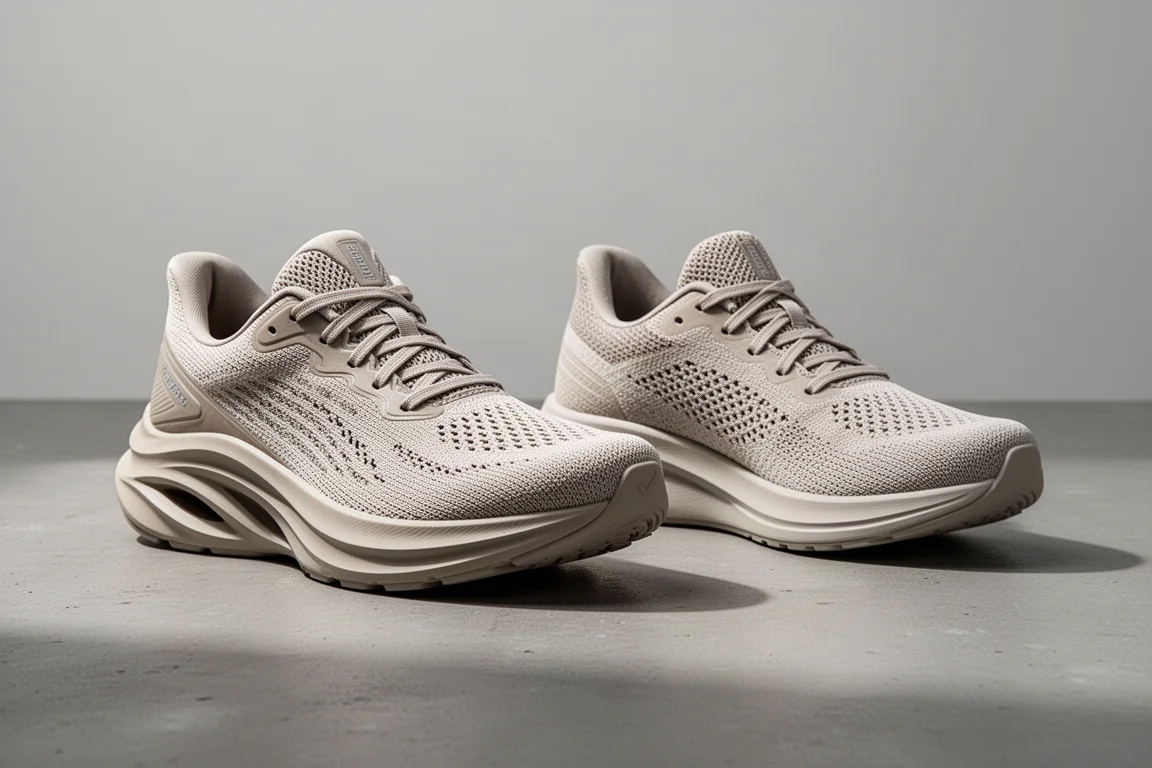
The Brooks Glycerin Max and the Glycerin 21 share a name, a brand philosophy and a lot of the same DNA, but they are not the same shoe. One is a new, high-stack model built around Brooks’s latest DNA tuned foam and a rocker geometry. The other is the classic Glycerin formula, familiar and reliable, at a noticeably lower price.
Having run in both, including a memorable side-by-side run with one shoe on each foot, we can say the gap between them is smaller than the spec sheet suggests. That is good news for buyers: it means you can choose based on what matters most to you, not on hype.
Specs and Construction
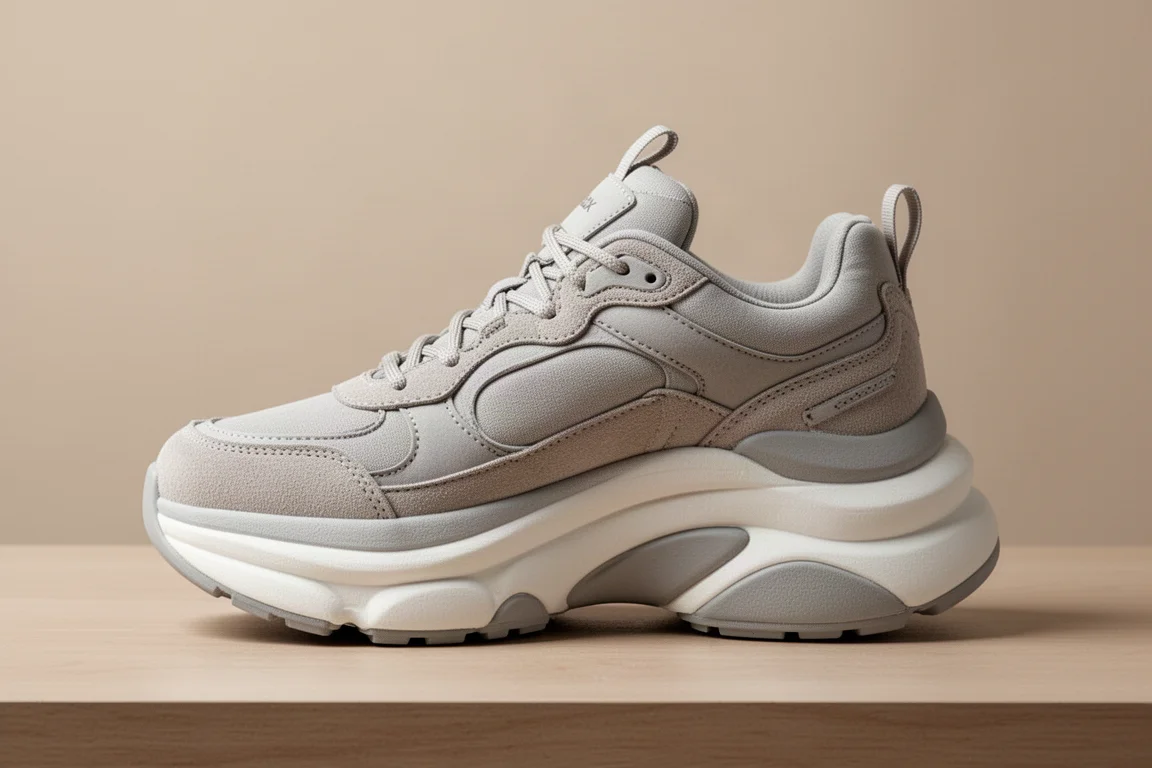
On paper the two shoes diverge in several areas. The Glycerin Max sits at a 6mm drop, while the Glycerin 21 offers a more traditional 10mm drop. The Max puts substantially more foam between your foot and the road, and that extra stack is the defining difference. The Max is also the heavier of the two in a men’s UK 8, and it is the pricier shoe by a considerable margin.
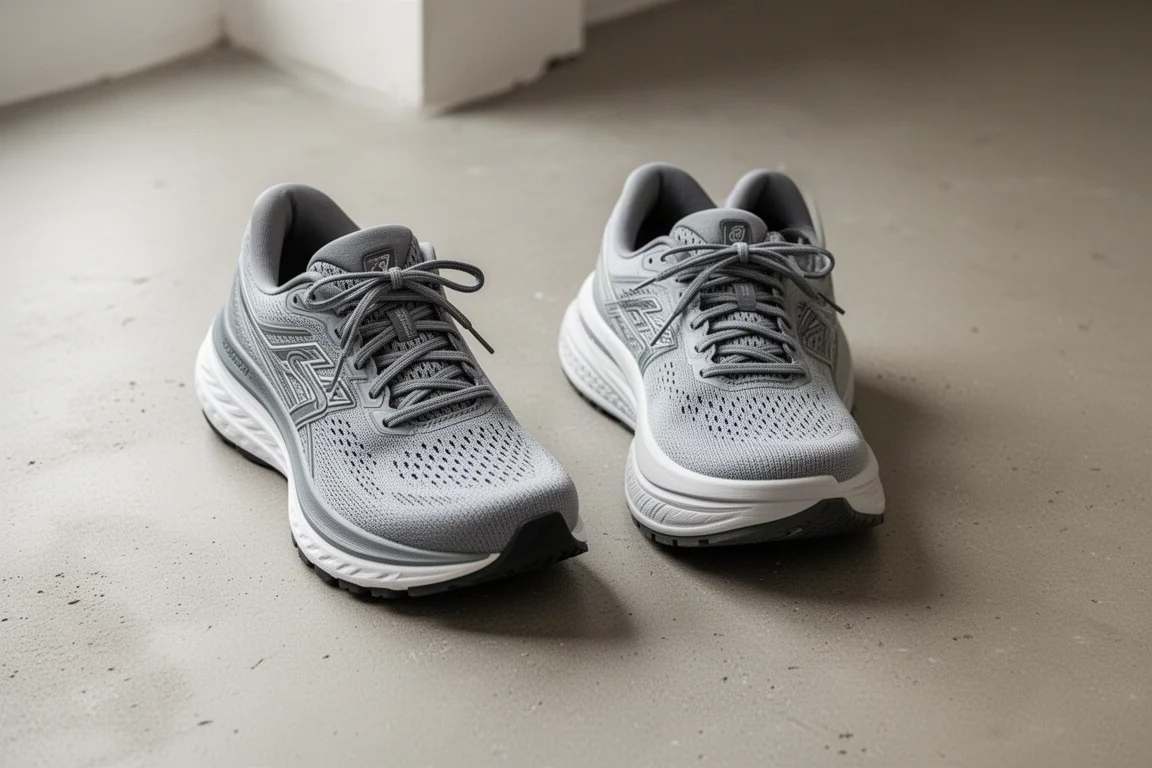
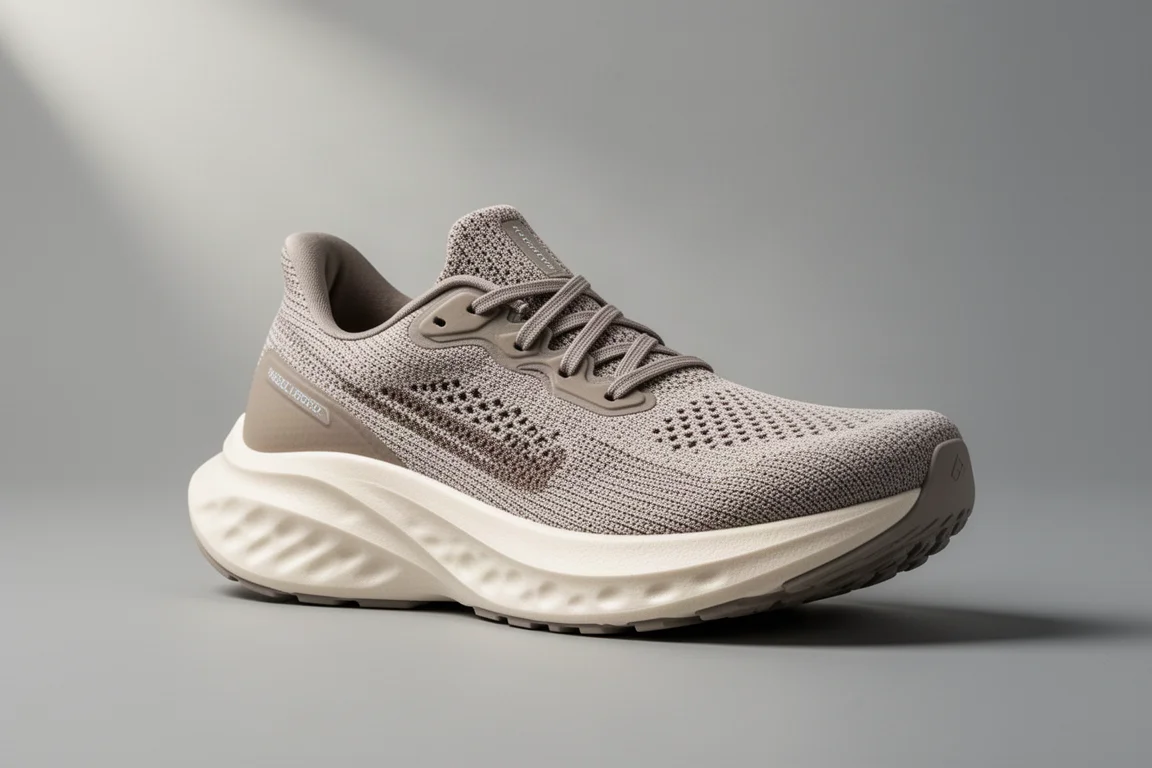
The midsoles use different foams: the Glycerin 21 carries the nitrogen-infused DNA LOFT v3 that Brooks has used in recent versions, while the Glycerin Max debuts the new DNA tuned foam, also nitrogen-infused, with large foam cells at the heel and smaller cells in the forefoot. The Max adds a rocker for smoother heel-to-toe transitions.
Uppers differ too: an engineered mesh on the Max versus a knit-style mesh on the Glycerin 21, with similar laces and padded tongues and heel collars on both. The outsole is rubber on the Max with focused coverage areas, while the Glycerin 21 uses Brooks’s Rotac outsole mixing rubber and silica.
Fit and Sizing
Across several testers, the fit story is remarkably consistent: go with your normal size in both. Testers running UK 8, 8.5 and 9 all found their usual Brooks size worked, with roomy toe boxes, good midfoot hold and a generous amount of padding.
The main difference sits at the heel. The Glycerin 21 has a squarer, stiffer heel counter with a bit more structure at the back of the shoe, which can irritate the Achilles tendon for some runners. The Glycerin Max uses a slightly narrower, softer-feeling heel counter that several testers preferred.
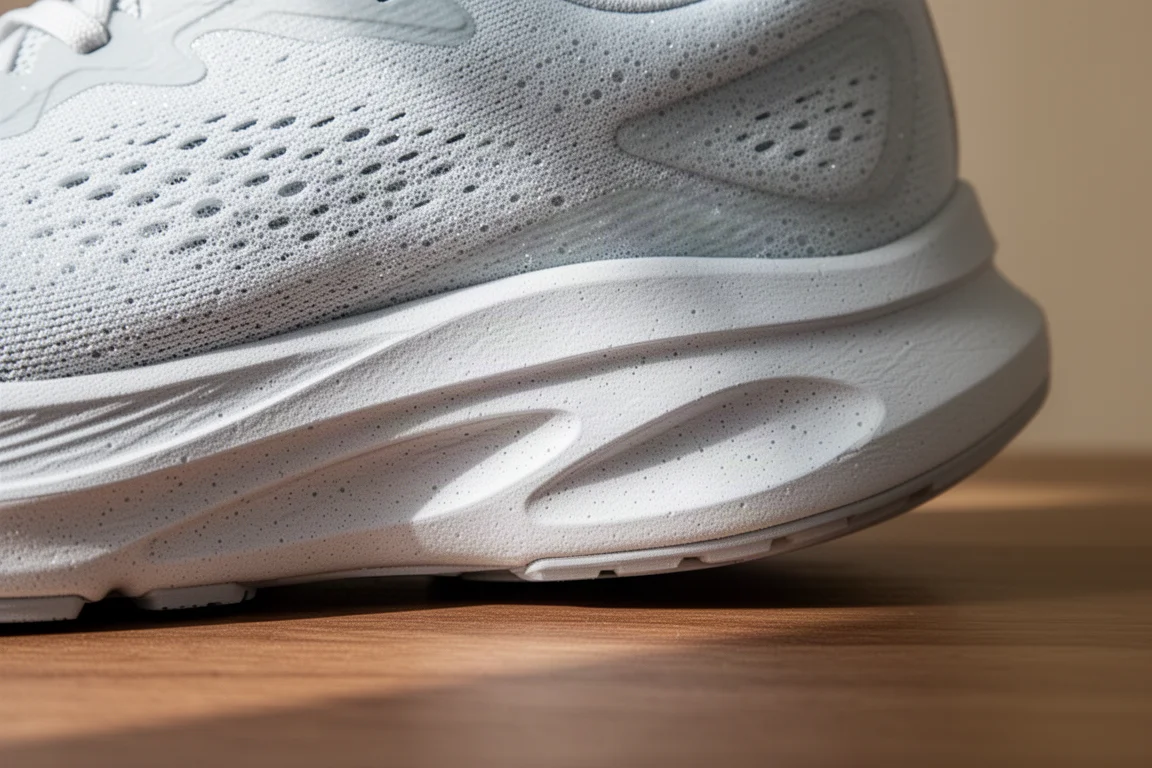
Both uppers are plush and unfussy, with plenty of wiggle room in the forefoot and a fairly wide midfoot. If you have wider feet, both should feel comfortable, and the Glycerin 21 also offers medium and wide fit options along with GTS and Stealth fit versions, giving you more choice if fit matters.
Midsole and Ride
This is where the shoes genuinely separate. The Glycerin 21 rides on DNA LOFT v3: a sturdy, comfortable, balanced foam that is stable and dependable but not soft by any stretch. It feels light and nimble underfoot for a cushioned trainer, and the higher drop gives a snappier feel through the transition.
The Glycerin Max uses DNA tuned foam, which is softer at the heel and firmer in the forefoot. You feel the difference in density as you roll through the stride: squishy and protective at the back, a bit more pop off the toes. It is not explosive, but it delivers a comfortable, reasonably lively ride, and the rocker makes the heel-to-toe transition noticeably smoother than the Glycerin 21.
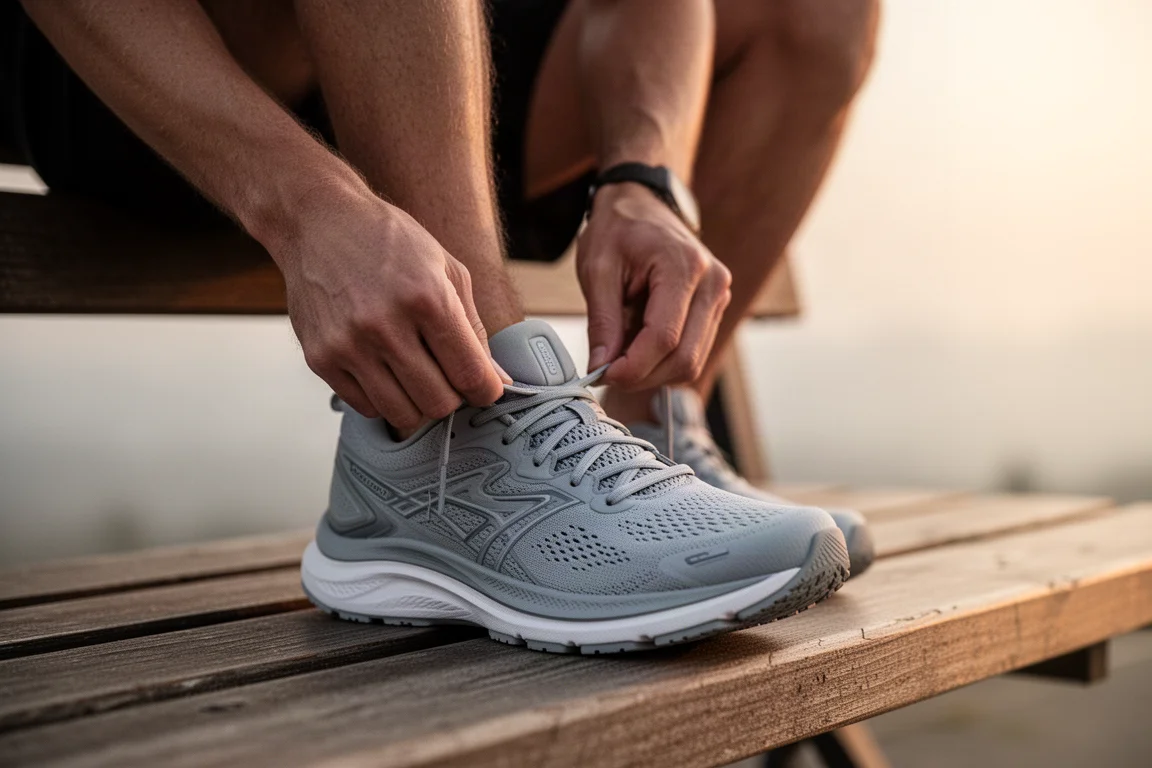
On a side-by-side run, the Glycerin 21 felt distinctly smaller, thinner under the forefoot, and almost spritely next to the Max, which feels like a big wedge of foam that extends all the way to the toes. But the Max is well controlled: the broader, stiffer platform counterbalances the huge stack, so you feel cushioned without feeling wobbly. Stability is excellent in both, thanks to wide bases.
For long runs at faster paces, the Glycerin 21’s thinner forefoot starts to show its limits, while the Max keeps absorbing shock over long distances. Neither shoe is really built for fast running; both are daily trainers geared toward easy and long runs.
Which One Should You Buy?
The Glycerin 21 is the better value play. It is cheaper, lighter and more agile, and it remains a very good, stable, cushioned daily trainer that handles everything from slow easy runs up to moderately quick efforts. If you find it on sale, it is a genuinely easy recommendation, especially for beginners and general runners who want a solid, dependable shoe.
The Glycerin Max is the more polished experience. The DNA tuned foam, the rocker and the extra forefoot protection make it the more enjoyable shoe for easy, recovery and long runs, and it can even handle some consistent faster-paced cruising. It does cost more, but for runners who avoided the Glycerin line because of its high drop, the Max finally offers the classic Glycerin comfort in a lower 6mm drop with smoother geometry.

If you can only pick one and value matters most, the Glycerin 21 is the smart pick. If the ride experience is what you are chasing and you are happy to pay a bit more for it, the Glycerin Max is the one worth reaching for first.
Conclusion
These two Glycerins are more alike than their names and stacks suggest. The Glycerin Max is the more refined, more enjoyable ride with better forefoot protection, while the Glycerin 21 remains a lighter, cheaper and more versatile classic. Match the shoe to your budget and how you like your cushioning, and either will serve you well for easy and long miles.
Further reading
Related Reviews

Running Shoes
Best Road-to-Trail Running Shoes: Three Versatile Options for Mixed Terrain
A practical guide to three road-to-trail running shoes that handle both pavement and mild trails, with clear strengths and trade-offs for different runner types.

Running Shoes
Best Running Shoes for Achilles Tendonitis: Three Options Explained
Three running shoes with different heel drops and support features designed to help reduce Achilles tendon pain during walking and running.

Running Shoes
Best Running Shoes for Women: Five Top Choices Ranked
A ranked guide to five women's running shoes, from versatile daily trainers to high-performance racing options, with real strengths and trade-offs for each.