Running Shoes
Brooks Glycerin Max Review: The Plush Max-Cushion Shoe Brooks Fans Have Been Waiting For
A tall, soft daily cruiser built on Brooks' new DNA Tuned foam. Here's how it performs, who it suits, and how it compares to the Puma Mag Max and ASICS Superblast 2.
Introduction
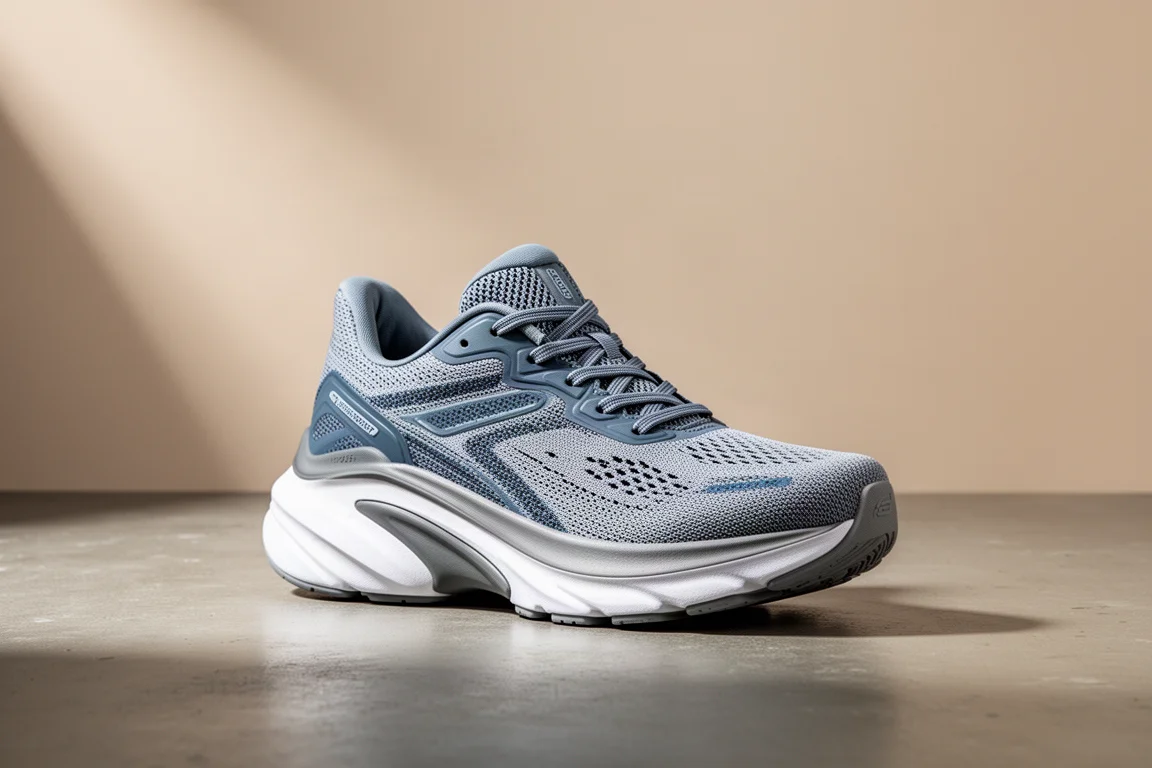
Softness is a deceptively complex feature in a running shoe. For years, Brooks’ interpretation of it skewed firmer than many runners wanted, and the brand has traditionally been conservative about experimenting with new foams. The Glycerin Max changes that. It is a tall, bold, unapologetically plush max-cushion shoe built around an all-new foam platform, and it finally delivers the kind of soft, pampered ride that the Glycerin name has hinted at for a long time.
Who This Product Is For
The Glycerin Max is for runners who care about comfort and time on feet rather than pace. It is ideal for easy runs, recovery days, and long runs where the goal is to log miles in the most comfortable way possible. It also works surprisingly well as an all-day casual shoe, since it looks good and stays comfortable for long stretches of walking or standing.
If you are a traditional Glycerin fan who prefers a firmer, more planted ride, be warned: this shoe is noticeably softer and a little wobblier than the rest of the series, and that mushiness may not be for you. Runners who want something for workouts should also look elsewhere in the Brooks lineup.
DNA Tuned Foam: A New Approach to Softness
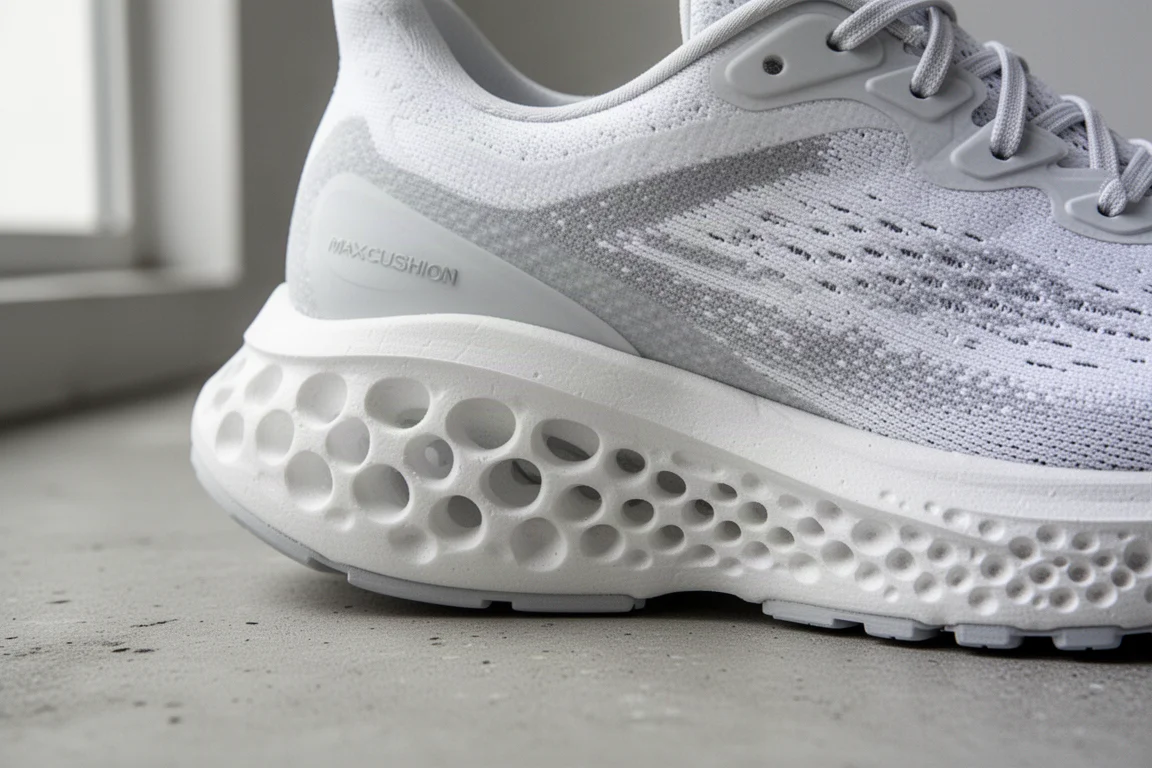
The headline spec is a 45 mm heel stack with a 6 mm drop, putting 39 mm of foam under the forefoot. The midsole uses Brooks’ new DNA Tuned foam, a nitrogen-infused foam made with two different cell sizes. Larger cells in the heel provide more softness and cushiness, while smaller, more tightly packed cells in the forefoot add a sense of bounce and responsiveness.
That layout flips the structure Brooks used in older shoes like the Ghost 10, where the firmer foam sat in the heel. Here, heel strikers get a softer landing, and the more responsive forefoot foam supports the push-off as you roll forward through Brooks’ Glide Roll rocker geometry, which carves the front of the shoe to help the big stack feel easier to manage.
On-Foot Feel: Comfort Without the Mush
On foot, this is the max-cushion Brooks that the brand has been missing. The softness feels exactly as it should: the foam compresses nicely on foot strike, absorbs impact, and decompresses with a pleasant rebound as you roll into the next step. It is a very modern shoe, and the technology is clearly working in the runner’s favor.
The wide footprint keeps the tall stack from feeling unstable, giving the shoe a bit of built-in stability without traditional stability elements. The upper is comfortable in classic Brooks fashion, with a tongue pulled from the Ghost and generous padding in the heel and Achilles flare, plus a fairly structured heel cup. There is slightly more padding and structure than strictly necessary, but that is common in this category. The oversized side logo adds unnecessary weight, yet it helps make this arguably the best-looking Brooks shoe to date.

Things to Consider Before Buying
Weight is the main compromise. Brooks lists 10.5 oz in its reference size, and a men’s size 9 came in at 10.8 oz, or 308 g. That rules it out for anything beyond short strides. For workouts or any sustained faster running, this is not the shoe to reach for.
Outsole coverage is not full rubber, with some exposed foam to shed weight, but there is plenty of rubber where it counts, and both the foam and the rubber should hold up well over time. Sizing runs true: if you know your Brooks size, stick with it.
At $200, the price is on the high side, and since this is an all-new shoe there is no prior version to pick up at a discount. It is also substantially different from the existing Glycerin series, so older Glycerin models are not really substitutes.
How It Fits Into the Brooks Lineup
The Glycerin Max slots into what is now a nearly complete lineup of Max shoes from Brooks. The Ghost Max serves as the everyday trainer, the Hyperion Max covers workouts and faster days, and the Glycerin Max takes the opposite end of the spectrum for recovery days and long runs. The Hyperion Elite exists as the carbon race shoe, but the Hyperion Max is currently the stronger pick for racing, making a three-shoe rotation of Ghost Max, Glycerin Max, and Hyperion Max the most logical setup.
Alternatives Worth Considering
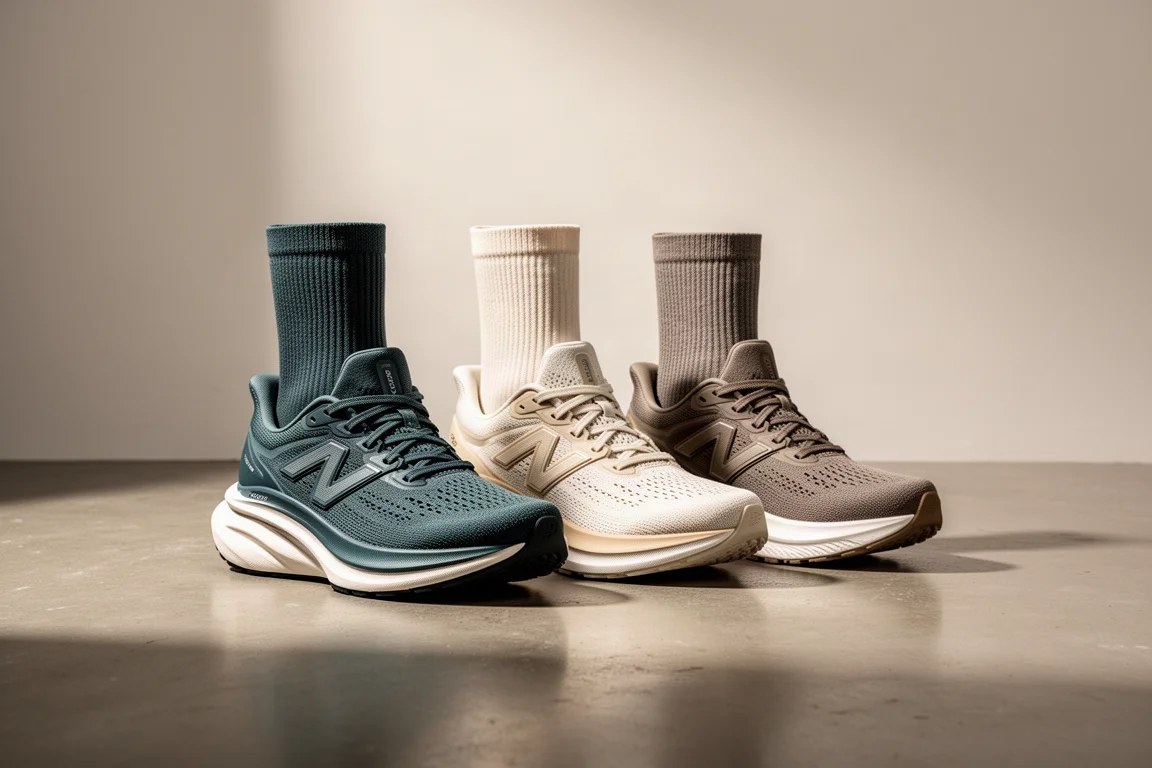
The closest competitor is the Puma Mag Max. It is also a very tall shoe using nitrogen-based foam, but with a different foam recipe that makes it a little bouncier and less mushy. In practice, that means the Glycerin Max is the plusher and more comfortable of the two, while the Mag Max offers a touch more energy. At $180, it also undercuts the Glycerin Max by $20. Both are strong examples of the max-cushion genre, so the choice comes down to plushness versus bounce.

The ASICS Superblast 2 sits at the same $200 price point, and the two shoes get compared often because they look similar: both are very tall, all-day cruiser silhouettes. In practice they are used differently. The Glycerin Max is pure comfort where pace does not matter, while the Superblast 2 combines a racing foam on top with a stabilizing daily training foam underneath, making it a better fit for long runs with extended marathon-pace miles or long workout reps. It has no carbon plate, so it is not strictly a race shoe, but it blends max cushion with race-day character in a way that works better on foot than on paper. Even so, $200 feels slightly high for what the Superblast 2 offers if comfort cruising is all you need.
Buying Advice
If your priority is the most comfortable possible experience on easy days and long runs, the Glycerin Max is an easy recommendation and a genuine step forward for Brooks. If you want a bit more bounce for less money, look at the Puma Mag Max. If you want one tall shoe that can handle both comfort and sustained speed, the ASICS Superblast 2 is the more versatile, though pricier-feeling, option.
Conclusion
The Brooks Glycerin Max finally gives Brooks a true max-cushion flagship: deeply soft, well built, good-looking, and genuinely comfortable for long stretches on foot. It is heavy and expensive, and it has no business in workouts, but as a recovery and long-run specialist it is exactly the shoe many runners have been hoping Brooks would make.
Product link
View more details for Brooks Glycerin Max
This product is mentioned in the review. Check the specifications, options, and compatibility before buying.
View more details for Brooks Glycerin MaxFurther reading
Related Reviews

Running Shoes
Best Road-to-Trail Running Shoes: Three Versatile Options for Mixed Terrain
A practical guide to three road-to-trail running shoes that handle both pavement and mild trails, with clear strengths and trade-offs for different runner types.

Running Shoes
Best Running Shoes for Achilles Tendonitis: Three Options Explained
Three running shoes with different heel drops and support features designed to help reduce Achilles tendon pain during walking and running.

Running Shoes
Best Running Shoes for Women: Five Top Choices Ranked
A ranked guide to five women's running shoes, from versatile daily trainers to high-performance racing options, with real strengths and trade-offs for each.