Running Shoes
Brooks Glycerin Max 2 Review: Comfort Monster, But Is the Upgrade Worth It?
Brooks' most cushioned trainer returns with a wider base and a heavier build. We compare it against version one, Puma, Asics, and Nike to see where it fits.
Introduction
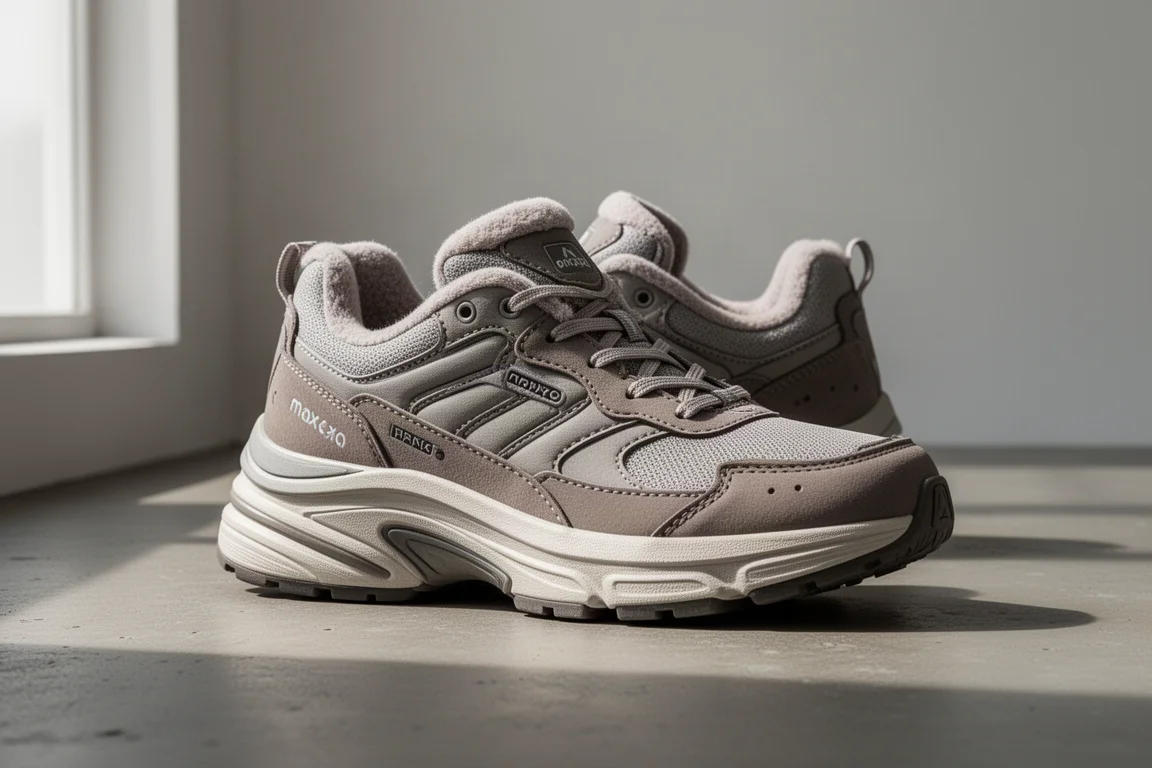
The original Glycerin Max was a pleasant surprise: an ultra-plush, max-stack shoe that held its own in one of the most fiercely competitive corners of the running market. It was a solid option for long runs, easy miles, and a dependable safe bet for heavier runners. Now Brooks is back with version two, and it has tweaked quite a few things along the way.
The big question is whether this is the upgrade people were hoping for, or whether runners would be better off snapping up version one on discount, or even looking at what Puma, Asics, and Nike have on offer. This one was picked up on launch day in central London for £180, so there is real money on the line here.
What Has Changed in Version Two
The first and most noticeable difference is an unfortunate one: this shoe is 15 g heavier than version one in a UK size 12. Version one came in at 375 g, and this one is a quite whopping 390 g. Version one was already on the heavier side, and you can really tell this is a heavy shoe to be running around in.
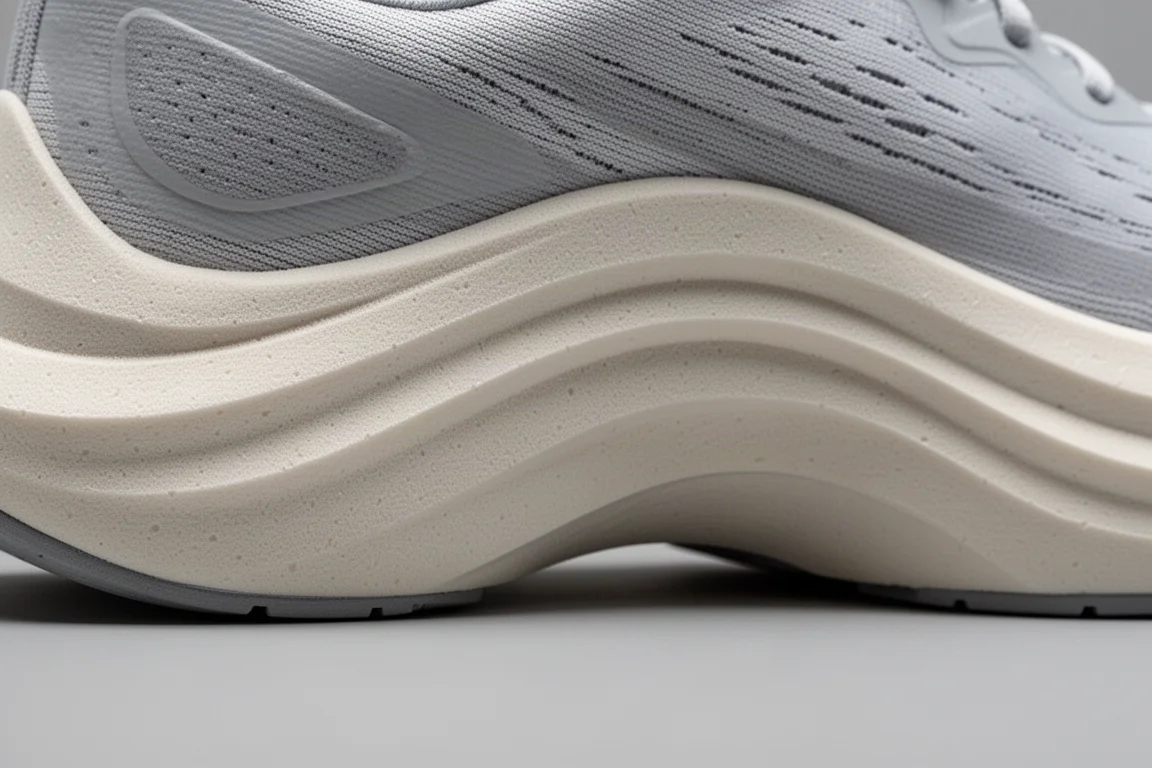
Brooks has also added a slightly wider base on the bottom of the shoe for a little extra stability. The foam is exactly the same DNA Tuned midsole as before, though the midsole shape is slightly different, and the upper has been tweaked too: slightly less padding around the heel and ankle, and a different style of mesh up front. The outsole pattern is new, but the compound is the same sticky rubber that works well for wet-weather running. Price, stack height, and drop all stay the same.
Facts and Figures
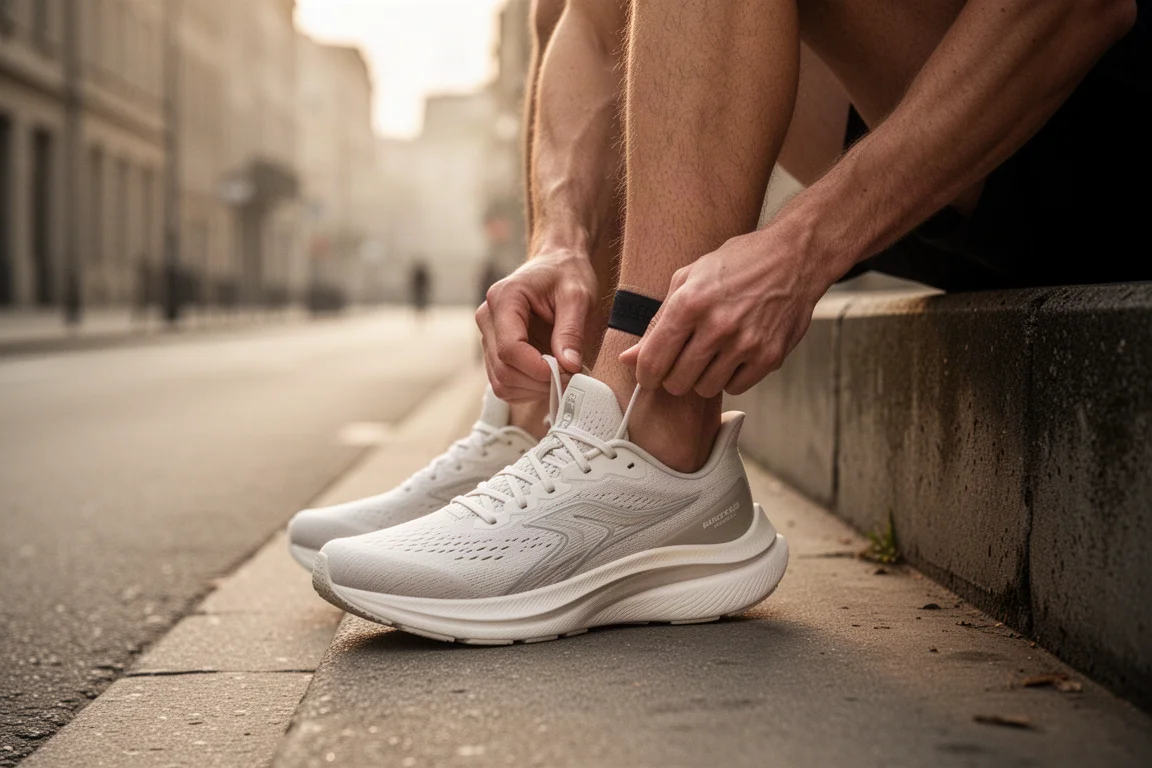
This is Brooks’ most plush shoe in the range, built to deliver maximum comfort over traditionally long distances. It is a long-run mileage monster, ideal for slower long efforts and easy-pace running.
Key details: 45 mm stack height at the heel with a 6 mm drop, 390 g in a UK size 12, and a price of £180. The upper is a triple jacquard mesh that feels a little less bulky than version one. The midsole uses Brooks’ nitrogen-infused DNA Tuned foam with a slightly different density at the front versus the back, a touch softer at the rear, and there is no plate. The outsole is a very grippy rubber that should work particularly well in winter, with some exposed foam.
There are no width options available, but the shoe runs very wide, possibly a little too wide if your feet are on the narrow side, where some bunching can occur. Unless you have severely wide feet, the fit should be fine, and it runs true to size.
What We Liked
Comfort is the headline here, and it is so good. A big padded heel, an extremely padded tongue, and a fit that sits nicely on top of the foot make this a shoe you could wear for a very long time, whether walking or running. It could be a particularly good option for a road ultra, or any runner who wants to prioritize comfort above everything else on a particularly long run.
It is also very stable. The slightly wider base adds surface area underfoot, so you can feel confident with sudden changes of direction, which matters a lot in max-stack shoes where some rivals can feel twitchy. The foot sits into the foam a little, helping stability, and that is reassuring when you are running tired at the back end of a long run and your form gets sloppy.
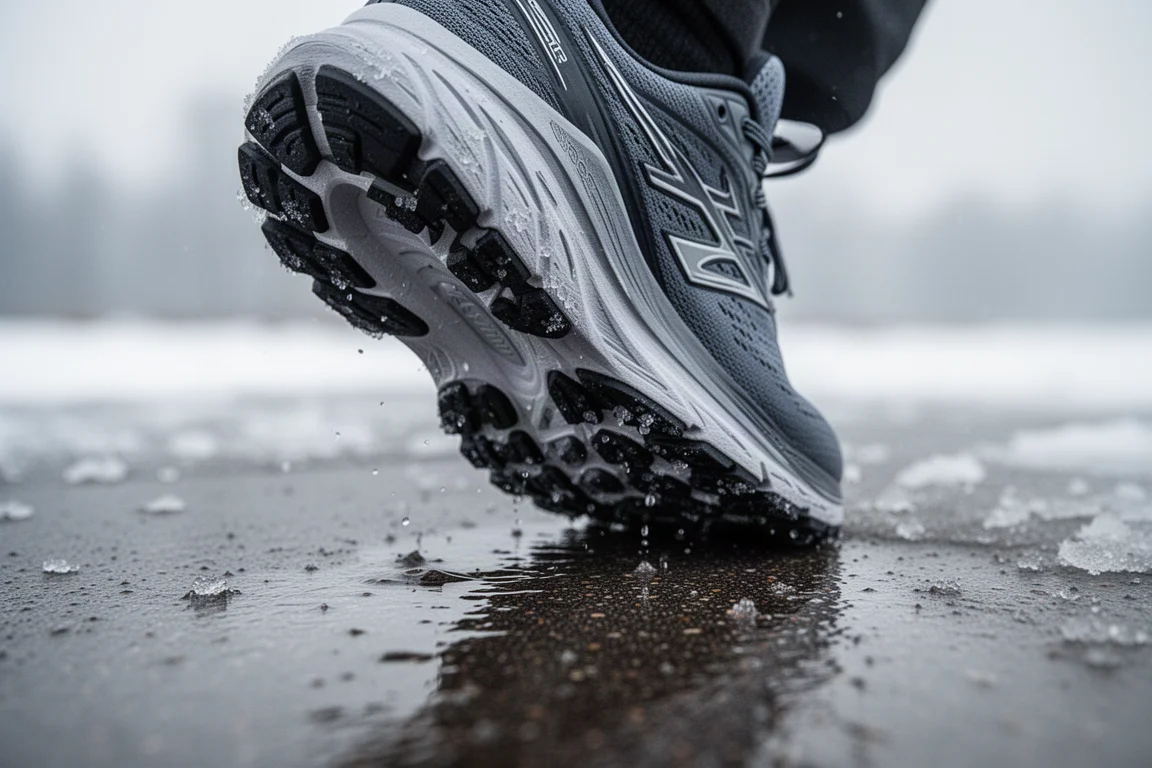
Grip is a third strong point: the outsole is very strong, and the darker launch colourways suit wet autumn and winter running in the northern hemisphere. Build quality is classic Brooks, a premium-feeling, well-made shoe that should last a good amount of time. And it remains a good option for heavier runners, with plenty of foam to absorb impact that is not so mushy that you worry about it bottoming out.
Things to Consider Before Buying
The weight is the biggest drawback. At just under 400 g, it feels so much heavier than version one, to the point of feeling a tad brick-like. A weight decrease was what many hoped for, and the opposite happened.
The ride is also on the firmer side with little poppiness. It is not that responsive, with no real reaction off the pavement. It is fine for cruising at easy paces, maybe up to marathon pace, but feels lethargic when you try to pick things up. At £180, it is undeniably expensive for what is quite a niche shoe, which makes it hard to recommend at that price point.
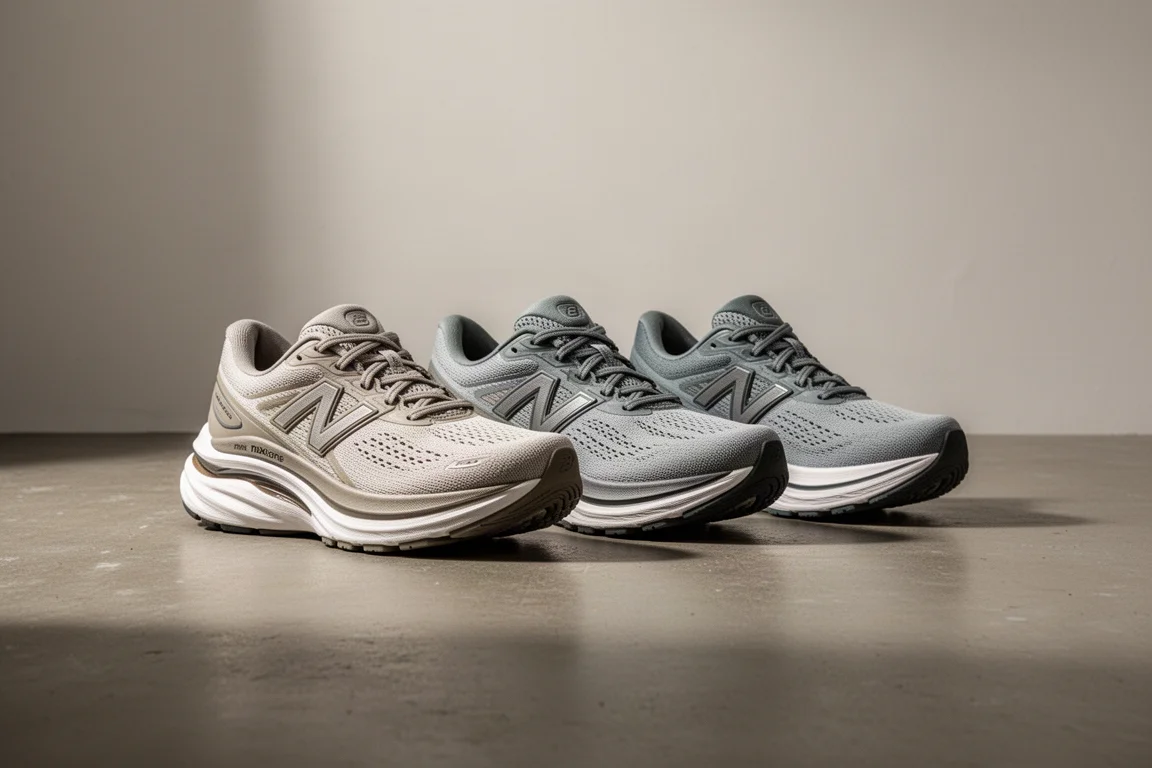
Two smaller gripes: the laces are incredibly long, though soft and plush, and the launch colourways are simply less appealing than version one’s, which felt distinctive and cool by comparison.
How It Compares
Brooks Glycerin Max (Version One)
If you liked version one, the advice is simple: stock up on it. Version two feels heavier because it is, and a little less responsive and firmer too. Version one still covers ground nicely with its lovely rocker technology at the front of the shoe, and at this point it is the better buy, especially if you can find it discounted.
Puma Magnify
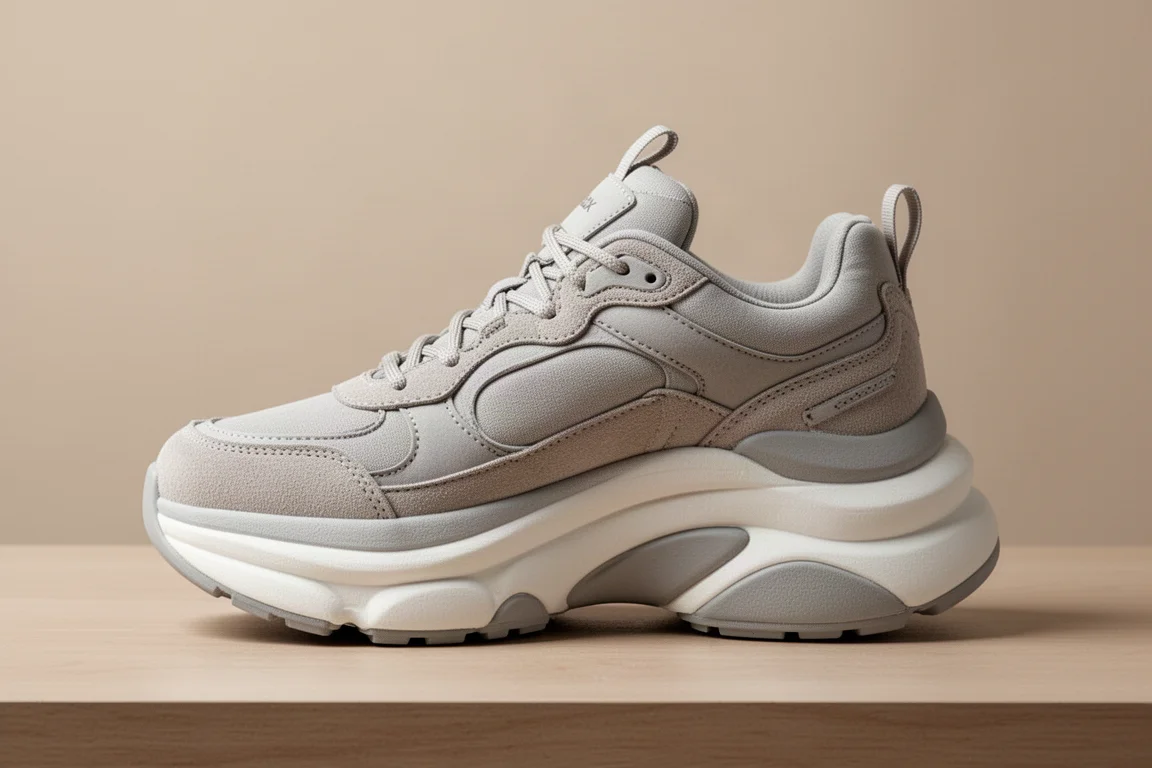
The Puma Magnify is so much lighter and much more responsive, with a good, engaging, fun ride. It sits firmly on the firm side, similar in character to the Glycerin Max, but it is £10 cheaper, and some colourways can be found at bargain prices around £120.
Asics Mega Blast
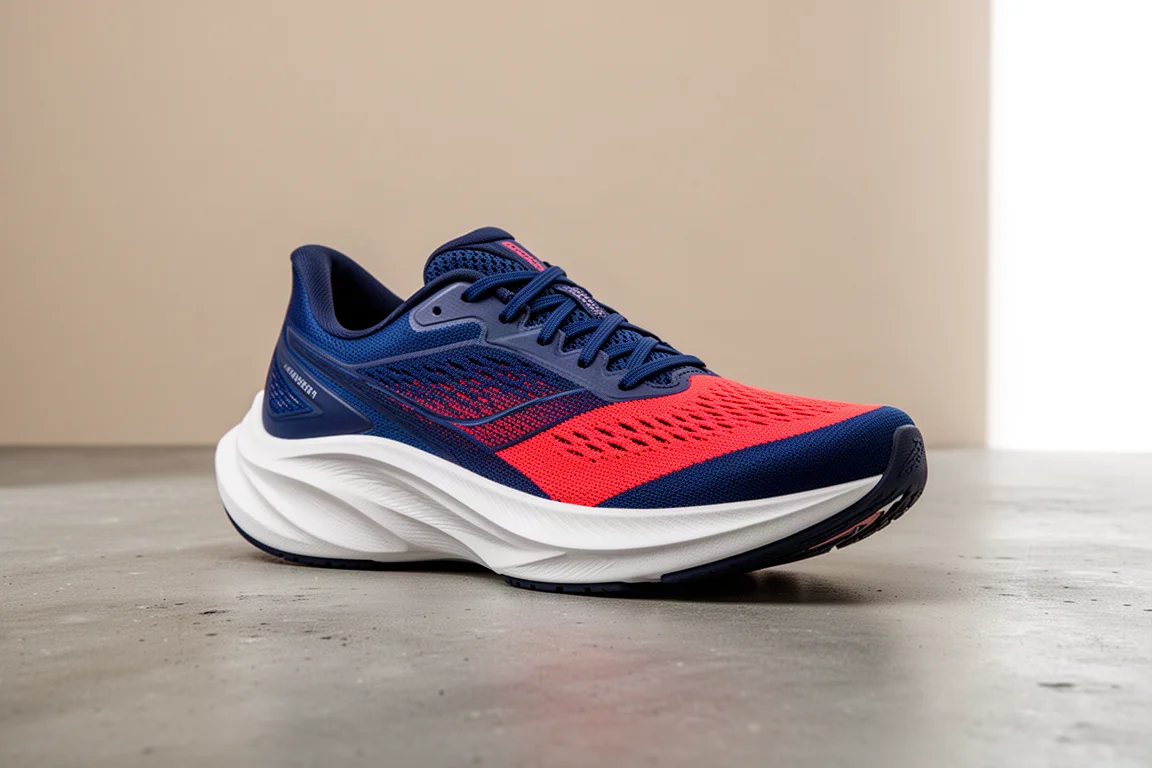
The Asics Mega Blast is a little more expensive but way, way lighter, and the difference is easy to notice. It is far more fun to run in and a bit more stripped back, not geared entirely toward max soft comfort through the upper. It is still very comfortable, but it offers way more paces: you can rip out fast reps and even enjoy a race in it. The catch is that it costs £30 more.
Nike Vomero Plus
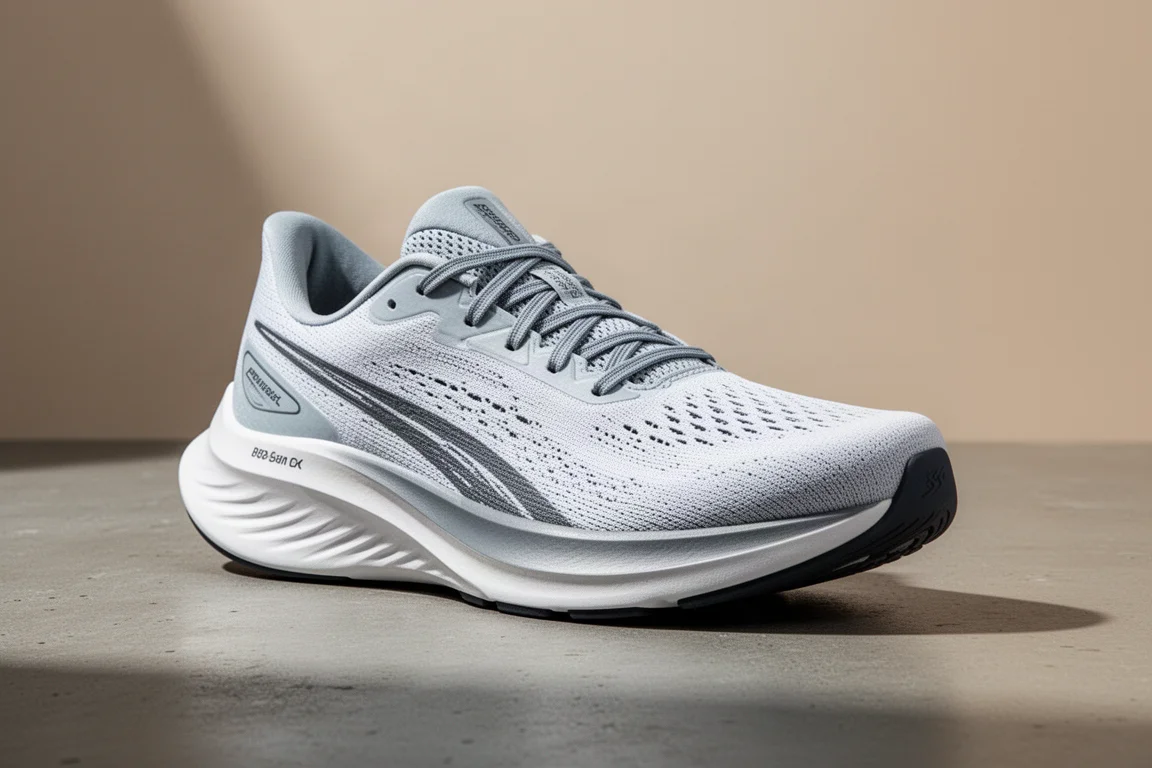
The Nike Vomero Plus is again much lighter, with better energy return and much more responsiveness, and it is £25 cheaper. It is a little less stable in the corners, so you need to be deliberate about foot placement and keep it on nice, flat ground. You get a much better turn of speed, and a more engaging, fun ride overall.
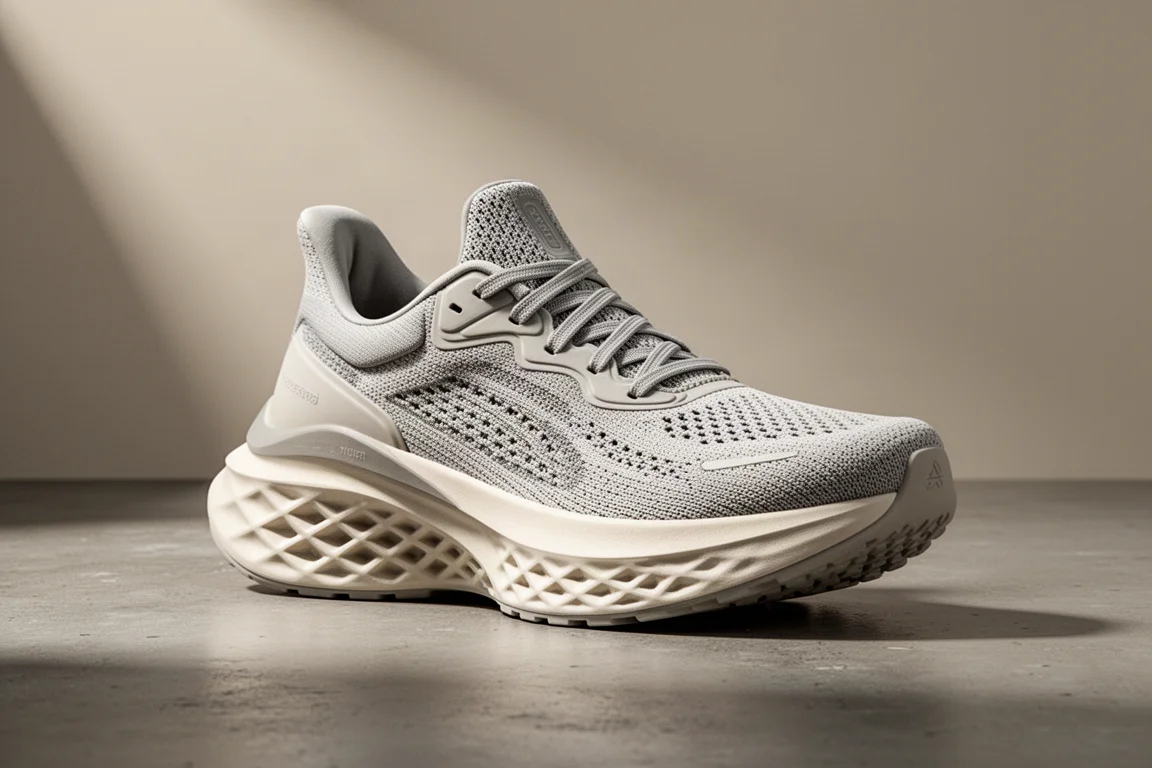
Buying Advice
If you liked version one, do not upgrade. Version two is heavier, less responsive, and firmer, and it is hard to see who this upgrade is for. It still offers that lovely rocker up front and covers ground acceptably up to around marathon pace, but beyond that it feels very lethargic.
The positives are real: great comfort, good Brooks build quality, a stable ride, and a dependable option for heavier runners who want a very cushioned shoe for their miles. But with competitors offering so much more engaging and exciting product, and modern foams leaving this one feeling a little old-fashioned, it is a tough recommendation at £180. If you want to stay in the Brooks lineup, this remains its most cushioned and stable offering.
Conclusion
The Glycerin Max 2 is a supremely comfortable, stable, well-built long-run shoe that will look after your feet for miles. But with more weight than its predecessor, a firmer and less responsive ride, and rivals offering lighter, livelier alternatives at lower prices, version one on discount is the smarter buy for most runners.
Further reading
Related Reviews

Running Shoes
Best Road-to-Trail Running Shoes: Three Versatile Options for Mixed Terrain
A practical guide to three road-to-trail running shoes that handle both pavement and mild trails, with clear strengths and trade-offs for different runner types.

Running Shoes
Best Running Shoes for Achilles Tendonitis: Three Options Explained
Three running shoes with different heel drops and support features designed to help reduce Achilles tendon pain during walking and running.

Running Shoes
Best Running Shoes for Women: Five Top Choices Ranked
A ranked guide to five women's running shoes, from versatile daily trainers to high-performance racing options, with real strengths and trade-offs for each.