Running Shoes
Brooks Glycerin Max 2 First Impressions: Deeply Cushioned, But Is It Soft Enough?
A 46mm heel stack, nitrogen-infused DNA Tuned foam and a GlideRoll rocker make the Glycerin Max 2 a monster of a daily trainer. We took it out for its first run.
Introduction
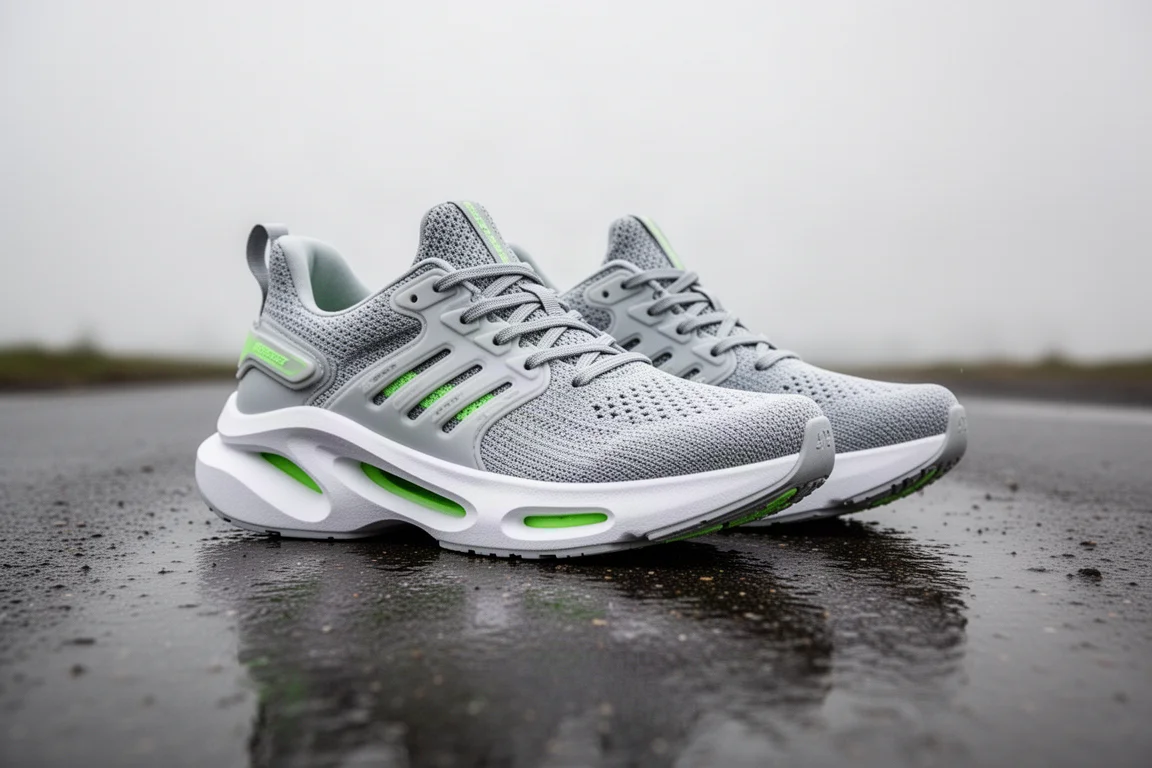
Max-cushion shoes keep getting bigger, and the new Brooks Glycerin Max 2 is no exception. With a 46mm stack at the heel and 40mm under the forefoot, this is a deeply cushioned neutral daily trainer built for easy, steady miles. The original Glycerin Max found plenty of fans, so we laced up the sequel for its first proper outing to see what has changed and whether it lives up to the softness Brooks promises.
Specs and Design: A Midsole Goliath
The headline numbers are unmissable: a 46mm heel stack, 40mm forefoot stack and a 6mm heel offset. That modest drop will suit runners who find the heel too dominant on many Brooks shoes. The trade-off is weight. Our pair in a UK 9.5 tips the scales at 338g, a slight increase over the previous model, so this is not a lightweight option.
The shoe has just released at £180 in the UK, so the midsole is not the only hefty part of this shoe. Positioning is clear: it is meant for recovery runs, long training days and anyone chasing plushness, not performance racing.
Upper, Midsole and Outsole
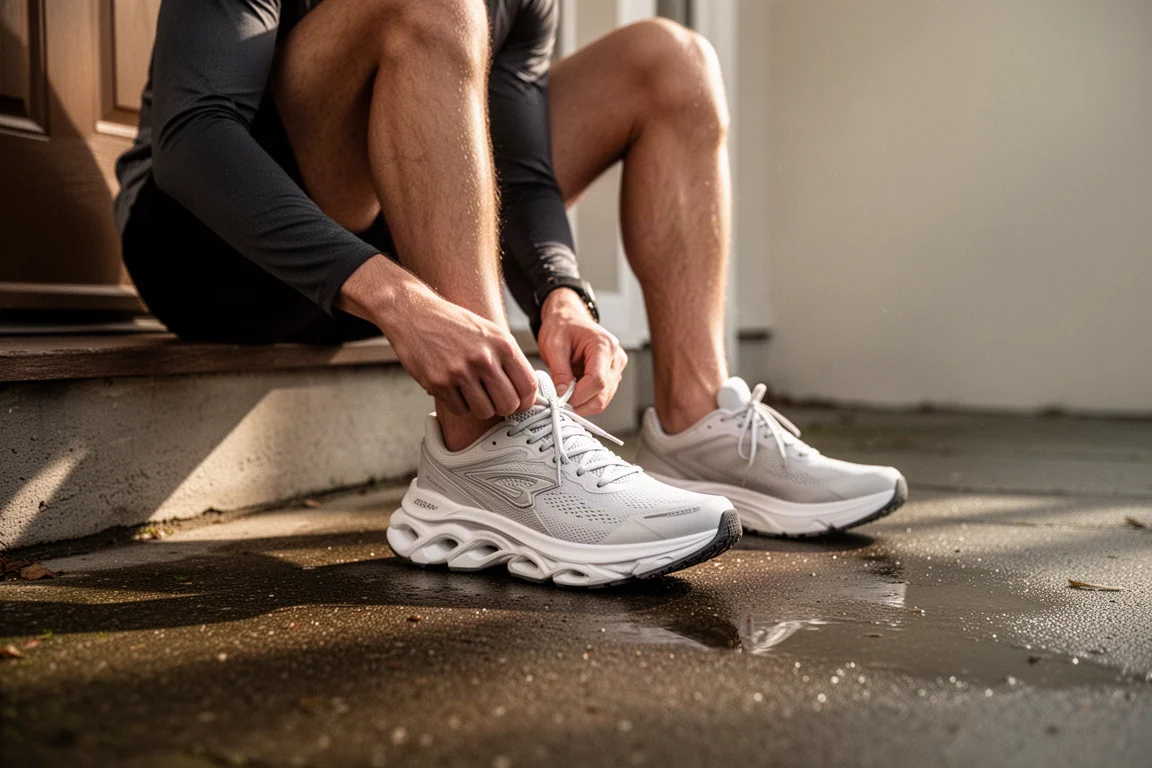
The upper is typical Brooks: soft, premium fabrics with generous padding in the tongue, ankle collar and heel cup. It uses a standard tongue rather than a gusseted one, plus a slightly flared heel, overlay reinforcement around the lace eyelets and high-visibility detailing on the heel cup for safer night running.
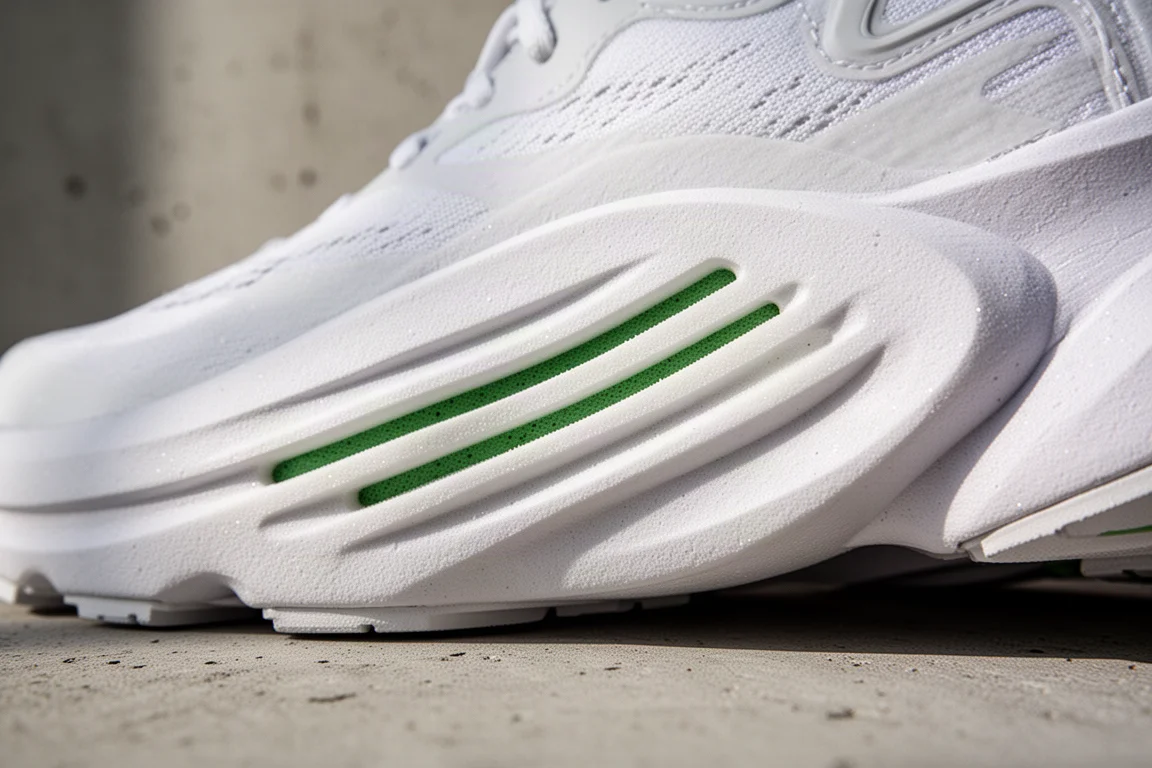
Down below, Brooks uses its nitrogen-infused DNA Tuned foam with two distinct blends: larger foam cells in the heel for softness on heel strikes, and smaller cells under the forefoot for a firmer, more powerful toe-off. The GlideRoll rocker geometry is aggressive, and there is an inner green core covered by a white outer layer, exposed through grooves cut into the midfoot on both sides. Pressing into the foam, it feels nicely bouncy in hand.
The outsole pairs blown rubber on the high-wear areas around the heel and forefoot with a fair amount of exposed foam, presumably to keep weight down. A full rubber outsole would likely have added 20 to 30g.
Fit and Feel on the Run
On the foot, the Glycerin Max 2 fits true to size. Our UK 9.5 gave just the right length in the toe box, and worries about over-padding proved unfounded. The plush interior still allowed a secure midfoot lockdown and a solid heel hold, feeling like a comfortable pair of slippers straight out of the box with no rubbing or irritation over a long run.
One caveat: the toe box feels a little narrower than many other Brooks shoes. Runners with wider forefeet may struggle, and it is not clear that a wide option is available yet. For narrower foot shapes, it fits like a glove.

How It Performed on a 7.3-Mile Test Run
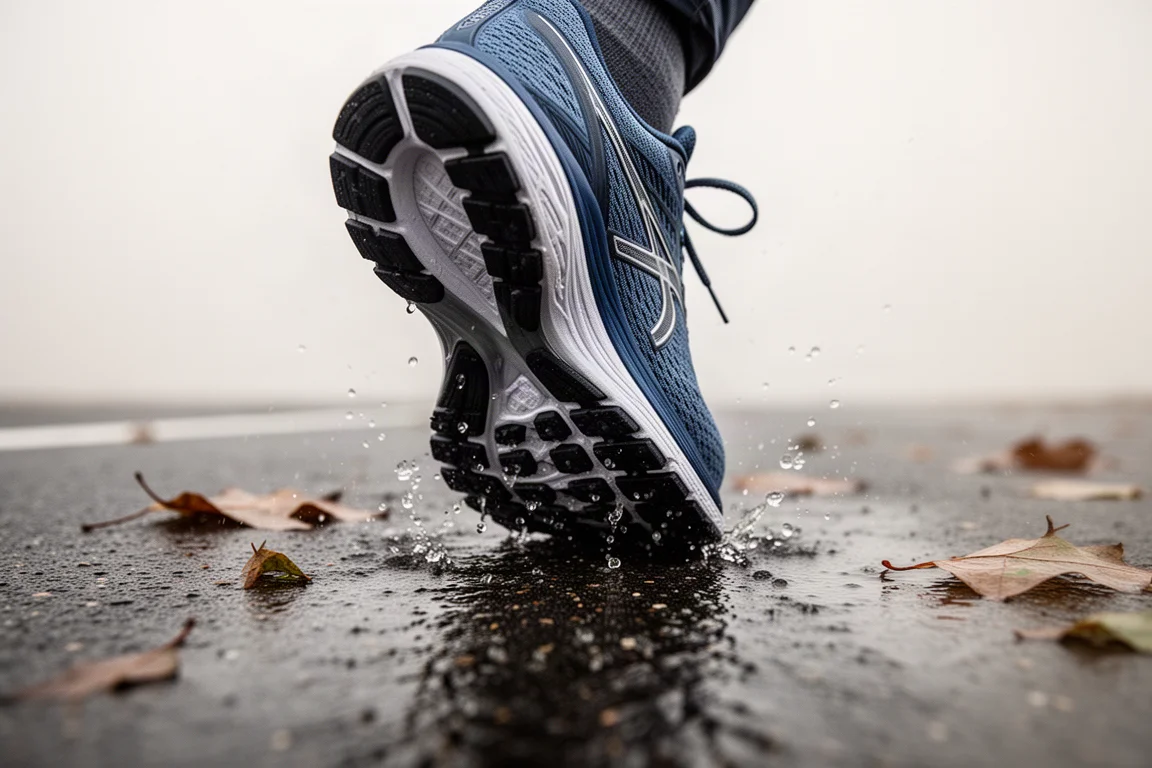
Over a 7.3-mile first outing in mixed conditions, the shoe rolled along nicely once we adapted to the aggressive rocker drop-off at the toe. The outsole was a genuine highlight: on greasy wet pavement and damp leaves, the grip felt super sticky despite the partial rubber coverage.
The midsole, though, was the letdown. Despite Brooks positioning this shoe for runners seeking the ultimate softness, the ride felt comfortable but firm for such a deeply cushioned trainer, and a little flat. There was not much bounce or energy return. Perhaps the nitrogen-infused foam needs bedding in, or perhaps these foams are simply starting to feel dated next to newer, softer, more energetic midsoles on the market. A 20 to 30g weight reduction would also help; the extra mass was noticeable on the run.
Buying Advice
Buy the Glycerin Max 2 if you want a plush, secure, well-fitting upper for steady recovery miles and long easy runs, and you value grip in wet conditions. Look elsewhere if a lively, bouncy ride is your priority, or if you have a wide forefoot, at least until a wider option appears. At £180, it is priced at the premium end of the daily trainer category, so try before committing if midsole feel matters most to you.
Conclusion
The Brooks Glycerin Max 2 gets a lot right: a comfortable, true-to-size upper, excellent wet-weather grip and an efficient rocker that rolls along pleasantly once you settle into it. But for a shoe built around ultimate softness, the midsole feels firmer and flatter than its 46mm stack suggests. It is a dependable, deeply cushioned daily trainer, just not an exciting one, and that extra weight is hard to ignore.
Product link
View more details for Brooks Glycerin Max 2
This product is mentioned in the review. Check the specifications, options, and compatibility before buying.
View more details for Brooks Glycerin Max 2Further reading
Related Reviews

Running Shoes
Best Road-to-Trail Running Shoes: Three Versatile Options for Mixed Terrain
A practical guide to three road-to-trail running shoes that handle both pavement and mild trails, with clear strengths and trade-offs for different runner types.

Running Shoes
Best Running Shoes for Achilles Tendonitis: Three Options Explained
Three running shoes with different heel drops and support features designed to help reduce Achilles tendon pain during walking and running.

Running Shoes
Best Running Shoes for Women: Five Top Choices Ranked
A ranked guide to five women's running shoes, from versatile daily trainers to high-performance racing options, with real strengths and trade-offs for each.