Running Shoes
Brooks Glycerin Max After 100 Miles: Max Cushion That Actually Lasts
A long-term look at the Brooks Glycerin Max, a plush daily trainer that keeps its fresh-shoe feel deep into triple-digit mileage, plus two cheaper alternatives worth a look.
Introduction
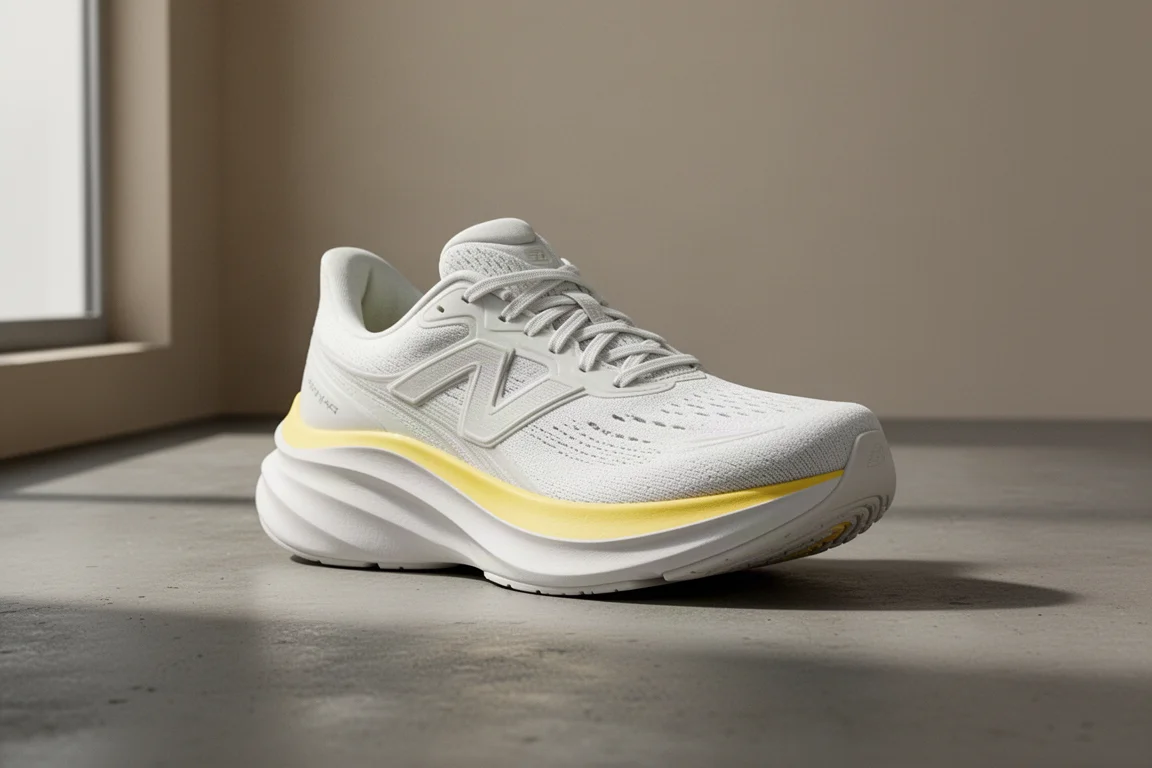
The Brooks Glycerin Max earned the title of favorite max cushion shoe in its debut year, and the obvious worry with any shoe you love is whether it will hold up. After 100 miles of real running, the answer here is reassuring: the Glycerin Max is not just comfortable, it is genuinely durable, which is rare in a shoe this soft.
This review covers how the shoe has been used, how it is holding up, where it sits in the Brooks lineup, and which alternatives make sense if the $200 price tag gives you pause.
How It Rides
The Glycerin Max has been the go-to shoe for recovery runs, easy days, and longer relaxed efforts. It is the shoe for any run where comfort matters more than pace. The upper materials are plush without being overly padded, and the dual-foam midsole pairs a firmer outer material with a softer inner layer, striking a balance that helps land efficiently and roll comfortably into each stride.
There is a lot of cushion here, and plenty of foam compression to absorb road impact, with a reasonable amount of decompression and responsiveness on the way back. Make no mistake, this is not a speedy shoe. It leans a little mushy, and that is by design. On days when pace does not matter and comfort does, it is a real treat.

Durability After 100 Miles
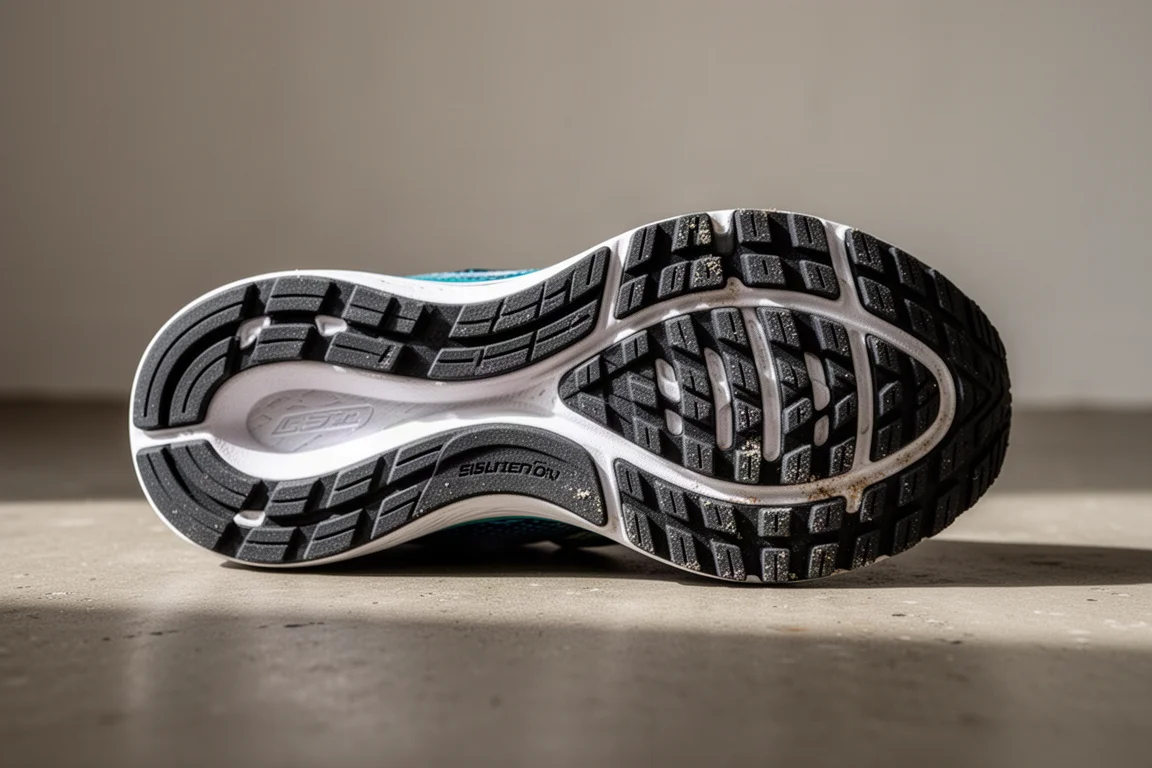
One hundred miles is not the end of a shoe’s life, but it is usually the point where early breakdown starts to show. In the highest-wear zones, right under the pads of the foot and along the outer heel, the Glycerin Max shows only very small signs of wear when inspected extremely closely. At a glance, the outsole looks pristine, and it does not look like a shoe with 100 miles on it.
A big part of that is the generous rubber coverage on the bottom. It adds to the overall heft of the shoe, but since this was never intended to be a fast shoe, the built-in durability is a smart trade.
Midsole Longevity
The super critical midsole foam is holding up just as well. These foams do not crease the way some other compounds can, and the shoe still feels fresh underfoot rather than like a 100-mile shoe. There is no fade within a single run, and performance stays consistent over time, which matches what you would expect from this type of foam.
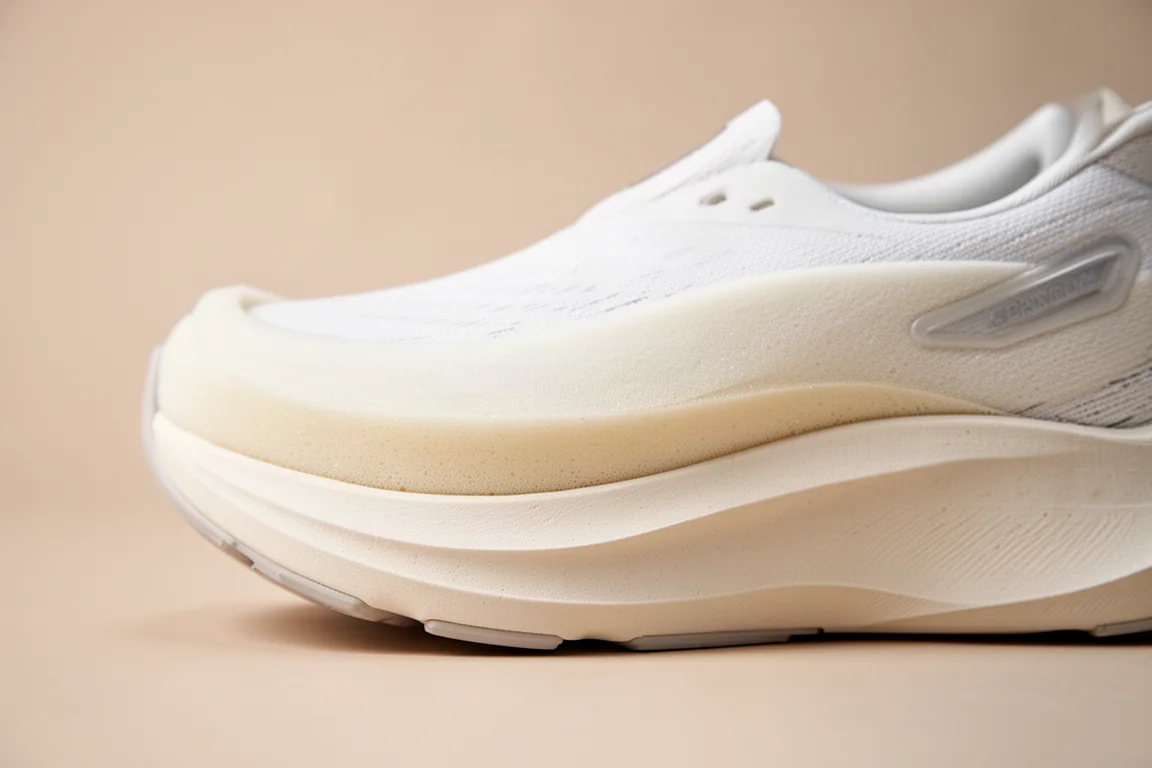
The upper has picked up some light staining, which is inevitable on an all-white shoe, but every material still feels great and not a single stitch is out of place. Top to bottom, the shoe is holding up exceptionally well.
Where It Fits in the Brooks Lineup
Brooks now runs two parallel neutral lines. The traditional line includes the Ghost as the daily trainer, the Glycerin as the max cushion shoe, and the Hyperion as the tempo option. The Max series lines up directly against them with different drops, foams, and experiences: the Ghost Max as an alternative daily trainer, the Hyperion Max as a taller tempo shoe, and the Glycerin Max as the max cushion option.
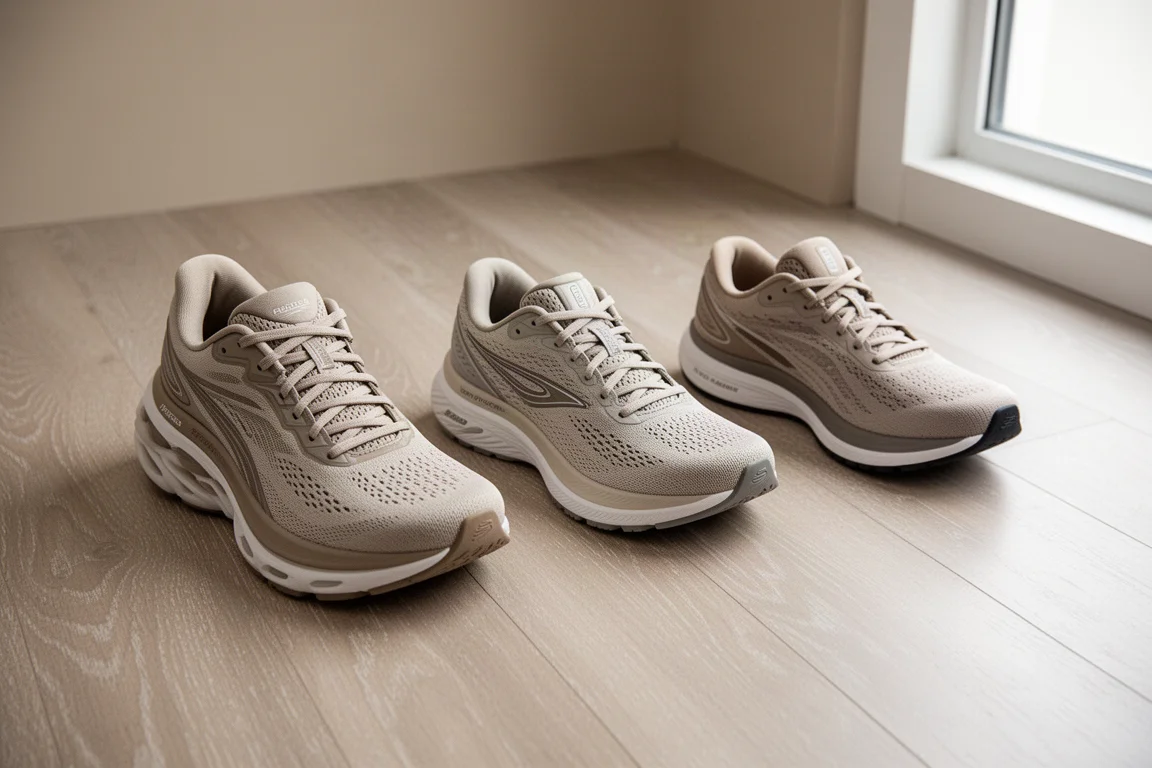
Both the Glycerin and Glycerin Max chase comfort, but they do it very differently. If classic Brooks shoes have not worked for you in the past, the Max series is the line most likely to change your mind. For race day, the Hyperion Elite PB, essentially an updated version of the Hyperion Elite 4 with PEBA foam, completes the rotation.
Buying Advice and Alternatives
If you love max cushion shoes, the Glycerin Max is a must-buy, especially if past Brooks shoes have let you down. The one real complaint is the price: at $200 it is expensive, and a discount does not look likely soon. If that is a sticking point, two cheaper options are worth considering.
The Mizuno Neo Zen is not technically a max cushion shoe, but it behaves like max cushion in a daily trainer package. The knit upper is very comfortable and the mushy midsole is built for relaxed days rather than fast running. At $150, it undercuts the Glycerin Max significantly, and it suits the same easy-day, comfort-first runs.
The Puma Forever Run (version one) takes a similar approach with a dual-layer super critical foam setup: a firmer outer layer around a much softer inner layer. It is a slightly stabilized, extra-cushioned daily trainer with guide rails and a large heel clip rather than a true max cushion shoe, but it fills the same beat-up-legs, comfort-first role. It also runs $150, and with the Forever Run 2 already released or arriving in some regions, discounts are plausible. Puma is not known for sitting on excess inventory though, so interested runners should grab their size while they can.
If you want full-fat max cushion in the biggest, comfiest package, the Glycerin Max remains the pick.
Conclusion
After 100 miles, the Brooks Glycerin Max stands out for a rare combination: plush, comfort-first cushioning that barely shows any wear. It is expensive at $200, but the durability and comfort make it easy to recommend to anyone who loves the max cushion genre. Runners on a tighter budget have solid alternatives in the Mizuno Neo Zen and the Puma Forever Run, both offering a similar relaxed, comfortable ride for less money.
Product link
View more details for Brooks Glycerin Max
This product is mentioned in the review. Check the specifications, options, and compatibility before buying.
View more details for Brooks Glycerin MaxFurther reading
Related Reviews

Running Shoes
Best Road-to-Trail Running Shoes: Three Versatile Options for Mixed Terrain
A practical guide to three road-to-trail running shoes that handle both pavement and mild trails, with clear strengths and trade-offs for different runner types.

Running Shoes
Best Running Shoes for Achilles Tendonitis: Three Options Explained
Three running shoes with different heel drops and support features designed to help reduce Achilles tendon pain during walking and running.

Running Shoes
Best Running Shoes for Women: Five Top Choices Ranked
A ranked guide to five women's running shoes, from versatile daily trainers to high-performance racing options, with real strengths and trade-offs for each.