Running Shoes
Brooks Glycerin Max Review: 100 Miles With Brooks's First Super Maximal Daily Trainer
After 100 miles of testing, the Brooks Glycerin Max proves surprisingly stable, well balanced, and impressively durable for a super maximal trainer, though sizing needs attention.
Introduction
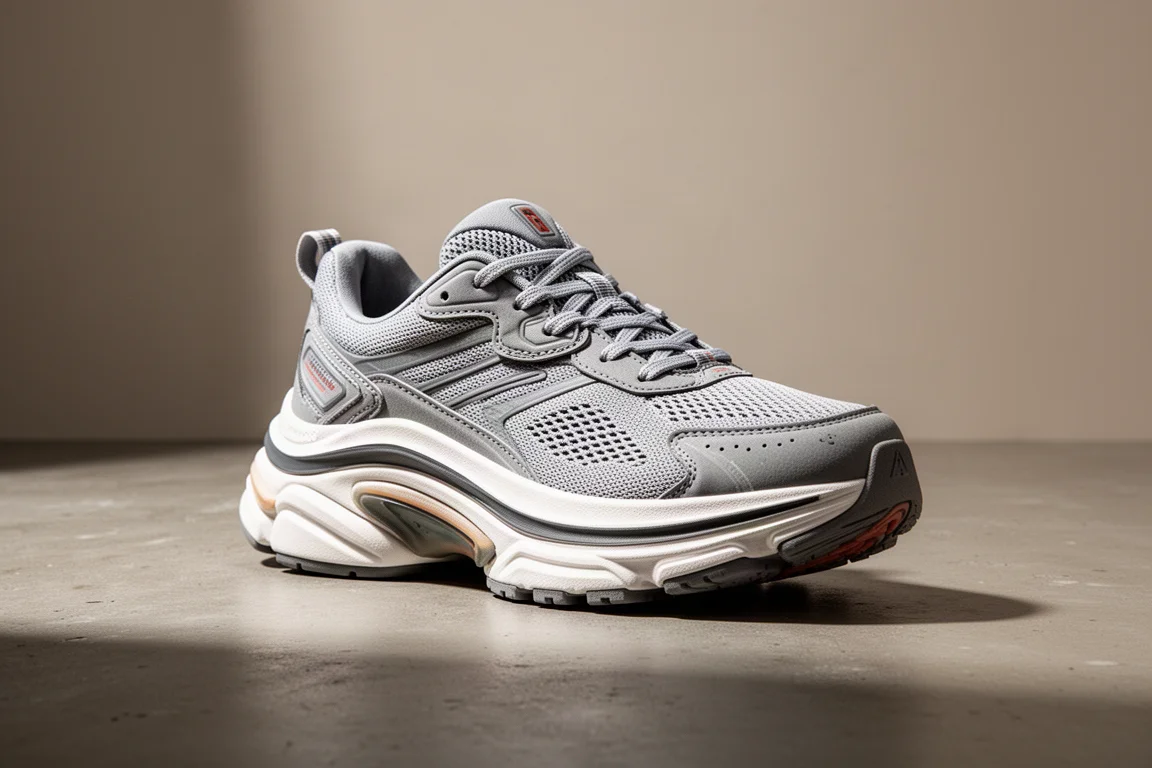
The Brooks Glycerin Max is Brooks’s first super maximal daily training shoe, and after putting more than 100 miles on a single pair, the picture is clearer than an early first-impressions verdict might suggest. Initial takes were mixed, but this shoe has held up as a genuinely comfortable, versatile daily trainer with durability that stands out in the super maximal category.
The headline surprise is how normal it feels. Where many tall-stacked shoes feel wobbly or overly soft, the Glycerin Max feels like a really comfortable standard trainer with a lot of protection underfoot. It is not a fast shoe and not something for tempo work, but for easy runs, long runs, and everything in between, it does the job remarkably well.
Specs at a Glance
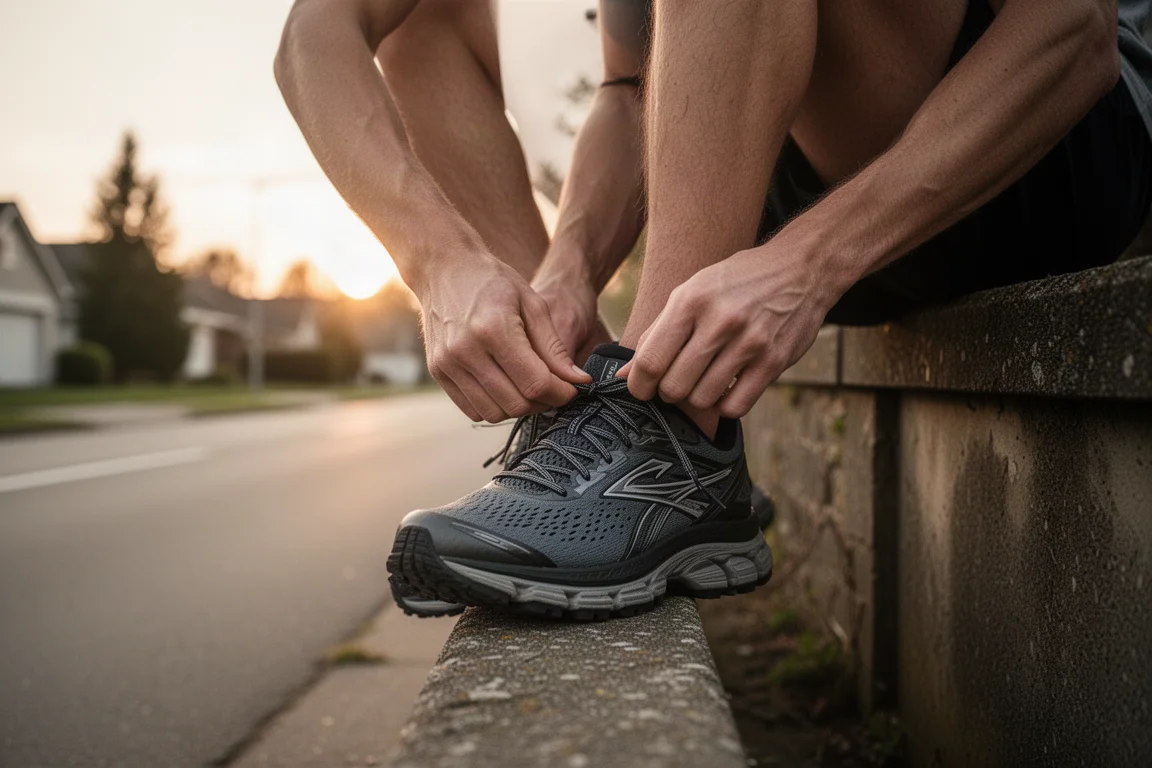
Men’s size 9 comes in at 10.9 oz (309 g), and women’s size 8 at 9.3 oz (264 g). The stack measures 47 mm in the heel and 41 mm in the forefoot for a 6 mm drop, which sits at the lower end for Brooks. Despite the huge stack, it actually feels like a lower-drop shoe in practice, closer to 4 mm on the foot, and even approaching zero drop if you land hard on your heel.
The midsole foam is Brooks’s DNA Tuned. Walking in it feels soft as marketed, but when running, the foam firms up considerably. The result is a cushioning feel that is very well balanced: not overly firm, not mushy, and stable enough to trust on any easy-day route.
Fit and Sizing
This is the area where most runners will need to pay attention. The fit runs a little wide overall, but the toe box tapers quickly and the shoe feels about a quarter size short. Locking down the laces tightly is necessary to get a secure fit, and long miles have caused some toe bruising on one side.
For most runners, going up half a size is the safer choice, especially for longer efforts, if you are sensitive to a slightly short fit, or if you plan to use an orthotic. Runners doing shorter mileage or mostly walking may find true to size works fine. The upper volume is slightly higher than average but not the highest, so it is a good option if you need a bit more room around the midfoot. There is plenty of heel padding, and despite a fairly thick heel counter, it caused no irritation, though anyone with heel sensitivity should still try it first.
Ride and Cushioning
Out of the box, the shoe is very stiff with essentially no flexibility. It takes a few miles to break in, but once it does, the ride becomes genuinely smooth. There is a decent rocker, slightly more aggressive in the forefoot, and a reasonably good heel bevel that improved as the shoe broke in. The first couple of miles can feel a touch clunky due to a slight posterior flare, but that settles quickly.
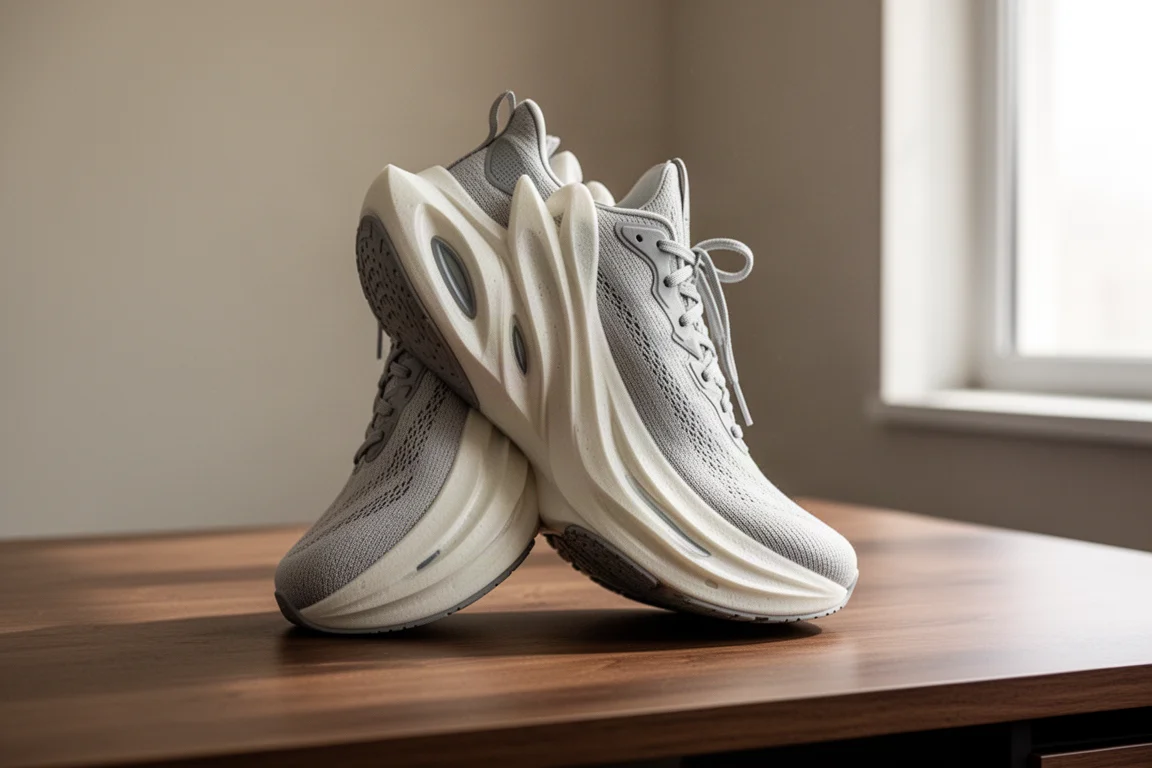
At 100 miles, the ride sits nicely in the middle: not mushy, not too firm, and consistent even as efforts get longer. This makes it a favorite for long runs and unstructured days where you just want a stable, trustworthy shoe. The large, stiff sidewalls and wide platform give it a stable neutral character, and the midfoot can feel a bit stiff because of that width. Runners who want flexibility should look elsewhere, but if you want a stiff shoe that rolls well, it is a strong choice, including for anyone who benefits from rocker-like geometry such as those with hallux rigidus or limitus.
Because it rides lower than the numbers suggest, calves may notice the effort on uphills, so make sure you are accustomed to lower-drop shoes before jumping in.
Durability After 100 Miles
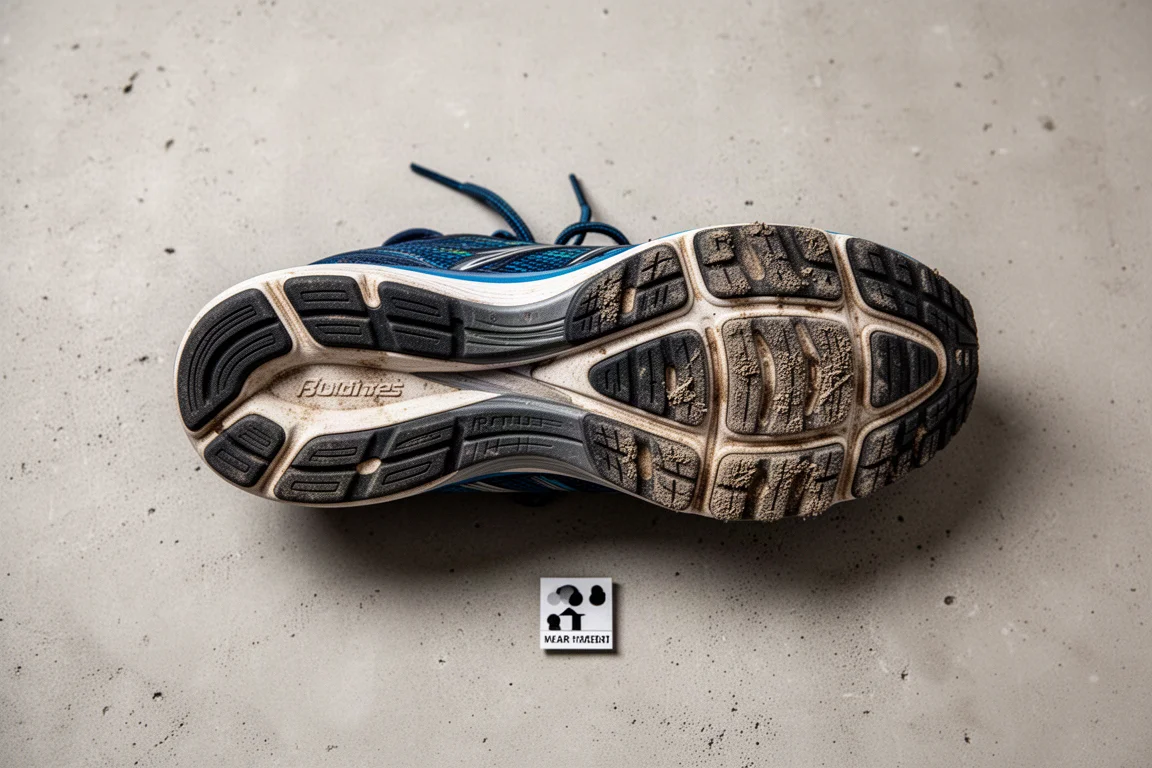
Durability is the standout. After 102 miles, the outsole shows essentially no wear, even on a shoe that looked like it might tear down quickly early on. At its roughly $200 price, that longevity matters: there is every indication the shoe can go several hundred more miles. For a super maximal trainer, this level of durability is genuinely impressive and helps justify the investment.
Should You Buy It?
The Glycerin Max makes sense if you want a tall shoe that does not feel unstable or crazy, well-balanced cushioning with serious protection underfoot, a stiff ride that rolls smoothly, orthotic compatibility, and a shoe that excels at longer runs with extra width. The main caution is sizing: expect it to run slightly short and consider a half size up. The hope for version two is that Brooks does not over-engineer what is already a very solid first effort.
Conclusion
After 100 miles, the Brooks Glycerin Max stands out as one of the best-executed super maximal daily trainers available. It is balanced, stable, surprisingly natural for its stack height, and built to last. Figure out the sizing, and it is an easy recommendation for daily training miles.
Product link
View more details for Brooks Glycerin Max
This product is mentioned in the review. Check the specifications, options, and compatibility before buying.
View more details for Brooks Glycerin MaxFurther reading
Related Reviews

Running Shoes
Best Road-to-Trail Running Shoes: Three Versatile Options for Mixed Terrain
A practical guide to three road-to-trail running shoes that handle both pavement and mild trails, with clear strengths and trade-offs for different runner types.

Running Shoes
Best Running Shoes for Achilles Tendonitis: Three Options Explained
Three running shoes with different heel drops and support features designed to help reduce Achilles tendon pain during walking and running.

Running Shoes
Best Running Shoes for Women: Five Top Choices Ranked
A ranked guide to five women's running shoes, from versatile daily trainers to high-performance racing options, with real strengths and trade-offs for each.