Running Shoes
Brooks Glycerin GTS 22 vs GTS 23: Which Premium Stability Shoe Should You Buy?
A side-by-side comparison of Brooks' premium stability trainers, covering weight, ride feel, fit, and how the guide rails concept changed between versions.
Introduction
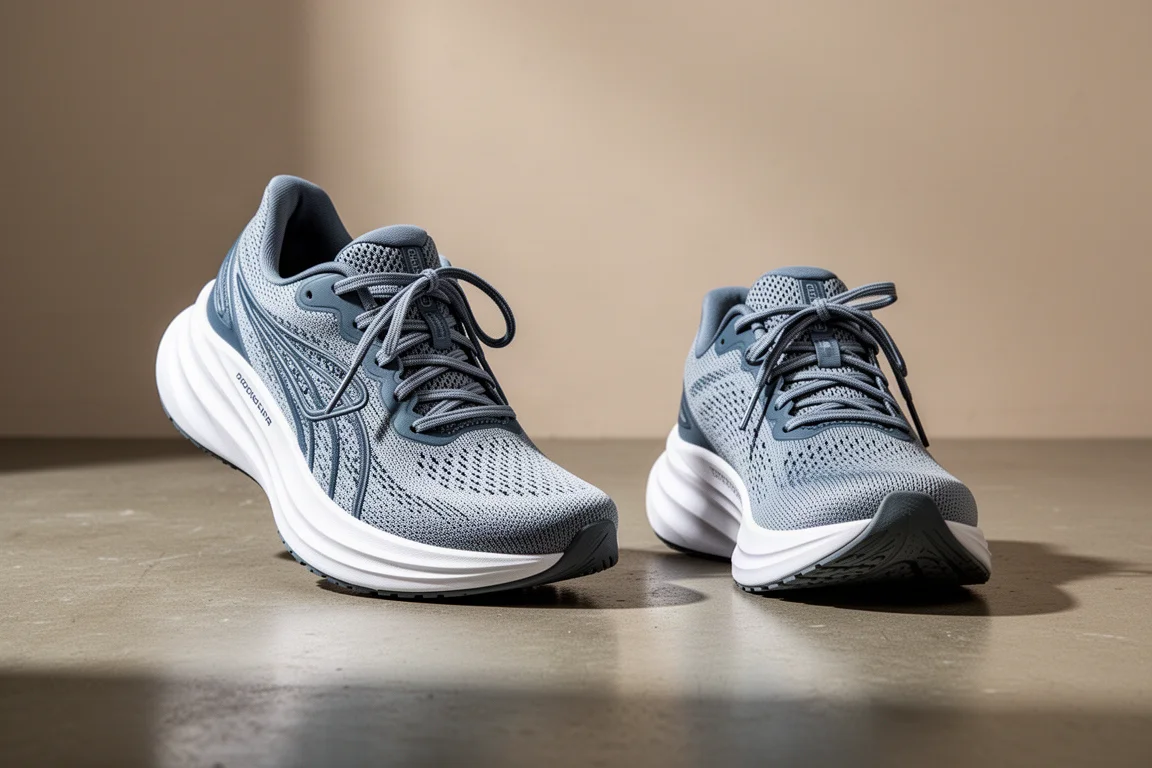
The Glycerin GTS line sits at the top of Brooks’ stability range, and with two current versions on the market the choice is genuinely interesting: one is available at a discount, the other at full price. On paper they look similar. In practice, they ride and fit noticeably differently, and the change in how the guide rails are implemented is significant enough to affect which one you should pick.
This comparison looks at specs, ride feel, fit, and stability, so you can decide whether the sale price of the older model is the smarter buy or whether the newer version’s changes are worth the extra money.
Specs and Weight
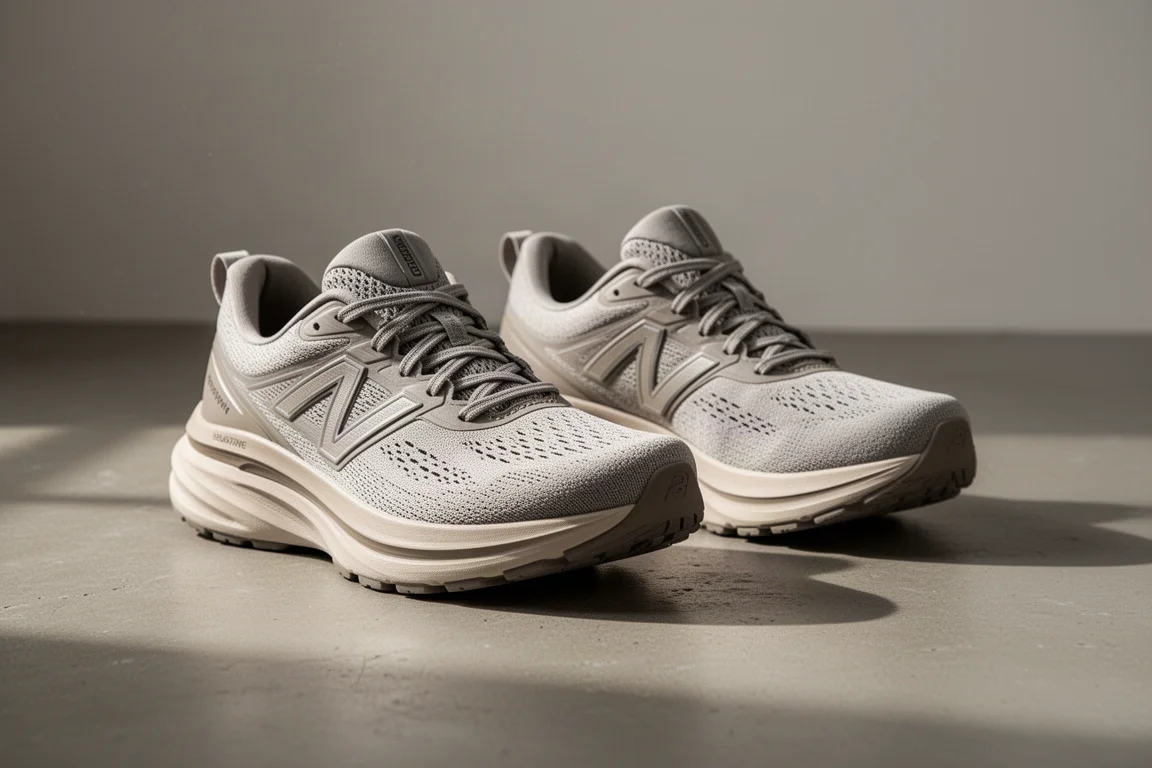
In a men’s size 10, the Glycerin GTS 22 comes in at 325 g (about 11.5 oz), while the GTS 23 is slightly heavier at 330 g (about 11.6 oz). That makes the 23 one of the heavier stability shoes released in 2026. Both use Brooks’ DNA Tuned foam in the midsole, but how that foam is tuned differs a lot between the two.
Stack height is a little murky. Both shoes measure around 38 mm in the heel. Brooks lists a 28 mm forefoot for both versions, which would mean a 10 mm drop, though other sources suggest the GTS 23 may be 30 mm in the forefoot for an 8 mm drop. On foot, the 23 does feel slightly lower than the 22.
Ride and Transition
Both shoes carry DNA Tuned, but they could hardly feel more different. The GTS 23’s foam still has some softness and a little bounce, though the shoe is noticeably firmer than the GTS 22, which keeps more of that plush DNA Tuned character. Walking in the 23 feels fine, and after around 30 miles of break-in there is a bit more cushion, but when running it delivers a firmer, more rolling ride.
If you want a soft ride, the 22 is the better pick. If you prefer something firmer and more rolling, the 23 fits that description better.
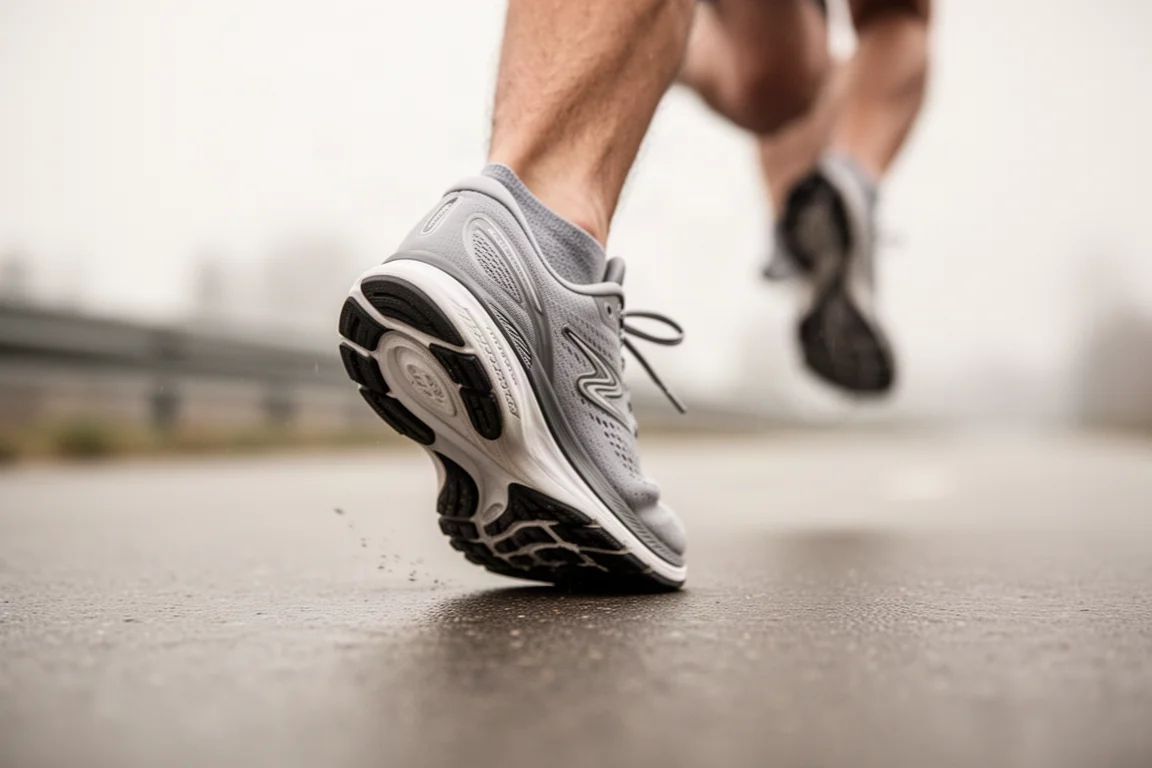
Transition is where the 23 actually improves. The slightly lower drop and a better-designed heel make the heel-to-midfoot transition smoother, even though the heel bevel remains fairly sharp. For heel strikers in a high-stack shoe, a curved heel matters: it rolls you forward and reduces strain on the anterior tibialis and foot extensor tendons. The 22’s foam breaks in nicely but keeps a larger heel feel early on, while the 23 smooths out sooner.
Neither shoe offers much forefoot flexibility. There is a small amount, so a little toe stiffness is fine, but runners with very limited toe mobility may need a stiffer shoe. Both have well-tuned forefoot rockers that roll you forward pleasantly, and both are clearly daily trainers rather than speed shoes. They are heavy and not especially responsive, so fast running is better left to lighter options.
Upper and Fit
The GTS 22 fits snug at first and adapts to the foot over time, and it runs true to size. The GTS 23 offers a wider fit but, unfortunately, runs short. Side by side, the 23 is physically a little shorter, and it caused toe rubbing and bruising during the first 30 miles. If you are between sizes, be cautious with the 23: try it in store or consider ordering a half size up.
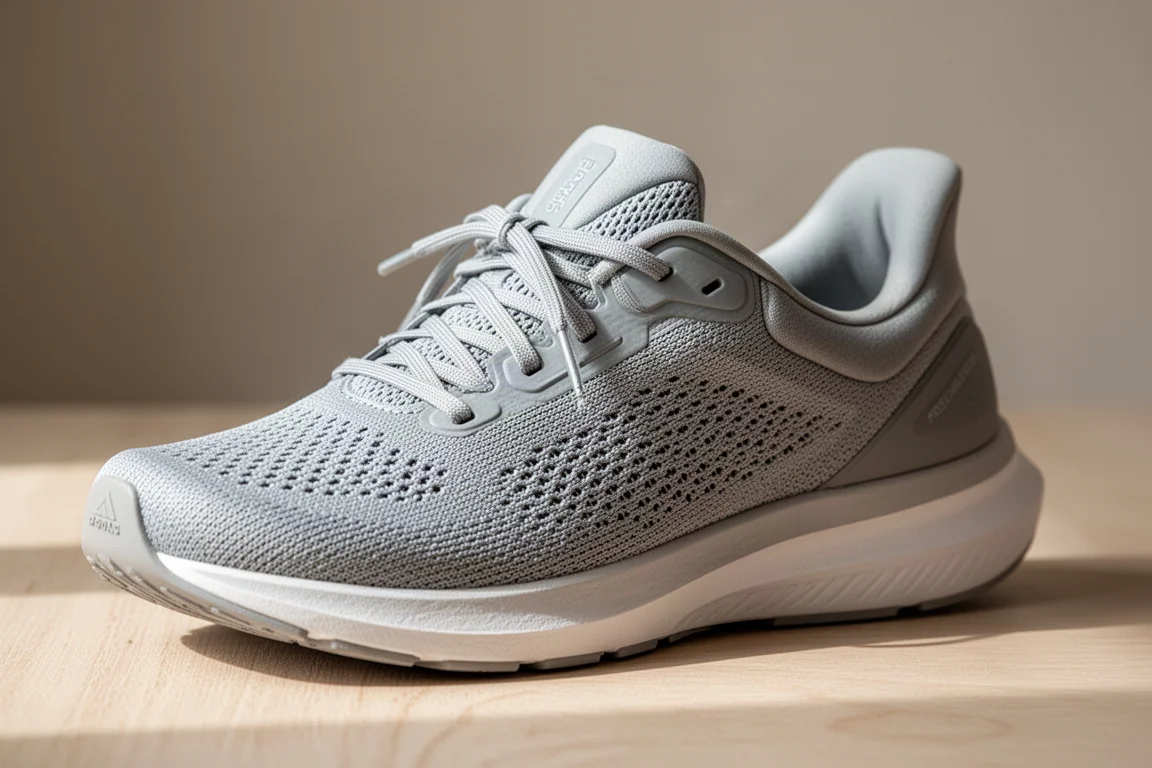
Other fit details worth noting: the heel counter is very stiff in both, so runners sensitive to that may experience heel discomfort. The tongue is thick and not gusseted in either version, which can allow tongue slide, though it only became an issue during sharp turns. The 22’s upper broke in nicely over 30 miles; the 23 changed less, though the heavy heel padding helps lock the heel in place.
Stability and Guide Rails
Brooks introduced guide rails in this series back when the Transcend launched in 2014, and the concept has been in the GTS line since around 2019. The idea is like bowling bumper rails: rather than a firm medial post pushing your foot back to center, foam rails on both the medial and lateral sides engage only when you roll too far in either direction.
In practice, the GTS 22 still felt like it had a medial post, with noticeable pressure on the inside of the shoe. That proved comfortable, even welcome, during recovery from a hip strain, and the lateral side only made the heel slightly clunky at first before softening.
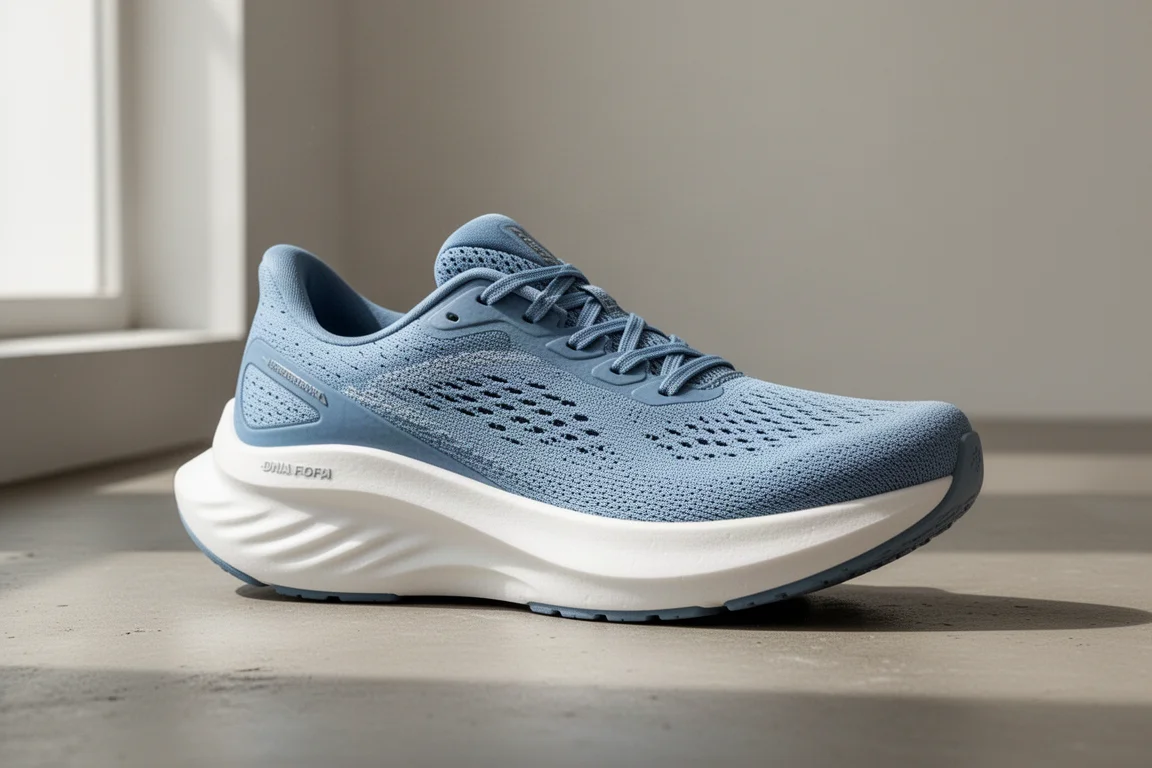
The GTS 23 is a different story. It has the least post-like feeling of any Glycerin or Adrenaline in recent memory. Instead of a soft center with side bumpers, the rearfoot and midfoot simply feel much stiffer. Rigidity is one way to add stability, but done this bluntly it resists motion in all directions and makes the heel and midfoot transition feel clunky. The likely culprit is the DNA Tuned foam not being compliant enough, so the shoe relies on structure rather than a cushioned center.

If you are sensitive to post-like pressure, the 23’s centered, rigid approach may suit you better. But it is also a poor match for orthotics, since the shoe is already very stiff. Heavier loaders and runners who liked the classic soft-center guide rail feel may find the 23 less fun to run in. The GTS 22, with its medial support feel and softer ride, remains the more traditional choice.
Which One Should You Buy?
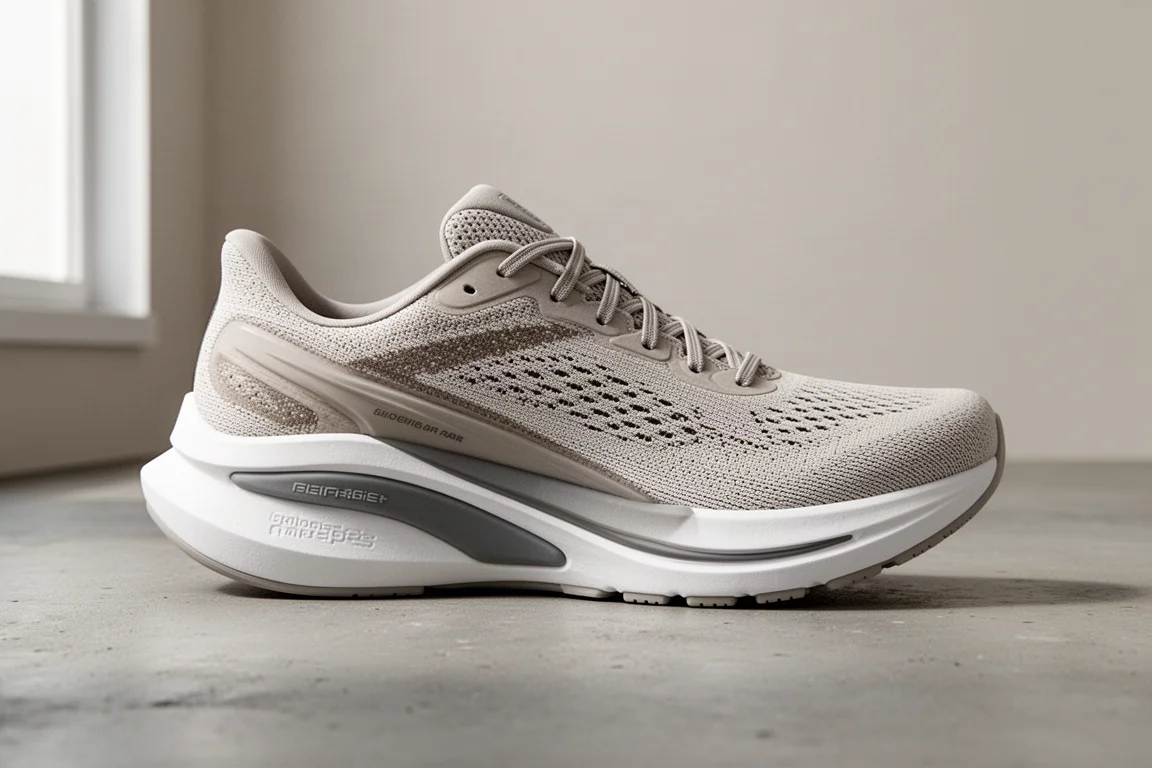
The decision comes down to what your feet like. Choose the GTS 22 if you want the softer ride, the familiar medial support feeling, and true-to-size fit, especially at its sale price. Choose the GTS 23 if you dislike post-like pressure, want a genuinely centered and rigid rearfoot and midfoot, or prefer a firmer, more rolling ride. Just size carefully in the 23, since it runs short and fits wide.
Conclusion
Both versions of the Glycerin GTS are heavy daily trainers built around the guide rails concept, but they deliver that stability in very different ways. The 22 keeps the softer midsole and post-like medial feel that long-time fans expect, while the 23 shifts toward rigidity and a firmer, more centered ride. Match the shoe to your preferences and your foot shape, and either version can serve well as a comfortable daily stability trainer.
Further reading
Related Reviews

Running Shoes
Best Road-to-Trail Running Shoes: Three Versatile Options for Mixed Terrain
A practical guide to three road-to-trail running shoes that handle both pavement and mild trails, with clear strengths and trade-offs for different runner types.

Running Shoes
Best Running Shoes for Achilles Tendonitis: Three Options Explained
Three running shoes with different heel drops and support features designed to help reduce Achilles tendon pain during walking and running.

Running Shoes
Best Running Shoes for Women: Five Top Choices Ranked
A ranked guide to five women's running shoes, from versatile daily trainers to high-performance racing options, with real strengths and trade-offs for each.