Running Shoes
Brooks Glycerin GTS 21 vs 22: Should You Upgrade?
Two versions of Brooks' premium stability trainer with noticeably different rides and fits. Here's how to pick the right one.
Introduction
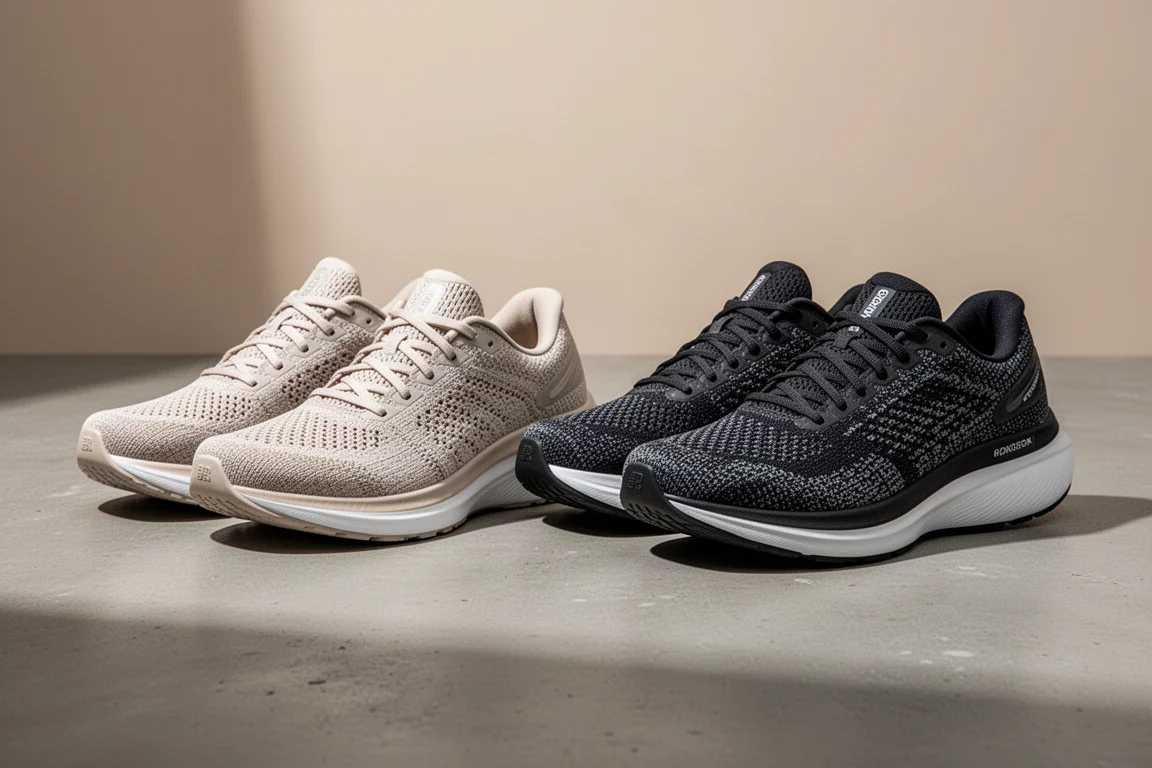
The Glycerin GTS is Brooks’ premium stability trainer, and the jump from version 21 to version 22 is not a subtle refresh. These are two genuinely different shoes: one is softer, lighter, and only mildly stable, while the other is firmer, heavier, and noticeably more supportive. If version 21 left you wanting more control, or left you unimpressed with a plush ride, version 22 may be exactly what the line was always meant to be. If you loved the 21, the 22 might feel like a step sideways. Here’s how they compare so you can decide which one fits your feet, especially with the 21 currently available at a discount.
Specs and Weight
Measured in a men’s size 10, the Glycerin GTS 21 comes in at 10.7 ounces, about 302 grams. The GTS 22 is heavier at 11.6 ounces, about 328 grams. That gain is noticeable in hand and on the foot, though it doesn’t ruin the ride. Version 21 simply feels quite a bit lighter.
Stack height barely moves: the 21 has 38mm in the heel and 28mm in the forefoot for a 10mm drop, while the 22 adds just 1mm for 39/29mm with the same 10mm drop. On paper they’re nearly identical shoes. On the foot, they are not.

Ride and Stability
The version 21 uses a very soft DNA LOFT midsole with a nicely beveled posterior lateral heel, and the result is a smooth, surprisingly plush ride. The softness effectively offsets the guide rails, so most riders experience it as a mild stability daily trainer. That’s a big part of why the 21 became a favorite, though runners who wanted real support found it didn’t deliver enough.
The GTS 22 switches to a firmer DNA tuned midsole. It’s still mildly soft by most standards, but noticeably firmer than the 21. The guide rails, a medial post on the inner side with a shorter lateral sidewall, feel far more present, and the shoe sits in a moderate-to-high stability range rather than mild. Brooks has essentially moved the GTS back toward what the line was originally meant to be: a premium, higher-support trainer.
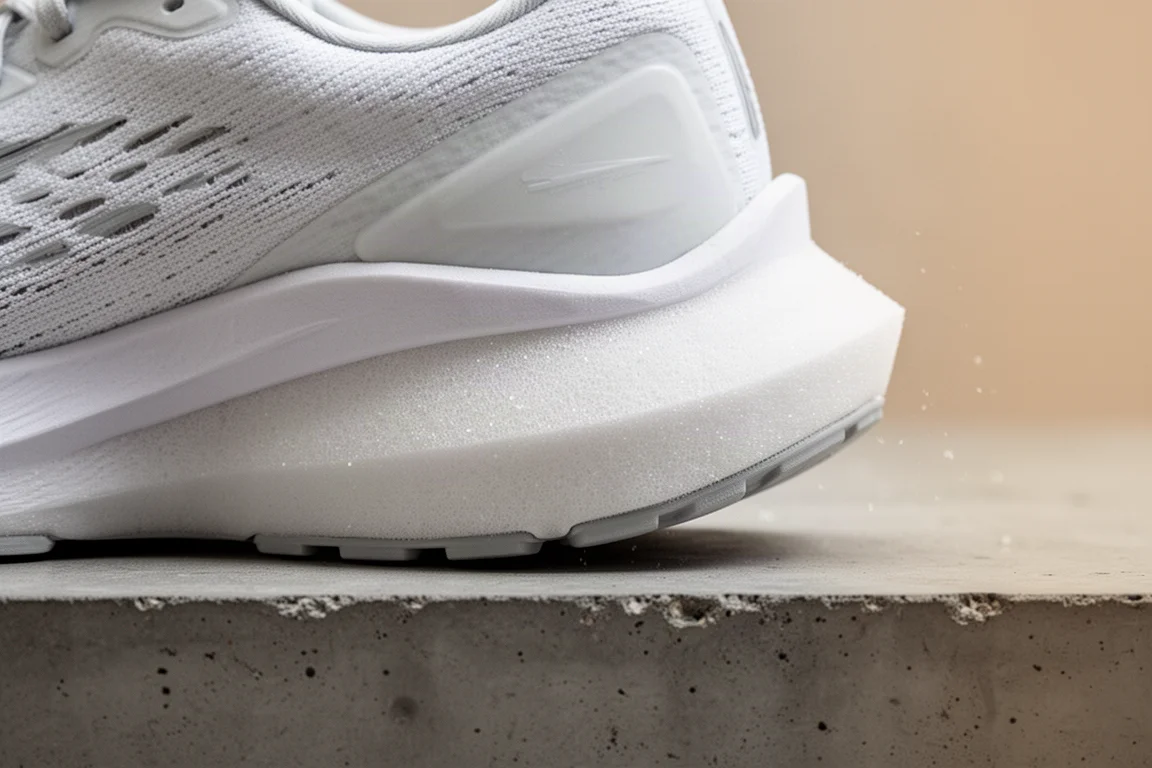
One practical warning: the extra control genuinely limits how much you can pronate. If you need to keep some natural pronation, the firmer, more centered ride of the 22 can cause irritation at the IT band or hips, though it does improve slightly as the shoe breaks in. The 22 also reduces the posterior heel flare and keeps the heel more centered, improving transitions. If the 21 felt too soft or mushy to you, the 22 is the better ride. If you want to keep that soft, easy feel, stick with the 21.
Upper and Fit
The uppers are as different as the rides. The 21 uses a wide, stretchy knit with a generous forefoot that lets toes spread, but you may need to cinch the laces down to stop your foot from sliding. It’s a great option for wider or higher-volume feet.
The 22 moves to a firmer, more structured jacquard knit. It’s more plush in feel but stiffer and far more secure, locking the heel and midfoot in with zero slippage. The trade-off is lower volume: it doesn’t stretch much, so there can be pressure on the top of the toes and an almost short feeling at first. Expect 15 to 20 miles of break-in before the upper adapts to your foot.
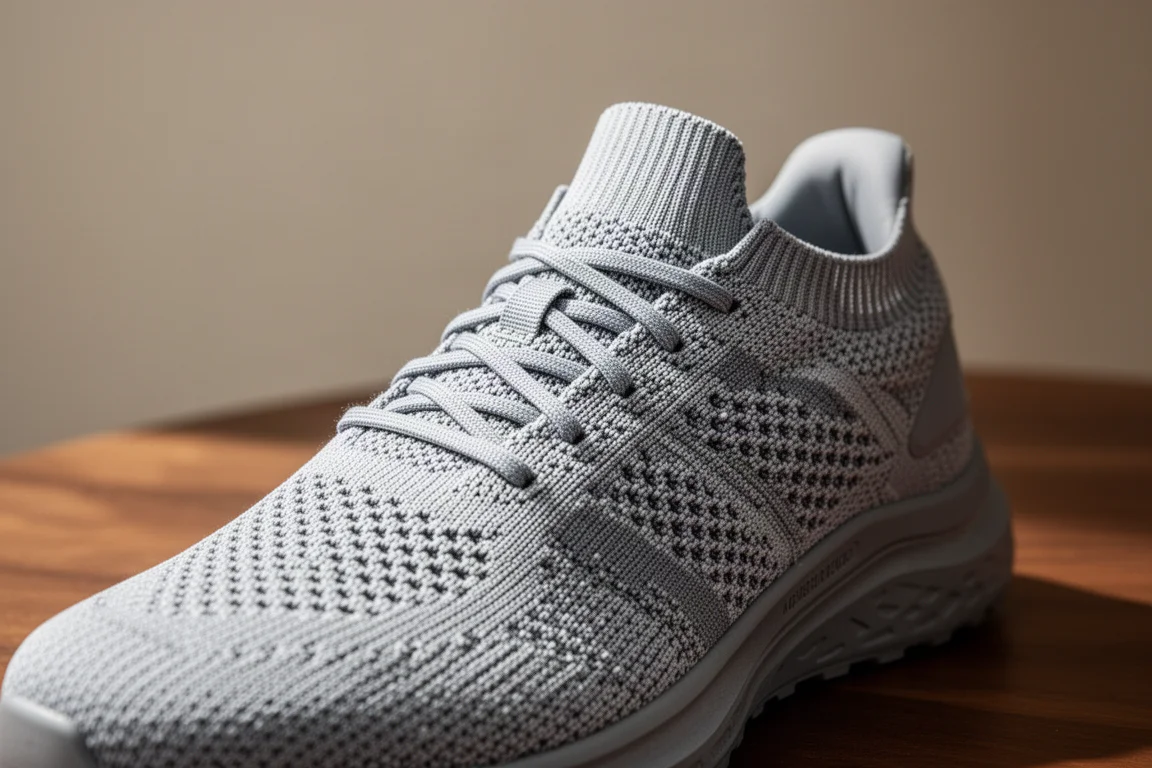
The 22 best suits normal to slightly narrow feet because of that low-volume fit, though a wide version exists. If you want guaranteed room, the 21 remains the better pick.
Durability and Value
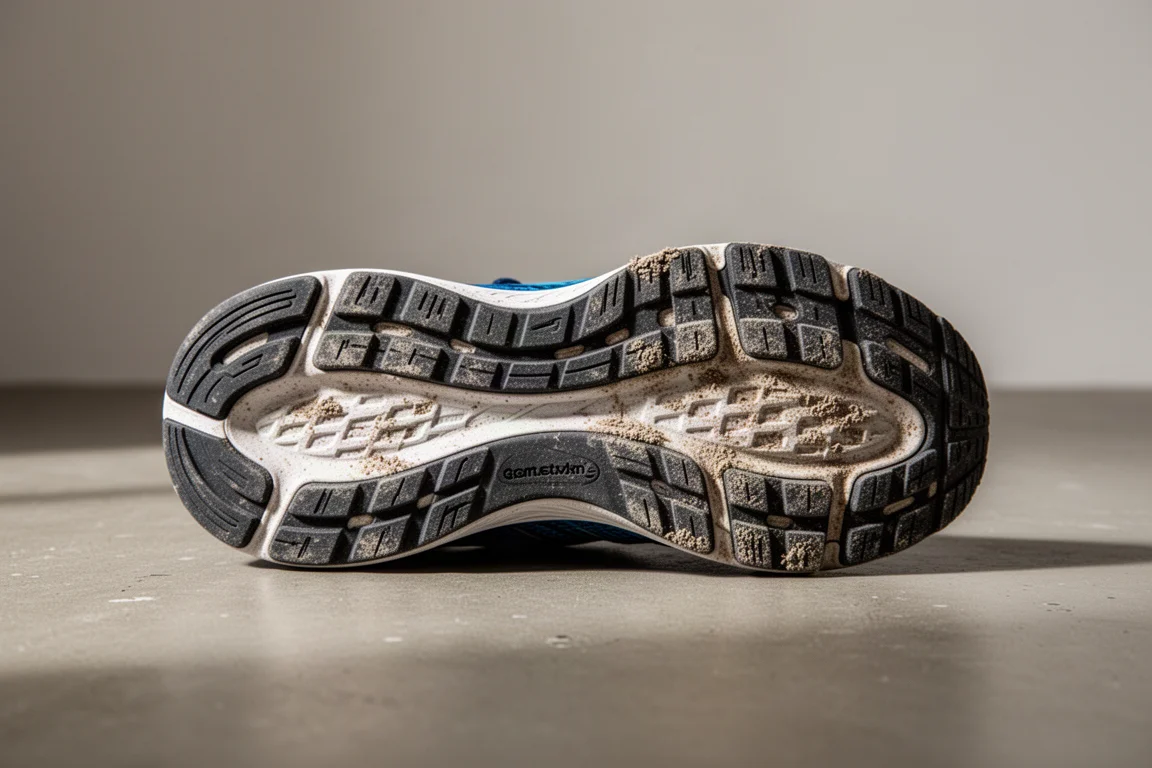
Outsole durability has been phenomenal on both versions. The 21 pair has around 80 miles on it and the 22 has about 30, with wear holding up very well. Both feel worth the money as premium trainers. The open question for the 22 is how the DNA tuned midsole breaks in over more miles, but early mileage suggests it will hold up nicely.
Buying Advice
Choose the Glycerin GTS 21 if you want a lighter, very soft daily trainer with just mild stability, or if you have wider feet and want a roomy upper. It’s also the sensible value pick while it remains heavily discounted. Choose the GTS 22 if you found the 21 too soft or not supportive enough, if you want a more secure, locked-in fit, or if you want the true moderate-to-high stability experience this line was designed for. If you only need a middle ground, Brooks’ Adrenaline line covers the mild-to-moderate range instead.
Conclusion
These aren’t two versions of the same shoe so much as two shoes for different runners. The 21 wins on softness, weight, and volume; the 22 wins on stability, security, and a more centered ride. Matching the shoe to your feet is what keeps you running healthy, and either version can do that when it’s the right match.
Product link
View more details for Brooks Glycerin GTS 21
This product is mentioned in the review. Check the specifications, options, and compatibility before buying.
View more details for Brooks Glycerin GTS 21Further reading
Related Reviews

Running Shoes
Best Road-to-Trail Running Shoes: Three Versatile Options for Mixed Terrain
A practical guide to three road-to-trail running shoes that handle both pavement and mild trails, with clear strengths and trade-offs for different runner types.

Running Shoes
Best Running Shoes for Achilles Tendonitis: Three Options Explained
Three running shoes with different heel drops and support features designed to help reduce Achilles tendon pain during walking and running.

Running Shoes
Best Running Shoes for Women: Five Top Choices Ranked
A ranked guide to five women's running shoes, from versatile daily trainers to high-performance racing options, with real strengths and trade-offs for each.